Mammoth Cave National Park Weather (2026 Guide)
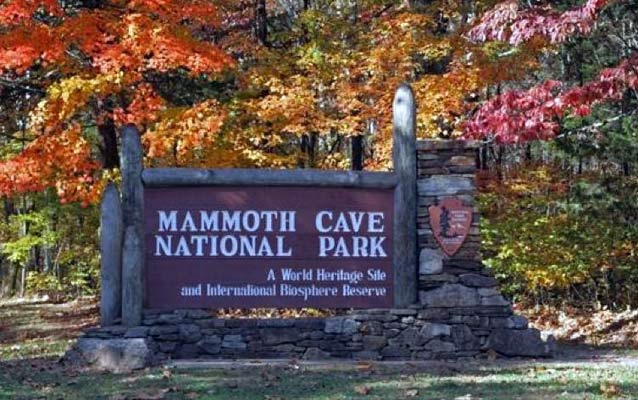
NPS via NPS.gov (Public Domain)
Mammoth Cave National Park Weather: Seasons & Crowds
8 min read
Weather Guide
Pack for two climates: humid Kentucky summers above, constant 54°F cave air below. Your 2026 guide to dressing for both worlds at Mammoth Cave.
Here's the essential truth about weather at Mammoth Cave: you're dealing with two distinct climates. The surface and the cave operate on completely different systems. I've watched countless visitors step from a 90-degree Kentucky afternoon into the cave's constant 54-degree environment, visibly surprised despite the warnings. They pack for forest trails but overlook that the main attraction requires separate preparation. South-central Kentucky brings sticky summers, damp winters, and springs prone to flooding. Your experience depends entirely on whether you're prioritizing surface exploration or underground tours.
The Weather Reality
Two factors define this climate: persistent humidity and genuine unpredictability. Forget the dry Southwest heat or crisp mountain cold—this is different. From late May through September, the air carries weight, with dew points that transform 85 degrees into something far more oppressive. Summer afternoon thunderstorms aren't occasional events; they're regular features that arrive swiftly, deliver heavy rain, and leave trails slick with mud.
The cave itself is the great climate stabilizer. It remains a constant 54°F (12°C) with near 100% humidity year-round. This creates a unique planning challenge: you might need a jacket and long pants for a two-hour tour underground, then step back outside into conditions requiring shorts and sunscreen. Rangers at the visitor center emphasize this point daily. The other surface reality is the Green River. Spring rains routinely cause it to overflow its banks, flooding low-lying trails, roads like Green River Ferry Road, and some valley campgrounds. A forecast for "rain" in March or April doesn't just mean wet trails - it often means temporary closures of entire sections of the park.
Month by Month
January & February
Temperatures range from highs in the 40s to lows in the 20s. Snow happens, but significant accumulation is rare; you're more likely to encounter cold rain, sleet, and ice. This is the quietest time on the surface. Many secondary roads may be closed if icy. The cave tours, however, run on a reduced winter schedule and are wonderfully uncrowded. You'll have the guides' full attention. The bare trees offer clearer views through the karst landscape. The challenge is the damp cold, which chills you to the bone quickly on exposed trails. Pack layers, waterproof boots, and expect some surface facilities to have limited hours.
March & April
This is the season of transition and water. Highs climb into the 50s and 60s, with lows still dipping into the 30s. Precipitation is frequent, and the Green River often reaches its annual flood stage. The park's low-lying river valleys can become temporary lakes, closing the Green River Ferry and trails like the River Styx Spring Trail. The upside is the awakening forest: spring wildflowers like trout lily and spring beauty carpet the woodland floors. Crowds begin to build around spring break. Trail conditions are almost universally wet and muddy. Waterproof footwear isn't a suggestion - it's a requirement.
May & June
The humidity arrives. Daytime temperatures settle into the 70s and 80s, with warm nights. This is the start of the peak visitation season, coinciding with school vacations. All cave tours and surface facilities are fully operational. The forest is fully leafed-out, providing deep shade on hiking trails. Mosquitoes and ticks become active. Late afternoon thunderstorms are a near-daily possibility, often clearing out by evening. Mornings are the best time for surface activities. The cave provides a reliable midday escape from the building heat.
July & August
These are the warmest, muggiest months. Highs routinely reach the upper 80s, with humidity making it feel hotter. Heat indices in the 90s are common. Air can feel still and heavy in the river valleys. This is the absolute peak for tourism; cave tour tickets sell out days or weeks in advance. The surface can feel oppressive between 11 AM and 4 PM. Smart visitors schedule cave tours for these hours or plan to be near the air-conditioned visitor center. Hiking is best done early, with plenty of water. The forest canopy provides shade, but the air lacks cooling relief.
September & October
A collective sigh of relief. Humidity drops, daytime highs become pleasant (60s to 70s), and nights turn cool. Crowds diminish significantly after Labor Day, though October weekends remain busy with fall color seekers. The foliage change is subtle but beautiful - hickories turn gold, maples flash red, and oaks show russet and brown. It's arguably the best balance of comfortable surface weather and manageable visitor numbers. Frost becomes possible by late October. This is prime time for long surface hikes.
November & December
Chilly and damp. Highs range from the 40s to 50s, with lows dropping below freezing. Rain is more common than snow. The park enters its quiet winter phase. Some cave tours transition to the off-season schedule after the Thanksgiving holiday. The leafless trees offer stark, open views of the karst topography - the sinkholes and ridges are more visible. Christmas week sees a small uptick in visitors. The cave is a consistent refuge from the gloomy surface weather, but you'll want a warm hat and gloves for waiting outside for your tour to begin.
Best Times for Specific Activities
For Cave Exploration (Comfort & Availability)
The cave is always 54 degrees. So, the "best" time is when the surface weather makes that temperature feel most appealing. For avoiding chills, visit from June through August - the cave will feel refreshing. For smaller tour groups and easier ticket reservations, target the dead of winter (January, February) or the weekdays of November and early December.
For Surface Hiking
Aim for the shoulder seasons. Late April through early June offers pleasant temperatures before the deep summer humidity, with the bonus of wildflowers. September and October are ideal, with dry trails, cool air, and fewer insects. Summer hiking is feasible only with a very early start and a focus on shaded trails.
For Wildlife Viewing
White-tailed deer and wild turkey are present year-round. Spring (April-May) is best for birding, as neotropical migrants fill the forest. Fall (September-October) offers excellent opportunities to see deer, especially during the rut. Insect activity, including butterflies, peaks in summer.
For Avoiding Crowds
If you dislike crowds, avoid summer and October weekends. The absolute quietest periods are weekdays in January, February, and early December. You'll trade ideal surface weather for solitude and easy access to everything.
For Photography
Spring offers wildflowers and vibrant green foliage. Fall provides autumn color, typically peaking in mid-to-late October. Winter's bare trees reveal the park's underlying karst structure - the sinkholes, ridges, and cave entrances are more photogenic.
What to Pack by Season
Spring (March-May):
Waterproof hiking boots with good traction are non-negotiable for mud. A rain jacket and pants. Layered clothing - a moisture-wicking base layer, insulating mid-layer, and a shell. For the cave: a warm fleece or jacket and long pants. The 54-degree cave feels cold when you're coming from a 60-degree, damp surface.
Summer (June-August):
Lightweight, moisture-wicking clothing for the surface. A wide-brimmed hat and high-SPF sunscreen. Also pack: a medium-weight jacket or fleece and long pants specifically for cave tours. The temperature drop is extreme. Insect repellent. Two water bottles per person.
Fall (September-November):
Similar to spring layering. A warm hat and gloves become essential by late October, especially for morning hikes and cave tour waits. Your cave jacket will double as your evening surface layer.
Winter (December-February):
Insulated, waterproof boots. Thermal base layers, a heavy insulating layer (down or synthetic puffy), and a waterproof/windproof outer shell. Warm hat, gloves, scarf. The cave will feel relatively mild compared to the surface, but you'll still want that insulating layer underneath your shell.
Year-Round Essentials:
A headlamp or flashlight (useful in cave tour exit passages and for evening walks). A backpack to carry your cave layers when you're not wearing them. Reusable water bottles. The park's water is safe to drink from designated fill stations.
What the Forecast Doesn't Tell You
- The Cave Chill is Real. A 54-degree environment with 100% humidity conducts heat away from your body fast. You'll get colder than you expect, especially on longer, less strenuous tours. That lightweight summer hoodie won't cut it.
- River Forecasts Matter More Than Rain Forecasts. A half-inch of rain in Ohio can flood the Green River here days later. Check the Green River at Munfordville gauge online. If it's near or above 25 feet, expect lowland closures.
- Fog is a Morning Event. River valleys and sinkholes fill with dense, radiant fog on clear, cool mornings, especially in fall and spring. It burns off by mid-morning, but it can delay scenic drives and obscure trail views.
- Summer Rain is Brief but Intense. An afternoon thunderstorm may only last 30 minutes, but it can drop a half-inch of rain. Trails turn slick instantly. Wait it out under a shelter; rushing leads to slips on muddy sandstone.
- The Visitor Center is a Climate Reset Button. If the surface weather becomes too hot, cold, or wet, the visitor center is a large, climate-controlled space with exhibits, seating, and park information. Rangers use it as a recommended waiting spot during sudden storms.
- Microclimates in Sinkholes. Temperatures can be 5-10 degrees cooler at the bottom of a large sinkhole than on the ridge above. You'll feel the drop as you descend on trails.
- Wind is Rare Underground but Common on Ridges. The cave has no weather. But on the surface, especially on high ridges like the Echo River Spring Trail overlook, wind can be strong and make a 40-degree day feel much colder.
Practical Takeaways
- Always pack for two climates: the surface forecast and the perpetual 54°F cave. A dedicated set of cave clothes (long pants, closed-toe shoes, jacket) is mandatory, even in August.
- Check the river level, not just the weather. Before your trip, search for "Green River at Munfordville USGS." Levels above 25 feet mean likely flooding in park lowlands.
- Summer visits require a strategy. Plan cave tours or visitor center time for the hot midday (11 AM - 4 PM). Hike only in the early morning or late evening.
- Shoulder seasons are the sweet spot. April-May and September-October offer the most reliable combination of good surface hiking weather, open facilities, and manageable crowds.
- Winter is for cave enthusiasts. If your primary goal is the cave itself, January and February offer intimate tours and no crowds. Just dress for a cold, damp surface environment.
- Footwear dictates your experience. Waterproof, broken-in hiking boots are the single most important item for enjoying the park's surface trails nine months of the year.
- Book cave tours well in advance from May-October. As the 2026 park alert states, reservations are the only way to guarantee a spot. Walk-up tickets are not a reliable plan.
For more on planning your overall trip, including logistics beyond the weather, see our complete visitor guide. When you're ready to hit the surface trails, our guide to the hiking trails details what to expect on the ground.
Related: mammoth cave national park guide
Sources
- Official source: NPS — Mammoth Cave National Park nps.gov/maca/index.htm
- Official source: National Park Service nps.gov/places/mammoth-cave-national-park.htm
More to Explore
Park Guide
Acadia National Park: Carriage Roads, Cadillac Mountain & 2026 Guide
Discover carriage roads, Cadillac Mountain, and rugged Maine coast. Complete 2026 guide to Acadia National Park — trails, fees, lodging, permits, and what rangers recommend.
Hiking Guide
Grand Canyon Hiking Trails: Day Hikes, Water Sources & Rim to Rim
Compare Grand Canyon hiking trails: Bright Angel, South Kaibab, Hermit, Grandview, and rim to rim, with distances, elevation, water stops, and trailhead access for each.
Best Of
Best of Glacier Bay National Park
The best of Glacier Bay is reached by boat: ranger-led day tours up the bay to the tidewater glaciers. What's worth it, how to book, and when to go (2026).
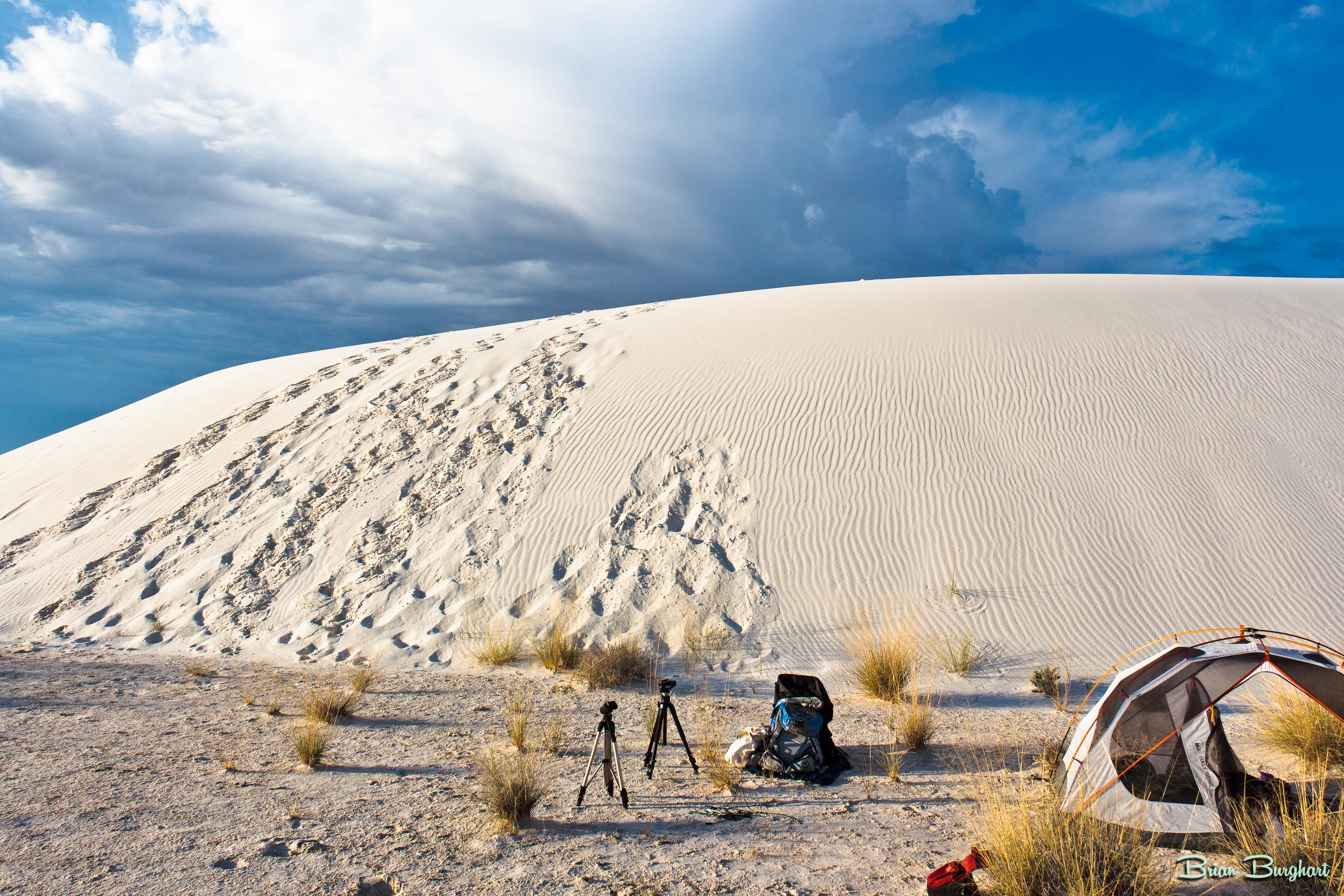
Campsite Guide
White Sands Backcountry Camping: Closed for 2026 — What to Know
As of 2026, backcountry camping at White Sands National Park is closed for site rehabilitation. What that means, and where to camp nearby instead.
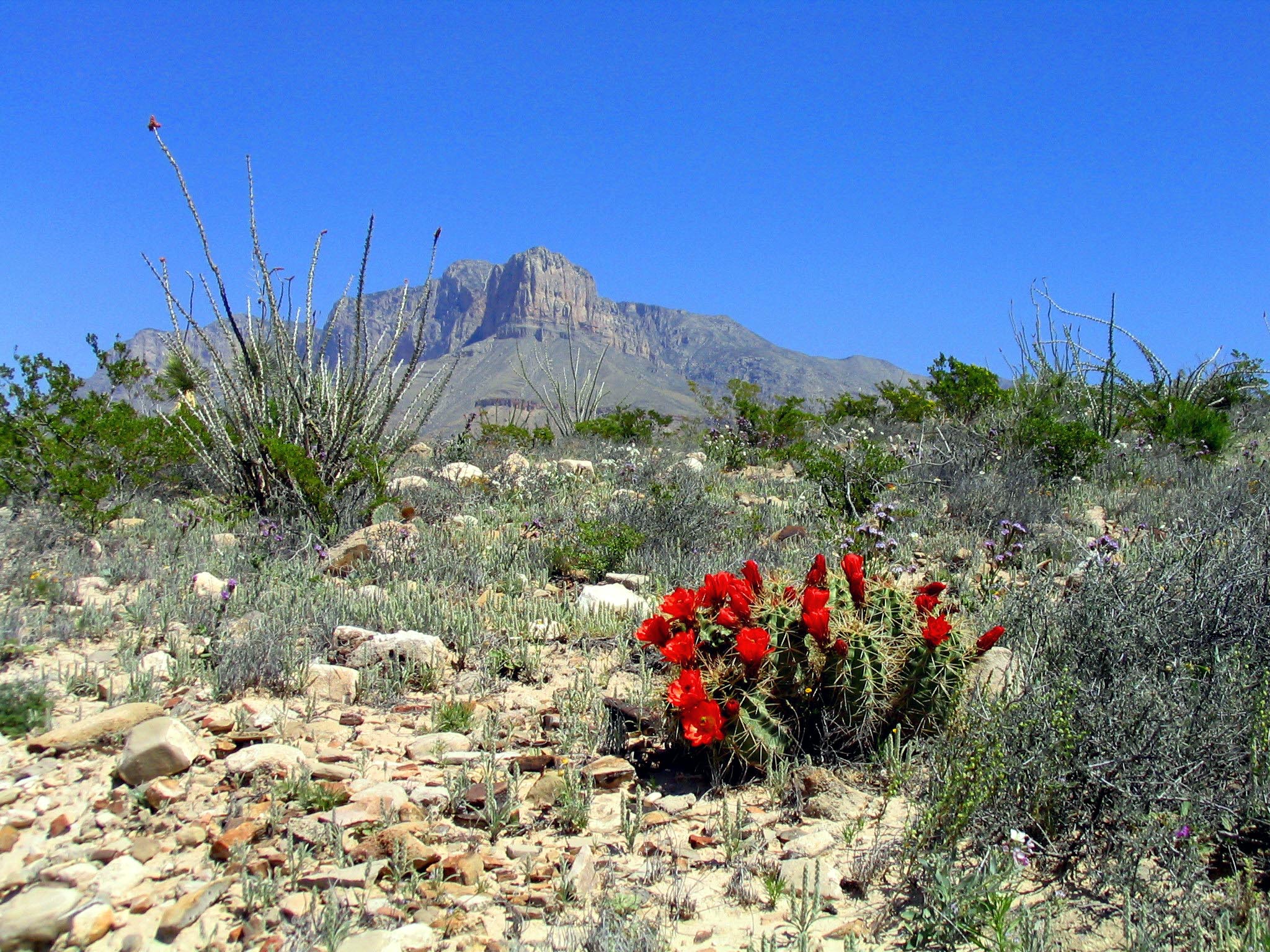
Weather Guide
Guadalupe Mountains National Park Weather: Weather
Guadalupe Mountains National Park: weather guide guide updated 2026. Practical visitor information, reservations, and seasonal tips worth bookmarking before
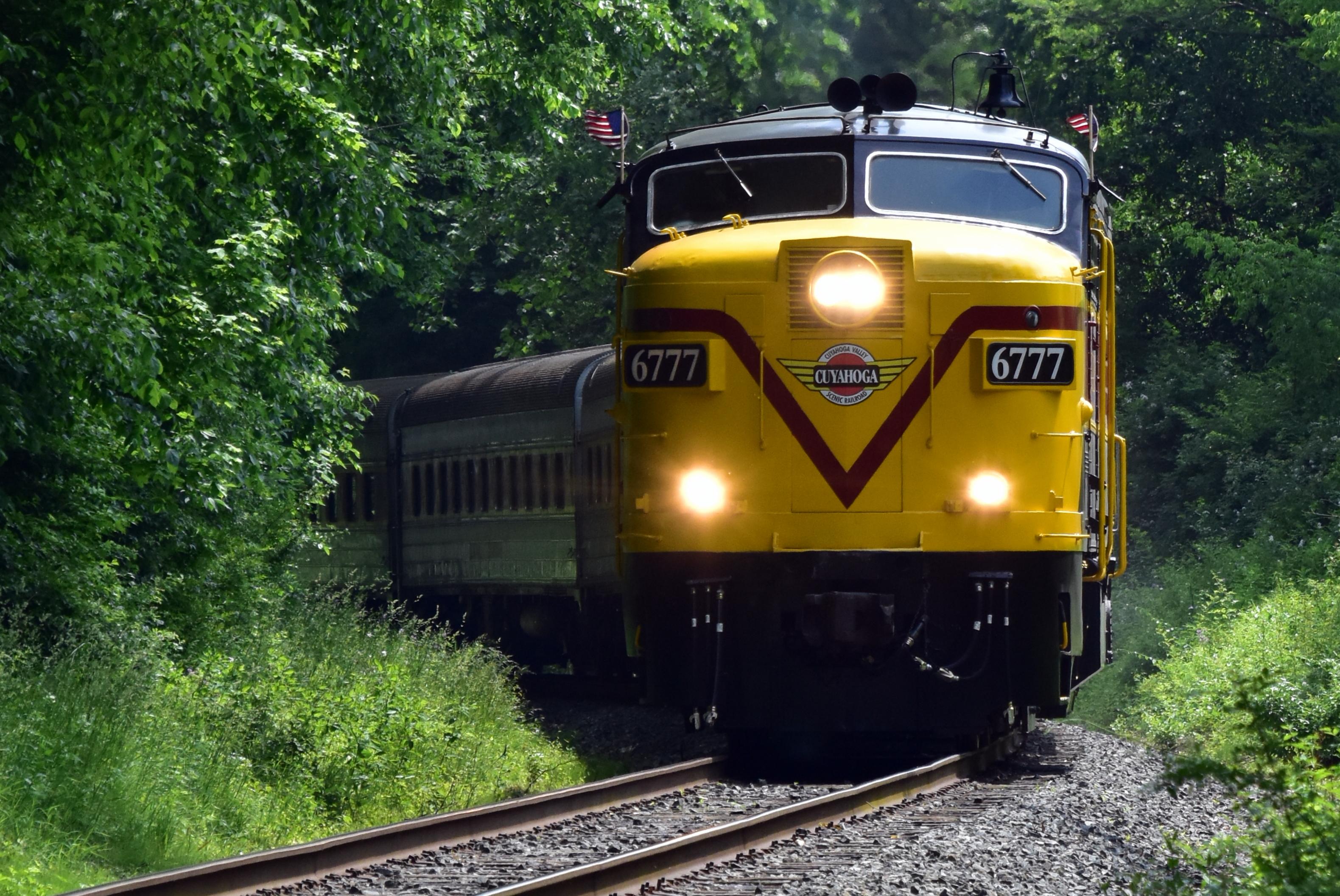
Best Of
Best of Cuyahoga Valley National Park: Best Things to Do
Seeing a Cleveland Orchestra concert with the woods as your backdrop is a uniquely Cuyahoga Valley experience.
Sign in to join the conversation.
Sources & Attribution
Location data courtesy of the National Park Service (U.S. Department of the Interior). NPS data is public domain. Official NPS page.
Images: NPS.
Map data © OpenStreetMap contributors.
Park operations alerts: NPS.gov · Weather and weather hazards: National Weather Service · Live conditions.
Information may change. Always verify fees, hours, and conditions directly with the official source before visiting.
Did this guide help? Share it with a friend.