For more, see best time to visit.
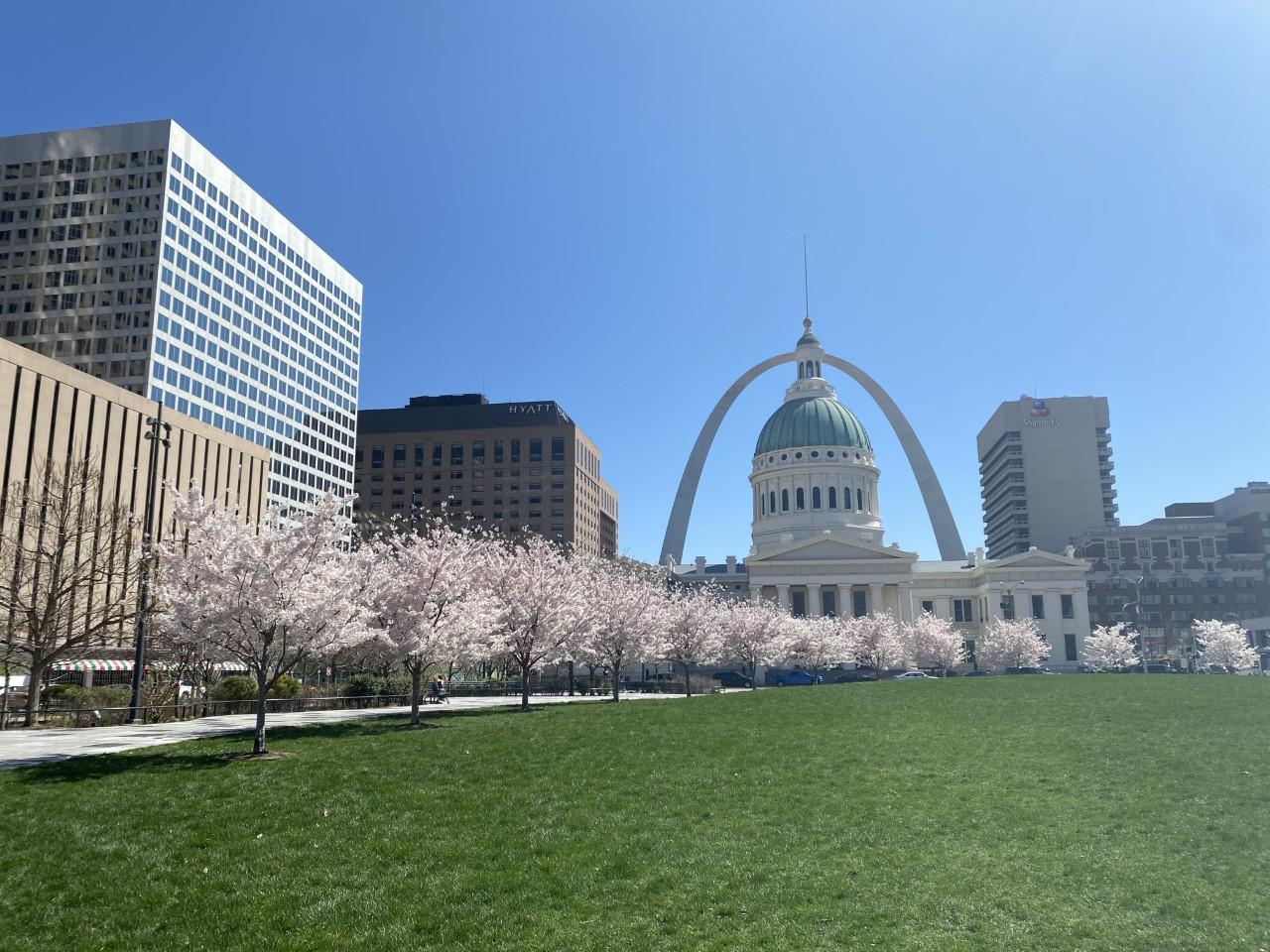
NPS via NPS.gov (Public Domain)
Gateway Arch National Park: Gateway to the West & America's Arch - 2026 Guide
8 min read
Park Guide
Plan your visit to Gateway Arch National Park: secure timed tram tickets starting at $15, learn about fees, hours, and the 91-acre grounds open 5 AM to 11 PM.
Your plans
This article contains affiliate links — we may earn a small commission at no extra cost to you.
At a glance
Entrance Fee
Timed entry reservation - location $19Full fee schedule
Hours
The Gateway Arch is open year-round, closed only on Thanksgiving, Christmas, and New Year’s Day. Sum
Best Time
June-September (summer), September-October (fall colors)
Address
11 North 4th Street, St. Louis, MO, 63102
Website
38.6258, -90.1893
Google MapsIntroduction
Secure your tram ride to the top of the Gateway Arch first. Tickets frequently sell out days ahead—it's the most common oversight I see among first-time visitors, and my colleagues at the visitor center will tell you the same. This guide addresses the practical realities of visiting Gateway Arch National Park, a site that honors more than its iconic stainless steel arch. Here, the narratives of westward expansion, architectural vision, and the difficult fight for civil rights converge along the Mississippi. I'll outline what to do, when to do it, and how to move through the grounds and history, drawing from shared ranger insights and observations from countless visitors.

The Practicalities: Hours, Fees, and Getting Your Bearings
The park follows two separate schedules. The Gateway Arch Visitor Center, museum, and tram adhere to posted hours, closing only on Thanksgiving, Christmas, and New Year's Day. For 2026, summer hours—from the Friday before Memorial Day through Labor Day—are 9 AM to 6 PM Sunday through Thursday, and 9 AM to 8 PM on Friday and Saturday. During the rest of the year, hours are 9 AM to 6 PM daily. In contrast, the 91-acre park grounds remain open from 5 AM to 11 PM year-round. This allows for early morning or late evening walks along the paths, views of the Arch from below, and visits to the riverfront when the visitor center is closed.
There is no general entrance fee to walk the grounds. The primary cost is for the Tram Ride to the Top. Timed entry tickets start at $15 for adults (16+), $11 for children (3-15), and $12 for holders of America the Beautiful or other NPS annual passes. Infants under 3 are free. These prices can vary by date and demand, and purchasing online at gatewayarch.com is not just recommended - it's practically mandatory for securing a spot. The Old Courthouse, the park's second visitor center, is free to enter.
Parking is the other logistical hurdle. There is no NPS-operated parking lot at the Arch itself. You'll be using city garages and lots. The closest parking is at the Arch Garage (entrance on Walnut Street between 1st and 2nd Streets) and the Stadium East Garage. Rates vary, but expect to pay. Most visitors underestimate the walk from distant parking, especially in the humidity of a St. Louis summer. Your best bet is to arrive early, use a parking app to compare rates and distances, or consider using the city's MetroLink light rail, which has a stop at Laclede's Landing, a short walk from the park.
The Lay of the Land
Start at the flagpole in Luther Ely Smith Square. It's the geographic and symbolic center of the grounds. From here, you're between the Old Courthouse to the west and the Gateway Arch to the east. The Mississippi River and the Eads Bridge are to the north. The park is designed as a series of curved, paved pathways connecting these key features. The five miles of trails are entirely paved, making the core experience accessible. Cell service is generally strong, but it can get spotty right along the riverfront.

Experiencing the Icon: The Arch, The Museum, and The View
The Gateway Arch stands 630 feet tall, crafted from polished stainless steel as a mathematical catenary curve transformed into a national monument. To fully appreciate it, focus on three aspects: viewing it from below, exploring its interior, and ascending to the top.
First, go stand directly under the Arch. The lawn there is designed for it. Lie on your back on the grass and look straight up. The scale becomes something you feel in your neck. You'll see the individual stainless steel panels, the welds, and the way the structure seems to sway (it's designed to, up to 18 inches in high wind). Touch the south leg. The steel is smoother than you expect.
Next, enter the visitor center, which is sunk into the ground beneath the Arch. This is where you'll catch your tram, but don't rush through. The museum here is a serious piece of work. It covers 200 years of history across six galleries, with a clear focus on the complex, often difficult narratives of westward expansion. You'll find interactive exhibits on Native American cultures, the Homestead Act, the California Gold Rush, and the lives of explorers like Lewis and Clark. The museum doesn't shy away from conflict or consequence. It's a necessary context for the monument above it.
Then, there's the tram. The ride to the top is an experience in 1960s engineering. You board a small, barrel-shaped capsule - five people is a tight fit - and it makes a slow, clanking journey up the interior of the leg. The journey takes four minutes. It's not for those with severe claustrophobia. At the top, you step out into a narrow, curved hallway with small windows looking east over Illinois and west over St. Louis. On a clear day, you can see about 30 miles. The floor vibrates slightly when the wind blows. You get about 10 minutes at the top before your capsule rotation is called back. It's a view you earn, not a spacious observation deck.
What the park website doesn't mention is the sound. The tram makes a distinct, rhythmic thunk-thunk-thunk as it ascends. It's part of the charm.

Beyond the Steel: The Old Courthouse, Grounds, and Hidden Stories
If the Arch represents the ambition of westward expansion, the Old Courthouse is where you confront its human cost. This is the other half of the park, two blocks west. The building itself, completed in 1862, is a dome of its own. Inside, modern exhibits focus on the U.S. court system and, most powerfully, on Dred and Harriet Scott. This is where they sued for their freedom from slavery in 1847 and 1850. Their case eventually reached the Supreme Court, resulting in the infamous Dred Scott decision. Standing in the restored courtroom is a quiet, heavy moment. Outside, near the west entrance, is Harry Weber's bronze statue of the Scott family - a more recent and essential addition to the landscape.
Back on the Arch grounds, use the paved trails to connect the dots of history and design.
Walk to The Captains' Return, the 22-foot bronze statue of Lewis, Clark, and Clark's dog Seaman, near the riverfront. From there, stroll through the Explorer's Garden in the North Gateway. It's not a formal flower garden; it's planted with native species that Lewis and Clark documented, buzzing with pollinators from February through October.
Follow the curve of the North Pond or South Pond. Their shapes echo the Arch's curve, a piece of landscape design that most visitors miss as they hurry to the base. For a tangible piece of river history, find the Flood of 1993 Marker on the Grand Staircase. It notes the high-water point, a reminder of the Mississippi's power.
The Riverfront Trail is part of the Mississippi Greenway. You can bike or walk it for views of the Eads Bridge, an engineering marvel from 1874 that's still in use. This is where you can move along the Mississippi River, watching barges push upstream.
Don't overlook the Brick Mural on the Tucker Theater facade. It's a 15-by-45-foot sculpture honoring the workers who built the Arch. Finding the tiny cat hidden in the bricks is a park tradition.

Activities, Seasons, and Making a Day of It
The park's official list of 15 activities provides a good menu. Your choice depends on time and season.
Summer (June-August) brings heat and humidity. The average daily high in July is near 80°F, but the urban heat island and humidity make it feel much heavier. Sunshine is likely 68% of the days. Start early. Mornings before 10 AM are your best bet for outdoor exploration. The museum and tram provide air-conditioned respite in the afternoon. This is also when the park offers extended Friday and Saturday hours.
Spring (April-May) and Fall (September-October) are ideal. Temperatures in the 60s and 70s are common, and sunshine percentages are still high. Crowds are thinner than in summer. Winter (December-February) is cold, with average daily means around 30°F, and you'll see sunshine about half the time. The grounds remain open, and a frosty walk under the Arch with few people around has its own stark beauty. The Old Courthouse is a warm, contemplative retreat on a cold day.
For families, the Junior Ranger Program is a highlight. Pick up a booklet at either visitor center. It engages kids with the museum and grounds in a way that goes beyond just looking.
The 35-minute film Monument to the Dream, shown in the Tucker Theater, is worth your time. It details the Arch's construction with incredible archival footage. The theater itself is often overlooked and makes for a quiet break.
The Gateway Arch Wellness Challenge is the park's formalized encouragement to use the five miles of trails. Pick up a map and track your movement.
For a unique guided experience, look into the Trails & Rails program in summer and fall. NPS volunteers ride Amtrak's Lincoln Service between St. Louis and Springfield, sharing stories about the region's heritage.
If you're looking for tours and guided experiences, the tram is the primary one, but ranger-led talks at the Old Courthouse and seasonal programs add depth.
Practical Takeaways
- Secure Tram Tickets First. Go to gatewayarch.com as soon as you know your visit date. Tickets are for timed entry and do sell out. This is the non-negotiable first step.
- Plan for Paid Parking. The park has no lot. Research downtown St. Louis garages (Arch Garage, Stadium East) or the MetroLink ahead of time. Arrive earlier than you think to account for the walk.
- Divide Your Time Between Two Sites. Allocate time for both the Gateway Arch visitor center/museum and the Old Courthouse. They tell complementary but different parts of the American story. The Old Courthouse is free and often less crowded.
- Dress for an Urban Climate. Summers are hot and humid. Winters are cold and windy. The grounds are exposed with little shade. Wear walking shoes - you'll cover more pavement than you expect.
- Look Down and Around. The landscape design is part of the story. Notice the curves of the ponds and pathways echoing the Arch. Read the waysides at the Catenary Curve exhibit and the Flood Marker.
- Visit the Grounds Early or Late. The park grounds open at 5 AM. An early morning walk along the riverfront with the Arch to yourself is a experience entirely different from the midday crowds. The same is true after the visitor center closes at night, when the Arch is lit.
Final Thoughts
Gateway Arch National Park asks you to hold two ideas in your head at once. One is the soaring, optimistic curve of stainless steel, a monument to a continent-spanning vision. The other is the weighty, grounded history of the Old Courthouse, where the fight for basic human dignity played out in a courtroom. The park doesn't resolve that tension for you. It presents both.
The common mistake is to see only the first part - to snap the photo, ride the tram, and leave. The deeper visit happens when you walk the two blocks west, step into the quiet of the courthouse rotunda, and confront the fuller, more complicated history this park was designated to preserve. It's all one story. The Arch is the gateway, but the real journey is through the stories laid out at its feet and in the halls of justice nearby. Give yourself time for both.
Recommended Gear
What experienced visitors bring to Gateway Arch National Park: Gateway to the West & America's Arch - 2026 Guide
Links may earn us a commission at no extra cost to you. We only recommend gear we believe in.
Hiking Essentials
Hydration Pack (3L)
Hands-free water for long trail days
Trekking Poles (Pair)
Save your knees on steep descents
Hiking Boots (Ankle Support)
Sturdy footwear for rocky, uneven trails
Sun & Heat Protection
Wide-Brim Sun Hat
Full coverage UPF 50+ protection at altitude
Insulated Water Bottle (32oz)
Keeps water cold in desert heat all day
Winter Gear
Microspikes / Traction Devices
Essential for icy rim trails in winter months
Packable Down Jacket
Lightweight warmth that stuffs into a pocket
Sources
- Official source: NPS — Gateway Arch National Park nps.gov/jeff/index.htm
Explore More National Parks

Mammoth Cave National Park: The World's Longest Known Cave - 2026 Guide
Discover the world's longest known cave system — 400+ mapped miles. Complete 2026 guide to Mammoth C...

Indiana Dunes National Park: Lake Michigan Dunes & Diverse Ecosystems - 2026 Guide
Discover Indiana Dunes National Park national park guide with our comprehensive guide. Expert tips,...

Hot Springs National Park: Historic Bathhouses & Thermal Waters - 2026 Guide
Hot Springs National Park: Historic Bathhouses & Thermal Waters - 2026 Guide Overview Most visitors...

Great Smoky Mountains National Park: Complete Guide (2026)
Great Smoky Mountains National Park, America's most visited park, has no entrance gates but requires...
Photo Gallery
More to Explore
Park Guide
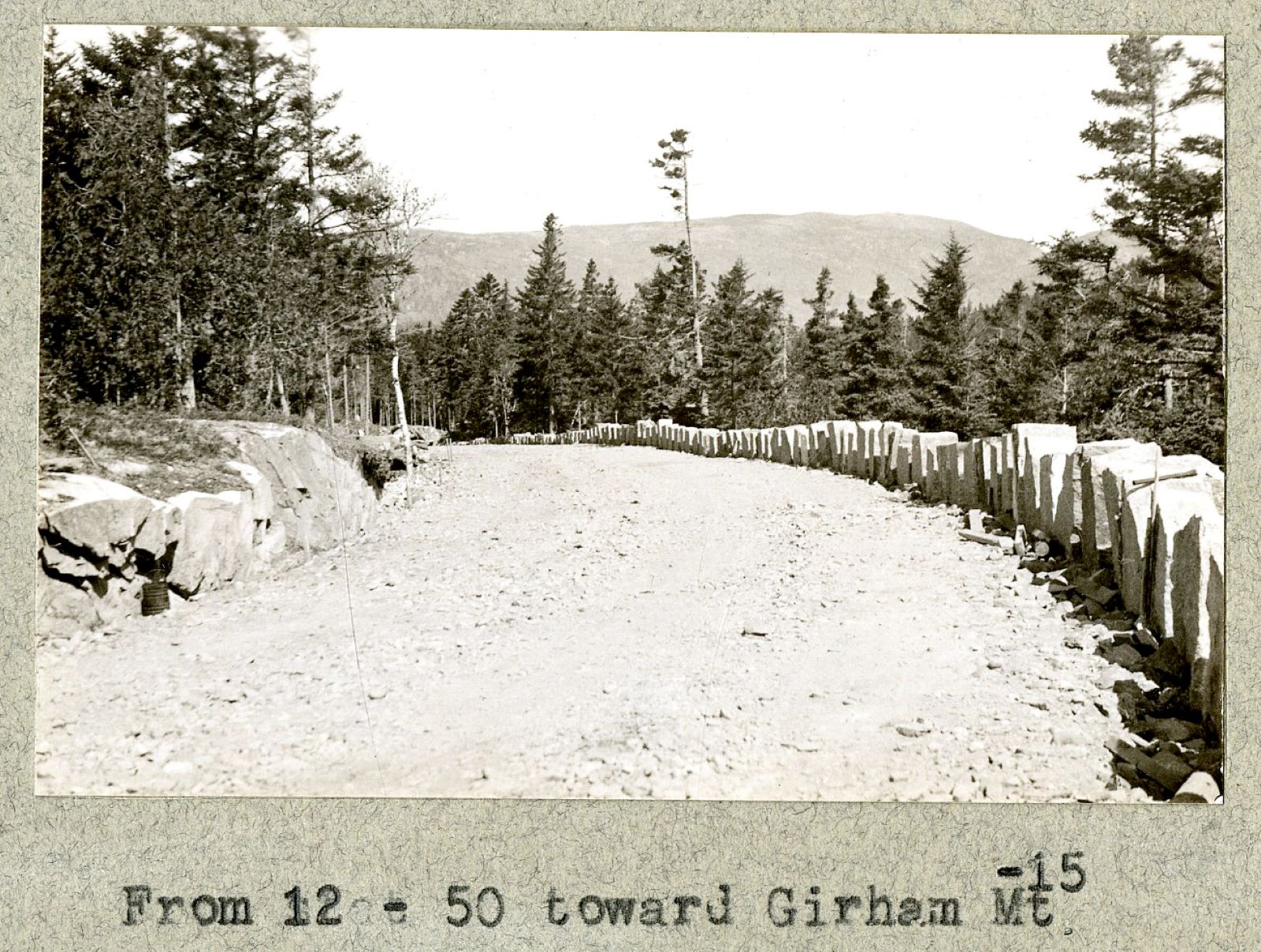
Acadia National Park: Carriage Roads, Cadillac Mountain & 2026 Guide
Discover carriage roads, Cadillac Mountain, and rugged Maine coast. Complete 2026 guide to Acadia National Park — trails, fees, lodging, permits, and what rangers recommend.
Hiking Guide
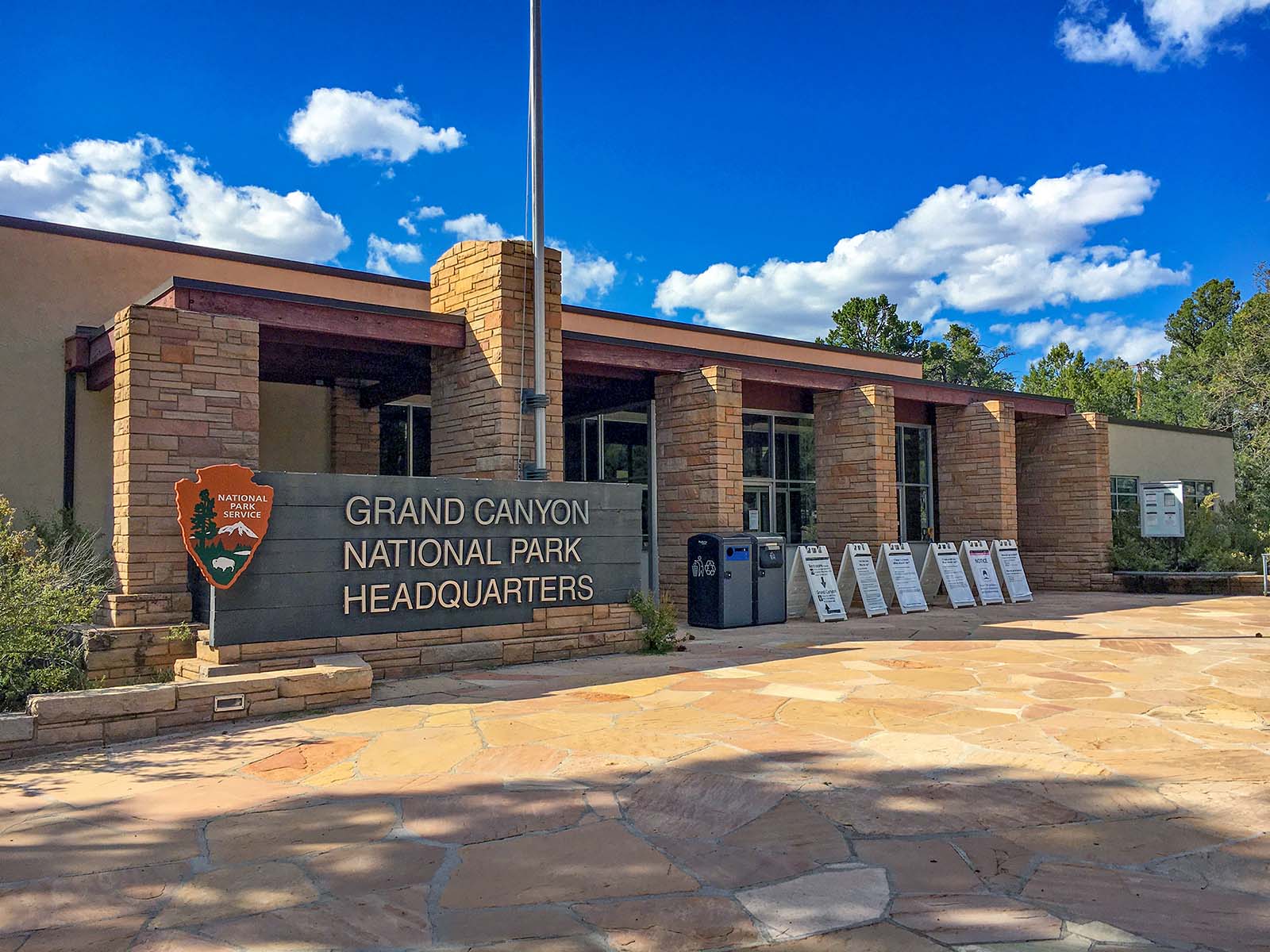
Grand Canyon Hiking Trails: Day Hikes, Water Sources & Rim to Rim
Compare Grand Canyon hiking trails: Bright Angel, South Kaibab, Hermit, Grandview, and rim to rim, with distances, elevation, water stops, and trailhead access for each.
Best Of
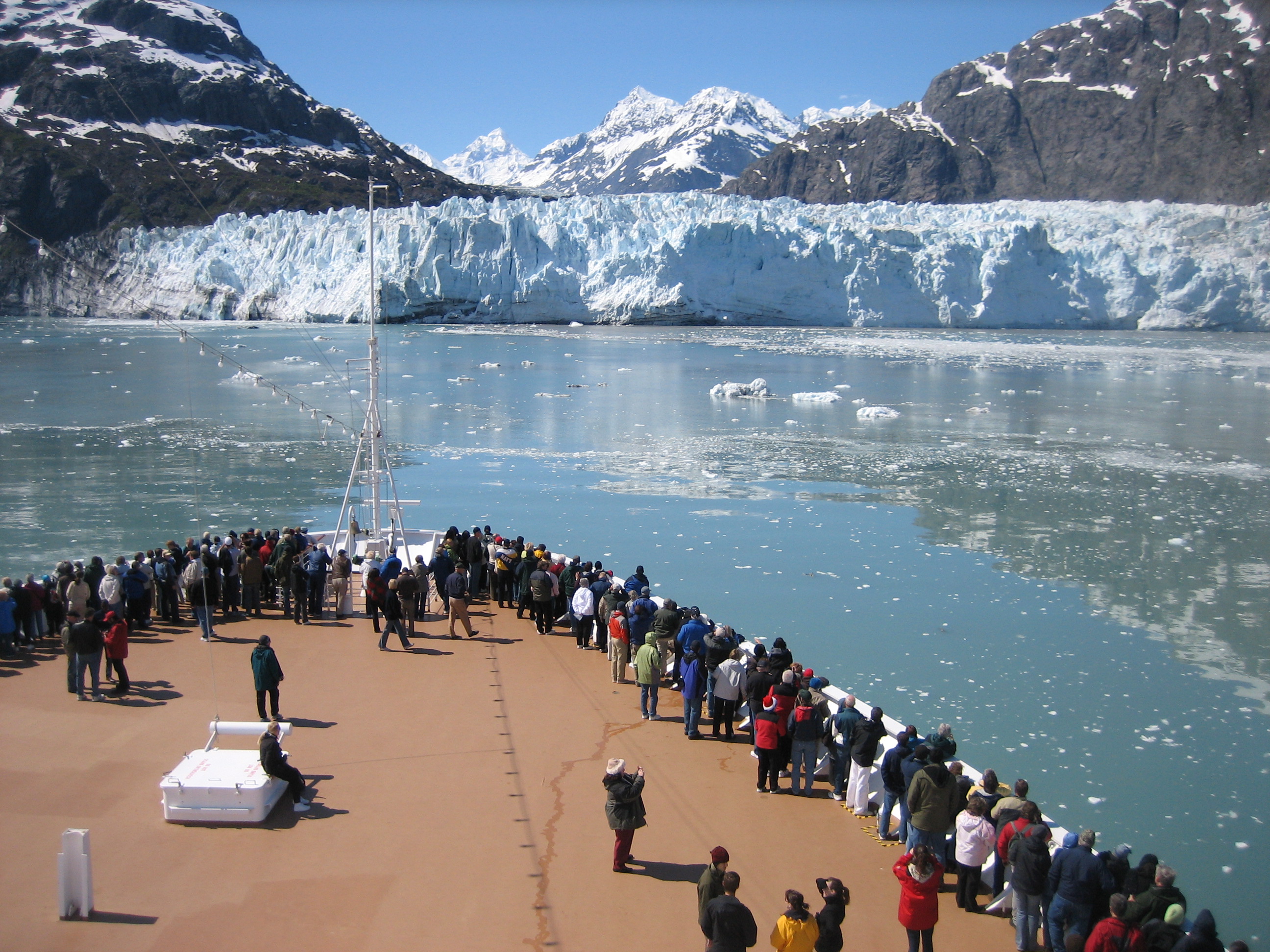
Best of Glacier Bay National Park
The best of Glacier Bay is reached by boat: ranger-led day tours up the bay to the tidewater glaciers. What's worth it, how to book, and when to go (2026).
Campsite Guide
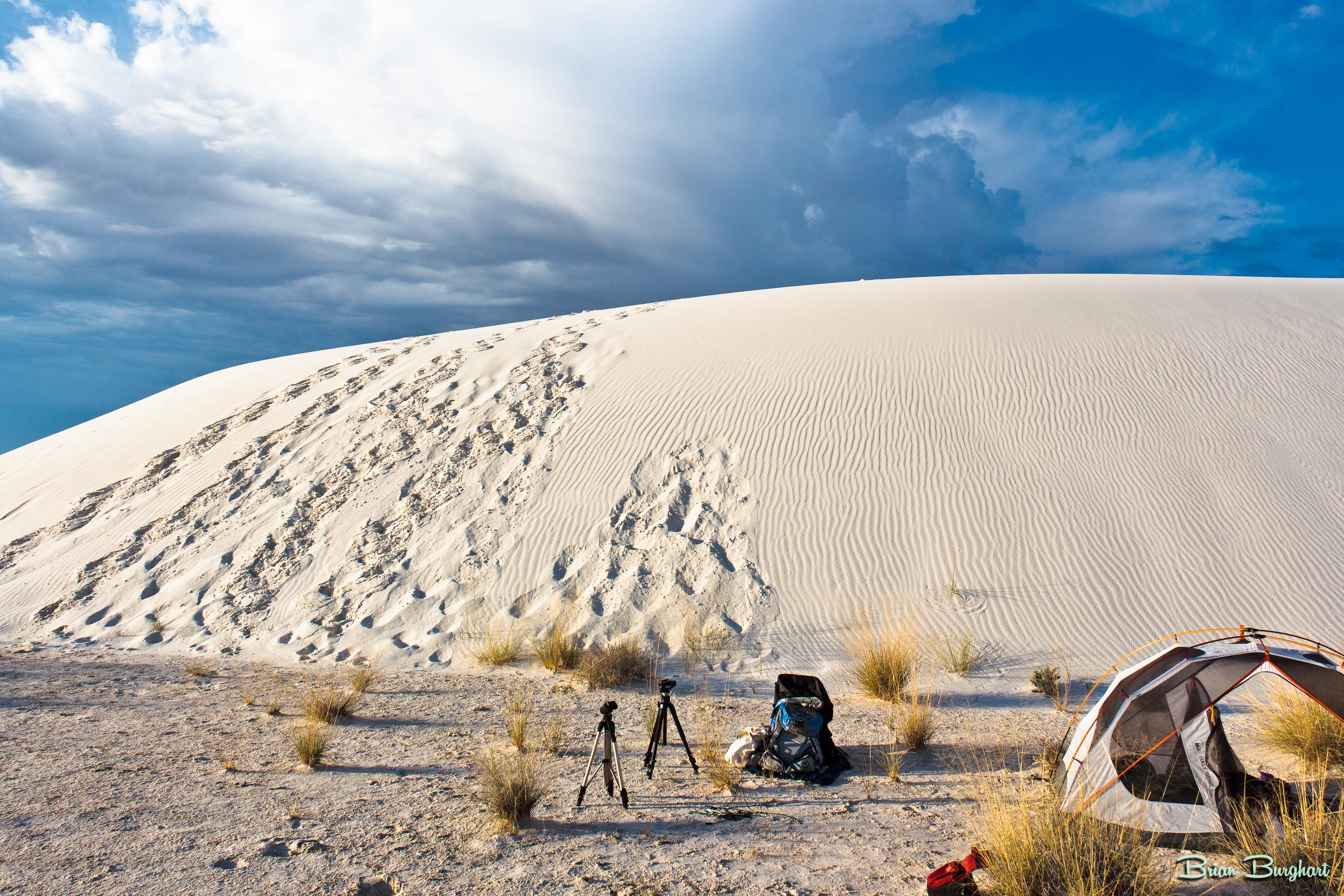
White Sands Backcountry Camping: Closed for 2026 — What to Know
As of 2026, backcountry camping at White Sands National Park is closed for site rehabilitation. What that means, and where to camp nearby instead.
Weather Guide
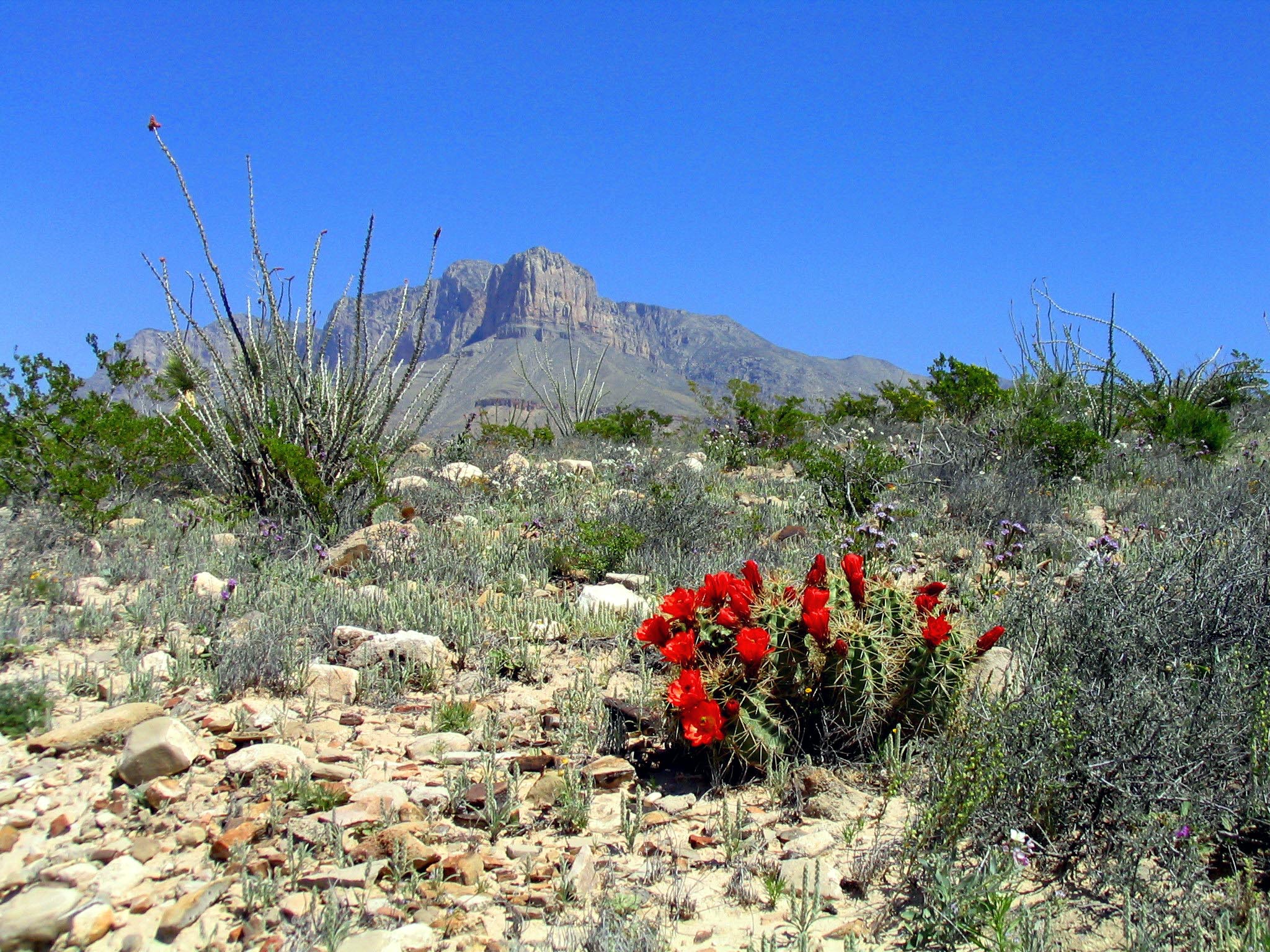
Guadalupe Mountains National Park Weather: Weather
Guadalupe Mountains National Park: weather guide guide updated 2026. Practical visitor information, reservations, and seasonal tips worth bookmarking before
Best Of
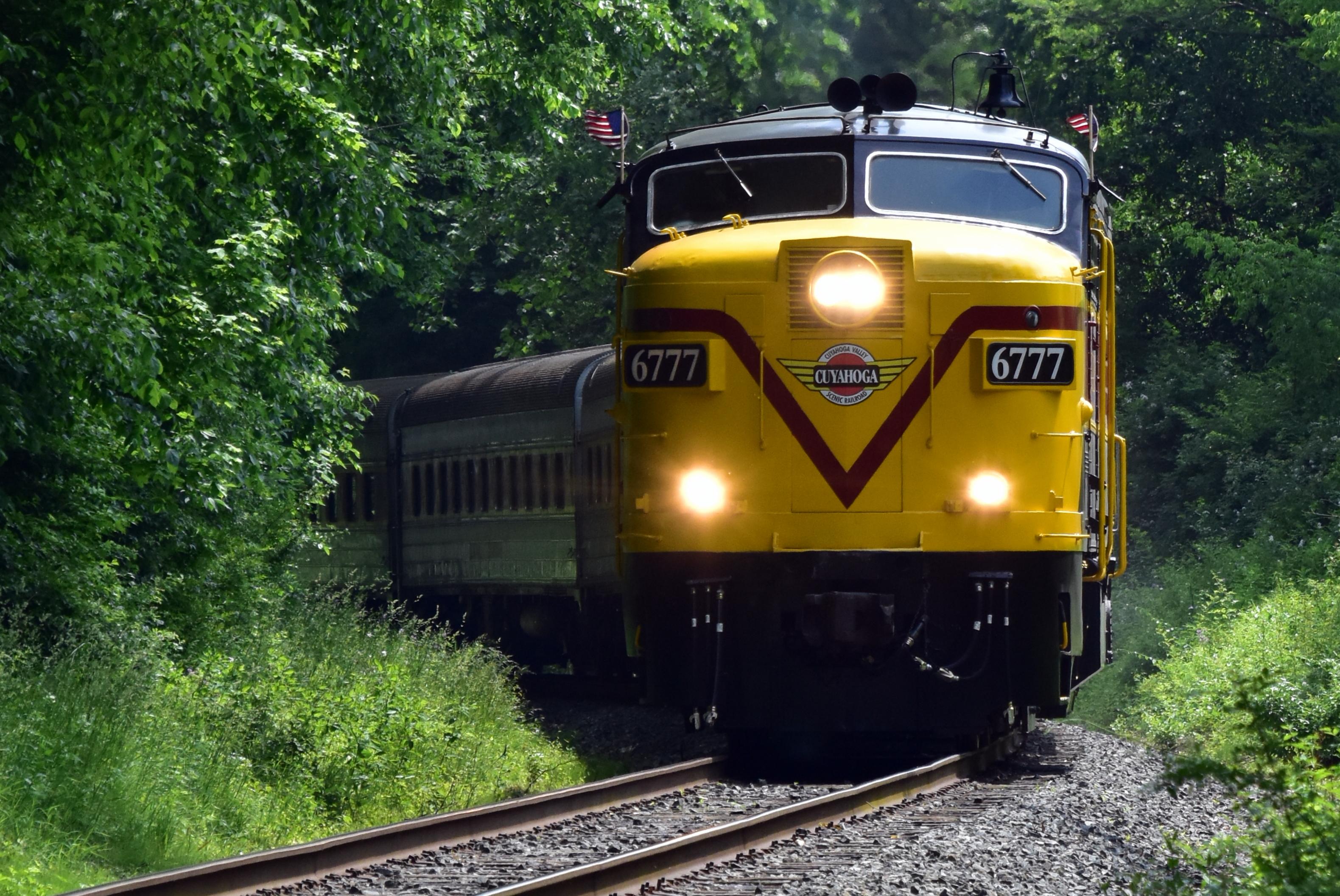
Best of Cuyahoga Valley National Park: Best Things to Do
Seeing a Cleveland Orchestra concert with the woods as your backdrop is a uniquely Cuyahoga Valley experience.
Sign in to join the conversation.
Sources & Attribution
Location data courtesy of the National Park Service (U.S. Department of the Interior). NPS data is public domain. Official NPS page.
Images: NPS; NPS; NPS; NPS; NPS.
Map data © OpenStreetMap contributors.
Park operations alerts: NPS.gov · Weather and weather hazards: National Weather Service · Live conditions.
Information may change. Always verify fees, hours, and conditions directly with the official source before visiting.
Did this guide help? Share it with a friend.