Gateway Arch National Park Weather (2026 Guide)
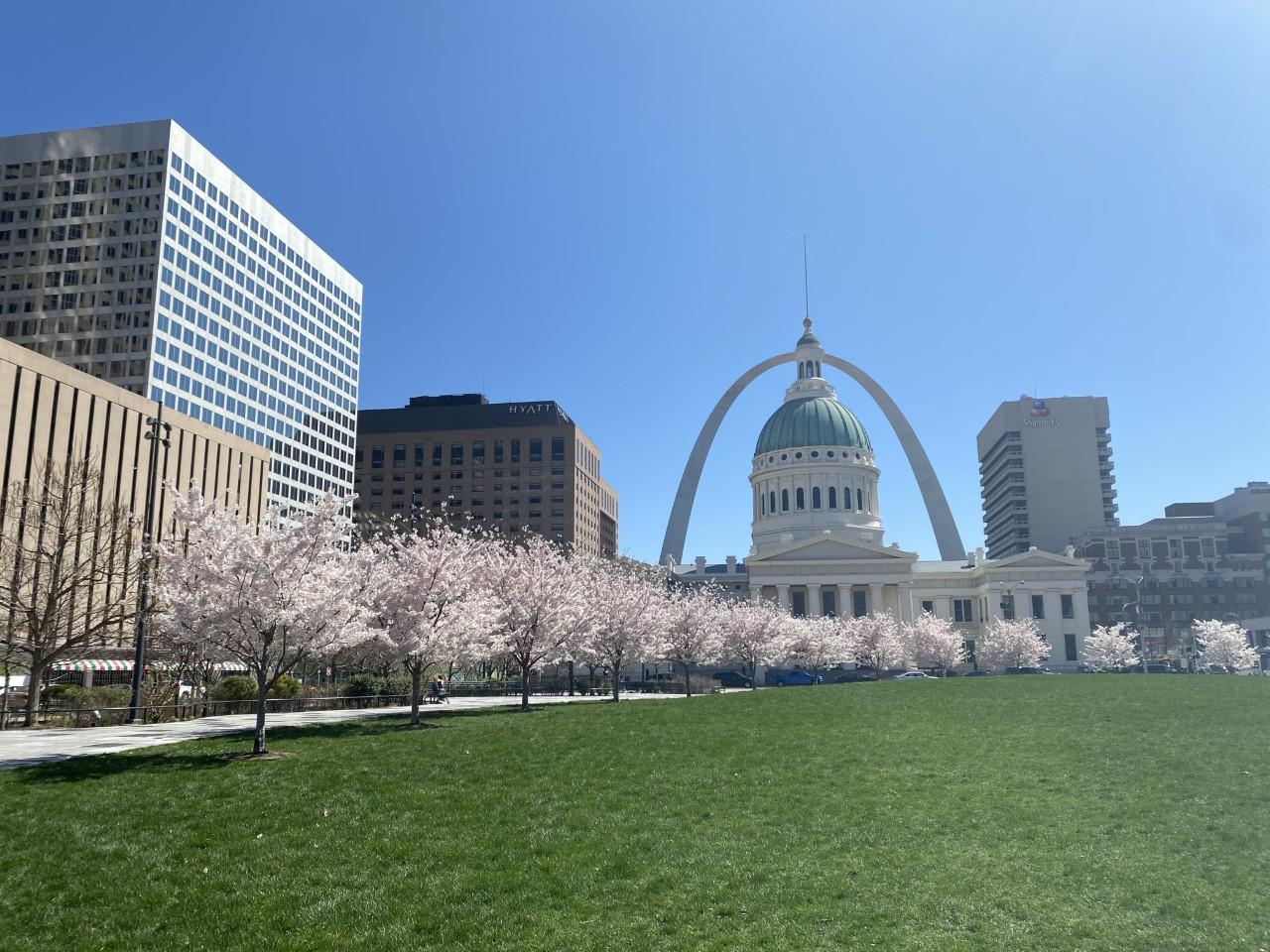
NPS via NPS.gov (Public Domain)
Gateway Arch National Park Weather: Weather
7 min read
Weather Guide
Gateway Arch weather mirrors downtown St. Louis, intensified by the urban heat island and exposed riverfront. Know the humidity before you climb (2026).
Understand this first: you're preparing for an urban environment, not a backcountry trail. The climate here mirrors downtown St. Louis, intensified by the urban heat island effect and the exposed riverfront location. Many first-timers underestimate how summer humidity combined with the Arch's reflective surface creates a heat sink effect, or how January winds sweeping off the Mississippi cut deeper than the forecast indicates. Your visit depends on the microclimate at 11 North 4th Street, not distant mountain weather patterns.
The Weather Reality
Gateway Arch National Park weather is defined by the full swing of a humid continental climate, compressed into an intensely developed 91-acre footprint. There is no altitude to moderate temperatures, no forest canopy to provide consistent shade across the grounds, and no natural windbreak from the river. The park's paved pathways and the Arch itself absorb and radiate heat. This means summer feels hotter and more oppressive than the regional average, and winter winds have a clear, biting path across the open levee.
Official forecasts for St. Louis are accurate for the park, but they miss the on-the-ground sensation. A forecast of 95 degrees doesn't convey the glare off the Arch or the lack of shade during the 15-minute walk from a distant parking garage. A predicted afternoon shower doesn't communicate how quickly puddles form on the granite steps leading to the entrance. Rangers at the visitor center spend as much time advising on hydration and sunscreen as they do on park history.

Month by Month
The park maintains daily operations except for Thanksgiving, Christmas, and New Year's Day. Gates open at 5 AM and close at 11 PM throughout the year. Visitor numbers follow predictable patterns tied to academic calendars and peak tourism months.
January & February: The coldest stretch. The normal daily mean temperature hovers around 30 degrees Fahrenheit. Highs might reach the upper 30s, but lows dip into the teens. You'll see sunshine about half the days. The crowd level is the lowest of the year - mostly determined visitors and locals on brisk walks. The challenge is the wind chill coming straight off the river; it cuts through layers. The tram to the top and the museum are fully operational and often have immediate availability. The benefit is having the Arch grounds nearly to yourself under a stark, winter sky.
March: A transition month. The mean temperature jumps to 45 degrees. Early March can still feel like winter, but by month's end, you might get a 60-degree day. Precipitation shifts from snow to rain. Crowds begin a slow increase with spring break travelers. This is a good month for comfortable outdoor time if you pack a jacket you can shed.
April & May: Arguably the most pleasant window. Mean temperatures climb through the 50s into the mid-60s. Sunshine is present more than half the time. The park is green, and the fountains are running. Crowds are moderate but manageable. All facilities are open. These months offer the best balance for exploring the grounds, visiting the Old Courthouse, and taking the tram without facing extreme heat or dense summer crowds.
June, July, & August: Summer season. This is the primary visitor season, with extended hours on Friday and Saturday nights. The normal daily mean temperature peaks at nearly 80 degrees in July, but afternoon highs regularly hit the 90s, with high humidity. This is when the park's concrete and steel magnify the heat. Sunshine is most consistent, with nearly 70% of July days being sunny. Crowds are at their peak. The line for the tram can be long, and timed tickets are essential. The benefit is long days and active park programming. The challenge is the substantial heat stress. You will need water constantly.
September & October: Another prime window. Temperatures fall back through the 70s into the 50s. Humidity drops. September still sees over 60% sunshine. Crowds diminish after Labor Day, though October weekends can be busy with fall foliage viewers in the region. Trail conditions for the park's riverfront trail are ideal. These months rival spring for overall comfort.
November & December: The slide into winter. November's mean is 46 degrees, but it's a damp, gray month with the least sunshine of the year - only 46% of days. December cools to a mean of 34. Crowds are light except around holiday events like the Christmas tree lighting. Rain is more common than snow. The grounds remain open, and seeing the Arch framed by bare trees has a quiet, structural beauty.

Best Times for Specific Activities
For the Tram Ride to the Top: Aim for a weekday in April, May, September, or October. You'll get clearer views without the heavy summer haze and face shorter wait times. Sunset rides are popular year-round; book those tickets well in advance.
For Stargazing & Astronomy Programs: The park offers astronomy events. The best viewing conditions are on crisp, clear nights in late fall, winter, and early spring, when humidity is low and the city lights reflect off low cloud cover less. Check the park calendar for scheduled "Night Sky" events.
For Biking the Riverfront Trail: The paved trail system is accessible year-round, but the most comfortable riding is from April through early June and again from September through October. Summer rides require an early start to beat the heat.
For Photography: Golden hour light on the Arch is spectacular. For softer light and fewer people, target sunrise in the summer (the grounds open at 5 AM) or a clear afternoon in late fall. Winter provides a sharp, low-angle light that highlights the Arch's geometry against a bare sky.
For Peaceful Grounds Exploration: A weekday morning in November or February. You'll have the space to yourself. Bundle up.

What to Pack by Season
This isn't a backcountry gear list. It's an urban park preparedness kit.
Spring (March-May): A waterproof jacket is non-negotiable. Layers are key - a t-shirt, a fleece, and that shell. Comfortable walking shoes that can handle sudden puddles. Sunglasses emerge as essential by May.
Summer (June-August): This is a hydration-focused operation. A refillable water bottle is your most important item. The museum and visitor center have filling stations. A wide-brimmed hat, high-SPF sunscreen (reapplied), and breathable, light-colored clothing. Do not wear dark colors if you plan to be outside for more than 20 minutes. A small umbrella for pop-up thunderstorms.
Fall (September-November): Layers return. A light packable down or synthetic jacket for cool mornings and evenings. That waterproof shell is back in play by late October. Good walking shoes.
Winter (December-February): Insulation and wind protection. A warm hat that covers your ears, insulated gloves, a scarf or neck gaiter, and a serious wind-resistant coat. The wind along the riverfront is relentless. Warm, waterproof boots are wise for slush or snow.

What the Forecast Doesn't Tell You
- The Riverfront Wind: Any breeze from the east or north comes straight off the Mississippi. It's constant and often 5-10 mph stronger than the reported city wind speed. It chills you in winter and provides the only relief in summer.
- The Heat Island Effect: On a 95-degree day, the temperature on the black asphalt parking lot or the light-gray granite plaza can be 10-15 degrees hotter. Feel the heat coming up through your shoe soles.
- Summer Haze: High humidity combined with urban particulates creates a permanent summer haze. The view from the top on a humid July afternoon might be 15 miles, not 30. For the clearest vistas, aim for the day after a cold front passes.
- Flash Flood Potential: The park is on a floodplain. An intense thunderstorm can overwhelm drains, causing temporary ponding on walkways and stairs. It recedes quickly, but watch your step.
- Winter Closure Reality: The Arch itself almost never closes for weather, but ice on the east-facing steps leading down to the entrance can cause temporary closures for treatment. The grounds crew is fast, but it can delay entry.
- The Sound of the Weather: Wind hums against the Arch's steel skin - a low, resonant tone you can feel in your chest. Rain on the Arch creates a sound like a distant snare drum. These are unique sensory details you won't get from an app.
Practical Takeaways
- The absolute best windows for balanced comfort and access are April-May and September-October. You avoid temperature extremes and the largest crowds.
- If you visit in summer, your entire strategy should revolve around water, shade, and timing. Do outdoor activities before 11 AM or after 5 PM. Purchase timed tram tickets online to avoid waiting in the sun.
- Pack for the wind in every season. A wind-resistant layer is always a good idea.
- Check the park's official website for the latest on programming and hours. Special events can affect access and parking.
- For detailed planning beyond weather, consult the complete visitor guide for Gateway Arch National Park.
- Remember you are in a major city. Services are nearby, but park-specific amenities like water fountains and shade are limited to specific locations on the grounds.
- The weather data shows sunshine over 50% of the year, even in winter. A cloudy day at the Arch is common, but so is a surprise break in the clouds that lights up the stainless steel. Be ready for both.
All operational details, including hours and fees, are current as of 2026. Always verify current conditions and reservations at the official National Park Service website before your visit.
For more information, see our complete National Park Guide.
Sources
- Official source: NPS — Gateway Arch National Park nps.gov/jeff/index.htm
Photo Gallery
More to Explore
Park Guide
Acadia National Park: Carriage Roads, Cadillac Mountain & 2026 Guide
Discover carriage roads, Cadillac Mountain, and rugged Maine coast. Complete 2026 guide to Acadia National Park — trails, fees, lodging, permits, and what rangers recommend.
Hiking Guide
Grand Canyon Hiking Trails: Day Hikes, Water Sources & Rim to Rim
Compare Grand Canyon hiking trails: Bright Angel, South Kaibab, Hermit, Grandview, and rim to rim, with distances, elevation, water stops, and trailhead access for each.
Best Of
Best of Glacier Bay National Park
The best of Glacier Bay is reached by boat: ranger-led day tours up the bay to the tidewater glaciers. What's worth it, how to book, and when to go (2026).
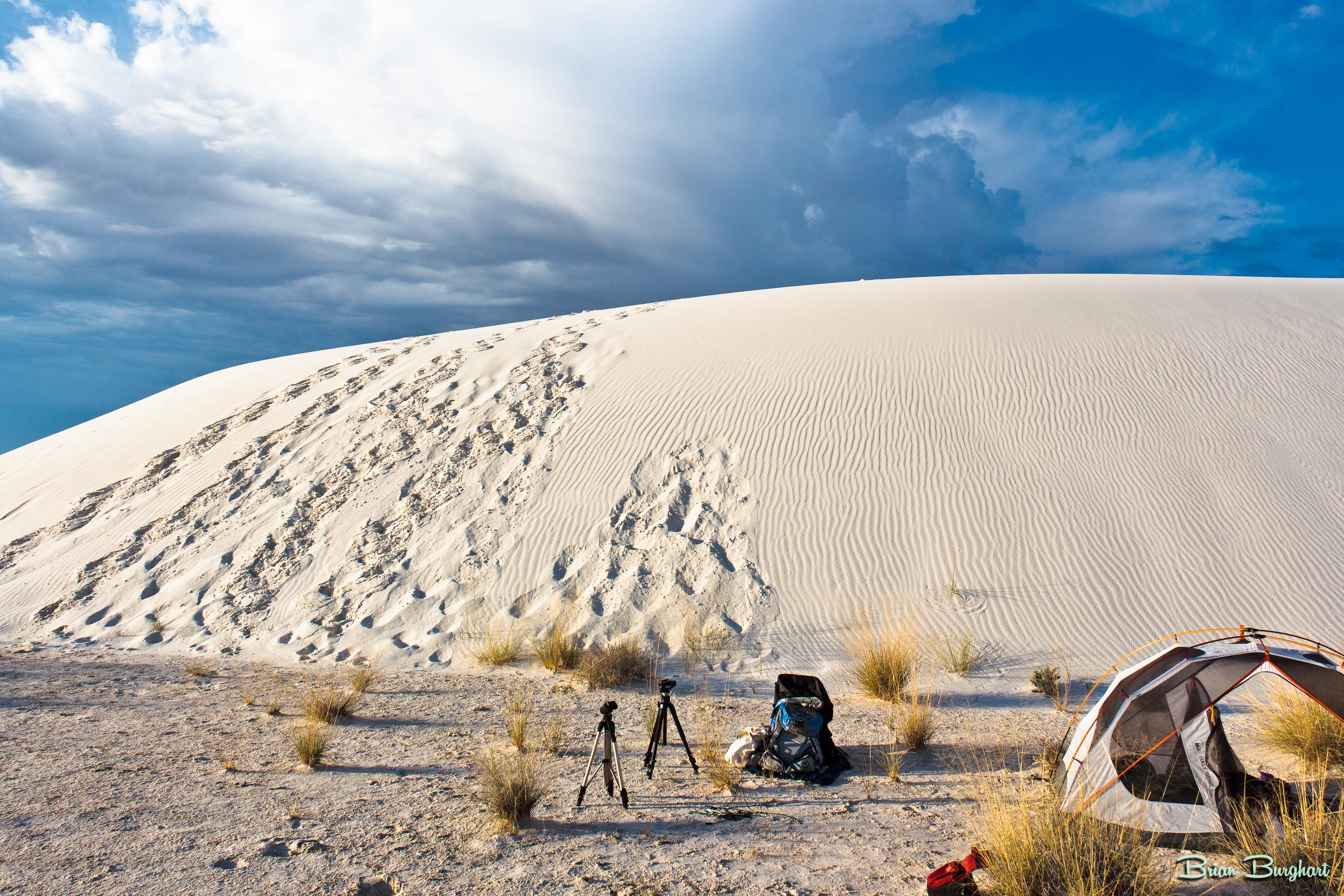
Campsite Guide
White Sands Backcountry Camping: Closed for 2026 — What to Know
As of 2026, backcountry camping at White Sands National Park is closed for site rehabilitation. What that means, and where to camp nearby instead.
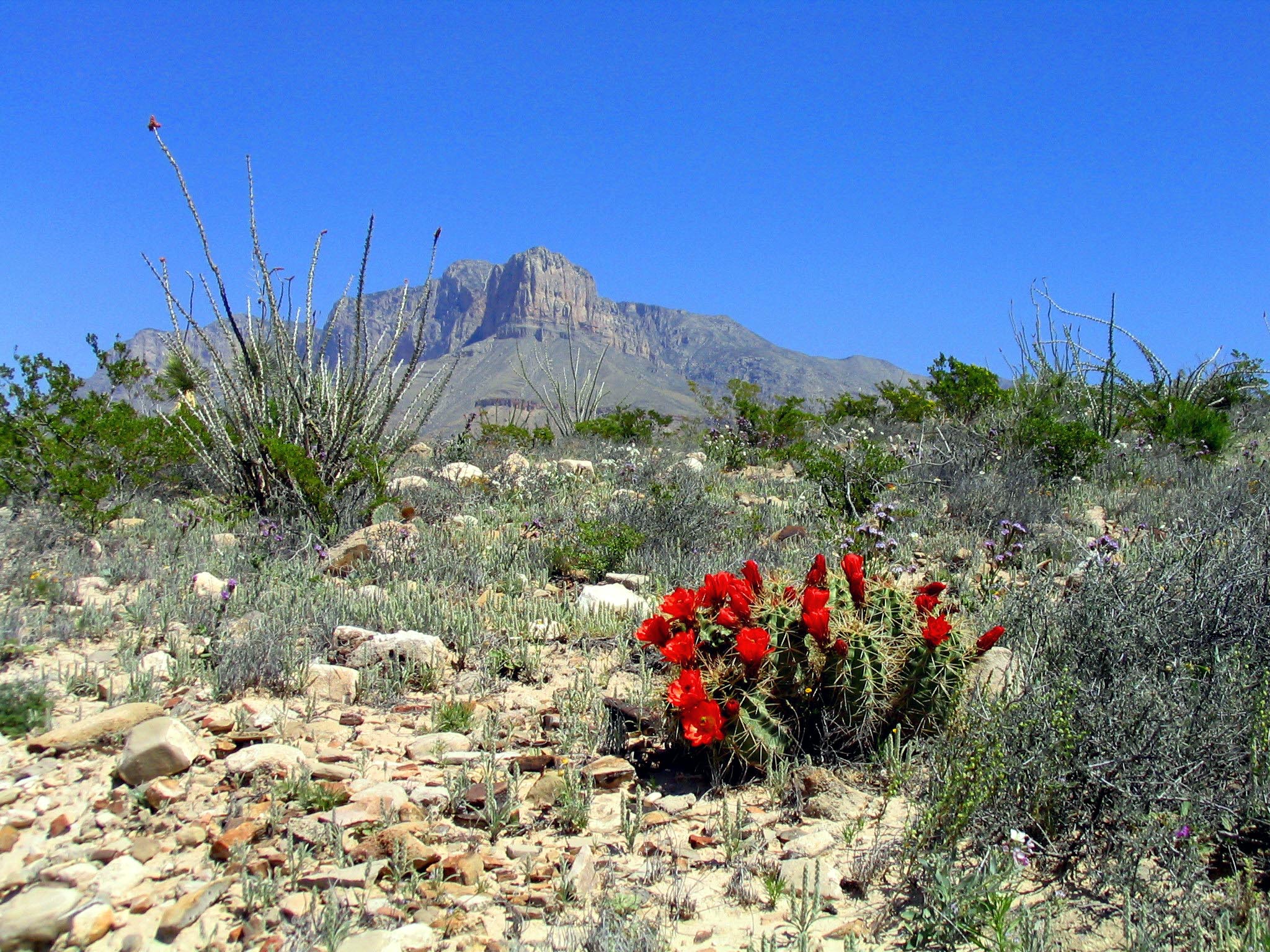
Weather Guide
Guadalupe Mountains National Park Weather: Weather
Guadalupe Mountains National Park: weather guide guide updated 2026. Practical visitor information, reservations, and seasonal tips worth bookmarking before
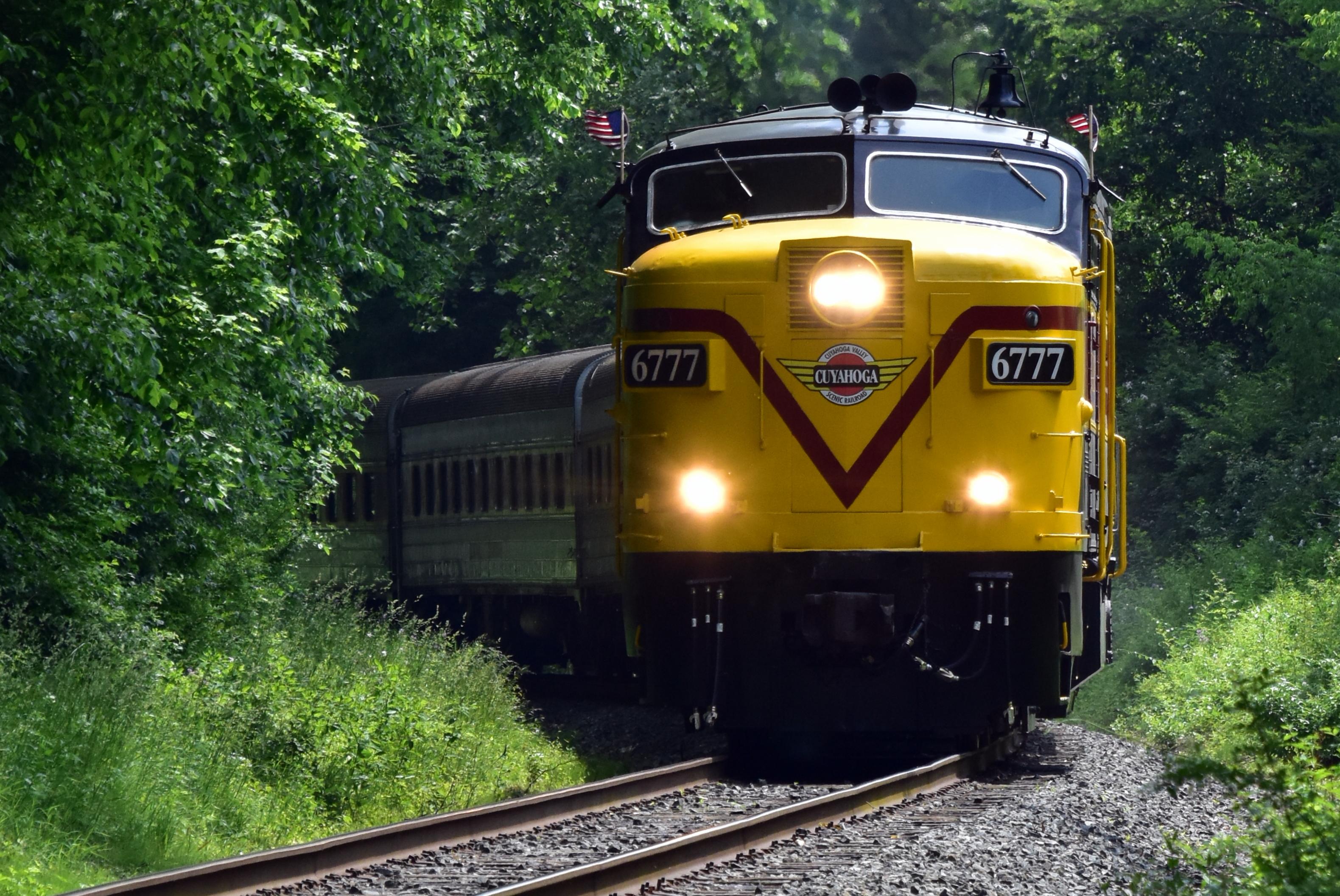
Best Of
Best of Cuyahoga Valley National Park: Best Things to Do
Seeing a Cleveland Orchestra concert with the woods as your backdrop is a uniquely Cuyahoga Valley experience.
Sign in to join the conversation.
Sources & Attribution
Location data courtesy of the National Park Service (U.S. Department of the Interior). NPS data is public domain. Official NPS page.
Images: NPS; NPS; NPS; NPS; NPS.
Map data © OpenStreetMap contributors.
Park operations alerts: NPS.gov · Weather and weather hazards: National Weather Service · Live conditions.
Information may change. Always verify fees, hours, and conditions directly with the official source before visiting.
Did this guide help? Share it with a friend.