The wind hits you first. It's a constant, shaping force off Lake Michigan, carving the 200-foot dunes and whipping sand that stings your shins on the beach. This isn't a static landscape; it's a negotiation between water, wind, and sand, and the weather here is the mediator. First-time visitors are often caught off guard by how quickly conditions can shift from a calm, sunny morning to a blustery, overcast afternoon, or how a 75-degree day at the visitor center can feel 15 degrees cooler on the open shoreline. The lake doesn't just provide a view - it dictates the climate, creating a unique microcosm where seasons arrive weeks later than inland and leave just as slowly.
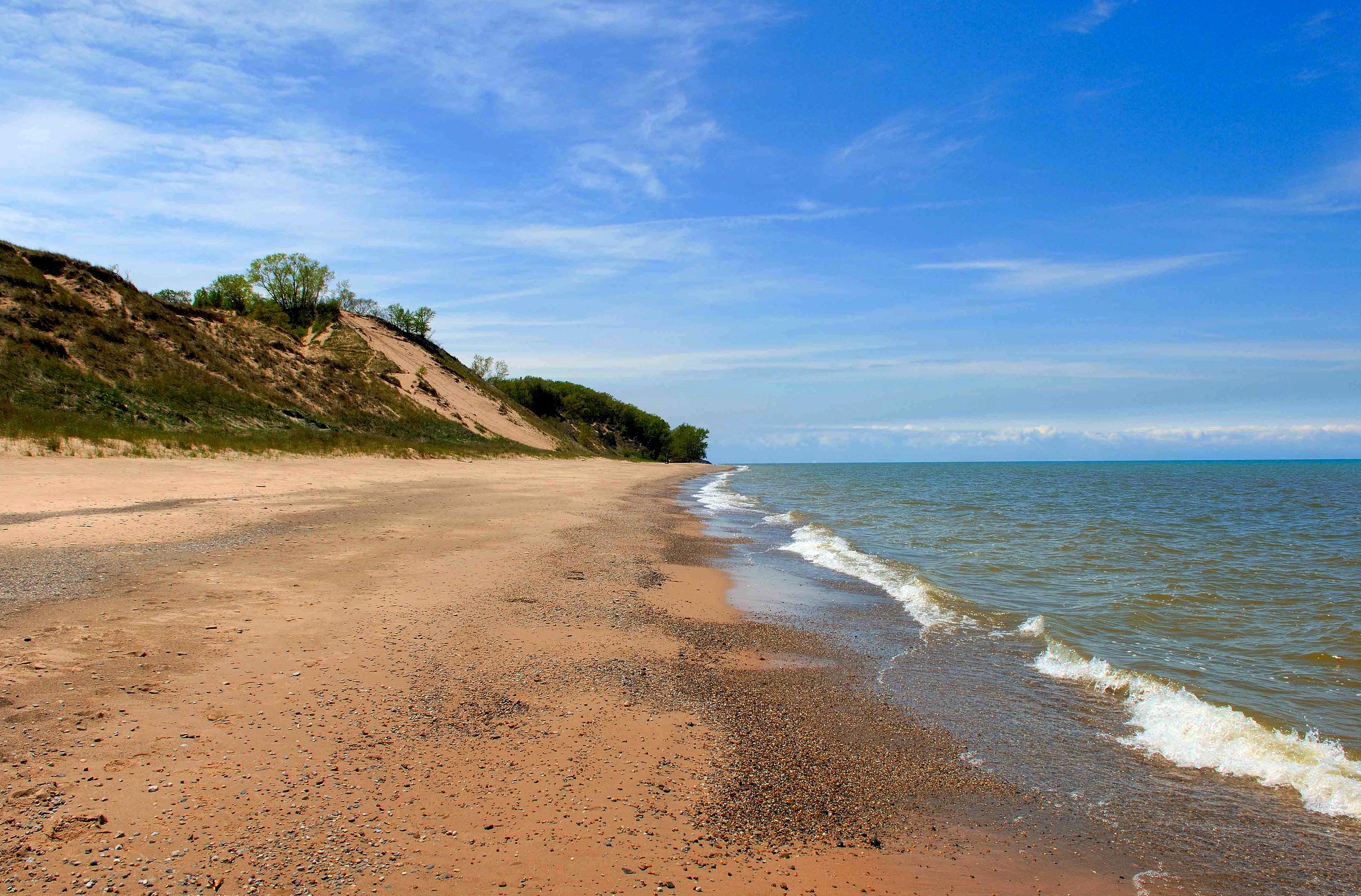
NPS via NPS.gov (Public Domain)
Indiana Dunes National Park Weather: Weather (2026 Guide)
9 min read
Weather Guide
Constant Lake Michigan wind shapes the 200-foot dunes and shifts conditions fast. Month-by-month conditions and what to pack for the lakeshore (2026).
The Weather Reality
The single most important truth about the climate here is the lake effect. Lake Michigan acts as a massive thermal buffer. It cools the air in summer and warms it in winter, but that's only half the story. The real impact is on timing and local intensity. While Chicago, just 40 miles west, might be sweltering in early June, the dunes can be shrouded in a cool, damp fog. In October, when inland forests have shed their leaves, the park's oak savannas might still be holding onto color, protected by the lake's lingering warmth.
Official regional forecasts often miss the hyper-local conditions created by the dunes themselves. A weather app might say "sunny," but you can be hiking the trails in full sun one moment and walking into a chilly, wind-sheltered interdunal wetland the next. The lake also fuels sudden weather changes. Warm, moist air rising off the water can collide with cooler inland air, spawning fast-moving thunderstorms that appear with little warning on summer afternoons. We tell visitors to watch the western horizon; if clouds build over the lake, your hike timeline just got shorter.

Month by Month
The park's year is defined by the lake's temperature lag. Crowds follow warmth, but the most interesting conditions often bookend the busy season.
January & February
Temperatures range from highs in the low 30s to lows that can plunge below zero (the record is -25°F). Lake Michigan is often at its most dramatic, with crashing waves freezing into intricate ice formations along the shore. Snow is frequent, but accumulation varies wildly due to wind and lake-effect snow bands.
What's open vs. closed: The park is open, but facilities like the Dorothy Buell Memorial Visitor Center have reduced hours. Parking lots at West Beach and other access points may not be plowed immediately after a storm.
Crowd level: Very low. You'll share the beach with a handful of hardy hikers and photographers.
Trail conditions: Trails are snow-covered and icy. The Dune Succession Trail becomes a lesson in winter endurance. Cross-country skiing and snowshoeing are possible when there's adequate snow, especially on the Glenwood Dunes Trail system.
The challenge: Extreme cold and wind chill. Exposed skin on the beach can freeze in minutes. Access roads and trails can be hazardous.
The reward: Stark, beautiful solitude. The silence of a snow-covered forest broken only by the groan of lake ice.
March & April
A season of transition and mud. Highs creep into the 40s and 50s, but the lake, still near its coldest, keeps the shoreline brisk. April averages around 4 inches of rain as snow transitions to cold drizzle.
What's open vs. closed: Full park access resumes, but be alert for closures. As of 2026, Mount Baldy is closed from late March through mid-June for stabilization work. Sections of the Marquette Greenway and Glenwood Dunes Trail may also be closed for construction.
Wildlife activity: Early migratory birds begin to appear. This is a prime, quiet time for birdwatching before the leaf-out.
Trail conditions: Mud. Thawing ground saturates the trails, especially in wooded and low-lying areas. The clay-based soils stick to boots in heavy, clumping layers.
The challenge: Unpredictable weather swings and pervasive wetness. What looks like a pleasant day can turn raw and windy.
The reward:* The dunes and forests feel newly awakened. You'll have the trails largely to yourself.
May & June
Spring finally takes hold. May highs reach the 60s and 70s; June averages in the upper 70s. This is the wettest period - June sees an average of 4.66 inches of rain. The lake's chill still moderates temperatures near the shore.
Crowd level: Building steadily, especially on Memorial Day weekend and as schools let out.
Wildlife activity:* Peak songbird migration in May. The park's famous diversity of warblers and other songbirds is on full display in the woodlands. Wildflowers bloom in the prairies.
Trail conditions:* Generally good, but wooded trails can remain muddy after rains. Mosquitoes emerge in the wetlands.
The challenge:* Rain and bugs. Afternoon thunderstorms become frequent. Insect repellent is non-negotiable.
The reward:* Lush, green landscapes and incredible birding. The water is still too cold for most swimmers, keeping the beaches less crowded than mid-summer.
July & August
The warmest months, with July highs averaging in the low 80s but capable of spiking into the 90s. Humidity rises. The lake surface warms, eventually making swimming tolerable by late July.
Crowd level:* Peak. Weekends see parking lots at West Beach, Porter Beach, and the State Park fill by mid-morning.
What's open:* All swimming beaches are operational. Concession stands may be open.
Trail conditions:* Dry and sandy on the dunes, which can make climbing feel like two steps up, one step back. Heat and humidity make longer hikes more strenuous. Start early.
The challenge:* Heat, humidity, and crowds. The sand reflects intense UV rays - sun protection is critical. Afternoon pop-up thunderstorms are a daily possibility.
The reward:* Full summer energy. Swimming, paddling on the Little Calumet River, and long evenings are possible.
September & October
The premier season for many experienced visitors. September retains summer warmth (70s) with lower humidity. October brings crisp air, with highs in the 50s and 60s and nights dipping into the 40s. Rainfall decreases.
Crowd level:* High in September, especially on weekends, then dropping significantly after mid-October.
Wildlife activity:* Fall bird migration, particularly hawks and shorebirds. Monarch butterflies cluster along the lakeshore.
Trail conditions:* Excellent. Cool, dry weather makes for ideal hiking. Fall colors typically peak in mid-to-late October, starting in the inland woods and moving toward the lake-delayed dunes.
The challenge:* Unpredictable early frosts and rapidly shortening daylight. Weather can shift quickly from sunny to blustery.
The reward:* The best hiking weather of the year and spectacular fall color against the blue lake.
November & December
A quiet descent into winter. November is gray and windy, with highs in the 40s. December brings the first consistent snows and highs in the 30s. The lake begins to exert its warming influence, often keeping the immediate shoreline slightly warmer than areas just a few miles inland.
Crowd level:* Very low.
Trail conditions:* Variable - from bare ground to early snow cover. Trails can be slick with frozen mud or leaves.
The challenge:* Gloomy, short days. Ice can form on trails and boardwalks.
The reward:* A profound sense of quiet. The skeletal forms of trees reveal views normally hidden by foliage.

Best Times for Specific Activities
Hiking the Major Dunes:* Late April through early June, and September through October. You'll avoid the extreme heat and the deepest sand of high summer. Early mornings in any season are best for beating crowds and wind.
Birdwatching:* May is unmatched for songbird migration. Fall migration (September-October) offers raptor and waterfowl viewing. The lakefront is a major migratory corridor.
Wildflower Viewing:* Prairie wildflowers hit their first peak in late May and June, with a second, often brilliant bloom in September.
Fall Colors:* Aim for mid-to-late October. For the latest color, focus on areas closest to the lake in the final week of the month.
Swimming and Beach Days:* Late July through early September, when Lake Michigan's surface temperature becomes comfortable. Water temperatures lag air temperatures by weeks.
Stargazing:* Fall and winter offer the clearest, driest skies. The park's proximity to Chicago and Gary means light pollution is present, but darker skies can be found on the eastern end of the park, away from the cities.
Cross-Country Skiing & Snowshoeing:* January and February, provided there's sufficient snow cover. Check with the visitor center for current trail conditions.

What to Pack by Season
The constant is layering. The wind off the lake strips away warmth.
Spring (April-May): A waterproof and windproof jacket is essential. Pack moisture-wicking base layers, a fleece or insulated mid-layer, and quick-dry hiking pants. Waterproof hiking boots with good traction for mud are a must. Don't forget a hat, gloves (mornings are cold), and insect repellent.
Summer (June-August): Sun protection dominates. Bring a wide-brimmed hat, sunglasses, and high-SPF, water-resistant sunscreen. The sand reflects UV intensely. Light, breathable clothing, a swimsuit, and sandals for the beach are key. Always have a light rain shell or poncho for afternoon storms. A reusable water bottle - you'll need more water than you think hiking in sand.
Fall (September-October): Back to full layering. A warm fleece, a windbreaker, a beanie, and gloves. Temperatures can swing 30 degrees between morning and afternoon. Sturdy hiking boots. Hand warmers can be a nice luxury for late October sunrise outings.
Winter (November-March): Serious cold-weather gear. Insulated, waterproof boots. Thermal base layers, a heavy insulated coat, windproof pants, a balaclava or neck gaiter, thick gloves, and warm socks. Traction devices like microspikes for your boots are highly recommended for icy trails. The wind chill on the open beach is no joke.

What the Forecast Doesn't Tell You
- The Beach is a Wind Tunnel. Even on a calm day inland, expect a steady 10-15 mph breeze on the open shoreline. It dries you out quickly and chills you fast. That light jacket you didn't think you'd need? You'll need it.
- Sand Temperature is Extreme. On a sunny 80°F summer day, the sand surface can exceed 120°F. Bare feet will burn. Always wear shoes when walking on dry sand away from the water's edge.
- "Partly Sunny" Means Rapid Change. Clouds roll in off the lake with startling speed. A sunny hike can become a shaded, cool trek in minutes, and vice-versa.
- Fog is a Seasonal Event. Dense, rolling fog is common in late spring and early summer when warm air moves over the cold lake. It can obliterate views and make driving on park roads slow and cautious. It often burns off by midday.
- The "Warm" Lake is Relative. Even in August, Lake Michigan's average surface temperature is only in the low 70s. It's refreshing, not bathwater. Hypothermia is a real risk if you stay in too long, especially on windy days.
- Microclimates are Everywhere. The temperature difference between the sunny south face of a dune and the shaded north face can be 10 degrees or more. The oak forests hold humidity and block wind, while the open beach strips it away.
- Check for Local Closures Before You Go. Trail sections, especially those near construction or stabilization projects like Mount Baldy, can close with little fanfare. A quick check of the park's website or a call to the visitor center (219-395-1882) can save a trip.
Practical Takeaways
- The lake dictates everything. Plan for cooler, windier conditions near the water than any regional forecast suggests. Pack that extra layer.
- For good weather and fewer people, target the shoulder seasons. May and September-October offer the best balance of pleasant conditions and manageable crowds for exploring the Indiana Dunes National Park hiking trails.
- Start early, especially in summer. You'll secure parking, avoid the worst heat, and beat the afternoon thunderstorms that frequently build after 2 PM.
- Your footwear defines your visit. In spring, waterproof boots conquer mud. In summer, shoes protect from hot sand. In winter, insulated boots with traction are mandatory.
- Always have a rain shell and sun protection in your pack. No matter the season or forecast, you'll likely use one or the other - sometimes both on the same day.
- Water is heavier than sand. You need more of it here than on a typical dirt trail. The exertion of hiking in sand is dehydrating, and the wind accelerates moisture loss.
- Verify access. Before heading to a specific feature like Mount Baldy or a trailhead, confirm it's open. Seasonal closures for nesting birds or maintenance are common. The Indiana Dunes National Park visitor center is your best source for the latest conditions as of 2026.
For a broader look at planning your trip, from history to all available activities, consult our complete visitor guide. If you're looking to stay overnight, research the camping options available in and near the park.
For more information, see our complete National Park Guide.
Related: indiana dunes national park guide
Sources
- Official source: NPS — Indiana Dunes National Park nps.gov/indu/index.htm
Photo Gallery
More to Explore
Park Guide
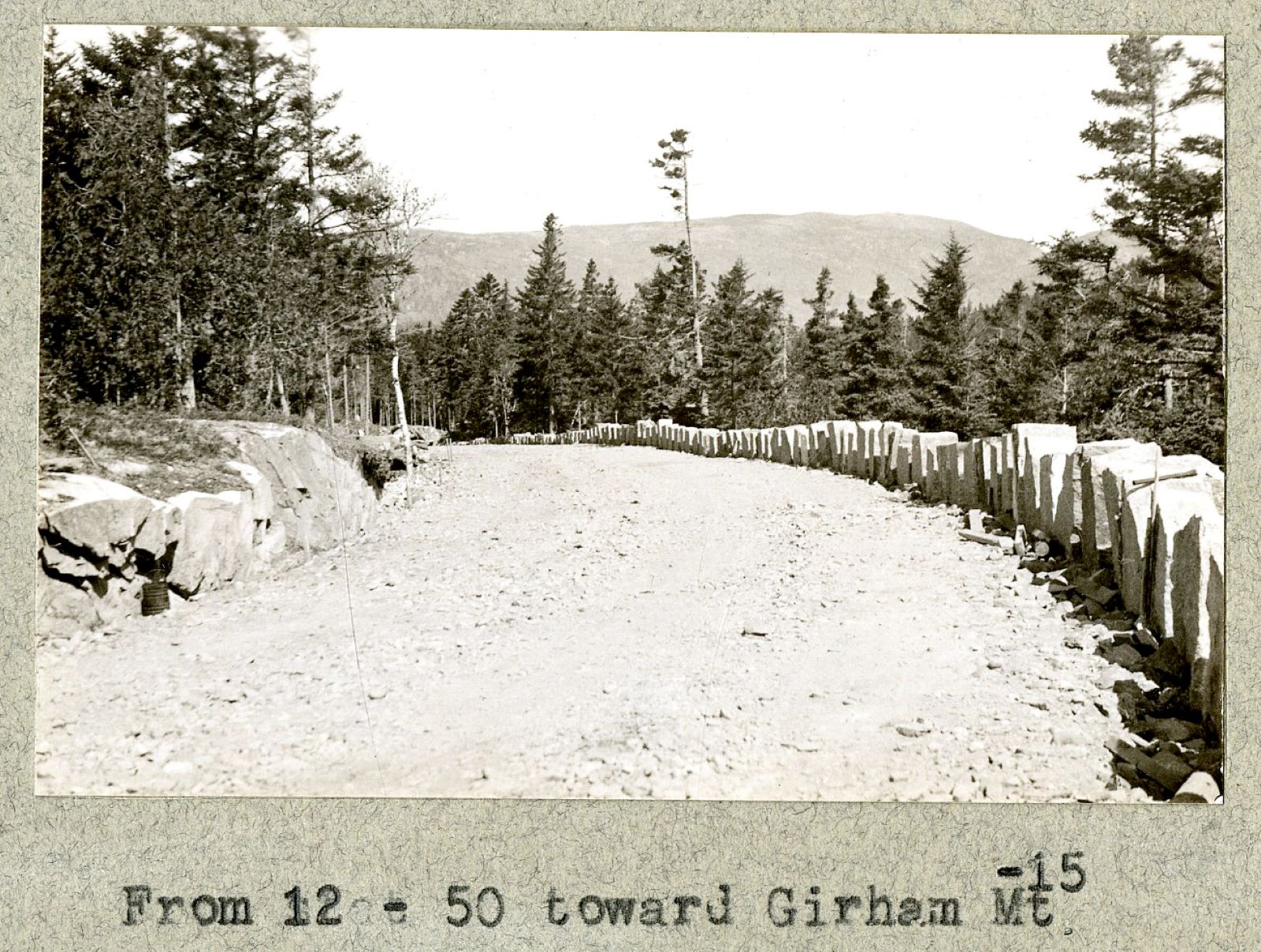
Acadia National Park: Carriage Roads, Cadillac Mountain & 2026 Guide
Discover carriage roads, Cadillac Mountain, and rugged Maine coast. Complete 2026 guide to Acadia National Park — trails, fees, lodging, permits, and what rangers recommend.
Hiking Guide
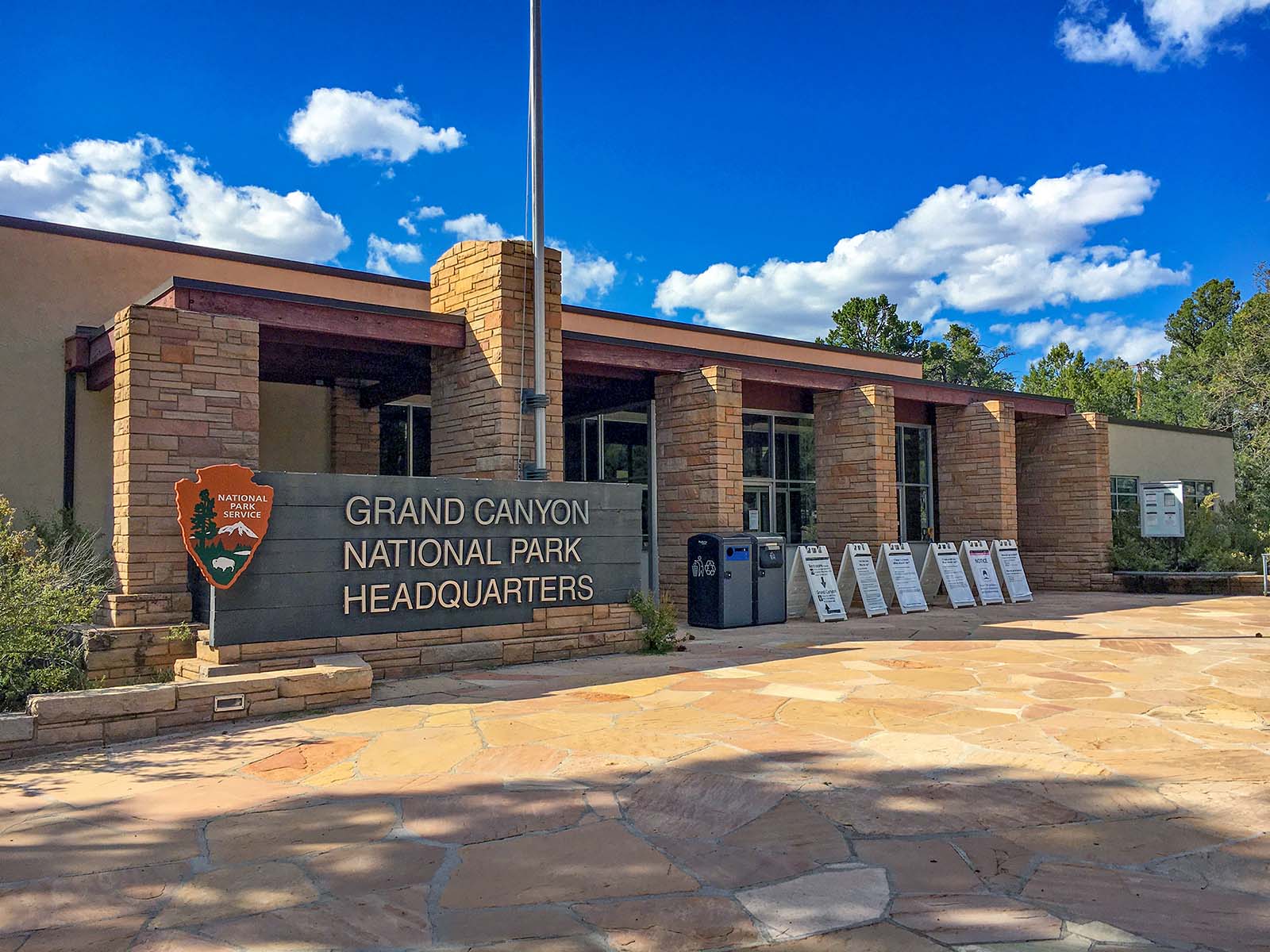
Grand Canyon Hiking Trails: Day Hikes, Water Sources & Rim to Rim
Compare Grand Canyon hiking trails: Bright Angel, South Kaibab, Hermit, Grandview, and rim to rim, with distances, elevation, water stops, and trailhead access for each.
Best Of
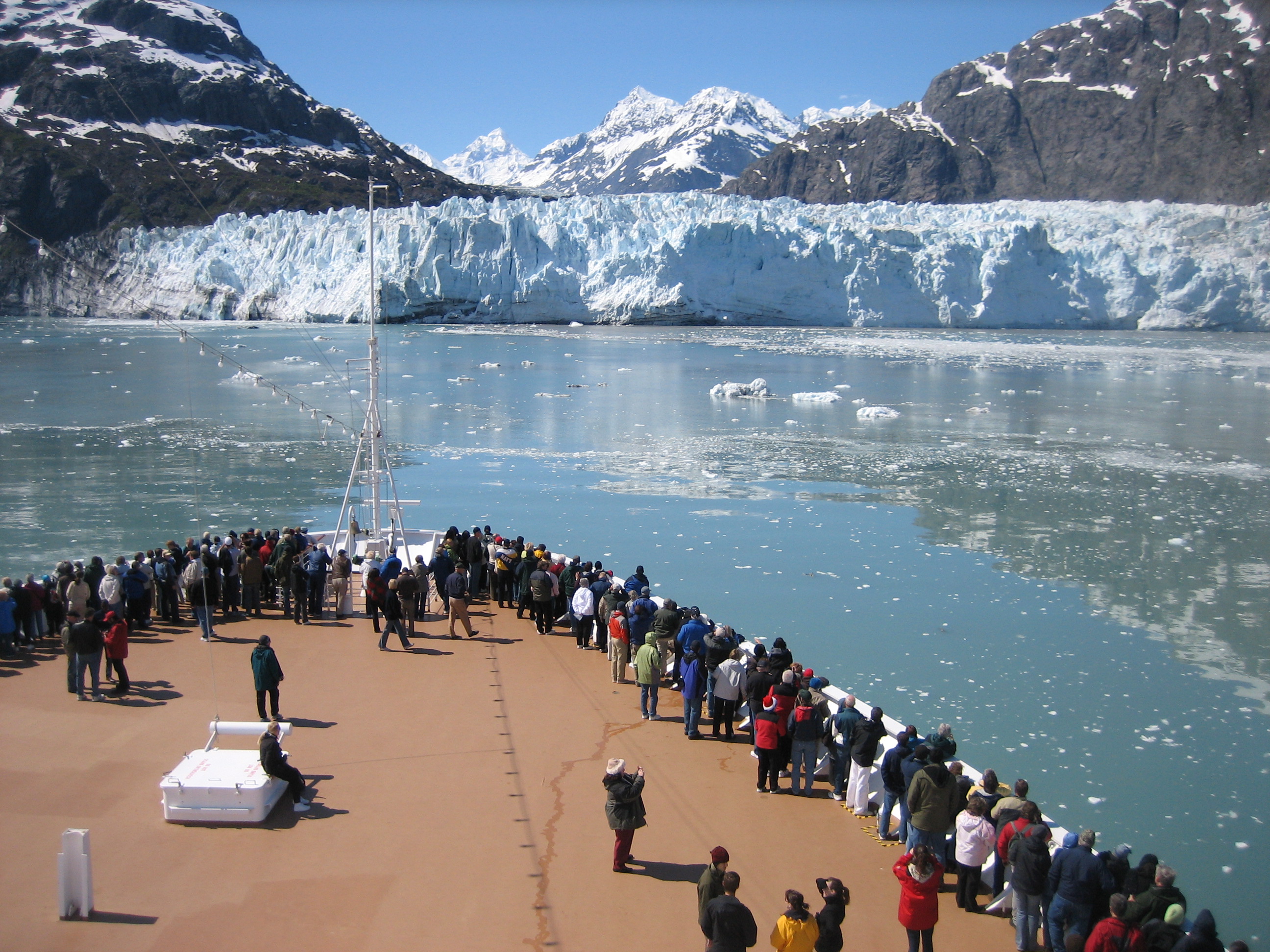
Best of Glacier Bay National Park
The best of Glacier Bay is reached by boat: ranger-led day tours up the bay to the tidewater glaciers. What's worth it, how to book, and when to go (2026).
Campsite Guide
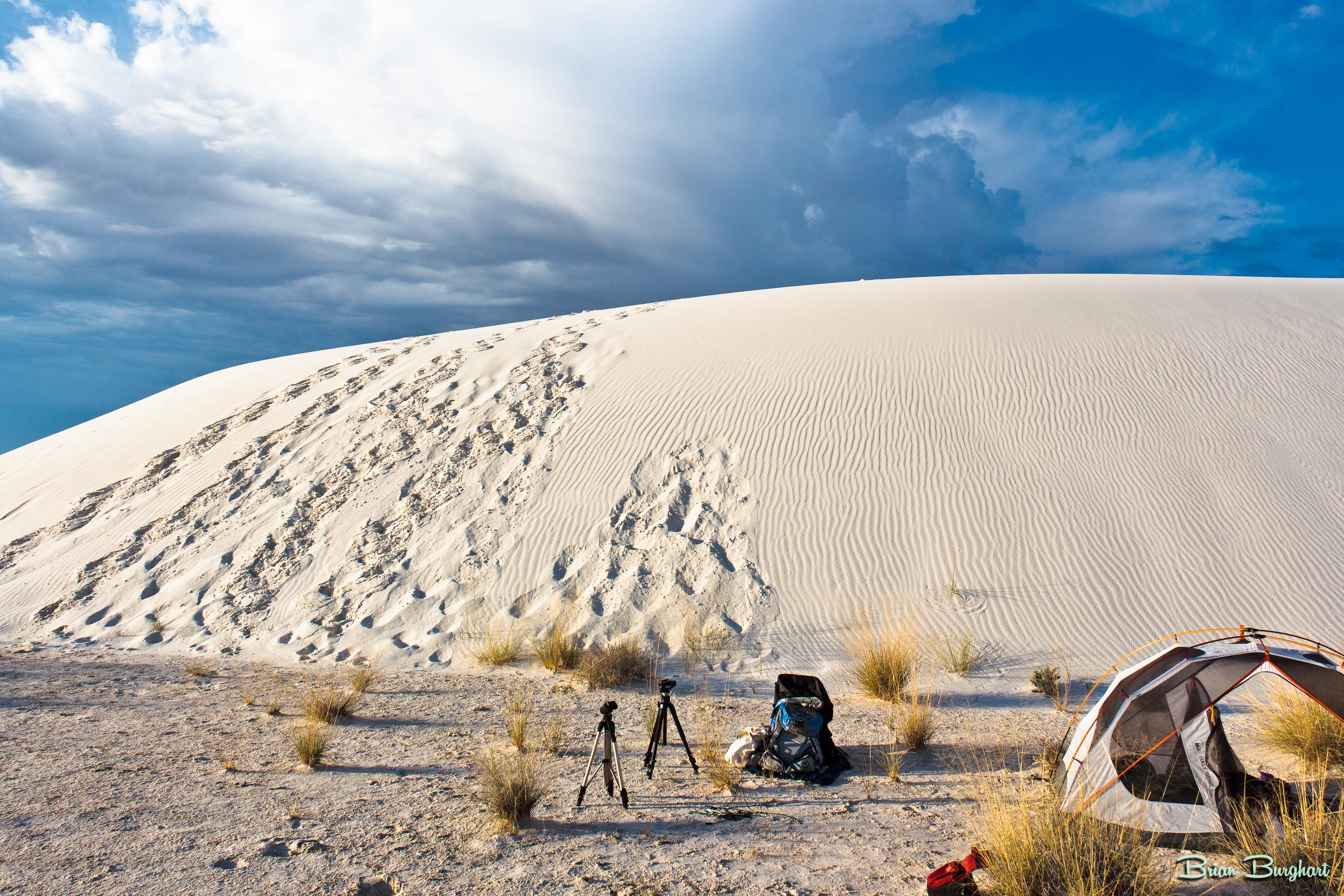
White Sands Backcountry Camping: Closed for 2026 — What to Know
As of 2026, backcountry camping at White Sands National Park is closed for site rehabilitation. What that means, and where to camp nearby instead.
Weather Guide
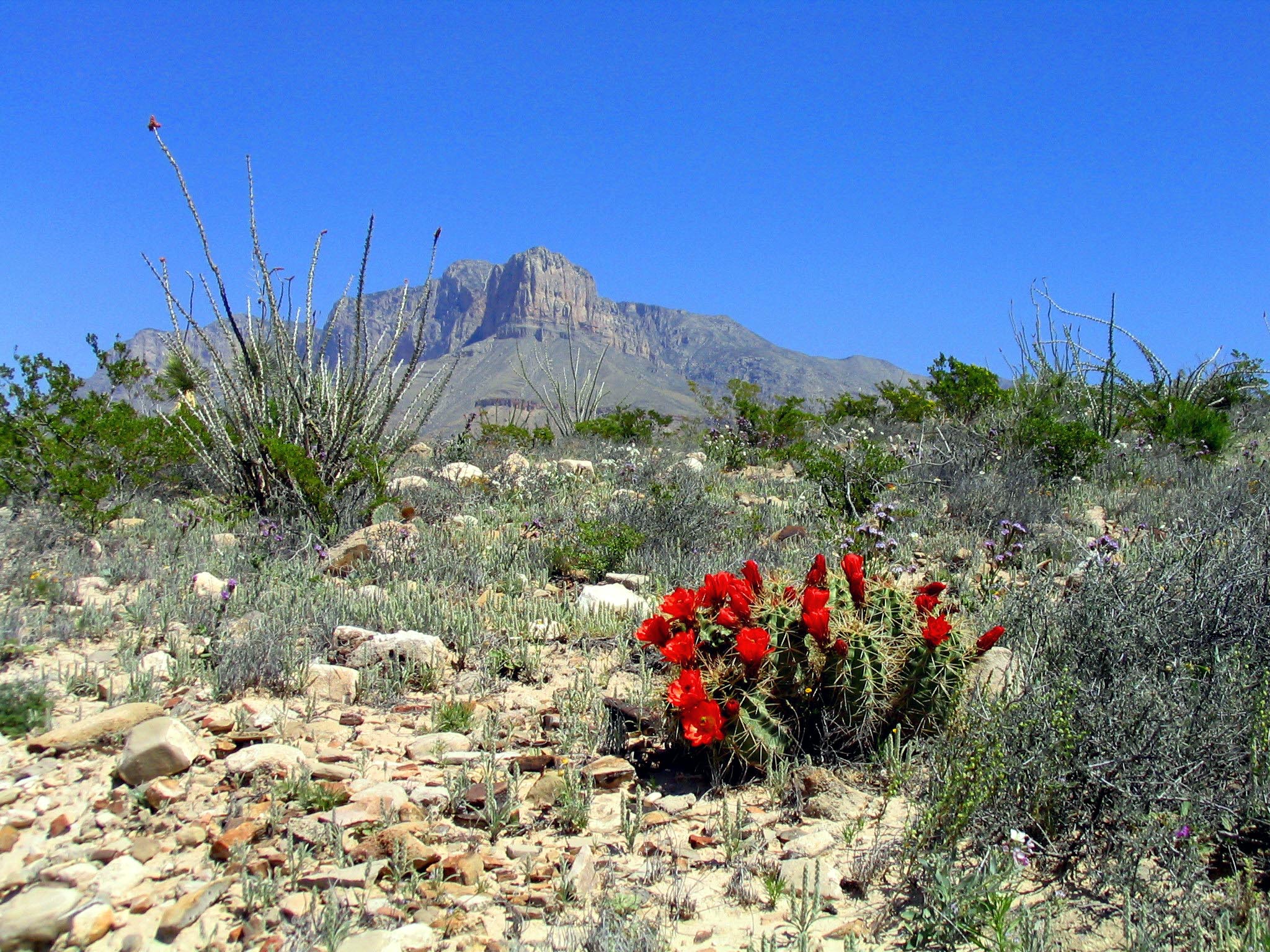
Guadalupe Mountains National Park Weather: Weather
Guadalupe Mountains National Park: weather guide guide updated 2026. Practical visitor information, reservations, and seasonal tips worth bookmarking before

Best Of
Best of Cuyahoga Valley National Park: Best Things to Do
Seeing a Cleveland Orchestra concert with the woods as your backdrop is a uniquely Cuyahoga Valley experience.
Sign in to join the conversation.
Sources & Attribution
Location data courtesy of the National Park Service (U.S. Department of the Interior). NPS data is public domain. Official NPS page.
Images: NPS; NPS; NPS; NPS; NPS.
Map data © OpenStreetMap contributors.
Park operations alerts: NPS.gov · Weather and weather hazards: National Weather Service · Live conditions.
Information may change. Always verify fees, hours, and conditions directly with the official source before visiting.
Did this guide help? Share it with a friend.