Following a ranger off the main trail, you'll notice the gravel crunch underfoot and hear Lake Michigan's low rumble behind the dunes. They'll stop, point to a patch of sand, and ask you to look closer. What appears as scattered leaves resolves into the fossilized spine of an ancient shoreline—a 10,000-year story written in layers of sand and peat. That's the value of Indiana Dunes guided tours: context. On your own, it's a beautiful beach and a steep climb. With a guide, it's a living lesson in geology, ecology, and human history compressed into 15 miles of coast. The park's 16,000 acres contain over 50 miles of trail through dunes, wetlands, prairies, and forests; a guide helps you understand what you're walking through. For a broader sense of the park, our complete visitor guide covers the essentials.
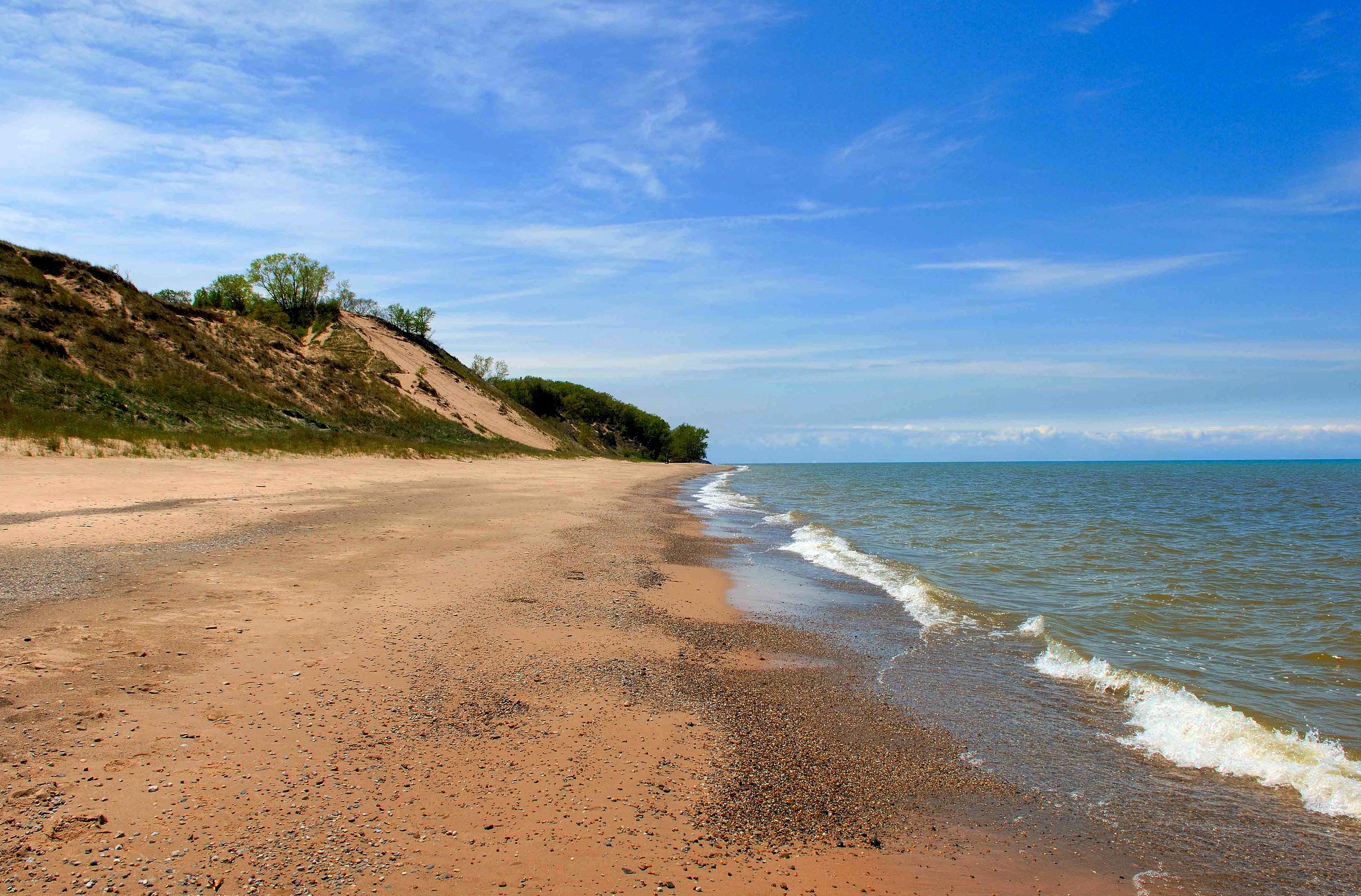
Indiana Dunes Guided Tours
7 min read
Best tours and guided experiences at Indiana Dunes National Park in 2026 — rangers, private guides, and what is worth booking.
This article contains affiliate links — we may earn a small commission at no extra cost to you.
For more, see lodging and accommodations.
The Best Guided Experience Here
The ranger-led Diana of the Dunes Hike is the single most worthwhile guided program in the park. It's not just a walk - it's access to a narrative and a landscape you'd likely miss on your own.
The hike focuses on the story of Alice Mabel Gray, the so-called "Diana of the Dunes," who famously left Chicago society in 1915 to live alone in a shack among these dunes. Rangers use her story as a lens to discuss the early conservation movement, the tension between development and preservation, and the unique ecology of the dune succession zones you traverse. You'll walk sections of the Diana Dunes Dare challenge route, but with commentary that turns a physical hike into a time capsule.
What makes it worth your time is the access to perspective, not just place. Rangers connect the dots between the wind-sculpted sand under your feet, the federally endangered Pitcher's thistle you're told to avoid stepping on, and the Chicago skyline visible across the lake on clear days. They'll point out the subtle difference between a foredune and a blowout, explain why the trees are stunted on the windward side, and might even show you where Alice's cabin once stood. It's the difference between seeing a "pile of sand" and understanding a dynamic, moving landform.
The common mistake is to assume all hikes here are equal. They're not. The guided version adds layers.

Free Ranger Programs
From late spring through fall, the National Park Service provides a rotating schedule of free programs. You can find schedules at the Indiana Dunes Visitor Center and online, with themes that align predictably with the seasons.
Talks and Guided Hikes
Most summer weekends feature 2-3 scheduled activities. The Diana of the Dunes Hike is the flagship, typically offered on Saturday mornings. Birding Walks are frequent during spring and fall migration, leveraging the park's position as a critical rest stop for hundreds of species. Rangers don't just name birds; they explain why this particular mosaic of habitats is a biological superhighway.
Evening Campfire Talks at the Dunewood Campfire Circle are a staple. Topics range from dune geology to the history of the Save the Dunes movement. The value here is less about groundbreaking information and more about the atmosphere - sitting under a darkening sky, the smell of a wood fire mixing with the damp scent of the forest. Rangers are more conversational here than on the trail.
Junior Ranger Programs
The Become an Indiana Dunes Junior Ranger activity is a structured, self-guided program with booklets available at the visitor center. However, rangers often host dedicated Junior Ranger station days in summer where kids can complete requirements through hands-on activities like seining for critters in a lagoon or examining animal pelts. These events can get crowded. Sign-up sheets are usually available at the visitor center an hour beforehand.
What to Know Before You Go
Ranger programs are weather-dependent and can be canceled for high heat, storms, or high lake waves. Group sizes are sometimes capped, especially for hikes venturing into more sensitive dune areas. Showing up 15 minutes early is the unofficial rule for securing a spot. The park newspaper, available at all entrance stations, has the most current monthly schedule.
Programs thin out after Labor Day and are sparse from November through April, though occasional winter ecology snowshoe walks are offered if conditions permit.

Concessionaire Tours
As of 2026, Indiana Dunes National Park does not have licensed concessionaires operating guided tours within park boundaries in the traditional sense (like bus tours or guided kayak rentals). The guided experience here is almost exclusively provided by the NPS ranger staff.
This is a key detail that many visitors searching for indiana dunes guided tours need to understand. You won't find a list of private companies to book with on the park's official website. The "Guided Tours" listed in the park's activities refer to the ranger programs.
Your option for a paid, external guide is to look for outfitters and guides operating in the broader region who may offer trips that include or transit through parts of the lakeshore. These are not endorsed or managed by the NPS, so you'll need to vet them independently. Their offerings would fall outside the scope of official park programming.

Specialized Experiences
The park creates specialized, often seasonal, programs that dive deep into specific topics. These are where ranger expertise really shines.
Night Sky Programs
Given its proximity to the Chicago-Gary light dome, Indiana Dunes isn't a premier dark sky park. But on nights when the sky is clear and the moon is new, rangers host stargazing sessions. They're honest about the limitations - you won't see the Milky Way here - but they use powerful laser pointers and telescopes to pick out planets, major constellations, and bright deep-sky objects. The talk inevitably turns to how light pollution affects the very migration patterns of the birds the park protects. It's a thoughtful, low-key experience.
Birding Focus
The Birding at Indiana Dunes National Park program is less a single tour and more a series of events, especially during the May and September migration peaks. Expert-led "bird blitzes" take small groups to hotspots like the Great Marsh. The value is in the auditory training: learning to distinguish a red-winged blackbird's call from a yellow-headed blackbird's, or understanding why a certain patch of oak savanna is warbler candy. Bring your own binoculars.
First Day Hikes & Special Events
The January 1st First Day Hike is a park tradition. It's often a bracing, windy walk that emphasizes winter ecology - how animals survive, what plants do, the formation of shelf ice on the lake. Other annual events might include a National Park Week hike or a fall color walk. These are usually listed on the park's online calendar months in advance.

Booking and Logistics
Booking: For all free ranger programs, no formal booking or reservations are required. It's first-come, first-served. The exception is for specific, limited-capacity events like a snowshoe walk where equipment is provided; these may require sign-up via a link on the park's website or a call to the visitor center.
Lead Time: You can't book months ahead. Schedules are finalized and posted about 4-6 weeks in advance. The most reliable method is to check the official park website's calendar section in the month you plan to visit. The visitor center information line (219-395-1882) can confirm programs for the upcoming weekend.
Fees: The programs themselves are free. However, you still need to pay the park entrance fee to participate. As of 2026, that's $25 per private vehicle for a 7-day pass, $15 per person for cyclists or pedestrians, or $20 for a motorcycle. Your America the Beautiful annual pass covers the vehicle fee.
Cancellations: Programs are canceled for severe weather, including thunderstorms, extreme heat, or high wind advisories. The park rarely contacts registered participants because there usually isn't a registration list. If the weather looks questionable, call the visitor center before you drive out.
What's Included: A ranger's knowledge and time. Nothing else. Bring your own water, sun protection, insect repellent, and sturdy shoes. For hikes, expect to cover 1-3 miles over sandy, uneven terrain.
Practical Takeaways
- The ranger is the guide. There are no private tour buses or concessionaire kayak guides operating under park license. All official indiana dunes guided tours are ranger-led and free beyond the entrance fee.
- Schedules are seasonal and fluid. The full roster of hikes and talks runs from Memorial Day through Labor Day. Spring and fall see a focus on birding; winter offers one-off events. Always verify the schedule online or by phone the week of your visit.
- Show up early for popular hikes. The Diana of the Dunes and other themed hikes can reach their informal group size limit. Arriving at the trailhead 10-15 minutes before the start time is the best way to guarantee a spot.
- Your entrance fee is your ticket. Have your park pass or receipt ready. Rangers may ask to see it at the start of a program, especially if it begins at a trailhead inside the fee area.
- Prepare for the terrain, not just the topic. Even a gentle-sounding "dune talk" involves walking in soft sand. Wear closed-toe shoes with good traction. The lake breeze can be deceiving - sun exposure is high on the open beach trails.
- Check for closures first. As of 2026, the Mount Baldy area is closed for stabilization work, and sections of the Glenwood Dunes Trail are closed for greenway construction. This can affect where certain programs are held. Review the current alerts on the park website.
- Combine a program with your own exploration. Attend a morning ranger hike to get oriented, then use that knowledge to explore other hiking trails in Indiana Dunes National Park on your own in the afternoon. For overnight plans, research camping near Indiana Dunes or lodging and accommodations in the surrounding towns well ahead of your trip.
For more information, see our complete National Park Guide.
Related: camping near indiana dunes national park guide
Related: hiking trails in indiana dunes national park guide
Recommended Gear
What experienced visitors bring to Indiana Dunes Guided Tours
Links may earn us a commission at no extra cost to you. We only recommend gear we believe in.
Hiking Essentials
Hydration Pack (3L)
Hands-free water for long trail days
Trekking Poles (Pair)
Save your knees on steep descents
Hiking Boots (Ankle Support)
Sturdy footwear for rocky, uneven trails
Sun & Heat Protection
Wide-Brim Sun Hat
Full coverage UPF 50+ protection at altitude
Insulated Water Bottle (32oz)
Keeps water cold in desert heat all day
Winter Gear
Microspikes / Traction Devices
Essential for icy rim trails in winter months
Packable Down Jacket
Lightweight warmth that stuffs into a pocket
Sources
- Official source: NPS — Indiana Dunes National Park nps.gov/indu/index.htm
Photo Gallery
More to Explore
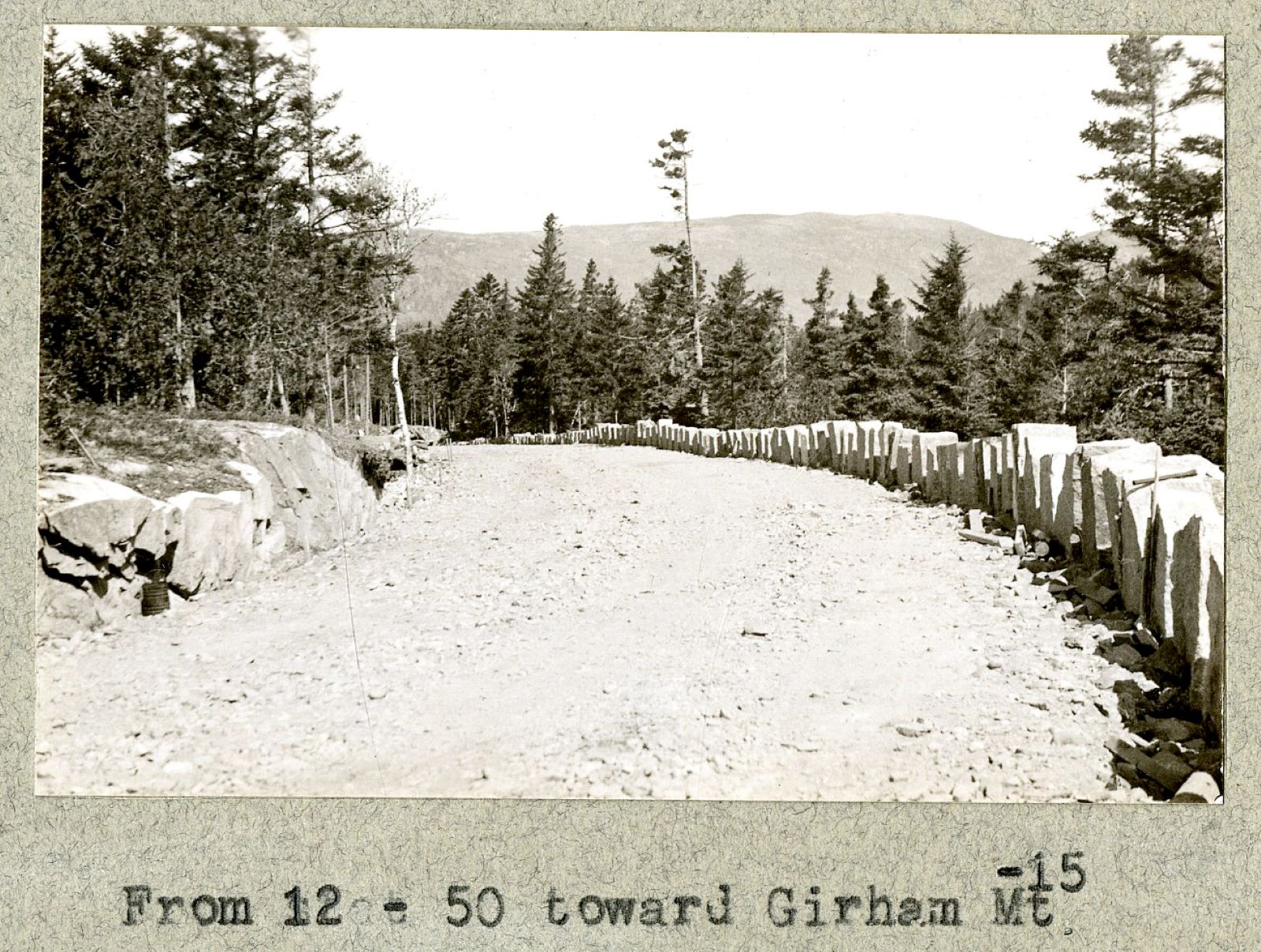
Acadia National Park: Carriage Roads, Cadillac Mountain & 2026 Guide
Discover carriage roads, Cadillac Mountain, and rugged Maine coast. Complete 2026 guide to Acadia National Park — trails, fees, lodging, permits, and what rangers recommend.
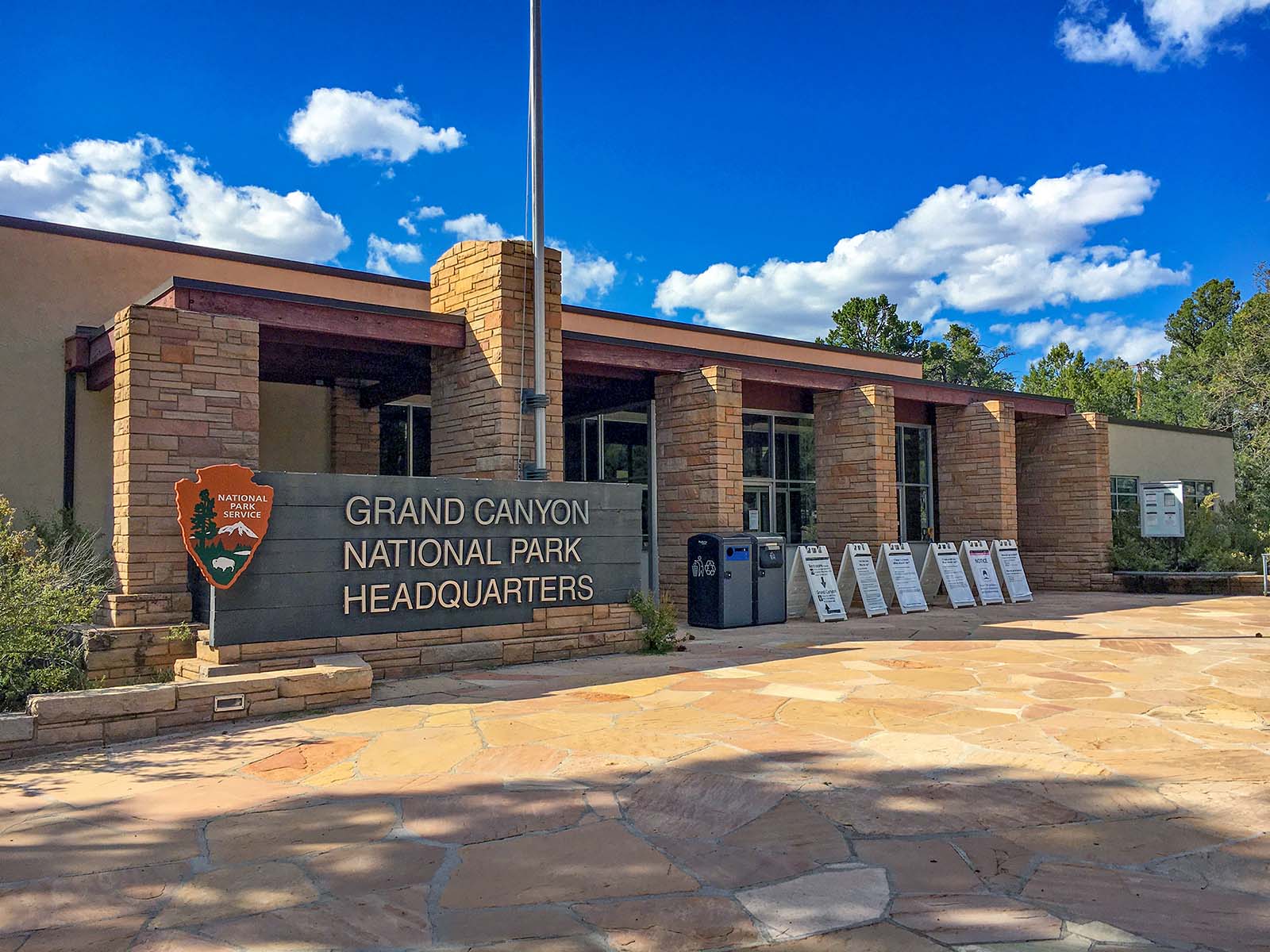
Grand Canyon Hiking Trails: Day Hikes, Water Sources & Rim to Rim
Compare Grand Canyon hiking trails: Bright Angel, South Kaibab, Hermit, Grandview, and rim to rim, with distances, elevation, water stops, and trailhead access for each.
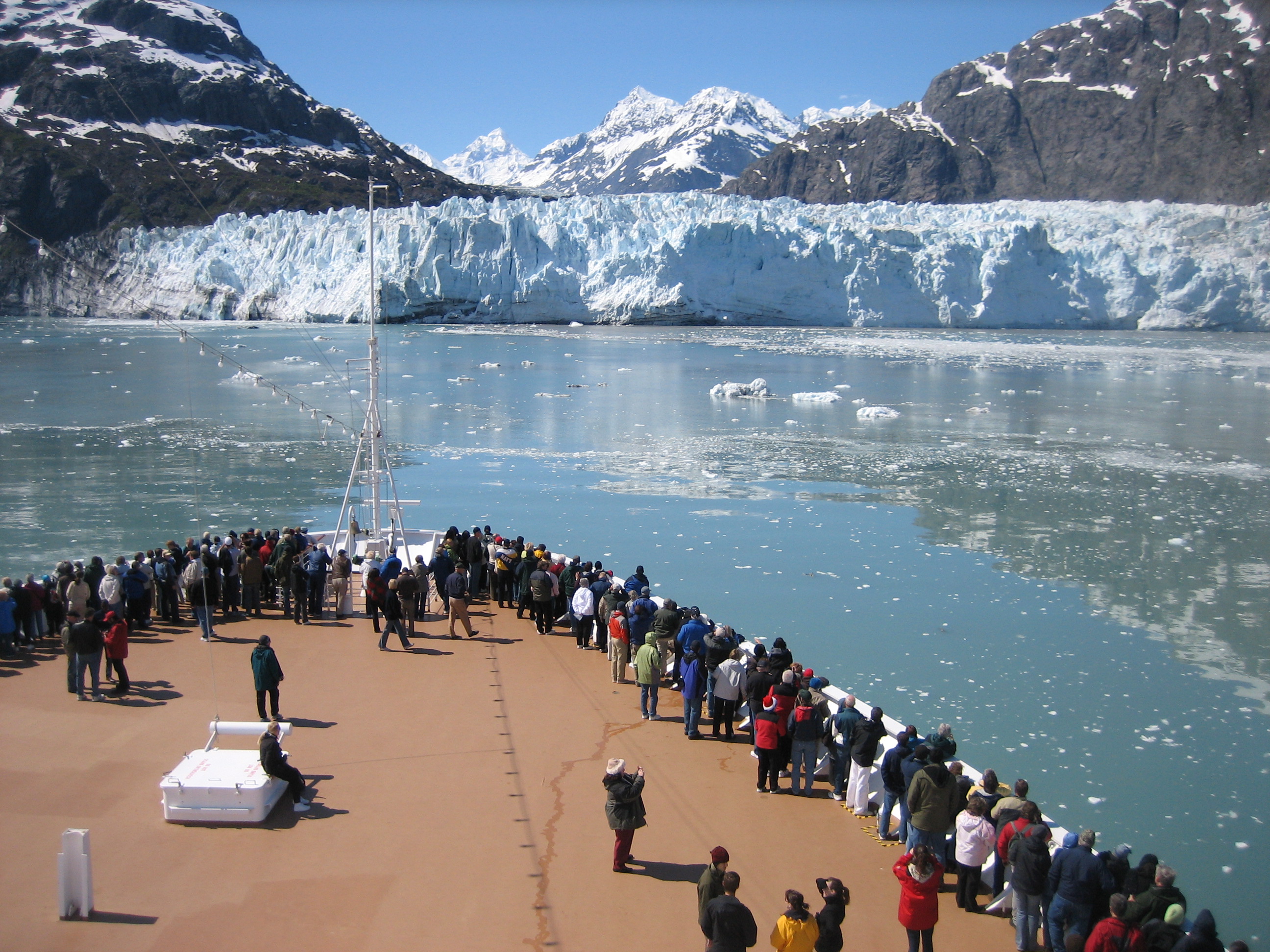
Best of Glacier Bay National Park
The best of Glacier Bay is reached by boat: ranger-led day tours up the bay to the tidewater glaciers. What's worth it, how to book, and when to go (2026).
White Sands Backcountry Camping: Closed for 2026 — What to Know
As of 2026, backcountry camping at White Sands National Park is closed for site rehabilitation. What that means, and where to camp nearby instead.
Guadalupe Mountains National Park Weather: Weather
Guadalupe Mountains National Park: weather guide guide updated 2026. Practical visitor information, reservations, and seasonal tips worth bookmarking before

Best of Cuyahoga Valley National Park: Best Things to Do
Seeing a Cleveland Orchestra concert with the woods as your backdrop is a uniquely Cuyahoga Valley experience.
Sign in to join the conversation.
Sources & Attribution
Location data courtesy of the National Park Service (U.S. Department of the Interior). NPS data is public domain. Official NPS page.
Images: NPS; NPS; NPS; NPS; NPS.
Map data © OpenStreetMap contributors.
Park operations alerts: NPS.gov · Weather and weather hazards: National Weather Service · Live conditions.
Information may change. Always verify fees, hours, and conditions directly with the official source before visiting.
Did this guide help? Share it with a friend.