What makes a backcountry campground worth the extra effort when there are drive-up options closer to the visitor center? For anyone willing to carry their gear a short distance, Kulanaokuaiki offers something most front-country sites in Hawaiʻi Volcanoes National Park don't: genuine quiet, dark skies, and that feeling of being properly in the park rather than in a parking lot. Located off Hilina Pali Road at 3,200 feet (975 m), this nine-site walk-in campground serves as a base for exploring the quiet southern slopes of Kīlauea. If you're planning a trip in 2026, here's what you need to know about the booking process, the rules, and the realities of staying here.
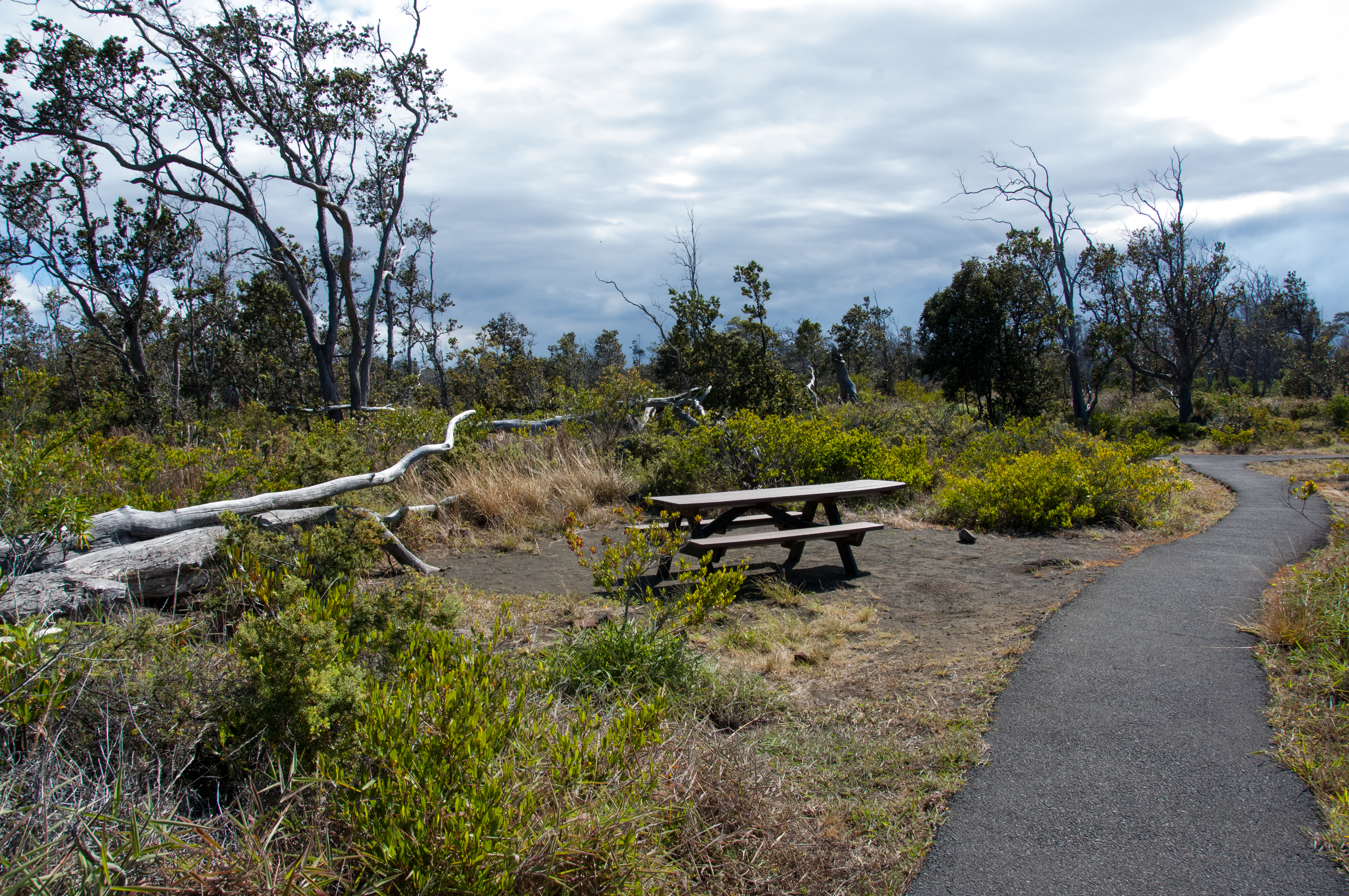
NPS via NPS.gov (Public Domain)
Campsites at Kulanaokuaiki (2026 Guide)
6 min read
Campsite Guide
Note that the $10 fee is per site, not per person. Groups can fit up to six people per site (the standard for most NPS campgrounds).
Your plans
For more, see Campsites at Nāmakanipaio (2026 Guide).
What to Expect at Kulanaokuaiki
Kulanaokuaiki sits away from the busy Crater Rim Drive loop, on the less-visited side of the park. The drive from Kīlauea Visitor Center takes about 20 minutes: turn left on Crater Rim Drive, go 3.3 miles (5.3 km) to the Chain of Craters Road junction, then left on Chain of Craters for 2.3 miles (3.7 km). From there you follow Hilina Pali Road - it's paved most of the way, but the final stretch is gravel and can be rough. Rangers will tell you to check road conditions before heading out, especially after rain.
The campground itself has nine walk-in sites, each with a picnic table and fire ring (though fires are prohibited - more on that below). Sites are spaced far enough apart that you won't hear your neighbor's conversation, though the trade-off is that you'll carry your gear maybe 50 to 100 yards from the parking area. There's an accessible vault toilet on site, and it's kept reasonably clean by park standards. No running water, no electricity, no trash pickup - pack it all in, pack it all out.
Site Layout and Privacy
Sites are arranged along a short loop trail that branches off the parking area. Most are tucked into the ʻōhiʻa forest, with enough understory to give each site its own buffer. The sites near the outer edge get more breeze and fewer mosquitoes; the ones closer to the toilet see more traffic but are fine for a single night. Experienced visitors recommend site 5 or 6 for the best balance of privacy and wind protection.
Booking and Fees
Reservations are required for Kulanaokuaiki. You can book through Recreation.gov. The fee is $10 per site per night as of 2026. There's also a self-pay station at the campground if you arrive without a reservation and a site is available - but rangers strongly advise booking ahead, especially during holiday periods and summer months. The campground is open year-round, with the same hours: available all day, every day.
Note that the $10 fee is per site, not per person. Groups can fit up to six people per site (the standard for most NPS campgrounds). If you hold an America the Beautiful pass or an Interagency Senior Pass, it doesn't waive the campground fee - that pass covers park entrance, not camping.

Rules and Regulations
This campground has a few rules that catch first-time visitors off guard. Understanding them ahead of time saves frustration.
No Campfires and No Dogs
Campfires are not permitted under any circumstances. The area is dry and fire-prone; when conditions are especially dry, the campground may close entirely. Use only fueled camping stoves for cooking. The park service posts fire danger warnings at the entrance station - check before you drive out.
No dogs or pets are allowed at Kulanaokuaiki. This is strictly enforced to protect the endangered nēnē (Hawaiian goose), which sometimes wanders through the campground. The nēnē has no natural fear of dogs, and a single off-leash encounter can be fatal to the bird. Leave your dog at home or board it in Hilo.
Water and Waste
There is no water at Kulanaokuaiki. Pack every drop you'll need for drinking, cooking, and washing - figure at least one gallon per person per day. The vault toilet is for human waste only; pack out all trash, including food scraps and toilet paper (pack it in a ziplock bag). Rangers will check campsites on their rounds, and fines for leaving trash can run over $100.
Current NPS Alerts (as of early 2026)
Three active alerts affect the greater park area and could impact your visit:
- Lava Tube bridge replacement: Most of Nāhuku lava tube trail remains open, but you'll enter and exit only from the east "exit" end. The bridge and a stretch of the rainforest trail are closed during construction. Check the park's website for the latest schedule.
- Volcanic tephra: At Kīlauea summit, volcanic ash, rock, and glassy strands (tephra) are present. The park recommends eye protection, long sleeves, long pants, a hat, closed-toe shoes, and a dust mask. Do not handle tephra - it can irritate skin, eyes, and lungs.
- Kīlauea eruption hazard: Eruptions can start with little warning. Stay out of closed areas and monitor air quality. Most eruptions last only a few hours, with weeks-long pauses between them.
None of these directly close Kulanaokuaiki, but the tephra alert is worth noting if you plan to hike anywhere near the summit before or after your camping trip.
What the Official Website Doesn't Mention
The park website covers the basics, but here are a few things rangers will tell you if you ask.
The parking situation here is tight. The lot holds maybe a dozen cars. If you arrive after 5 PM on a Friday or Saturday, you might find no spots and no room to turn around. Early morning is your best bet for snagging a space - or arrive midweek.
Cell service drops out at the turnoff from Chain of Craters Road. Don't rely on your phone for navigation or emergency contact. Download maps and directions before you leave the visitor center.
The trail narrows here if you plan to hike the nearby Puʻu o Lokuana cinder cone or the Hilina Pali Trail. From Kulanaokuaiki, you can access footpaths that lead to the coast 2,000 feet below. Most visitors underestimate how exposed these trails are: no shade, hot sun, and the return climb gains nearly 1,500 feet. Pack extra water for this stretch - rangers recommend at least 3 liters for a round-trip day hike.
Keep an eye out for nēnē in the campground at dawn and dusk. They're curious birds and may approach your site. Don't feed them; it's illegal and can make them aggressive toward other campers.

Practical Takeaways
- Reserve your site on Recreation.gov well ahead of your trip - especially between December and April (peak season) and during summer holidays.
- Bring all your water - minimum one gallon per person per day. No fill stations anywhere on Hilina Pali Road.
- Use a camping stove - propane or white gas. No fires, no charcoal.
- Pack out all trash - even TP and food scraps. Bring extra ziplock bags.
- Leave your dog at home - no exceptions. Boarding in Hilo is about $35-50 per night.
- Check the NPS alerts page before you leave for road conditions, fire closures, and eruption updates.
- Arrive before 4 PM to secure parking and choose your preferred site.
- Download offline maps - cell service ends at the Chain of Craters junction.
Final Thoughts
Kulanaokuaiki isn't the most convenient campground in Hawaiʻi Volcanoes National Park - that distinction belongs to Nāmakanipaio, which has water and flush toilets. But if your goal is to step away from the crowds and sleep where the only light is the Milky Way and the occasional red glow from Halemaʻumaʻu, this is the place. The walk-in requirement, the lack of water, the fire ban - all of it filters out the casual camper. What's left is a quiet, dark, and genuinely wild patch of forest on the side of an active volcano. For a complete overview of everything the park offers, check out the complete visitor guide. And to compare all camping options, see our breakdown of all campgrounds in the park.
Sources
- Official source: NPS — Hawaii Volcanoes National Park nps.gov/havo/index.htm
- Official source: National Park Service nps.gov/havo/planyourvisit/kulanaokuaiki-campground.htm
Photo Gallery
More to Explore
Park Guide
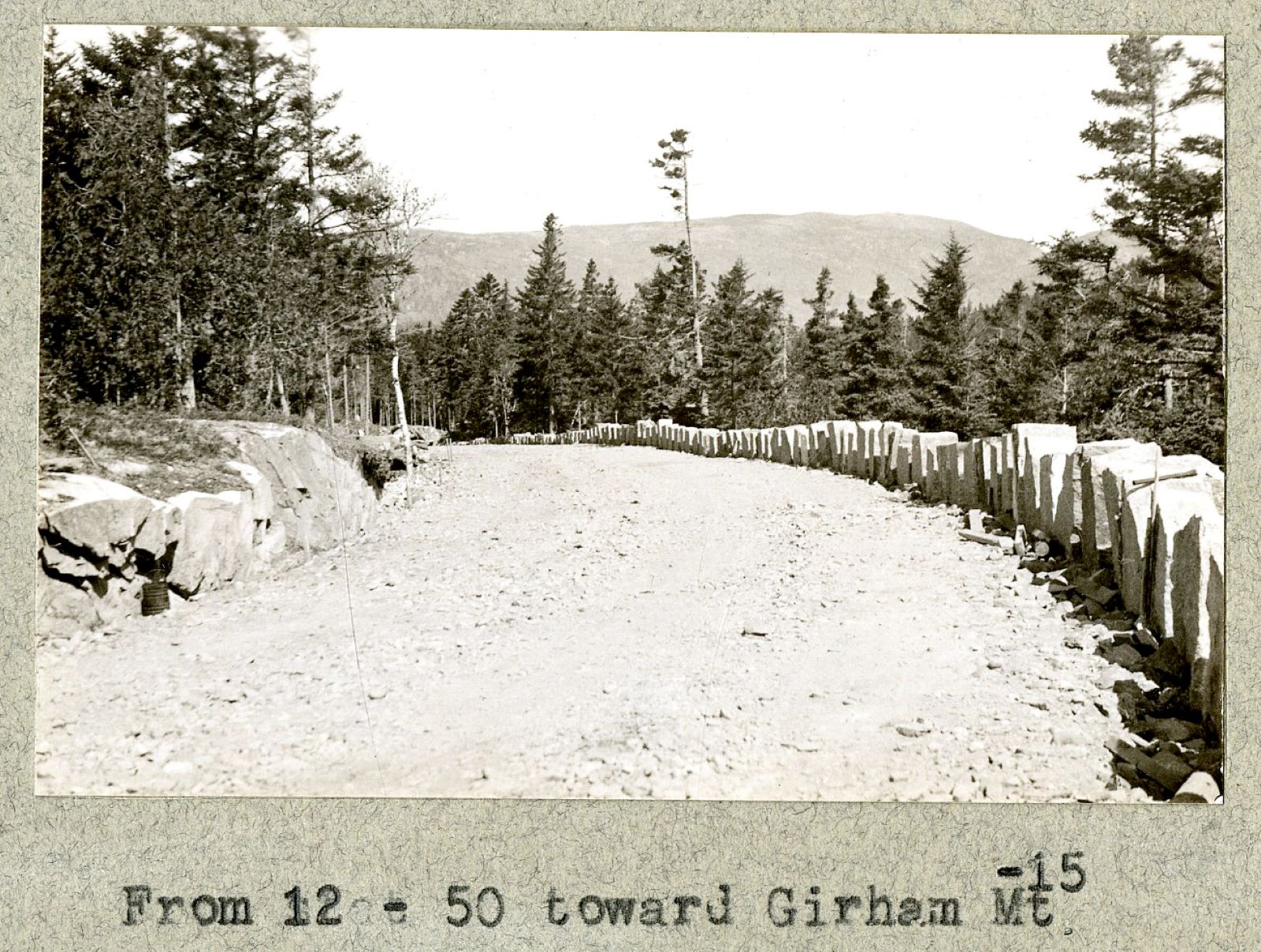
Acadia National Park: Carriage Roads, Cadillac Mountain & 2026 Guide
Discover carriage roads, Cadillac Mountain, and rugged Maine coast. Complete 2026 guide to Acadia National Park — trails, fees, lodging, permits, and what rangers recommend.
Hiking Guide
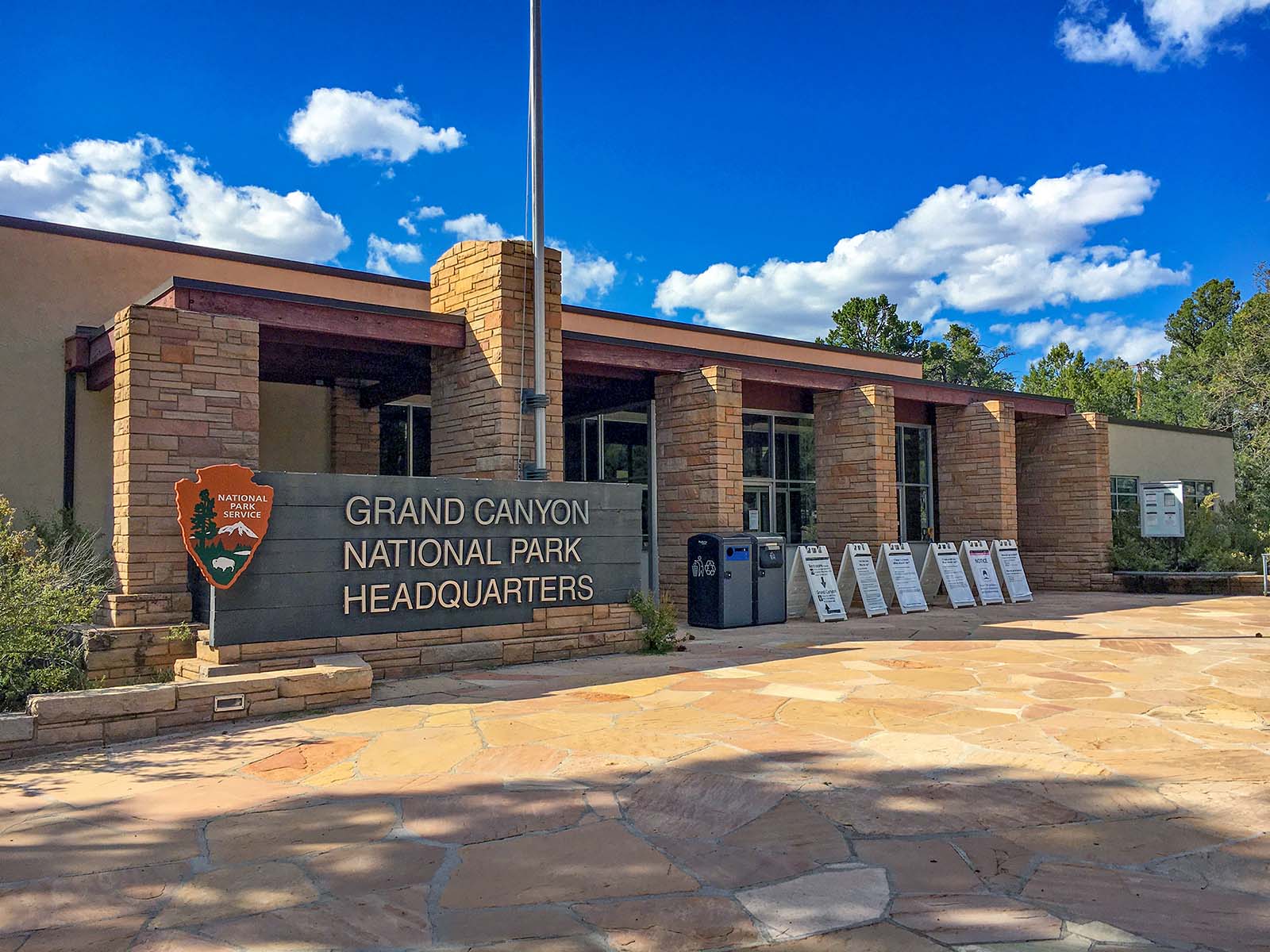
Grand Canyon Hiking Trails: Day Hikes, Water Sources & Rim to Rim
Compare Grand Canyon hiking trails: Bright Angel, South Kaibab, Hermit, Grandview, and rim to rim, with distances, elevation, water stops, and trailhead access for each.
Best Of
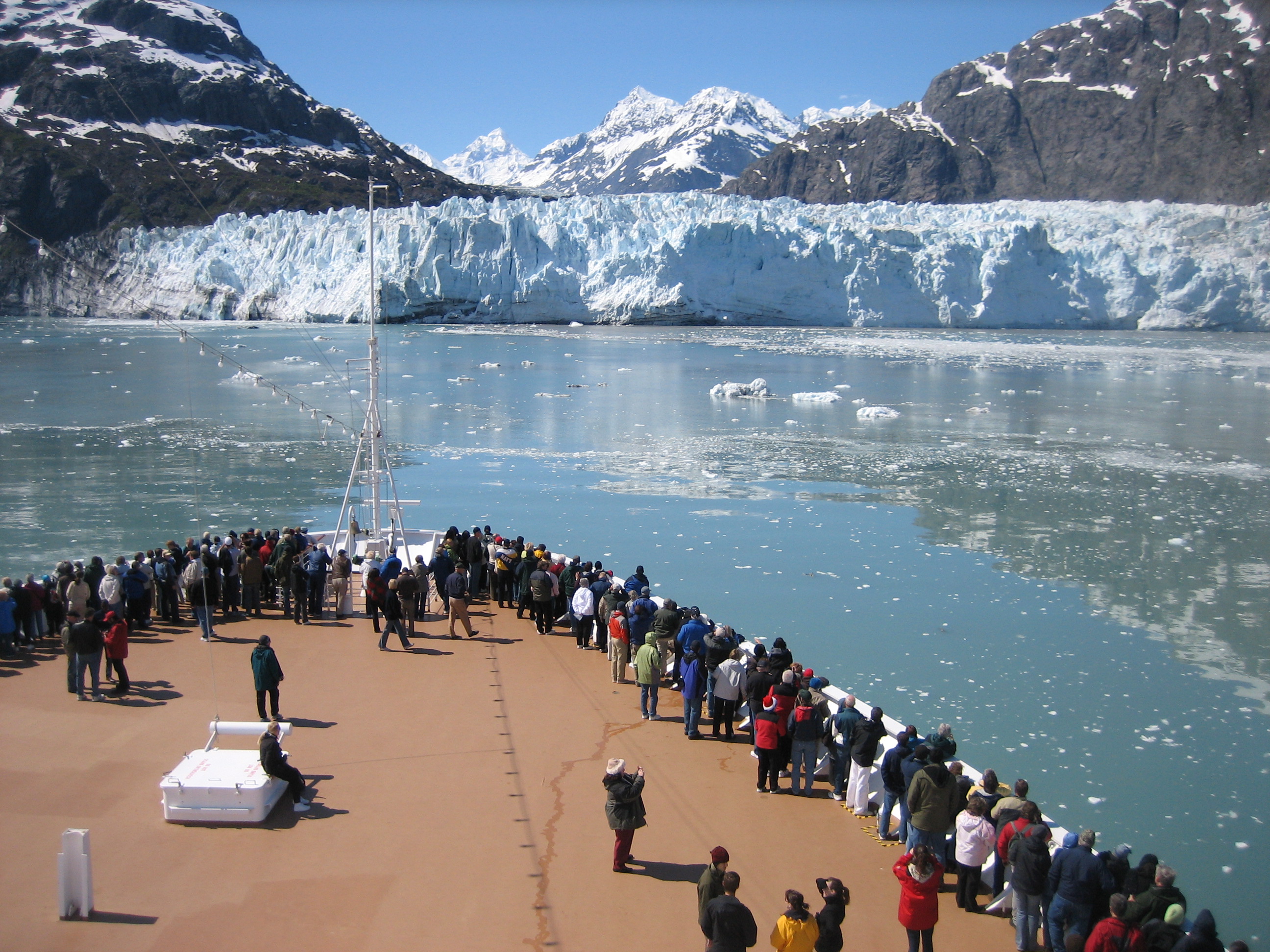
Best of Glacier Bay National Park
The best of Glacier Bay is reached by boat: ranger-led day tours up the bay to the tidewater glaciers. What's worth it, how to book, and when to go (2026).
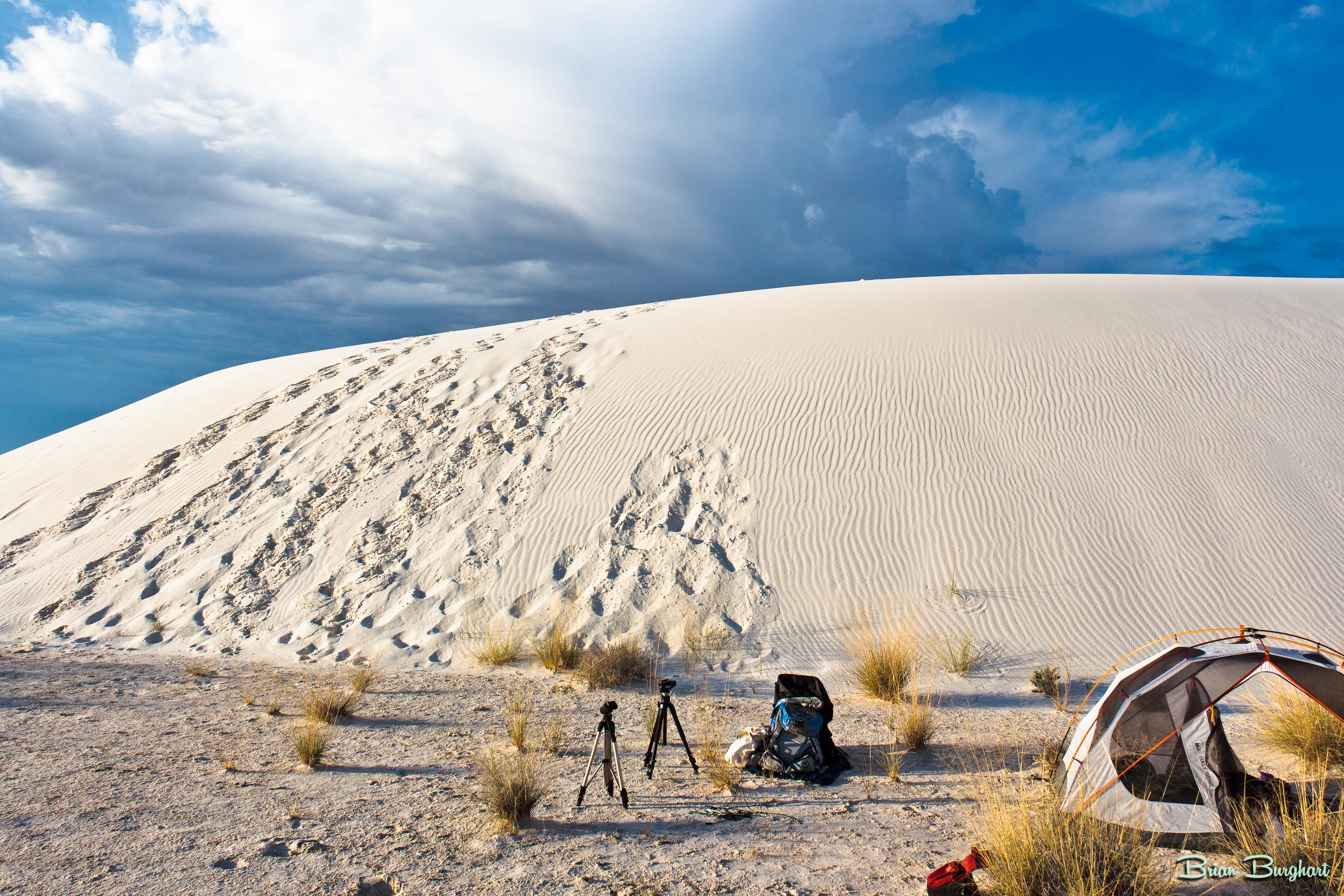
Campsite Guide
White Sands Backcountry Camping: Closed for 2026 — What to Know
As of 2026, backcountry camping at White Sands National Park is closed for site rehabilitation. What that means, and where to camp nearby instead.
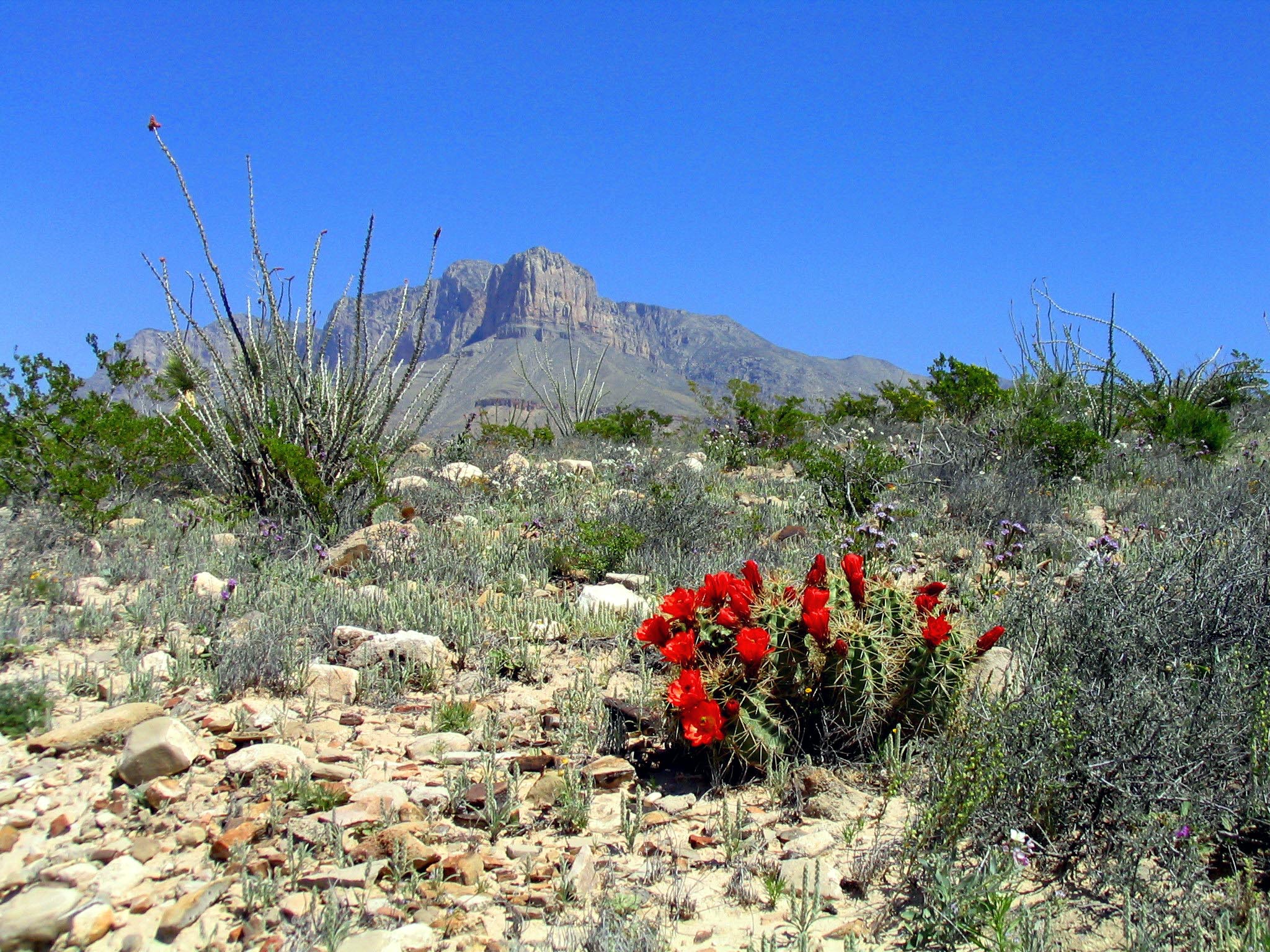
Weather Guide
Guadalupe Mountains National Park Weather: Weather
Guadalupe Mountains National Park: weather guide guide updated 2026. Practical visitor information, reservations, and seasonal tips worth bookmarking before
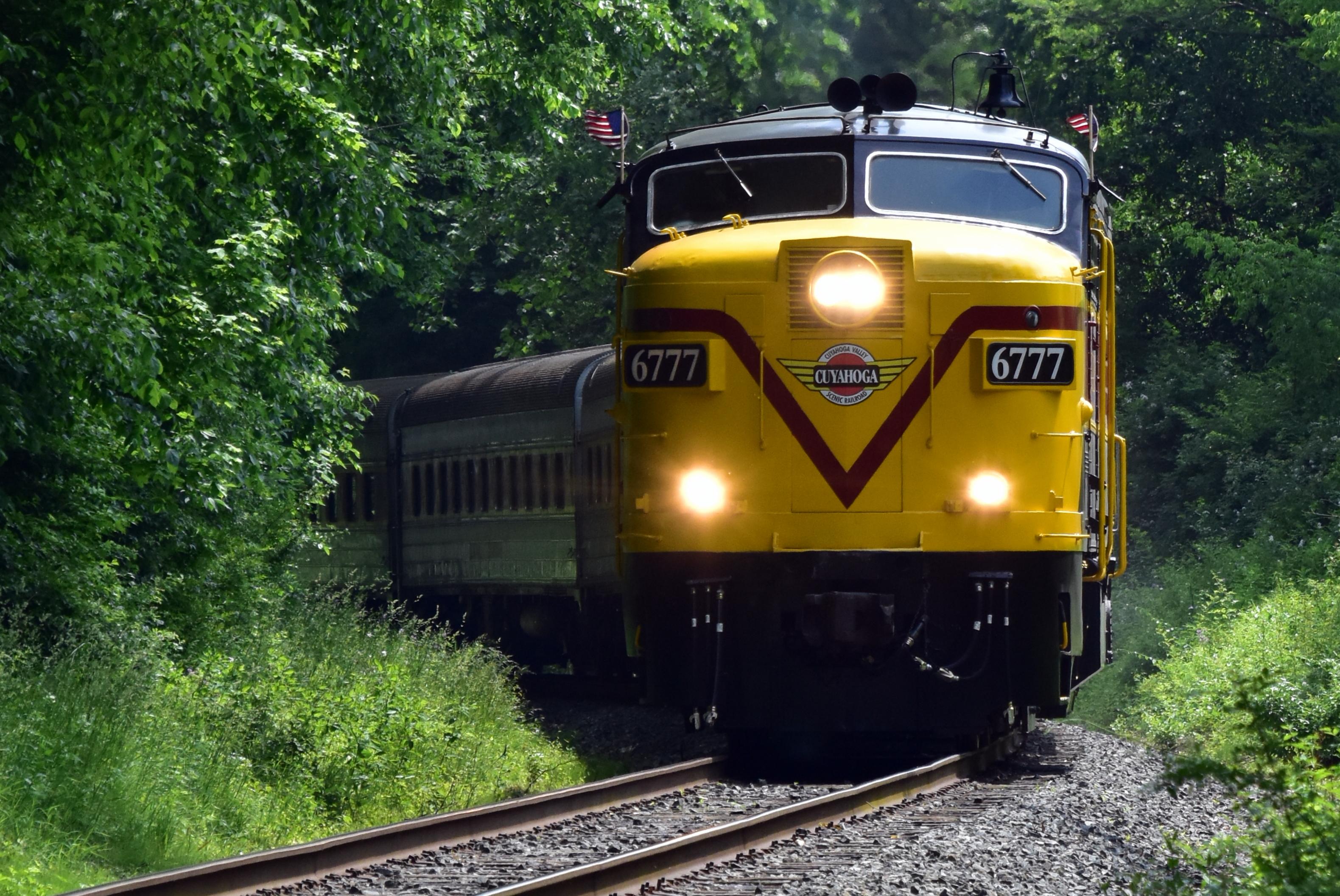
Best Of
Best of Cuyahoga Valley National Park: Best Things to Do
Seeing a Cleveland Orchestra concert with the woods as your backdrop is a uniquely Cuyahoga Valley experience.
Sign in to join the conversation.
Sources & Attribution
Location data courtesy of the National Park Service (U.S. Department of the Interior). NPS data is public domain. Official NPS page.
Images: NPS; NPS; NPS; NPS.
Map data © OpenStreetMap contributors.
Park operations alerts: NPS.gov · Weather and weather hazards: National Weather Service · Live conditions.
Information may change. Always verify fees, hours, and conditions directly with the official source before visiting.
Did this guide help? Share it with a friend.