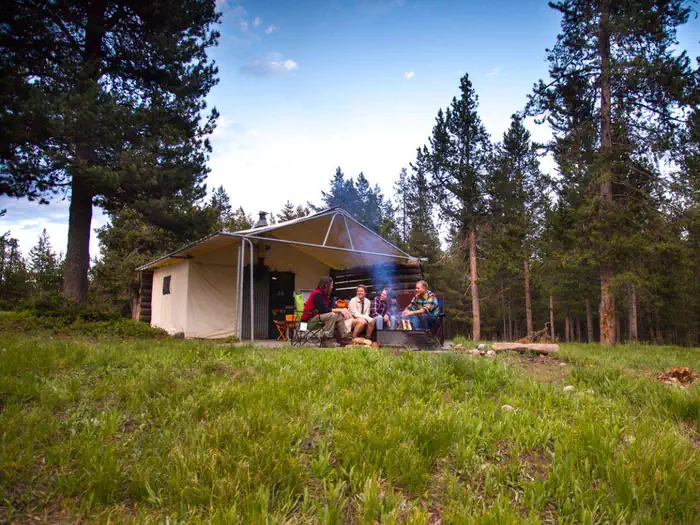
The 66 tent cabins at Colter Bay Tent Village share a common log wall with the adjacent unit, which means you will hear your neighbor roll over at 3 AM. That is not a flaw - it is the first thing to know about this setup. These are not private camping cabins. They are canvas-and-log shelters designed for people who want to be on Jackson Lake without bringing a tent, and who do not mind close quarters.
NPS via NPS.gov (Public Domain)
Campsites at Colter Bay Tent Village (2026 Guide)
7 min read
Campsite Guide
The 66 tent cabins at Colter Bay Tent Village share a common log wall with the adjacent unit, which means you will hear your neighbor roll over at 3 AM.
Your plans
For more, see Campsites at Colter Bay RV Park (2026 Guide), Colter Bay Campground at Colter Bay Campground Grand Teton National Park (2026 Guide), Colter Bay Rv Park at Colter Bay Rv Park Grand Teton National Park (2026 Guide), Colter Bay Tent Village at Colter Bay Tent Village Grand Teton National Park (2026 Guide), Gros Ventre Campground at Gros Ventre Campground Grand Teton National Park (2026 Guide), and Jenny Lake Campground at Jenny Lake Campground Grand Teton National Park (2026 Guide).
If that sounds like your kind of trip, this is one of the better entry points into Grand Teton. If you value silence and solitude, look at the all campgrounds list before booking.
This guide covers what the Tent Village actually involves - the layout, the amenities, what to bring, what to skip, and how to make a short season work.
What the Tent Village Actually Is
Colter Bay Tent Village sits in a lodgepole pine forest about a five-minute walk from the shore of Jackson Lake. The 66 tent cabins run from mid-May to early September. That is the entire operating window. Book for late June or early September if you want the best balance of warm weather and fewer people.
Each tent cabin has two permanent log walls and two canvas walls with a canvas roof. The shared interior wall between cabins means that each pair of units is essentially a duplex with fabric on the outside. Inside you get two sets of pull-down bunk beds - four bunks total, each with padding. No linens, no pillows, no sleeping bags. You bring those or rent them at the office on a first-come basis for a nightly fee.
The cabins include a wood-burning stove for heat and interior lighting. They do not include electrical outlets or a private restroom. The stove matters more than you think - June mornings at 6,800 feet run cold, and canvas does not hold warmth.
What You Get Outside
Every cabin has a picnic table, a fire pit with a metal grate, and a bear-proof food storage locker. The storage locker is not optional. You use it for all food, scented items, and anything a bear might consider interesting. The rangers at the complete visitor guide page emphasize this repeatedly because every season brings someone who leaves toothpaste in their cabin and gets a midnight visit.
Water spigots, flush toilets, and showers are nearby. Showers and laundry cost extra and are located at the launderette.

Booking Reality for 2026
These 66 cabins fill fast. The park service recommends booking early, and that recommendation undersells the situation. For July and August, reservations open six months ahead and often sell out within the first week. If you are planning a 2026 trip, mark the booking window on your calendar and set an alarm.
Cancellation and Change Rules Worth Knowing
A few specifics from the reservation policy matter more than most visitors realize:
- No change fee if you extend or shorten your existing dates. If you switch to entirely different dates, it costs $10.
- Cancel before your arrival day and you lose a $10 service fee from the refund.
- Cancel the day before or the day of arrival, and you forfeit the service fee plus the first night's rate.
- No-show? They hold the site until checkout time the day after your scheduled arrival. After that, you forfeit the first night and pay a $20 service fee.
The common mistake - and almost everyone makes it - is assuming you can change a reservation online once your trip starts. You cannot. If you need to leave early or switch sites, find the onsite staff. The online system and call center lock you out after arrival.

Facilities and Ground Truth
What Works Well
The location is the main draw. Jackson Lake is a short walk through the trees, and the views across the water toward Mount Moran and the northern Teton Range are the reason people come to this part of the park. The paved loop roads through the campground are mostly level, with some sloping sections. The restroom facilities are partially ADA accessible, with accessible showers at the launderette.
Complimentary WiFi is available at the restaurants, marina, activities desk, launderette, and stores. Do not count on it at your tent cabin. Cell coverage varies by carrier and by where you stand. The park service tells you this directly - plan accordingly.
Firewood and kindling sell at the Tent Village office and the grocery store. Buy local wood. Do not bring firewood from home; the park has strict rules about introducing pests.
What Does Not
No electrical outlets in the cabins. Bring a power bank for devices and plan to charge at the launderette or restaurants if needed.
The shower and laundry fees add up for a family over a week. Budget for it.
The canvas walls do not block sound. You will hear wind, rain, conversations from two cabins over, and the occasional bear alert announcement. Earplugs are worth their weight.

Recreation: What to Do from Colter Bay
The activities desk at Colter Bay handles rentals and bookings for most of what you will want to do. Rangers will tell you that the morning hours are the best bet for availability, especially for boat rentals and guided trips.
On the Water
Jackson Lake has several islands near Colter Bay's shoreline. You can rent canoes, kayaks, or motorboats from the Colter Bay Marina. The lake cruises - breakfast, lunch, and dinner options - stop at a private meal site on Elk Island. The dinner cruise gets you sunset light on the Tetons from a perspective you cannot get from shore. Worth booking ahead.
Fishing
Jackson Hole has strong fly and lake fishing. The guided trips through the activities desk range from beginner casting instruction to advanced trips that hit spots most visitors never find. If you know what you are doing, bring your own gear and fish from shore or a rented boat. If you do not, the guides earn their fee in the first hour.
Horseback Rides
One- and two-hour rides leave from the Colter Bay horse corrals. Suitable for all experience levels. The two-hour ride gets you into wildflower meadows with Teton views that the one-hour option only glances at.
Hiking Trails from Colter Bay
Several easy to moderate trails start right from the campground area. The lakeshore stroll is exactly what it sounds like - flat, easy, good for sunrise. Swan Lake and Heron Pond draw birdwatchers and offer reliable wildlife sightings. Hermitage Point requires more effort and delivers better views and fewer people.
The trail narrows here on the Hermitage Point route, and the elevation gain is worth it for the lookout at the end.
Ranger Programs
The Colter Bay Visitor Center houses the David T. Vernon Indian artifacts collection, which covers thousands of years of human presence in Jackson Hole. Daily ranger-led programs include a Swan Lake hike, a lakeshore walk, a tipi demonstration, Indian arts and culture sessions, wildlife watches, and evening programs. Check the schedule at the visitor center on arrival - some programs require sign-up and fill fast.

Nearby: What Else to Do
The 43-mile Scenic Loop Drive is a self-guided tour through the park's core landscape. Stop at Jackson Lake Lodge for the huckleberry milkshakes and the view through the 60-foot windows facing the Tetons. The lodge also books scenic raft trips and park bus tours.
Jackson town sits about 30 miles south. The National Museum of Wildlife Art sits just outside town. The town center has the giant elk antler archway, the Jackson Hole Rodeo, local shops, and restaurants.
Yellowstone National Park is within easy driving distance north. If you have the time, a day trip is straightforward.
Practical Takeaways
- Book the tent cabin six months ahead for July or August dates. Do not wait.
- Bring sleeping bags, pillows, and linens. The rental options at the office are limited and first-come.
- Pack a power bank. No outlets in the cabin.
- Earplugs. The canvas walls transmit every sound.
- Use the bear-proof locker for all food and scented items. Every time.
- The lake cruises are worth the cost. Book at the activities desk.
- Check the ranger program schedule on arrival. Some programs fill.
- Firewood from the office or grocery store only. No outside wood.
- For 2026, the season runs mid-May to early September. Verify exact dates when booking.
Final Thoughts
Colter Bay Tent Village is not for everyone. If you want full privacy, electrical hookups, and thick walls, this is not the right choice. But if you want to wake up in a lodgepole forest five minutes from Jackson Lake, with the Tetons visible through the trees and a wood stove cranking against the morning chill, this setup works. It is a basecamp, not a resort. Treat it like one and you will leave wishing the season ran longer.
The common mistake visitors make is treating the tent cabin like a hotel room in canvas. It is not. It is a shelter with a stove and a bunk. The real value here is location - you are steps from the lake, the marina, the trails, and the best evening light in the park. That is the part you cannot book online. That is the part worth planning for.
For more information, see our complete Colter Bay Tent Village: colter bay tent village Guide.
Sources
- Official source: NPS — Grand Teton National Park nps.gov/grte/index.htm
Photo Gallery
More to Explore
Park Guide
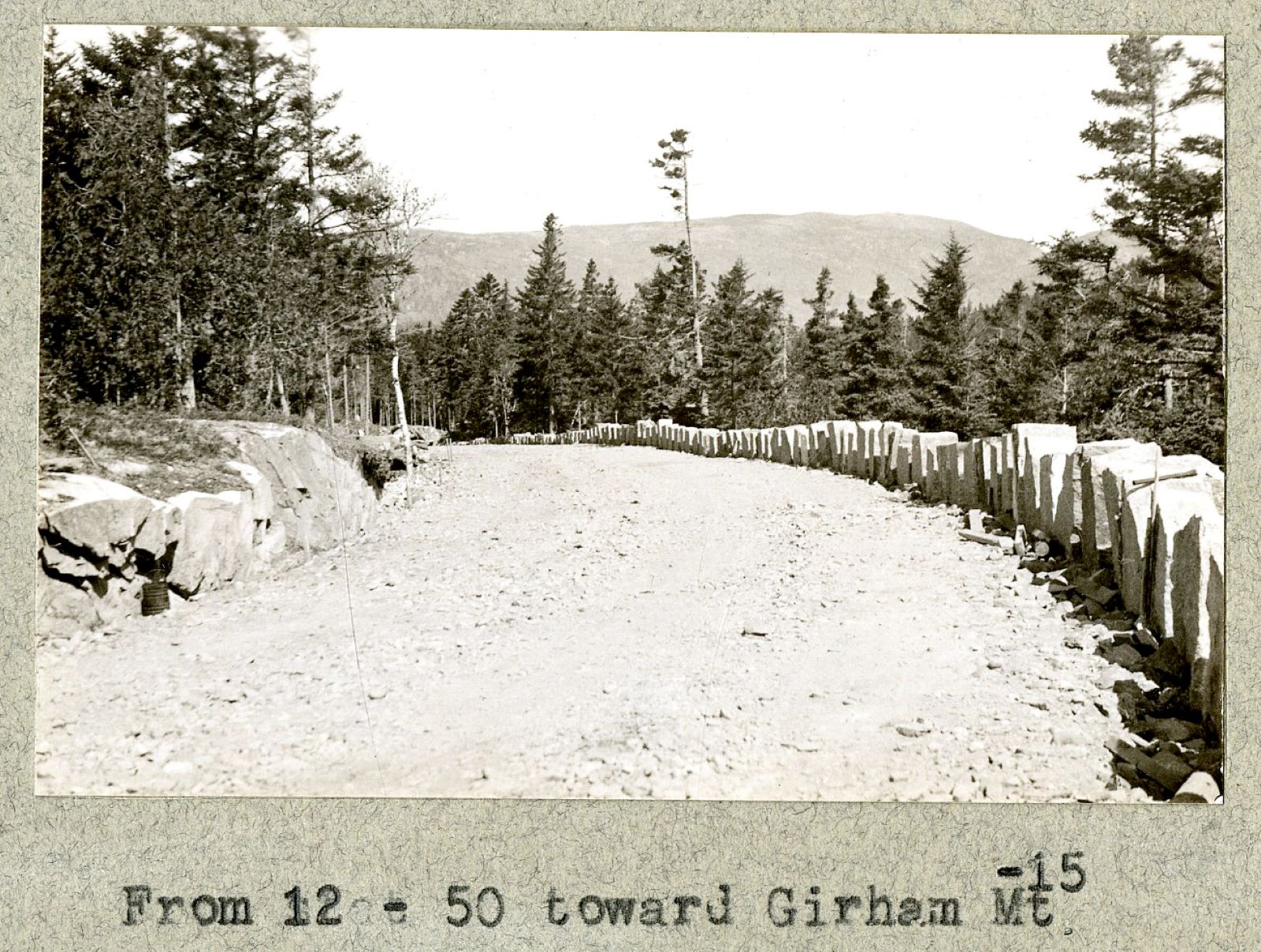
Acadia National Park: Carriage Roads, Cadillac Mountain & 2026 Guide
Discover carriage roads, Cadillac Mountain, and rugged Maine coast. Complete 2026 guide to Acadia National Park — trails, fees, lodging, permits, and what rangers recommend.
Hiking Guide
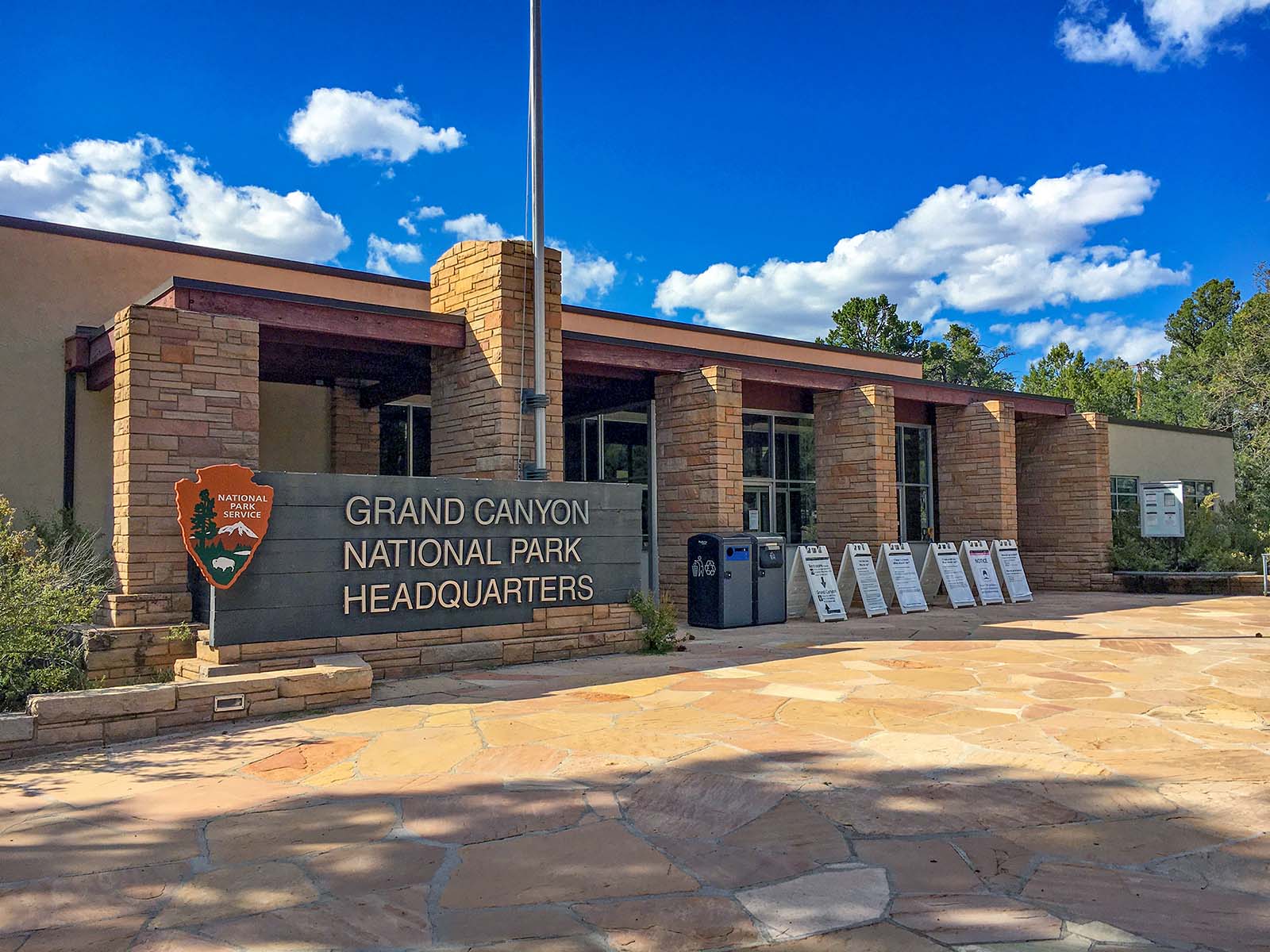
Grand Canyon Hiking Trails: Day Hikes, Water Sources & Rim to Rim
Compare Grand Canyon hiking trails: Bright Angel, South Kaibab, Hermit, Grandview, and rim to rim, with distances, elevation, water stops, and trailhead access for each.
Best Of
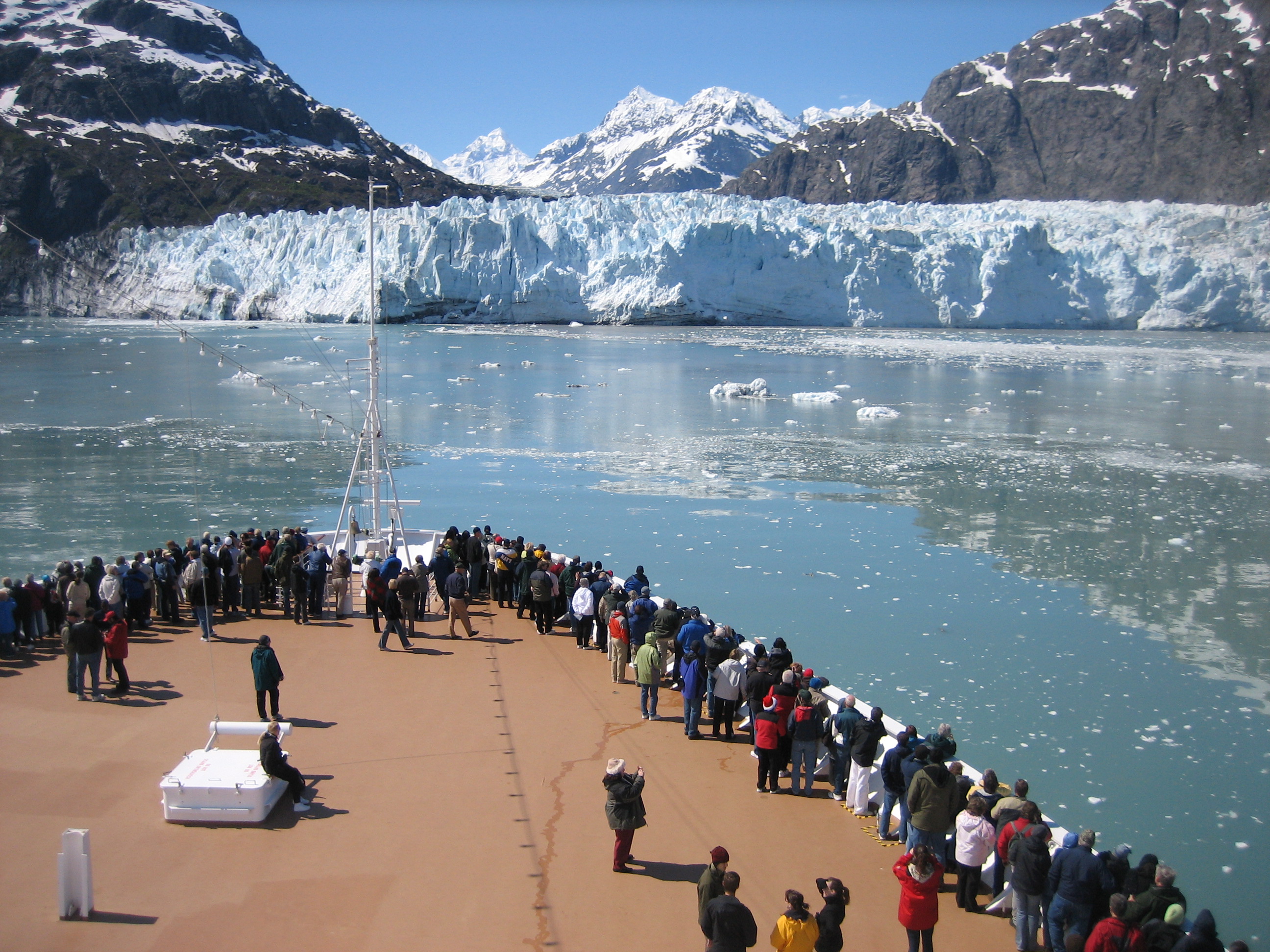
Best of Glacier Bay National Park
The best of Glacier Bay is reached by boat: ranger-led day tours up the bay to the tidewater glaciers. What's worth it, how to book, and when to go (2026).
Campsite Guide
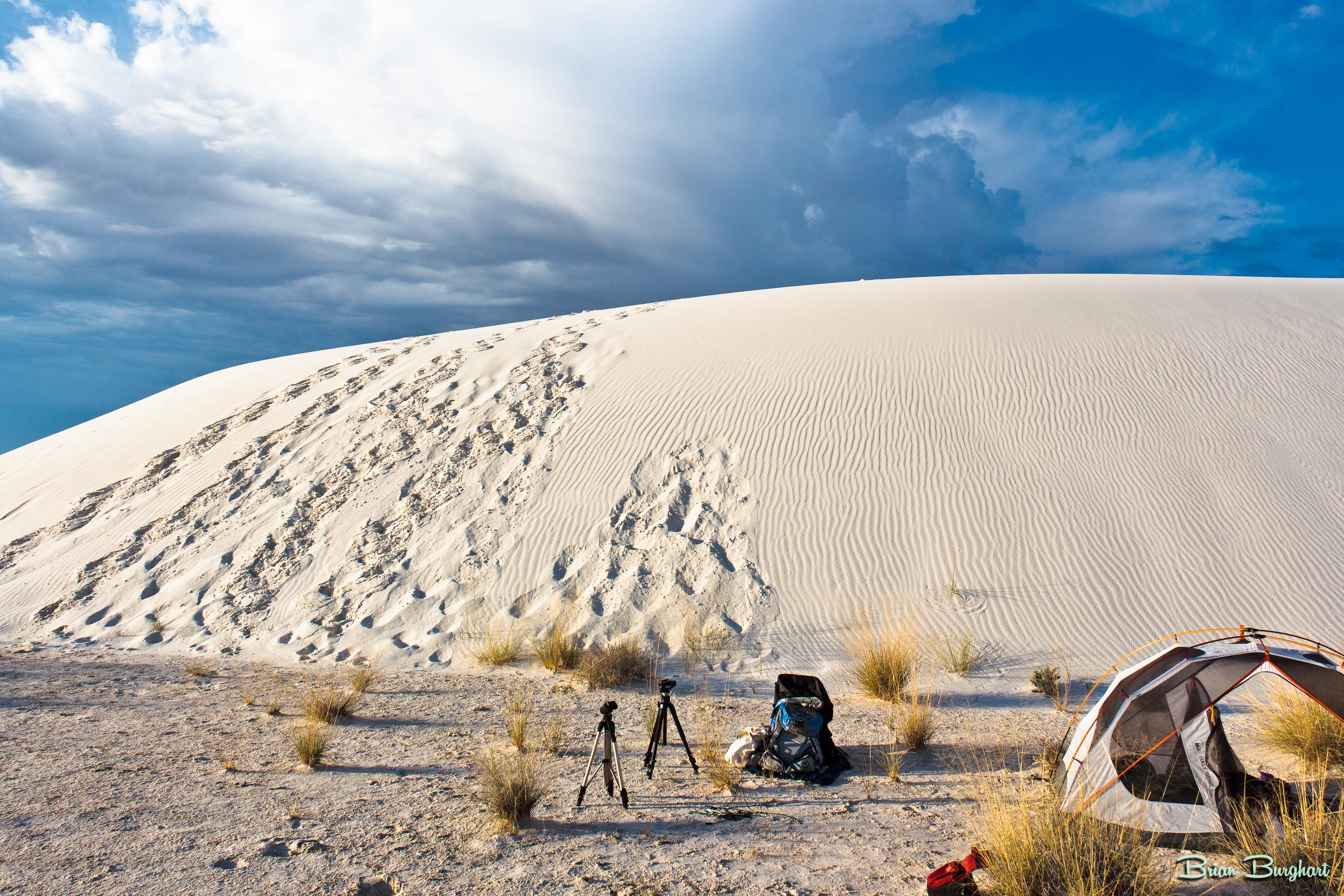
White Sands Backcountry Camping: Closed for 2026 — What to Know
As of 2026, backcountry camping at White Sands National Park is closed for site rehabilitation. What that means, and where to camp nearby instead.
Weather Guide
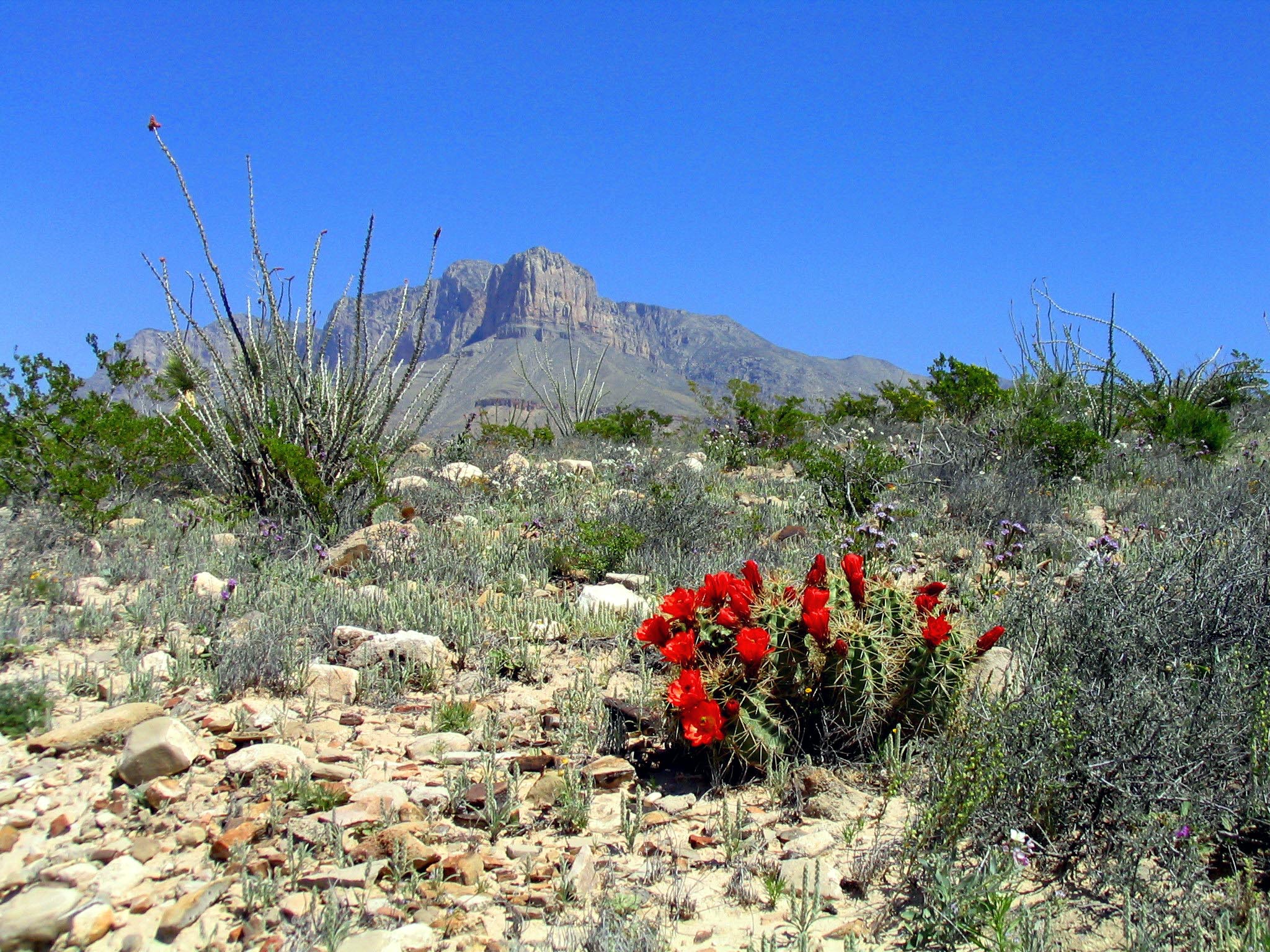
Guadalupe Mountains National Park Weather: Weather
Guadalupe Mountains National Park: weather guide guide updated 2026. Practical visitor information, reservations, and seasonal tips worth bookmarking before
Best Of
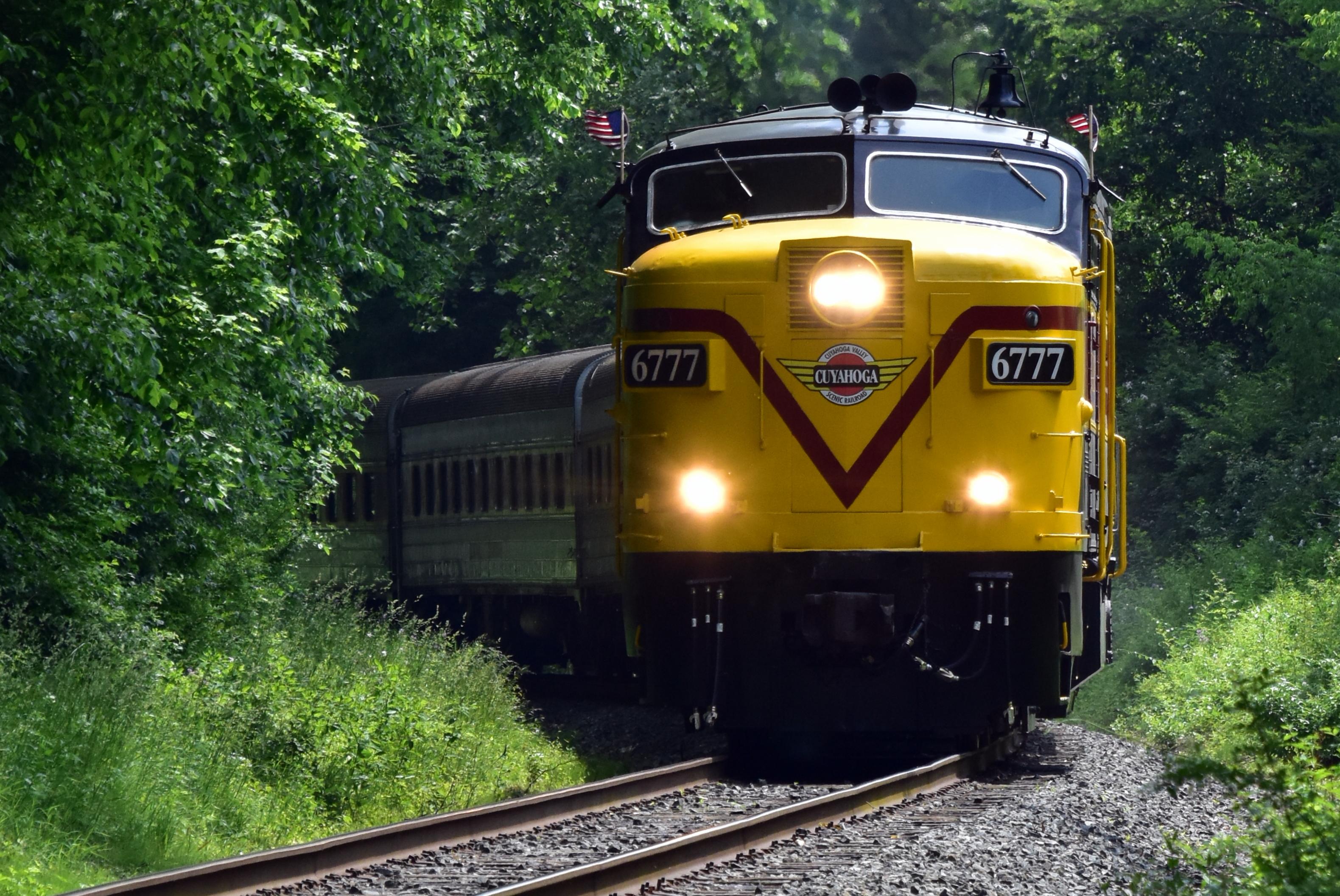
Best of Cuyahoga Valley National Park: Best Things to Do
Seeing a Cleveland Orchestra concert with the woods as your backdrop is a uniquely Cuyahoga Valley experience.
Sign in to join the conversation.
Sources & Attribution
Location data courtesy of the National Park Service (U.S. Department of the Interior). NPS data is public domain.
Images: NPS; NPS; NPS; NPS; NPS.
Map data © OpenStreetMap contributors.
Park operations alerts: NPS.gov · Weather and weather hazards: National Weather Service · Live conditions.
Information may change. Always verify fees, hours, and conditions directly with the official source before visiting.
Did this guide help? Share it with a friend.