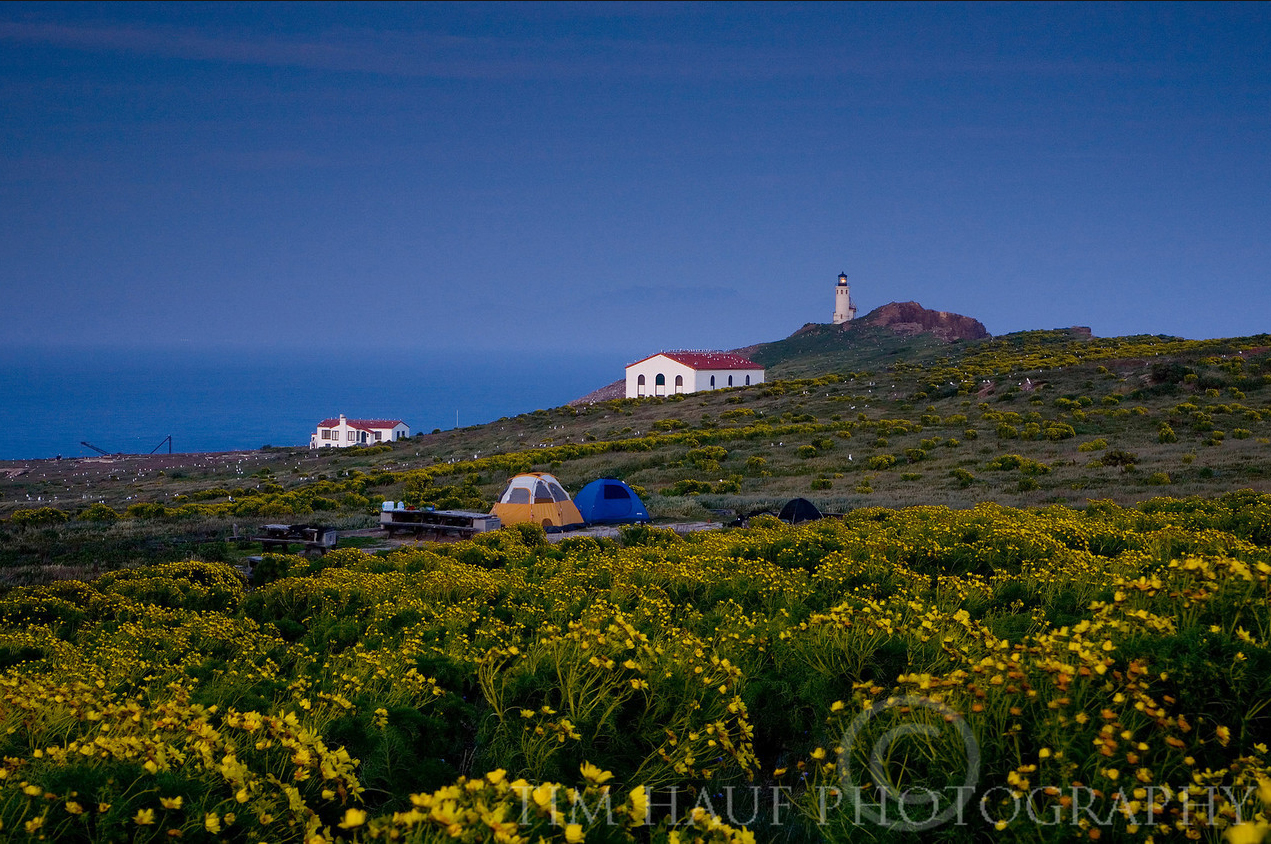
The short version: Anacapa Island Campground has seven sites, costs $15 per night, and requires a 157-stair climb to reach it. That stair count is not negotiable. Nor is the fact that every piece of gear you bring - tent, food, water, stove, clothing - must go up those stairs on your back. There is no dock hoist for campers. There is no porter service. There is just you and a set of steel-rung steps bolted into the cliff face of a volcanic island 11 miles offshore.
NPS via NPS.gov (Public Domain)
Campsites at Anacapa Island Campground (2026 Guide)
7 min read
Campsite Guide
The Anacapa Island Campground is open year round - no seasonal closure - but dates during peak season (summer and early fall) fill well in advance.
Your plans
For more, see Best of Channel Islands National Park: Channel Islands Whale Watching Best Time (2026) and Channel Islands National Park Weather.
Most first-time visitors underestimate what that means. They show up with coolers, rolling suitcases, and ambitious gear lists. Rangers will tell you the same thing every season: pack as if you are backpacking two miles, because the climb will feel like it. And if you show up during western gull nesting season - April through mid-August - the conditions on top will test your commitment in ways the brochures leave out.
Here is what you need to know before you book a site at the Anacapa Island Campground.
The Landing and the Climb
Access to Anacapa Island Campground starts at the Landing Cove on East Anacapa. Your boat operator drops you at a floating dock. From there you climb a steel-rung ladder bolted into the rock - the same ladder the Lighthouse Service installed decades ago and that is still the only foot entrance to the island.
At the top of the ladder you will find the landing area and a crane used for freight. You use the stairs.
The distance from the landing to the campground is roughly half a mile. Sounds easy enough. But that half mile includes 157 stairs. They switchback up the face of the island, exposed to wind and sun. You will feel the weight of your pack on every step. The park service advises taking breaks. Most people need them.
Site Details and Reservations
Seven sites total. Six accommodate up to four people each. One site accommodates up to six. All are primitive tent-only sites at $15 per night per site as of 2026.
Reservations are required. You book through Recreation.gov or by calling (877) 444-6777. The Anacapa Island Campground is open year round - no seasonal closure - but dates during peak season (summer and early fall) fill well in advance. If you want a weekend in July, book as early as the reservation window allows.
Each site comes with:
- A picnic table
- A food storage box (use it - the island has resident deer mice and ravens)
- Access to a pit toilet
That is the complete amenity list.
No water is available anywhere on the island. Not at the campground, not at the landing, not at the visitor center. You must carry all the water you will drink, cook with, and wash with for your entire stay. The park service recommends a minimum of one gallon per person per day. For a two-night stay for two people, that is four gallons - 32 pounds of water alone. Plan accordingly.

The Gull Season Reality
Here is what the official website mentions but does not dwell on: western gulls nest on Anacapa Island from April through mid-August. During this period, visitors share the island with a seabird rookery. That means:
- Guano. A lot of it. It coats rocks, trail edges, and anything the birds perch on. It has a distinct smell.
- Constant noise. Thousands of gulls calling, squabbling, and alarm-calling creates a sound level that penetrates tent walls. Earplugs are not optional - they are survival gear.
- Bird carcasses. Death is part of the natural cycle in a rookery. You will see dead birds along trails and below nesting sites.
- Aggressive territorial behavior. Gulls dive at people who get too close to nests. They will hit you if they can. They aim for the head. A hat with a brim helps. So does giving every gull you see a wide berth.
The colony is a legitimate biological spectacle - one of the largest western gull rookeries in southern California. But it is not a quiet, peaceful camping experience. It is a gritty, loud, fascinating one. If you want tranquil beach camping, you want Santa Rosa Island. If you want to camp in the middle of a seabird city, this is the place.
What to Pack (and What to Leave)
Water is the priority
One gallon per person per day minimum. No exceptions. There is no stream, spring, spigot, or fountain. Anacapa is a dry island.
Food storage is mandatory
The food storage boxes at each site work well. Use them. Deer mice are active at night and will chew through stuff sacks and tent mesh to reach food. Ravens figure out unsecured bags in minutes.
Cook stove required
Fire rings and campfires are not permitted. There is no firewood available. Bring a backpacking stove with enough fuel for all your cooking. The pit toilet has no running water, so hand sanitizer is essential.
Tent stakes for hard ground
The soil on Anacapa is thin and rocky in many areas. Standard aluminum stakes may bend. Bring heavy-duty stakes or use rocks to secure guylines if the ground fights you.
Layers for wind
Anacapa is a cliff island. Wind is the dominant weather feature. Even on a calm day in Ventura, East Anacapa can have sustained winds of 20-25 mph. A wind shelter exists at the campground, but your tent needs to handle gusts. A three-season backpacking tent with a low profile and solid guylines is better than a big wall tent that catches wind like a sail.

Timing Your Visit
The Anacapa Island Campground operates year round, but the experience varies dramatically by season.
April through mid-August is gull nesting season. You get the full rookery experience: incredible wildlife viewing, constant noise, and strong odors. Temperatures are moderate - 60s to 70s typically - and the fog burns off by late morning on most days. This is also the busiest period. Book early.
Late August through October offers a transitional window. Many gulls have fledged and moved on. The weather is warm. The crowds thin. Water remains a critical issue - you still carry every drop.
November through February is the quiet season. Fewer visitors, cooler temperatures (50s to 60s), and more unpredictable weather. Winter storms can cancel boat crossings. Gray whale migration peaks in January and February, visible from the island bluffs. Camping is still permitted, but you need to be comfortable with colder nights and the possibility of delayed pickup due to wind.
March is a sweet spot. Gull nesting has not fully started. The weather is improving. Wildflowers begin appearing. The crowds are thin.
Getting There
Anacapa Island Campground is only accessible by boat. There is no bridge, no road, no air service. The authorized concessionaire operates from Ventura Harbor. Visit the park's island transportation page for current schedules and fares. Crossing time is about one hour to Anacapa.
The boat drops you at the Landing Cove on East Anacapa. You climb the ladder. You hike the half mile and the 157 stairs to the campground. That is the full transit sequence. There is no vehicle access of any kind.

The Visitor Center and Other Infrastructure
East Anacapa has a small visitor center near the landing. It is open when staff are present, typically during daylight hours. You can get information, see exhibits on the island's natural and cultural history, and pick up a junior ranger booklet if you have kids along.
A park ranger is usually stationed on the island during the peak season. They can help with questions about trails, wildlife, and conditions. Do not count on cell service - it drops out at unpredictable points, and the campground itself has no reliable reception. A satellite communicator is a reasonable precaution if you want contact with the mainland.
Practical Takeaways
- Reserve your site early. Seven sites total, and they fill. Use Recreation.gov. The Anacapa Island Campground is one of the most in-demand camping options in the park.
- Pack for the climb. Every pound you bring goes up 157 stairs on your back. Test your pack weight before you leave home. If it feels heavy on flat ground, it will feel worse on the stairs.
- Carry all your water. One gallon per person per day. No water sources on the island. This is not negotiable.
- Prepare for birds. If you visit April through mid-August, expect noise, odor, and aggressive gulls. Earplugs, a brimmed hat, and tolerance are essential.
- Plan for wind. Anacapa gets consistent wind. A stable tent with good stake-out points is not optional.
- Book the ferry separately. Camping reservations do not include transportation. Verify your boat schedule before you book your campsite.
- Check alerts before departure. The park issues notices for closures and conditions. As of 2026, visitors should verify current information on the park website before traveling.
For a broader overview of the park's offerings, refer to the complete visitor guide. To explore other options in the park, see the all campgrounds page.

Final Thoughts
The Anacapa Island Campground is not the easiest place to camp in Channel Islands National Park. It is not the most comfortable. It does not have the sandy beaches of Santa Rosa or the trail network of Santa Cruz. What it has is a kind of stark, raw immediacy that those other islands do not. You are on a cliff edge in the Pacific, sleeping among one of the largest seabird colonies on the California coast, with nothing between you and the horizon but wind and ocean.
Most visitors who make the climb remember it. That is the point.
Sources
- Official source: NPS — Channel Islands National Park nps.gov/chis/index.htm
- Official booking/facility record recreation.gov/camping/anacapa-island/r/campgroundDetails.do
Photo Gallery
More to Explore
Park Guide
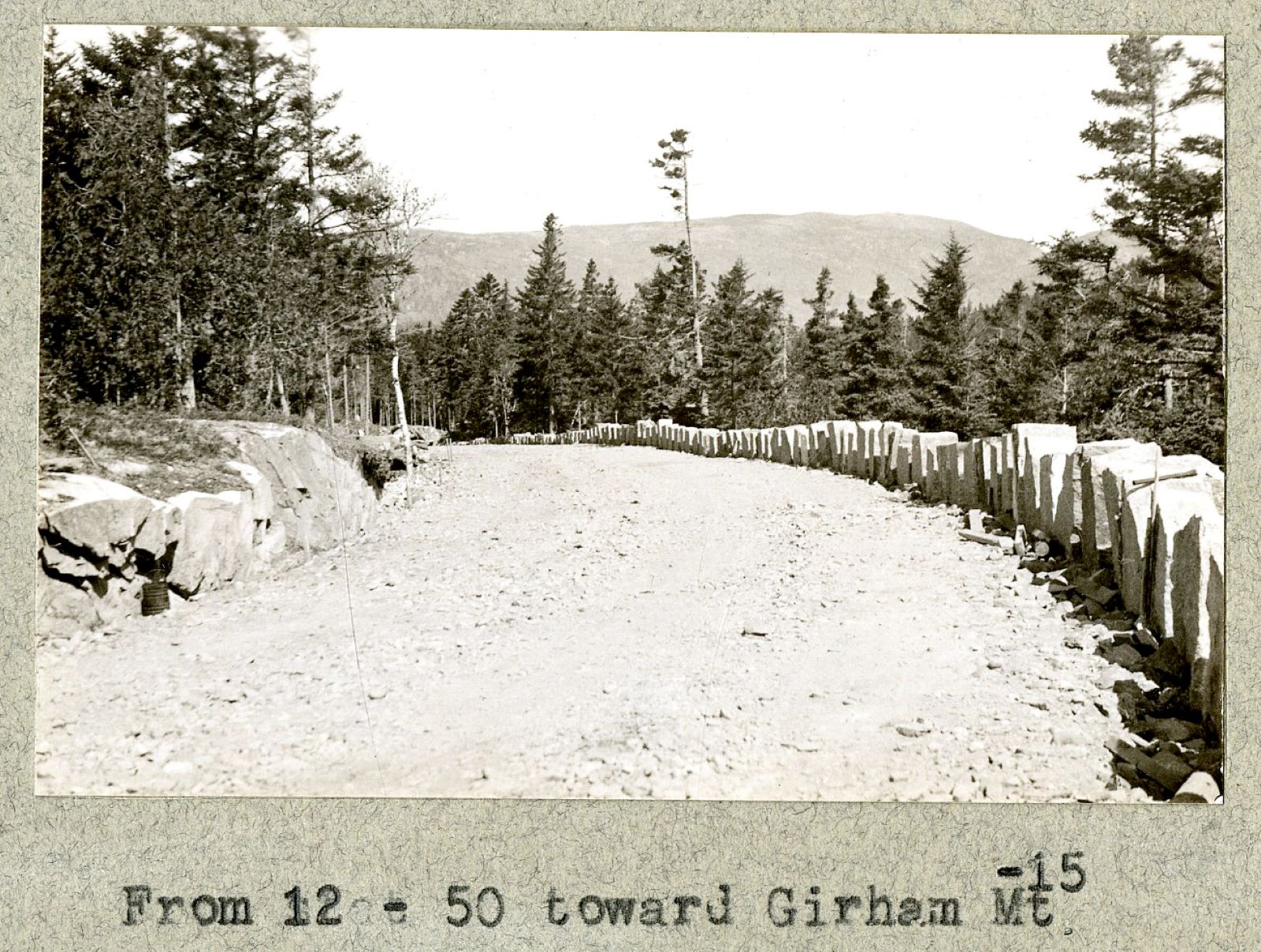
Acadia National Park: Carriage Roads, Cadillac Mountain & 2026 Guide
Discover carriage roads, Cadillac Mountain, and rugged Maine coast. Complete 2026 guide to Acadia National Park — trails, fees, lodging, permits, and what rangers recommend.
Hiking Guide
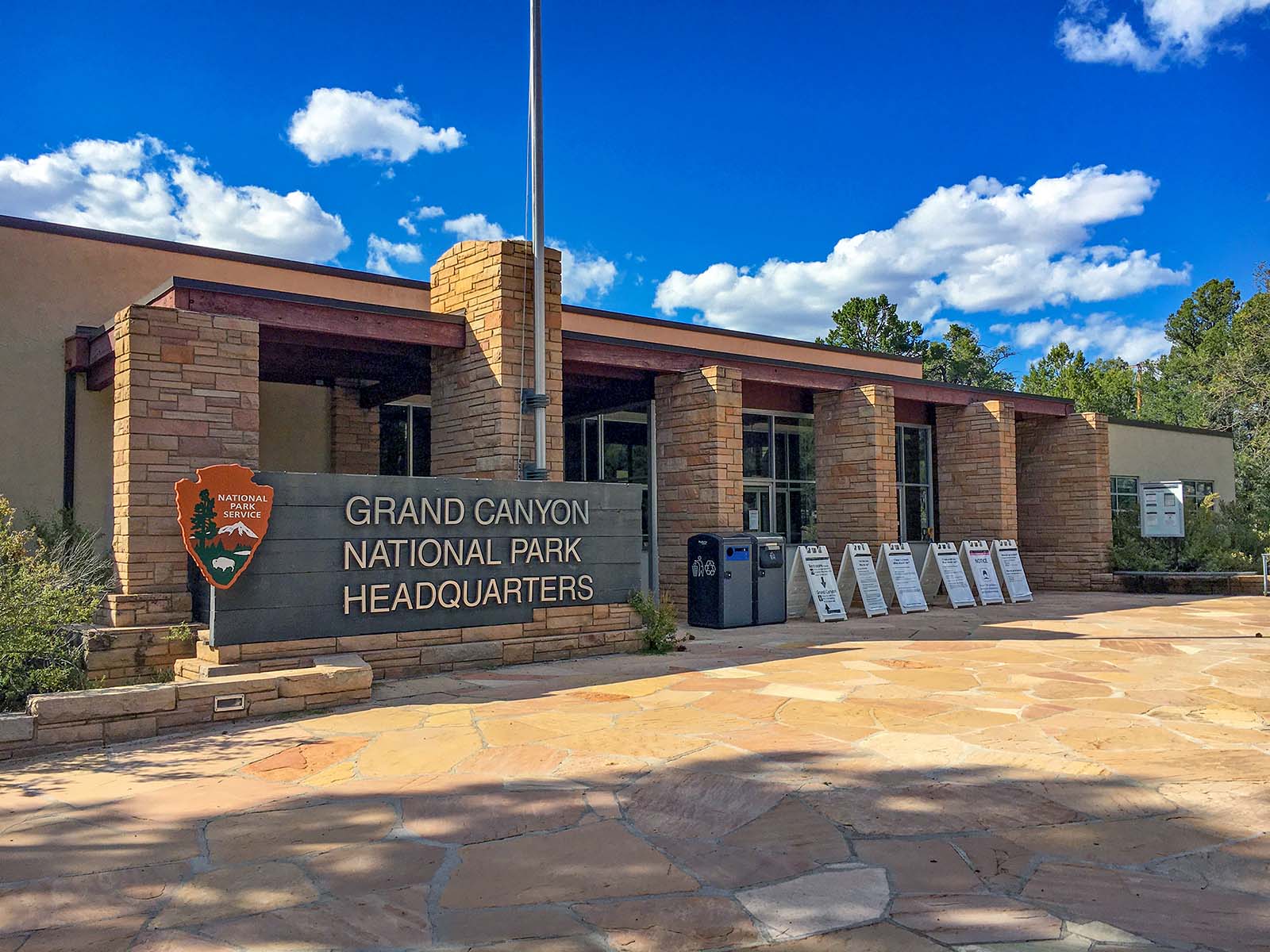
Grand Canyon Hiking Trails: Day Hikes, Water Sources & Rim to Rim
Compare Grand Canyon hiking trails: Bright Angel, South Kaibab, Hermit, Grandview, and rim to rim, with distances, elevation, water stops, and trailhead access for each.
Best Of
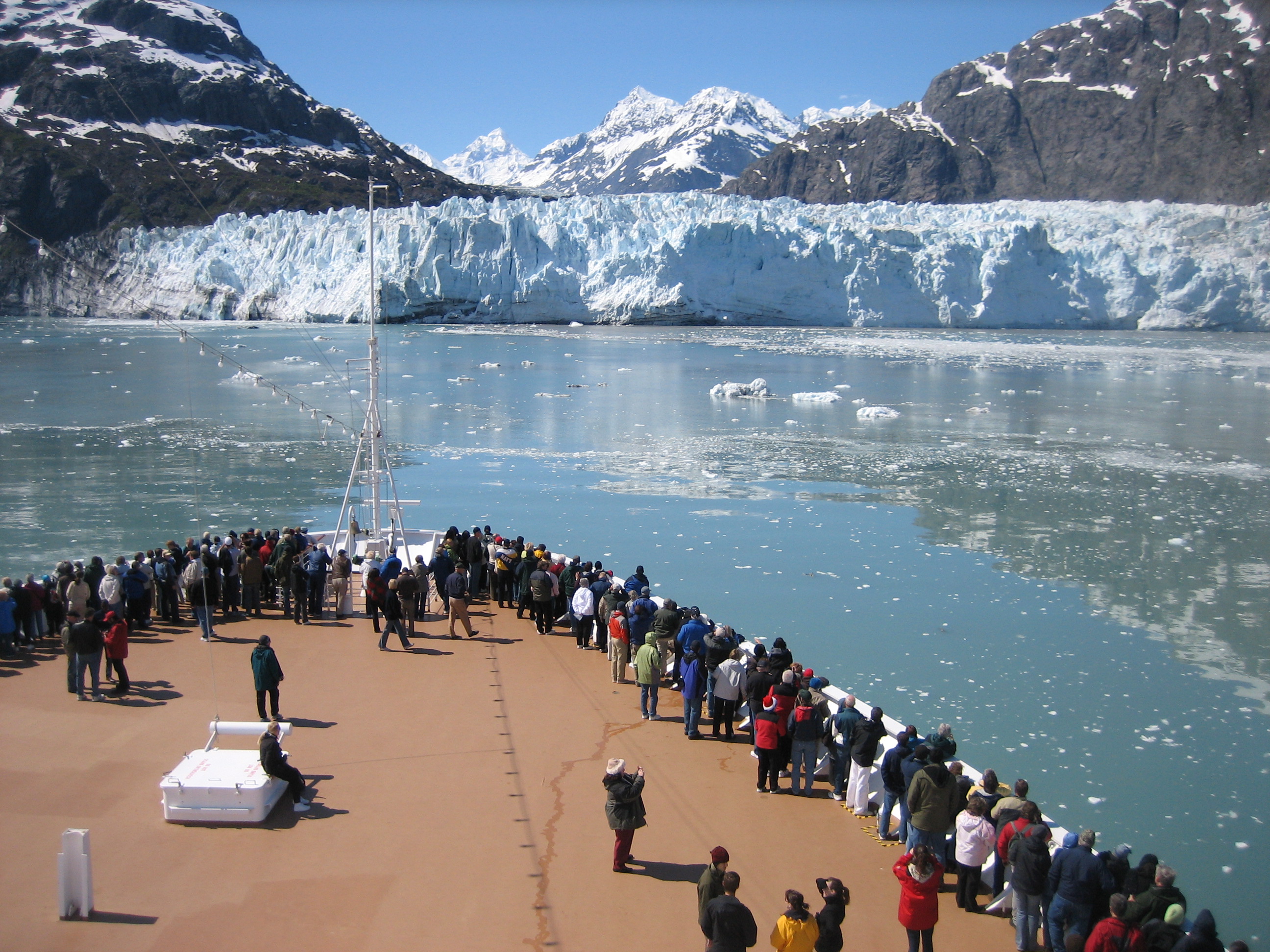
Best of Glacier Bay National Park
The best of Glacier Bay is reached by boat: ranger-led day tours up the bay to the tidewater glaciers. What's worth it, how to book, and when to go (2026).
Campsite Guide
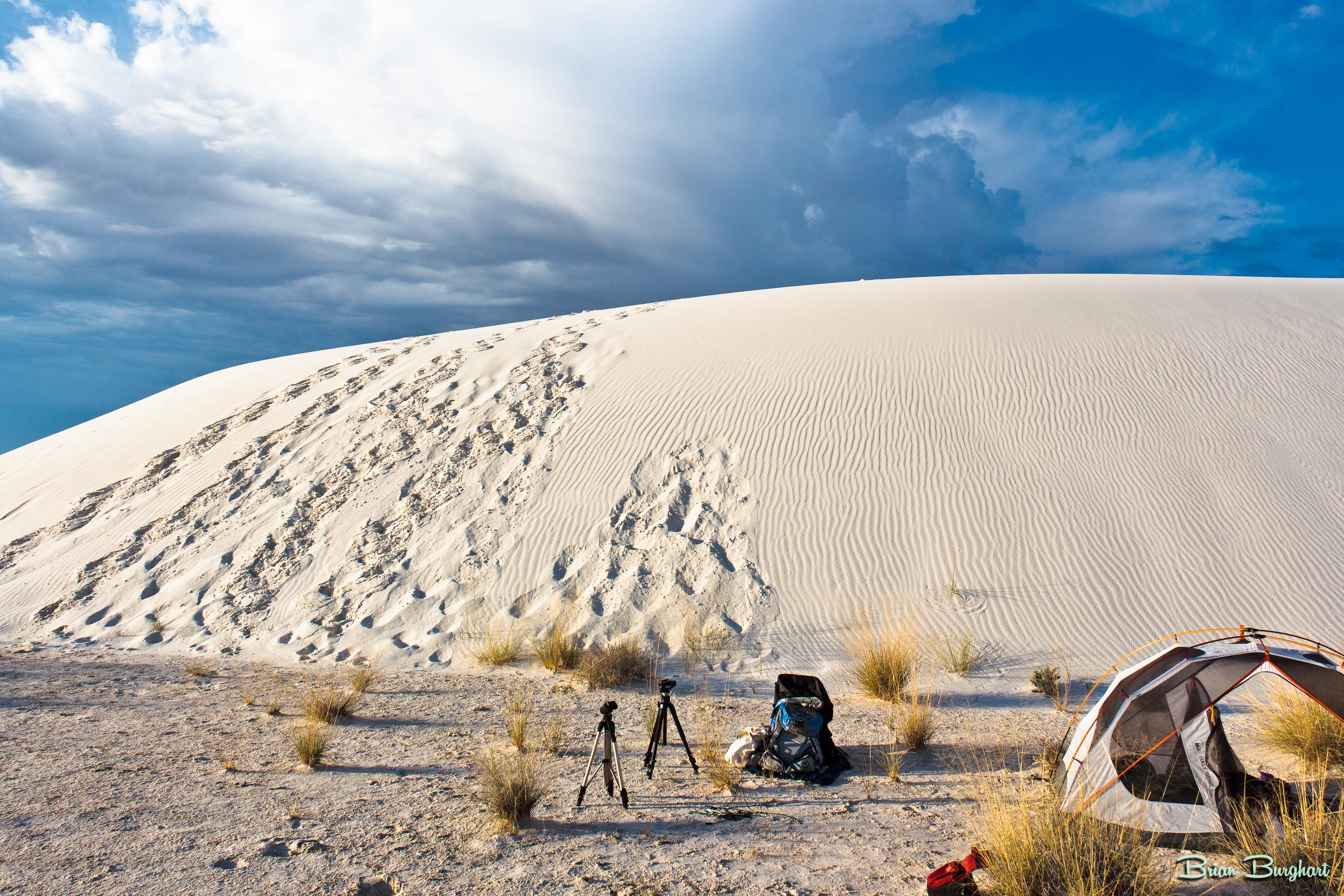
White Sands Backcountry Camping: Closed for 2026 — What to Know
As of 2026, backcountry camping at White Sands National Park is closed for site rehabilitation. What that means, and where to camp nearby instead.
Weather Guide
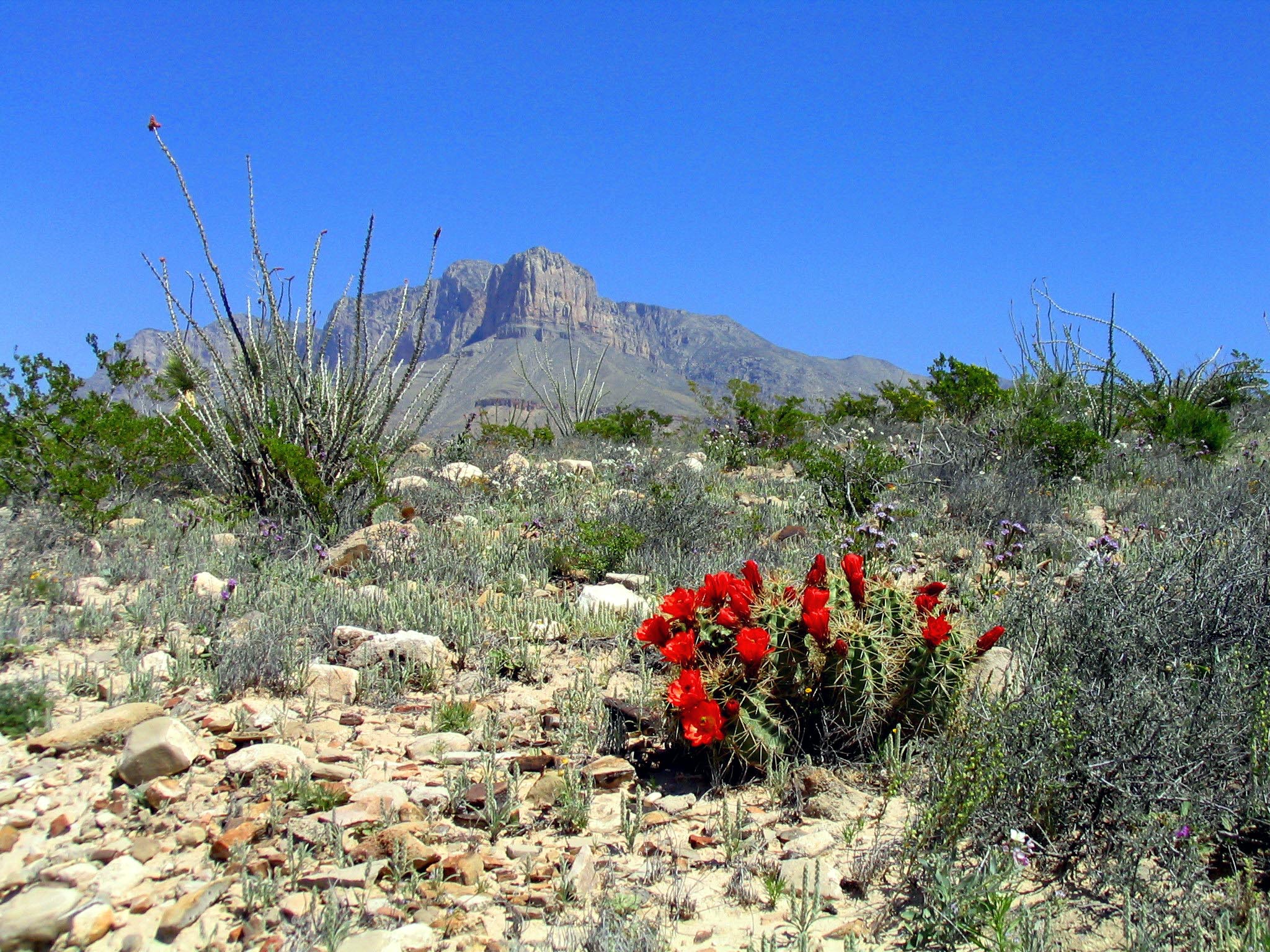
Guadalupe Mountains National Park Weather: Weather
Guadalupe Mountains National Park: weather guide guide updated 2026. Practical visitor information, reservations, and seasonal tips worth bookmarking before
Best Of
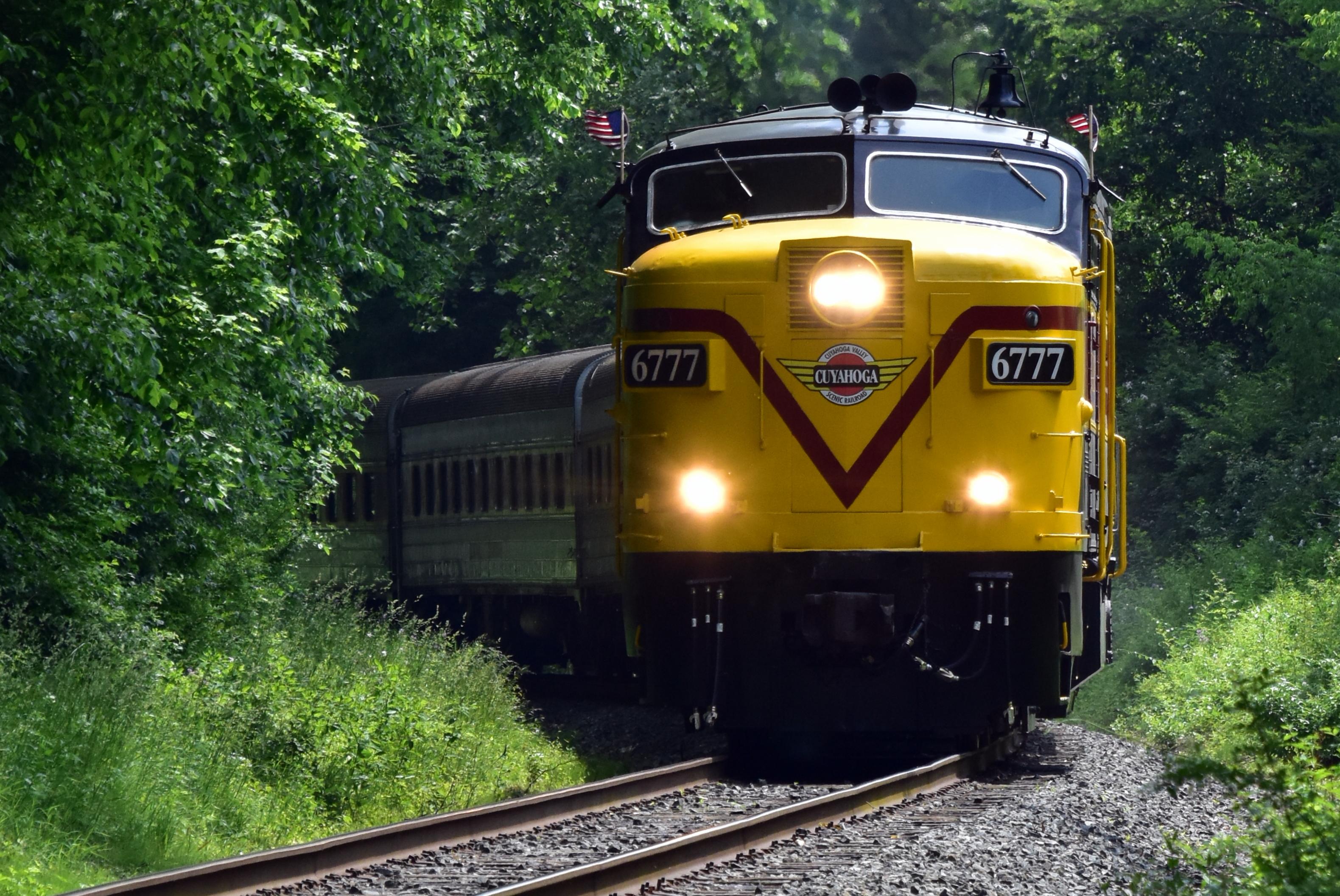
Best of Cuyahoga Valley National Park: Best Things to Do
Seeing a Cleveland Orchestra concert with the woods as your backdrop is a uniquely Cuyahoga Valley experience.
Sign in to join the conversation.
Sources & Attribution
Location data courtesy of the National Park Service (U.S. Department of the Interior). NPS data is public domain. Official NPS page.
Images: NPS; NPS; NPS; NPS; NPS.
Map data © OpenStreetMap contributors.
Park operations alerts: NPS.gov · Weather and weather hazards: National Weather Service · Live conditions.
Information may change. Always verify fees, hours, and conditions directly with the official source before visiting.
Did this guide help? Share it with a friend.