Channel Islands National Park has a problem most parks would envy: it's too wild to reach easily. The five islands sit 20-plus miles off the Ventura coast, separated from the mainland by the Santa Barbara Channel - and that channel is precisely why this park exists. No bridges, no causeways, no daily ferries that run like clockwork. Getting here requires planning, a boat reservation, and a willingness to accept that the ocean decides your schedule, not the other way around.
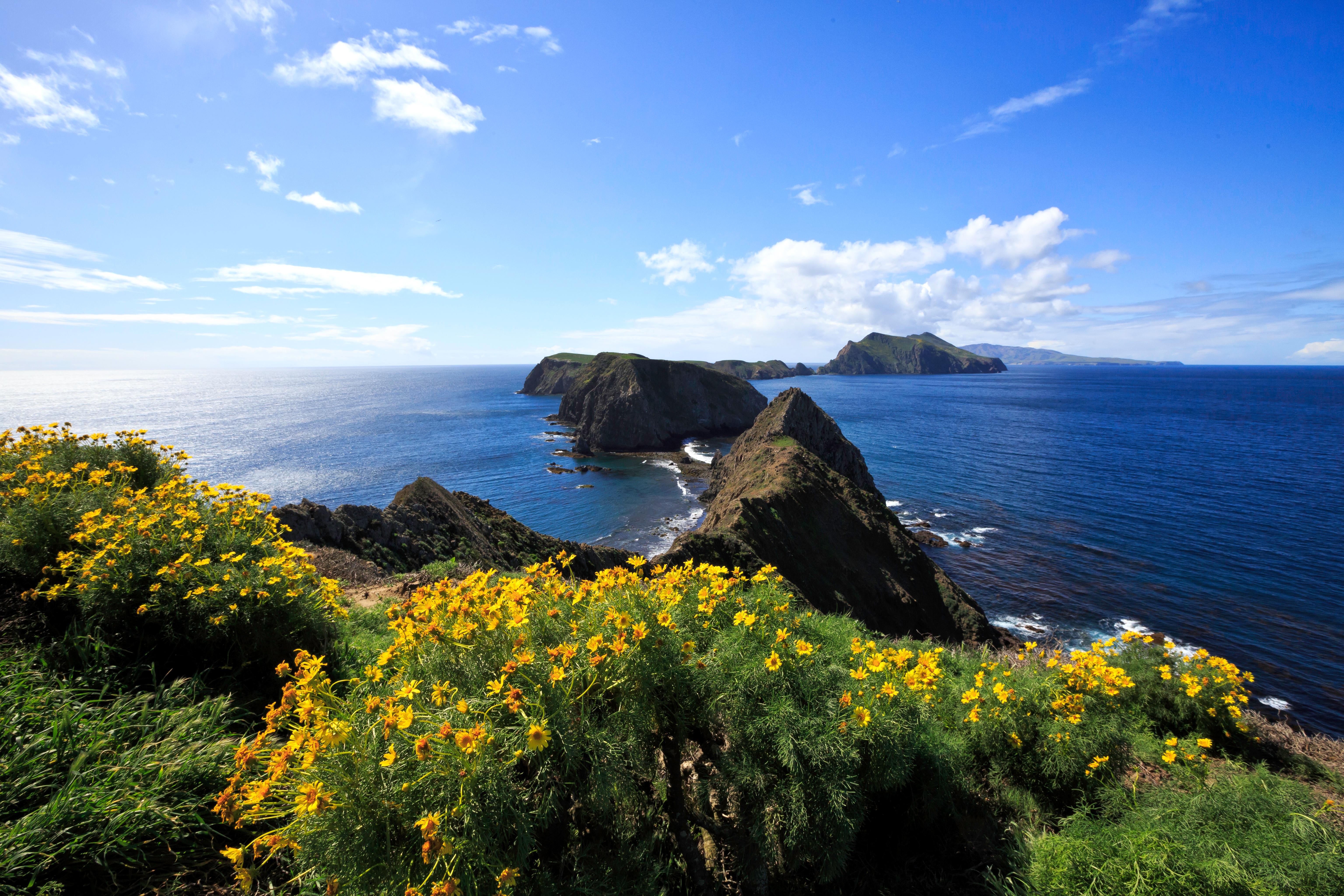
NPS via NPS.gov (Public Domain)
Best of Channel Islands National Park: Channel Islands Whale Watching Best Time (2026)
10 min read
Best Of
Complete guide to channel islands whale watching best time. Everything you need to know, updated for 2026.
This article contains affiliate links — we may earn a small commission at no extra cost to you.
For more, see hiking trails, camping options, and best time to visit.
But that barrier is also the point. The isolation has preserved species found nowhere else - the island fox, the island scrub-jay, the giant kelp forests that sway in the cold Pacific current. And every year, between December and April, the channel becomes one of the most reliable whale migration corridors on the West Coast.
If your window is tight, here's how to make the most of it.
If You Only Have One Day
Start at the mainland visitor center at 1901 Spinnaker Drive in Ventura the evening before. The park's 24-minute film gives you the geological and ecological context you'll miss once you're on the water. Check the concessionaire boat schedule - Island Packers runs the ferries, and as of 2026, the earliest departure to Santa Cruz Island leaves at 8 AM most days.
Reserve your spot online at least two weeks in advance. Walk-up tickets are a gamble you shouldn't take.
The boat ride itself takes about 75 minutes to Scorpion Anchorage on Santa Cruz Island. That crossing is where most whale sightings happen. Bring binoculars. Keep your jacket on even if it's sunny in Ventura - the channel runs cold and the wind picks up fast.
Once on Santa Cruz, you have roughly four to five hours before the return boat. Take the Cavern Point Loop trail (2 miles, moderate) for the highest time-to-reward ratio. It hugs the northern bluffs, gives you clear sightlines into the channel, and passes through the island's signature coastal sage scrub - the same plant community that smells like sage and pepper after rain.
Do not attempt the Scorpion Canyon Loop or the longer Smugglers Road hikes on a single-day trip. You'll miss the boat.
The one decision that derails most one-day visits: underestimating how long it takes to get from the Ventura parking lot to the dock. Arrive 45 minutes before departure. The line for the ferry forms early, and the last people aboard sometimes sit on the floor.

The Top Experiences, Ranked
#1 - Whale Watching in the Santa Barbara Channel: Worth Every Dollar
- Why it makes this list: The channel hosts the longest migration of any mammal on Earth. Gray whales pass through from mid-December through April, and blue whales show up from June through September. The best window for whale watching runs from late December through March, when gray whale mothers and calves hug the island coastlines on their way to Baja breeding lagoons.
- What it requires: A boat reservation (Island Packers, roughly $60-80 round trip for day passengers), binoculars, warm layers, and seasickness medication if you're prone to it. The crossing can get choppy.
- The single best tip: Book the earliest morning departure. Calmer seas and better light for spotting blows. Rangers at the visitor center emphasize that the first crossing of the day consistently reports more sightings than afternoon trips.
- What most visitors do wrong: Staying inside the cabin. You miss 90 percent of the action. Stand on the outer deck, face the wind, and scan the horizon for the V-shaped exhalation plume. The boat captain will announce sightings, but experienced visitors spot them first.
- Visitor reviews consistently note that the crossing alone - even without a sighting - is worth the trip. The sea lions, pelicans, and occasional dolphin pods that surface alongside the boat are the backup act you don't mind watching.
#2 - Kayaking the Sea Caves at Scorpion Anchorage: The Best Way to See the Coast
- Why it makes this list: The sea caves on Santa Cruz Island's northern shore are among the longest and deepest in the world. Paddling through them puts you inside the geology rather than looking at it from above.
- What it requires: A guided kayak tour booked through the park concessionaire (Channel Islands Kayak Center). Roughly 3-4 hours. Moderate upper-body fitness. No prior kayaking experience needed.
- The single best tip: Go with a guide. The caves have tidal currents that shift unpredictably, and the entrance to Painted Cave - the largest, with a 160-foot ceiling - requires precise timing.
- What most visitors do wrong: Underestimating the cold. Water temperatures hover in the 50s even in August. A wetsuit is not optional.
#3 - Snorkeling in the Kelp Forests: Clear Water, Strange Creatures
- Why it makes this list: The giant kelp forests around Anacapa and Santa Cruz Islands support a density of marine life that rivals tropical reefs. Garibaldi (the bright orange state marine fish), opaleye, and bat rays are common. On a good day, you might see horn sharks resting on the sandy patches between kelp stalks.
- What it requires: Your own snorkel gear or rental from the kayak outfitter. A wetsuit (again, not optional). Calm seas - check the marine forecast.
- The single best tip: Snorkel at Frenchy's Cove on Anacapa Island. The water clears up by late June and stays warmest through September.
- What most visitors do wrong: Going without gloves. The rocks are sharp with barnacles, and the kelp can snag fins.
#4 - Camping at Scorpion Canyon: The Only Way to See Sunset and Sunrise
- Why it makes this list: The day-trippers leave by 5 PM. What remains is silence broken by the barking of sea lions and the occasional fog horn. Scorpion Canyon Campground (25 individual sites, $15 per night) is basic - picnic table, food storage box, pit toilet - but the view across the channel at dusk is the payoff.
- What it requires: A reservation at recreation.gov, your own tent and sleeping bag, and the willingness to carry everything you need (including water) from the landing dock. No potable water at the campground.
- The single best tip: Reserve site 4 or 5. They sit slightly elevated, with a direct sightline to the coast. Site 1 is closest to the restroom but also catches foot traffic.
- What most visitors do wrong: Not bringing enough water. The park recommends 1 gallon per person per day. There is no source on the island.
#5 - Hiking to Potato Harbor Overlook: The View That Justifies the Effort
- Why it makes this list: The overlook sits 500 feet above the channel, with a 180-degree view that takes in Anacapa Island, the mainland mountains, and - on clear days - the outline of San Miguel Island to the west. The trail is less crowded than Cavern Point.
- What it requires: A 5-mile round trip from Scorpion Anchorage. Moderate elevation gain (about 600 feet). Allow 3 hours.
- The single best tip: Go in the late afternoon. The light angles across the channel and the fog usually burns off by then.
- What most visitors do wrong: Thinking the overlook at the end of Cavern Point Loop is the same view. It's not. Potato Harbor is farther east and requires the dedicated trail.
#6 - Anacapa Island's Lighthouse and Arch Rock: The Iconic Photo
- Why it makes this list: The 1932 lighthouse and the natural arch at East Anacapa are the most photographed subjects in the park. The arch frames the ocean like a window, and the lighthouse still operates as a navigation aid.
- What it requires: A separate ferry trip to Anacapa (Island Packers runs them less frequently than Santa Cruz trips). About 2-3 hours on the island. You climb a 150-step steel ladder from the landing dock to the plateau.
- The single best tip: Go in spring (March-May) when the coreopsis blooms. The entire island turns yellow.
- What most visitors do wrong: Skipping the hike to Inspiration Point (1 mile round trip). It gives you the best angle on the arch. Most people stop at the lighthouse and miss the view.
#7 - Scorpion Ranch Historic Site: The Ranch That Refuses to Disappear
- Why it makes this list: The limestone buildings, ranch house, and barns date to the 1850s, when Santa Cruz Island was a working sheep and cattle operation. The structures are stabilized but unrestored - you walk through history with the patina intact.
- What it requires: A 10-minute walk from the landing dock. Zero effort. Free.
- The single best tip: Read the interpretive signs at the barn. They explain how the island's isolation shaped the ranching methods here - including the use of a cable system to haul supplies up the cliff.
- What most visitors do wrong: Walking past it on the way to the trailhead. Spend 20 minutes here. The contrast between the rough ranch life and the rugged coastline is the story of the islands.

What Most People Miss
Santa Rosa Island's Torrey Pines. The island hosts one of only two natural populations of Torrey pines in the world (the other is near San Diego). The grove sits near Water Canyon, about a 2-mile hike from the landing dock. Most visitors head straight for the beach and miss the twisted, wind-sculpted trees that look like bonsai on a massive scale.
The night sky. The islands have zero light pollution. On moonless nights, the Milky Way is visible as a distinct cloud band. Scorpion Canyon Campground has the best viewing, but even the ferry landing on Santa Cruz offers darkness you can't find within 50 miles of Los Angeles. The park holds occasional astronomy programs in summer.
The island fox. This cat-sized fox is found only on the Channel Islands. They're most active at dawn and dusk, and they're curious enough that they'll approach campsites. Do not feed them. A fed fox is a dead fox - they lose their natural foraging behavior and become dependent on human food. The population crashed in the 1990s due to golden eagle predation but has recovered thanks to a successful captive breeding program. As of 2026, they're common enough on Santa Cruz that you'll almost certainly see one if you camp overnight.

What's Overrated (and Better Alternatives)
Scorpion Anchorage on summer weekends. The trailhead and beach at Scorpion get crowded - as crowded as any national park trailhead on a Saturday in July. The boats arrive in waves, and the first mile of the Cavern Point Loop can feel like a sidewalk.
Better alternative: Take the ferry to Prisoners Harbor on the north side of Santa Cruz Island. The trail from Prisoners Harbor to the Del Norte backcountry campground is longer and rougher, but you'll see fewer than 10 people on the entire hike. The coastal views are comparable, and the oak woodland sections are more varied than the scrub at Scorpion.
The Anacapa Island landing dock ladder. It's a rite of passage, sure - 150 steel rungs bolted to a cliff face. But if you have mobility concerns, fear of heights, or simply don't want to climb a ladder after a 75-minute boat ride, skip it.
Better alternative: Santa Cruz Island has a proper dock at Scorpion. No ladder required. The terrain is flatter and the trails are wider. You lose the lighthouse and Arch Rock, but you gain access to the island's interior and the best hiking in channel islands territory.

Practical Takeaways
- Book everything in advance - ferry, campsite, kayak tour. As of 2026, Island Packers fills up 2-3 weeks out during peak season (June-August and December-March). Walk-up tickets are not reliable.
- The channel islands whale watching best time runs December through April for gray whales, June through September for blue whales. If you have one shot, aim for late March. Gray whale numbers peak, and the weather is more stable than mid-winter.
- Pack for cold. The islands are at the same latitude as the Mediterranean, but the Pacific current keeps everything cool. Highs in the mid-60s, lows in the low-50s year-round. The wind makes it feel 10 degrees colder. Bring a windproof layer.
- Bring your own water and food. No restaurants, no stores, no drinking fountains on the islands. The concessionaire boats sell snacks, but the selection is limited and the prices are high.
- Cell service drops out at the Ventura Harbor. Do not rely on your phone for navigation. Download maps, bring a printed copy of the channel islands hiking map, and tell someone your itinerary before you lose signal.
- The hiking here is not the main event. The hiking in channel islands national park is good - the Cavern Point Loop, the Potato Harbor trail, the Arch Point hike on Anacapa - but the trails are short and the terrain is coastal scrub, not alpine forest. The real experience is the crossing, the wildlife, and the isolation.
- If you get seasick, take medication 30 minutes before departure. The Santa Barbara Channel can produce swells of 6-8 feet, and the ride to Anacapa is rougher than the ride to Santa Cruz. The concessionaire sells Dramamine at the dock, but you want it in your system before you board.
For a full breakdown of trails, see our hiking trails guide. For campground specifics and reservation tips, check the camping options page. And for seasonal weather patterns that affect ferry schedules, the best time to visit guide covers what to expect month by month. Start with the complete visitor guide for logistics - ferry times, parking, and what to bring - before you book anything.
For more information, see our complete National Park Guide.
Related: how to go to channel islands national park guide
Related: hiking the channel islands guide
Recommended Gear
What experienced visitors bring to Best of Channel Islands National Park: Channel Islands Whale Watching Best Time (2026)
Links may earn us a commission at no extra cost to you. We only recommend gear we believe in.
Hiking Essentials
Hydration Pack (3L)
Hands-free water for long trail days
Trekking Poles (Pair)
Save your knees on steep descents
Hiking Boots (Ankle Support)
Sturdy footwear for rocky, uneven trails
Sun & Heat Protection
Wide-Brim Sun Hat
Full coverage UPF 50+ protection at altitude
Insulated Water Bottle (32oz)
Keeps water cold in desert heat all day
Winter Gear
Microspikes / Traction Devices
Essential for icy rim trails in winter months
Packable Down Jacket
Lightweight warmth that stuffs into a pocket
Sources
- Official source: NPS — Channel Islands National Park nps.gov/chis/index.htm
Photo Gallery
More to Explore
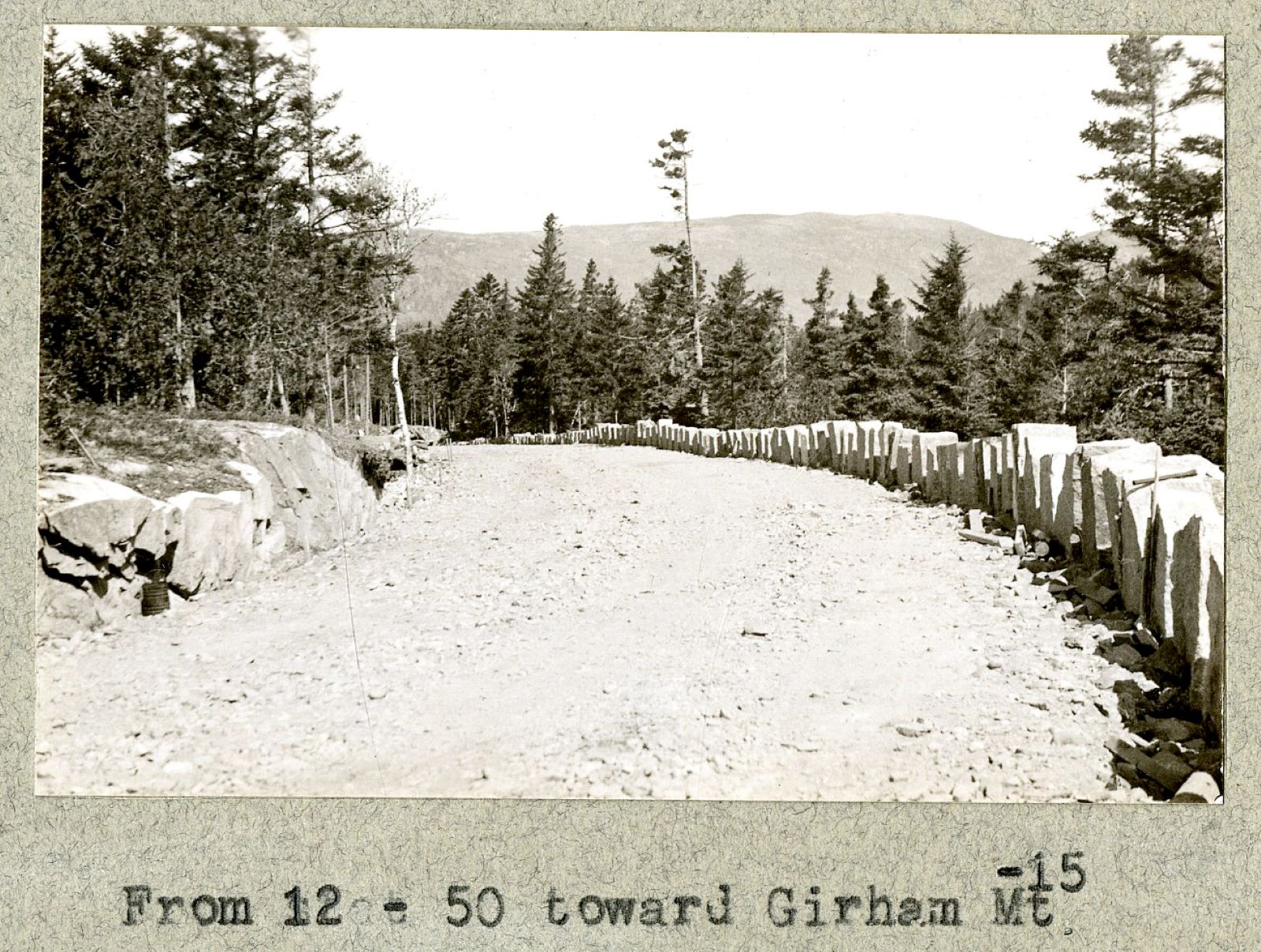
Park Guide
Acadia National Park: Carriage Roads, Cadillac Mountain & 2026 Guide
Discover carriage roads, Cadillac Mountain, and rugged Maine coast. Complete 2026 guide to Acadia National Park — trails, fees, lodging, permits, and what rangers recommend.
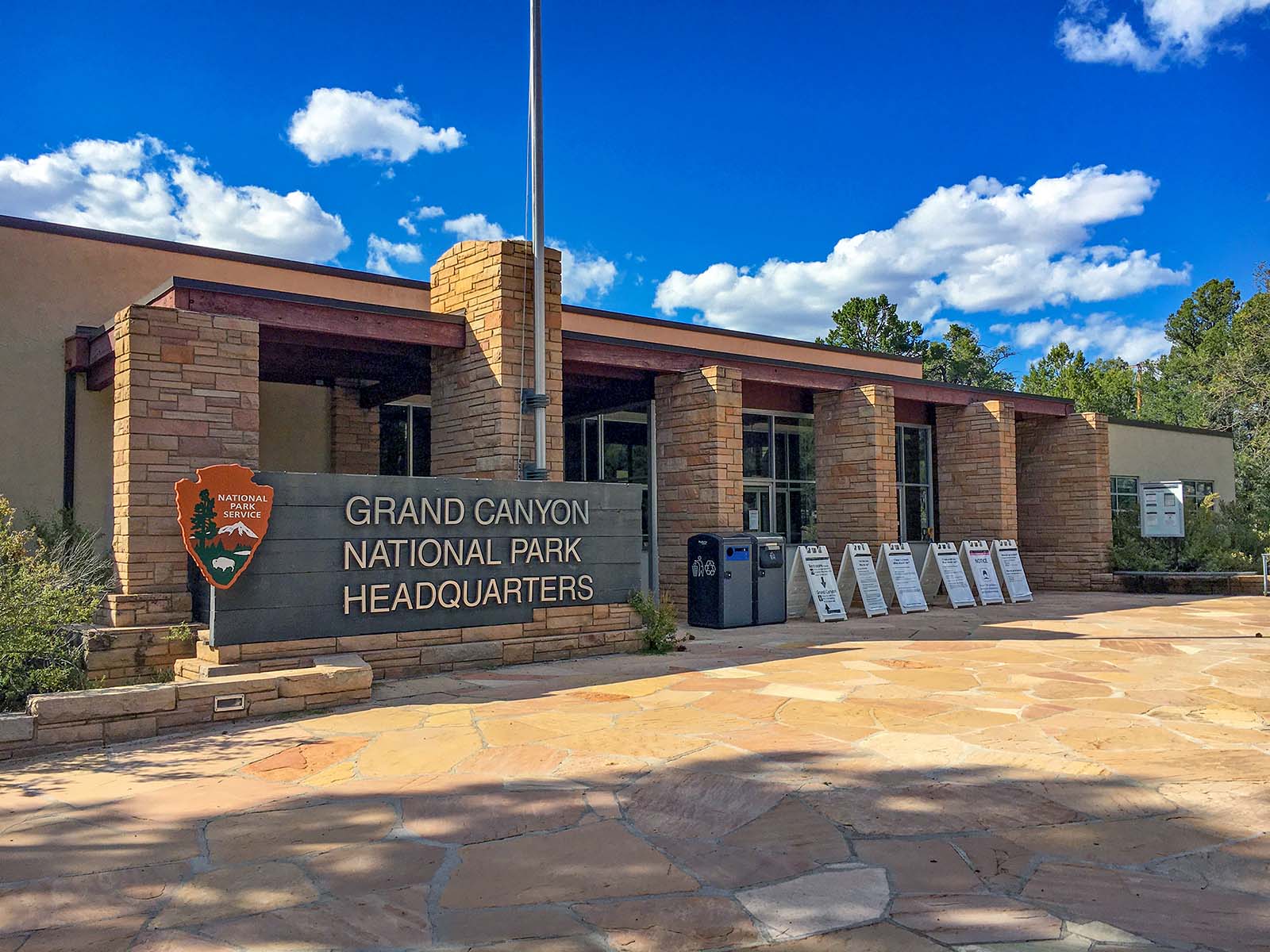
Hiking Guide
Grand Canyon Hiking Trails: Day Hikes, Water Sources & Rim to Rim
Compare Grand Canyon hiking trails: Bright Angel, South Kaibab, Hermit, Grandview, and rim to rim, with distances, elevation, water stops, and trailhead access for each.
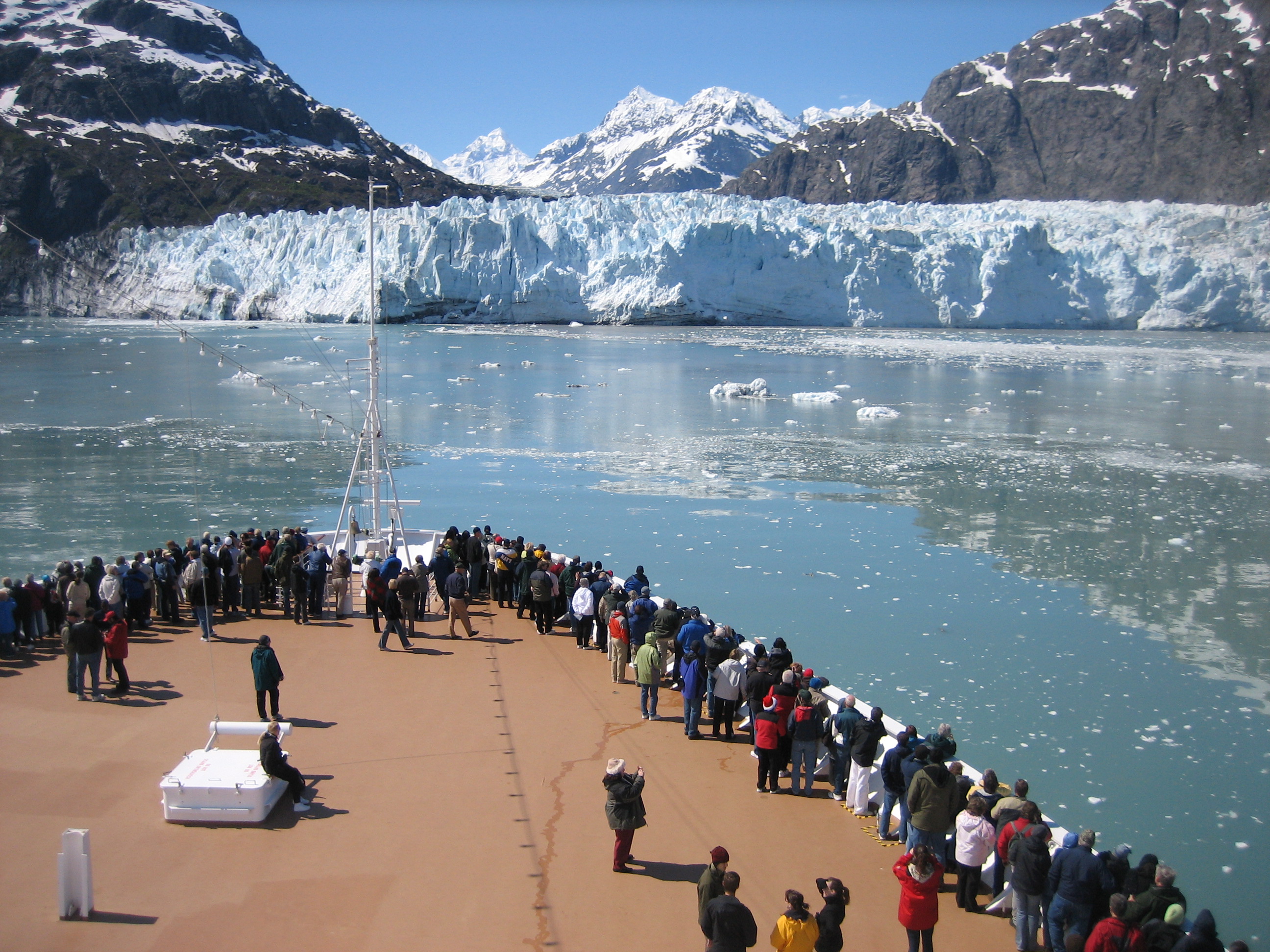
Best Of
Best of Glacier Bay National Park
The best of Glacier Bay is reached by boat: ranger-led day tours up the bay to the tidewater glaciers. What's worth it, how to book, and when to go (2026).
Campsite Guide
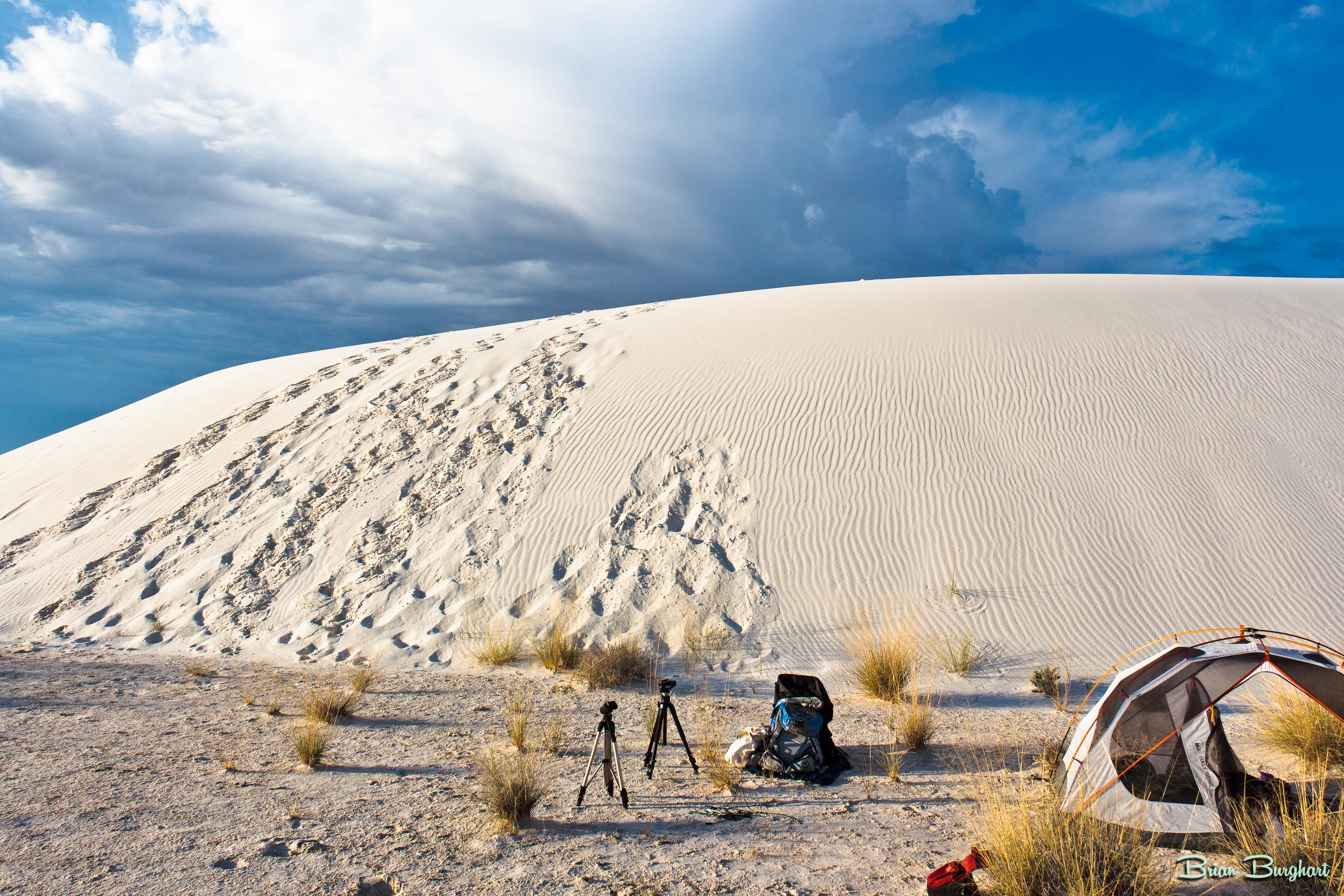
White Sands Backcountry Camping: Closed for 2026 — What to Know
As of 2026, backcountry camping at White Sands National Park is closed for site rehabilitation. What that means, and where to camp nearby instead.
Weather Guide
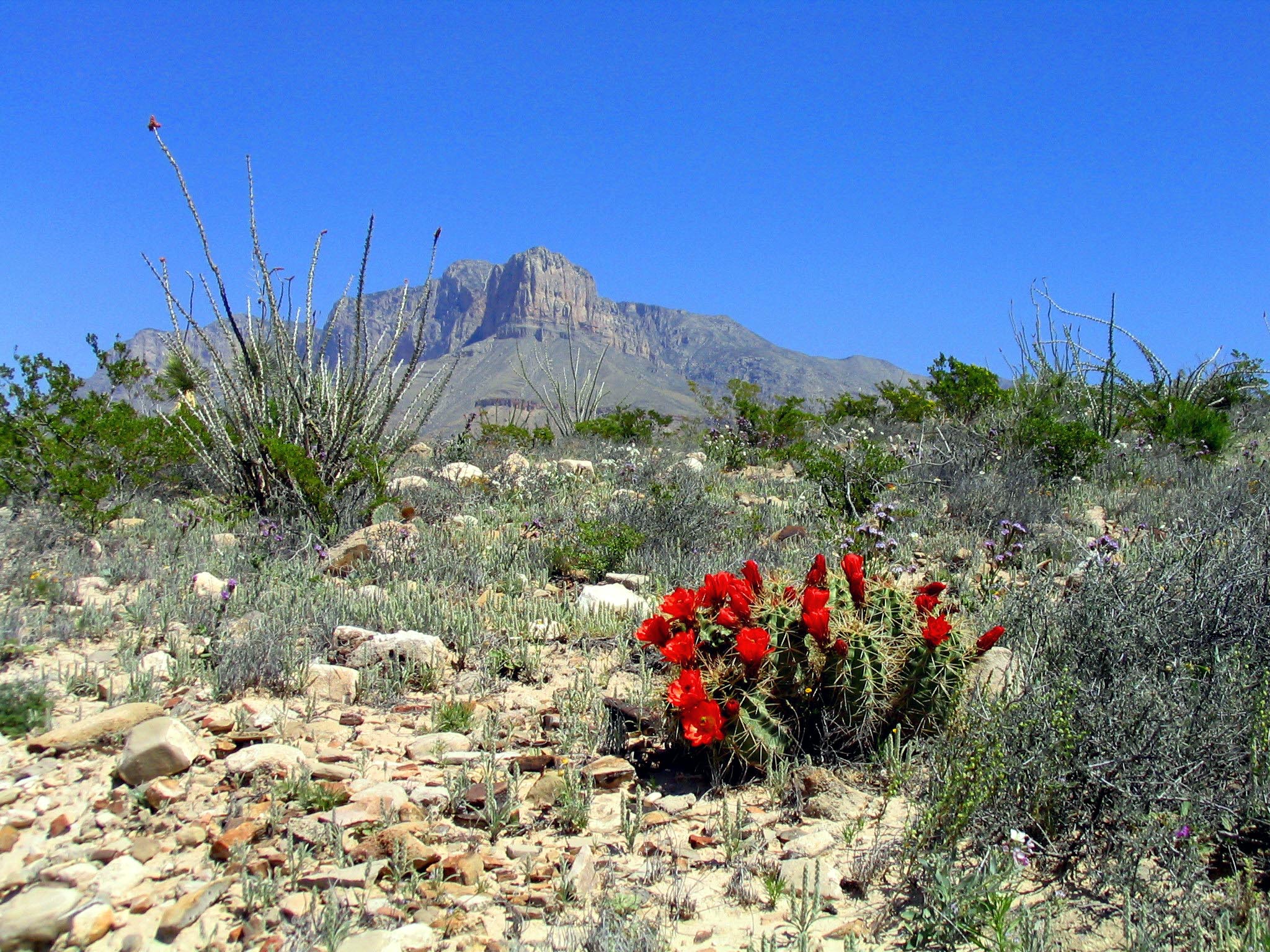
Guadalupe Mountains National Park Weather: Weather
Guadalupe Mountains National Park: weather guide guide updated 2026. Practical visitor information, reservations, and seasonal tips worth bookmarking before

Best Of
Best of Cuyahoga Valley National Park: Best Things to Do
Seeing a Cleveland Orchestra concert with the woods as your backdrop is a uniquely Cuyahoga Valley experience.
Sign in to join the conversation.
Sources & Attribution
Location data courtesy of the National Park Service (U.S. Department of the Interior). NPS data is public domain. Official NPS page.
Images: NPS; NPS; NPS; NPS; NPS.
Map data © OpenStreetMap contributors.
Park operations alerts: NPS.gov · Weather and weather hazards: National Weather Service · Live conditions.
Information may change. Always verify fees, hours, and conditions directly with the official source before visiting.
Did this guide help? Share it with a friend.