Channel Islands National Park Camping: Camping Near (2026 Guide)
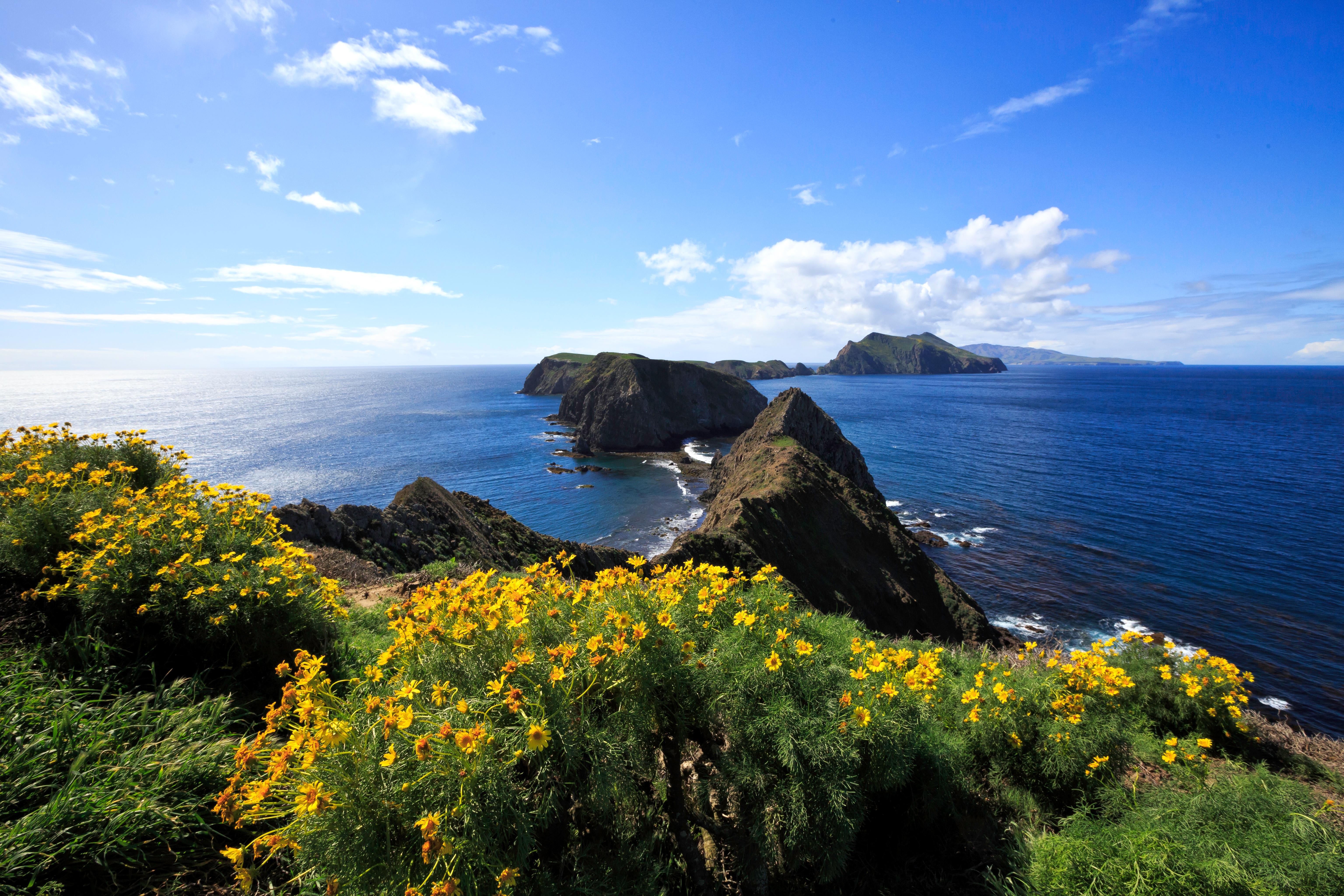
NPS via NPS.gov (Public Domain)
Channel Islands Camping: Island Campgrounds & How to Book (2026)
9 min read
Camping Guide
Complete 2026 camping guide for Channel Islands National Park. Santa Cruz, Santa Rosa, and Anacapa island campgrounds — ferry logistics and reservation strategy.
Your plans
This article contains affiliate links — we may earn a small commission at no extra cost to you.
Camping at Channel Islands National Park requires careful planning, not impulse. Since all campgrounds are on the islands, securing a spot involves two separate bookings: first your campsite, then your transportation. The park's defining isolation shapes the entire experience—you're reserving a self-sufficient venture into remote terrain. This guide details the reservation system, each campground's specifics, and the practical know-how to execute a successful trip. For broader park context, refer to our complete visitor guide.
The Booking Reality
Reservations for all island campgrounds open six months in advance on a rolling basis at 7:00 AM Pacific Time on Recreation.gov. This is not a suggestion; it's the rule. For popular summer weekends, the 25 individual sites at Scorpion Canyon on Santa Cruz Island can disappear in under five minutes. The smaller campgrounds on Anacapa and Santa Barbara Islands, with just seven sites each, often sell out for the entire season within the first hour they're available.
There is no true walk-in availability. Every site requires a reservation. Your only hope for a last-minute spot is to monitor Recreation.gov for cancellations, which do happen, especially 2-7 days before a departure date when people finalize their boat bookings and realize the logistics won't work. Rangers at the Ventura visitor center will tell you that failing to secure your boat transportation before your campsite is the most common rookie mistake. The concessionaire boats have limited capacity and their own booking calendars that fill independently of the campsites.
Campground at a Glance
| Campground | Total Sites | Site Types | Reservation | Season | Fee/Night (2026) | Hookups | Notes |
|---|---|---|---|---|---|---|---|
| Santa Cruz Island Scorpion Canyon | 31 | 25 individual, 6 group | Required | Year-round | $15 individual, $40 group | None | Only campground with a pier landing & most services. |
| Anacapa Island | 7 | Individual | Required | Year-round | $15 | None | Steep 0.5-mile hike/154 stairs from landing. |
| Santa Barbara Island | 7 | Individual | Required | Year-round | $15 | None | Rocky ledge landing only (dock closed). |
| San Miguel Island | 9 | Individual | Required | Year-round | $15 | None | Requires permit & ranger escort for 15-mile hike. |
| Santa Rosa Island | 15 | Individual | Required | Year-round | $15 | None | 1.5-mile hike from pier. |
| Santa Cruz Island Del Norte | 4 | Backcountry | Required | Year-round | $15 | None | 3.5-mile strenuous hike from pier. |
| Santa Rosa Island Backcountry Beach | 30 | Backcountry | Required | Aug 15 - Dec 31 | $10 | None | Hike-in beach camping; check for closures. |

Santa Cruz Island Scorpion Canyon Campground: Complete Guide
Scorpion Canyon serves as the park's primary front-country campground and is the most accessible option for most visitors. The sites occupy a sheltered canyon, a flat half-mile walk from the Scorpion Ranch pier. Expect the atmosphere of a quiet, organized basecamp: the distant hum of the ranch generator powering the flush toilets and water spigot, the persistent chatter of island scrub-jays, and wind rustling through the canyon's eucalyptus and fennel.
The Layout and Site Selection
The 25 individual sites are arranged along a single, main path that winds up the canyon. There are no formal loops.
Lower Canyon (Sites 1-11): Closest to the pier, restrooms, and the water spigot. These sites have less privacy and more foot traffic as everyone passes by to reach the upper sites or the hiking trails. They're the best bet for families with young children who want to minimize walking with gear. Site 11 is particularly large and flat.
Upper Canyon (Sites 12-25): A better choice for solitude. The hike up is slight but noticeable with a full pack. Sites are more spaced out and into the hillside. The trade-off is a longer walk to water and the restroom. Sites 21-25 feel the most removed. The trail narrows here.
The six group sites are separate, near the canyon mouth. They book months in advance for the entire summer.
Facilities and Realities
You'll find two vault toilet buildings (clean, well-maintained) and one building with flush toilets. Potable water is available from a single spigot near the restroom building - this is the ONLY potable water source. You must carry it to your site. There are no showers, no electricity, and no cell service. The picnic tables and food storage lockers are sturdy steel.
What the booking site doesn't show: The canyon walls amplify sound. A loud conversation at site 5 can be heard at site 15. Generator use is prohibited, which everyone appreciates. The most reliable spot for a faint cell signal is on the bluffs above the pier, not at the campground.
Anacapa Island Campground
This is for those who want the iconic, isolated lighthouse experience. The campground is on East Anacapa Island, perched on a windy, treeless mesa 154 stairs and a half-mile steep trail above the landing dock. The atmosphere is raw and exposed. You camp on artificial soil boxes among low, native vegetation. The sound is constant: wind, crashing surf from the cliffs below, and the deep groans of the island's sea lion rookery.
The Sites: All seven sites are essentially identical - small, gravel-lined pads with a windbreak on three sides. Privacy is minimal; you'll see your neighbors. There are no trees, so shade is non-existent. Bring a sun shelter. The views, however, are uninterrupted 360-degree ocean and, on clear nights, the lights of Ventura.
Logistics: You must haul all your gear, including water, up those stairs. There is no potable water on the island. The pit toilet is a short walk from the sites. This is a truly pack-in, pack-out, carry-everything-you-need experience. Most visitors are day-trippers, so by late afternoon, you'll have the island nearly to yourself.

Santa Barbara Island Campground
The smallest and most remote feeling of the accessible islands. As of 2026, landing is restricted to a rocky ledge adjacent to the damaged dock - expect a potentially tricky transfer from the boat. The campground is a 0.5-mile uphill hike from the landing. The setting is another open, grassy mesa with dramatic sea cliffs.
The Vibe: Extreme solitude. With only seven sites, it rarely feels crowded. The island is a major seabird nesting colony, so the spring and summer air is filled with the cries of western gulls and the sight of soaring pelicans. Like Anacapa, there is no shade and no potable water. You must bring all your water with you.
Considerations: This island is most popular with avid birders and those seeking quiet. The hiking trails here are short but steep, offering cliff-top views. It's often the last campground to book up, making it a potential cancellation-score target.
San Miguel Island Campground
This is expedition-style camping. Access is limited by weather, and landing at Cuyler Harbor is not always possible. If you get there, you'll hike 15 miles round-trip across the island with a park ranger (required) to the campground, which sits on a caliche (hardened soil) terrace above the ocean.
The Experience: The nine sites each have a windbreak - a necessity on one of the windiest and foggiest channels in the world. The campground has a pit toilet and food storage boxes. You must carry in all water. The reward is proximity to the island's extraordinary wildlife: the largest pinniped (seal and sea lion) breeding colony in the world, and the rare caliche forest. This isn't a casual camping trip; it's a committed backcountry adventure that requires serious preparation and flexibility.

Santa Rosa Island Campground
A 1.5-mile, relatively flat hike from the pier at Bechers Bay brings you to this campground in a canyon near the historic ranch buildings. The atmosphere is pastoral compared to the coastal bluffs of other islands. You're camping among non-native eucalyptus and pine trees, which provide actual shade - a rare luxury here.
Site Details: The 15 sites are spread along a hillside. Sites 1-6 are closest to the water spigot and pit toilets. Sites 7-15 are further up the hill, offering more privacy and better views down the canyon. The ground is soft dirt and grass. The constant sound is wind through the trees and the distant bark of the island's resident foxes.
Water Note: Potable water is available from a spigot at the campground. This is a major advantage over Anacapa and Santa Barbara.
Backcountry Campgrounds: Del Norte & Santa Rosa Beaches
These are for experienced backpackers.
Santa Cruz Island Del Norte Campground: Four sites located 3.5 miles and 1,400 feet of elevation gain from the Scorpion pier. The hike is strenuous and exposed. The sites are primitive, with a pit toilet and food storage box. No water. This is true solitude, with panoramic ocean views from the island's interior ridge.
Santa Rosa Island Backcountry Beach Camping: Available only from August 15 to December 31. The 30 dispersed sites are along specified beaches. You hike along the sand to find your spot. Check the NPS alerts - as of 2026, sections of beach near China Camp are closed for resource protection. There are no facilities. You must treat water from streams (if flowing) or carry it all in. Tides and weather dictate everything.

Reservation Strategy
Set a calendar reminder for 6:55 AM PT, six months before your desired arrival date. Be logged into Recreation.gov with your payment info saved. Search for "Channel Islands National Park" and have your specific campground and dates ready to click the second the clock turns.
For cancellations, use Recreation.gov's "Notify Me" alert feature if available, or check manually in the evenings, which is when most people cancel. Remember, a campsite reservation is useless without confirmed boat space. Book your Island Packers (or other concessionaire) passage immediately after securing your site.
Group sites at Scorpion Canyon are even more competitive and often used by educational groups. Book those the morning they open, exactly six months out.
What to Know Before You Arrive
Food Storage: This is non-negotiable. The islands have endemic island foxes and ravens that are brilliant food thieves. Every campground provides heavy steel food storage lockers. You must store all food, trash, toiletries, and coolers (even empty ones) inside them at all times when not in immediate use. A zipped tent is not protection.
Water: Verify the water status for your island. For Anacapa, Santa Barbara, San Miguel, and Del Norte, you must carry ALL the water you will need for drinking, cooking, and cleaning. For Scorpion Canyon and Santa Rosa Island campgrounds, potable water is available at a central spigot. Plan for at least one gallon per person per day, more in summer.
Fire: No wood or charcoal fires are permitted on any of the islands. Propane or white gas camp stoves are allowed. Check for fire restrictions during high wind or red flag warnings - sometimes even stoves are prohibited.
Waste: Pack out all trash. There are no trash cans on the islands. This includes everything you bring, including used toilet paper if you're using the backcountry (vault toilets have provided TP).
Quiet Hours: 10:00 PM to 6:00 AM are strictly observed. With sound carrying easily in the canyon and mesa environments, rangers will remind you if you're too loud.
Cell Service: Assume you have none. Tell your emergency contact your boat schedule and campsite number. Rangers monitor marine VHF radio channel 16.
Practical Takeaways
- The sequence is critical: Campsite first, then boat ticket. One without the other leaves you stranded.
- Water is your heaviest item: Calculate your needs precisely for islands without potable water. Underestimating is the most common hardship.
- Use the lockers: Foxes will chew through backpacks and coolers left outside. They're fast and opportunistic.
- Pack for wind and sun: A sturdy tent with strong guylines, a rain fly, a wide-brimmed hat, and sunscreen are more important than a warm sleeping bag in summer.
- Your packing list must include: All water (if needed), all food, camp stove and fuel, headlamp, first-aid kit, and a backup way to purify water if relying on island sources.
- Footwear matters: You will be hiking from the boat to your site with your pack. Wear sturdy shoes, not flip-flops.
- Check alerts before you go: Closures, like those on Santa Rosa Island beaches, can directly impact backcountry plans.
- Embrace the logistics: The effort required to camp here is what keeps it special. You're trading convenience for an experience few get to have.
- For a less rugged stay, consider mainland lodging and accommodations and visiting the islands as a day trip.
- Final verification: The week of your trip, call the concessionaire for boat status and check the park's website for any last-minute weather or closure alerts. The channel does what it wants.
Recommended Gear
What experienced visitors bring to Channel Islands Camping: Island Campgrounds & How to Book (2026)
Links may earn us a commission at no extra cost to you. We only recommend gear we believe in.
Hiking Essentials
Hydration Pack (3L)
Hands-free water for long trail days
Trekking Poles (Pair)
Save your knees on steep descents
Hiking Boots (Ankle Support)
Sturdy footwear for rocky, uneven trails
Sun & Heat Protection
Wide-Brim Sun Hat
Full coverage UPF 50+ protection at altitude
Insulated Water Bottle (32oz)
Keeps water cold in desert heat all day
Winter Gear
Microspikes / Traction Devices
Essential for icy rim trails in winter months
Sources
- Official source: NPS — Channel Islands National Park nps.gov/chis/index.htm
Photo Gallery
More to Explore
Park Guide
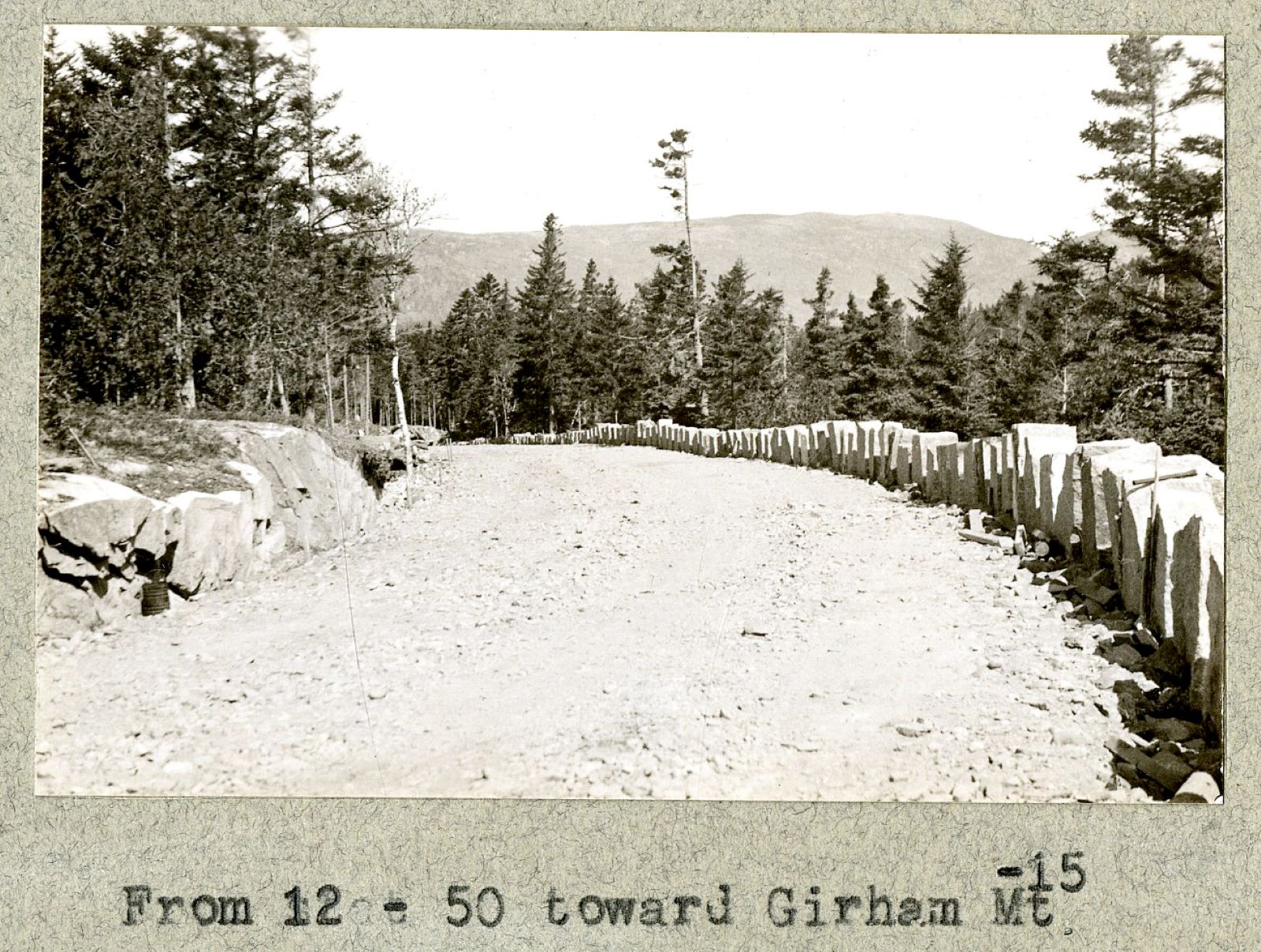
Acadia National Park: Carriage Roads, Cadillac Mountain & 2026 Guide
Discover carriage roads, Cadillac Mountain, and rugged Maine coast. Complete 2026 guide to Acadia National Park — trails, fees, lodging, permits, and what rangers recommend.
Hiking Guide
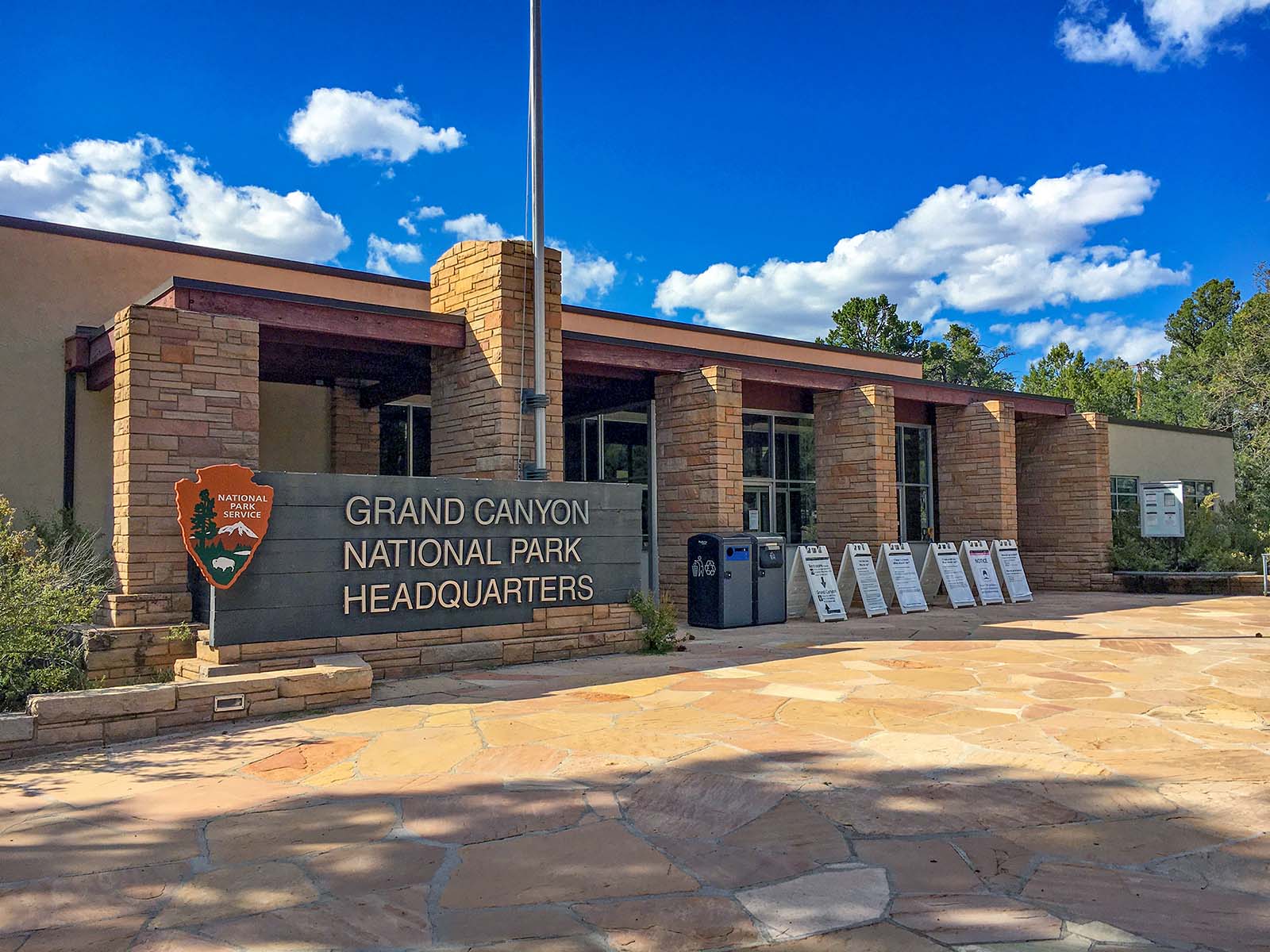
Grand Canyon Hiking Trails: Day Hikes, Water Sources & Rim to Rim
Compare Grand Canyon hiking trails: Bright Angel, South Kaibab, Hermit, Grandview, and rim to rim, with distances, elevation, water stops, and trailhead access for each.
Best Of
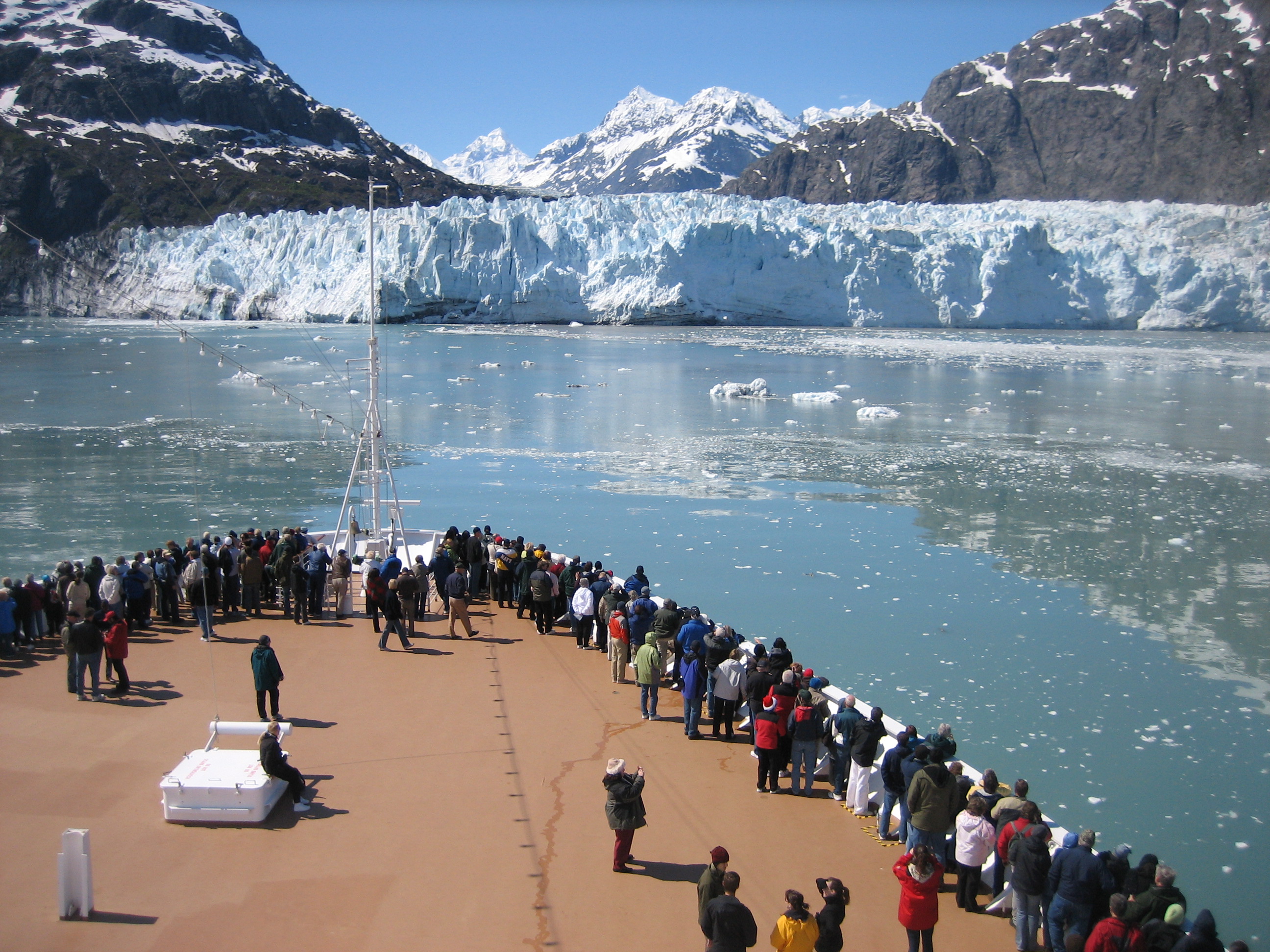
Best of Glacier Bay National Park
The best of Glacier Bay is reached by boat: ranger-led day tours up the bay to the tidewater glaciers. What's worth it, how to book, and when to go (2026).
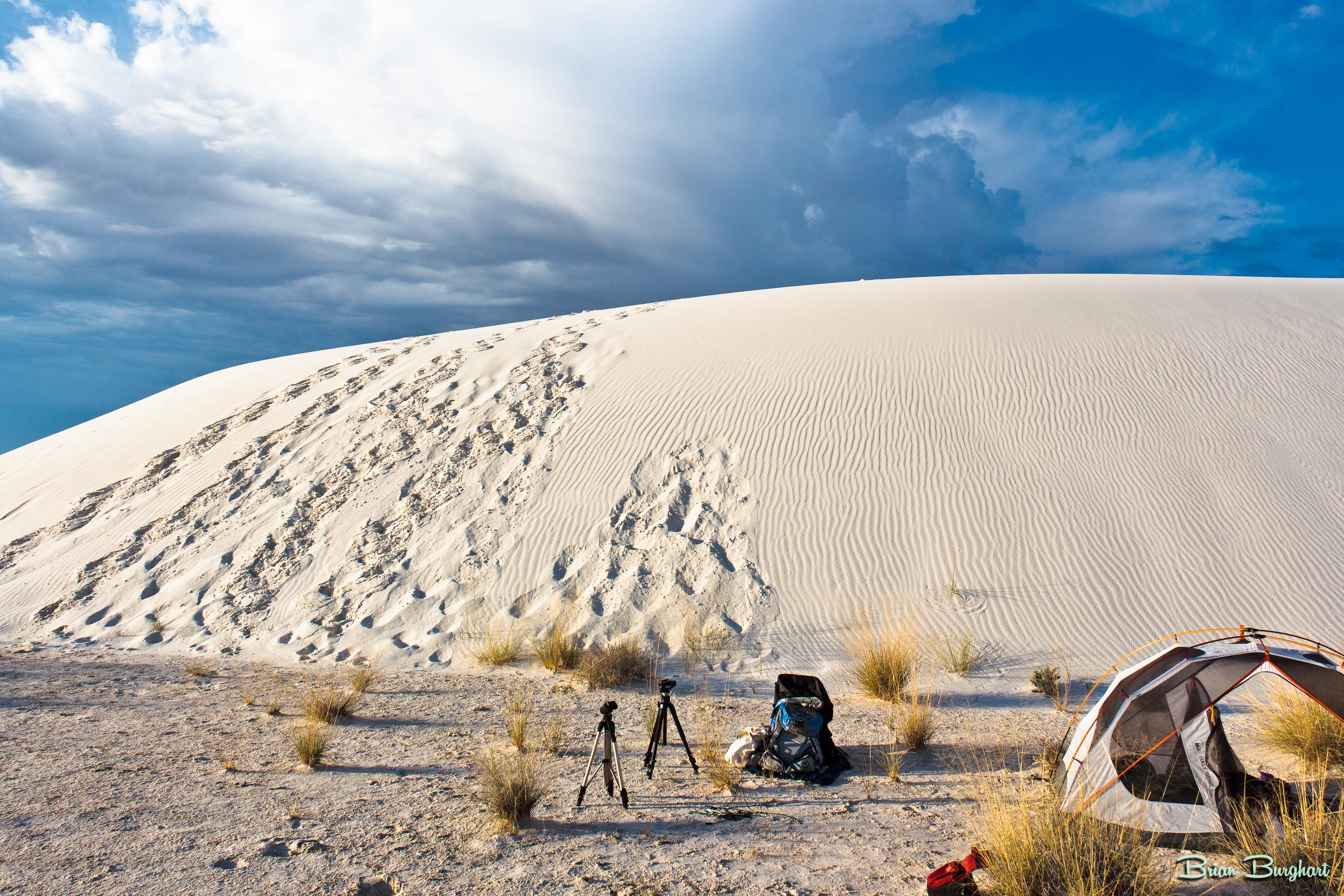
Campsite Guide
White Sands Backcountry Camping: Closed for 2026 — What to Know
As of 2026, backcountry camping at White Sands National Park is closed for site rehabilitation. What that means, and where to camp nearby instead.
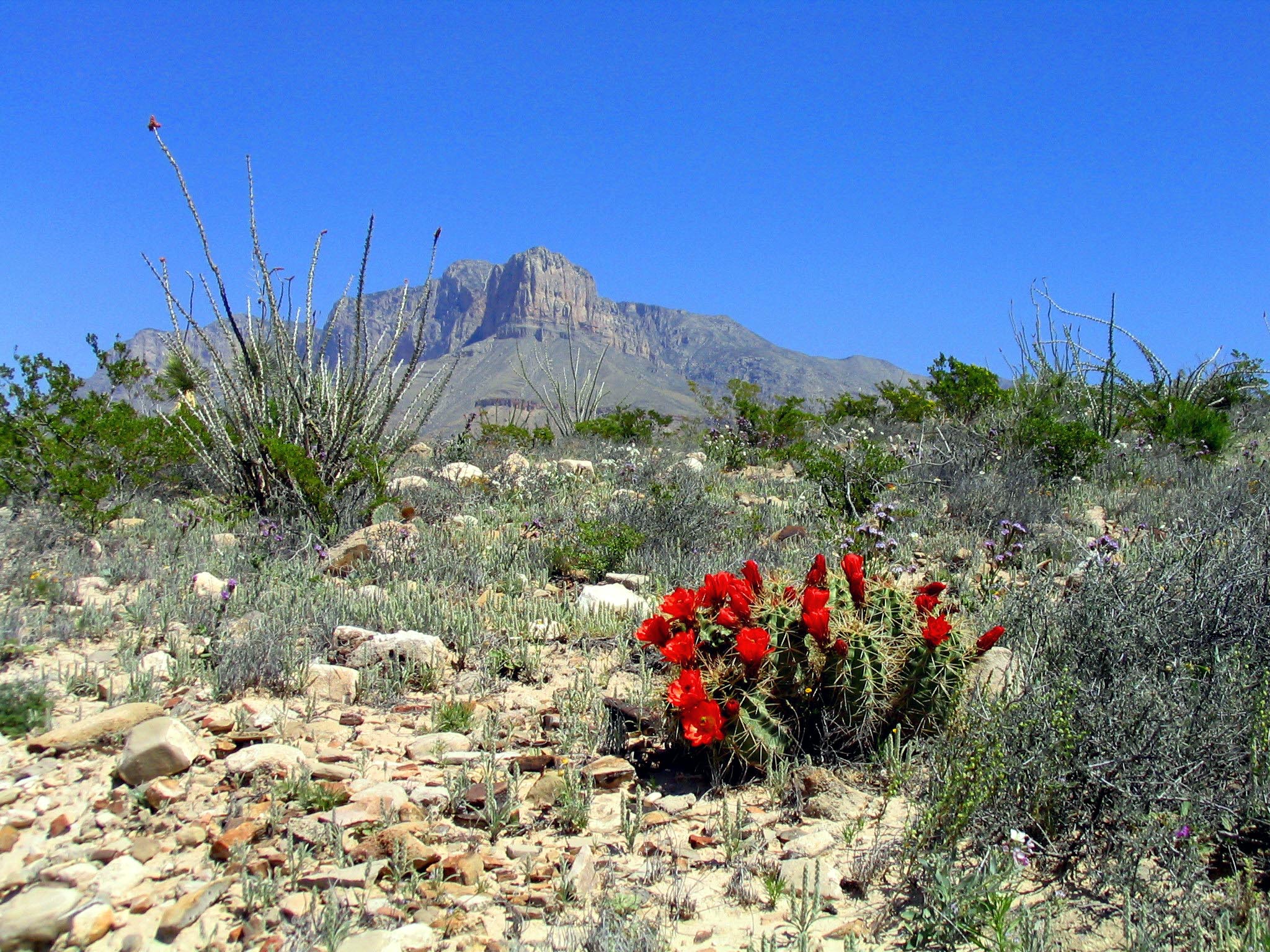
Weather Guide
Guadalupe Mountains National Park Weather: Weather
Guadalupe Mountains National Park: weather guide guide updated 2026. Practical visitor information, reservations, and seasonal tips worth bookmarking before
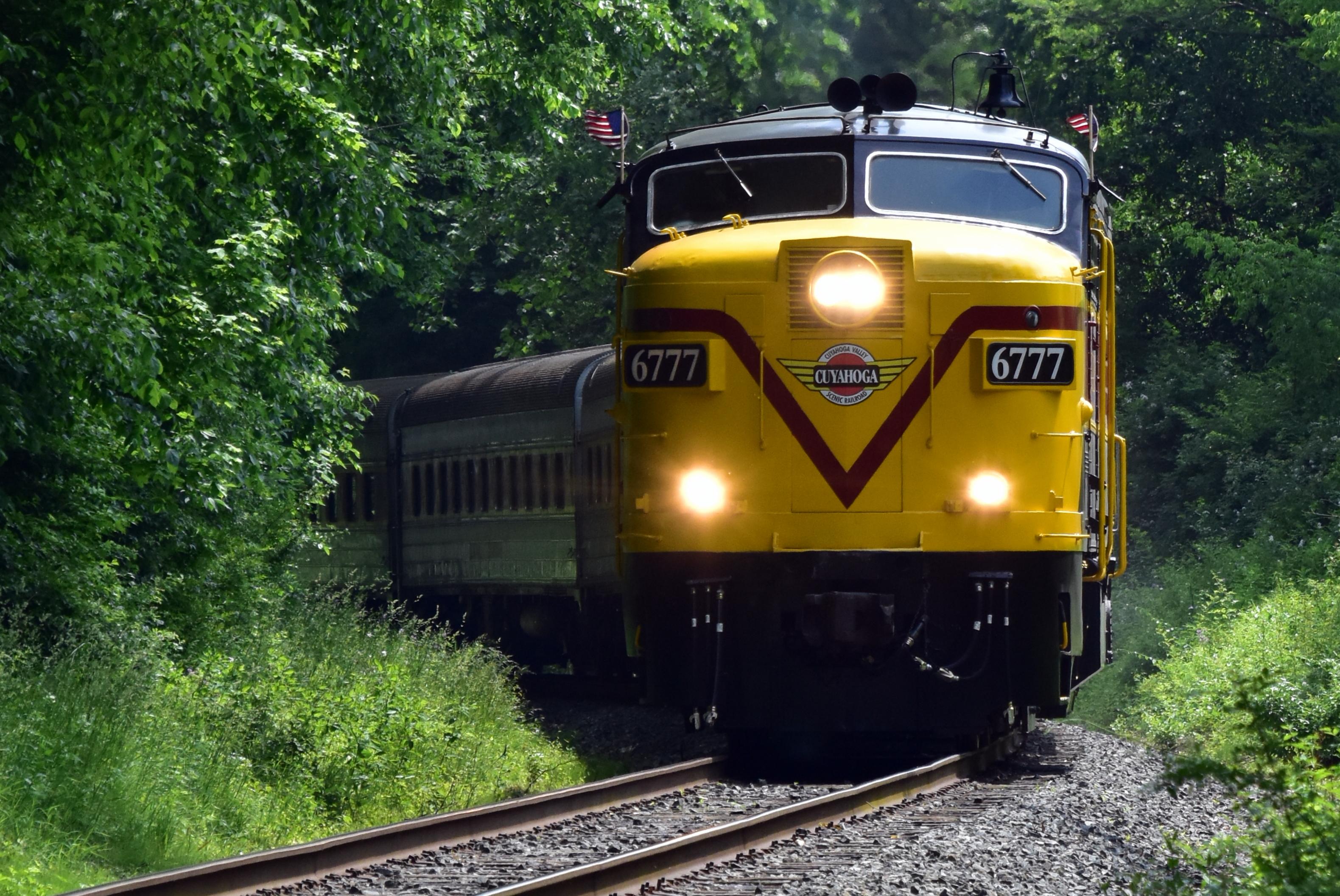
Best Of
Best of Cuyahoga Valley National Park: Best Things to Do
Seeing a Cleveland Orchestra concert with the woods as your backdrop is a uniquely Cuyahoga Valley experience.
Sign in to join the conversation.
Sources & Attribution
Location data courtesy of the National Park Service (U.S. Department of the Interior). NPS data is public domain. Official NPS page.
Images: NPS; NPS; NPS; NPS; NPS.
Map data © OpenStreetMap contributors.
Park operations alerts: NPS.gov · Weather and weather hazards: National Weather Service · Live conditions.
Information may change. Always verify fees, hours, and conditions directly with the official source before visiting.
Did this guide help? Share it with a friend.