Santa Rosa Island Campground's 15 primitive sites sit 1.5 miles from the pier or 0.25 miles from the airstrip, so you'll hike your gear in either way. At $15 per night per site with reservations required, this is a no-frills basecamp for exploring the island.
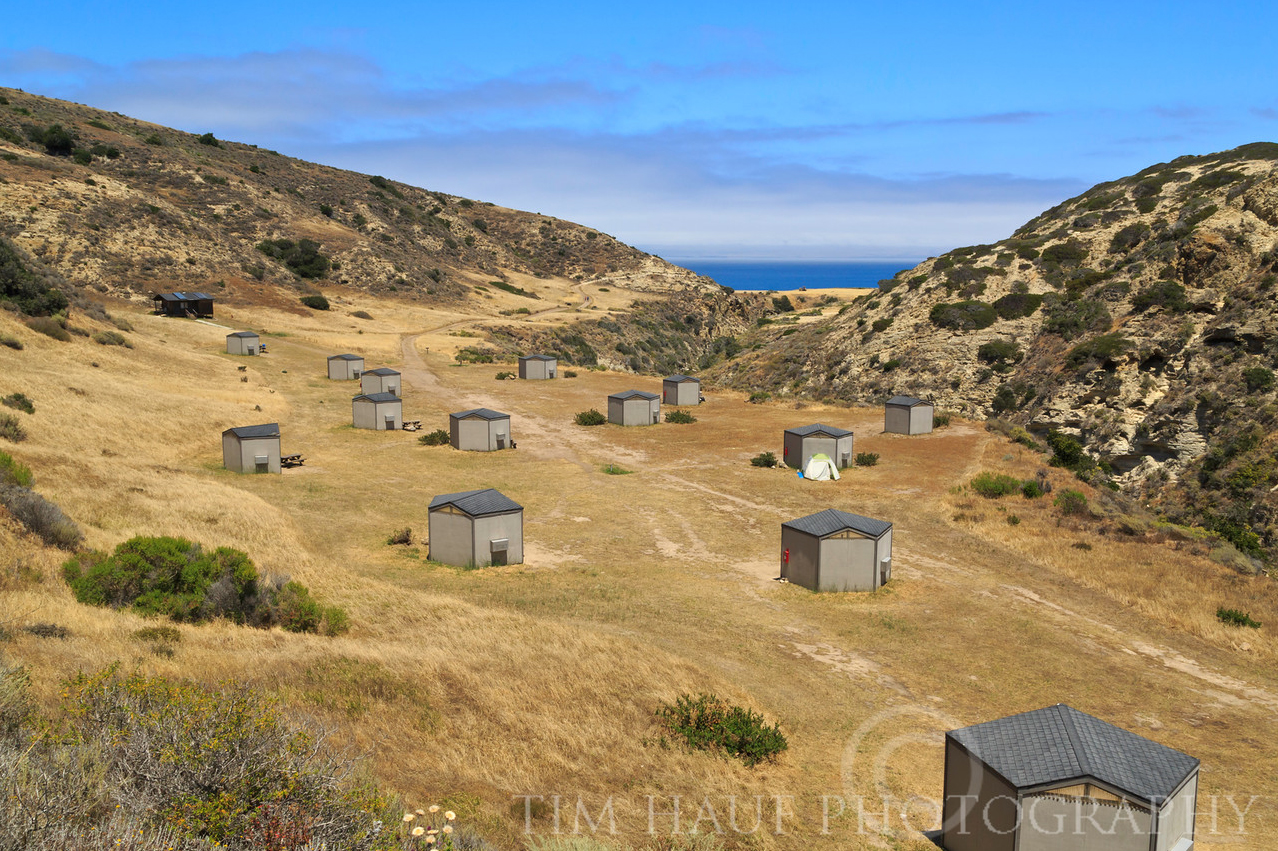
NPS via NPS.gov (Public Domain)
Campsites at Santa Rosa Island Campground (2026 Guide)
6 min read
Campsite Guide
Santa Rosa Island Campground's 15 primitive sites sit 1.5 miles from the pier or 0.25 miles from the airstrip, so you'll hike your gear in either way.
Your plans
For more, see complete visitor guide, all campgrounds, hiking trails, lodging and accommodations, Campsites at Anacapa Island Campground (2026 Guide), Campsites at Santa Barbara Island Campground (2026 Guide), and Campsites at Santa Cruz Island Del Norte Backcountry Campground (2026 Guide).
For a broader overview of the island's trails, history, and ferry schedules, check the complete visitor guide. If you're comparing options across the park's seven campgrounds, the all campgrounds page has the full picture.
Getting to Santa Rosa Island Campground
Santa Rosa Island is only accessible by boat or plane. The National Park Service contracts with concessionaire ferries from Ventura and Oxnard, and a few private air charter operators fly to the island airstrip. Your reservation for Santa Rosa Island Campground does not include transportation - you must book that separately, and it sells out weeks ahead in summer.
The hike from the landing at Becher's Bay to the campground is 1.5 miles over a packed dirt road with some gentle incline. If you're flying in, the walk from the airstrip is only 0.25 miles - a clear advantage if you're trying to avoid hauling a cooler that far. Either way, bring a backpacking-style load, not a wheeled cooler. The road surface is hard-packed gravel and sand; wheels don't roll well.
What the park website doesn't mention: the last stretch of the walk is uphill. It's not steep, but with a full pack in July heat, it's enough to make you wish you'd packed lighter. Take a break at the airstrip bench if you flew in.

What to Expect at the Campground
Site Details and Amenities
- 15 tent-only sites - no RV or camper access. Tents only.
- $15 per night per site - pay when you reserve on Recreation.gov.
- Reservations required - walk-ups are not allowed. Book well ahead; summer weekends fill months in advance.
- Amenities provided per site: wind shelter, picnic table, food storage box (required for all food and scented items - bears aren't here, but island foxes and raccoons are expert thieves).
- Shared facilities: one vault toilet, potable water spigot.
- No showers, no electricity, no dump station. You are camping.
The wind shelters are partial - three sides with an open front, enough to block the prevailing northwest wind. Each shelter has a concrete pad and a picnic table. These are first-come only after you check in; there's no site assignment system. Arrive early if you want a shelter with the best view of the beach.
Water and Food Storage
Potable water is available at the campground and is treated and tested regularly. Fill your bottles at the spigot near the toilet. The park service warns that during drought years the water supply can be limited - but as of 2026, the system is functioning normally. Still, carry a backup gallon from the mainland. The food storage boxes are metal, bear-proof style, and lock without a padlock. Use them for absolutely everything smelly - sunscreen, toothpaste, trash. Island foxes will chew through a dry bag overnight.
Current Alert: China Camp and Cluster Point Closure
As of 2026, the beaches and dunes of China Camp and Cluster Point and the area between them are temporarily closed to all visitor access for protection of sensitive resources. Travel is allowed on marked paths only. This affects backcountry beach camping options on the northwest side of the island. If you were planning an extended trip combining Santa Rosa Island Campground with a beach camp, verify current conditions before you book. The closure could expand or shift; check the NPS alerts page a week before departure.

Best Times to Visit Santa Rosa Island Campground
The campground is open year-round. Most visitors come May through September, when daytime highs reach 75-85°F and fog is less frequent. That is also when ferry seats are hardest to get.
April and October are the sweet spots for experienced campers. Temperatures are cooler (60-70°F), the fog lifts by mid-morning, and the island's wildflowers are in bloom in spring. Fewer people means a better chance at your preferred wind shelter.
Winter (November-March) brings rain, strong northwest winds, and shorter daylight. The campground stays open, but ferry service is reduced - sometimes only two departures per week. Rangers will tell you that winter storms can strand you for an extra day or two. If you come, bring a four-season tent, rain gear, and extra food. The trade-off is solitude: you may have the campground to yourself.
What Most Visitors Underestimate
The wind. Santa Rosa Island is the largest of the northern Channel Islands and catches the full force of the prevailing northwesterlies. Even on a calm day on the mainland, expect gusts of 15-25 mph in the afternoon. Your tent needs to be able to handle wind - don't bring a cheap dome tent that will flatten. Stake everything with real stakes (not the plastic ones that come with the tent). The wind shelters help at the picnic table, but they won't block wind for your tent.

Making Reservations and Planning Your Trip
Reservations are made through Recreation.gov. Search for "Santa Rosa Island Campground" or use the park code NRSO. You'll select the number of nights and pay the $15-per-site-per-night fee at booking. There is no additional per-person or entrance fee.
Maximum stay is seven nights per calendar year. Check-in is after 1 PM; check-out is by 11 AM. Rangers do a daily patrol and enforce quiet hours from 10 PM to 6 AM.
Within two days, no refund. Plan carefully - weather cancellations are rare, but the ferry operator may cancel due to seas. The campground reservation is separate; if the ferry cancels, you're still responsible for the camping fee unless the park issues a waiver (they do not always do so).

Practical Takeaways
- Book early. Santa Rosa Island Campground fills by late April for summer weekends. Reservations open six months ahead. Mark your calendar.
- Pack light but pack smart. You hike 1.5 miles with everything. Use a backpack, not a rolling duffel. Food storage boxes are the size of a small cooler - plan your meals accordingly.
- Bring cash. No services on the island. The nearest store is on the mainland. Bring cash for the ferry snack bar if you need anything.
- Know the water situation. Potable water is available at the campground, but fill up before hiking to the beach. If you plan to camp elsewhere on the island (backcountry beach camping has limited water), carry extra.
- Respect the closure. China Camp and Cluster Point are off-limits. Do not attempt to bypass the signs - the fines are substantial, and the reason is protection of sensitive resources (likely nesting birds or archaeological sites).
- Windproof your camp. Bring a tent designed for wind, extra stakes, and a ground cloth. A tarp for extra windbreak can be a lifesaver.
- Island foxes are clever. Do not leave anything edible (or smelly) unattended. The food storage boxes are there for a reason. Use them.
Final Thoughts
Santa Rosa Island Campground gives you a base to explore an island that feels a long way from the California coast, even though it's only about 40 miles offshore. The hike in with your gear is part of the deal - it filters out the unprepared and keeps the backcountry feel intact. The amenities are basic but functional: a wind shelter, a picnic table, a vault toilet, clean water. If you want showers or a restaurant, stay on the mainland.
For those willing to carry their own comforts, the payoff is quiet nights under a sky dark enough to see the Milky Way, daytime hikes through Torrey pine groves and along bluffs where you can watch seals and sea lions from a respectful distance, and the rare chance to camp on an island that has fewer annual visitors than some mainland parks see in a single afternoon. Just remember: the 1.5-mile walk back to the pier with your gear on departure day goes faster than the hike in. The wind will be at your back, and you'll already know where every rock and rut is.
Sources
- Official source: NPS — Channel Islands National Park nps.gov/chis/index.htm
- Official booking/facility record recreation.gov/camping/santa-rosa-island/r/campgroundDetails.do
Photo Gallery
More to Explore
Park Guide
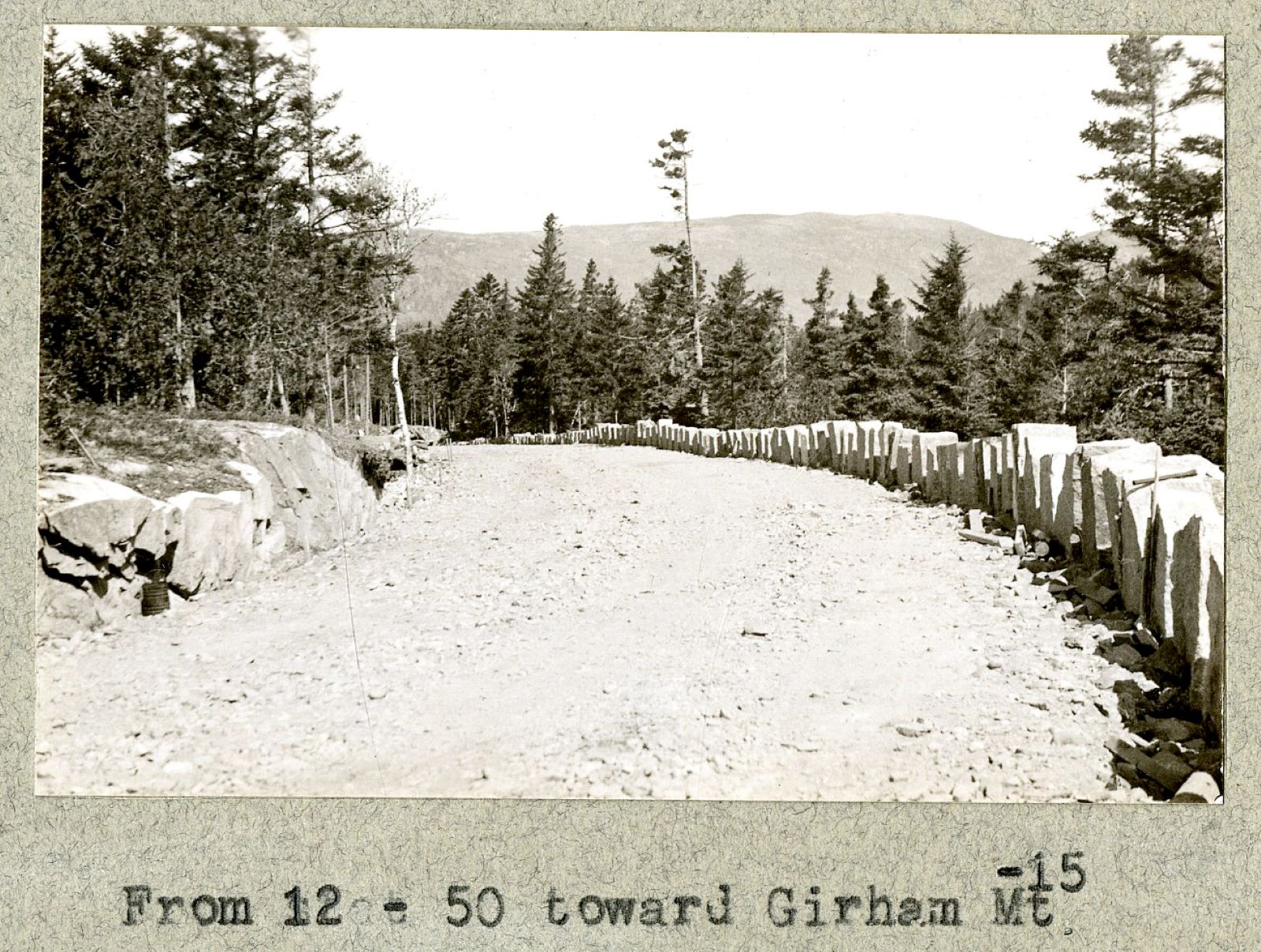
Acadia National Park: Carriage Roads, Cadillac Mountain & 2026 Guide
Discover carriage roads, Cadillac Mountain, and rugged Maine coast. Complete 2026 guide to Acadia National Park — trails, fees, lodging, permits, and what rangers recommend.
Hiking Guide
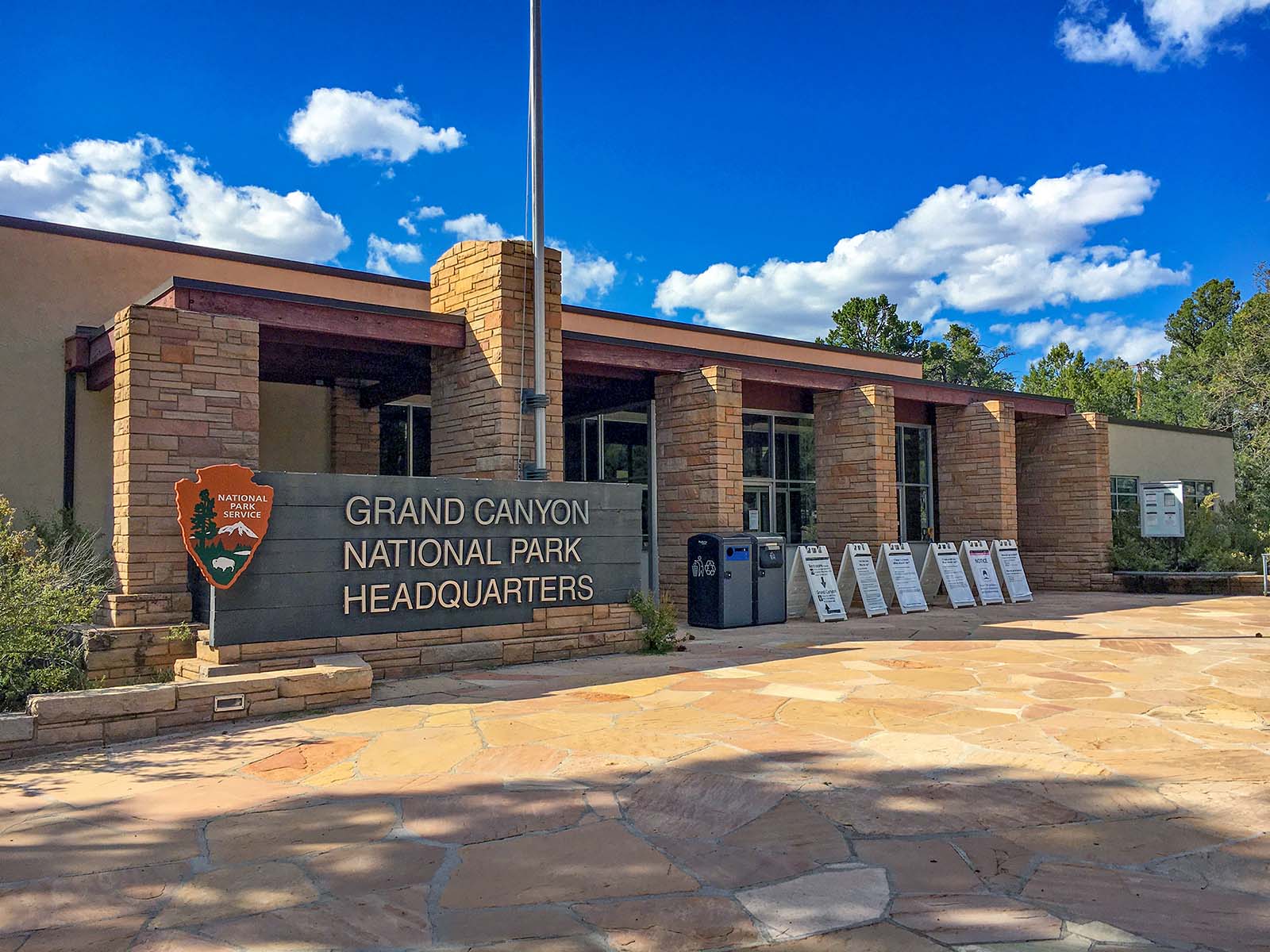
Grand Canyon Hiking Trails: Day Hikes, Water Sources & Rim to Rim
Compare Grand Canyon hiking trails: Bright Angel, South Kaibab, Hermit, Grandview, and rim to rim, with distances, elevation, water stops, and trailhead access for each.
Best Of
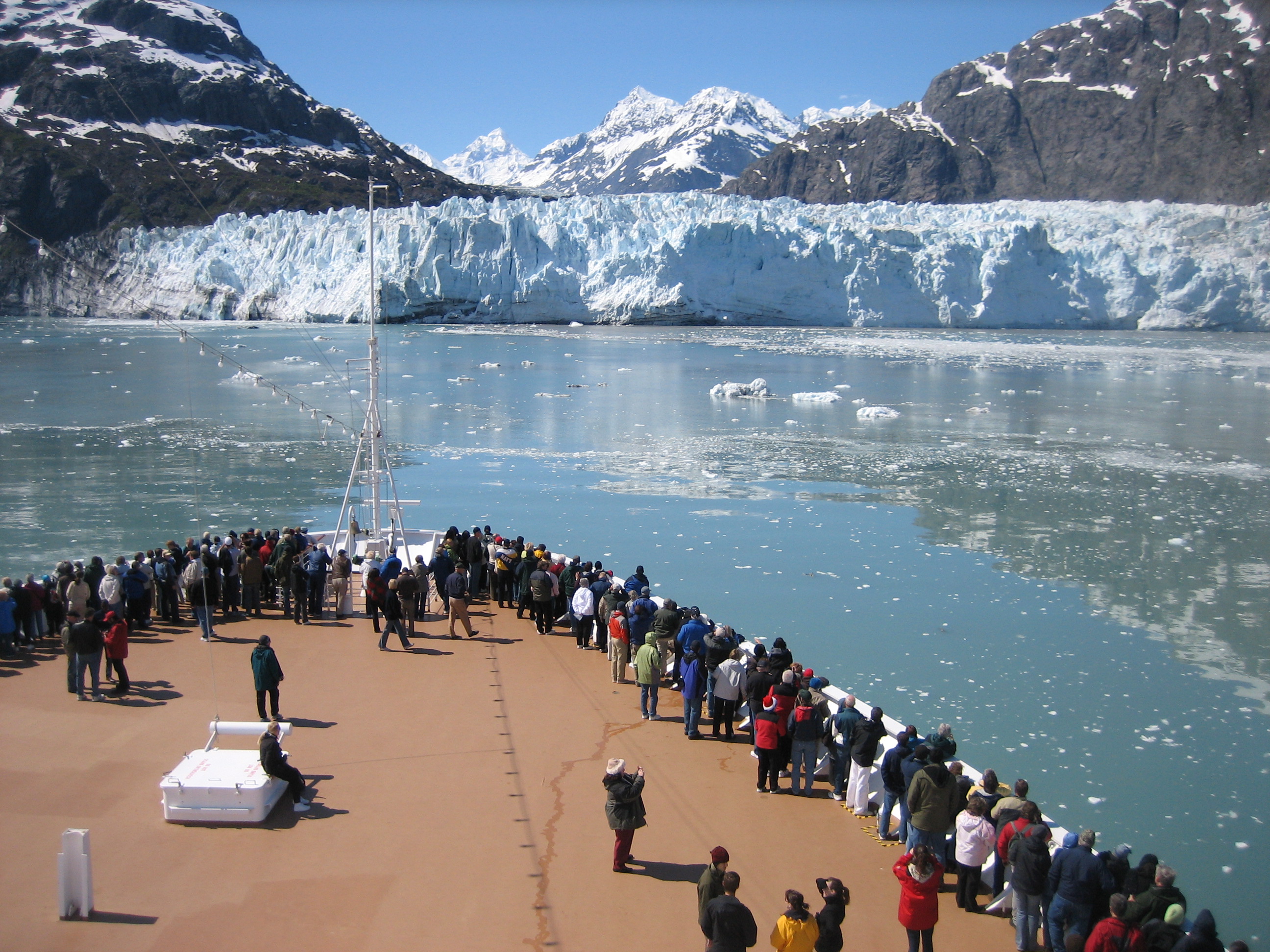
Best of Glacier Bay National Park
The best of Glacier Bay is reached by boat: ranger-led day tours up the bay to the tidewater glaciers. What's worth it, how to book, and when to go (2026).
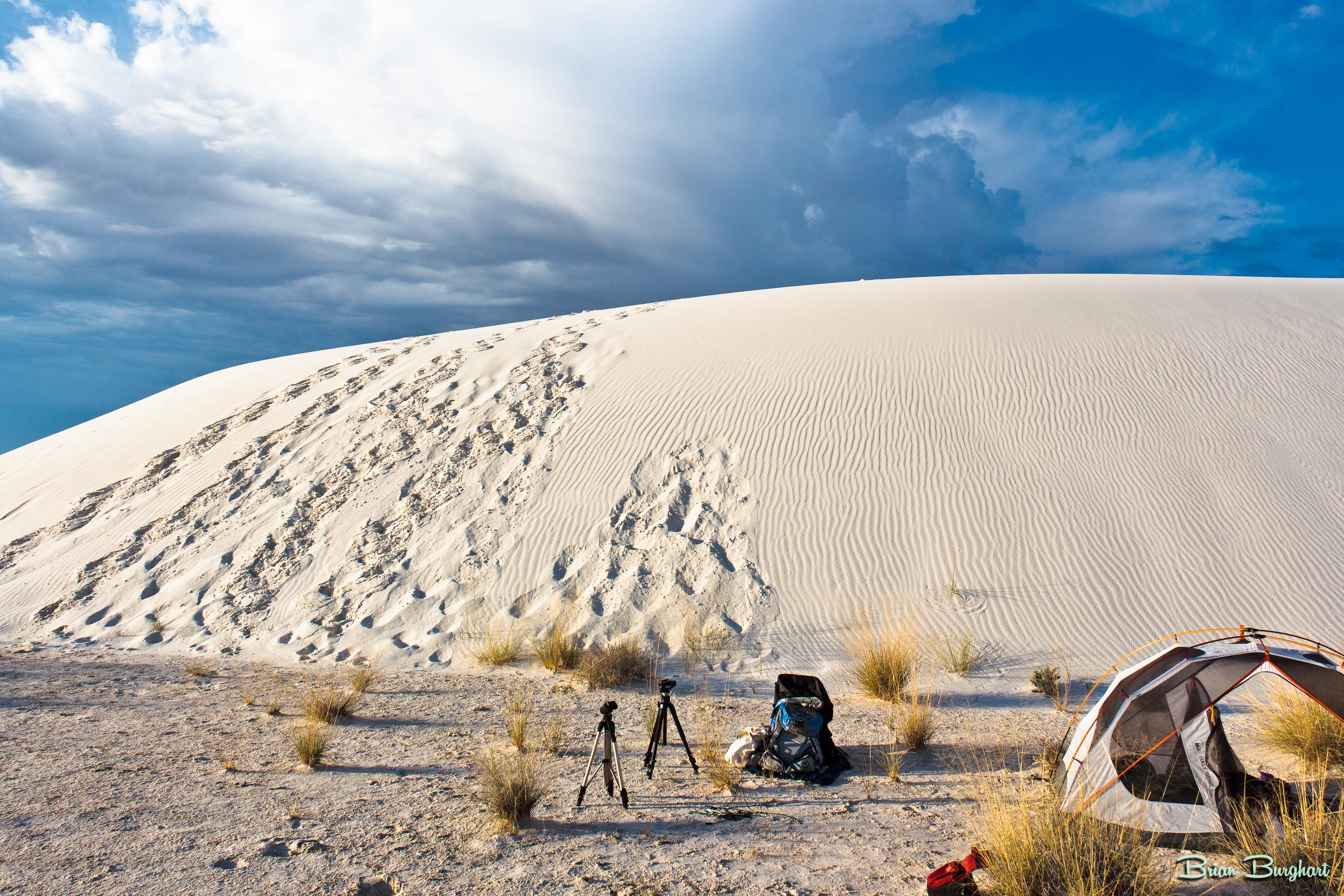
Campsite Guide
White Sands Backcountry Camping: Closed for 2026 — What to Know
As of 2026, backcountry camping at White Sands National Park is closed for site rehabilitation. What that means, and where to camp nearby instead.
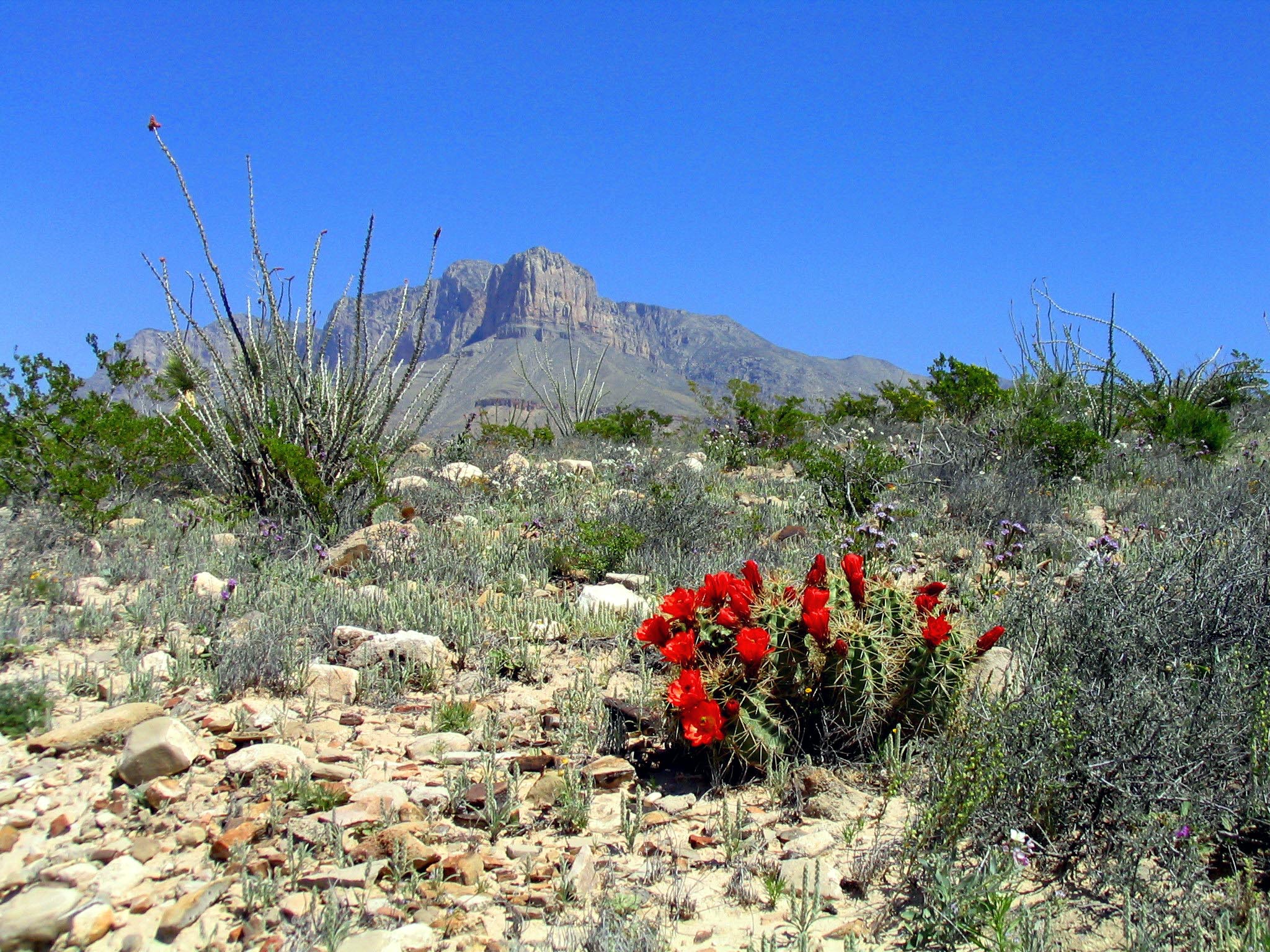
Weather Guide
Guadalupe Mountains National Park Weather: Weather
Guadalupe Mountains National Park: weather guide guide updated 2026. Practical visitor information, reservations, and seasonal tips worth bookmarking before
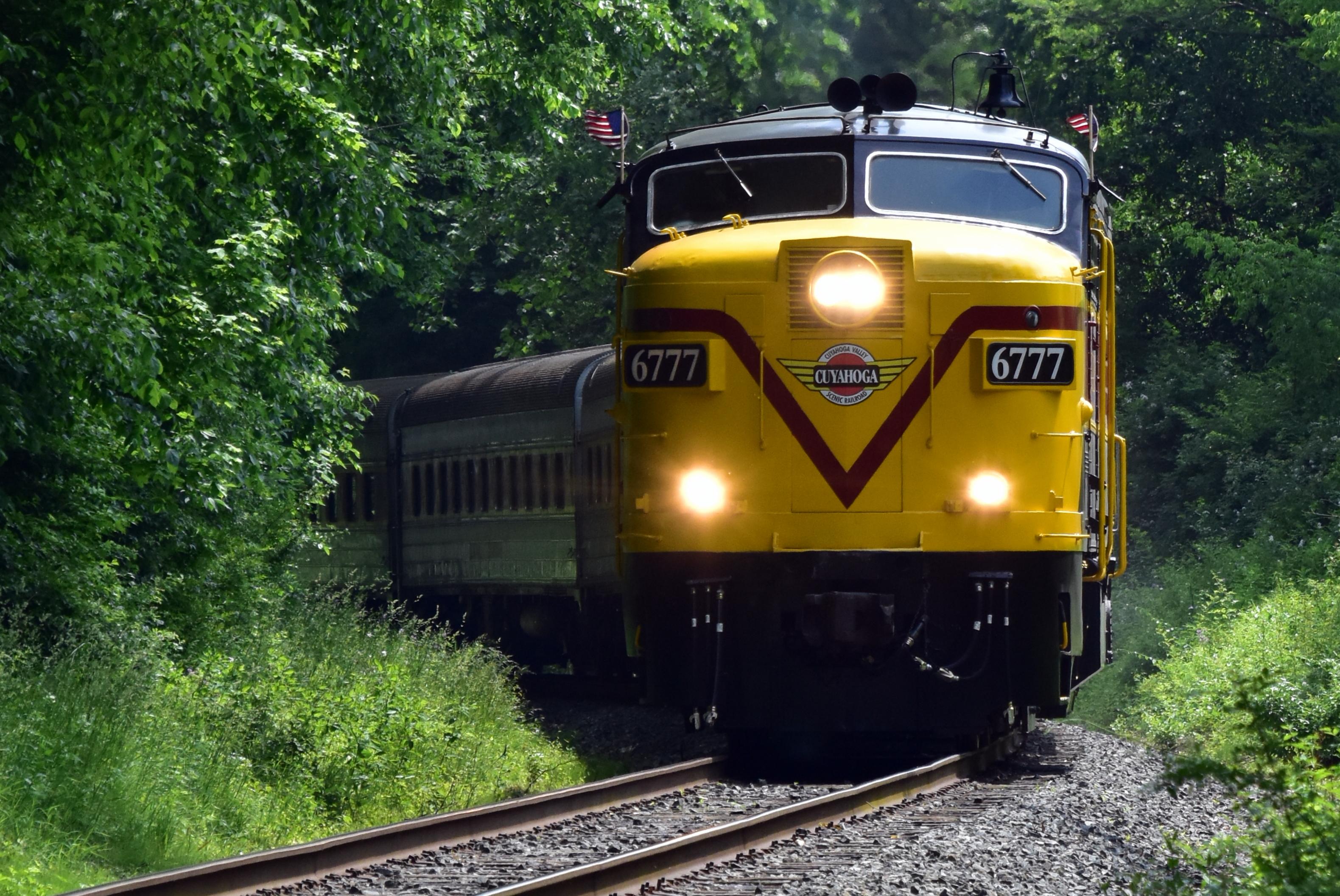
Best Of
Best of Cuyahoga Valley National Park: Best Things to Do
Seeing a Cleveland Orchestra concert with the woods as your backdrop is a uniquely Cuyahoga Valley experience.
Sign in to join the conversation.
Sources & Attribution
Location data courtesy of the National Park Service (U.S. Department of the Interior). NPS data is public domain. Official NPS page.
Images: NPS; NPS; NPS; NPS; NPS.
Map data © OpenStreetMap contributors.
Park operations alerts: NPS.gov · Weather and weather hazards: National Weather Service · Live conditions.
Information may change. Always verify fees, hours, and conditions directly with the official source before visiting.
Did this guide help? Share it with a friend.