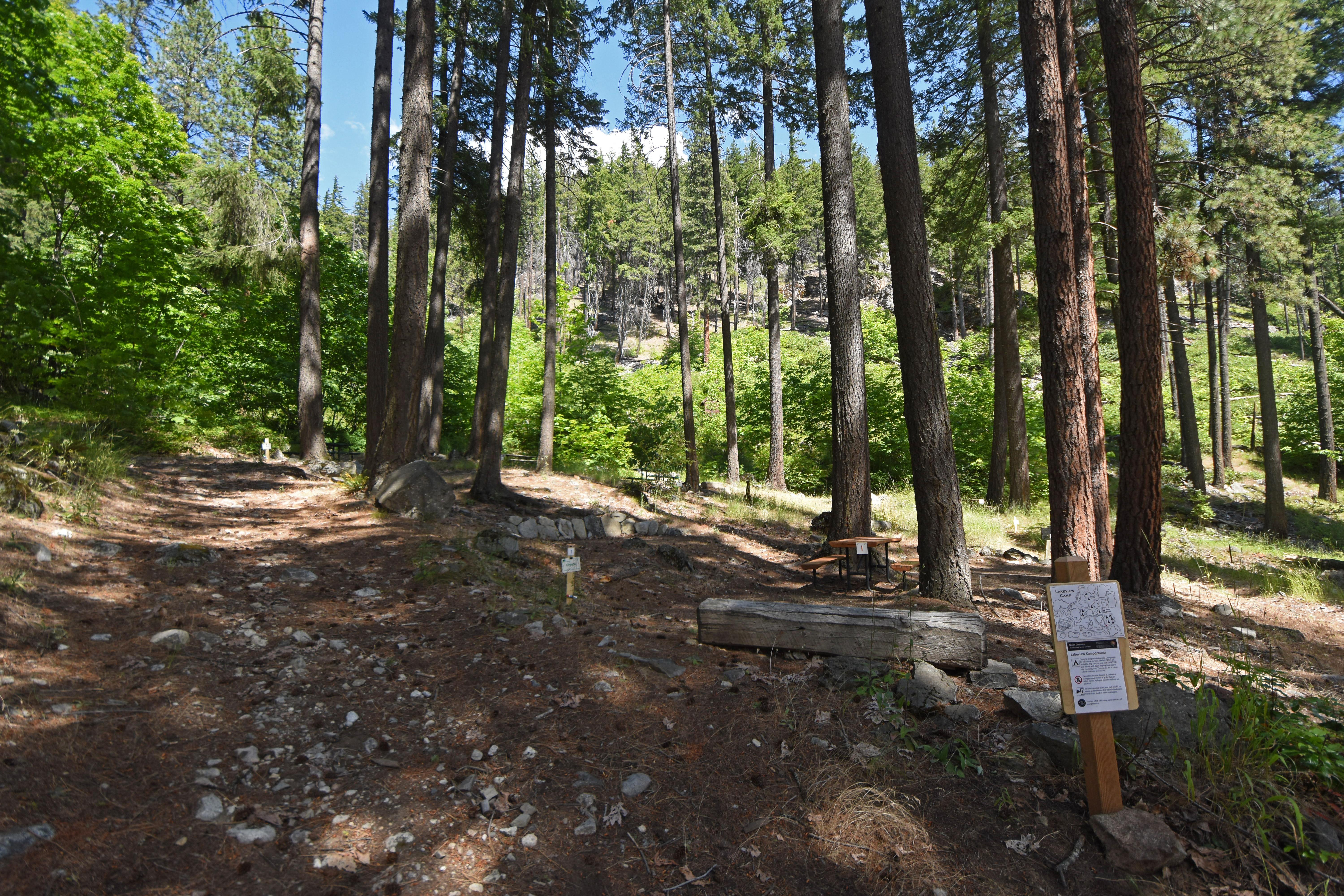
Most campgrounds you can drive right up to. Lakeview Campground is not one of them. The nine tent sites here sit at the head of Lake Chelan in Stehekin, a community that has no road connection to the rest of Washington. Arriving means committing to a boat ride, a floatplane flight, or a long hike - and that's exactly why people come back. If you're planning a trip into North Cascades National Park's remote Stehekin corridor, this campground deserves a spot on your short list. For a broader look at the area, check the complete visitor guide for logistics on getting to Stehekin.
NPS via NPS.gov (Public Domain)
Campsites at Lakeview Campground (2026 Guide)
6 min read
Campsite Guide
Lakeview Campground: lakeview campground: Campsites at Lakeview Campground (2026 Guide) Most campgrounds you can drive right up to. Lakeview Campground...
Your plans
For more, see Campsites at Gorge Lake Campground (2026 Guide).
Location and Access - No Car Required
Lakeview Campground is a five-minute walk from the boat dock at Stehekin Landing. That's the closest you'll get to having a car at your tent - because you can't have one. Stehekin is accessible only by passenger ferry, private boat, seaplane, or on foot via the Pacific Crest Trail. The nearest parking lot is back in Chelan, on the south end of the lake.
The ferry from Chelan runs seasonally, and schedules change with the year. As of 2026, the National Park Service recommends booking boat tickets well ahead in summer - the passenger ferries fill up. If you're flying, a handful of charter floatplane services operate out of Chelan. Walk-in hikers coming over Cascade Pass or along the PCT will find the campground just past the landing.
Rangers will tell you that the walk from the dock to the campground is short and flat, which matters after a full day of travel. You'll pass the Stehekin Landing store and the ranger station before the trail branches toward the lake. The sites sit on a narrow strip between the shore and the woods.
Campsite Details - What You Get for Your Money
Lakeview Campground has nine walk-in tent sites. These are not drive-up spots - you carry your gear a short distance from the trailhead. Each site is designed for small to medium tents. The park service notes that some sites can only fit one tent, so groups of more than four people should plan accordingly. Maximum occupancy is eight per site, but realistically you'll want two sites for a bigger group.
Fees are straightforward. During peak season (Memorial Day weekend through mid-September) the cost is $20 per site per night. That includes the Recreation.gov service charge. Non-peak season - roughly mid-September to late May - the sites are free and first-come, first-served. Free means no water and no trash pickup, but the vault toilets stay open year-round.
Potable water and garbage service are only available from Memorial Day weekend through mid-September. If you camp in the shoulder months, pack every drop of water you'll need and carry out all trash. The nearest reliable water source in winter is the Stehekin River, which requires treatment.
The campground gets morning sun and afternoon shade. The sites closest to the water catch a breeze off the lake, which helps with mosquitoes in June and July. Expect bare dirt and pine duff underfoot - bring a ground cloth.
When to Go and How to Reserve
The campground is open year-round. The experience you get depends entirely on the season.
Summer (June-September): This is peak season. Reservations are required and can be made up to six months in advance at www.recreation.gov or by calling 1-877-444-6777. The sites book quickly, especially for weekends. Rangers suggest reserving as soon as the window opens - that's 180 days out. Summer also means full services: water, garbage collection, and a ranger station nearby. Temperatures range from the 50s at night to the 80s during the day.
Winter (October-May): First-come, first-served. No water, no garbage service, no reservations. The vault toilets remain open but have no running water for handwashing. Snow is possible from November through March, though Stehekin's low elevation (around 1,100 feet) means it doesn't get buried like higher passes. The ferry runs on a reduced schedule, sometimes only a few days a week. You'll need to check the Stehekin Ferry service website for current timetables.
Most visitors underestimate how limited winter services are. The Stehekin store closes for the season. The shuttle bus stops running. If you show up with only the gear on your back and no food, you're in trouble. Plan accordingly.
What the Park Website Doesn't Mention - Current Conditions
As of early 2026, the park complex is still recovering from severe flooding and landslides that hit in December 2025. The NPS has issued alerts for "Flooding and Landslides Affecting Park Complex," noting that basic infrastructure is limited in some areas and that services in Stehekin are operating with "winter and spring operations." What that means practically: don't count on the Stehekin Landing store being fully stocked, and confirm ferry schedules with the operator before you go.
The area is also flagged as a flash flood and debris flow zone, especially after wildfire activity. Stehekin sits in a steep valley, and post-fire conditions increase the risk of sudden runoff. Pay attention to weather forecasts before you head out, and know the escape routes from low-lying campsites.
If you're hiking into the region, be aware that some trails and backcountry camps may be closed due to fire activity. The NPS maintains a "Fire Closures" page on their website - check it before you leave. The Cascade River Road is currently closed to vehicles at milepost 20, two miles before the trailhead (foot and bike traffic is allowed). State Route 20 is closed at milepost 130 near Colonial Creek Campground, so you cannot drive to the Diablo Lake Overlook. These road closures mostly affect hikers coming from the south, but they're worth knowing if your plan involves multiple access points.
And one more thing: break-ins at trailheads along State Route 20 are common. Since you won't have a car at Lakeview Campground, you're safe from that specific headache, but if you park at any trailhead on the drive to Chelan, remove your valuables and electronics - and the charging cords.
Nearby Activities - What to Do at the Head of the Lake
Lakeview Campground's location is its main asset. You're steps from the Stehekin Landing dock, the Stehekin Bakery (worth the walk), and the start of the Stehekin Valley Road. The valley road runs about 11 miles up to Cottonwood Camp and offers access to trails like the Rainbow Loop, Coon Lake, and the Pacific Crest Trail.
From this overlook you can see the full length of Lake Chelan stretching south - it's a 55-mile-long fjord-like lake, one of the deepest in the country. Early morning is your best bet for calm water reflections. If you have a boat, the public docks at Stehekin Landing allow overnight mooring, but space is limited.
Rangers offer guided walks and evening programs during summer at the Golden West Visitor Center, a five-minute walk from the campground. The visitor center has maps, current conditions, and backcountry permits for overnight trips.
Practical Takeaways
- Reserve early. Summer sites book up months ahead. Set a reminder for the six-month window.
- Bring water in non-peak season. No potable water from mid-September to late May. Carry at least a gallon per person per day.
- Pack light. Walk-in sites mean carrying everything from the dock. Use a backpack - wheeled luggage doesn't work on dirt paths.
- Watch the weather. Flash floods are real in this valley. Check forecasts and avoid camping in low-lying areas during heavy rain.
- Ferry schedules change. Confirm boat times before you leave Chelan. Missing the last ferry means a very expensive floatplane ride.
- No trash service in winter. Pack out everything, including food scraps. The vault toilets are for human waste only.
- Cell service drops out at the landing and does not improve further into the valley. Download maps and reservations before you lose signal.
- Include a sit pad or chair. The ground is mostly dirt and pine needles - not the most comfortable for lounging.
Final Thoughts
Lakeview Campground isn't the easiest place to get to, and that's the point. The lack of road access, the limited facilities outside summer, and the requirement to plan ahead filter out the unprepared. What remains is a quiet, lakefront campground that feels like a basecamp for one of the more remote corners of the national park system. If you want to wake up on the shore of a 55-mile lake with no traffic noise and no cell service, this is worth the logistics. The 2026 season comes with some lingering flood-related limitations, so check current conditions before you commit - but don't let that deter you from booking a site when the window opens. This is camping as it was meant to be: simple, remote, and earned.
Sources
- Official source: NPS — North Cascades National Park nps.gov/noca/index.htm
More to Explore
Park Guide
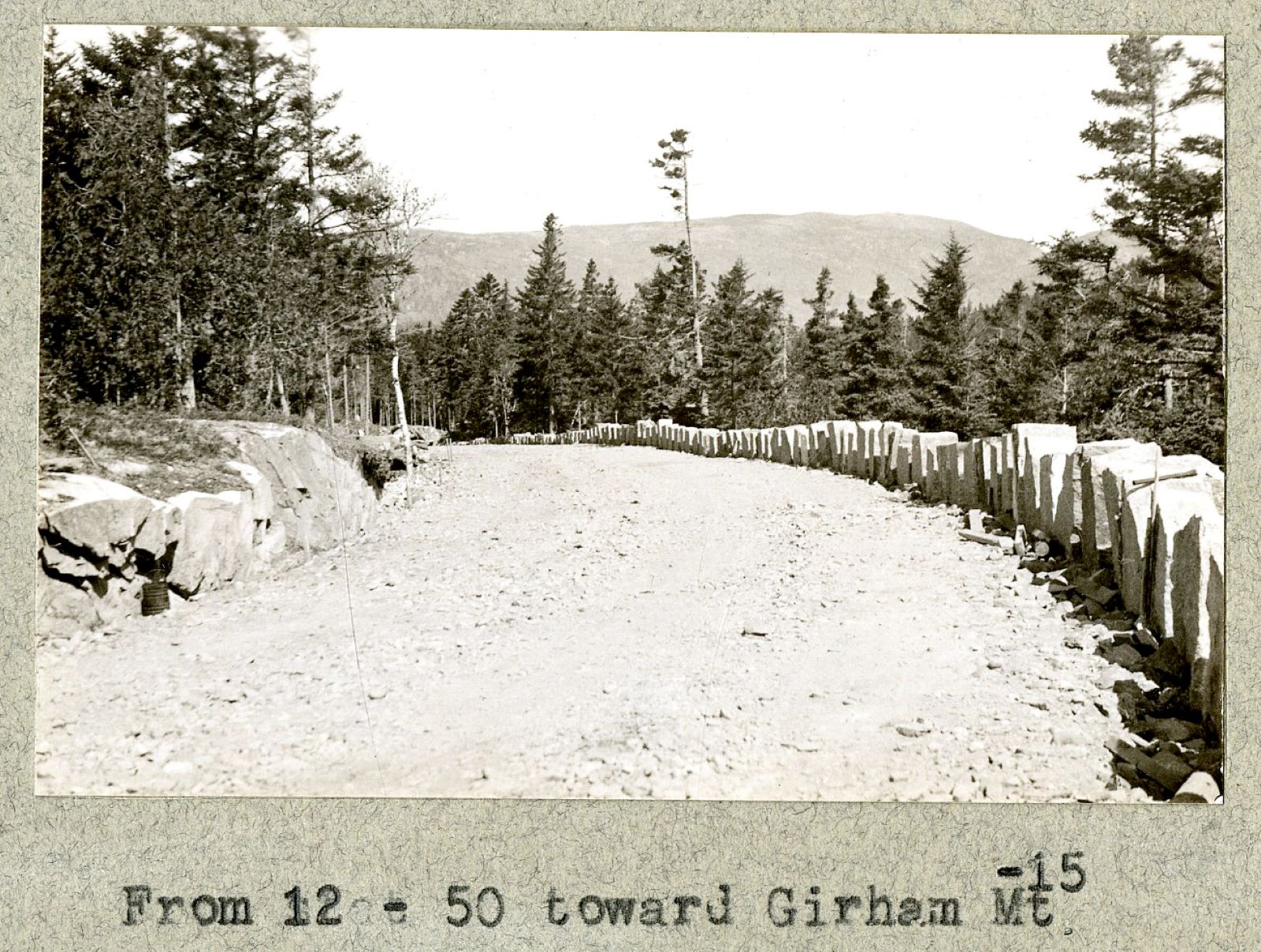
Acadia National Park: Carriage Roads, Cadillac Mountain & 2026 Guide
Discover carriage roads, Cadillac Mountain, and rugged Maine coast. Complete 2026 guide to Acadia National Park — trails, fees, lodging, permits, and what rangers recommend.
Hiking Guide
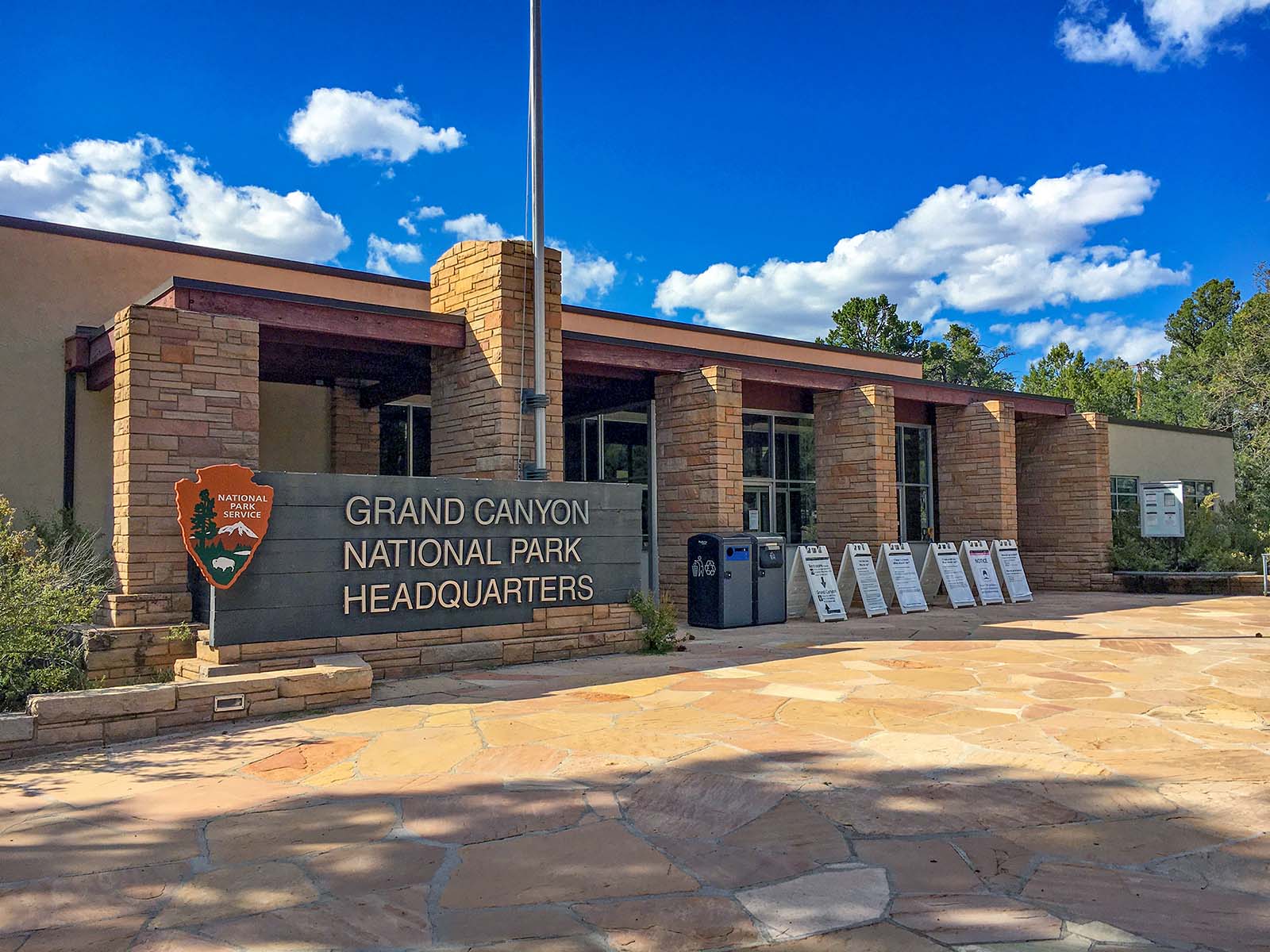
Grand Canyon Hiking Trails: Day Hikes, Water Sources & Rim to Rim
Compare Grand Canyon hiking trails: Bright Angel, South Kaibab, Hermit, Grandview, and rim to rim, with distances, elevation, water stops, and trailhead access for each.
Best Of
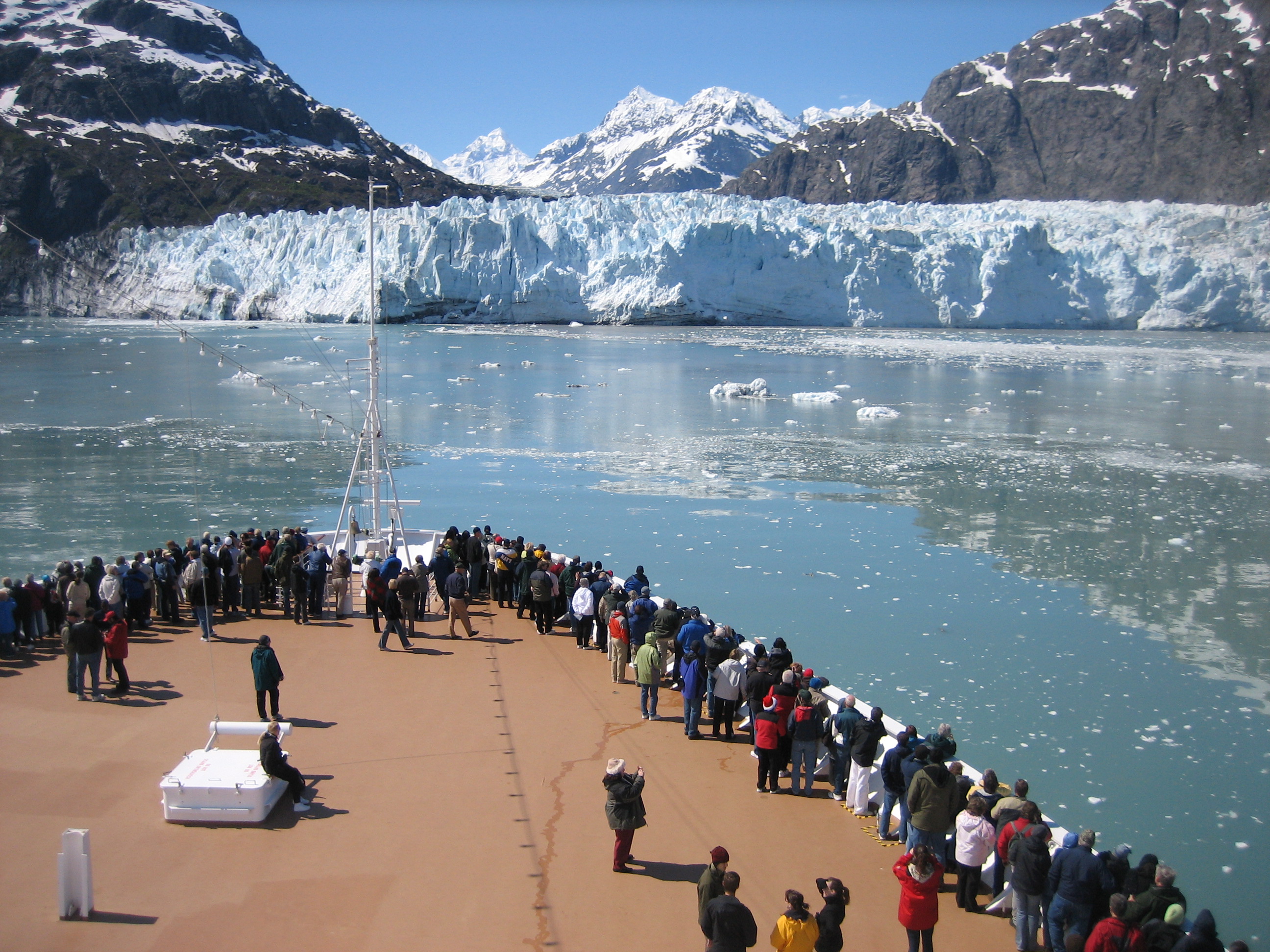
Best of Glacier Bay National Park
The best of Glacier Bay is reached by boat: ranger-led day tours up the bay to the tidewater glaciers. What's worth it, how to book, and when to go (2026).
Campsite Guide
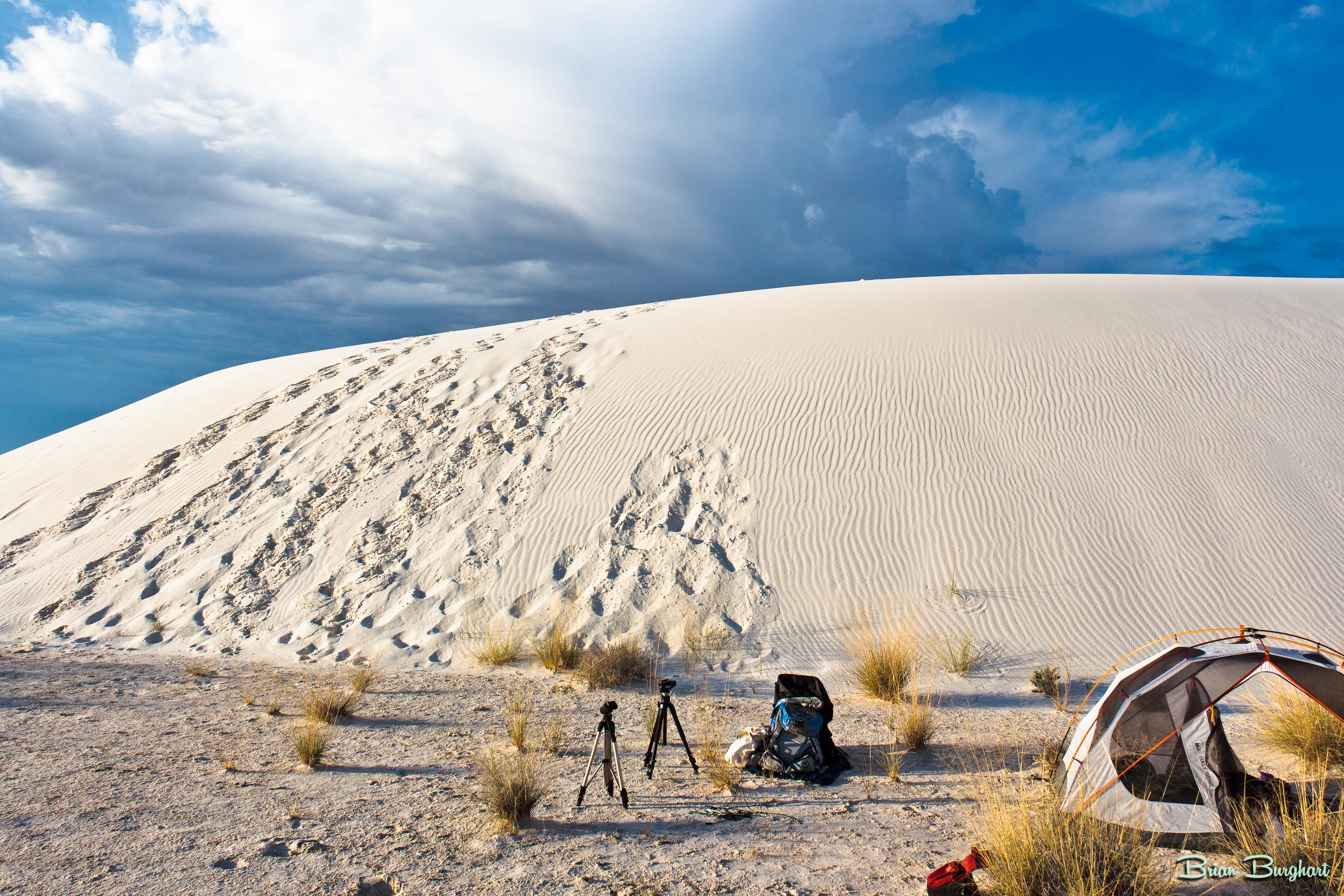
White Sands Backcountry Camping: Closed for 2026 — What to Know
As of 2026, backcountry camping at White Sands National Park is closed for site rehabilitation. What that means, and where to camp nearby instead.
Weather Guide
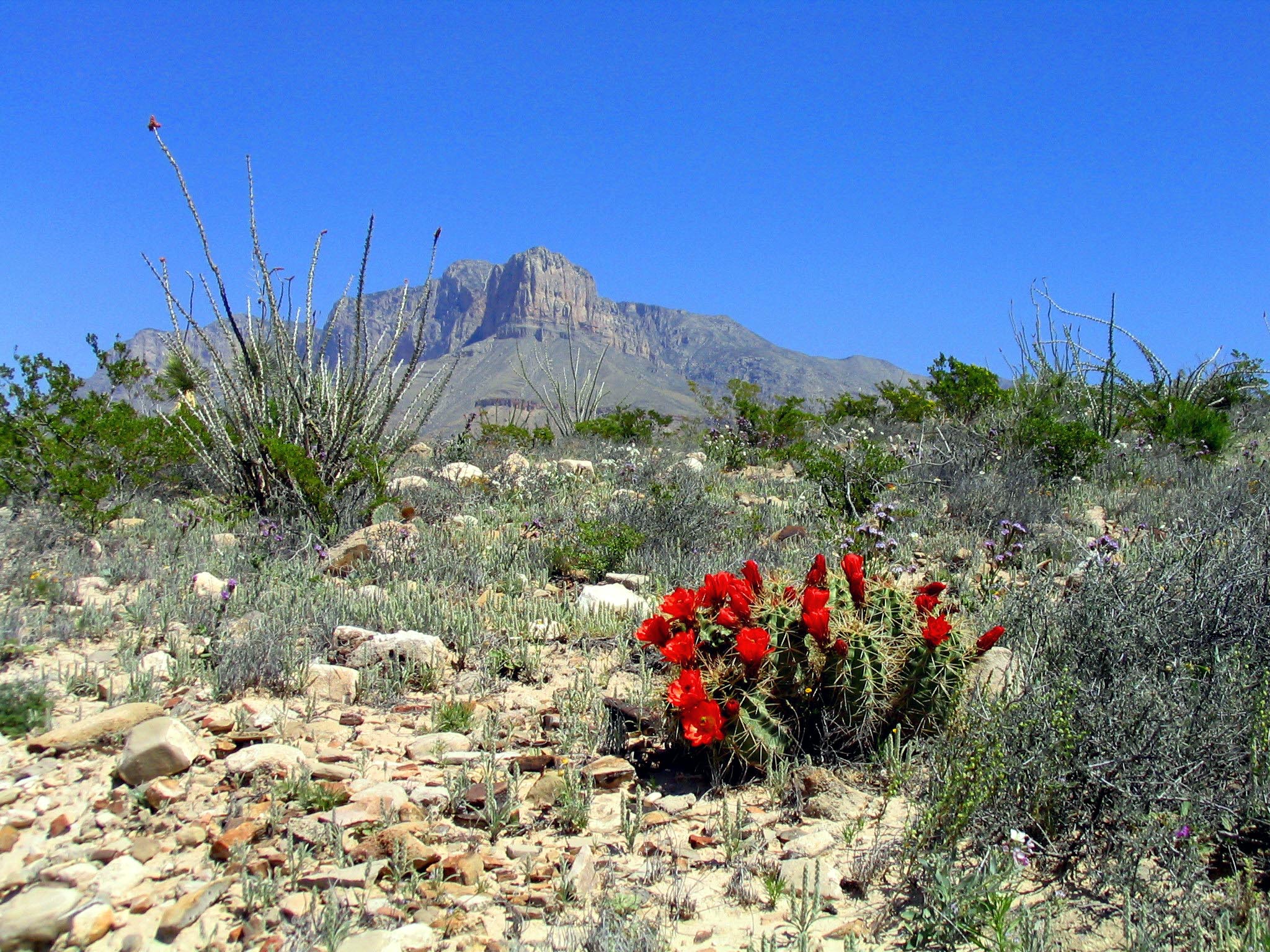
Guadalupe Mountains National Park Weather: Weather
Guadalupe Mountains National Park: weather guide guide updated 2026. Practical visitor information, reservations, and seasonal tips worth bookmarking before
Best Of
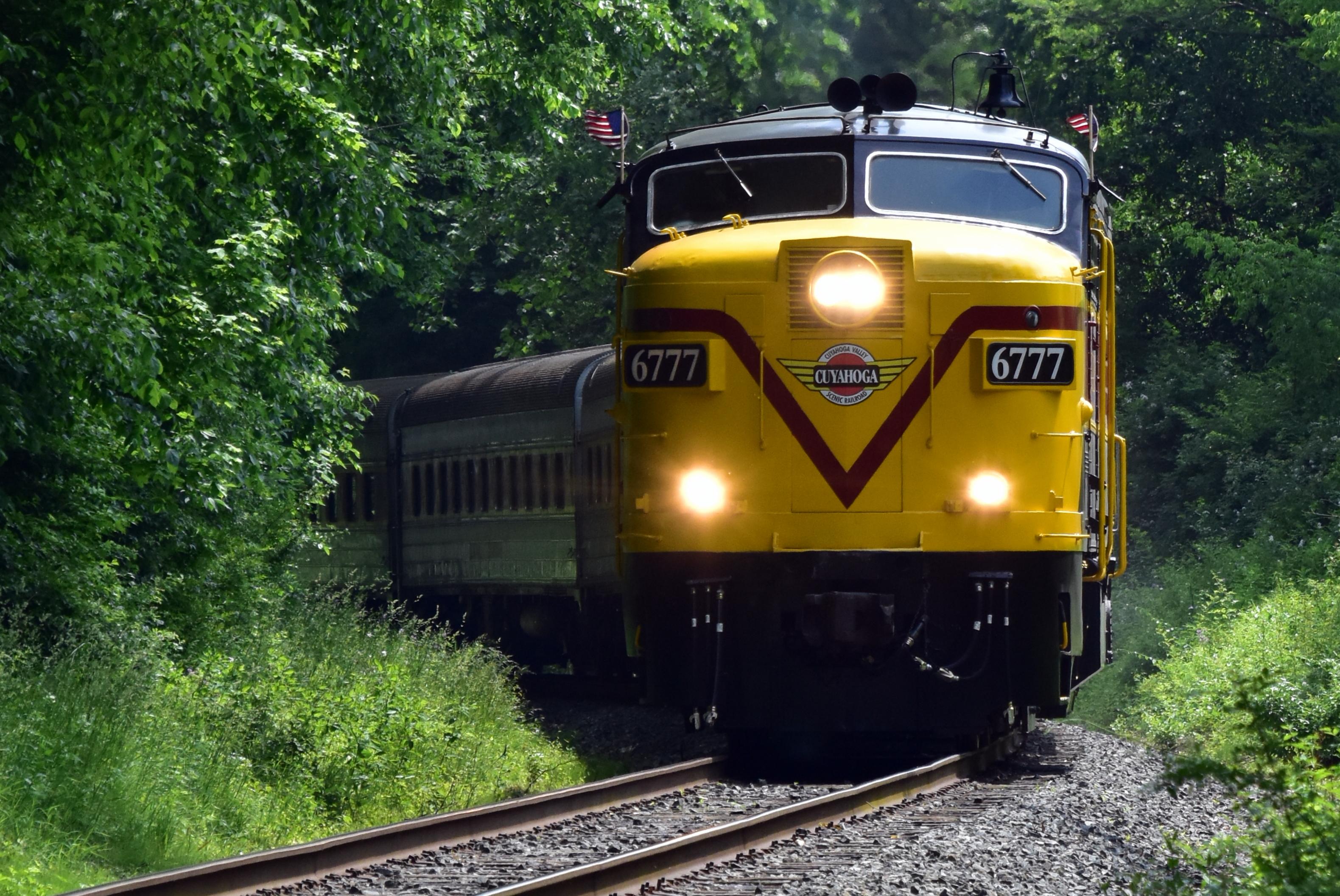
Best of Cuyahoga Valley National Park: Best Things to Do
Seeing a Cleveland Orchestra concert with the woods as your backdrop is a uniquely Cuyahoga Valley experience.
Sign in to join the conversation.
Sources & Attribution
Location data courtesy of the National Park Service (U.S. Department of the Interior). NPS data is public domain. Official NPS page.
Images: NPS.
Map data © OpenStreetMap contributors.
Park operations alerts: NPS.gov · Weather and weather hazards: National Weather Service · Live conditions.
Information may change. Always verify fees, hours, and conditions directly with the official source before visiting.
Did this guide help? Share it with a friend.