Plan your trip around July. That's the single best month to visit North Cascades National Park - the sweet spot where snow has retreated from most trails, summer temperatures settle in the comfortable 70s °F, and the notorious Pacific Northwest storms take a backseat to long, clear days. By mid-July, the high country is accessible. By early August, you'll share the trail with more people. But July offers the best trade-off: great conditions, fewer crowds, and the full alpine experience before wildfire season picks up.
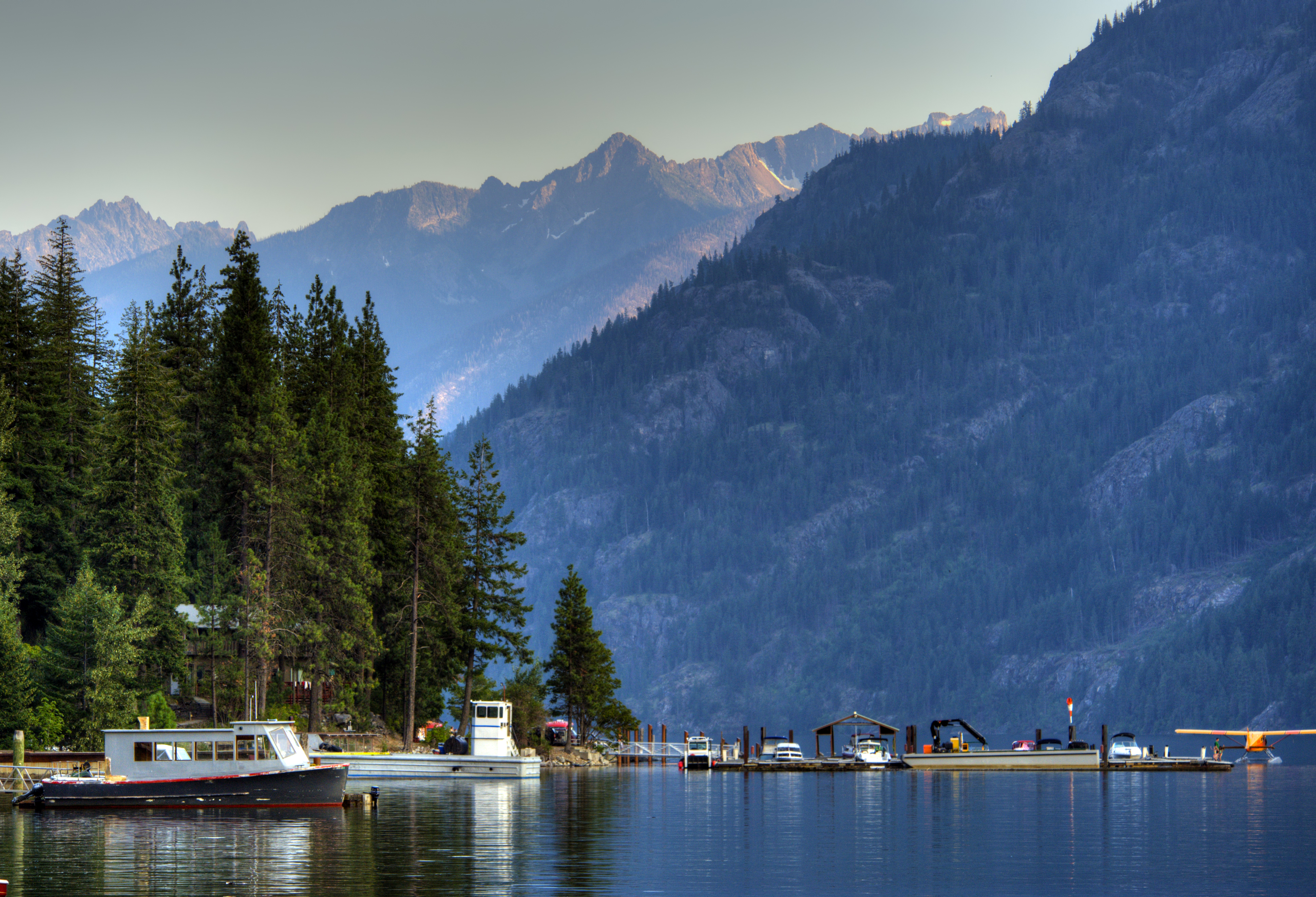
NPS via NPS.gov (Public Domain)
Best of North Cascades National Park: Best Month to Visit (2026)
10 min read
Best Of
Plan your North Cascades trip for July, when snow has cleared from most trails and temps sit in the 70s. Get tips on beating crowds and navigating road closures.
This article contains affiliate links — we may earn a small commission at no extra cost to you.
If you're set on fall colors, early September is a strong second choice - cooler, less busy, but with shorter days and the occasional early snow. For now, we'll focus on July as your target window. Use this guide to prioritize your limited time, whether you've got one day or a week.
If You Only Have One Day
Start before 7 AM. The parking situation along State Route 20 - the only road through the park - fills fast, especially at popular trailheads. Drive east from Sedro-Woolley on SR 20 (North Cascades Highway) toward the heart of the complex. Your first stop: the North Cascades Visitor Center in Newhalem for a park map and current conditions. But don't linger - you have a long day ahead.
Head straight to the Cascade Pass Trail. It's a 7.4-mile roundtrip hike that delivers the kind of glacier-studded views that define this park. The trailhead is off Cascade River Road, but as of 2026, that road is closed to vehicles at milepost 20 (Eldorado). That adds two miles of walking each way from the closure gate to the actual trailhead. Yes, it's extra effort, but it's worth it - the pass offers a front-row seat to peaks, glaciers, and the sound of ice cracking in the morning sun. The extra miles also mean fewer people.
By afternoon, descend and drive east on SR 20 to the Colonial Creek South Campground area and take the short walk to the Diablo Lake Overlook - if the road is open. Currently, SR 20 is closed at milepost 130 near Colonial Creek, so check WSDOT conditions before you go. If the overlook is inaccessible, skip it and instead pull off at the Gorge Creek Falls overlook (west side) or the Ross Dam Trail for a quick lake view.
Wrap your day with a picnic dinner at the Newhalem Creek picnic area, then drive back out before dark. Wild animals are active at dusk - keep your eyes open for black bears and deer along the highway.
For a full planning resource, see our complete visitor guide.

The Top Experiences, Ranked
These are ranked by return-on-effort for a first-time visitor in the July window. Distances and times reflect typical summer conditions.
#1 - Cascade Pass Trail: The quintessential North Cascades hike
- Why it makes this list: It's the most accessible alpine pass that puts you face-to-face with glaciers and jagged peaks without requiring mountaineering gear. The 7.4-mile roundtrip is moderate, and the payoff - views of Johannesburg Mountain, Sahale Arm, and the Eldorado Glacier - is unmatched for the effort.
- What it requires: 3-5 hours hiking time, plus the extra two miles each way from the current road closure (Cascade River Road closed at milepost 20). Moderate fitness, sturdy boots, and a full water supply. No technical climbing needed.
- The single best tip: Go early - start hiking by 8 AM. You'll beat the heat and the crowd. The parking at the trailhead (when road is open) fills by 9 AM. With the road closure, foot traffic is lighter, but you'll still want an early start.
- What most visitors do wrong: They underestimate the extra two miles from the closure. That adds about 1.5 hours of walking on pavement before you even reach the trailhead. Pack extra water and snacks for the whole day. Also, many forget sunscreen - the alpine sun is intense even when the air is cool.
- Link: For more trail details, check our hiking trails guide.
#2 - Paddle the Skagit River Chain (Diablo, Ross, or Gorge Lake)
- Why it makes this list: The turquoise waters of Diablo Lake are the park's most iconic visual. Getting on the water is the best way to experience that color up close. You can rent kayaks or canoes, or bring your own. Put-ins at Gorge Lake, Diablo Lake (Colonial Creek South), and Ross Lake (Hozomeen area).
- What it requires: Half-day commitment. Boat rentals available at the Diablo Lake boat launch area. Skill level: easy for calm lakes, moderate if wind picks up. Bring a dry bag and a life jacket.
- The single best tip: Launch by 10 AM for glassy water and perfect reflections. By noon, boat traffic increases and the wind often picks up.
- What most visitors do wrong: They assume the Diablo Lake boat launch is fully operational. As of 2026, the ramp at Colonial Creek South is not usable for powerboats due to sediment accumulation. For kayaks and canoes, you can carry your craft to the water's edge - but it's shallow. Plan accordingly.
#3 - Eastside Escape: Stehekin and Lake Chelan
- Why it makes this list: The east side of the range is a completely different world - drier, warmer (summer temps reach the 90s °F), and accessible only by ferry or plane from Chelan. It's the park's most remote and relaxed experience, with a historic settlement, hiking trails like the Lakeshore Trail, and the chance to see the fire-adapted landscape.
- What it requires: At least two days, factoring in ferry schedules. The Lake Chelan ferry runs daily in summer. You can camp at Lakeview Campground (walk-in, $20/night) or Harlequin Campground (7 sites, $20/night).
- The single best tip: Book your ferry tickets early - they sell out in July. Also, pack for heat: Stehekin temperatures often hit 90°F by afternoon.
- What most visitors do wrong: They underestimate the ferry time. The trip from Chelan to Stehekin takes about 2 hours one way. Plan to arrive at the dock at least 30 minutes early.
#4 - Rafting the Skagit River
- Why it makes this list: The Skagit River offers Class III-IV rapids in summer, a thrilling way to see the canyon from river level. Commercial trips run from Sedro-Woolley into the park.
- What it requires: Half-day or full-day trip. No experience needed - guides handle the technical work. Age/minimum weight restrictions may apply. Cost varies by outfitter.
- The single best tip: Book a morning trip for calmer winds and lower crowds. The Skagit's water levels drop as summer progresses, so July offers the best flow.
- What most visitors do wrong: They show up without a reservation. All rafting outfitters require advance booking in summer.
#5 - Day Hike to Easy Pass Trail
- Why it makes this list: A steep but rewarding 7.4-mile roundtrip to a mountain pass with panoramic views of the North Cascades. Less crowded than Cascade Pass.
- What it requires: Strenuous hike - 2,500+ feet elevation gain. Full day (5-7 hours). Trailhead is on SR 20 near milepost 152.
- The single best tip: Do this hike in late July or early August, when wildflowers are at their peak. Lupine, paintbrush, and daisies carpet the meadows.
- What most visitors do wrong: They underestimate the steepness - the trail gains most of its elevation in the last two miles. Bring trekking poles and extra water.
#6 - Backcountry Camping (2-14 Days)
- Why it makes this list: North Cascades is one of the wildest places in the lower 48. Permits are required, but the solitude is worth the paperwork. The Bridge Creek Trail (Pacific Crest Trail segment) offers a classic multiday route.
- What it requires: Backcountry permit, bear canister (required), good navigation skills. Terrain ranges from forested valleys to alpine tundra.
- The single best tip: Start planning in winter - permits for popular routes like the Pacific Crest Trail segment fill quickly. July is prime for snow-free travel above 6,000 feet.
- What most visitors do wrong: They assume cell service exists. It doesn't. Print your maps and carry a compass. Also, note that campfires are prohibited in most backcountry zones.
#7 - Motorboating on Ross Lake
- Why it makes this list: Ross Lake is a 24-mile-long reservoir accessible from the north (Hozomeen) or via the Ross Dam Trail. Motorboats are allowed, and the lake is perfect for exploring inlets and camping at remote sites.
- What it requires: Boat with a valid registration. Put-in at Hozomeen (free, first-come) or via the Ross Lake Resort's water taxi. Hozomeen gate is currently closed to cross-border traffic - you must enter from the US side.
- The single best tip: Hozomeen Campground (75 sites, free) operates late May through October. First-come, first-served. Arrive on a weekday to secure a site.
- What most visitors do wrong: They don't check the Hozomeen gate status. As of 2026, the gate remains closed for border security - you cannot drive from Canada. Access is only from the south via the Ross Dam Trail or boat from the Diablo area.

What Most People Miss
The standard highlight reel skips these off-the-beaten-path experiences that experienced visitors consistently return for.
- The Historic Buckner Orchard near Stehekin - A century-old apple orchard that reopens for public picking in season. It's a short hike from the Stehekin Valley Road, and the apples are genuine heirloom varieties. Pair it with a stop at the Stehekin Pastry Company (cash only, open summer) for a pie slice.
- The east-west weather contrast, in one day - Drive SR 20 from west to east. You'll pass from rainforest-like forests near Newhalem (60 inches of rain annually) to near-desert conditions east of Washington Pass (20 inches). Stop at the Rainy Pass trailhead for a quick walk into the alpine, then continue to the drier, pine-scented slopes near Lone Fir.
- Agnes Gorge Trail - A 5-mile roundtrip hike that delivers a slot canyon and waterfall without the crowds of Cascade Pass. It's off the beaten path near the North Cascades Environmental Learning Center. The trail is easy and family-friendly.
- The Natural Sounds program - Rangers recommend sitting still for 10 minutes at the Diablo Lake Overlook (when open) or in a quiet forest. The park actively preserves natural quiet - you'll hear birds, wind, and the occasional cracking glacier. It's a meditative experience most visitors rush past.

What's Overrated (and Better Alternatives)
Diablo Lake Overlook - Yes, the view is world-class. But the overlook is a tight pullout on SR 20, and during July it's swarming with people. More importantly, as of 2026, SR 20 is closed at milepost 130, cutting off access to the overlook entirely. Even when open, the experience is 30 seconds of taking a photo and leaving. Better alternative: Hike the Diablo Lake Trail (7.6 miles roundtrip) - you get peek-a-boo views of the same lake from above, with far fewer people and a deeper connection to the landscape.
The North Cascades Highway scenic drive itself - The highway is beautiful, but in July it's often a parade of RVs and cyclists. Stopping at every pullout wastes time. Better alternative: Pick two or three pullouts (Gorge Creek Falls, Washington Pass Overlook, and the Lone Fir area) and spend the rest of your day on a trail. The park's best views are earned on foot, not from a car window.
Colonial Creek North Campground - It's the largest campground (93 sites at South, 38 at North), and it's often full by noon. The sites are close together, and noise carries. Better alternative: Book a spot at Goodell Creek Campground (19 sites, $20) or Newhalem Creek Campground (107 sites, $24). They're quieter and have better tree cover. Or consider the free Hozomeen Campground if you're willing to drive to the north end.

Practical Takeaways
- Book your July trip in late winter or early spring. Permits for backcountry camping go fast. Campgrounds like Colonial Creek South and Newhalem Creek fill daily.
- Check NPS alerts before you go. As of 2026, SR 20 is closed at milepost 130, Cascade River Road is closed at milepost 20, and the Diablo Lake boat launch is silted in. Conditions change rapidly - don't assume your intended route is open.
- Pack for all four seasons in one day. July temperatures can range from 40°F at dawn to 80°F by noon, with sudden thunderstorms. Layers, rain jacket, hat, and sunscreen are non-negotiable.
- Cell service drops out completely beyond the first few miles of SR 20. Download offline maps of the park beforehand. The only payphone is at the North Cascades Visitor Center.
- Carry bear spray and know how to use it. Black bears are common, especially in berry season (July-August). Store food in bear-proof containers at all campgrounds.
- Gas up in Sedro-Woolley, Marblemount, or Winthrop before entering the park. There is no fuel inside the park complex. Distances are deceptive - you can drive 100 miles between stations.
- Respect the peregrine falcon closures between March and July 15. Newhalem Crag East and West are closed to climbing during nesting season. Fines apply.
- The best month to visit North Cascades National Park is July, but the best specific week is the third week of July - after Independence Day crowds thin and before August heat arrives. If you want solitude, aim for a Tuesday-Thursday visit. Weekends are packed.
- Alternate "best month to visit North Cascades National Park" for fall color enthusiasts: Mid-September. Larches turn gold, elk bugle in the valleys, and the weather is still pleasant but cooler. Trails are less crowded, but some high passes may have early snow.
- Ignore the GPS coordinates in the park brochure - they're for the administrative address in Sedro-Woolley, not the actual park entrance. Your GPS will try to take you to the visitor center. Instead, input "Marblemount" as a waypoint, then follow SR 20 east.
For the full picture on when to come and what to expect, read our best time to visit guide. And when you decide on your dates, check current camping options to secure a spot.
The North Cascades are wild, rugged, and never predictable. July gives you the best odds of getting where you want to go - but always stay flexible. That's the North Cascades way.
Recommended Gear
What experienced visitors bring to Best of North Cascades National Park: Best Month to Visit (2026)
Links may earn us a commission at no extra cost to you. We only recommend gear we believe in.
Hiking Essentials
Hydration Pack (3L)
Hands-free water for long trail days
Trekking Poles (Pair)
Save your knees on steep descents
Hiking Boots (Ankle Support)
Sturdy footwear for rocky, uneven trails
Sun & Heat Protection
Wide-Brim Sun Hat
Full coverage UPF 50+ protection at altitude
Insulated Water Bottle (32oz)
Keeps water cold in desert heat all day
Winter Gear
Microspikes / Traction Devices
Essential for icy rim trails in winter months
Packable Down Jacket
Lightweight warmth that stuffs into a pocket
Sources
- Official source: NPS — North Cascades National Park nps.gov/noca/index.htm
Photo Gallery
More to Explore
Park Guide
Acadia National Park: Carriage Roads, Cadillac Mountain & 2026 Guide
Discover carriage roads, Cadillac Mountain, and rugged Maine coast. Complete 2026 guide to Acadia National Park — trails, fees, lodging, permits, and what rangers recommend.
Hiking Guide
Grand Canyon Hiking Trails: Day Hikes, Water Sources & Rim to Rim
Compare Grand Canyon hiking trails: Bright Angel, South Kaibab, Hermit, Grandview, and rim to rim, with distances, elevation, water stops, and trailhead access for each.
Best Of
Best of Glacier Bay National Park
The best of Glacier Bay is reached by boat: ranger-led day tours up the bay to the tidewater glaciers. What's worth it, how to book, and when to go (2026).
Campsite Guide
White Sands Backcountry Camping: Closed for 2026 — What to Know
As of 2026, backcountry camping at White Sands National Park is closed for site rehabilitation. What that means, and where to camp nearby instead.
Weather Guide
Guadalupe Mountains National Park Weather: Weather
Guadalupe Mountains National Park: weather guide guide updated 2026. Practical visitor information, reservations, and seasonal tips worth bookmarking before
Best Of
Best of Cuyahoga Valley National Park: Best Things to Do
Seeing a Cleveland Orchestra concert with the woods as your backdrop is a uniquely Cuyahoga Valley experience.
Sign in to join the conversation.
Sources & Attribution
Location data courtesy of the National Park Service (U.S. Department of the Interior). NPS data is public domain. Official NPS page.
Images: NPS; NPS; NPS; NPS; NPS.
Map data © OpenStreetMap contributors.
Park operations alerts: NPS.gov · Weather and weather hazards: National Weather Service · Live conditions.
Information may change. Always verify fees, hours, and conditions directly with the official source before visiting.
Did this guide help? Share it with a friend.