The Skagit River runs fast and cold through this stretch of old growth, and Goodell Creek Campground sits right on its banks. Nineteen sites, a mix of tent and small RV spots, tucked under a canopy of cedar and fir. This is North Cascades National Park's year-round campground, and about half the people who pull in here are caught off guard by how it works.
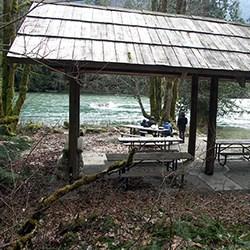
NPS via NPS.gov (Public Domain)
Goodell Creek Campground: Year-Round Sites on the Skagit (2026 Guide)
6 min read
Campsite Guide
The Skagit River runs fast and cold through this stretch of old growth, and Goodell Creek Campground sits right on its banks.
Your plans
For more, see Newhalem Creek Campground at Newhalem Creek Campground North Cascades National Park (2026 Guide).
Most first-time visitors assume all campgrounds in the park operate the same way. They don't. Goodell Creek Campground at North Cascades National Park has a seasonal split that determines everything - whether you need a reservation, whether you pay, and whether you will find water at the spigot. Understanding that split is the single most useful thing you can do before arrival.
Location and Getting There
Goodell Creek Campground sits at milepost 119 on State Route 20, thirteen miles east of Marblemount and seventy-four miles west of Winthrop. If you are approaching from the west, you will pass through the tiny town of Sedro-Woolley first, then Marblemount, then the campground appears on your left just past the turn for the North Cascades Environmental Learning Center.
The physical address is Sedro-Woolley, WA 98284, though that town is about an hour west. GPS will get you there. Cell service drops out at unpredictable points along this stretch of SR 20, so pull up directions before you leave the last reliable signal.
Rangers will tell you that the parking situation here is straightforward - each site accommodates two vehicles - but the real bottleneck is the road itself. State Route 20 is closed at milepost 130, which means you cannot access the Diablo Lake Overlook or continue east through the park. This puts Goodell Creek in an interesting position: it is one of the last accessible campgrounds on the west side of the closure.
If you are planning a trip that involves the Cascade River Road, be aware that road is closed to vehicles at milepost 20 (Eldorado), about two miles before the trailhead. Foot and bicycle traffic is permitted beyond the gate. Do not block the gate.
Fees and Reservations
Here is where the seasonal split matters most.
Summer Season (Late May to Mid-September)
Reservations are required during this window. You can book through recreation.gov up to six months in advance or as late as seven days before arrival. The fee is $20.00 per site per night, which includes the reservation service charge. That covers up to eight people, three tents, and two vehicles.
Check-out time is 12 pm on the day of departure.
Most visitors underestimate how fast the summer sites fill. Weekends book out weeks in advance. If you are flexible on dates, you will have more luck midweek.
Fall Season (First Week of September to Mid-October)
Once reservations end the first week of September, the campground switches to first-come, first-served. The fee remains $20.00 per site per night while potable water and trash services are still running. You pay through pay.gov at the campground's payment portal.
Winter Season (Mid-October to Late May)
From October to mid-May, Goodell Creek Campground charges no fee. Zero. The water spigots are turned off, trash service stops, and the only facilities available are vault toilets. Campers who do not mind winter camping will find the place nearly empty.
The common mistake - and almost everyone makes it - is assuming you need to pay during winter because the campground is open. You do not. The park service stops charging fees when services stop. Bring your own water. Pack out your trash.
Campground Features and Layout
The nineteen sites are arranged along a single loop road. The surface is packed gravel, suitable for tents and small RVs. Big rigs will struggle here - there is no dump station, no hookups, and the turning radius through the loop can be tight for anything over twenty-five feet.
What You Will Find
- Vault toilets year-round
- Potable water from Memorial Day weekend through mid-September
- Garbage service during the same window
- No showers
- No dump station
- No electric hookups
Site Selection
Sites closer to the river get more noise from the water - which most campers consider a feature, not a bug. Sites further back are quieter but catch more road noise from SR 20.
There are no electric hookups at any site. If you need power, you will need to bring a generator and follow quiet hours.
What to Know Before You Go
Current Closures and Conditions (2026)
A few things are affecting access this year.
State Route 20 is closed at milepost 130 (Colonial Creek Campground). This means you cannot reach Diablo Lake Overlook or continue east through the park from this campground. The closure is in both lanes. Check the WSDOT real-time map before heading out.
Peregrine falcon nesting closures are in effect from March 1, 2026 to July 15, 2026. Newhalem Crag East and Newhalem Crag West (Ryan's Wall) are closed to all public use.
Diablo Lake boat launch at Colonial Creek South Campground is inaccessible to most powerboats due to silt accumulation. Expect shallow or no water at the launch ramp. You may need to carry your boat to the water.
Security Alert
Break-ins are not uncommon at trailheads along State Route 20. Rangers will tell you to remove all valuables and electronics from your vehicle before hiking. Take the associated charging cords, too - thieves look for those as a sign that electronics are hidden somewhere in the car. This is a real problem, not hypothetical.
What the Park Website Does Not Mention
The website will tell you the campground is open year-round. What it will not emphasize is how different the experience is between summer and winter.
Summer: crowded, noisy with generators and kids, water available, reservations required, $20 a night.
Winter: nearly empty, silent except for the river, zero services, free.
Anyone who has camped here in January understands why winter is the better season for solitude. The trade-off is that you will need to carry all your water and pack out everything you bring in.
Nearby Recreation
The campground has a raft and kayak launch on the Skagit River. Fishing is available on the Skagit and its tributaries. The river runs cold and powerful - not a swimming river for most of the year.
The trail narrows here for hikers heading into the backcountry. The nearby trails off SR 20 give access to old growth forest, but check current conditions at the visitor center before heading out. Some trails and camps remain closed due to fire activity - visit the park's fire closures page for current information.
Practical Takeaways
- Book summer sites early. Reservations open six months in advance on recreation.gov. Weekend sites go first.
- Winter camping is free. No water, no trash service, no charge. Bring everything you need.
- SR 20 is closed at milepost 130. You cannot cross the park east-to-west this season. Plan accordingly.
- Lock your vehicle. Remove everything visible. Break-ins happen at trailheads along this corridor.
- Carry water in winter. The spigots are turned off from mid-October through late May.
- Small RVs only. No hookups, no dump station. The loop road is tight for large rigs.
- Check the alerts page before departure. Closures change. Peregrine nesting closures, fire closures, and road conditions shift through the season.
- Fall is the sweet spot. September is first-come, first-served with water still running. Fewer people, lower pressure, same facilities.
- Pack out trash after mid-September. Once garbage service stops, you take everything with you.
- Know the limits. Eight people, three tents, two vehicles per site. The rangers do check.
Final Thoughts
Goodell Creek Campground is not fancy. It is nineteen sites in the woods with vault toilets and a river. But it is one of the few year-round campgrounds in this part of the park, and it sits at the edge of some of the most accessible old growth forest in Washington's North Cascades.
The seasonal split between summer and winter operations means you decide what kind of trip you want before you even arrive. Summer gives you services and crowds. Winter gives you silence and self-reliance. Both are valid choices, just different ones.
For the full picture of what this area offers, the complete visitor guide covers trails, weather windows, and gear recommendations in more detail. If you are comparing campgrounds in the area, the list of all campgrounds in this corridor will help you pick the right fit.
Pack your river shoes. The Skagit is worth the stop.
Sources
- Official source: NPS — North Cascades National Park nps.gov/noca/index.htm
- Official booking/facility record recreation.gov/camping/campgrounds/246852
More to Explore
Park Guide
Acadia National Park: Carriage Roads, Cadillac Mountain & 2026 Guide
Discover carriage roads, Cadillac Mountain, and rugged Maine coast. Complete 2026 guide to Acadia National Park — trails, fees, lodging, permits, and what rangers recommend.
Hiking Guide
Grand Canyon Hiking Trails: Day Hikes, Water Sources & Rim to Rim
Compare Grand Canyon hiking trails: Bright Angel, South Kaibab, Hermit, Grandview, and rim to rim, with distances, elevation, water stops, and trailhead access for each.
Best Of
Best of Glacier Bay National Park
The best of Glacier Bay is reached by boat: ranger-led day tours up the bay to the tidewater glaciers. What's worth it, how to book, and when to go (2026).
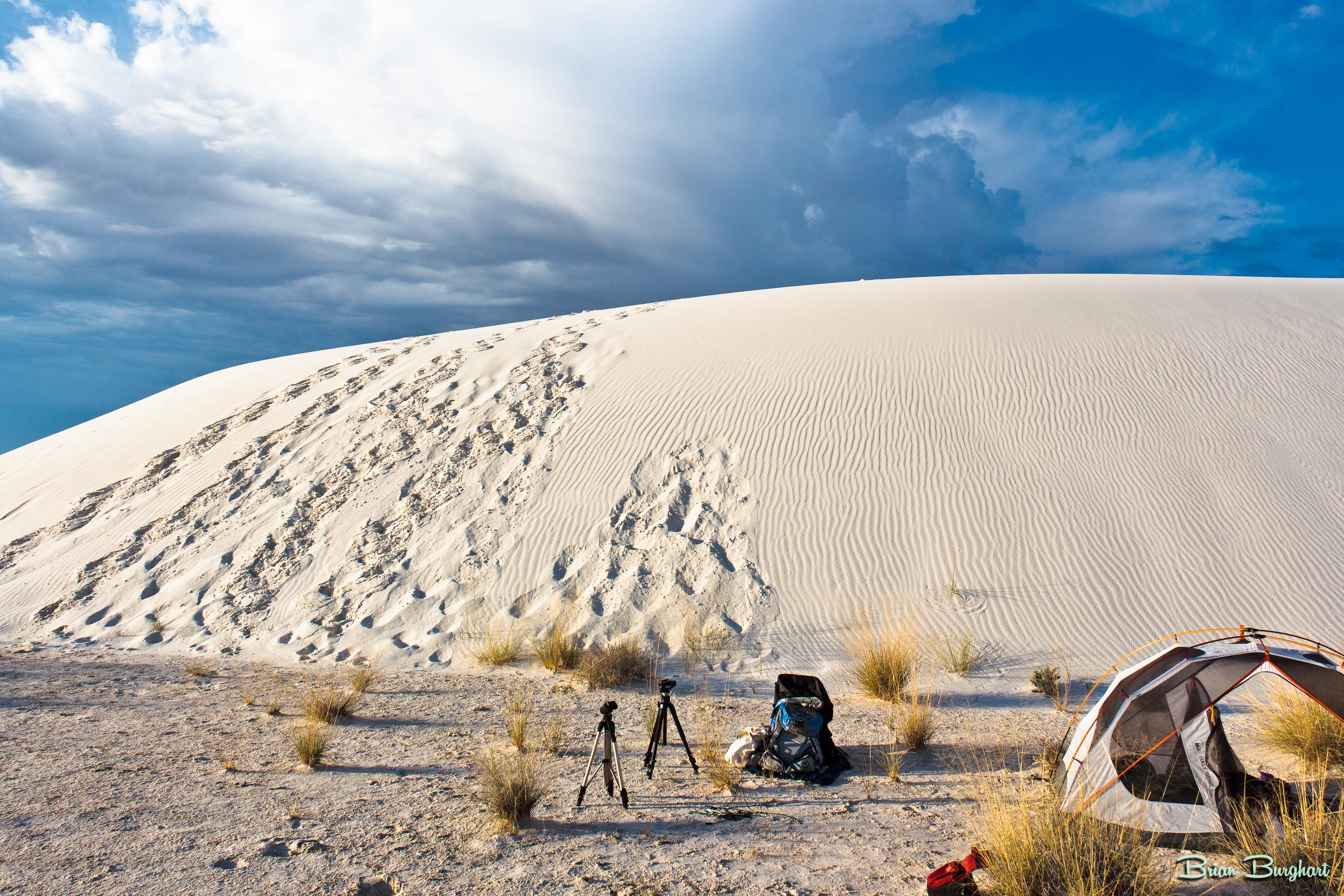
Campsite Guide
White Sands Backcountry Camping: Closed for 2026 — What to Know
As of 2026, backcountry camping at White Sands National Park is closed for site rehabilitation. What that means, and where to camp nearby instead.
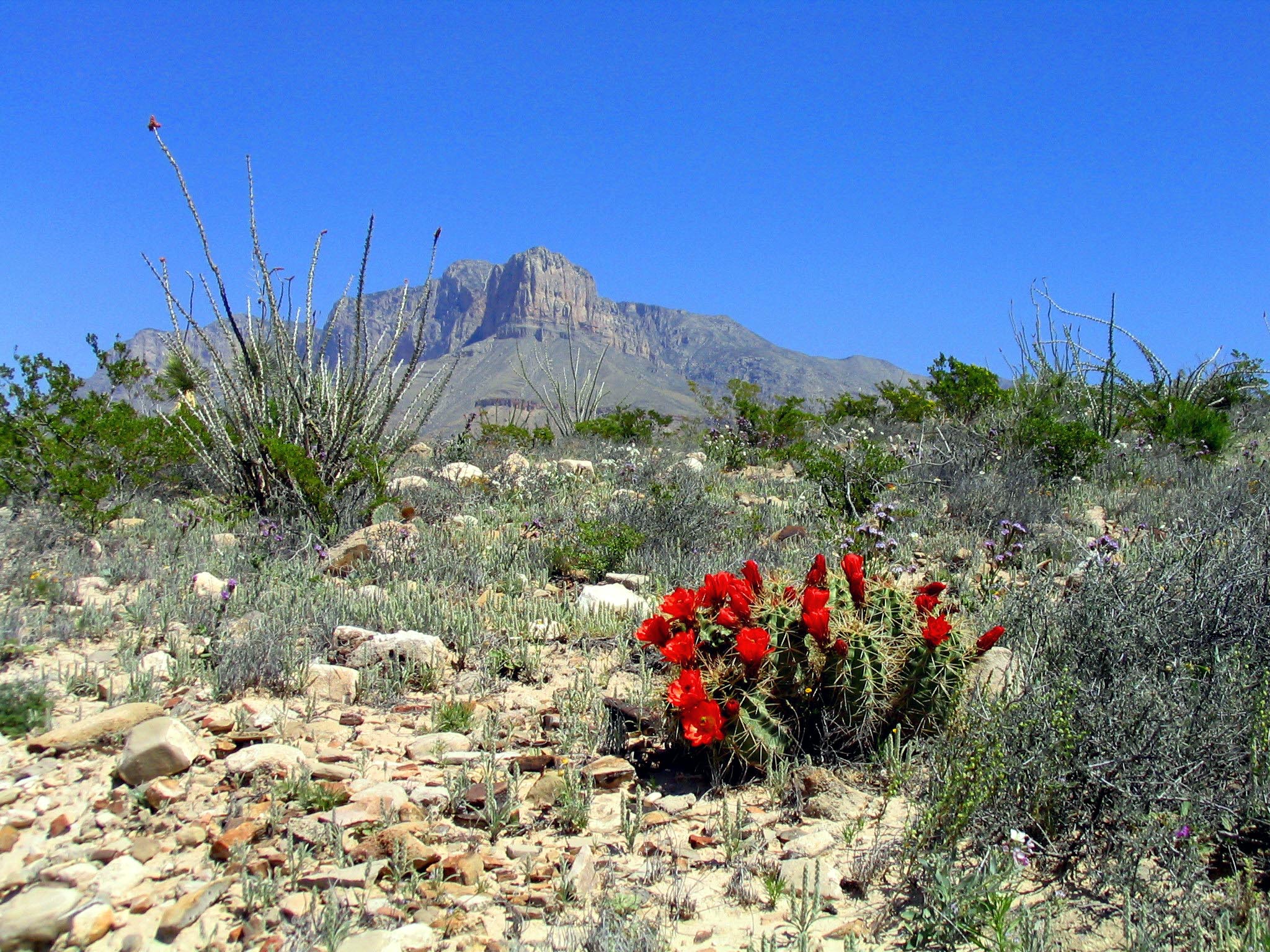
Weather Guide
Guadalupe Mountains National Park Weather: Weather
Guadalupe Mountains National Park: weather guide guide updated 2026. Practical visitor information, reservations, and seasonal tips worth bookmarking before
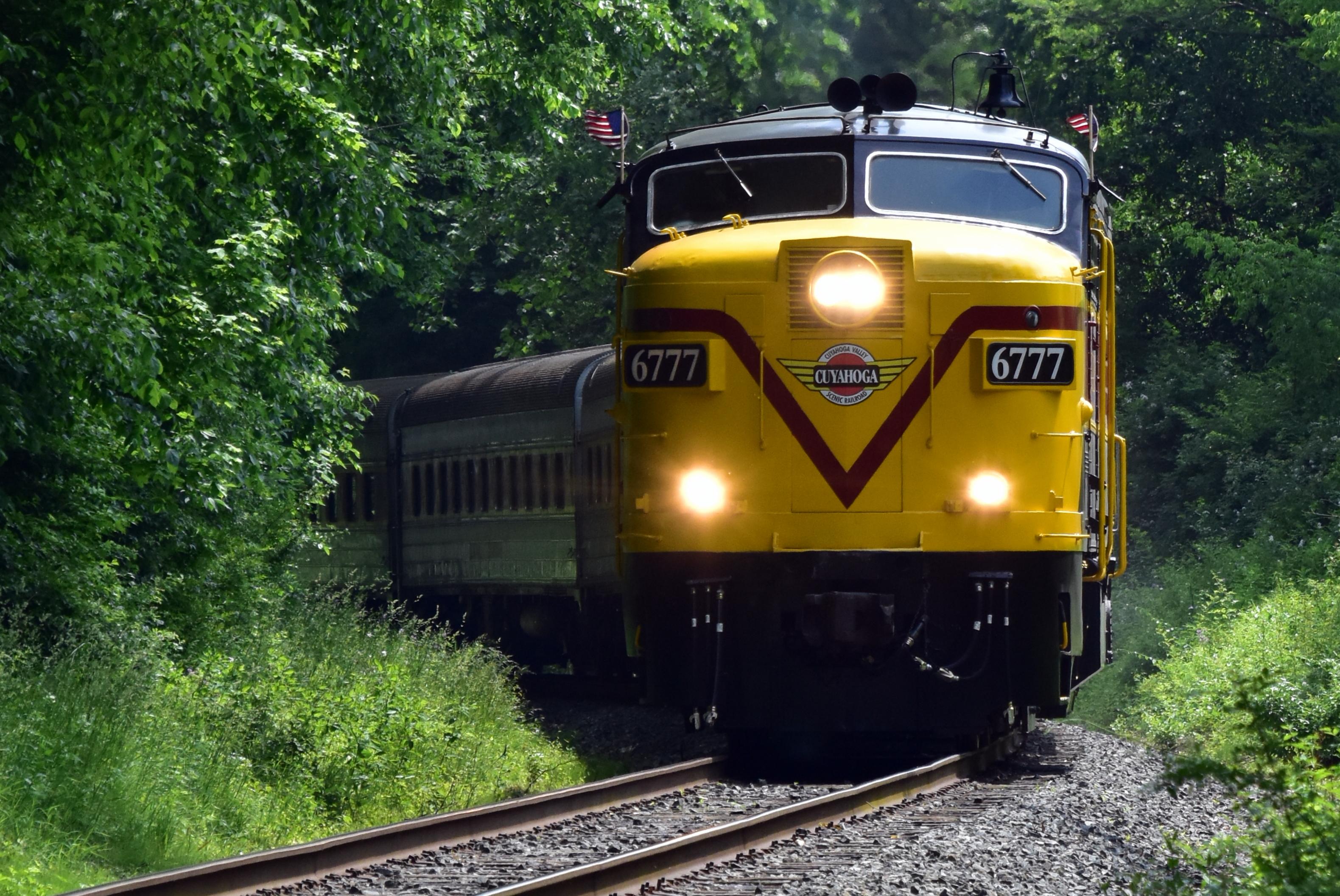
Best Of
Best of Cuyahoga Valley National Park: Best Things to Do
Seeing a Cleveland Orchestra concert with the woods as your backdrop is a uniquely Cuyahoga Valley experience.
Sign in to join the conversation.
Sources & Attribution
Location data courtesy of the National Park Service (U.S. Department of the Interior). NPS data is public domain. Official NPS page.
Images: NPS.
Map data © OpenStreetMap contributors.
Park operations alerts: NPS.gov · Weather and weather hazards: National Weather Service · Live conditions.
Information may change. Always verify fees, hours, and conditions directly with the official source before visiting.
Did this guide help? Share it with a friend.