Isle Royale National Park operates on a strict seasonal schedule. The park closes completely from November 1 through April 15—no exceptions. Visitor centers lock their doors, ferries cease operations, and Lake Superior's winter conditions make the island inaccessible. Your trip planning must begin with this fundamental constraint. During the open season, this remote Lake Superior wilderness offers trails and docks to those prepared for the journey. This guide addresses practical considerations: transportation logistics, trail conditions, lodging options, and navigating an ecosystem where wolf and moose populations exceed human visitors.
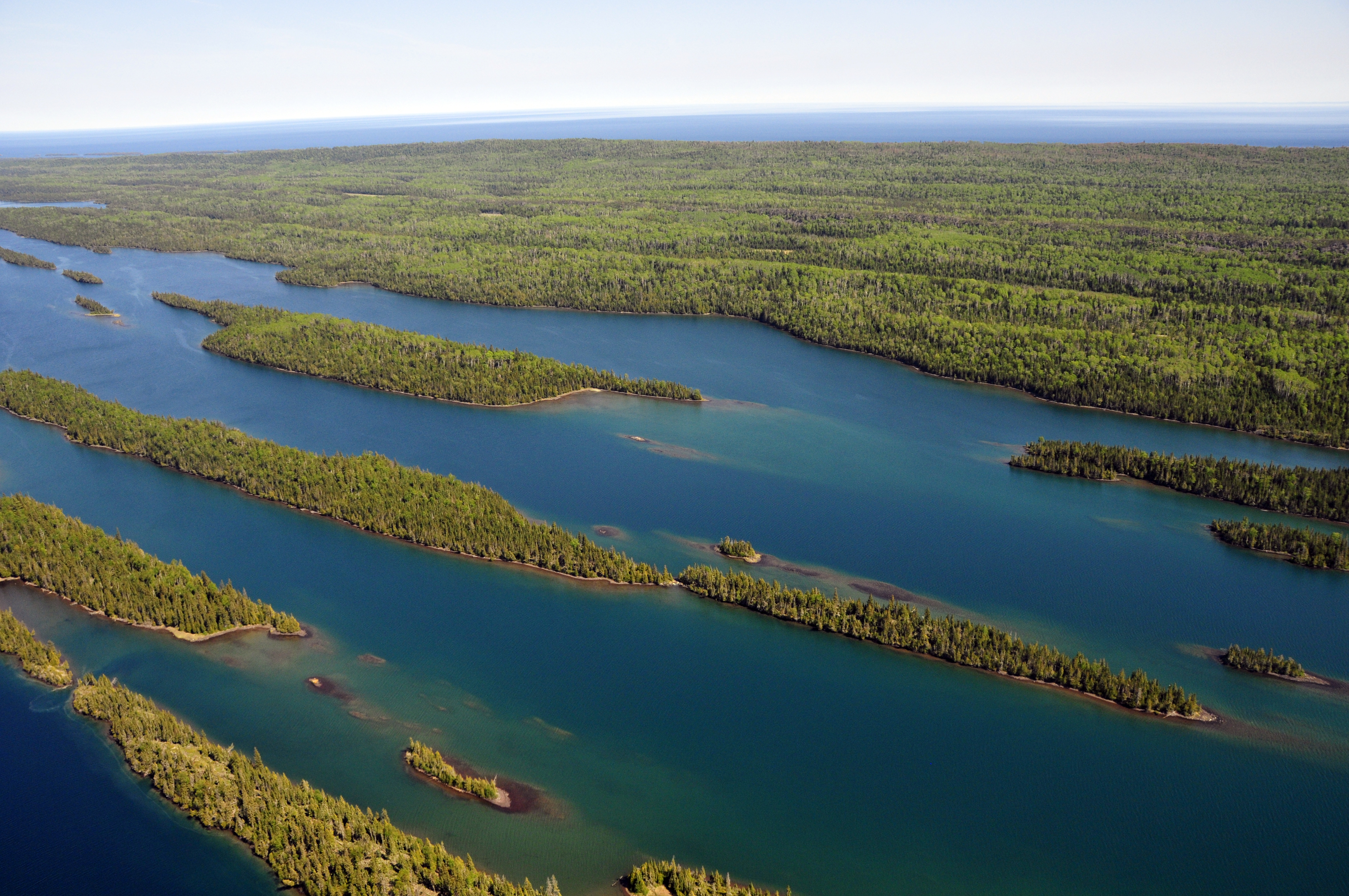
NPS via NPS.gov (Public Domain)
Isle Royale National Park: Wolf & Moose Wilderness Island - 2026 Guide
10 min read
Park Guide
Isle Royale National Park closes completely from November 1 to April 15. This (2026) guide covers ferry reservations, trails, lodging, and permits for the remote Lake Superior island.
Your plans
This article contains affiliate links — we may earn a small commission at no extra cost to you.
At a glance
Location
MI
Website
48.0193, -88.8519
Google MapsGetting There & Getting Started: The Journey is the First Challenge
Reaching Isle Royale requires deliberate planning. As the least-visited national park in the contiguous United States, its isolation is intentional—no bridges or causeways connect it to the mainland. Access depends entirely on ferry service or seaplane flights, both requiring reservations months ahead of your visit.
The Ferry Equation
Three main ferries service the island. Your choice dictates your experience.
The Ranger III is the park service's own vessel, a 165-foot ship that departs from Houghton, Michigan. It's a six-hour crossing to Rock Harbor. It carries both passengers and freight, which means it feels more like a working ship than a tour boat. The Isle Royale Queen IV runs from Copper Harbor to Rock Harbor in about three and a half hours. It's a smaller, faster passenger ferry. From Grand Portage, Minnesota, the Voyageur II and Sea Hunter serve both Windigo on the west end and Rock Harbor on the east, often making stops at intermediate points like McCargoe Cove. This is a popular choice for hikers looking to start a thru-hike at one end and finish at the other.
Reservations open in January for the summer season. They sell out, especially for weekend departures in July and August. Experienced visitors book their ferry the same day they book their flight to Michigan. Miss the boat, literally, and your trip is over before it starts.
The Seaplane Shortcut
Isle Royale Seaplanes, the sole concessionaire, flies from Houghton to both Rock Harbor and Windigo in under an hour. It's significantly more expensive than the ferry, but it buys you a full extra day on the island and offers a perspective you can't get any other way. The weight limits for luggage are strict - usually 25 pounds per person. You'll need to pack your backpacking gear with airline-level precision.
The First Stop: Visitor Centers & Permits
Upon arrival at either Rock Harbor or Windigo, proceed directly to the visitor center. All overnight visitors must obtain a backcountry permit—a requirement that includes a fee and a mandatory consultation with park staff. During this meeting, rangers review your itinerary, discuss current trail conditions and wildlife activity, and emphasize critical food storage protocols. These guidelines, updated in response to wolves accessing human food near Rock Harbor, require securing all food, trash, and scented items in provided metal lockers or proper hanging systems where lockers are unavailable. Compliance is essential; failure not only risks fines but endangers wolves through habituation.
The park sells entrance passes here if you don't have an America the Beautiful pass. Cell service drops out at the dock, and the park's WiFi is for official use only. Tell your family you'll be offline.

Navigating the Terrain: Trails, Not Sidewalks
The park service lists over 40 official hiking trails and activities. What that list doesn't convey is the texture underfoot. "Rocks and roots on trail" is the most common descriptor for a reason. These are wilderness paths, often primitively maintained. Your ankles will get a workout.
The Two Ridge Routes: Greenstone vs. Minong
Your backpacking trip will likely center on one of two ridge trails that form the island's spine.
The Greenstone Ridge Trail runs about 40 miles from Windigo to Rock Harbor (or vice versa). It's considered the main thoroughfare, traversing the island's highest points like Mount Desor and passing Ojibway Tower. The trail is more defined than others, but "more defined" still means rocky, rooty, and subject to sudden weather changes. Sections like the hike from Ishpeming Tower to South Desor (3.5 miles) roll through hardwood forest with few views, a place for quiet reflection between the big overlooks.
The Minong Ridge Trail is the park's challenge coin. Labeled "primitive" and "most challenging," it runs roughly parallel to the Greenstone on the north side. The trailhead is at Windigo or McCargoe Cove. A ranger will tell you the Minong has steeper inclines, more uncertain footing, and longer stretches between reliable water sources. The section from Little Todd to North Desor (5.7 miles) involves strenuous hill climbs over rocky ridges. It's for experienced navigators who don't mind a little bushwhacking sensation. The reward is deeper solitude and raw, unfiltered wilderness.
Key Day Hikes & Overlooks
Not everyone is here to backpack. If you're based at Rock Harbor Lodge or taking a shorter trip, target these day hikes.
The Mount Franklin Trail (2.5 miles round trip from the Three Mile Campground area) is a steep climb to one of the east end's best viewpoints. You'll see the length of Tobin Harbor and the vastness of Lake Superior.
The Huginnin Loop near Windigo is about 8.2 miles. It's a demanding day hike or an easy overnight. It shows you a bit of everything: remnants of old fisheries, rocky shorelines, and dense forest. It's the best way to sample the west end's character without committing to the full Greenstone.
For a flat, easy walk, the Tobin Harbor Trail (3 miles) connects Rock Harbor to the Mount Franklin trailhead. It's a gravel path used by backpackers to link routes, but it's peaceful and protected from the lake wind.
Lookout Louise, near the Rock Harbor terminus, gives you a view of Thunder Bay, Ontario, some 15 miles across the water. Grace Creek Overlook on the west end provides a shorter, accessible scenic stop with views of the creek and harbor. These are the punctuation marks in a hike, not destinations you drive to.

Where to Sleep: Shelters, Tents, and the Occasional Lodge
Your camping options on Isle Royale break down into three categories: tent sites, three-sided Adirondack shelters, and one rustic lodge.
The Shelter Lottery
The iconic Isle Royale accommodation is the three-sided wooden shelter. They're found at most lakeshore and popular inland campgrounds like Daisy Farm (which has 25 sites, many shelters), Moskey Basin, and McCargoe Cove. They have a wooden floor, a roof, and a picnic table. They sleep up to six. They do not keep out mosquitoes. They are first-come, first-served, and during peak season, they're occupied by early afternoon. The strategy is to hike early and aim to reach your planned campground by 2 PM if you want a shot at a shelter. If they're full, you pitch your tent on a designated tent pad. The shelters are prized because they mean you don't have to set up a tent in the rain or wind. They also have a mouse problem that is legendary. Hang your food pack from the provided pole inside the shelter, not from the rafters.
Tent Camping Reality
Tent sites are always available. Even when the shelters are full, the campgrounds rarely hit total capacity because the permit system controls numbers. Sites are spaced for privacy, often tucked into the trees. They always have a fire ring (though gathering firewood is prohibited - you must use downed wood or bring a stove) and a food storage locker. The locker is non-negotiable. At inland campgrounds like South Lake Desor or Chickenbone Lake, water comes from the lake. You'll need a filter. Treat all water, no exceptions.
The Lodge & Other Options
For those who want a roof and a bed, the Rock Harbor Lodge is the only game in town. It offers simple hotel rooms and cottages. It books up a year in advance for July and August. They have a dining room, a small store (where a bottle of water costs $4 - plan accordingly), and offer tours and guided experiences like fishing charters and boat shuttles to nearby islands like Raspberry Island, with its spruce bog boardwalk.
There is no RV camping, no glamping, no vacation rentals. Your lodging and accommodations choices are binary: rustic lodge or backcountry site.

Wildlife, Weather, and Wilderness Etiquette
This is a living laboratory. The wolf-moose predator-prey dynamic is the most famous study of its kind in the world. Seeing either is a matter of luck and timing, not a guarantee.
The Wolf & Moose Dynamic
As of 2026, the wolf population is stable after years of decline and subsequent reintroduction efforts. Moose are abundant, with over a thousand on the island. You are more likely to see a moose. They frequent wetland areas, especially at dawn and dusk. You might see one browsing in a inland lake like Lake Richie or hear the distinctive crunch of them moving through the brush. Give them a wide berth - a cow with a calf is not to be approached.
Seeing a wolf is rare. You might hear a howl at night, or see tracks on a muddy stretch of the Feldtmann Lake Trail. The park's wildlife viewing ethos is one of passive observation. Do not follow, call, or attempt to attract wildlife. The new food storage rules are a direct result of wolves losing their fear of human sites. A fed wolf is a dead wolf.
Lake Superior Rules the Weather
The best time to visit is a trade-off. July and August have the warmest temperatures (60s to 70s Fahrenheit) but also the most bugs - mosquitoes and black flies can be ferocious in the inland forests. September is cooler, with fewer bugs and fewer people, but you risk early season storms that can delay ferries for days. The lake temperature rarely gets above 50°F. A capsize without a drysuit is a life-threatening emergency in minutes, not hours.
Pack for all conditions. A sunny morning on the Greenstone Ridge can turn into a cold, windy, foggy afternoon. Rain gear is not optional. The damp chill of Lake Superior can penetrate even a good sleeping bag, so check your bag's temperature rating.
Leave No Trace, Isle Royale Edition
Beyond the standard principles, Isle Royale has specific rules.
Aquatic Invasive Species Inspection: If you bring a private boat or kayak, it must be inspected before launching. This is serious. They're trying to keep invasive species out of the island's pristine inland lakes.
Camp only in designated sites. The vegetation is fragile and recovers slowly.
Pack out all trash. There are no trash cans at backcountry campgrounds. You carry in, you carry out.
Use the outhouses. They're vault toilets. They're not pleasant, but they concentrate waste and protect water sources.

Practical Takeaways
- Book transportation first. Ferry and seaplane reservations are the foundational step. Do this as soon as bookings open in January for a summer trip.
- Plan a realistic daily mileage. Trail conditions slow you down. A 7-mile day on the rocky, rooty Minong Ridge is a full, strenuous day. Most itineraries average 5-8 miles between campgrounds.
- Treat water as a constant task. Filter or treat all water from lakes and streams. Campsites are spaced around water sources, but you'll need to collect and treat it each evening and morning.
- Embrace the shelter strategy, but have a tent. Aim to reach your campground by early afternoon to secure a shelter. Always be prepared to tent.
- Food storage is non-negotiable. Use the metal lockers at every campsite. If a locker is full, hang your bag properly. This protects you and the park's wolves.
- Pack for cold and wet. Even in August, include a warm hat, gloves, rain jacket and pants, and a sleeping bag rated for at least 20°F. Lake Superior's climate is subarctic.
- Check the "Current Conditions" page. Before you go, visit the park website for the latest on algal blooms (which have closed some inland lakes to swimming), trail washouts, and wildlife activity.
Final Thoughts
Isle Royale National Park doesn't cater to casual curiosity. It requires intention, preparation, and a tolerance for discomfort. The gift shop is small, the showers are few, and the trails will test your footing. What you get in return is a rare thing: silence broken only by wind and wave, the chance to walk a trail where you might not see another person for hours, and the profound sense of being a guest in a wild, self-regulating ecosystem. The common mistake is trying to see too much too quickly. The island rewards a slower pace, a willingness to sit at a campsite and watch a sunset over Moskey Basin, or to spend an extra hour at an overlook because the fog just lifted. It's not a park you check off a list. It's a place that gets into your boots, your pack, and your sense of what a national park can be. When the ferry pulls away from the dock at the end of your trip, you'll understand why it's closed for winter. It needs the rest. You might, too.
Recommended Gear
What experienced visitors bring to Isle Royale National Park: Wolf & Moose Wilderness Island - 2026 Guide
Links may earn us a commission at no extra cost to you. We only recommend gear we believe in.
Hiking Essentials
Hydration Pack (3L)
Hands-free water for long trail days
Trekking Poles (Pair)
Save your knees on steep descents
Hiking Boots (Ankle Support)
Sturdy footwear for rocky, uneven trails
Sun & Heat Protection
Wide-Brim Sun Hat
Full coverage UPF 50+ protection at altitude
Insulated Water Bottle (32oz)
Keeps water cold in desert heat all day
Winter Gear
Microspikes / Traction Devices
Essential for icy rim trails in winter months
Packable Down Jacket
Lightweight warmth that stuffs into a pocket
Sources
- Official source: NPS — Isle Royale National Park nps.gov/isro/index.htm
- Official source: National Park Service nps.gov/places/isle-royale-national-park.htm
Explore More National Parks

Voyageurs National Park: Minnesota's Lake Country by Boat - 2026 Guide
Discover Minnesota's lake country — a park explored only by boat. Complete 2026 guide to Voyageurs N...

Indiana Dunes National Park: Lake Michigan Dunes & Diverse Ecosystems - 2026 Guide
Discover Indiana Dunes National Park national park guide with our comprehensive guide. Expert tips,...

Cuyahoga Valley National Park: Ohio's River Valley Escape - Complete 2026 Guide
Cuyahoga Valley National Park: Ohio's River Valley Escape - Complete 2026 Guide Overview Why does th...

Gateway Arch National Park: Gateway to the West & America's Arch - 2026 Guide
Discover Gateway Arch National Park national park guide with our comprehensive guide. Expert tips, p...
Photo Gallery
More to Explore
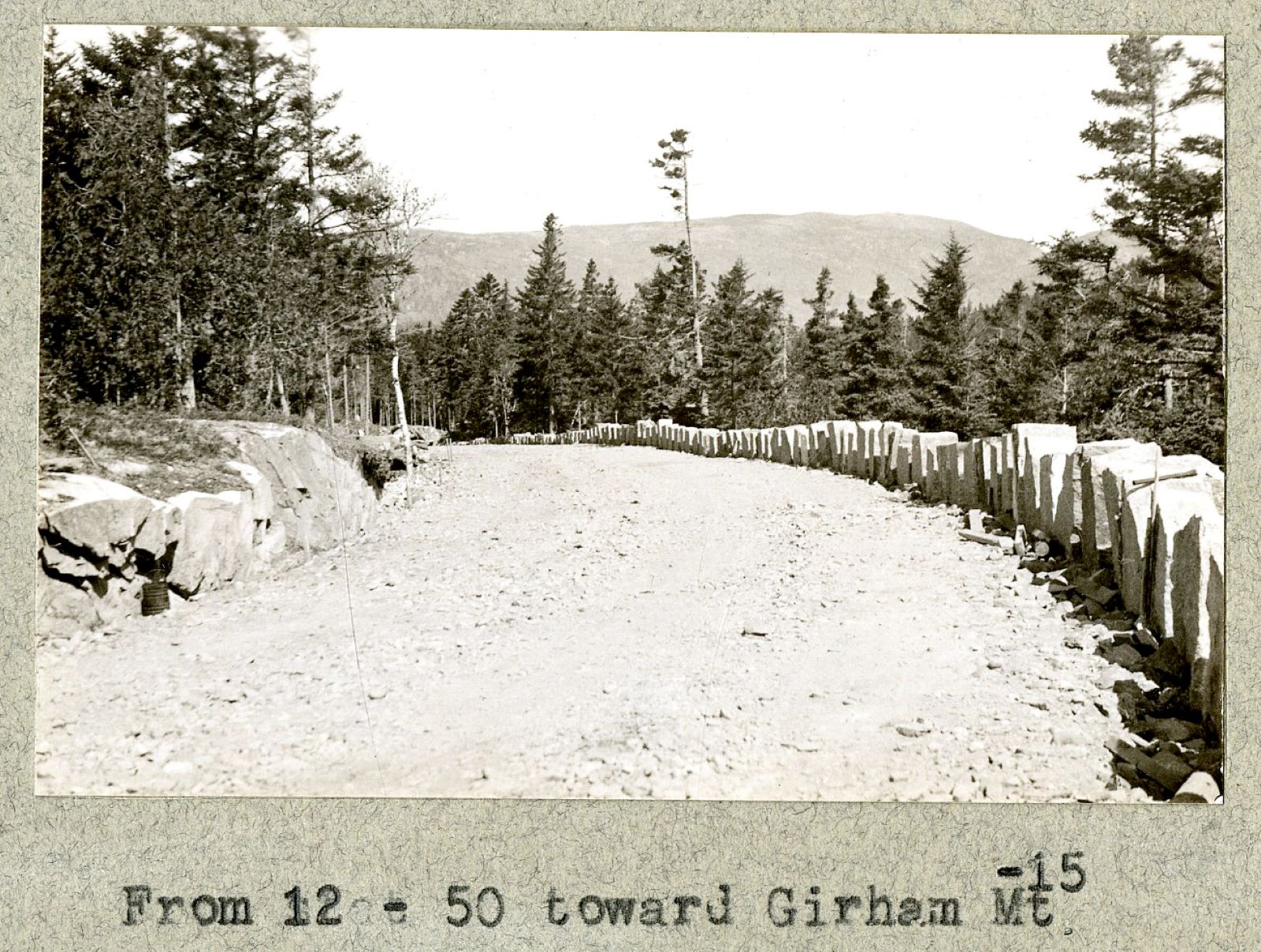
Park Guide
Acadia National Park: Carriage Roads, Cadillac Mountain & 2026 Guide
Discover carriage roads, Cadillac Mountain, and rugged Maine coast. Complete 2026 guide to Acadia National Park — trails, fees, lodging, permits, and what rangers recommend.
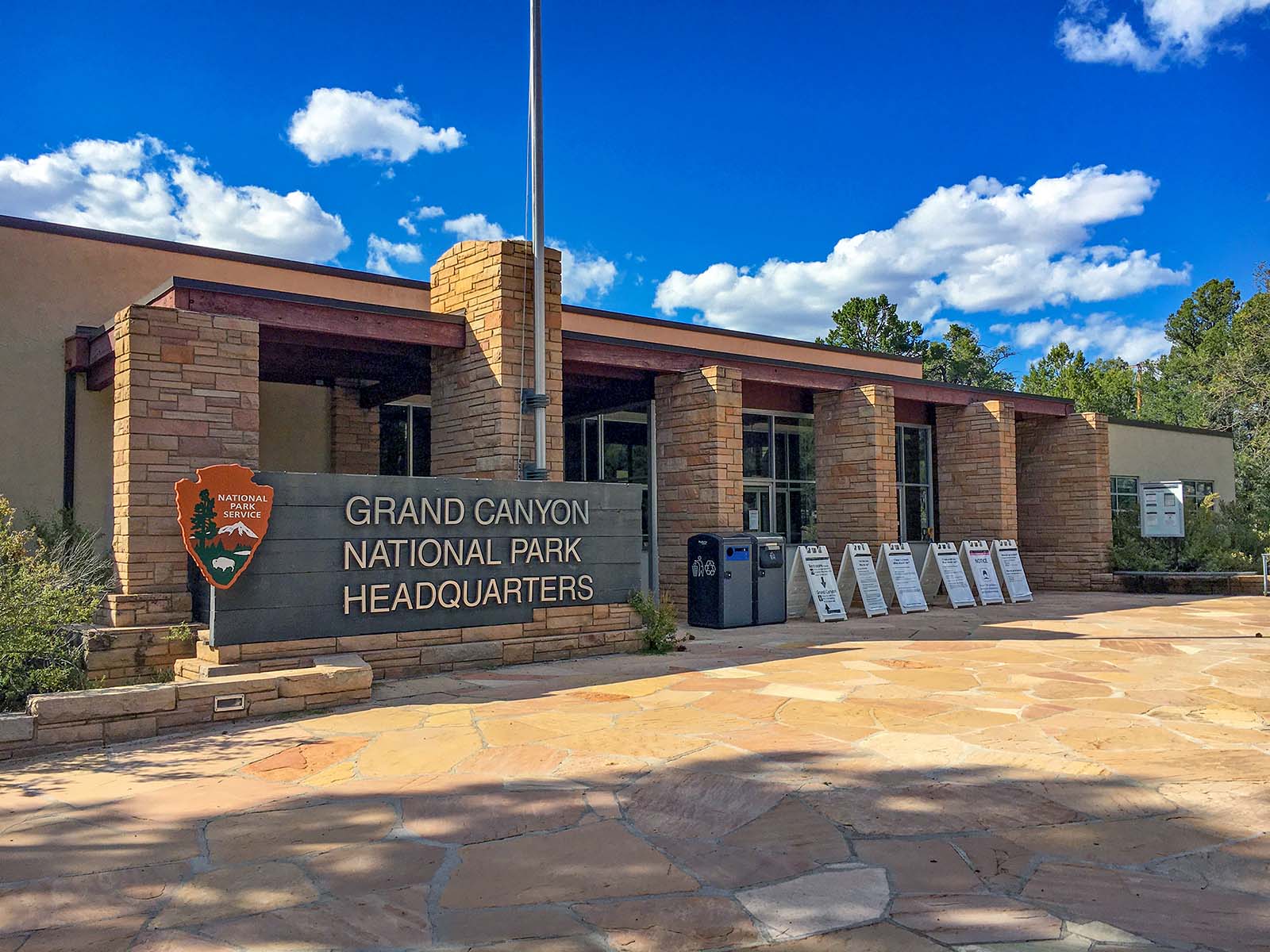
Hiking Guide
Grand Canyon Hiking Trails: Day Hikes, Water Sources & Rim to Rim
Compare Grand Canyon hiking trails: Bright Angel, South Kaibab, Hermit, Grandview, and rim to rim, with distances, elevation, water stops, and trailhead access for each.
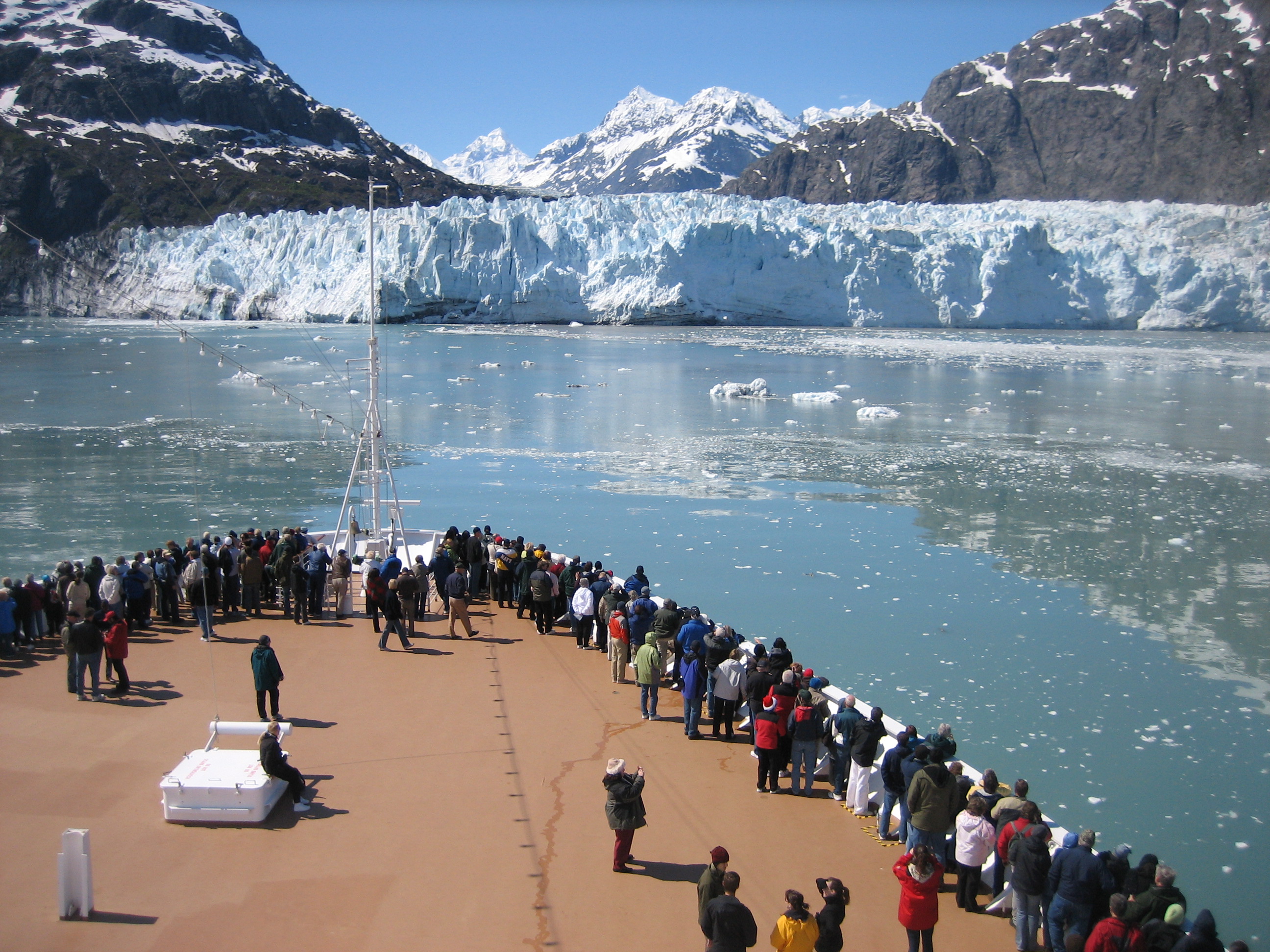
Best Of
Best of Glacier Bay National Park
The best of Glacier Bay is reached by boat: ranger-led day tours up the bay to the tidewater glaciers. What's worth it, how to book, and when to go (2026).
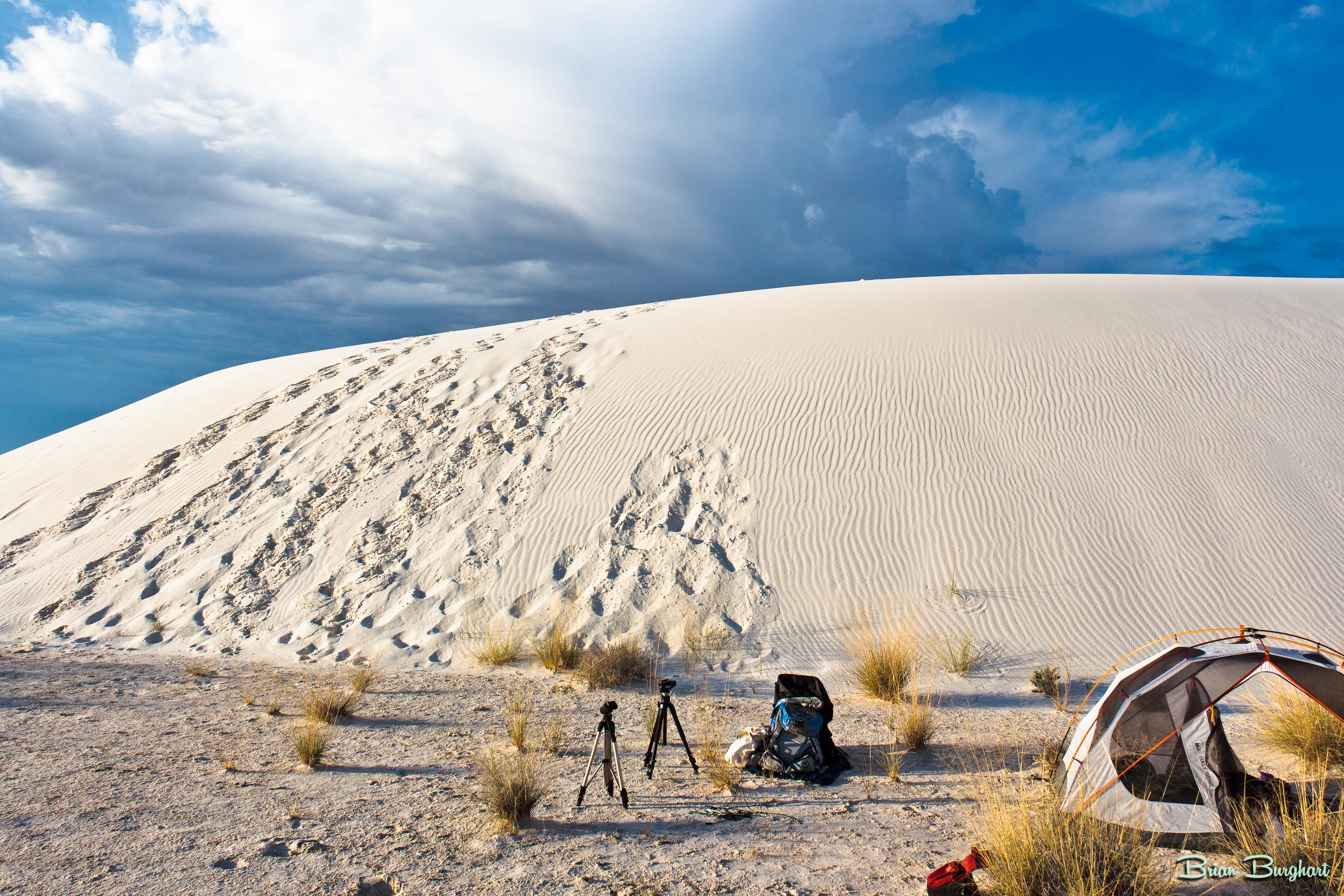
Campsite Guide
White Sands Backcountry Camping: Closed for 2026 — What to Know
As of 2026, backcountry camping at White Sands National Park is closed for site rehabilitation. What that means, and where to camp nearby instead.
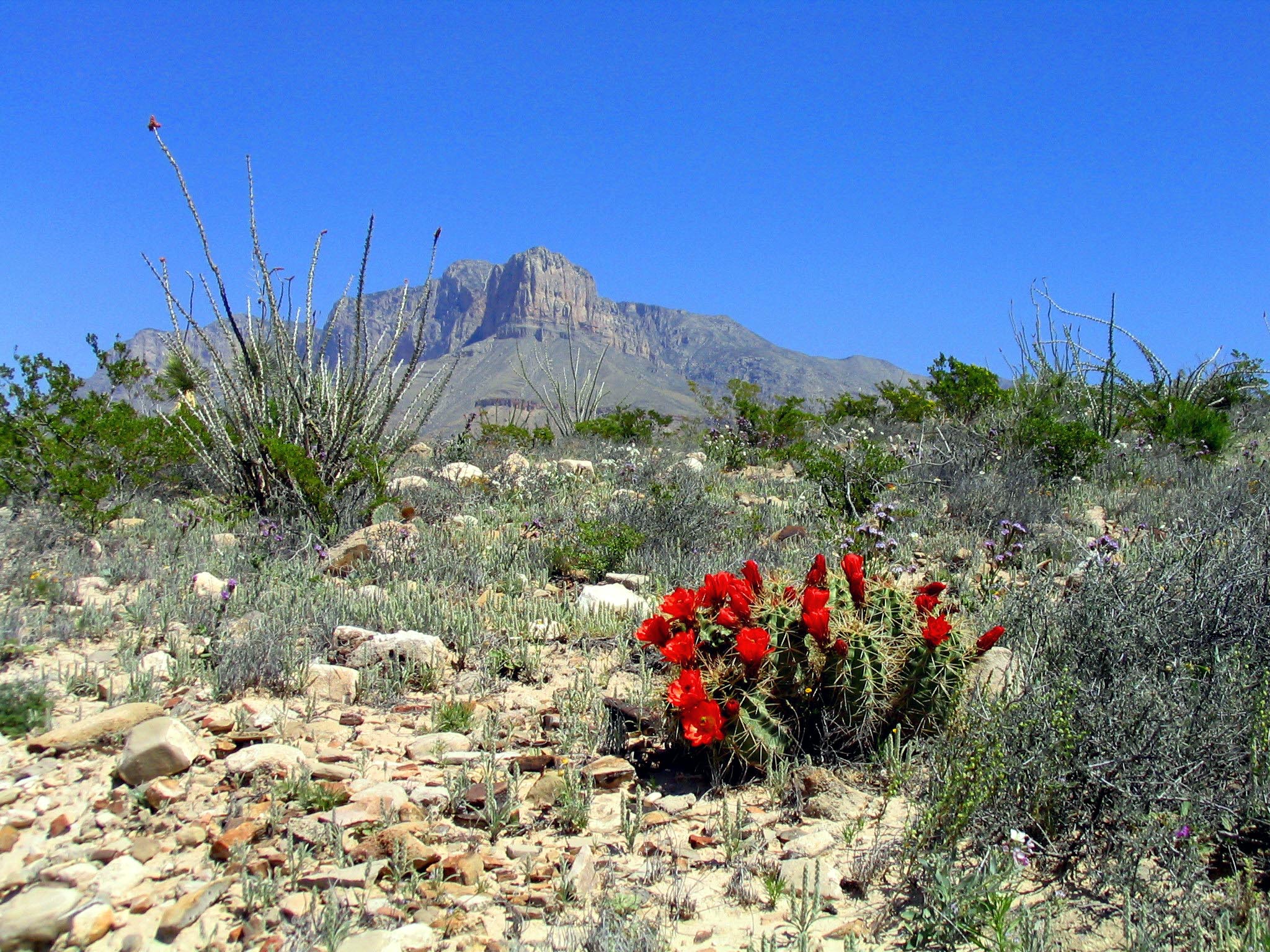
Weather Guide
Guadalupe Mountains National Park Weather: Weather
Guadalupe Mountains National Park: weather guide guide updated 2026. Practical visitor information, reservations, and seasonal tips worth bookmarking before
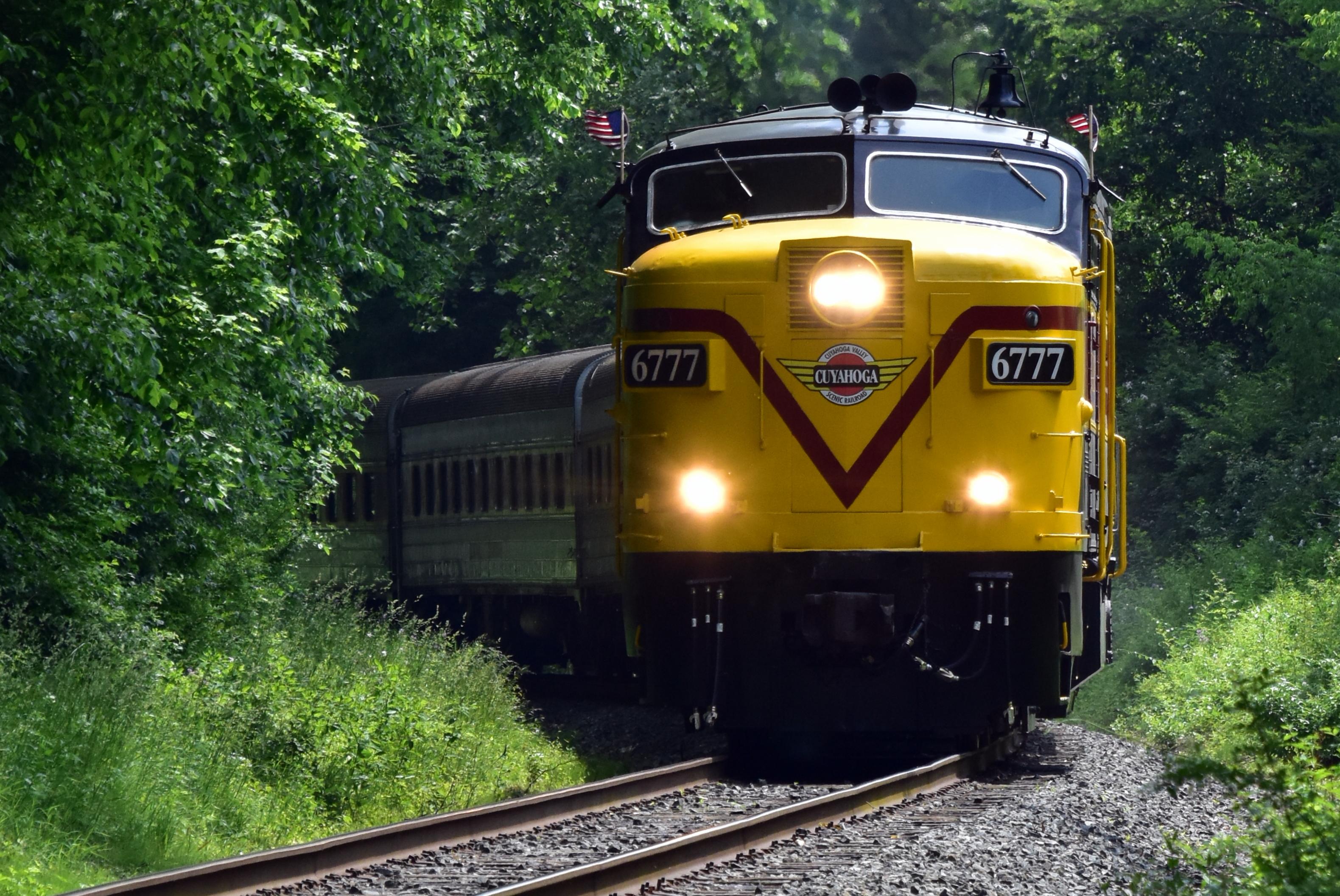
Best Of
Best of Cuyahoga Valley National Park: Best Things to Do
Seeing a Cleveland Orchestra concert with the woods as your backdrop is a uniquely Cuyahoga Valley experience.
Sign in to join the conversation.
Sources & Attribution
Location data courtesy of the National Park Service (U.S. Department of the Interior). NPS data is public domain. Official NPS page.
Images: NPS; NPS; NPS; NPS; NPS.
Map data © OpenStreetMap contributors.
Park operations alerts: NPS.gov · Weather and weather hazards: National Weather Service · Live conditions.
Information may change. Always verify fees, hours, and conditions directly with the official source before visiting.
Did this guide help? Share it with a friend.