Isle Royale Trail Cam
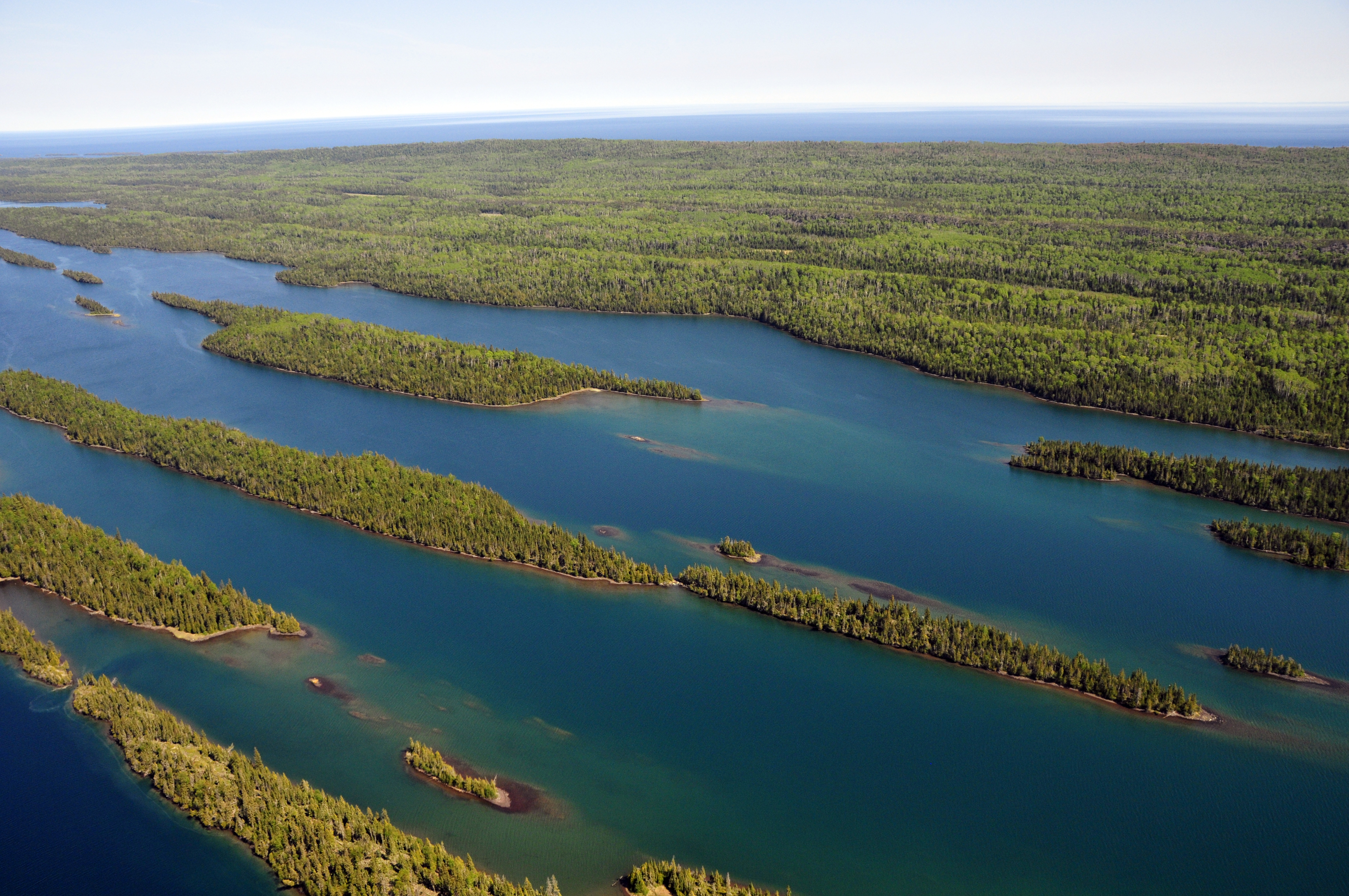
NPS via NPS.gov (Public Domain)
Isle Royale Wildlife: Wolves, Moose & What You'll Actually See
8 min read
Wildlife Guide
Where to spot Isle Royale's wolves and moose, from Feldtmann Lake to Siskiwit Bay, with dawn and dusk viewing tips. Open May through October (2026).
The first thing you notice is the quiet. Not silence, but the absence of human noise - no distant traffic, no sirens. The soundscape belongs to wind through spruce, the lap of Lake Superior against a rocky shore, and the sharp croak of a raven. This is the baseline. The wildlife here moves within it, and finding them requires you to tune into that same frequency. It's less about chasing sightings and more about understanding where to be, and when, to increase your odds of a genuine encounter. This guide focuses on that practical knowledge, from the famous wolf-moose study to where you might spot a fox at dusk. For broader trip planning, our complete visitor guide covers logistics.
The Signature Species
The island's ecology revolves around wolves and moose. This relationship has been documented in the world's longest continuous predator-prey study. Spotting either animal isn't a matter of luck; it requires patience and knowing where to look. Many visitors make the mistake of hiking crowded trails near Rock Harbor during midday, then wonder why they only see squirrels.
Wolves are elusive. Your best chance isn't a visual encounter but finding evidence: tracks in the mud of the Feldtmann or Minong Ridge trails, or scat on a remote portage. They are most active at dawn and dusk, and their movements are tied to the moose herds. The west end of the island, around Feldtmann Lake and Siskiwit Bay, has historically had more consistent activity. Summer and early fall are the viewing seasons, as the park is closed from November to mid-April.
Moose are far more common but still require strategy. They favor wetland areas for feeding - think beaver ponds, the margins of inland lakes like Chickenbone, Lake Richie, and Feldtmann Lake. Dawn and dusk are again prime time, but you might also catch one cooling off in a shallow lake on a hot afternoon. The single most important thing is to move quietly and stop frequently to scan the edges of wetlands and listen for the crack of branches.
Moose: Complete Viewing Guide
Where They Concentrate
They gravitate to aquatic vegetation. Key areas include the extensive beaver ponds and streams along the Feldtmann Lake Trail, the wetlands surrounding Lake Richie and Chickenbone Lake, and the boggy areas near Siskiwit Bay. The Indian Portage Trail system, connecting these interior lakes, is a reliable corridor.
Best Time of Day
Early morning and late evening. In summer, they may also be active on overcast days or at night. During hot periods, look for them wading in shallow water to feed and escape bugs.
Best Season and Why
Late spring through fall. Calves are typically born in May and June, so cows with young are visible in early summer. Bulls are in velvet through summer, and the fall rut (September) increases activity, though bulls can be more aggressive.
What Behavior to Look For
Listen for the splash of them moving through water or the distinct sound of branches breaking as they browse. Look for large, dark shapes in the water, often with just the head and hump visible. On land, they move with a surprisingly quiet, lumbering gait.
How to Distinguish
An Isle Royale moose is an eastern moose (Alces alces americana). They are massive - adults can weigh over 1,000 pounds. The long, overhanging snout and bell (the flap of skin under the throat) are key identifiers. There are no elk or deer on the island to confuse them with.
Safety Distance and Regulations
Maintain at least 50 yards, or about half a football field. A cow with calves is particularly defensive. Bulls in rut (fall) are unpredictable. Never get between a moose and its escape route, especially water.

Red Fox: Complete Viewing Guide
Where They Concentrate
These foxes are adaptable, but you'll often find them near areas with past human activity where food was available, like around Windigo and Rock Harbor. They also patroll the shores of Siskiwit Bay and the Feldtmann Ridge for carrion or small prey.
Best Time of Day
Dusk and dawn. You might also see them opportunistically during the day, especially in cooler weather.
Best Season and Why
Spring and summer. Kits emerge from dens in late spring, and adults are busy hunting to feed them, making them more visible.
What Behavior to Look For
A quick, trotting movement along shorelines or trails. They are curious and may pause to watch you from a distance. Listen for a sharp, high-pitched bark.
How to Distinguish
Smaller and more slender than a coyote (which are not present on Isle Royale), with a distinctive white-tipped tail and bright red-orange coat.
Safety Distance and Regulations
Observe from a distance. Do not feed them - it's illegal and leads to aggressive behavior. The park's new food storage guidelines are a direct response to foxes and wolves accessing human food.
Beaver: Complete Viewing Guide
Where They Concentrate
Anywhere there are active lodges and dams. The complex wetland systems along the Feldtmann Lake Trail, the streams feeding into Lake Richie, and the ponds near Todd Harbor are prime territory.
Best Time of Day
The hour before dusk until full dark. This is when they become most active, leaving the lodge to forage.
Best Season and Why
Summer and early fall. They are busy building up food caches (stick piles anchored near their lodge) for winter.
What Behavior to Look For
Look for the classic V-shaped wake as they swim. You may hear a loud tail slap on the water as an alarm signal. At dusk, watch for them gnawing on aspen or poplar saplings near the water's edge.
How to Distinguish
A large, brown rodent with a broad, flat, scaly tail. Their lodges appear as large mounds of sticks and mud in ponds.
Safety Distance and Regulations
Observe quietly from the shore. Disturbing a lodge is prohibited.

Common Loon: Complete Viewing Guide
Where They Concentrate
On the larger inland lakes: Lake Richie, Chickenbone Lake, Siskiwit Bay, and Feldtmann Lake. They also fish in the protected harbors like Rock Harbor and McCargoe Cove.
Best Time of Day
Any time, but they are often most vocal in the early morning and evening.
Best Season and Why
Spring through fall. They nest on secluded lake shores in early summer. Their haunting calls are a signature sound of an Isle Royale night.
What Behavior to Look For
Watch for their sleek black-and-white profile diving for fish. Listen for the tremolo (alarm call), yodel (territorial), and wail (contact call).
How to Distinguish
In summer plumage, they have a black head with iridescent green sheen, a black-and-white checkered back, and a red eye. Their low profile in the water is distinct.
Safety Distance and Regulations
Use binoculars. Never approach a nest site; if a loon is making alarm calls or acting distressed, you are too close. Give them plenty of space on the water.
Snowshoe Hare: Complete Viewing Guide
Where They Concentrate
Throughout the boreal forest, especially in dense undergrowth and young spruce-fir stands. They are common but camouflaged.
Best Time of Day
Dawn, dusk, and night. You might flush one from the trailside during a daytime hike.
Best Season and Why
Year-round. In winter, their fur turns white, but the park is closed. In summer, look for the brown "summer" coat.
What Behavior to Look For
A sudden, explosive burst of movement from the trail edge. Look for their large hind feet and the flash of white under their tail.
How to Distinguish
Larger than a cottontail, with enormous hind feet and very long ears tipped in black.
Safety Distance and Regulations
No specific regulations, just observe.

Wildlife by Season
April 16 - May (Park Opening & Spring): The island wakes up. Migratory birds, including warblers and the first loons, return. Moose are often emaciated from winter; cows have newborn calves hidden away. Ticks can be severe on moose during this period.
June - August (Summer): Peak activity. All species are raising young. Fox kits may be seen near dens. Beaver are busy at dusk. Mosquitoes and black flies are at their peak - wildlife viewing often coincides with bug season. This is the best time for hearing loon calls.
September - October 31 (Fall): Prime time for many visitors. Bugs subside. Moose are in the rut, with bulls more visible and vocal. Wolves may be more active as they hunt. Birds begin migrating south. The weather turns cooler and less predictable.
November 1 - April 15 (Winter/Closure): The park is closed to all visitors. The wolf-moose study continues via aerial surveillance. This season belongs solely to the animals and the harsh Lake Superior winter.
Where Wildlife Concentrates
Experienced visitors know to target transition zones. The edges between forest and wetland, where trails skirt beaver ponds, are moose magnets. The Feldtmann Lake Trail is arguably the top spot for consistent moose sightings, especially the stretch between Feldtmann Lake and Siskiwit Bay.
For a broader survey, the Greenstone Ridge itself offers few direct sightings - it's a dry, rocky spine - but the trails that descend from it into lake basins do. The Indian Portage Trail between lakes is a wildlife highway. Siskiwit Bay, especially from the Feldtmann Ridge overlook, is a vast area to scan for moose on the shoreline or wolves moving along the beach.
Dawn patrol routes? Walk quietly from Windigo toward the start of the Huginnin Loop or the Feldtmann Trail in that first hour of light. At Rock Harbor, the trail toward Three Mile or out to Scoville Point is more productive than the busy harbor front.

Ethical Viewing and Safety
The park's regulations are specific and strictly enforced by rangers. You must maintain 50 yards from moose and all other wildlife. For wolves, the distance is 100 yards. These are not suggestions; they are legal requirements for your safety and the animal's welfare.
The new food storage guidelines are critical. All food, trash, and scented items must be stored in the provided animal-proof lockers at campgrounds or in a bear canister while in the backcountry. This isn't just for bears - it's primarily because wolves and foxes have learned to scavenge human food, which alters their natural behavior and creates dangerous situations.
Signs of stress in wildlife include staring directly at you, vocalizing, stamping feet (moose), or changing direction to avoid you. If you cause an animal to move, you're too close. Use a zoom lens or binoculars. Your goal is to observe natural behavior, not create a reaction.
Practical Takeaways
- Timing is everything. Plan your hikes for dawn and dusk to maximize chances of seeing moose, fox, and beaver. Midday is for resting, not wildlife viewing.
- Go west. The less-visited west end of the island, accessed from Windigo, generally offers more prolific wildlife sightings than the busier Rock Harbor corridor.
- Move quietly and stop often. The sound of hiking poles and constant footfall spooks animals. Stop every few minutes to look and listen through the forest.
- Store your food perfectly. Use the lockers. A fed wolf or fox is a dead wolf or fox, and rangers will not relocate problem animals.
- Know the distances. 50 yards from moose, 100 from wolves. Practice estimating this distance.
- Look for signs, not just animals. Tracks, scat, and browse marks tell the story of what's around, even if you don't get a visual.
- Check the trail cams. While not a live feed, ranger programs and visitor center displays sometimes share images from remote isle royale trail cam setups used for research. Asking a ranger about recent wildlife activity is always a good bet.
For detailed route planning to access these areas, see our guide to the park's hiking trails.
Related: how to get to isle royale guide
Sources
- Official source: NPS — Isle Royale National Park nps.gov/isro/index.htm
- Official source: National Park Service nps.gov/places/isle-royale-national-park.htm
Photo Gallery
More to Explore
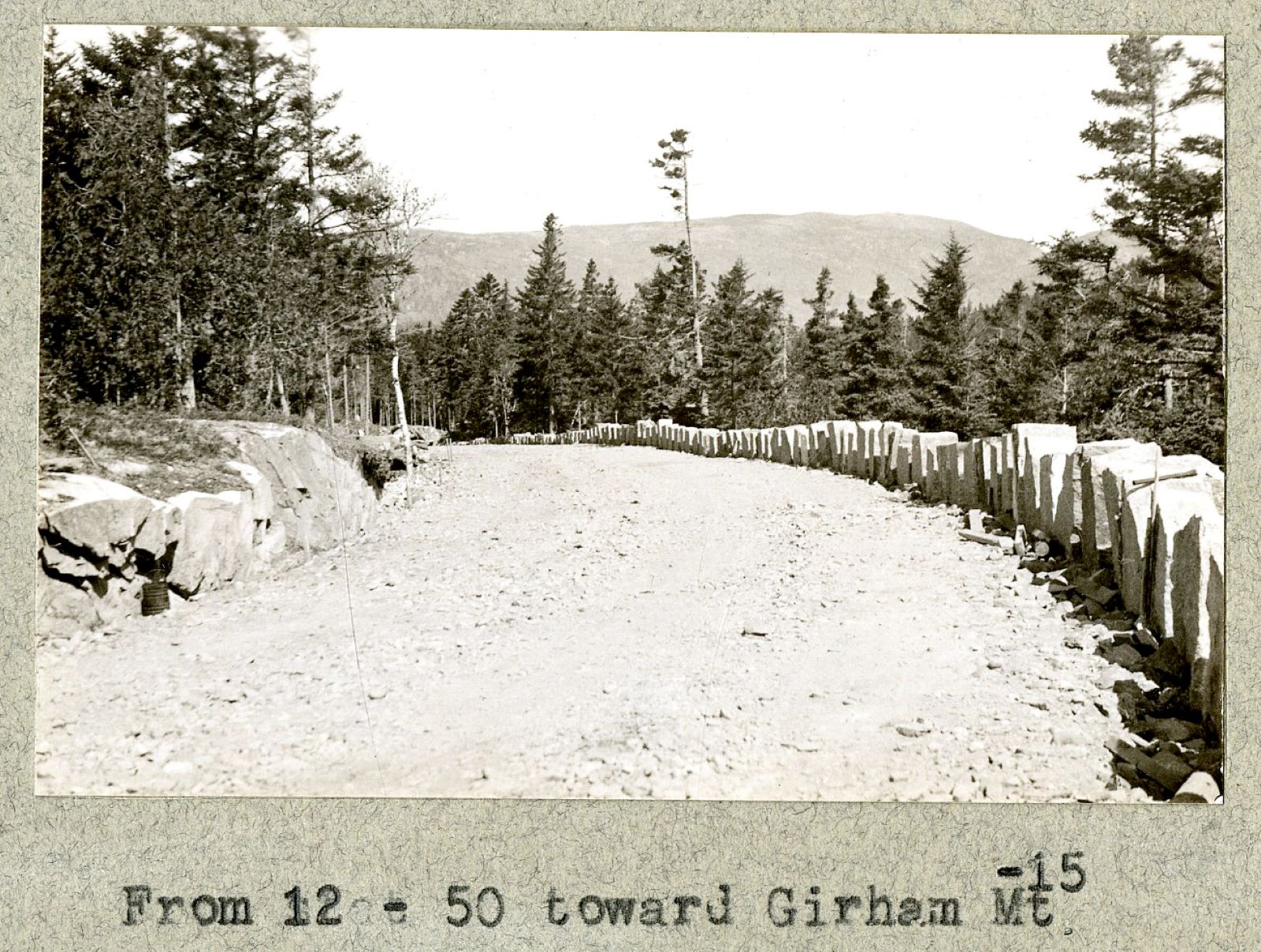
Park Guide
Acadia National Park: Carriage Roads, Cadillac Mountain & 2026 Guide
Discover carriage roads, Cadillac Mountain, and rugged Maine coast. Complete 2026 guide to Acadia National Park — trails, fees, lodging, permits, and what rangers recommend.
Hiking Guide
Grand Canyon Hiking Trails: Day Hikes, Water Sources & Rim to Rim
Compare Grand Canyon hiking trails: Bright Angel, South Kaibab, Hermit, Grandview, and rim to rim, with distances, elevation, water stops, and trailhead access for each.
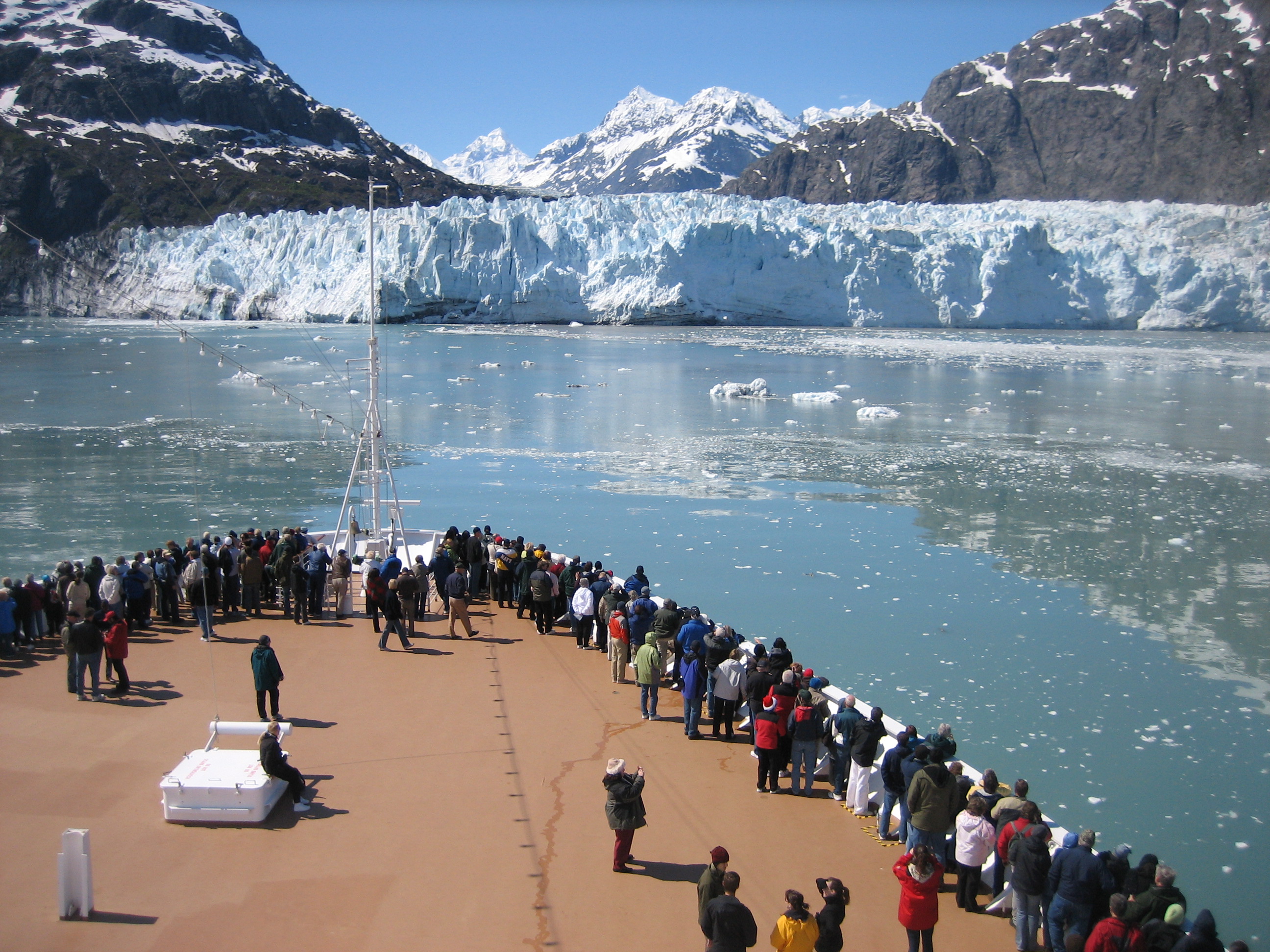
Best Of
Best of Glacier Bay National Park
The best of Glacier Bay is reached by boat: ranger-led day tours up the bay to the tidewater glaciers. What's worth it, how to book, and when to go (2026).
Campsite Guide
White Sands Backcountry Camping: Closed for 2026 — What to Know
As of 2026, backcountry camping at White Sands National Park is closed for site rehabilitation. What that means, and where to camp nearby instead.
Weather Guide
Guadalupe Mountains National Park Weather: Weather
Guadalupe Mountains National Park: weather guide guide updated 2026. Practical visitor information, reservations, and seasonal tips worth bookmarking before
Best Of
Best of Cuyahoga Valley National Park: Best Things to Do
Seeing a Cleveland Orchestra concert with the woods as your backdrop is a uniquely Cuyahoga Valley experience.
Sign in to join the conversation.
Sources & Attribution
Location data courtesy of the National Park Service (U.S. Department of the Interior). NPS data is public domain. Official NPS page.
Images: NPS; NPS; NPS; NPS; NPS.
Map data © OpenStreetMap contributors.
Park operations alerts: NPS.gov · Weather and weather hazards: National Weather Service · Live conditions.
Information may change. Always verify fees, hours, and conditions directly with the official source before visiting.
Did this guide help? Share it with a friend.