Most visitors to Indiana Dunes National Park assume the only campgrounds are the developed Dunewood Campground or the group sites. But the Central Avenue walk-in sites offer a different experience entirely - one that fewer than a dozen parties reserve on any given night. These are tent-only sites located within walking distance of Lake Michigan, with no vehicle access to the actual camping pads. You park in a designated lot and carry your gear in. That simple change filters out a lot of casual campers. As of 2026, these sites are worth knowing about if you want a quieter alternative to the park's more popular camping areas. For a broader look at the area, check the complete visitor guide for Indiana Dunes.
NPS via NPS.gov (Public Domain)
Campsites at Central Avenue Walk-in Sites (2026 Guide)
6 min read
Campsite Guide
But the Central Avenue walk-in sites offer a different experience entirely - one that fewer than a dozen parties reserve on any given night.
Your plans
Plan your visit with complete visitor guide, all campgrounds, and hiking trails.
What Makes Central Avenue Walk-in Sites Different
Walk-in Only, No RVs
The defining feature of these sites is the walk-in access. You cannot back a trailer or camper van up to your tent pad. The parking lot serves as a staging area, and from there you carry everything to your site. Rangers at the visitor center emphasize that this setup means quieter nights - no generators, no RV air conditioners running, no headlights sweeping through camp at 2 AM. The trade-off is that you need to pack efficiently. Overloading a single trip can leave you making two or three shuttles from the car.
Proximity to Lake Michigan
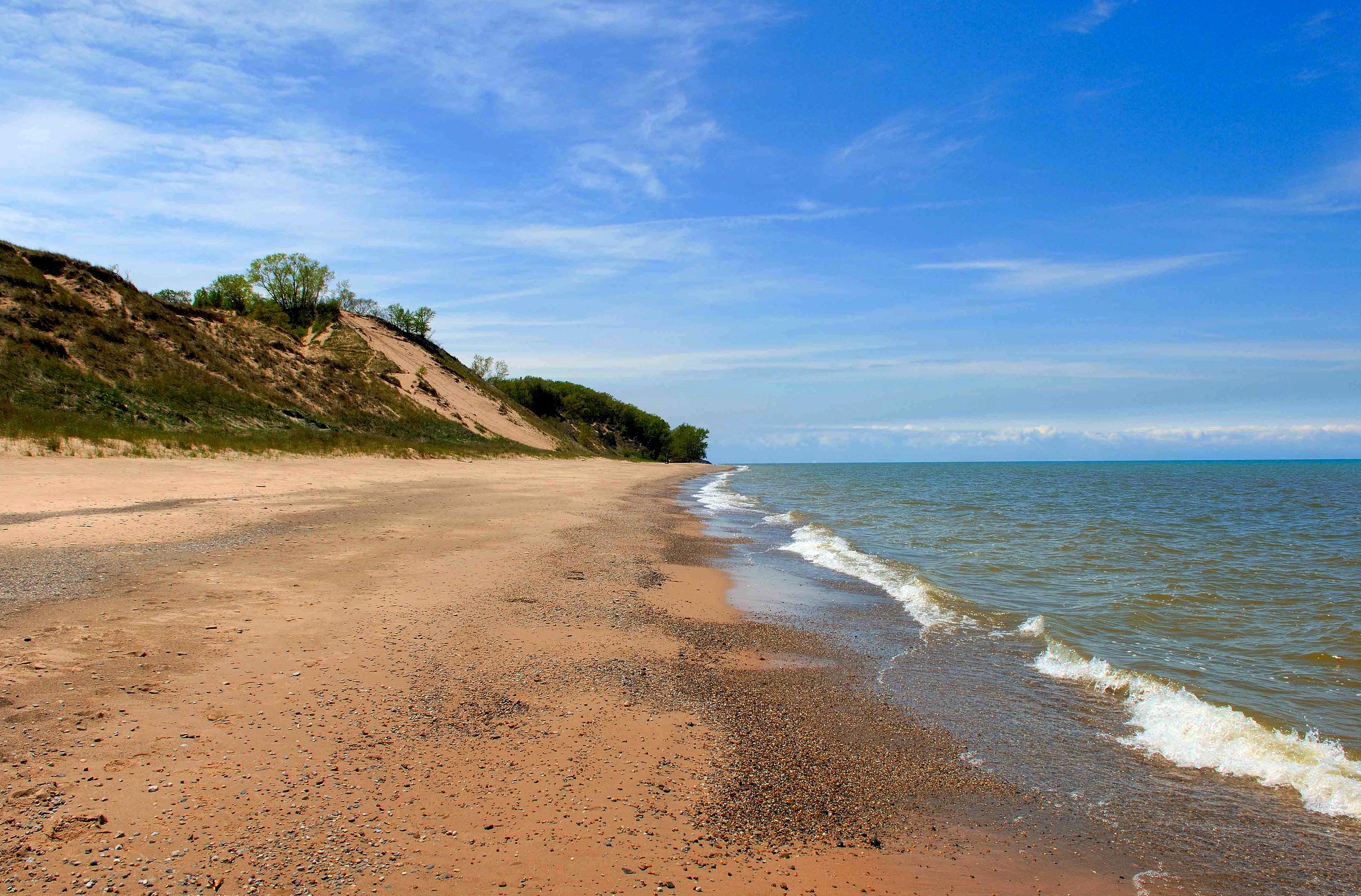
The sites sit close to the lakeshore. You can hear wave action from most pads, and the walk to the beach is short - maybe a few hundred yards depending on which site you get. Early morning is your best bet for a sunrise walk along the water with few other people around. The beach here is sandy and wide, typical of the southern Lake Michigan shoreline. Keep an eye out for ship-watching: freighters pass within sight of the coast.
Tent-Only, Primitive Setup
These are not drive-up sites with electric hookups, water spigots, or dump stations. You are likely looking at a fire ring, a tent pad, and a nearby vault toilet. That is the extent of the amenities. The park service recommends bringing your own water supply for drinking and cooking. There is no potable water on-site as of 2026, though this could change - check the official Indiana Dunes website before you go. The primitive nature is part of the appeal for some campers, but it catches first-timers off guard. Pack extra water for this stretch.

How to Reserve a Site
Reservation System
Reservations for the Central Avenue walk-in sites are handled through Recreation.gov, the same platform used for most NPS campgrounds. The park releases sites on a rolling basis, typically six months in advance for peak season (May through September). If you are aiming for a prime summer weekend, book as soon as the window opens. Many visitors underestimate how quickly these limited sites fill.
The parking situation here is straightforward: one designated lot for walk-in campers, and it is not large. If you arrive late on a Friday evening, the lot may be full even if your site is reserved. Have a backup plan, or call the park ahead to confirm lot status.
Fees and Seasons
As of 2026, the nightly fee for these sites is listed on the Recreation.gov page. Because rates can shift, the park website has the current number. The season typically runs from late April through October, with limited availability in the off-season depending on weather. If you plan a shoulder-season trip (April or October), be prepared for cold nights - Lake Michigan can produce biting winds even in spring.

What to Bring
Gear Strategy
Since you are carrying everything from the parking lot, weight matters. A 50-liter pack is generous for a weekend; you can get by with a 40-liter bag if you pack strategically. Leave the oversized cooler at home. Use a soft-sided cooler or a dry bag for perishables. The walk is not long - maybe 150 to 300 feet to the farthest sites - but multiple trips add up. If you bring a cart or wagon, it must be able to handle sand and uneven ground. Rangers will tell you that standard plastic garden wagons often fail on the loose sand near the lakeshore.
Water, Firewood, and Food
Bring all the water you need for drinking, cooking, and washing. A gallon per person per day is a safe baseline. Firewood should be purchased locally to avoid spreading invasive pests; the park may sell bundles at the visitor center, but stock can be limited. Store food in a hard-sided cooler or a bear-proof container. While black bears are present in Indiana, they rarely come through this area, but raccoons and rodents are persistent. Keep an eye out for them at night - they will open unsecured coolers.
Clothing and Safety
The weather along Lake Michigan changes fast. A sunny 75°F afternoon can drop to 50°F with a stiff wind by evening. Layers are essential. A windbreaker or shell makes a bigger difference here than a heavy jacket. Cell service drops out at certain points along the beach and near the dunes, but the campground area itself has decent signal from most carriers. Still, download maps and reservation confirmations before you go.

Nearby Activities
Beach Access and Trails
The Central Avenue walk-in sites are within walking distance of the Portage Lakefront and Riverwalk area. From this overlook you can see the Chicago skyline on clear days - roughly 40 miles to the west. The beach here is less crowded than at West Beach or Kemil Beach, partly because parking is limited. Swimming is allowed, but there are no lifeguards. The lake bottom drops off gradually, though waves can pick up quickly. Check the National Weather Service for current conditions.
The park has several trails near this section of the coast. The Dune Ridge Trail connects to the campground area and provides a two-mile loop through oak savanna and dune habitat. The elevation gain is worth it for the view of the lake from the top of the ridge. For a longer hike, the Paul H. Douglas Trail links to the south and eventually to the Prairie Duneland Trail.
Birding and Wildlife
Indiana Dunes is a major stopover for migratory birds. In May and September, you can expect to see warblers, thrushes, and raptors moving through. The lakeshore itself hosts gulls, terns, and the occasional piping plover. Early morning is your best bet for bird activity. If you sit quietly at the edge of the dune grass, you may also spot white-tailed deer moving between patches of sumac and cottonwood.

Practical Takeaways
- Book early: Reservations open six months ahead on Recreation.gov. Set a reminder.
- Pack light but complete: No water on site, no electric, no trash pickup. Bring everything out with you.
- Check conditions: Call the park or check nps.gov/indu for fire bans, algae blooms, or beach hazards before you go.
- Arrive before dark: The walk-in path is not lit. If you arrive late, bring a headlamp.
- Respect quiet hours: 10 PM to 6 AM. Sound carries across the dunes.
- Compare options: For other camping styles at Indiana Dunes, see the full list of all campgrounds in the park.
Final Thoughts
The Central Avenue walk-in sites are not for everyone. If you want hookups, a level gravel pad, and a picnic table at your door, look at Dunewood or the nearby state park campgrounds. But if you want a stripped-down, quiet, walk-to-the-beach experience, these sites deliver something the bigger campgrounds cannot. The walk-in requirement creates a buffer - you are sharing the space with people who deliberately chose to carry their gear over loose sand. That tends to result in a more considerate crowd. Give it a try once, and you will likely understand why returning visitors keep coming back to these specific sites rather than the more convenient alternatives.
Sources
- Official source: NPS — Indiana Dunes National Park nps.gov/indu/index.htm
Photo Gallery
More to Explore
Park Guide
Acadia National Park: Carriage Roads, Cadillac Mountain & 2026 Guide
Discover carriage roads, Cadillac Mountain, and rugged Maine coast. Complete 2026 guide to Acadia National Park — trails, fees, lodging, permits, and what rangers recommend.
Hiking Guide
Grand Canyon Hiking Trails: Day Hikes, Water Sources & Rim to Rim
Compare Grand Canyon hiking trails: Bright Angel, South Kaibab, Hermit, Grandview, and rim to rim, with distances, elevation, water stops, and trailhead access for each.
Best Of
Best of Glacier Bay National Park
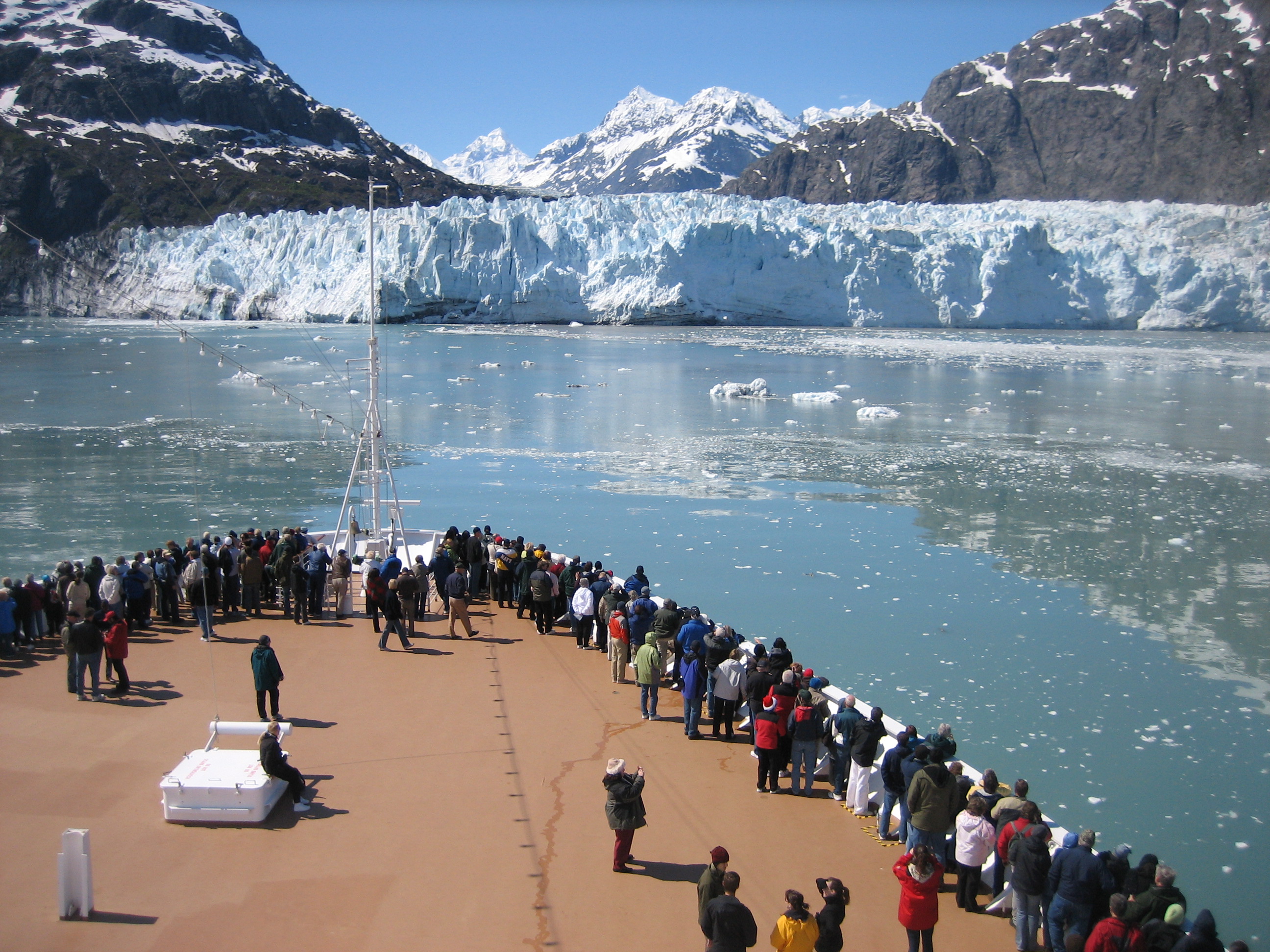
The best of Glacier Bay is reached by boat: ranger-led day tours up the bay to the tidewater glaciers. What's worth it, how to book, and when to go (2026).
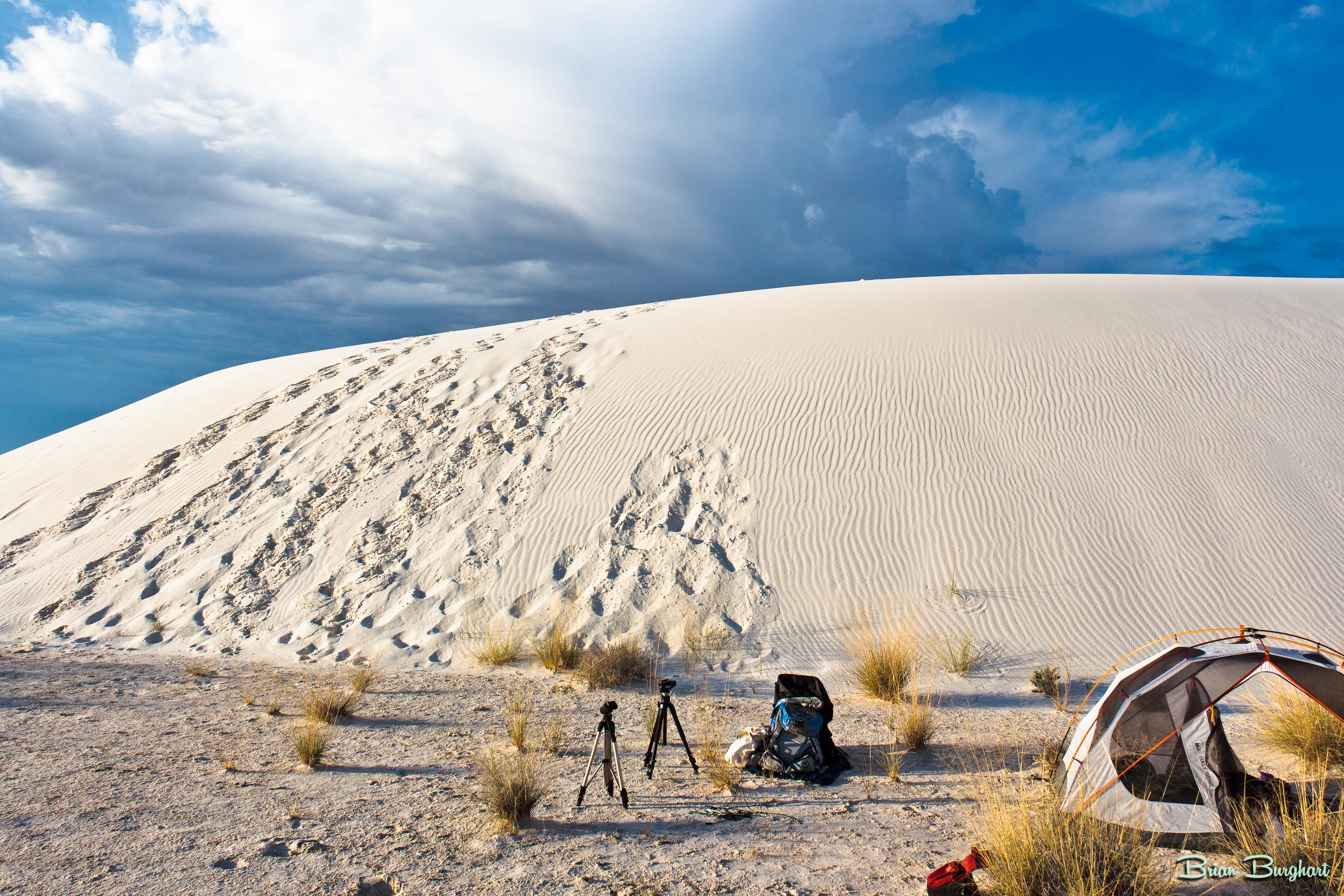
Campsite Guide
White Sands Backcountry Camping: Closed for 2026 — What to Know
As of 2026, backcountry camping at White Sands National Park is closed for site rehabilitation. What that means, and where to camp nearby instead.
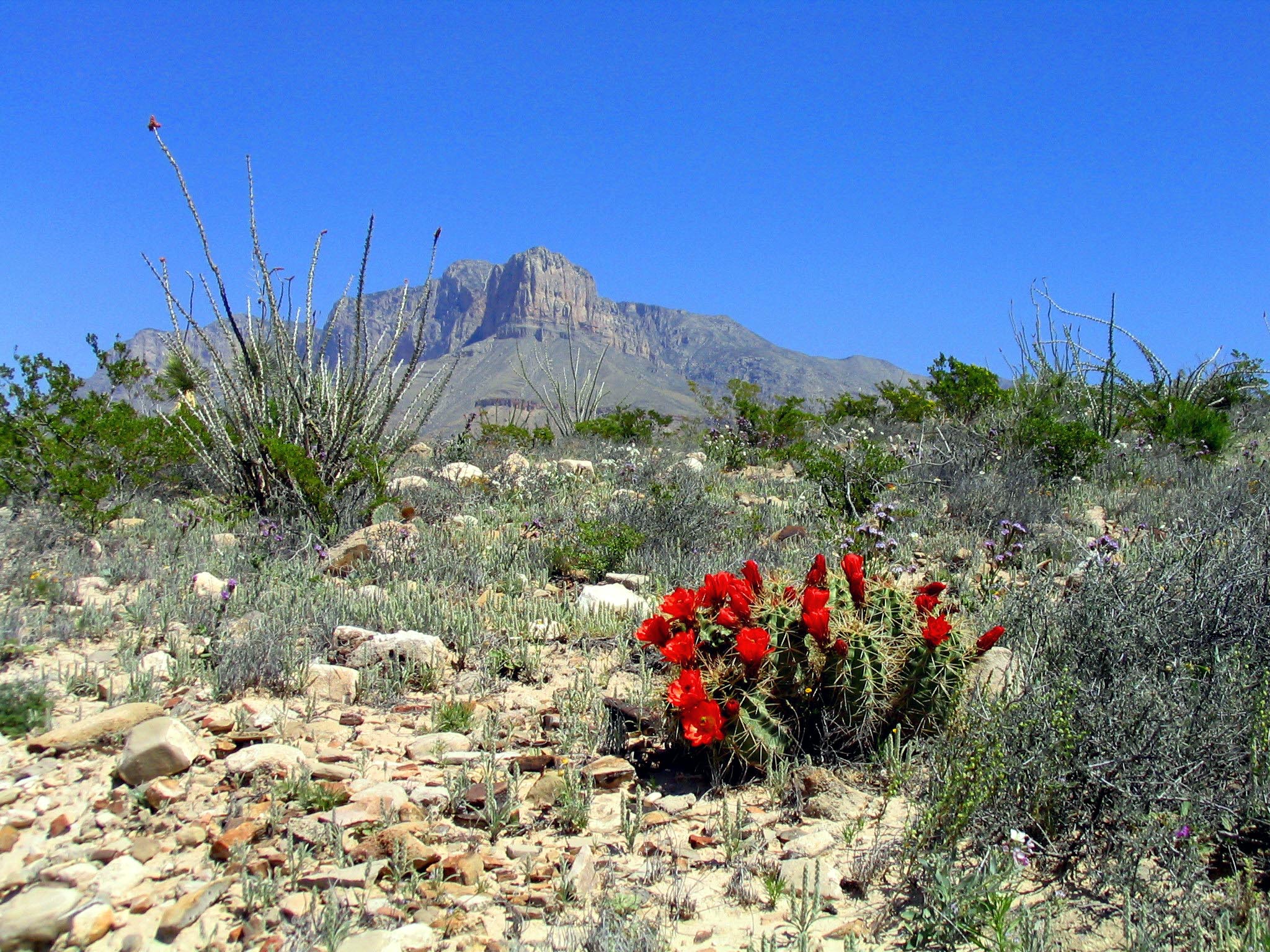
Weather Guide
Guadalupe Mountains National Park Weather: Weather
Guadalupe Mountains National Park: weather guide guide updated 2026. Practical visitor information, reservations, and seasonal tips worth bookmarking before
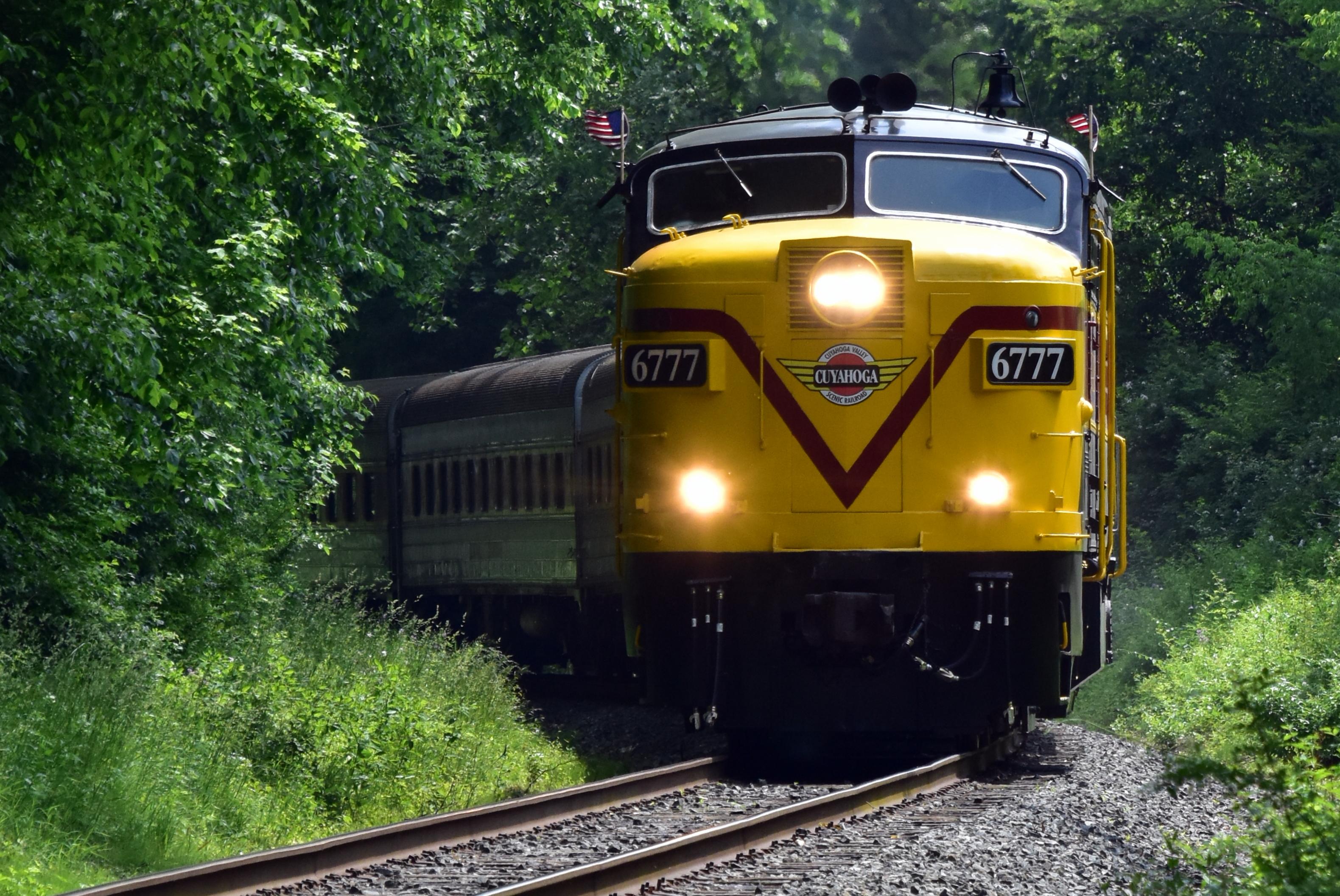
Best Of
Best of Cuyahoga Valley National Park: Best Things to Do
Seeing a Cleveland Orchestra concert with the woods as your backdrop is a uniquely Cuyahoga Valley experience.
Sign in to join the conversation.
Sources & Attribution
Location data courtesy of the National Park Service (U.S. Department of the Interior). NPS data is public domain.
Images: NPS; NPS; NPS; NPS; NPS.
Park operations alerts: NPS.gov · Weather and weather hazards: National Weather Service · Live conditions.
Information may change. Always verify fees, hours, and conditions directly with the official source before visiting.
Did this guide help? Share it with a friend.