Book these sites well in advance - often several months out - because there are only two wilderness tent areas at Haleakalā, and every spot requires a reservation through Recreation.gov. No first-come, first-served options exist here. If you show up at the park expecting to find a walk-up tent site, you will be turned away.
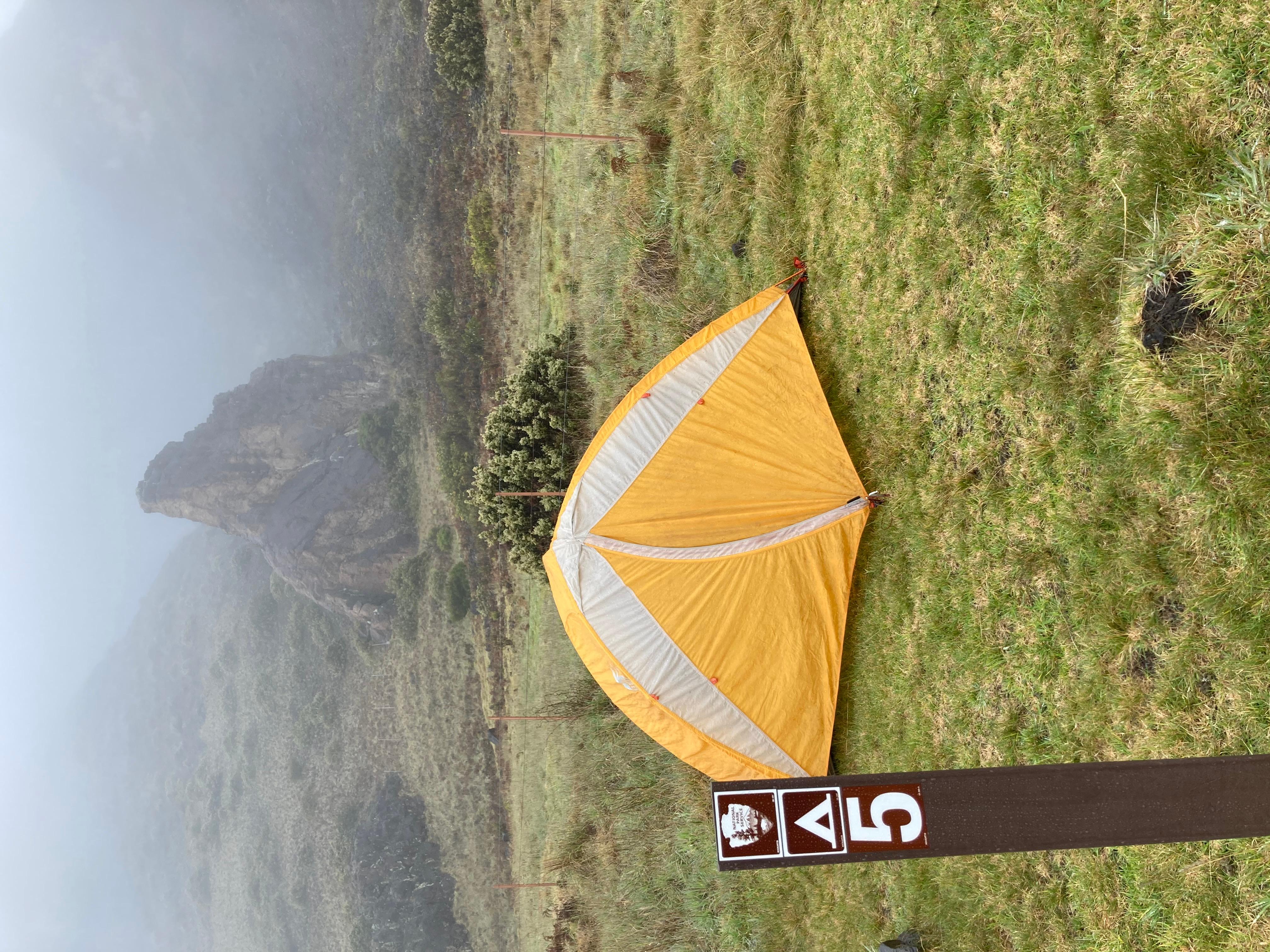
NPS via NPS.gov (Public Domain)
Campsites at Wilderness Tent Sites (2026 Guide)
7 min read
Campsite Guide
Water is available 24 hours at Headquarters Visitor Center, one mile up the road. There is no estimate for when repairs will be complete.
Your plans
For more, see Campsites at Hosmer Grove Campground (2026 Guide) and Campsites at Wilderness Cabins (2026 Guide).
These primitive tent sites, Hōlua and Palikū, sit deep in the park's backcountry and are accessible only by trail. They offer an experience entirely different from the car camping at Hosmer Campground in the Summit District. You earn these sites on foot.
What Makes Wilderness Tent Sites Different
The two tent areas sit on the valley floor of Haleakalā Crater - an environment that feels more like another planet than a Hawaiian island. You are not camping next to a parking lot. You are not within easy walking distance of a visitor center. You pack everything you need for the night (and the hike out) on your back.
Hōlua and Palikū: The Two Options
Hōlua Tent Site sits at roughly 6,000 feet elevation on the crater floor. It gets more traffic because it is closer to the trailheads. Most visitors coming from the Halemauʻu Trailhead make Hōlua their first-night stop.
Palikū Tent Site sits deeper in the crater at around 6,400 feet. It is farther from the trailheads and requires a longer hike to reach. Rangers will tell you that Palikū is quieter simply because fewer people make the effort to get there. The trade-off is the extra miles on your legs.
Both sites have primitive toilets. Both lack running water. Both have designated tent pads - you cannot set up camp wherever you like on the crater floor.
Access and Trailhead Logistics
Getting to either tent site means hiking. The two access points are the Halemauʻu Trailhead (about 10 minutes from the park entrance) and the Keoneheʻeheʻe Trailhead (about 30 minutes from the entrance). The drive from the park entrance to the summit adds time, so factor that into your planning.
Most visitors underestimate the hiking distances involved. The trail to Hōlua from Halemauʻu is roughly 3.5 miles one way. Palikū sits about 5.5 miles from the same trailhead. These are not flat walks - you lose elevation on the way in, which means you gain it all back on the way out.
Parking at the trailheads fills early. The parking situation here is limited, especially at the Halemauʻu lot. Early morning is your best bet for finding a spot. By mid-morning, you may need to park along the road shoulder.
What You Need to Know About Permits
Every tent site reservation must be made through Recreation.gov. The reservation itself costs $8.00 via the website, or $9.00 if you call the call center. That fee is on top of the park entrance fee - a per-vehicle pass costs $30.00 and covers three days.
The entrance fee applies per vehicle, not per person. An automated entrance pass machine is available after hours if you arrive when the gate station is closed. As of 2026, this system remains the same, though it is worth checking the official website for any rate changes.
Current Conditions That Affect Your Trip
Five active alerts are in effect at Haleakalā as of 2026, and several directly affect visitors heading to the wilderness tent sites.
Water Situation at Hosmer Campground
Water at Hosmer Campground in the Summit District has been shut off since September 30, 2025, due to a waterline break. Water is available 24 hours at Headquarters Visitor Center, one mile up the road. There is no estimate for when repairs will be complete.
What this means for wilderness tent campers: you cannot count on filling your bottles at Hosmer on your way to the trailhead. Plan to bring all the water you need for your overnight trip. The hike from the trailhead into the crater has no reliable water sources, and carrying extra water adds weight you will feel on the climb back out.
Summit District Construction
The Haleakalā Visitor Center (at 9,740 feet elevation) closed on February 19 for a building improvement project running through the week of May 17. Sunrise operations continue as normal, and the restrooms remain open. The Headquarters Visitor Center at 7,000 feet is fully operational.
Additionally, the Summit District parking lot has limited spaces starting January 12, 2026, due to a water infrastructure project that will last several months. Expect traffic delays. If you are heading to a trailhead, add buffer time to your drive.
Sunset Traffic
The park sees heavy sunset traffic. Cars may be temporarily turned around at the gate when capacity is reached. Buying a pass online does not guarantee entry at sunset. The park service recommends arriving three hours before sunset to ensure access.
If you are heading to a trailhead for an overnight wilderness trip, try to arrive earlier in the day. Sunset crowds add unnecessary stress to what should be a straightforward process.
Wildlife Awareness on the Trails
Nēnē (Hawaiian geese) and ʻuaʻu (Hawaiian petrel) are nesting in the park and may land on or frequent park roads, parking lots, and the road leading up to the park. Drivers should stick to posted speed limits and watch for birds on the pavement.
Cell service drops out at several points along the crater trails. Keep an eye out for the birds, but also for trail markers - the crater floor can look deceptively open and featureless in sections.

Packing Strategy for Wilderness Camping
Pack extra water for this stretch. Rangers will tell you that dehydration is the most common issue they see with wilderness campers. Plan for at least one gallon per person per day, more if you are a heavy drinker or traveling in warmer months.
The elevation gain is worth it, but your legs will remind you of it on the return climb. The trail from the crater floor back up to Halemauʻu Trailhead gains roughly 2,000 feet over 3.5 miles. That is not a casual walk after carrying a full pack.
Gear Notes
- Tent: Required. There are no shelters or cabins at either Hōlua or Palikū.
- Sleeping bag: Nights on the crater floor can drop into the 40s Fahrenheit even during summer. Do not assume Hawaii is warm at night.
- Stove: Pack a camp stove. Open fires are not permitted at these tent sites.
- Headlamp: The trailheads and crater have no artificial lighting. You will need light for evening and early morning activity.
- Sun protection: The crater floor gets intense sun at high elevation. Hat, sunglasses, and SPF 50 are not optional.
The Common First-Timer Mistake
Almost everyone underestimates the hike out. The walk into the crater is downhill and easy - sometimes too easy. You cover ground quickly, the views open up, and you think this backpacking thing is straightforward.
Then you turn around and hike back up.
That return climb, with a pack that is slightly lighter but still heavy, takes longer than most people expect. Seasoned hikers budget at least 1.5 to 2 times the descent time for the return ascent. Plan your start time accordingly.
What the Park Website Does Not Mention
The park website tells you about reservations and regulations. What it does not emphasize is how isolated these tent sites feel. Once you are on the crater floor, you are on your own. There is no ranger station down there. No emergency phone. No water fill station. No cell signal in most spots.
The trail register at the trailhead is full of comments from people who pushed too hard, packed too little water, or started their return hike too late in the day. Read those comments before you head down.
Practical Takeaways
- Reserve early. Recreation.gov opens reservations on a rolling basis. Book as far ahead as your schedule allows - many weekends fill weeks or months in advance.
- Bring all your water. There is no potable water at either Hōlua or Palikū. The nearest reliable water is at Headquarters Visitor Center, one mile from Hosmer Campground.
- Watch the alerts. The park has five active alerts as of 2026. Check the NPS website the day before your trip for any new closures or conditions.
- Start your hike out early. Aim to be on the trail back to the trailhead no later than 10 AM. This gives you enough daylight and energy buffer.
- Check your entrance pass situation. Your campsite reservation does not cover the park entrance fee. You still need to pay the $30 per vehicle fee or show an annual pass at the gate.
- Three-hour rule for sunset. If arriving in the afternoon, give yourself three hours before sunset to get through the gate and find parking.
For a more complete overview of trip planning - including trail descriptions, gear recommendations, and seasonal considerations - see the complete visitor guide for these wilderness tent sites. For all camping options in the park, including Hosmer Campground and other locations, visit the all campgrounds page.

Final Thoughts
Wilderness camping at Haleakalā is not a casual overnight. It requires planning, water discipline, and honest self-assessment of your hiking ability. The reward is a night on the crater floor - a place that looks like a painting when the light shifts at sunset and sounds like nothing else after dark. The birds quiet down. The wind picks up through the cinder cones. The stars come out in layers.
Make the reservation. Pack the water. Give yourself enough time for the hike out. The crater will take care of the rest.
Sources
- Official source: NPS — Haleakala National Park nps.gov/hale/index.htm
- Official source: National Park Service nps.gov/hale/planyourvisit/wilderness-camping.htm
Photo Gallery
More to Explore
Park Guide
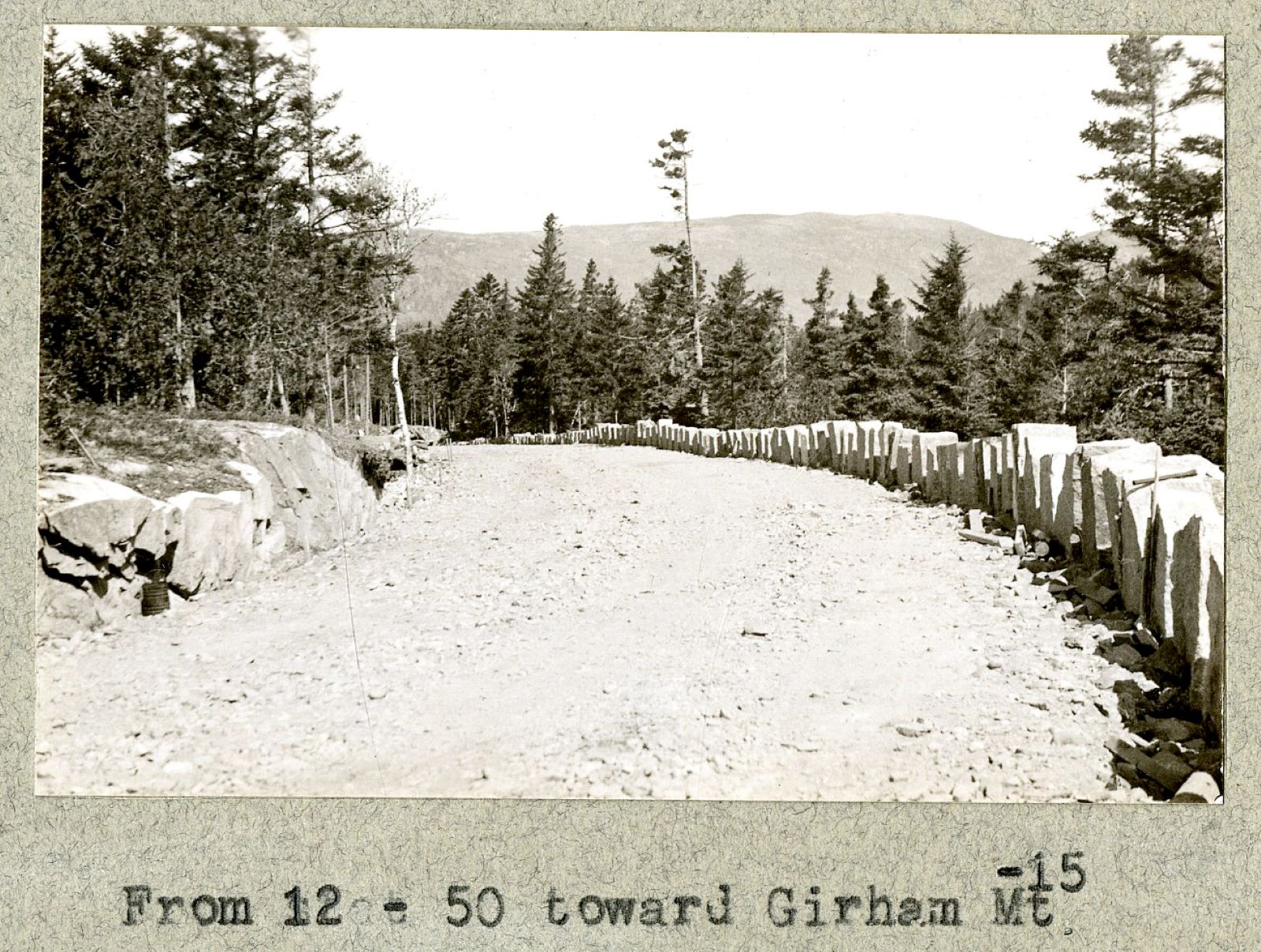
Acadia National Park: Carriage Roads, Cadillac Mountain & 2026 Guide
Discover carriage roads, Cadillac Mountain, and rugged Maine coast. Complete 2026 guide to Acadia National Park — trails, fees, lodging, permits, and what rangers recommend.
Hiking Guide
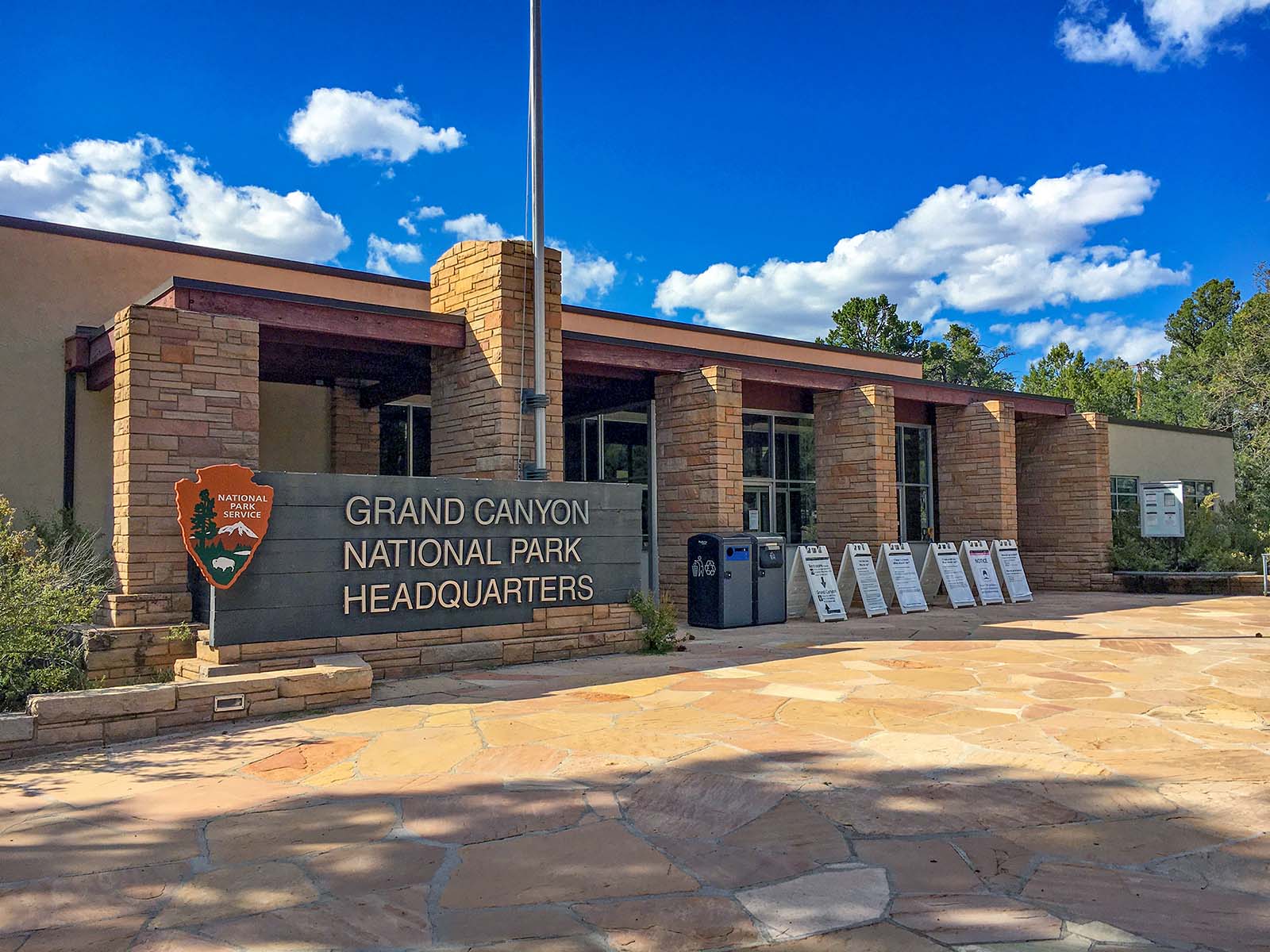
Grand Canyon Hiking Trails: Day Hikes, Water Sources & Rim to Rim
Compare Grand Canyon hiking trails: Bright Angel, South Kaibab, Hermit, Grandview, and rim to rim, with distances, elevation, water stops, and trailhead access for each.
Best Of
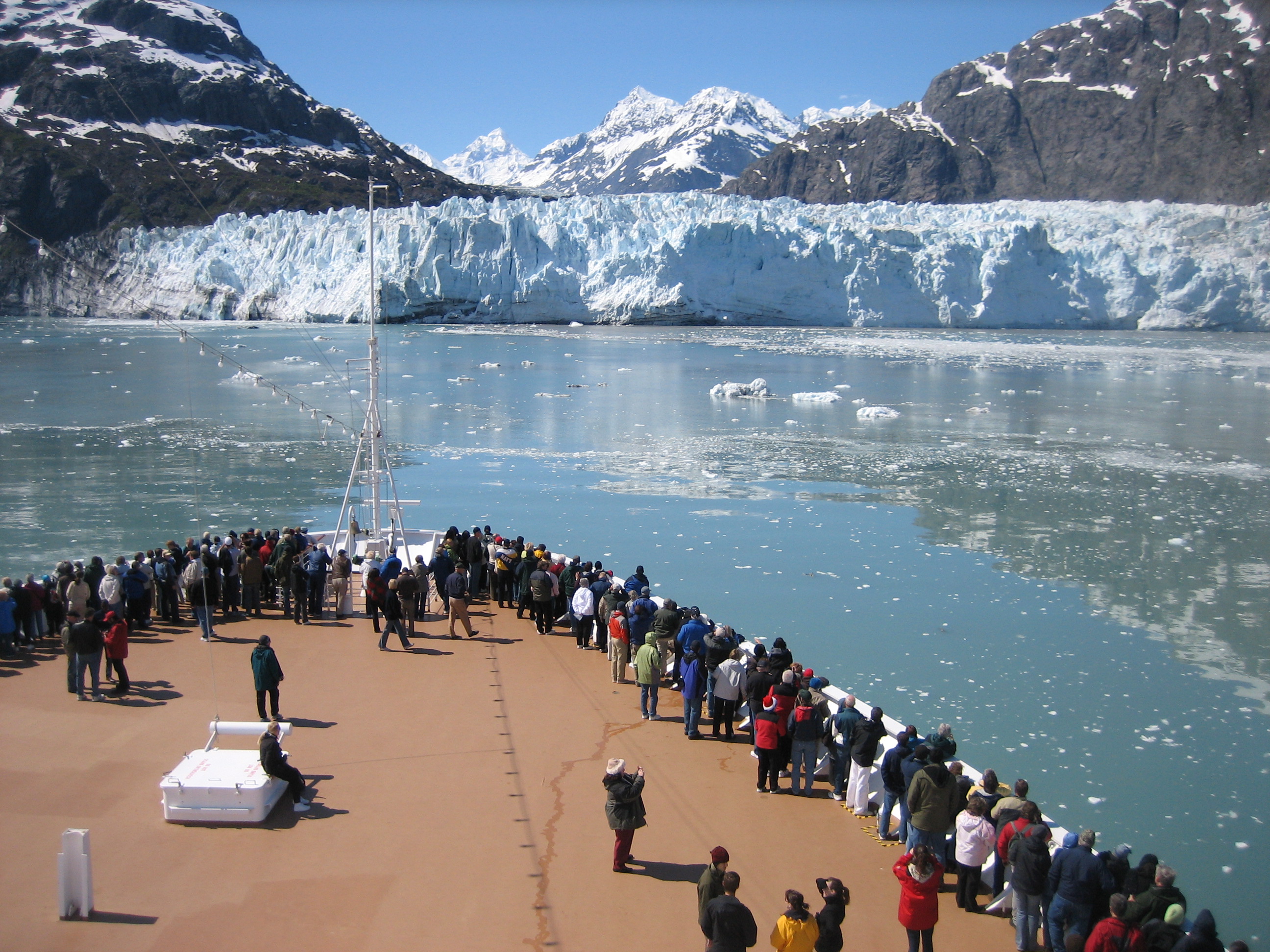
Best of Glacier Bay National Park
The best of Glacier Bay is reached by boat: ranger-led day tours up the bay to the tidewater glaciers. What's worth it, how to book, and when to go (2026).
Campsite Guide
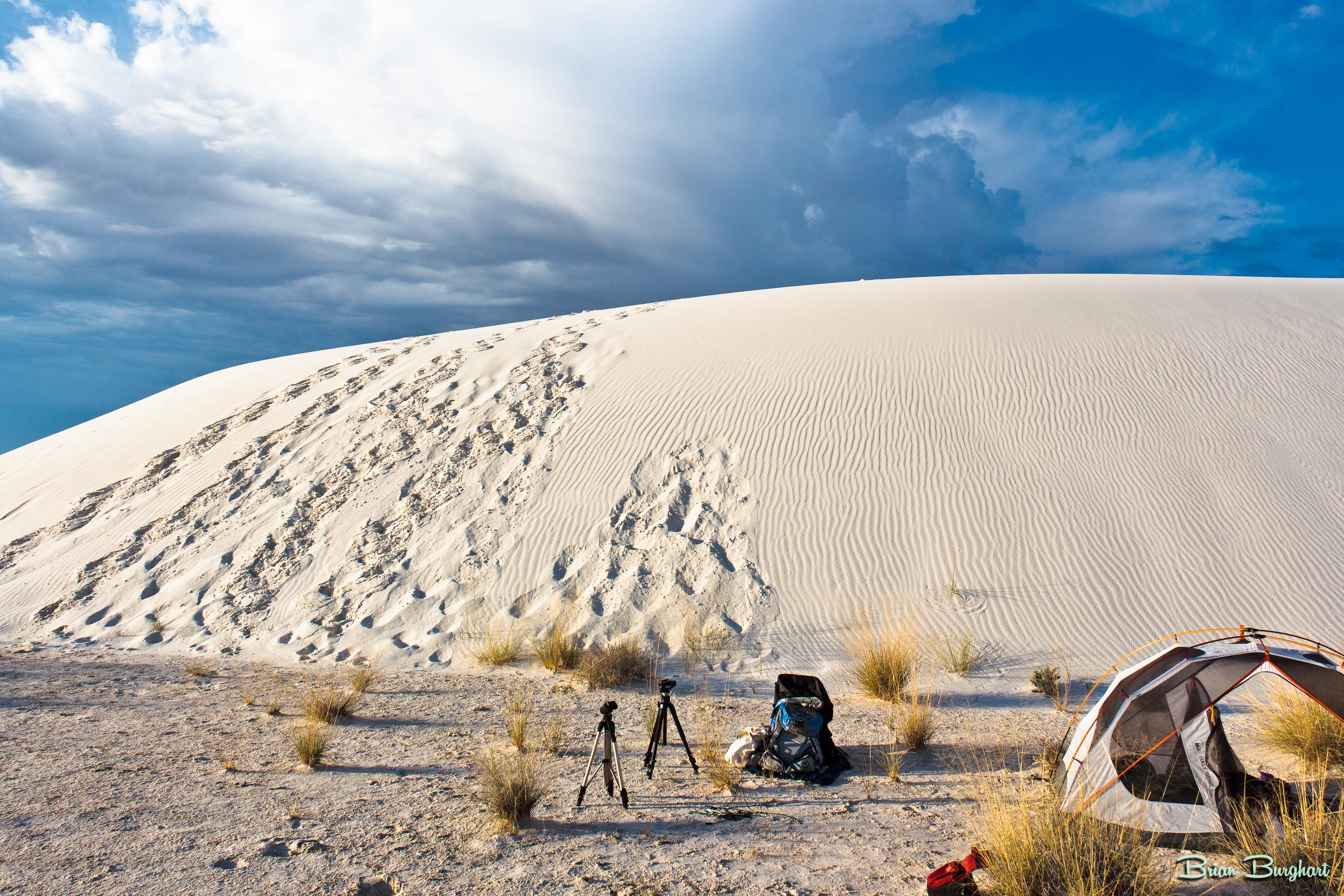
White Sands Backcountry Camping: Closed for 2026 — What to Know
As of 2026, backcountry camping at White Sands National Park is closed for site rehabilitation. What that means, and where to camp nearby instead.
Weather Guide
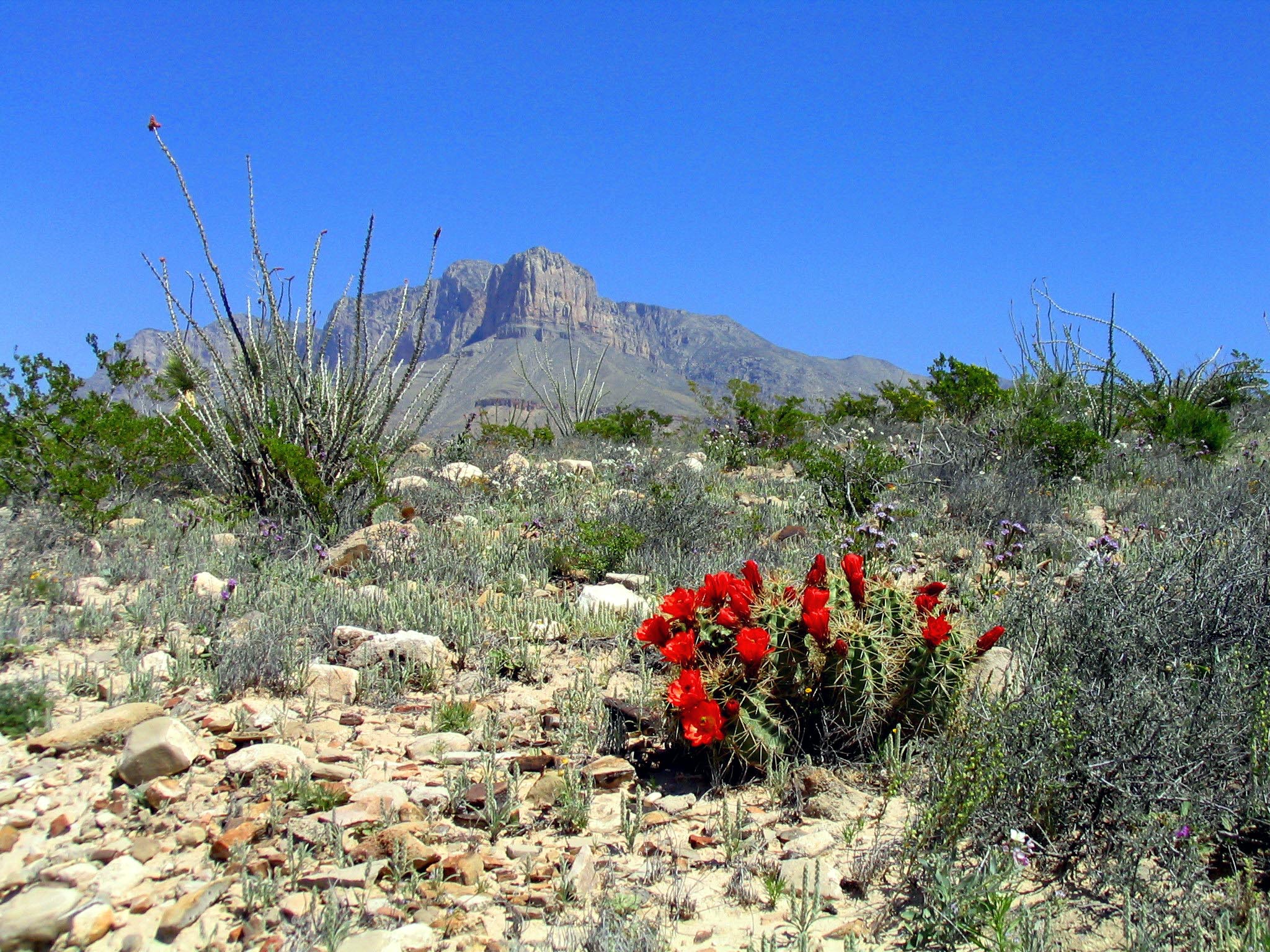
Guadalupe Mountains National Park Weather: Weather
Guadalupe Mountains National Park: weather guide guide updated 2026. Practical visitor information, reservations, and seasonal tips worth bookmarking before
Best Of
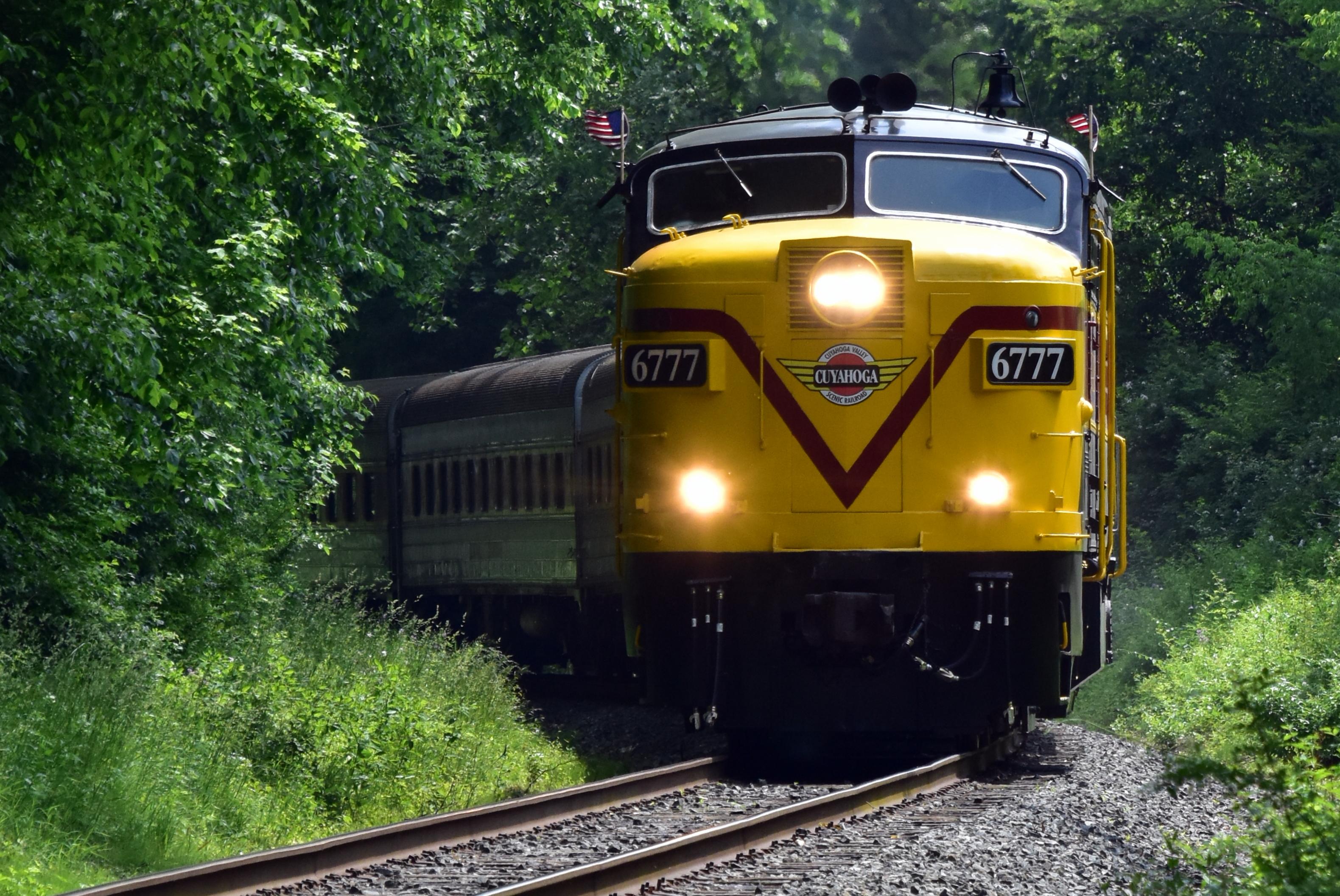
Best of Cuyahoga Valley National Park: Best Things to Do
Seeing a Cleveland Orchestra concert with the woods as your backdrop is a uniquely Cuyahoga Valley experience.
Sign in to join the conversation.
Sources & Attribution
Location data courtesy of the National Park Service (U.S. Department of the Interior). NPS data is public domain. Official NPS page.
Images: NPS; NPS; NPS.
Map data © OpenStreetMap contributors.
Park operations alerts: NPS.gov · Weather and weather hazards: National Weather Service · Live conditions.
Information may change. Always verify fees, hours, and conditions directly with the official source before visiting.
Did this guide help? Share it with a friend.