The three wilderness cabins inside Haleakalā Crater - Hōlua, Palikū, and Kapalaoa - require you to earn every night of sleep you get there. The shortest hike in is 3.7 miles. The longest is 9.3 miles. And that's just to reach the door. There are no roads, no vehicle access, and no delivery service. You pack everything you need on your back and hike it in.
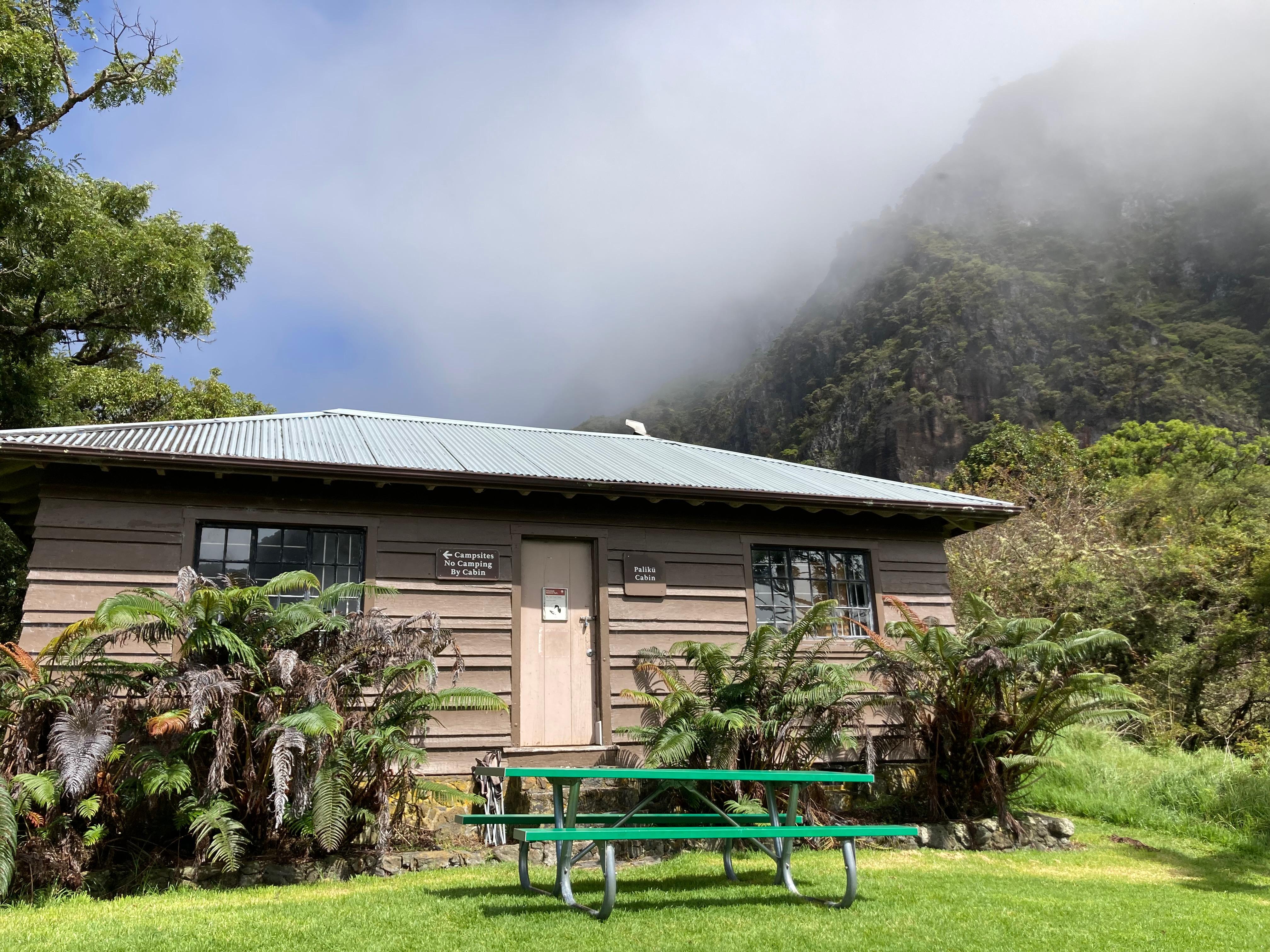
NPS via NPS.gov (Public Domain)
Campsites at Wilderness Cabins (2026 Guide)
7 min read
Campsite Guide
At 5.5 miles (8.9 km) from the trailhead, Kapalaoa requires more commitment. The trail continues past Hōlua and heads east across the crater floor.
Your plans
For more, see Campsites at Hosmer Grove Campground (2026 Guide).
For anyone who has looked at the crater from the summit and wondered what it feels like to be down in it overnight, these cabins are the answer. They are also the only roofed overnight accommodations in the park's designated Wilderness area. As of 2026, they remain open year-round, though current conditions at the park mean you need to plan ahead more carefully than usual.
This guide covers the three cabins, how to reserve them, what the complete visitor guide covers in more depth, and what the current alerts mean for your trip.
The Three Cabins and What Separates Them
Each cabin sits in a different part of the crater floor or rim. They are not interchangeable. Your choice should depend on how far you want to hike and what kind of landscape you want to wake up in.
Hōlua Cabin
This is the easiest to reach and the most popular. The trail from the summit area drops down into the crater via the Sliding Sands Trail, and Hōlua sits 3.7 miles (5.9 km) from the trailhead. That distance is all downhill on the way in, which means you will climb it all back out the next day. Most first-time visitors underestimate how much that return hike takes out of their legs.
Hōlua is located near the western edge of the crater floor, close to the cinder cone landscape. The cabin sits in a relatively exposed area. Wind is a constant factor here. The trail register is full of comments about wind rattling the cabin walls all night. Bring earplugs if you are a light sleeper.
Kapalaoa Cabin
At 5.5 miles (8.9 km) from the trailhead, Kapalaoa requires more commitment. The trail continues past Hōlua and heads east across the crater floor. The terrain changes noticeably - the surface shifts from loose cinders to harder packed trail, and the landscape opens up in ways that make the crater's scale unmistakable.
Kapalaoa sits along the southern edge of the crater. From this overlook you can see the full sweep of the crater stretching east toward Palikū. Rangers will tell you this cabin offers the best balance of accessibility and solitude. It gets fewer bookings than Hōlua, so you have a better chance of securing a reservation during peak months.
Palikū Cabin
This is the most remote and the least visited. The hike is 9.3 miles (15 km) one way, and that distance filters out everyone who is not committed. Palikū sits at the eastern end of the crater, near the pali (cliff) that gives it its name. The vegetation here is different - wetter, greener, with more native shrubs and ferns than the open cinder deserts of the central crater floor.
Pack extra water for this stretch. The water sources near Palikū are less reliable, and the park website mentions checking current conditions before heading out. Cell service drops out at roughly the same point you lose sight of the summit parking lot, so download maps and directions before you start.
Reservations and Fees
All three cabins require a reservation. There are no walk-up options. You book through recreation.gov, and the competition for dates is serious, especially during summer months and holiday weekends.
The fee structure is straightforward:
- Reservation fee: $75 per night per cabin
- Entrance fee: $30 per vehicle for a 3-day pass (purchased at the entrance gate)
A common misunderstanding: the $75 cabin fee does not cover the park entrance fee. You pay both. The entrance fee is collected at the gate upon arrival. If you arrive after hours, an automated machine handles payment.
The park service recommends booking as far ahead as the recreation.gov window allows. Returning visitors tend to book their preferred cabin for the same week every year. Spots open up when cancellations happen, but relying on that is not a strategy.
For a broader look at all camping options in the park, the all campgrounds page covers the full picture.
Current Conditions You Need to Know About
As of early 2026, several conditions affect trips to the wilderness cabins. These are not hypothetical - they are active alerts from the park.
Summit District Construction
The Haleakalā Visitor Center at 9,740 feet is closed from February 19 through the week of May 17, 2026, for a building improvement project. Sunrise operations continue as normal, and the restrooms remain open. The Headquarters Visitor Center at 7,000 feet is operating on its regular schedule.
What this means for cabin users: if you had planned to stop at the summit visitor center before or after your hike, you will need to adjust. The restrooms are still available, but the indoor exhibits and information desk are not.
Water Shutoff at Hosmer Campground
As of September 30, 2025, the water at Hosmer Campground in the Summit District is shut off due to a waterline break. The park does not have an estimate for when repairs will be complete. Water is available 24 hours at Headquarters Visitor Center, one mile up the road.
If you are camping at Hosmer the night before or after your cabin stay, bring enough water for your needs. Do not count on filling bottles there.
Parking and Traffic Delays
Beginning January 12, 2026, the summit district parking lot has limited space due to a water infrastructure project. Expect delays. This project will last several months. The parking lot fills early, especially on weekends. Early morning is your best bet for finding a spot without circling.
Sunset Entry Limits
Due to high traffic volume, cars may be temporarily turned around at the entrance gate when capacity is reached. Purchasing a park pass online does not guarantee entry. The park recommends arriving three hours before sunset to ensure access. This matters if your cabin trip starts with a late afternoon hike down into the crater.
Nēnē on the Roadway
The nēnē (Hawaiian goose) and ʻuaʻu (Hawaiian petrel) are nesting in the park and frequently land on roads, parking lots, and the road leading up to the park. Drive at posted speed limits. These birds do not move quickly. Hitting one is not just sad - it is also a federal issue, as these are protected species.

What to Pack for a Cabin Stay
The cabins are basic. They provide bunks with mattresses, a table, and a wood stove. They do not provide bedding, food, cooking equipment, or water. Everything you need for the night, you carry in.
Most visitors underestimate how cold the crater gets at night. The elevation is roughly 7,000 feet depending on the cabin location. Temperatures can drop into the 40s Fahrenheit year-round, and lower in winter. A 20-degree sleeping bag is not overkill. The wood stove helps, but you will need to gather your own fuel - check current regulations on firewood collection before you go.
Water is the heavier item on your packing list, and the one people most commonly try to skimp on. Plan for at least one gallon per person per day for drinking, cooking, and basic washing. The hike out is uphill, and you will need every drop.
Practical Takeaways
- Book cabins through recreation.gov as far in advance as the window allows. The $75 nightly fee is per cabin, not per person, so splitting it among a group lowers the per-person cost.
- Pay the $30 vehicle entrance fee separately at the gate. The cabin reservation does not cover it.
- The shortest hike is 3.7 miles to Hōlua. The longest is 9.3 miles to Palikū. Choose based on your group's fitness and experience.
- The summit visitor center is closed until mid-May 2026. Use the Headquarters Visitor Center at 7,000 feet for information and water.
- Water at Hosmer Campground is shut off. Fill up at Headquarters Visitor Center.
- Expect limited parking and traffic delays in the summit district through 2026.
- Drive slowly on park roads. Nēnē and ʻuaʻu nest near roadways and will not move out of your way.
- Arrive three hours before sunset if entering the park in the evening.
- Pack a sleeping bag rated for at least 20°F. The cabins have bunks but no bedding.
- Carry at least one gallon of water per person per day. There is no potable water at the cabins.
- Download maps and directions before you start. Cell service drops out once you descend into the crater.
Final Thoughts
Sleeping inside Haleakalā Crater is a different experience than standing at the summit overlook watching the sunrise with fifty other people. The crater at night is quiet in a way that takes some getting used to. No wind through the parking lot. No car doors slamming. Just the sound of your own footsteps on the cabin floor and whatever the night sky decides to do.
The cabins are not luxurious. They are shelter. That is what makes them worth the hike. If you want comfort, stay at a hotel in Kula. If you want to spend a night in one of the most unusual landscapes in the Pacific, start training your legs and book your dates.
The park's current construction projects and water issues will eventually resolve. But the cabins themselves - three of them, scattered across the crater floor, waiting for people willing to walk to them - will still be there. They have been there for decades. They will be there when the repairs are done.
Book early. Pack light. Bring water. Respect the nēnē.
Sources
- Official source: NPS — Haleakala National Park nps.gov/hale/index.htm
- Official source: National Park Service nps.gov/hale/planyourvisit/wilderness-cabins.htm
Photo Gallery
More to Explore
Park Guide
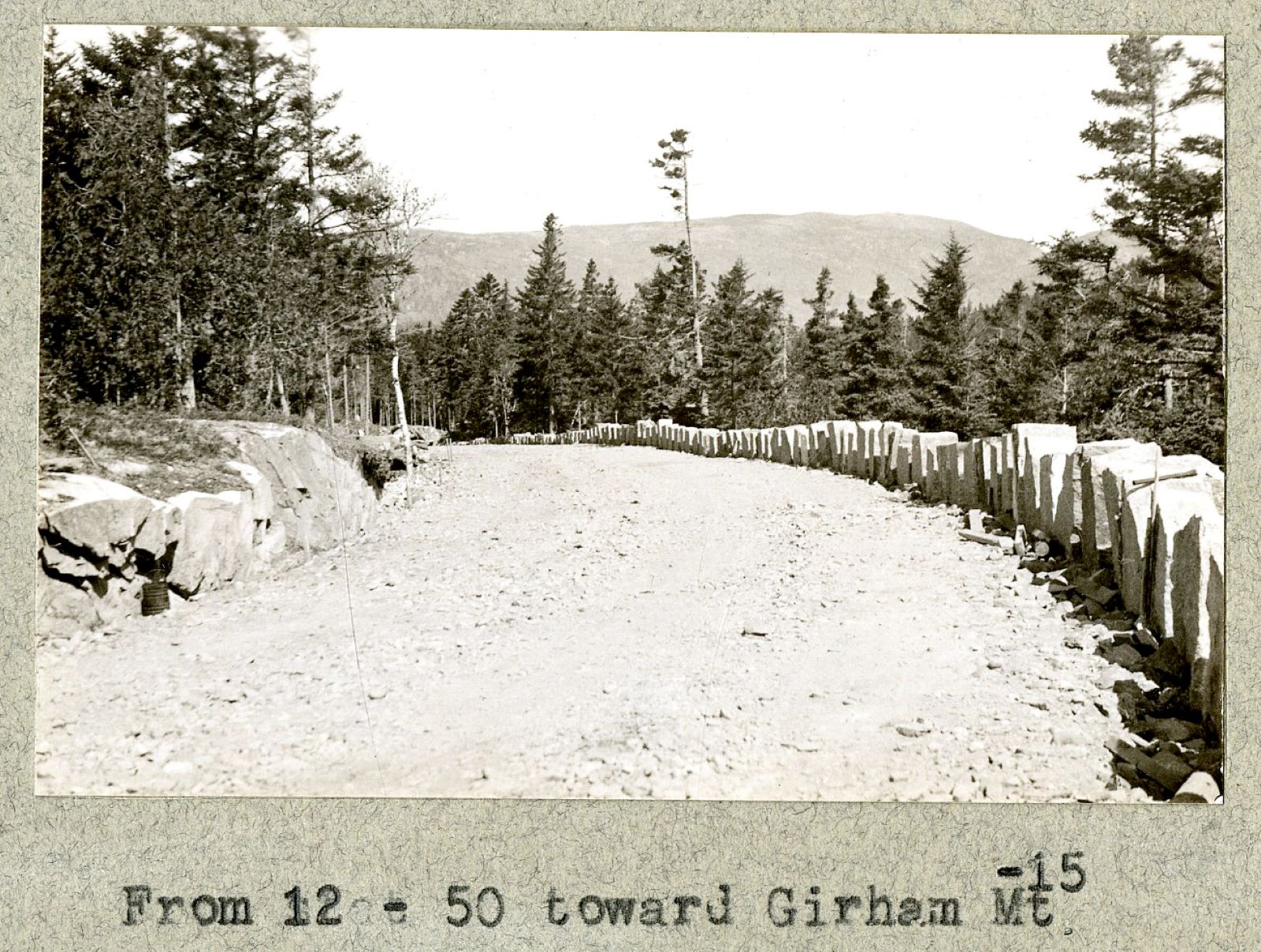
Acadia National Park: Carriage Roads, Cadillac Mountain & 2026 Guide
Discover carriage roads, Cadillac Mountain, and rugged Maine coast. Complete 2026 guide to Acadia National Park — trails, fees, lodging, permits, and what rangers recommend.
Hiking Guide
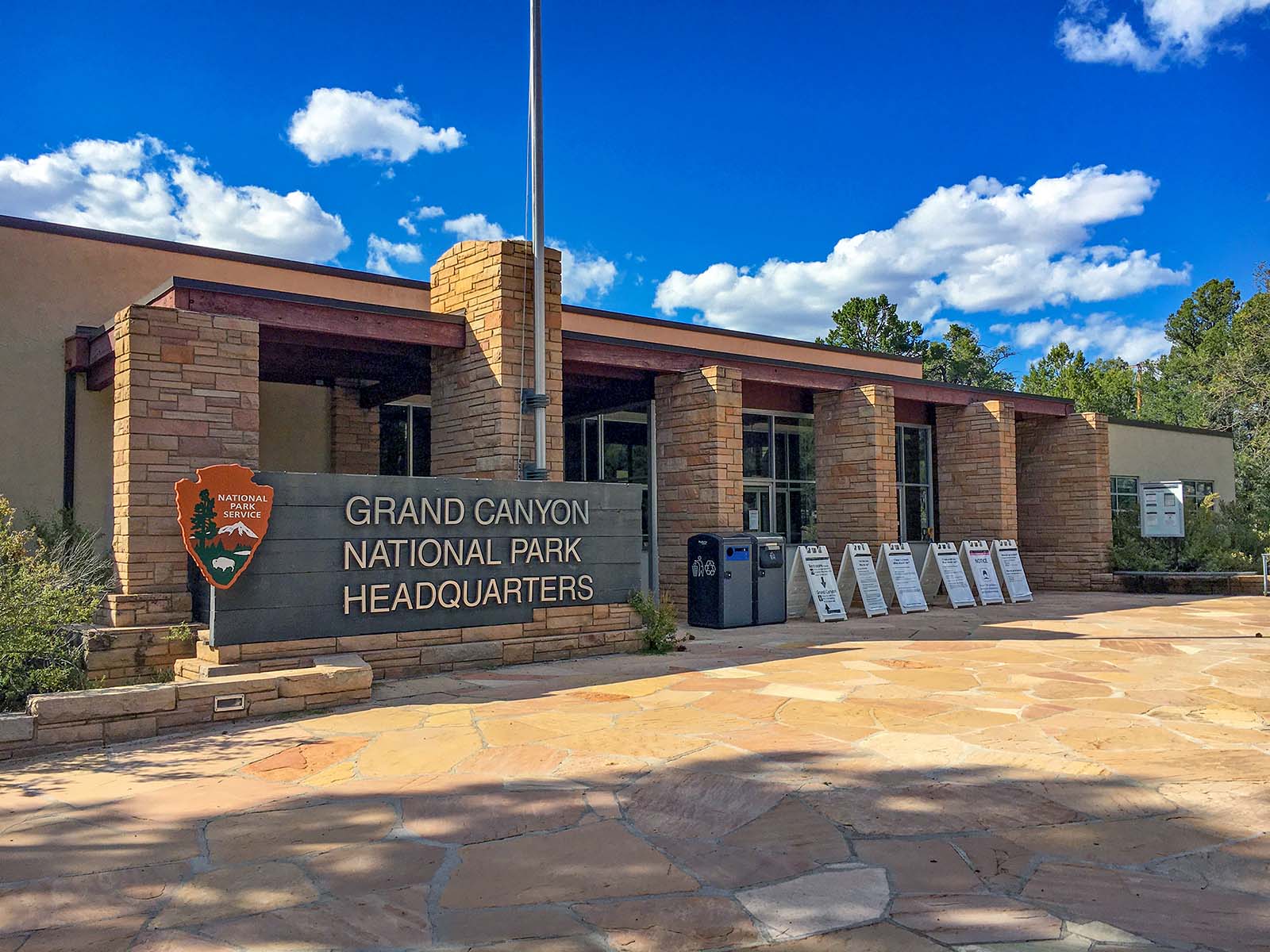
Grand Canyon Hiking Trails: Day Hikes, Water Sources & Rim to Rim
Compare Grand Canyon hiking trails: Bright Angel, South Kaibab, Hermit, Grandview, and rim to rim, with distances, elevation, water stops, and trailhead access for each.
Best Of
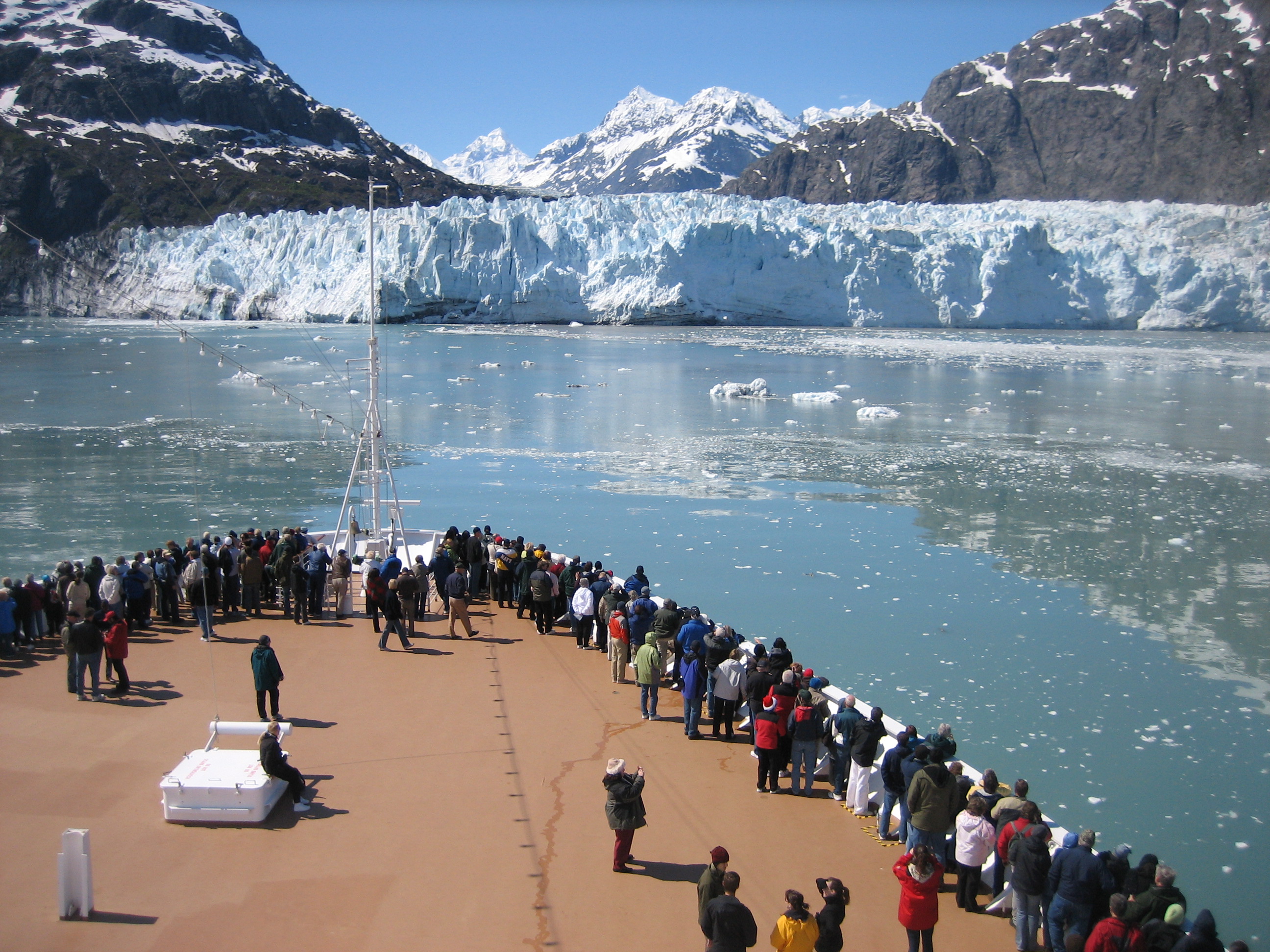
Best of Glacier Bay National Park
The best of Glacier Bay is reached by boat: ranger-led day tours up the bay to the tidewater glaciers. What's worth it, how to book, and when to go (2026).
Campsite Guide
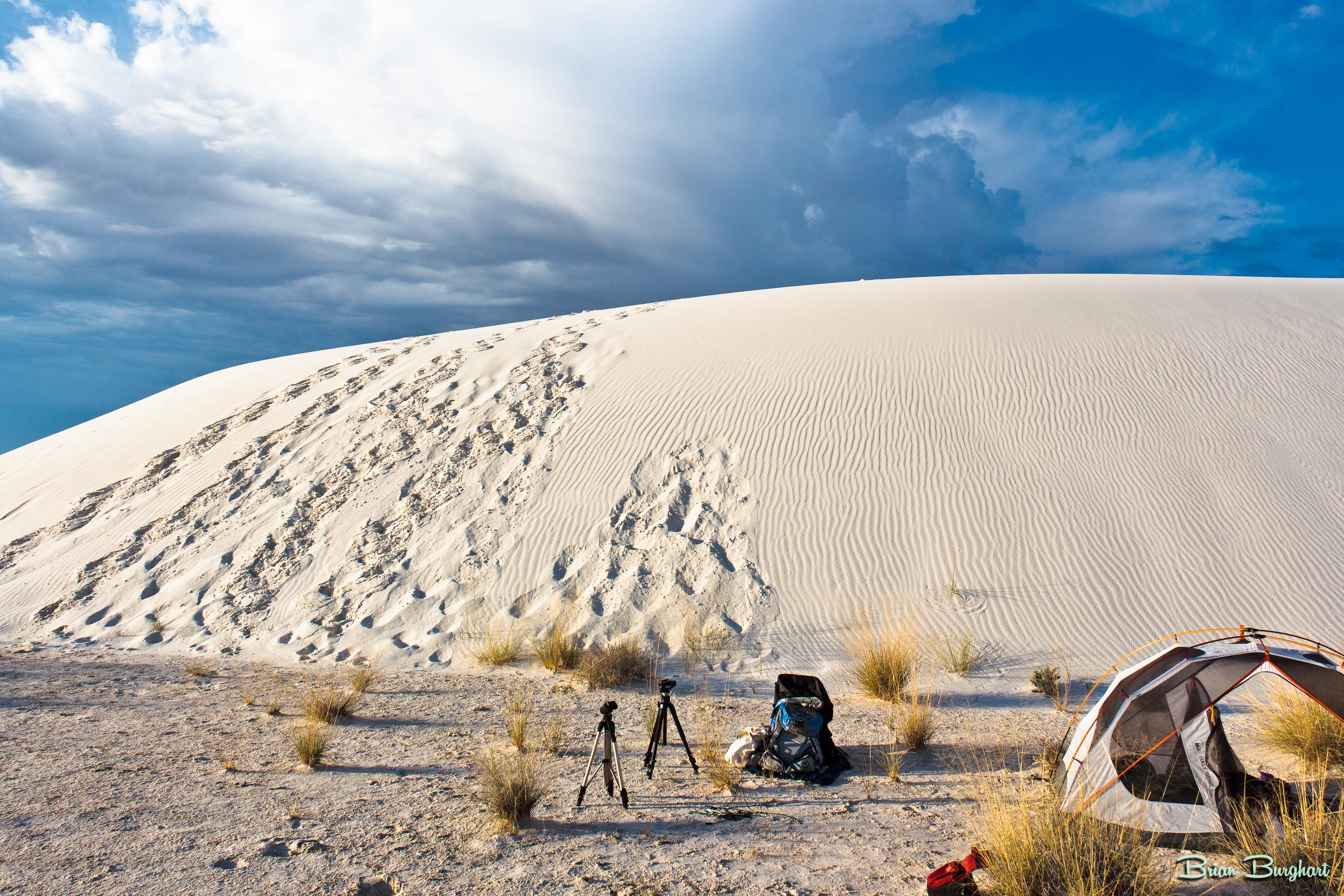
White Sands Backcountry Camping: Closed for 2026 — What to Know
As of 2026, backcountry camping at White Sands National Park is closed for site rehabilitation. What that means, and where to camp nearby instead.
Weather Guide
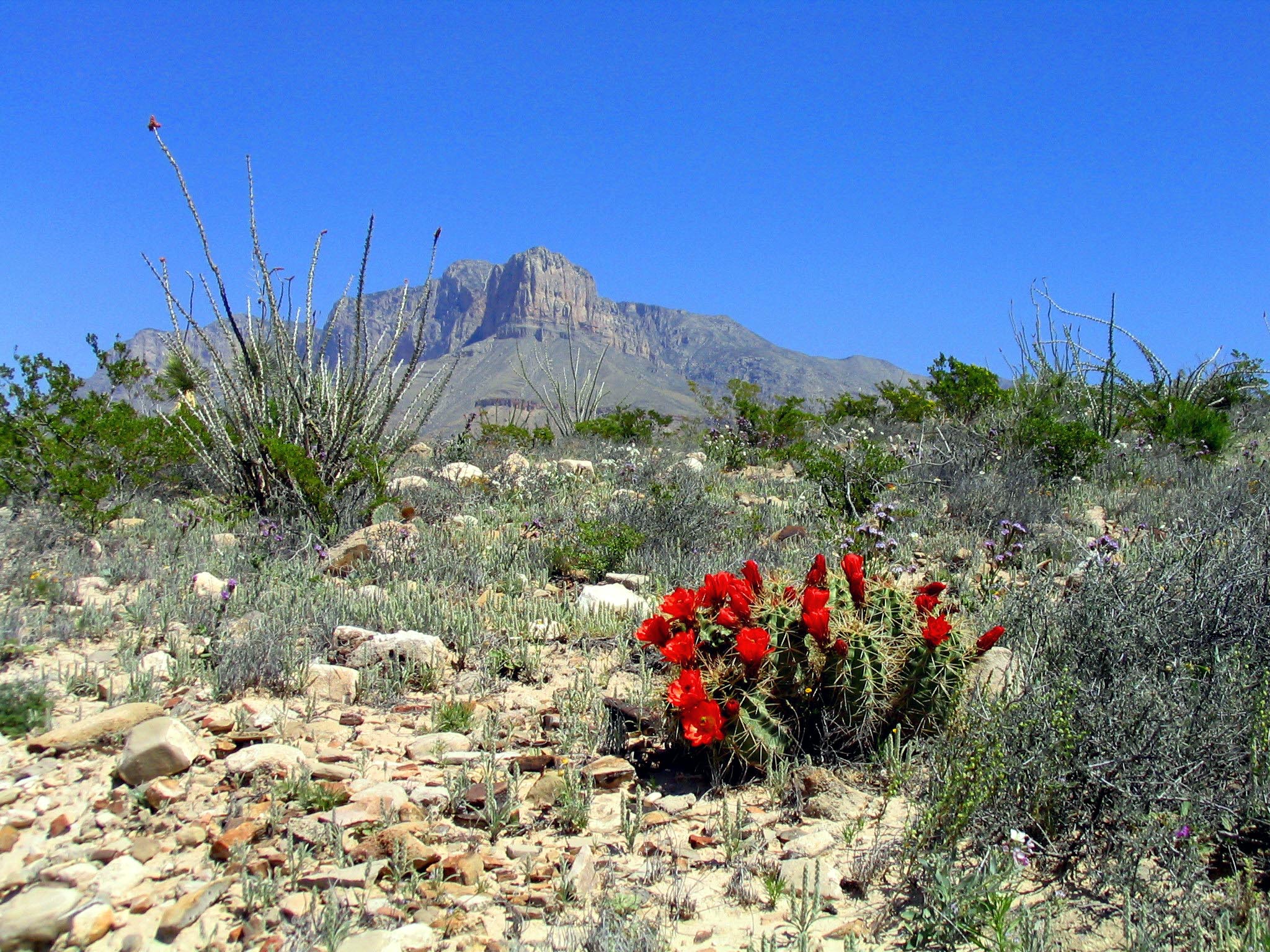
Guadalupe Mountains National Park Weather: Weather
Guadalupe Mountains National Park: weather guide guide updated 2026. Practical visitor information, reservations, and seasonal tips worth bookmarking before
Best Of
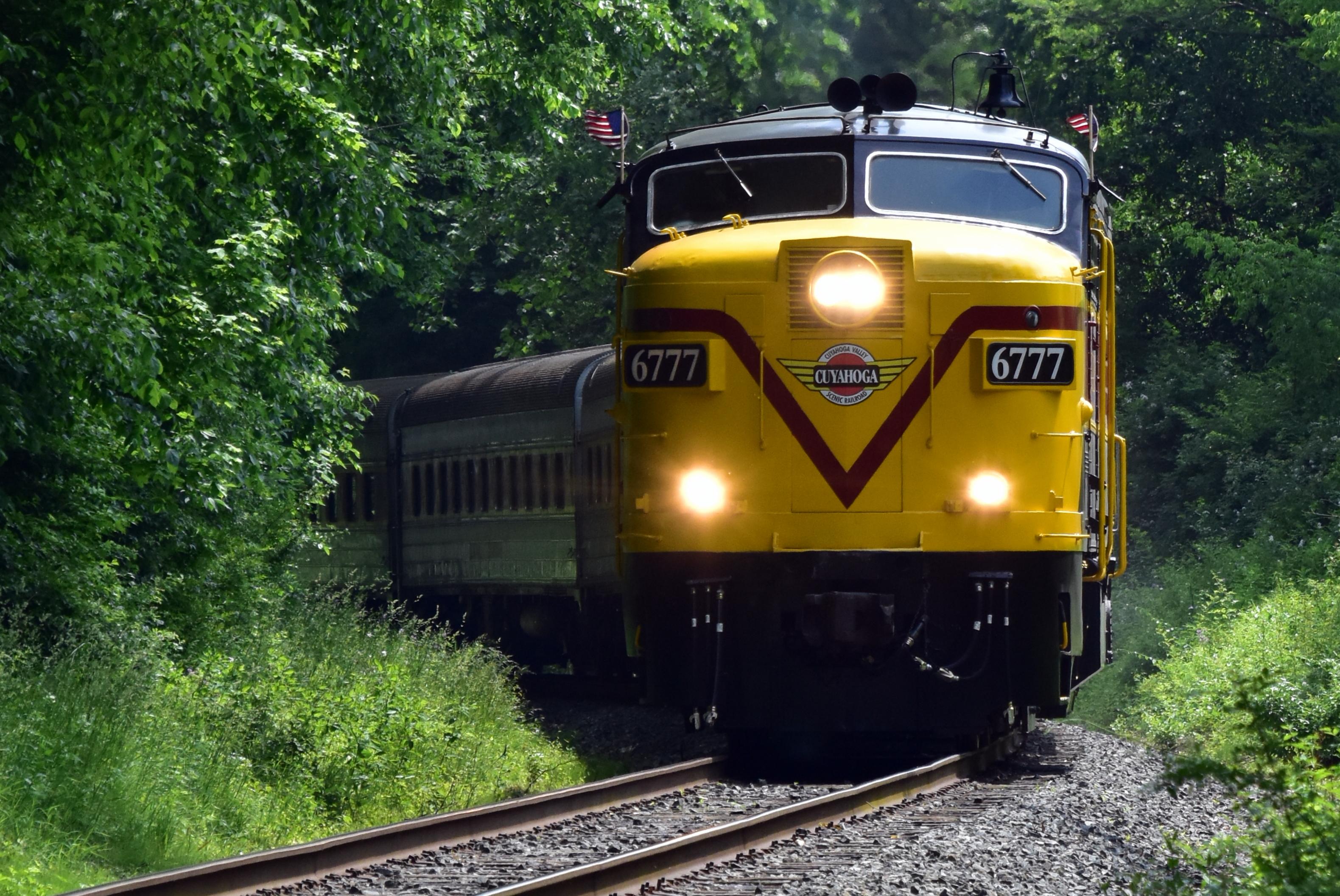
Best of Cuyahoga Valley National Park: Best Things to Do
Seeing a Cleveland Orchestra concert with the woods as your backdrop is a uniquely Cuyahoga Valley experience.
Sign in to join the conversation.
Sources & Attribution
Location data courtesy of the National Park Service (U.S. Department of the Interior). NPS data is public domain. Official NPS page.
Images: NPS; NPS; NPS.
Map data © OpenStreetMap contributors.
Park operations alerts: NPS.gov · Weather and weather hazards: National Weather Service · Live conditions.
Information may change. Always verify fees, hours, and conditions directly with the official source before visiting.
Did this guide help? Share it with a friend.