What would make you drive 38 miles of unpaved road, cross a notoriously tricky mountain pass, and camp at 3,785 feet with no water and no toilets? For many Death Valley regulars, the answer is Homestake Campground (primitive) - a free, first-come-first-served site near the Racetrack playa that rewards the determined with solitude and dark skies. As of 2026, this is one of the most remote camping options in Death Valley National Park, and it's not for the unprepared. This complete guide covers everything you need to know before you attempt the drive - because the park service will tell you straight: pack in all you need, pack out all you bring.
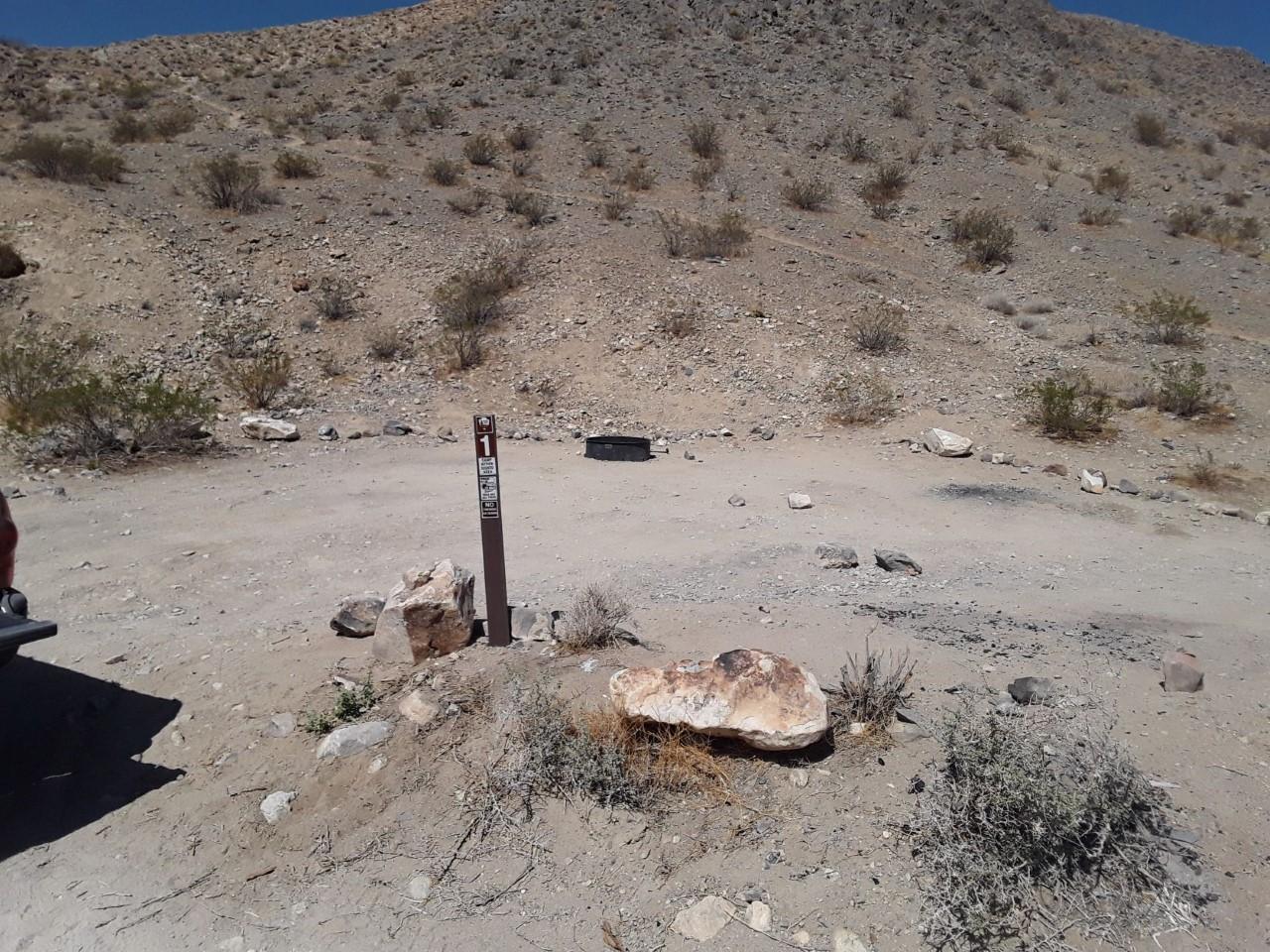
NPS via NPS.gov (Public Domain)
Homestake Campground (primitive) at Homestake Campground
4 min read
Campsite Guide
What would make you drive 38 miles of unpaved road, cross a notoriously tricky mountain pass, and camp at 3,785 feet with no water and no toilets?
Your plans
For more, see complete visitor guide, all campgrounds, hiking trails, lodging and accommodations, Campsites at Mesquite Spring Campground (2026 Guide), Campsites at Texas Springs Campground (2026 Guide), and Campsites at Wildrose Campground (2026 Guide) (2026 Guide).
For a broader look at all camping options in the park, see our complete visitor guide. If you are comparing sites, our all campgrounds page lists every option.
Getting to Homestake Campground - Not a Casual Trip
The drive is the main event. From CA 190, turn north at the junction for Scotty's Castle Road toward Ubehebe Crater. Stay on that paved road for about 38 miles - past the crater parking area - then turn right onto unpaved Racetrack Road. From there, it's about 26 more miles of washboard gravel and sharp rocks to reach the Homestake campground primitive site.
Vehicle Requirements - No Compromises
The research data from the park service is blunt: "accessible only by high-clearance vehicles with all-terrain tires. Access from Saline Valley Road requires navigating Lippincott Pass and should only be attempted by experienced 4-wheel drivers." That's not the usual NPS hedge. If you are coming from the south or west via Saline Valley Road, you will face Lippincott Pass - a steep, one-lane shelf road with loose rock and no guardrails. Most first-time visitors driving from Furnace Creek or Stovepipe Wells will use the Racetrack Road approach instead, which is slightly less extreme but still demands high clearance and a spare tire (or two).
Common mistakes: assuming an all-wheel-drive crossover is enough. Rangers emphasize that low-profile tires and low ground clearance will likely lead to a puncture or a high-center situation. Tow trucks charge hundreds and can take more than a day to reach you.

What to Expect at the Site
Homestake Dry Camp has ten sites, all first-come-first-served. The elevation holds 3,785 feet, which means cooler nights than the valley floor - expect 20-30°F temperature drops after sunset even in spring and fall. There are no approved toilet facilities. No water. No trash cans. No picnic tables or fire rings (though you can use portable camp stoves; check current fire restrictions).
Camping Fee and Required Permits
The camping fee is $0.00, but Death Valley National Park charges an entrance fee (currently $30 per vehicle for 7 days, or an Annual Pass). The park website confirms: "Free (Death Valley entrance fee or Annual/Lifetime Pass required)." So you pay nothing extra for the campsite itself, but you need a valid park pass.
Site Selection and Arrival
Since it's entirely first-come-first-served, arrive early in the day - especially between November and March when the weather is more favorable. The sites are spaced widely apart on a flat, open area. Most visitors choose a spot with a view of the surrounding mountain ranges. Rangers note that the ground is hard-packed gravel and dirt; bring a ground cloth and sturdy tent stakes.

Making Your Trip Successful
Packing List - Don't Forget These
The park service phrase "pack in all that you need, pack out all that you bring" applies absolutely here. Here is what experienced visitors always bring:
- At least 1 gallon of water per person per day (plan for 2 days minimum)
- A portable toilet system (WAG bag or similar) - because there are no facilities
- High-clearance vehicle with a full-size spare, jack, tire repair kit
- Extra fuel - the nearest gas at Panamint Springs Resort is only available from 7am to 9:30pm daily; Stovepipe Wells and Furnace Creek have 24-hour pumps but are 60+ miles away
- Sun protection - no shade at the campsites
- Warm layers - the wind can howl across the Racetrack Valley
Best Time to Visit
Open year-round, but winter (November-March) is the sweet spot. Summer daytime temperatures above 100°F make camping uncomfortable even at 3,785 feet. Spring (April) offers longer days and cooler nights, but afternoon winds are common. Avoid hiking on Racetrack Road during or after rain - the surface becomes slick and impassable.

Practical Takeaways
- Vehicle readiness first - Confirm high clearance, all-terrain tires, and carry two spares if possible. Know the route: Racetrack Road from Ubehebe Crater is the less technical approach.
- Water and toilet - Carry enough water for your entire stay plus an extra day. Use a portable toilet system and pack out all waste.
- Arrive early - Ten sites fill quickly on weekends and holidays (though many visitors turn back because of road conditions).
- Gas check - Gas at Panamint Springs closes at 9:30pm. Plan fuel stops at Furnace Creek or Stovepipe Wells if arriving late.
- Cell service - Cell service drops out at the turn onto Racetrack Road. Download maps and alerts before leaving paved roads.
- Leave no trace - Every piece of trash, food wrapper, and human waste must leave with you.
Final Thoughts
Most first-time visitors underestimate the drive. The washboard rattles your vehicle, the dust seeps into every zipper, and the isolation sets in faster than expected. But the reward - a night under some of the darkest skies in the contiguous US, where the Milky Way casts shadows - is what keeps people coming back. Homestake campground primitive stands as a test of preparation and self-reliance. Pass, and you'll understand why Death Valley regulars keep this one off the typical itinerary. Fail to prepare, and the desert will remind you who's in charge.
Sources
- Official source: NPS — Death Valley National Park nps.gov/deva/index.htm
- Official source: National Park Service nps.gov/deva/planyourvisit/homestake-campground-primitive.htm
Photo Gallery
More to Explore
Park Guide
Acadia National Park: Carriage Roads, Cadillac Mountain & 2026 Guide
Discover carriage roads, Cadillac Mountain, and rugged Maine coast. Complete 2026 guide to Acadia National Park — trails, fees, lodging, permits, and what rangers recommend.
Hiking Guide
Grand Canyon Hiking Trails: Day Hikes, Water Sources & Rim to Rim
Compare Grand Canyon hiking trails: Bright Angel, South Kaibab, Hermit, Grandview, and rim to rim, with distances, elevation, water stops, and trailhead access for each.
Best Of
Best of Glacier Bay National Park
The best of Glacier Bay is reached by boat: ranger-led day tours up the bay to the tidewater glaciers. What's worth it, how to book, and when to go (2026).
Campsite Guide
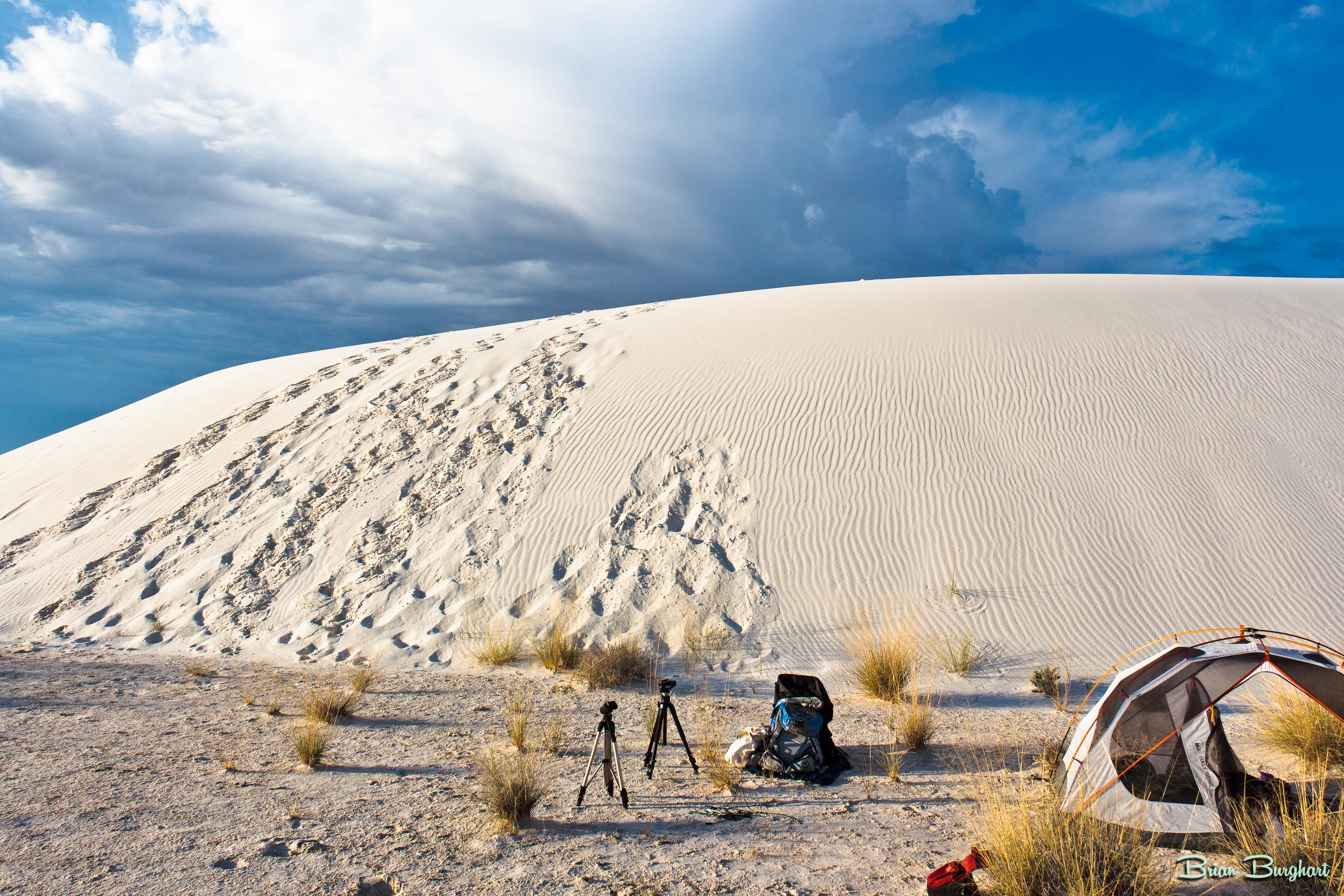
White Sands Backcountry Camping: Closed for 2026 — What to Know
As of 2026, backcountry camping at White Sands National Park is closed for site rehabilitation. What that means, and where to camp nearby instead.
Weather Guide
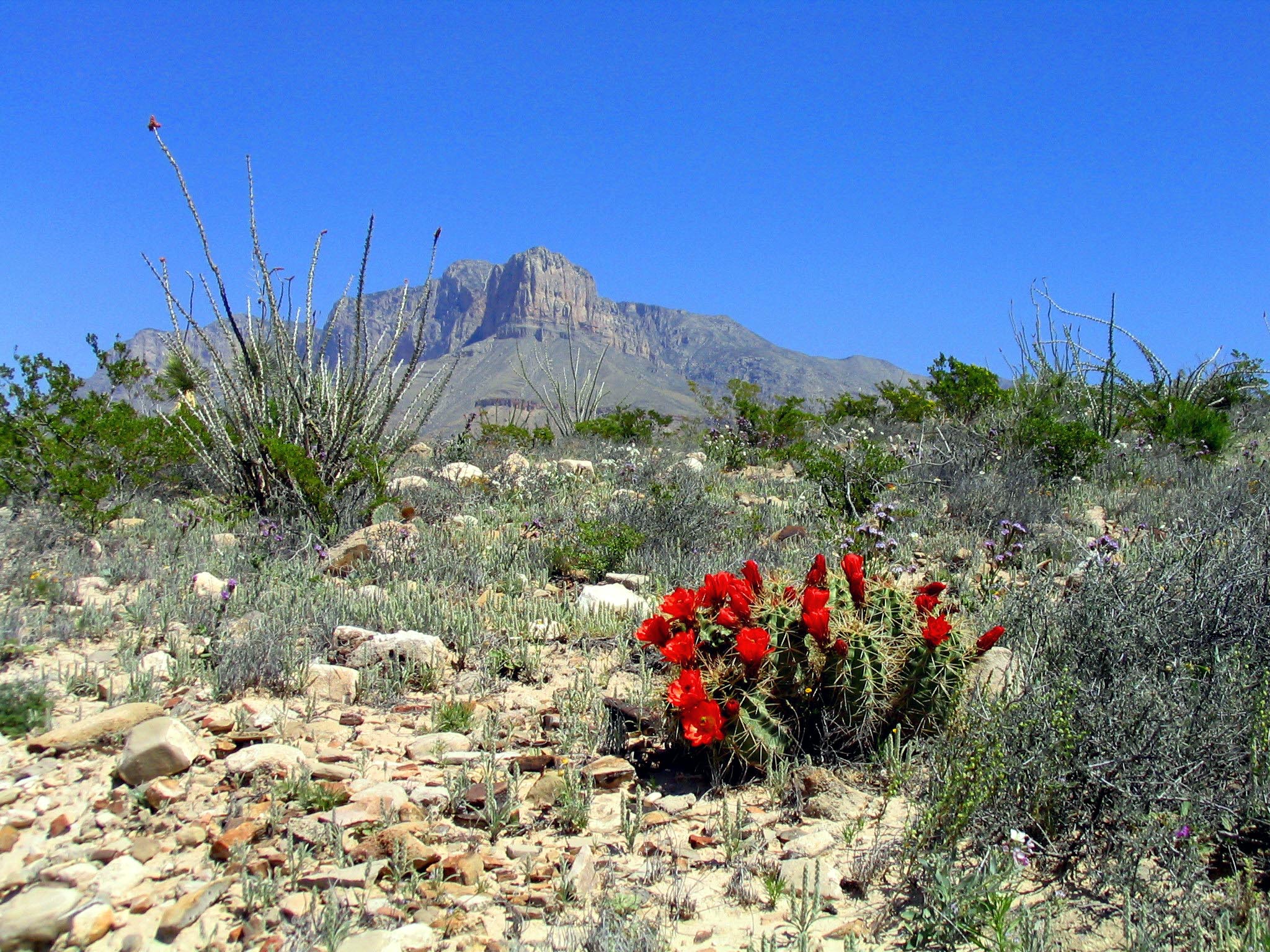
Guadalupe Mountains National Park Weather: Weather
Guadalupe Mountains National Park: weather guide guide updated 2026. Practical visitor information, reservations, and seasonal tips worth bookmarking before
Best Of
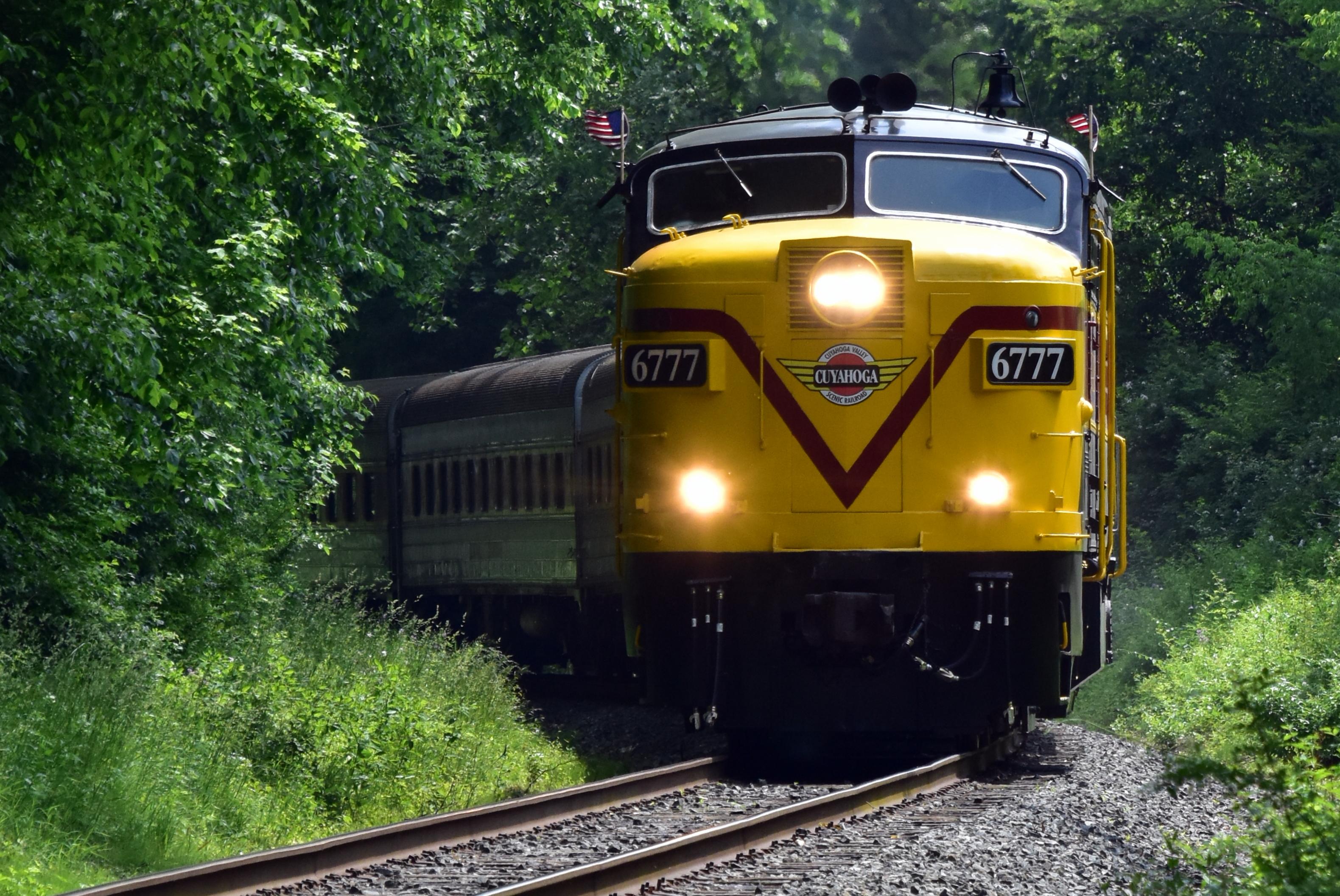
Best of Cuyahoga Valley National Park: Best Things to Do
Seeing a Cleveland Orchestra concert with the woods as your backdrop is a uniquely Cuyahoga Valley experience.
Sign in to join the conversation.
Sources & Attribution
Location data courtesy of the National Park Service (U.S. Department of the Interior). NPS data is public domain. Official NPS page.
Images: NPS; NPS; NPS; NPS.
Map data © OpenStreetMap contributors.
Park operations alerts: NPS.gov · Weather and weather hazards: National Weather Service · Live conditions.
Information may change. Always verify fees, hours, and conditions directly with the official source before visiting.
Did this guide help? Share it with a friend.