Coho salmon in Michigan are a fall and spring fish, full stop. The window that matters most runs from late August through November, when adult fish stage near river mouths and push into Michigan's tributaries to spawn. If you're planning around coho, you're planning around that run, not around a calendar season.

Vlad Vasnetsov via Pexels
Coho Salmon in Michigan: Seasons, Waters & Tactics (2026)
8 min read
Species Guide
Two Michigan bites: late August–November at river mouths and tributaries, plus a spring open-water troll on Lakes Michigan and Huron in the mid-40s.
Observation seasonality
Month-of-year pattern of research-grade reports in Michigan — observed angler and naturalist activity, not how many fish are in the water.
Jan
2Feb
7Mar
12Apr
9May
15Jun
12Jul
15Aug
28Sep
27Oct
5Nov
Dec
132 research-grade observations · iNaturalist taxon 53692 · computed Oct 19, 2026.
Observation counts from iNaturalist research-grade records. Counts reflect when people reported this species — not how many fish are present. No license is claimed for the records.
The counterintuitive part for most anglers: the spring fishery, which produces the heaviest fish of the year, happens in the big water before the fish ever think about rivers. Spring coho in Lake Michigan and Lake Huron are feeding fish, not spawning fish, and they're caught trolling open water when the surface temperature hits the mid-40s.
Season Windows
Michigan's coho salmon season splits into two distinct bites, and they require different boats, different tackle, and different expectations.
Fall River Run (Late August through November)
This is when coho show up in predictable places. Fish stage off river mouths in August, then push into tributaries after fall rains raise water levels. The St. Joseph, Kalamazoo, Muskegon, White, Pere Marquette, and Manistee rivers on the Lake Michigan side all see fall coho runs. On the Huron side, the Au Sable and Cheboygan get fish too, though the numbers are smaller.
The run is weather-driven. A dry September means fish hold in the lakes and the river bite stays slow. One solid rain event that bumps flows and drops water temperature into the mid-50s will pull fish in fast. Most anglers check the gauge before you leave, because a falling river after a rain spike is often better than the initial rise.
The river bite runs through November, fading as water temperatures drop below the mid-40s. Some fish hold in deep holes all winter, but they're not worth targeting.
Spring Trolling (April through early June)
The spring fishery is a Lake Michigan and Lake Huron open-water deal. Mature coho, most of them 3 years old and running 6 to 12 pounds, stage along the shoreline and over the first drop-offs as surface water warms into the mid-40s. The best fishing runs from mid-April through late May.
Spring coho are chasing alewife and smelt. They sit higher in the water column than Chinook and king salmon, often within 20 to 40 feet of the surface. The bite is best in the first few hours of daylight.
Summer Lull
July and August coho are scattered and deep. Some are caught trolling 80 to 120 feet down over open water, but the bite is inconsistent. Most Michigan anglers targeting salmon in summer switch to Chinook or steelhead. The coho window reopens in late August when fish start staging for the fall push.
Legal Notes

Michigan coho salmon regulations are set by the Michigan DNR, and they change. As of 2026, the rules to know:
- License: A valid Michigan fishing license is required for all anglers 17 and older. Resident and nonresident options are available through the MDNR licensing system.
- Season: There is no closed season for coho salmon in Michigan's Great Lakes or inland waters, unless a specific river or port has special regulations.
- Size and bag limits: These vary by water body and by whether you're fishing the Great Lakes or inland rivers. The Great Lakes daily possession limit for salmon is typically 5 fish in combined species, but some waters have different rules.
The critical check: Confirm the season and size limit on the MDNR regs page before you go. The state's regulations portal at michigan.gov/dnr/things-to-do/fishing/laws-and-regs lists current limits for every water body. Don't trust a friend's word on this, and don't trust last year's rulebook. The DNR adjusts limits based on stocking and natural reproduction, and they do it more often than most anglers expect.
The MDNR also maintains a stocking portal at michigan.gov/dnr/managing-resources/fisheries/stocking where you can see which rivers and ports received coho plants. Read the stocking notes, then verify locally. A river that got 50,000 smolts last spring is a better bet this fall than one that didn't get planted.
Where It Shows Up

Coho salmon in Michigan are a Lake Michigan story first, a Lake Huron story second, and a Superior story barely at all. The DNR stocks coho in select tributaries, and the fish return to those same rivers to spawn.
Lake Michigan Tributaries
The core coho rivers on the Michigan side of Lake Michigan:
- St. Joseph River - The biggest coho run in the state. Fish show at Berrien Springs and upstream. The river gets heavy pressure, but it produces.
- Kalamazoo River - Good fall run, particularly below the Calkins Bridge Dam near Allegan.
- Muskegon River - Solid run with decent shore access at Croton Dam and downstream.
- White River - Smaller system, fewer anglers, and a run that can be excellent when fall rains cooperate.
- Pere Marquette River - Known more for steelhead, but coho show up in good numbers in October.
- Manistee River - Both the Big Manistee and the Little Manistee get coho. The Little Manistee weir is a DNR collection site, which tells you the fish are there.
Lake Huron Tributaries
The Lake Huron coho fishery is smaller but real. The Au Sable River gets a fall run, and the Cheboygan River sees fish as well. Huron coho numbers have fluctuated more than Michigan-side populations, tied to alewife forage availability.
Open Water
In spring, the fish are where the bait is. The classic spring coho grounds are the 30- to 80-foot depth bands off ports like South Haven, Saugatuck, Grand Haven, Muskegon, and Ludington. On Huron, look at the water off Oscoda and Tawas. Wind changes the plan on the big water, so check the marine forecast before committing to a long run.
How Anglers Target It

River Tactics (Fall)
Fall coho in rivers are not picky eaters. They're focused on spawning, but they'll hit flies, spawn sacs, and small spoons out of aggression or habit.
- Spawn sacs fished on a drift rig through deep holes are the most consistent producer. Fish them slow, right on the bottom.
- Flies - Egg patterns and flesh flies in sizes 6 through 10 work when fish are holding in runs. A floating line with a weighted nymph or a sink-tip both produce.
- Hardware - Small spoons like Little Cleos and Krocodiles in silver or chartreuse work when fish are active. Cast upstream and retrieve through the holding water.
- Centerpin or float rigs - The float presentation excels in Michigan coho rivers because it keeps the bait in the strike zone without dragging bottom.
Most anglers underestimate how shallow fall coho hold. In clear water, fish will sit in 3 to 5 feet of water over gravel. Don't waste time only fishing the deep holes.
Trolling Tactics (Spring)
Spring coho trolling is a shallow-water game.
- Downriggers set at 15 to 40 feet cover most fish.
- Spoons are the go-to. Michigan Stinger, Moonshine, and Dreamweaver spoons in silver, green, or orange patterns take fish. Run them 60 to 120 feet back on the rigger.
- Body baits like Rapalas and Thundersticks work when fish are aggressive. Run them on planer boards at 2.5 to 3.0 mph.
- Lead core line is an option for targeting the top 20 feet without downriggers.
The spring bite is temperature-driven. When surface temps hit 46 to 50 degrees, coho are active. Colder than that and they're sluggish. Warmer and they start pushing deeper.
Shore Fishing
Shore anglers have two windows. In fall, casting from piers at ports like Grand Haven, Muskegon, and Ludington can produce when fish stage off the river mouths. In spring, pier anglers catch coho casting spoons and body baits while the trolling fleet works the horizon.
Conditions That Matter

Flow
River fishing for fall coho is a flow game. The fish need rising water to trigger the run, but they stop moving when the river blows out. The ideal is a rain event that raises the river 6 to 12 inches, then a falling stage over the next 24 to 48 hours. If flows are up, wait. Fish the drop.
Water Temperature
River coho move best when water temps are between 45 and 55 degrees. Warmer than that and they hold in the lakes. Colder and they're sluggish and tucked into deep holes.
Spring trolling is the same. The magic number is surface water in the mid-40s. That's when the alewife push in and the coho follow.
Wind
Wind changes the plan on the big water. A strong west wind on Lake Michigan stacks warm surface water against the Michigan shore, which can push coho tight to the beach or shut the bite down entirely. East winds push water out and drop surface temps. Check the marine forecast and the satellite temp maps before you commit to a port.
Clarity
Fall coho in rivers will tolerate stained water better than steelhead will. A little color actually helps. Completely clear water makes them spooky, and you'll need lighter line and smaller presentations.
Common Mistakes
Fishing the wrong water. Fall coho stack in the lower sections of rivers, often within a mile or two of the lake. Many anglers run upstream to the "good holes" and miss the fish that are staging in slower, shallower water near the mouth.
Ignoring the flow gauge. The river bite is a flow game. If flows are up, wait. If the river is falling after a rain, go. Most anglers check the gauge before you leave, and the ones who don't are the ones who drive two hours to find a blown-out river.
Trolling too deep in spring. Spring coho sit high. Downriggers set at 60 feet catch kings, not coho. Fish the top 30 to 40 feet.
Overlooking the pier bite. Not everyone has a boat, and the fall staging fishery off the piers is legitimate. Casting spoons at dawn from a Lake Michigan pier in September can be as good as anything the boat fleet is catching.
Not checking the regs. Coho limits have changed before, and they'll change again. Confirm the season and size limit on the MDNR regs page. It takes two minutes.
Practical Takeaways
- Pick your window. Fall river fishing runs late August through November. Spring trolling runs April through early June. The summer lull is real.
- Check the flow gauge before you leave. Rising water pulls fish in. Falling water after a rise is the best bite. Blown-out rivers are wasted drives.
- Confirm the season and size limit on the MDNR regs page. Limits change. Verify where you're fishing.
- Target Lake Michigan tributaries first. The St. Joseph, Kalamazoo, Muskegon, White, Pere Marquette, and Manistee are the core coho rivers.
- Match your tactics to the season. Drift rigs with spawn sacs for river fish. Downriggers at 15 to 40 feet with spoons for spring trollers.
- Read the stocking notes, then verify locally. The MDNR stocking portal shows which rivers got plants. A stocked river almost always has fish.
- Bring a backup access. The most popular river mouths get crowded in October. Have a second option scouted.
- Respect the big water. Spring trolling on Lake Michigan in April is cold and can be rough. Access here is not a given. Check the marine forecast and dress for the worst case.
Final Thoughts
Skip the coho fishery in July and August unless you're already on the water for kings. Target it in October on the rivers or in May on the big lake. Those are the windows where the fish are where they're supposed to be, and where your time on the water has a realistic chance of matching up with the run. Check the gauge, confirm the regs, and go when the conditions line up.
Sources
- Official source: Michigan DNR — Coho Salmon in Michigan michigan.gov/dnr/education/michigan-species/fish-species/coho-salmon · retrieved Aug 29, 2026
Photo Gallery
More to Explore
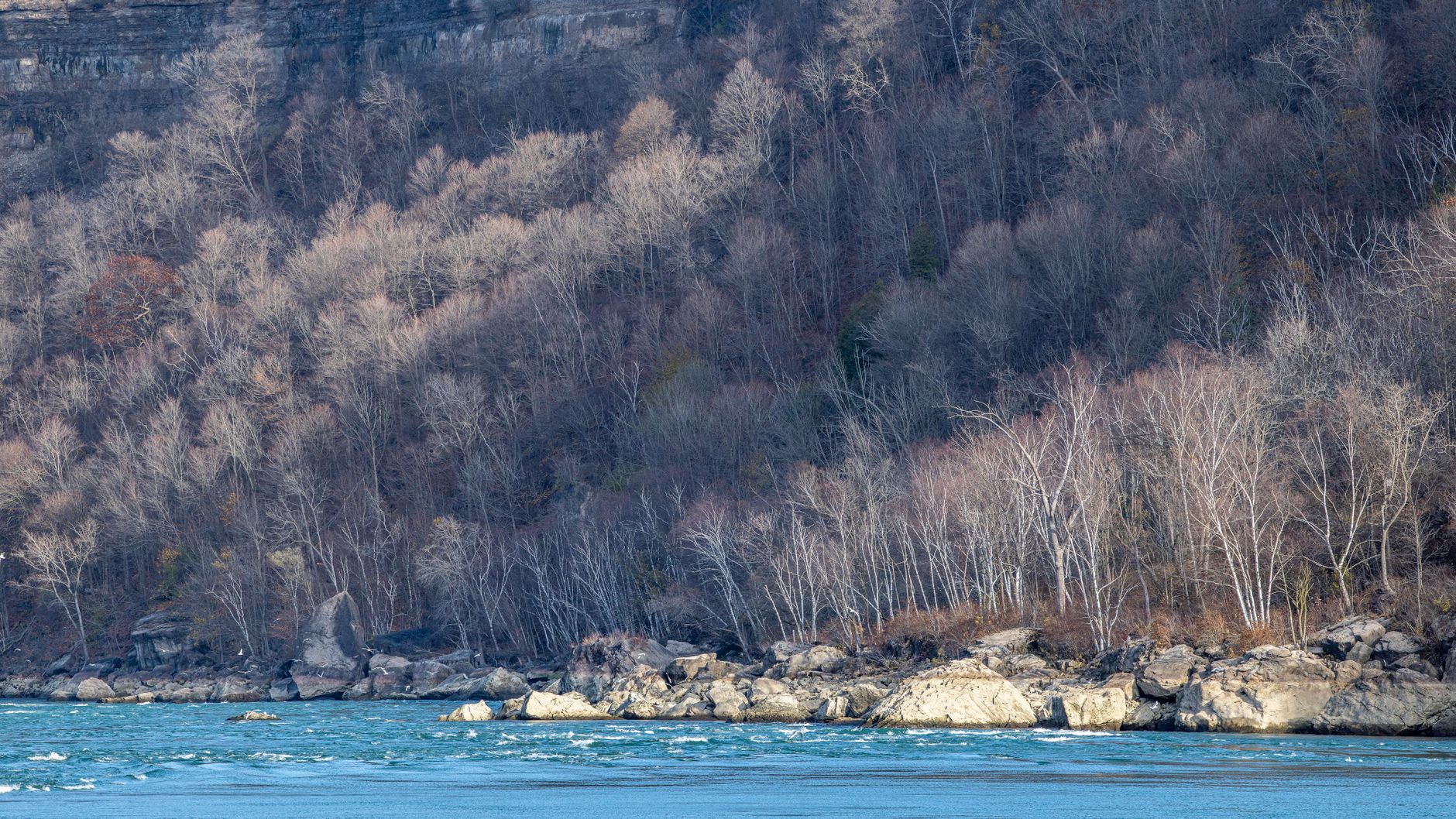
Waterbody Guide
Grand River Fishing: Grand Rapids Gauge & November Push
Grand River at Grand Rapids: start with the gauge, not the calendar — fall median discharge near 3,570 cfs inside a wide 2,310–5,827.5 cfs band.
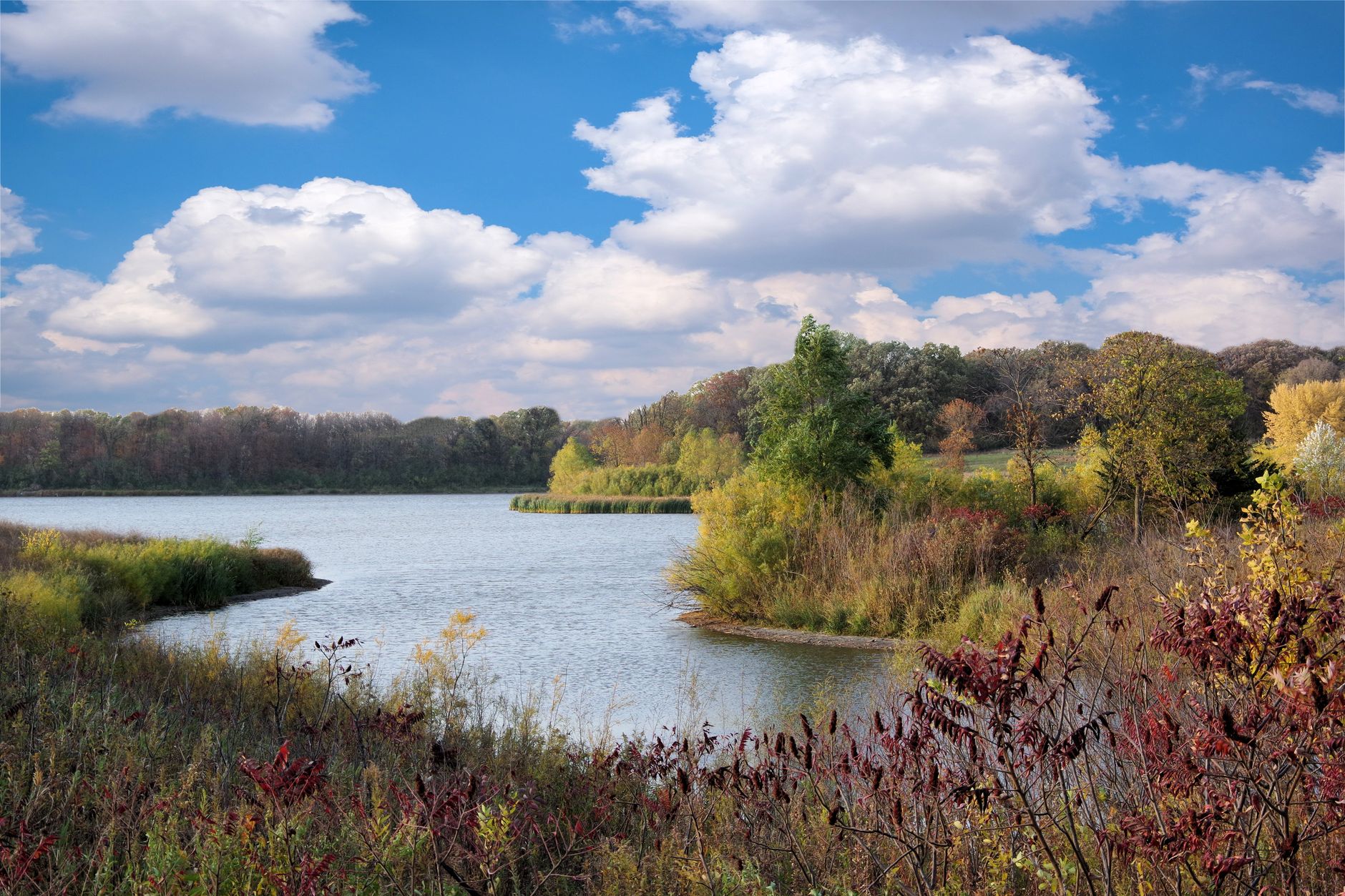
Waterbody Guide
Kalamazoo River Fishing: New Richmond Fall Flow Band
Kalamazoo River fishing: character shifts from headwaters to the Lake Michigan mouth, with fall median discharge near 1,770 cfs and water around 52°F (11.2°C).
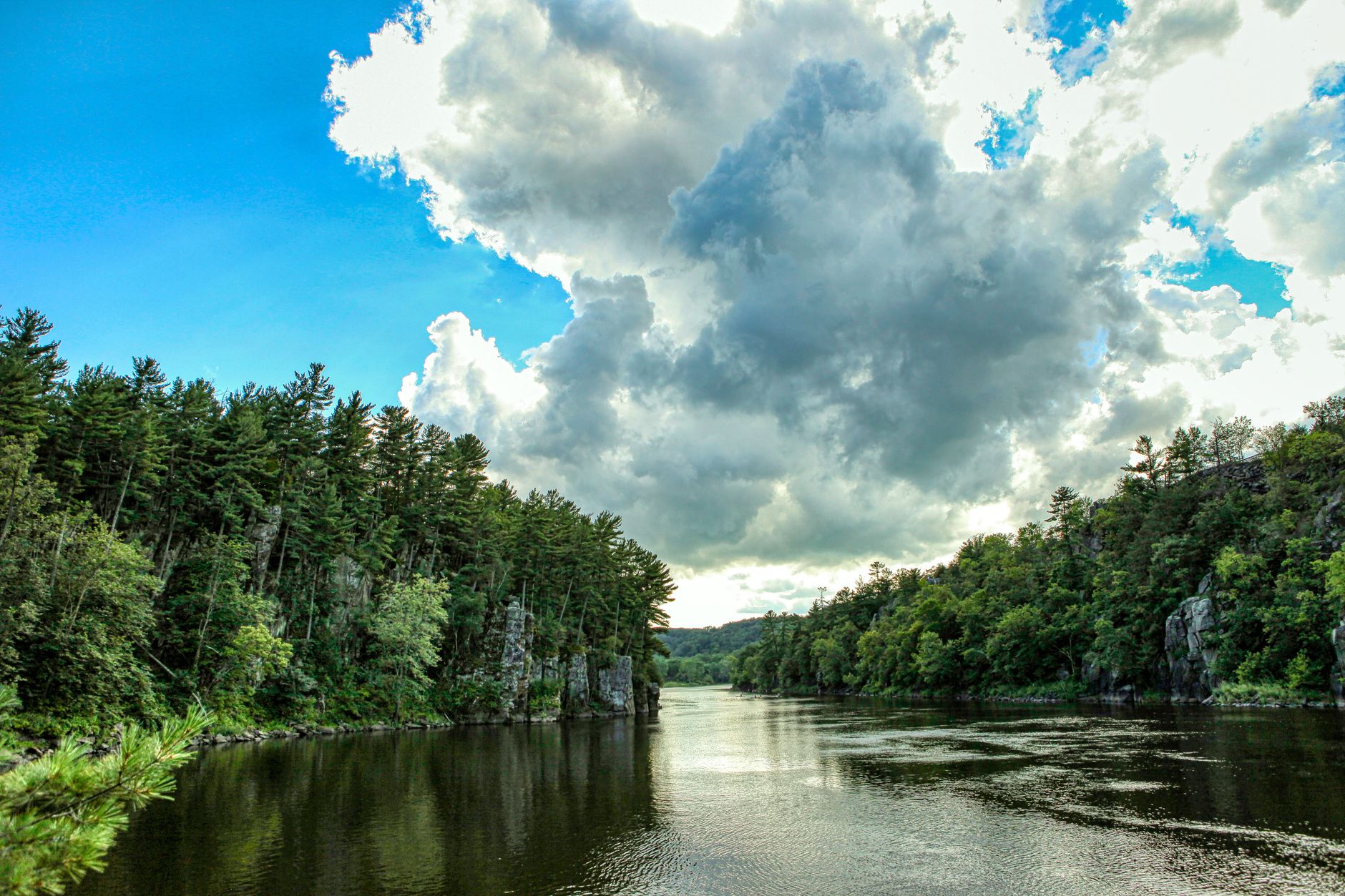
Waterbody Guide
St. Joseph River Fishing: Niles Gauge & Berrien Reaches
St. Joseph River: lower water below Niles takes on Big Lake runs while Berrien reaches fish warmer, with fall median discharge near 3,520 cfs at Niles.
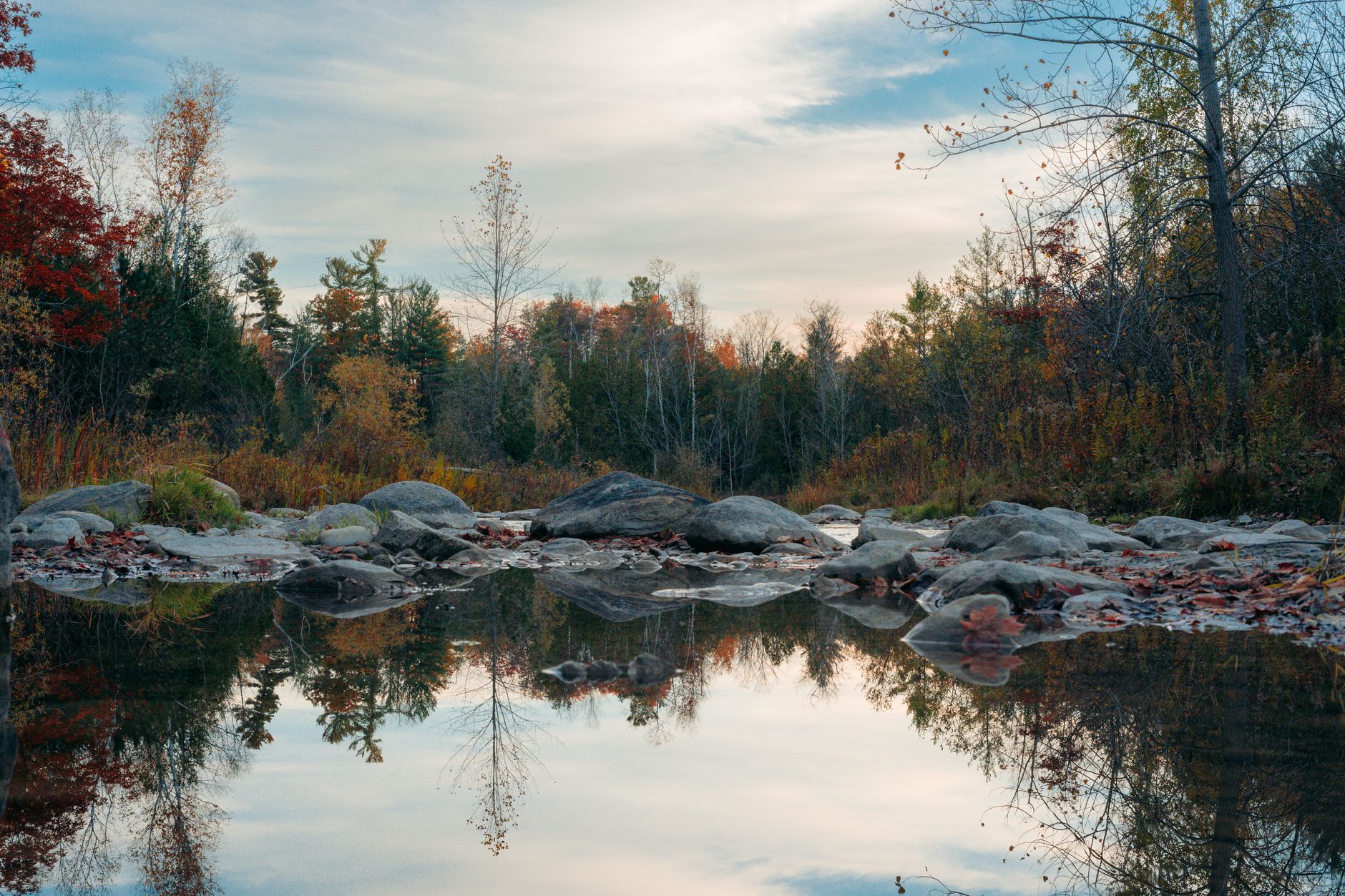
Waterbody Guide
Rifle River Fishing: Sterling Gauge to Saginaw Bay
Rifle River toward Omer and Saginaw Bay: access limits the day more than desire, with fall median flow near 239.3 cfs and water around 47°F (8.5°C).
Waterbody Guide
Sturgeon River Fishing: Wolverine Gauge Autumn Band
Sturgeon River near Wolverine: September–November fall median discharge near 214.5 cfs, inside a reliable 197–259 cfs band for northern Lower Peninsula trips.
Waterbody Guide
Boardman River Fishing: Beitner Road Fall Consistency
Boardman River near Traverse City: fall median discharge near 259.5 cfs at Beitner Road, inside a reliable 234–307 cfs band for late-season trips.
Sign in to join the conversation.
Sources & Attribution
Fishing regulations and waters information should be verified with the relevant state wildlife agency before you fish.
Images: Photo by Vlad Vasnetsov on Pexels; Photo by James Thomas on Pexels; Photo by The Humantra on Pexels; Photo by Michal Dziekonski on Pexels; Photo by 424fotograf on Pexels. Stock photos from Pexels / Unsplash license; links above point to each photo where available.
Information may change. Always verify seasons, licenses, and local regulations with the official source before you fish.
Did this guide help? Share it with a friend.