Securing a campsite at Black Canyon of the Gunnison requires understanding one fundamental truth: advance planning is non-negotiable. The park operates on two systems, and neither accommodates last-minute decisions. South Rim Campground reservations for summer dates release six months ahead on Recreation.gov, with weekend slots disappearing in minutes and weekdays within hours. The 13 first-come, first-served sites at North Rim Campground typically fill by mid-morning from May through September. For spontaneous visits, aim for April or October shoulder seasons, or prepare alternatives in surrounding public lands. Our comprehensive guide details park layout and seasonal considerations.
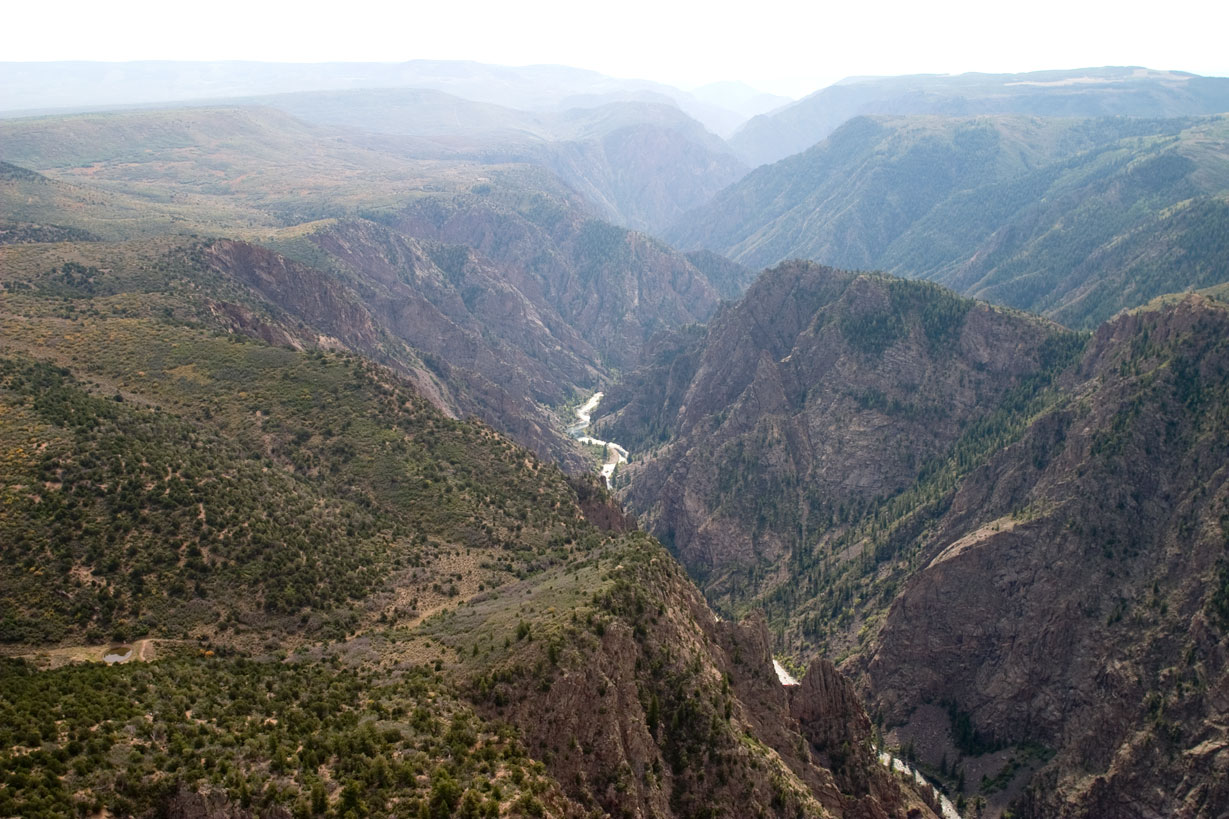
NPS via NPS.gov (Public Domain)
Black Canyon of the Gunnison National Park Camping: Best Camping
8 min read
Camping Guide
Black Canyon of the Gunnison National Park Camping requires advance planning, with South Rim reservations opening six months ahead and North Rim sites filling by mid-morning.
Your plans
This article contains affiliate links — we may earn a small commission at no extra cost to you.
Plan your visit with complete visitor guide, Campsites at North Rim Campground (2026 Guide), and Campsites at South Rim Campground (2026 Guide).
The Booking Reality
Reservations are the dominant system here. For the South Rim Campground, the booking window opens at 8:00 AM Mountain Time, six months in advance of your arrival date. A site for a July 4th weekend would become available on January 4th. Experienced visitors know to be logged into Recreation.gov with payment details ready several minutes before that window opens. Weekday summer slots might linger for a few days, but any site for a Friday or Saturday night in June, July, or August will be gone within an hour, often faster.
The North Rim Campground operates on a pure first-come, first-served basis. The common mistake - and almost everyone makes it - is arriving after 10 AM and expecting to find a vacancy between Memorial Day and Labor Day. Rangers will tell you the gate often has a "Campground Full" sign posted by 9:30 AM on summer mornings. Your strategy is to arrive the night before and stay in nearby Montrose or Crawford, then reach the campground entrance station by 7:30 AM to secure a spot from someone checking out.
The East Portal Campground, down by the river, is also first-come, first-served, but it's subject to closure when the road is inaccessible. That steep, winding access road closes to vehicles over 22 feet in length, which limits the competition. It's more of a wildcard option.
Campground at a Glance
| Campground | Sites | Reservation? | Season | Fee (2026) | Elevation | Hookups | Nearest Services |
|---|---|---|---|---|---|---|---|
| South Rim | 88 sites | Yes, 6-mo. advance | Year-round | $24/night | 8,300 ft | None | South Rim Visitor Center (water, info) |
| North Rim | 13 sites | First-come, first-served | Spring-Fall | $20/night | 7,700 ft | None | North Rim Ranger Station (water seasonally) |
| East Portal | 15 sites | First-come, first-served | Spring-Fall | $16/night | 5,500 ft | None | None at canyon floor |
South Rim Campground: Complete Guide
South Rim Campground serves as the park's main camping area. The environment here is classic high desert forest—ponderosa pines and Gambel oaks growing in packed dirt and gravel. Constant wind through the pines provides the background sound, punctuated by ravens calling from dead snags. The air carries the distinct scent of Colorado's high country: pine resin and parched earth. Three loops (A, B, and C) organize the campground, each offering different conditions.
Loop A (Sites 1-34)
This is the generator-friendly loop. The road surface is paved, sites are generally more open and suited for RVs and trailers up to 35 feet. Privacy between sites is minimal; you'll see your neighbors. The trade-off is easier access and more sun. Sites on the outer edge of the loop, like 16 or 22, have a bit more buffer from the road. This loop fills with the sound of generators during permitted hours (8 AM to 8 PM).
Loop B (Sites 35-59)
The "quiet" loop. Generators are prohibited here, which changes the entire soundscape. You hear tents zipping, stove pumps hissing, and people talking in normal tones. The sites are more tucked into the trees, offering better separation. Sites 47, 48, and 52 are particularly good for tents, with flat tent pads and decent tree cover. The road here is gravel and dirt.
Loop C (Sites 60-88)
A mix of the two, but generally favored by tent campers seeking a balance. Some sites here, like 74 and 80, are set back and feel more secluded. The terrain slopes a bit more, so check the site photo on Recreation.gov for levelness if you have an RV. The pit toilet for this loop is newer than the others.
Facilities: Flush toilets and potable water are available in the campground from late spring through fall. In winter, water is shut off and only vault toilets are available. There are no showers. A dump station and potable water fill are located near the campground entrance, but there are no hookups. Each site has a picnic table, fire ring with grill, and a bear-proof food storage locker - use it. Ravens have learned how to open coolers left unattended.
What the booking site doesn't show: The wind. It can whip through the canyon rim day and night, making tent guylines essential. Site photos often don't capture the slope. Also, the walk from some sites in Loop B or C to the rim-edge Warner Point Trail is shorter than driving to the main overlooks.
North Rim Campground: Complete Guide
The atmosphere here is one of tangible remoteness. The drive in is longer, the visitor traffic is a fraction of the South Rim's, and the campground feels like a quiet forest outpost. The ground is a soft duff of pine needles. It's quieter, darker at night, and you're more likely to hear coyotes or see mule deer moving through camp at dusk. There are no designated loops, just one gravel road with sites spaced along it.
Site selection is critical. The best sites for privacy and a sense of space are sites 1, 2, 3, and 13. They are more spread out. Sites 4 through 9 are closer together in a small cluster near the water spigot (seasonal) and vault toilets. Avoid sites 10, 11, and 12 if you seek solitude; they are near the campground entrance and road. All sites are dirt and gravel, suitable for tents or smaller RVs (max 35 feet, but maneuvering is tight).
Facilities: Two vault toilets serve the campground. Potable water is available from a spigot near the entrance, but it is typically shut off from October to May to prevent freezing - you must bring all your water during the off-season. No showers, no dump station, no hookups. Each site has a picnic table, fire ring, and a bear locker.
What the park website doesn't mention: The ranger station a mile away is only intermittently staffed. Cell service is virtually non-existent in the entire North Rim area. You are truly off-grid. The road from the highway to the campground is paved but narrow and winding; trailers over 25 feet are not recommended. The quiet here is profound, broken only by the wind and your own camp sounds.
East Portal Campground: Complete Guide
This is camping at the bottom, a different world entirely. The drive down the East Portal Road is a steep, winding 16% grade with hairpin turns - not for the faint of heart or large vehicles. The atmosphere is riverine: the sound of the Gunnison River is constant, the air is noticeably warmer and thicker, and cottonwoods provide shade. It's a basecamp for anglers and those seeking a deep-canyon experience.
The 15 sites are basic, set along the river or back in the trees. They are all first-come, first-served dirt pads. Sites 1-5 are closest to the river. The setting is spectacular, but amenities are zero: vault toilets, no potable water (treat river water or bring all you need), no trash service (pack it out), and no bear boxes (use your vehicle or a certified canister). Fires are often prohibited here due to high fire danger, even when they're allowed up on the rim.
Practical note: This campground is often closed in spring due to mud or rockfall on the access road. Always check the park's alert page before attempting the drive down. The road closes to all vehicles over 22 feet long.
Reservation Strategy
For the South Rim Campground, your strategy is digital and precise. Create your Recreation.gov account ahead of time. Have your license plate and payment method saved. At 7:55 AM MT, six months before your desired arrival, be on the site, refreshed and ready. Search by map to select your specific site; don't rely on the "choose for me" option if you have preferences for shade or generator rules.
If you miss the initial window, use the cancellation tool. Sites do reappear, typically 2-4 weeks before arrival as plans change. Setting up alerts on third-party sites (like Campflare) can give you an edge.
For North Rim first-come, first-served, the strategy is physical and early. Plan to arrive at the campground between 7:00 and 7:30 AM. Weekdays are better than weekends. Have a backup plan: the Crawford State Park campground or dispersed camping in the adjacent Curecanti National Recreation Area or Gunnison National Forest.
What to Know Before You Arrive
Bear Storage: It's mandatory. All food, trash, and scented items (toothpaste, sunscreen) must be stored in the provided metal locker or in a hard-sided vehicle when not in immediate use. Rangers do patrol and will leave warnings - or tickets - for coolers left on picnic tables.
Fire Restrictions: Check the park website before you arrive. Summer fire bans are common. Even if fires are allowed, only burn dead and downed wood from the ground; cutting or breaking branches is prohibited. You can purchase firewood in Montrose or Crawford.
Quiet Hours: 10:00 PM to 6:00 AM are strictly observed, especially in the non-generator loops. Generator hours in permitted loops are 8:00 AM to 8:00 PM.
Cell Service: It's unreliable. On the South Rim, you might get a bar or two near the visitor center. On the North Rim, expect nothing. Plan to be offline.
Water: Potable water is available at the South Rim Campground and North Rim Campground (seasonally). At East Portal, there is none. Treat all river and stream water before drinking.
Checkout: Time is 11:00 AM. Rangers are fairly strict about this during peak season to allow cleaning crews access. Don't plan on a leisurely late morning at your site.
Practical Takeaways
- For a reserved site on the South Rim, be online at Recreation.gov at 8:00 AM MT exactly six months before your trip.
- For a first-come, first-served site on the North Rim, arrive by 7:30 AM. Have a Plan B.
- Use the bear locker at your site for all food and scented items, every time. Ravens are clever thieves.
- Bring tent stakes that can handle wind and a mallet for the hard ground.
- If camping at East Portal, verify the road is open and bring all your water. Vehicle length restrictions are enforced.
- Generator users must camp in Loop A on the South Rim. Respect the quiet in Loops B and C.
- Check current fire restrictions on the park website. Summer bans are the norm, not the exception.
- Cell service is not a given. Download maps, campground details, and hiking trails information before you arrive.
- The elevation (7,700-8,300 ft) means cool nights, even in summer. Pack layers.
- For other options, including lodging and accommodations, look to the towns of Montrose (south) or Crawford (north).
Recommended Gear
What experienced visitors bring to Black Canyon of the Gunnison National Park Camping: Best Camping
Links may earn us a commission at no extra cost to you. We only recommend gear we believe in.
Hiking Essentials
Hydration Pack (3L)
Hands-free water for long trail days
Trekking Poles (Pair)
Save your knees on steep descents
Hiking Boots (Ankle Support)
Sturdy footwear for rocky, uneven trails
Sun & Heat Protection
Wide-Brim Sun Hat
Full coverage UPF 50+ protection at altitude
Insulated Water Bottle (32oz)
Keeps water cold in desert heat all day
Winter Gear
Microspikes / Traction Devices
Essential for icy rim trails in winter months
Packable Down Jacket
Lightweight warmth that stuffs into a pocket
Sources
- Official source: NPS — Black Canyon of the Gunnison National Park nps.gov/blca/index.htm
More to Explore
Park Guide
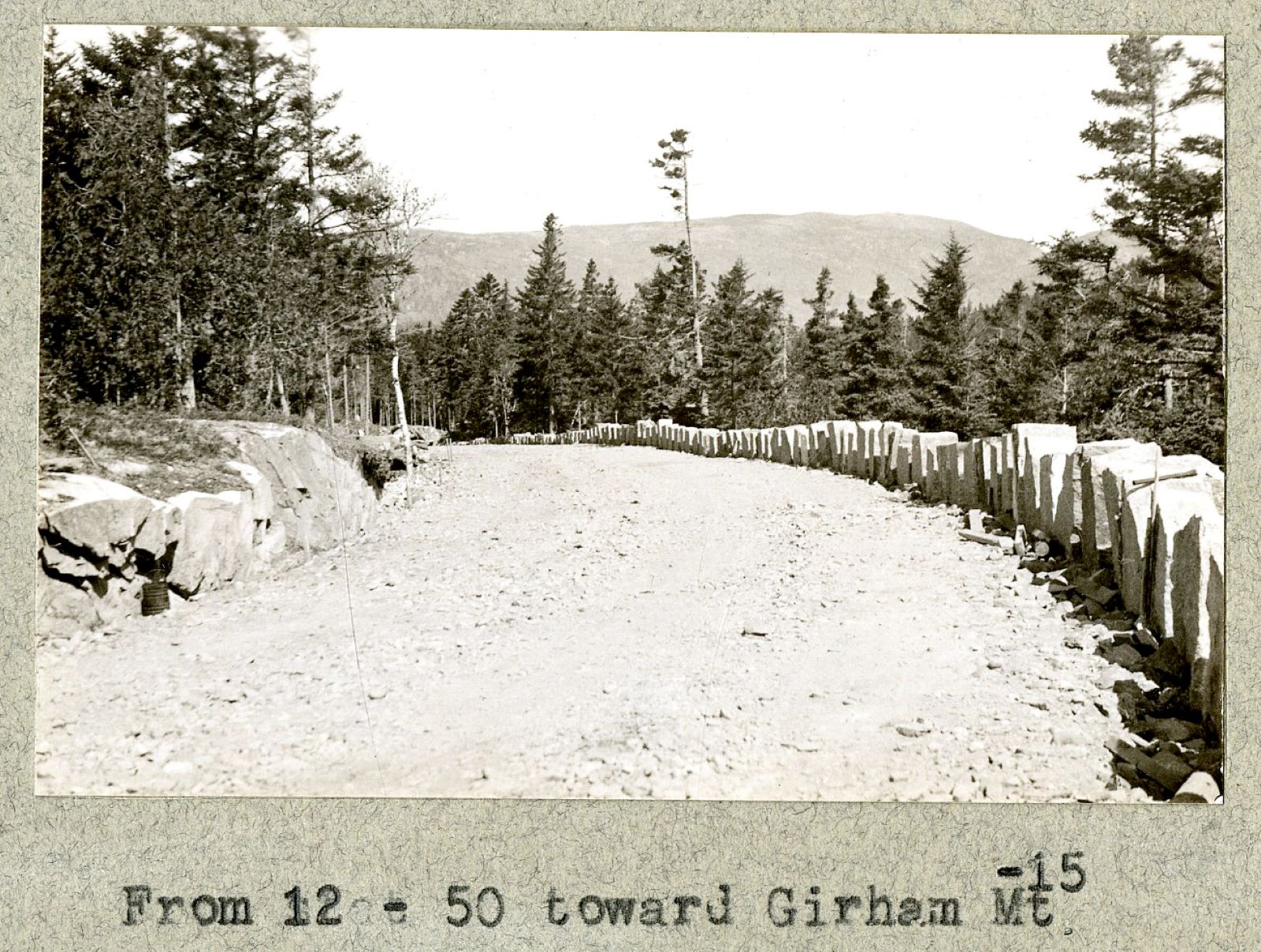
Acadia National Park: Carriage Roads, Cadillac Mountain & 2026 Guide
Discover carriage roads, Cadillac Mountain, and rugged Maine coast. Complete 2026 guide to Acadia National Park — trails, fees, lodging, permits, and what rangers recommend.
Hiking Guide
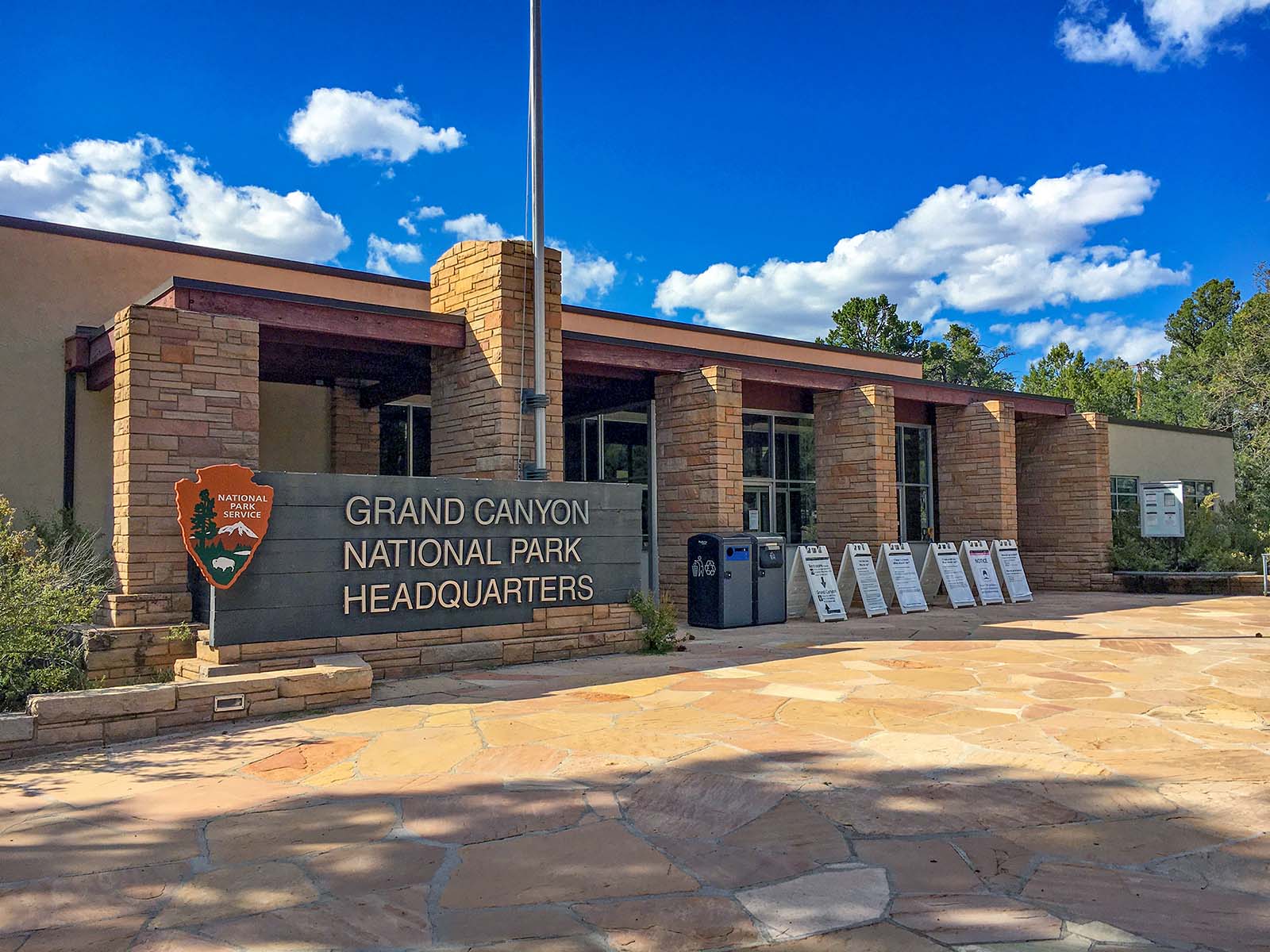
Grand Canyon Hiking Trails: Day Hikes, Water Sources & Rim to Rim
Compare Grand Canyon hiking trails: Bright Angel, South Kaibab, Hermit, Grandview, and rim to rim, with distances, elevation, water stops, and trailhead access for each.
Best Of
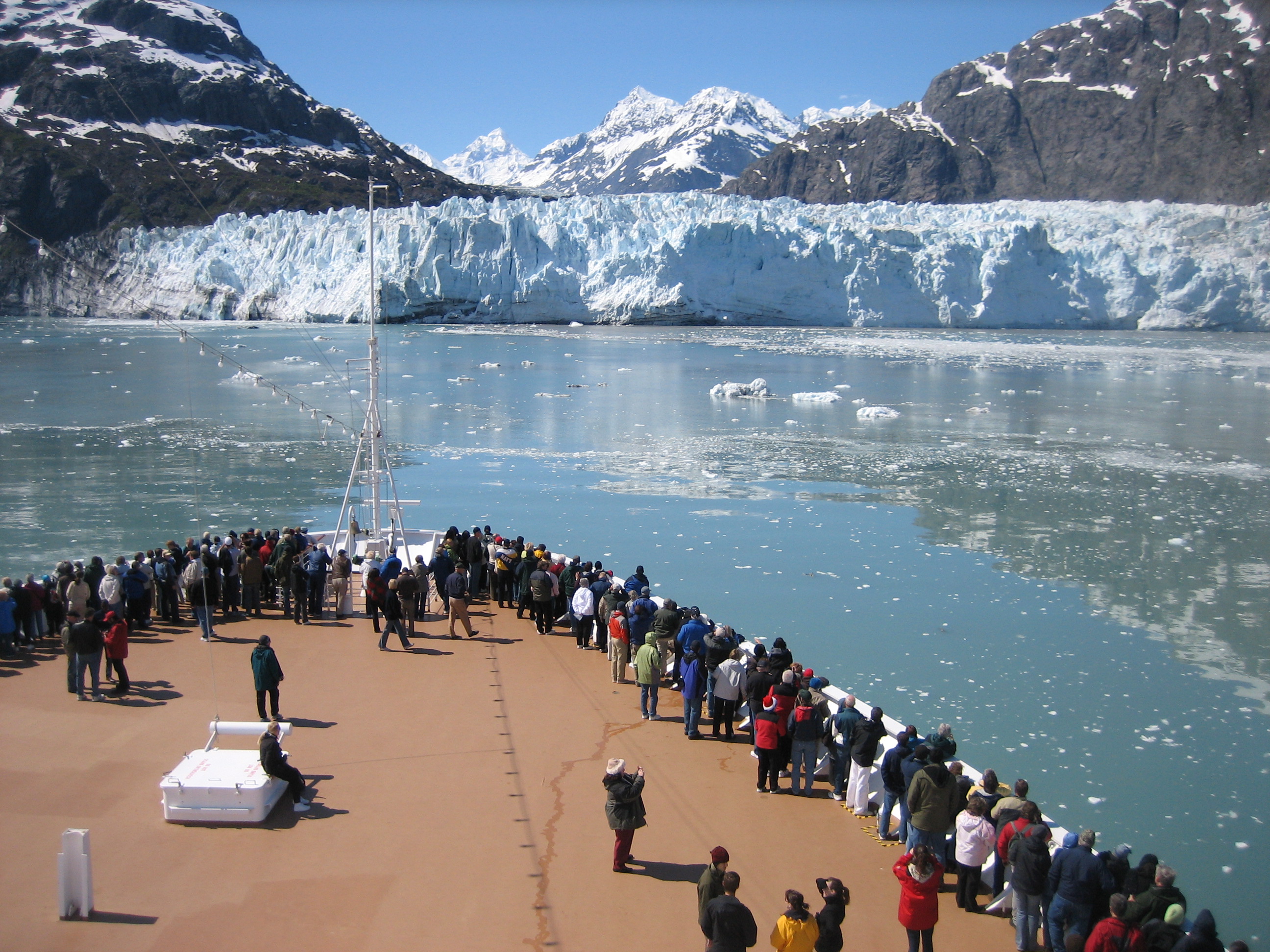
Best of Glacier Bay National Park
The best of Glacier Bay is reached by boat: ranger-led day tours up the bay to the tidewater glaciers. What's worth it, how to book, and when to go (2026).
Campsite Guide
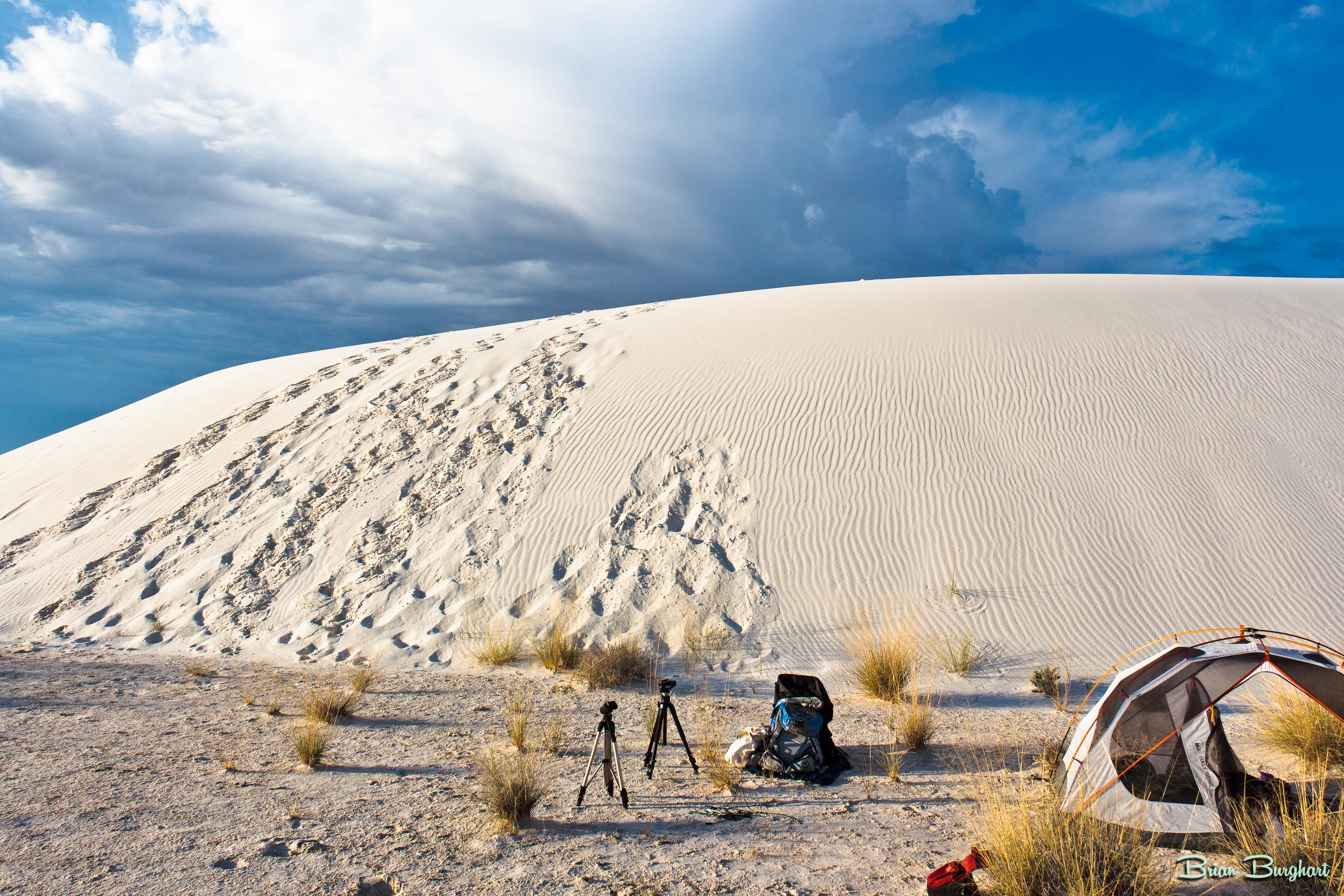
White Sands Backcountry Camping: Closed for 2026 — What to Know
As of 2026, backcountry camping at White Sands National Park is closed for site rehabilitation. What that means, and where to camp nearby instead.
Weather Guide
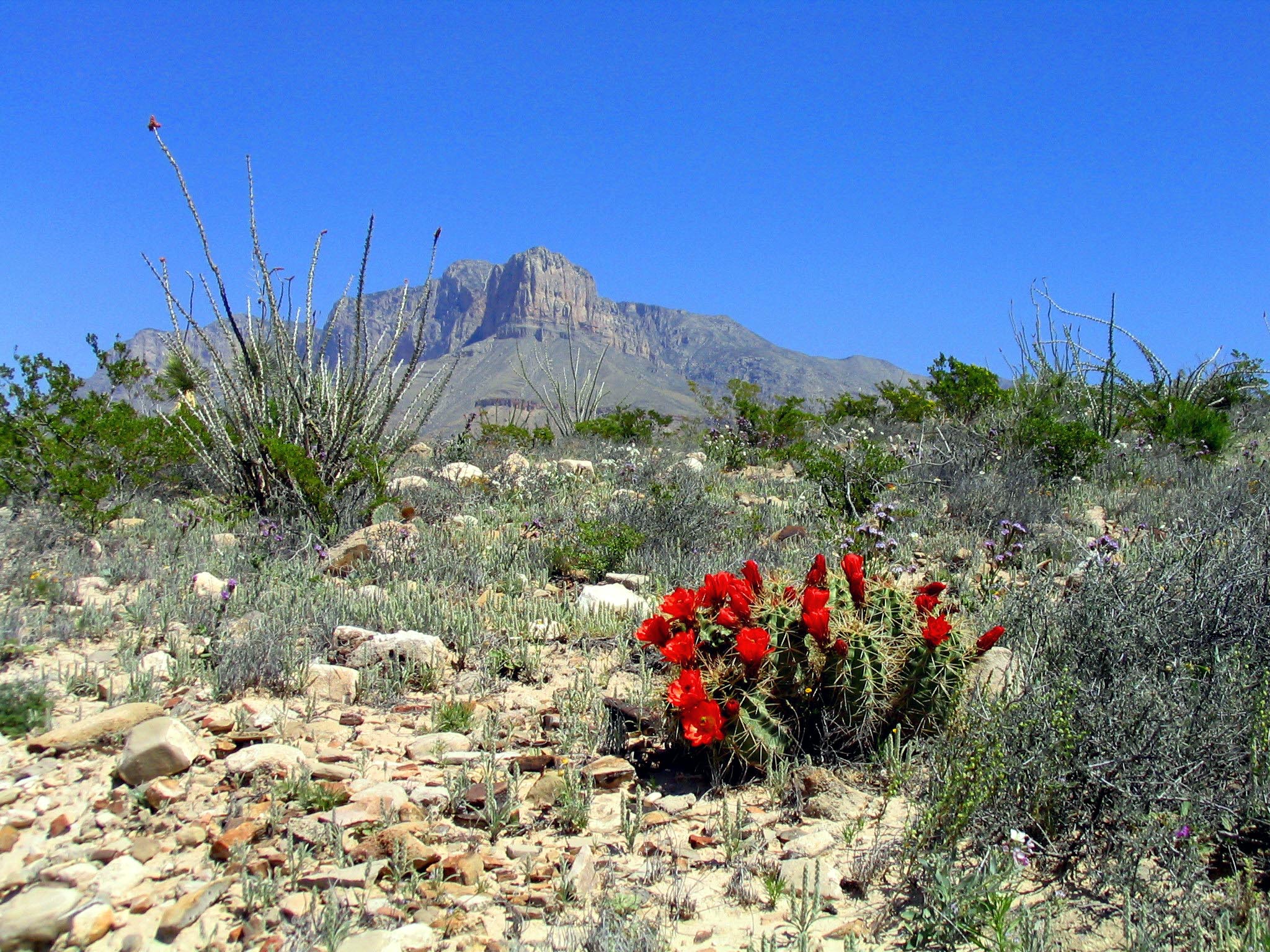
Guadalupe Mountains National Park Weather: Weather
Guadalupe Mountains National Park: weather guide guide updated 2026. Practical visitor information, reservations, and seasonal tips worth bookmarking before
Best Of
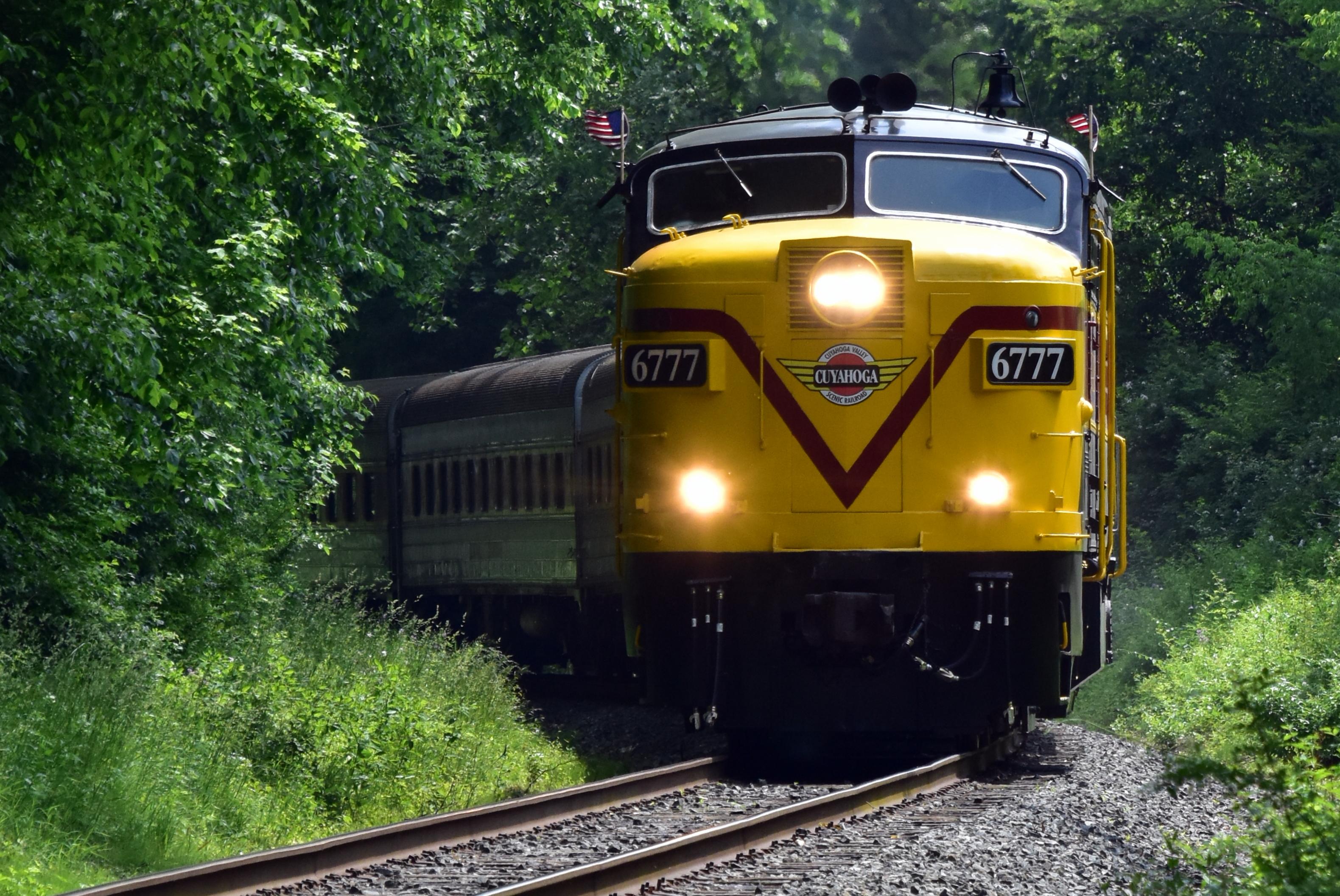
Best of Cuyahoga Valley National Park: Best Things to Do
Seeing a Cleveland Orchestra concert with the woods as your backdrop is a uniquely Cuyahoga Valley experience.
Sign in to join the conversation.
Sources & Attribution
Location data courtesy of the National Park Service (U.S. Department of the Interior). NPS data is public domain.
Images: NPS; NPS.
Map data © OpenStreetMap contributors.
Park operations alerts: NPS.gov · Weather and weather hazards: National Weather Service · Live conditions.
Information may change. Always verify fees, hours, and conditions directly with the official source before visiting.
Did this guide help? Share it with a friend.