Thirteen sites. First-come, first-served. The last 5.6 miles unpaved. That's the equation at North Rim Campground, and if you show up expecting a developed campground with hookups and a reservation window, you are in for a surprise. This is the remote side of Black Canyon of the Gunnison National Park, and the camping here matches the landscape - rugged, quiet, and requiring a bit of advance planning.
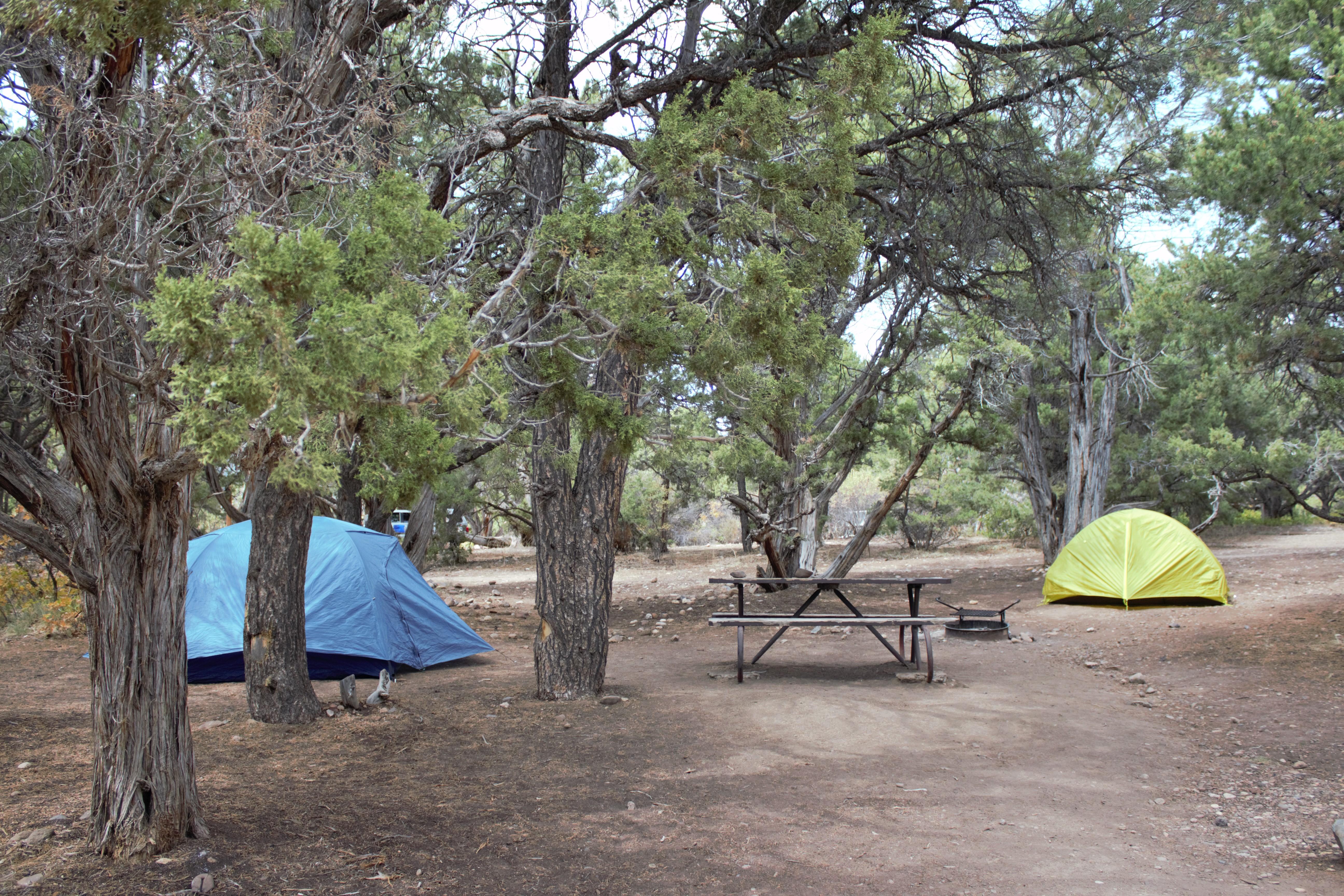
NPS via NPS.gov (Public Domain)
Campsites at North Rim Campground (2026 Guide)
7 min read
Campsite Guide
Complete guide to north rim campground. Everything you need to know, updated for 2026.
Your plans
For more, see Campsites at South Rim Campground (2026 Guide).
The North Rim gets roughly one-tenth the visitors the South Rim does. The campground fills regularly from spring through fall despite its remote location, and the combination of limited capacity and a first-come, first-served system means timing matters. Here is what you need to know before you head up the dirt road.
Getting to the North Rim Campground
The approach tells you what kind of experience you are signing up for. From CO Highway 92, turn west onto Black Canyon Road about three miles south of Crawford. Follow the signs toward the park. The road is paved for the first stretch, then shifts to gravel for the final 5.6 miles.
That unpaved section is the main filter. It is passable for most passenger vehicles when dry, but it gets rough after rain or early in the season when snowmelt turns it to mud. Rangers will tell you to call ahead if conditions look questionable. The road is the reason many visitors never make it up here - and the reason those who do find a quieter campground.
The parking situation here is straightforward. Each site accommodates two vehicles max, with a group size limit of eight people. Combined vehicle length (RV, car, and trailer) cannot exceed 22 feet. That rules out larger rigs entirely. If you are towing anything longer than a small trailer, this is not your campground.
What the Park Website Doesn't Mention About the Drive
The unpaved section takes longer than you expect. Plan for 20 to 30 minutes just for those last 5.6 miles. And cell service drops out at roughly the same point the pavement ends. Download your directions and any Recreation.gov app information before you lose signal. The app is how you pay - more on that in a moment.
Fees, Payment, and the Cashless System
Standard camping fee is $20.00 per night. If you hold a valid Senior or Access Pass, the rate drops to $10.00 per night. Those are 2026 rates.
Payment is entirely cashless. There is no fee tube, no ranger station collecting envelopes, no way to leave cash. You pay using the Scan & Pay feature in the Recreation.gov mobile app. This is a change from previous years, and it catches people off guard. If you arrive without cell signal and without the app installed, you have a problem.
The park service recommends downloading the app and setting up payment information before you leave home. Once you are at the campground, you scan a QR code posted at each site, confirm your dates, and pay through the app. Keep a screenshot of your confirmation - the campground host may ask to see it.
The South Rim Campground is closed due to wildfire damage as of 2026, which means North Rim becomes the only developed campground in the park. The South Rim closure (affecting both the campground and Rim Rock Trail from the Uplands Trail junction southward) is long-term with no reopening date announced. This increases pressure on the North Rim sites during peak season.
Site Layout and Campground Rules
The 13 sites are dispersed among pinyon and juniper trees. There is no loop - the sites spread out along the road, each with some visual separation from the neighbors. Privacy is decent compared to most national park campgrounds, though the terrain is open enough that you will hear your neighbors.
Designated Tent Pads
Each site has a designated tent pad. Use it. The park service is strict about this - the vegetation around the campground is sensitive, and foot traffic off the pads damages the root systems. You cannot tie, hang, or attach anything to the trees. Bring freestanding tents or poles that support themselves.
Generator Policy
Generators are prohibited. Not "quiet hours apply" - outright banned. If you need power, bring battery packs or solar panels. The stillness at night is one of the campground's defining characteristics, and the prohibition keeps it that way. On clear nights, the only sound is wind moving through the junipers.
Elevation Considerations
The campground sits at 7,767 feet (2,367 meters). If you are coming from lower elevation, plan a night of mediocre sleep. The air is thin enough that exertion feels different - walking from your car to the tent pad will leave you breathing harder than expected. Drink more water than you think you need. The dry mountain air and elevation combine to dehydrate people faster than they realize.
Most visitors underestimate how cold it gets here at night, even in summer. June and July lows can drop into the 40s. By September, expect frost. Pack a sleeping bag rated at least 20 degrees below the forecast low.
Seasonal Timing and When to Go
The North Rim Campground closes for winter. The official closure window runs from November 15 through roughly late April, though exact dates depend on road conditions. Snow lingers on the unpaved section well into spring. The campground typically opens in late April or early May, but check the current conditions before you drive up.
The prime window is June through September. July and August bring afternoon thunderstorms - expect rain by 2 PM most days, clearing by evening. Early morning is your best bet for clear skies and good light at the overlooks. By late September, the crowds thin out and the aspens along the drive up start turning. October can deliver perfect conditions, but the campground may close mid-month if early snow hits.
Filling Patterns
The campground fills often during summer. Friday and Saturday nights are the hardest. Because there is no reservation system, success depends on arrival time. Aim to arrive by early afternoon. Visitors who roll in after 5 PM on summer weekends often find every site taken. The nearest alternative camping is miles away, so have a backup plan if you are arriving late.
What to Do From the North Rim
The North Rim trails are shorter and less developed than the South Rim's, but they offer a different perspective on the canyon. The North Rim Chasm View overlook is a short walk from the campground and delivers a direct view of the canyon narrows - the walls pinch tight here, and the river runs 2,000 feet below at an angle that feels almost straight down.
The North Rim Ranger Station has limited hours and services. Stock up on supplies in Crawford or Montrose before you head up. There is no water available at the North Rim - bring all you need. The same goes for firewood. Gathering wood in the park is prohibited, and the nearest firewood sales are back in town.
Experienced visitors know the North Rim rewards early starts. The light hits the canyon walls differently here than on the South Rim - more direct, less filtered by haze. By 8 AM, most of the overlooks are empty, and you can sit at the canyon edge without hearing another voice.
Practical Takeaways
- Arrive by early afternoon in peak season. The 13 sites fill, and there are no reservations.
- Download the Recreation.gov app before you leave home. Payment is via Scan & Pay only - no cash, no cards accepted on site.
- Bring all your water. There is no potable water at the North Rim.
- Keep vehicle length under 22 feet total. Larger RVs and long trailers cannot access the campground.
- No generators. No tying anything to trees. Use designated tent pads only.
- The last 5.6 miles of road are unpaved. Call ahead for conditions if rain or snow is recent.
- Elevation is 7,767 feet. Plan for altitude-adjusted sleep and hydration.
- The South Rim Campground is closed due to wildfire. The North Rim is the only NPS campground operating in the park as of 2026.
- Phone: (970) 641-2337 ext. 205. Email: blca_info@nps.gov. Call or email before heading up if conditions are uncertain.
For a broader look at what to expect on both rims, the complete visitor guide covers trails, viewpoints, and logistics. If you are comparing camping options across the park, the all campgrounds page rounds up what is available and what is closed.
Final Thoughts
The North Rim Campground is not for everyone. It is small, remote, and requires you to manage your own logistics without the convenience of a reservation system or on-site services. The unpaved road filters out casual visitors. The generator ban keeps things quiet. The 22-foot vehicle limit keeps the campground from becoming an RV lot.
For the people who do make it up here, the trade-off is straightforward: a quiet camp among pinyon and juniper, access to a rim that most park visitors never see, and the kind of night sky that makes you remember why you drive to national parks in the first place.
Show up prepared, arrive early, and the North Rim delivers an experience the South Rim simply cannot match.
For more information, see our complete Black Canyon of the Gunnison National Park Guide.
Sources
- Official source: NPS — Black Canyon of the Gunnison National Park nps.gov/blca/index.htm
- Official source: National Park Service nps.gov/blca/planyourvisit/camp_northrim.htm
More to Explore
Park Guide
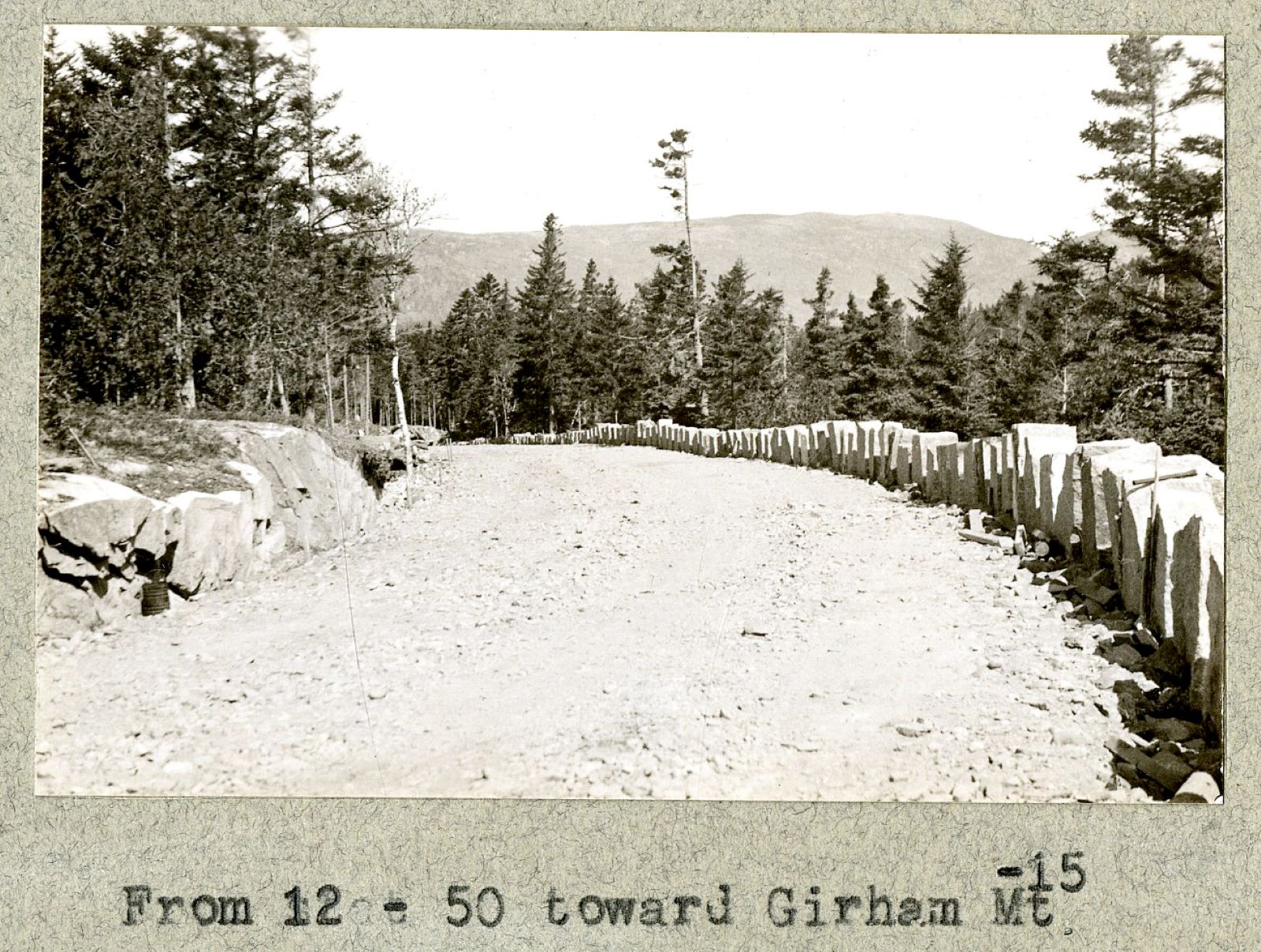
Acadia National Park: Carriage Roads, Cadillac Mountain & 2026 Guide
Discover carriage roads, Cadillac Mountain, and rugged Maine coast. Complete 2026 guide to Acadia National Park — trails, fees, lodging, permits, and what rangers recommend.
Hiking Guide
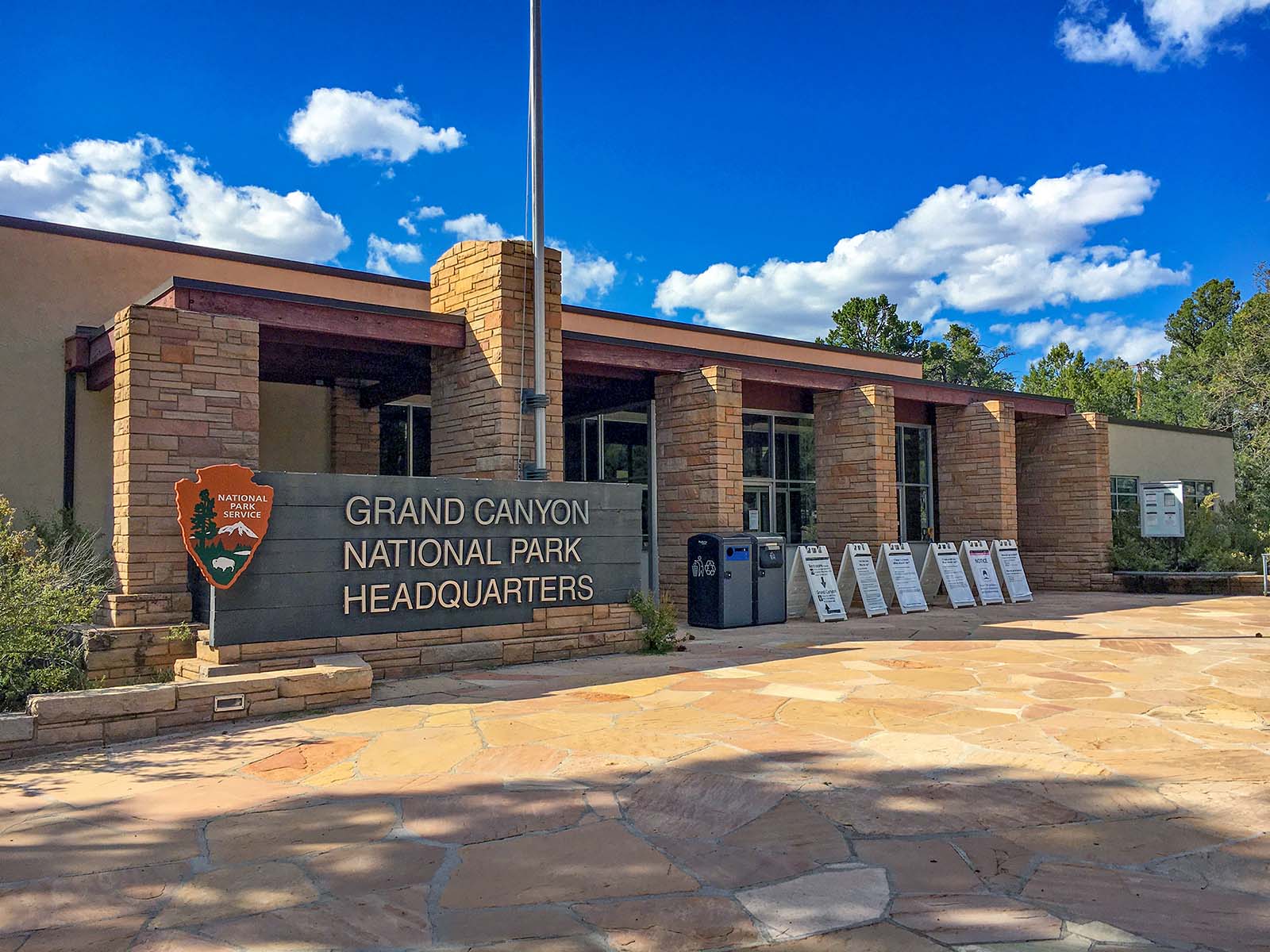
Grand Canyon Hiking Trails: Day Hikes, Water Sources & Rim to Rim
Compare Grand Canyon hiking trails: Bright Angel, South Kaibab, Hermit, Grandview, and rim to rim, with distances, elevation, water stops, and trailhead access for each.
Best Of
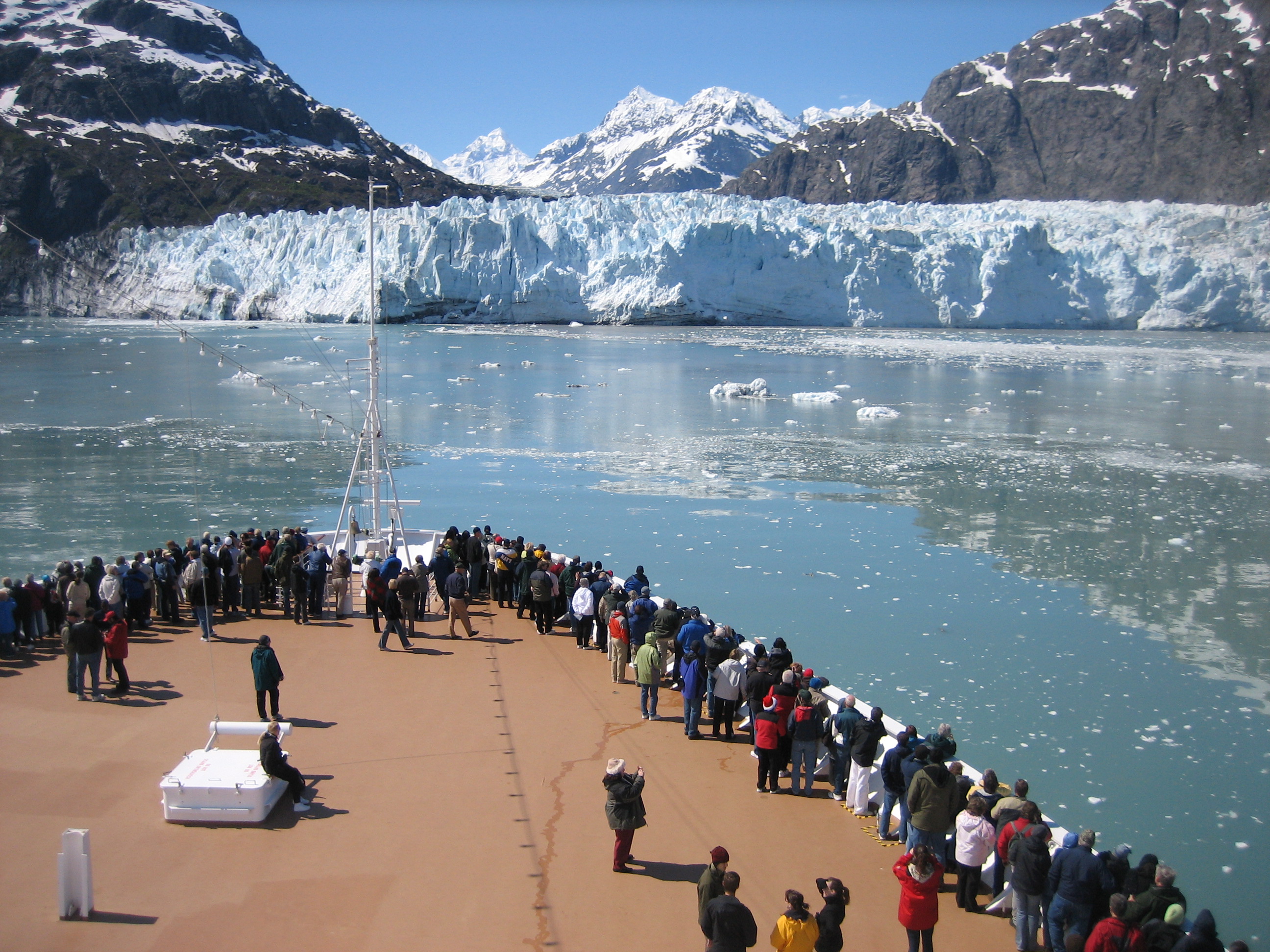
Best of Glacier Bay National Park
The best of Glacier Bay is reached by boat: ranger-led day tours up the bay to the tidewater glaciers. What's worth it, how to book, and when to go (2026).
Campsite Guide
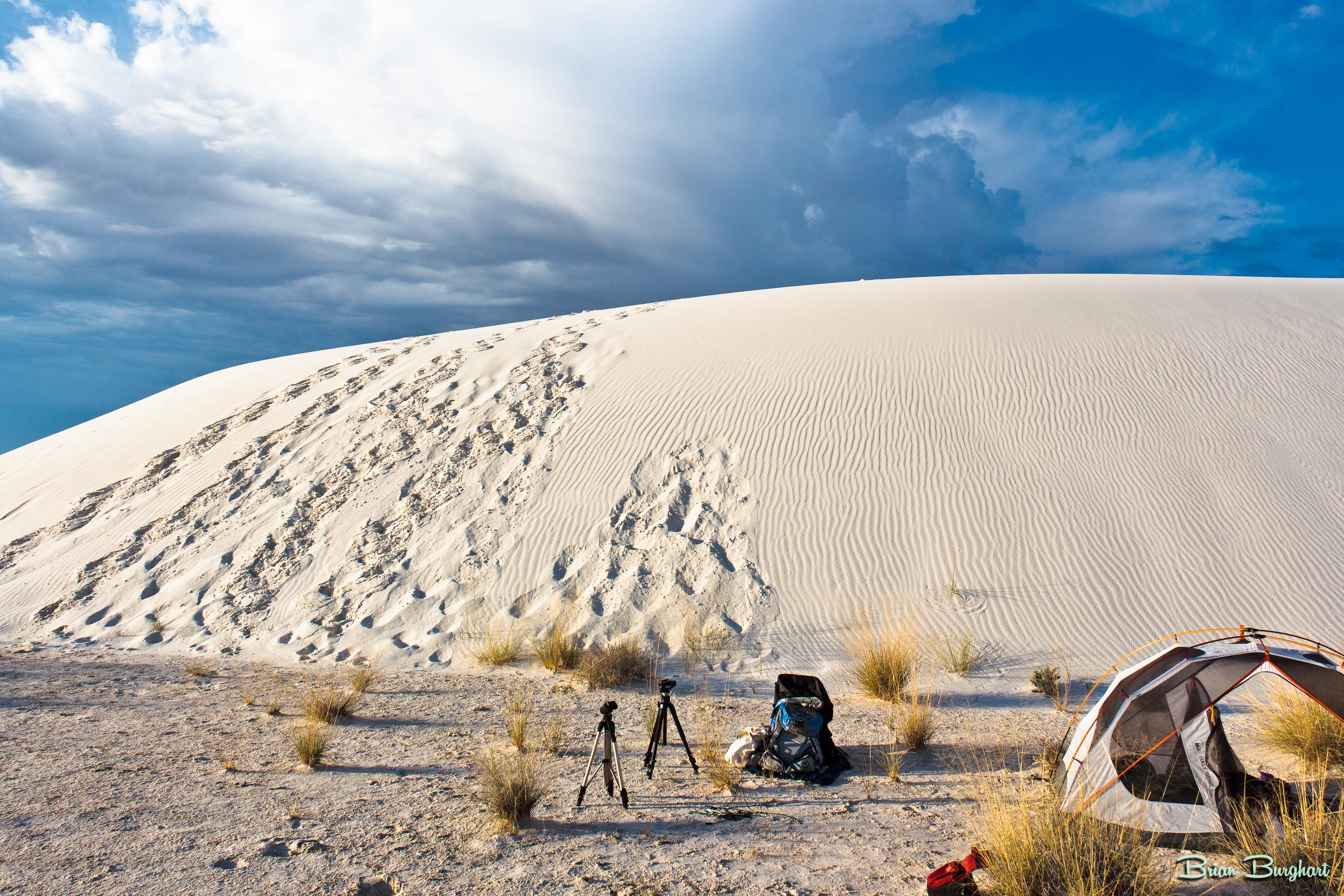
White Sands Backcountry Camping: Closed for 2026 — What to Know
As of 2026, backcountry camping at White Sands National Park is closed for site rehabilitation. What that means, and where to camp nearby instead.
Weather Guide
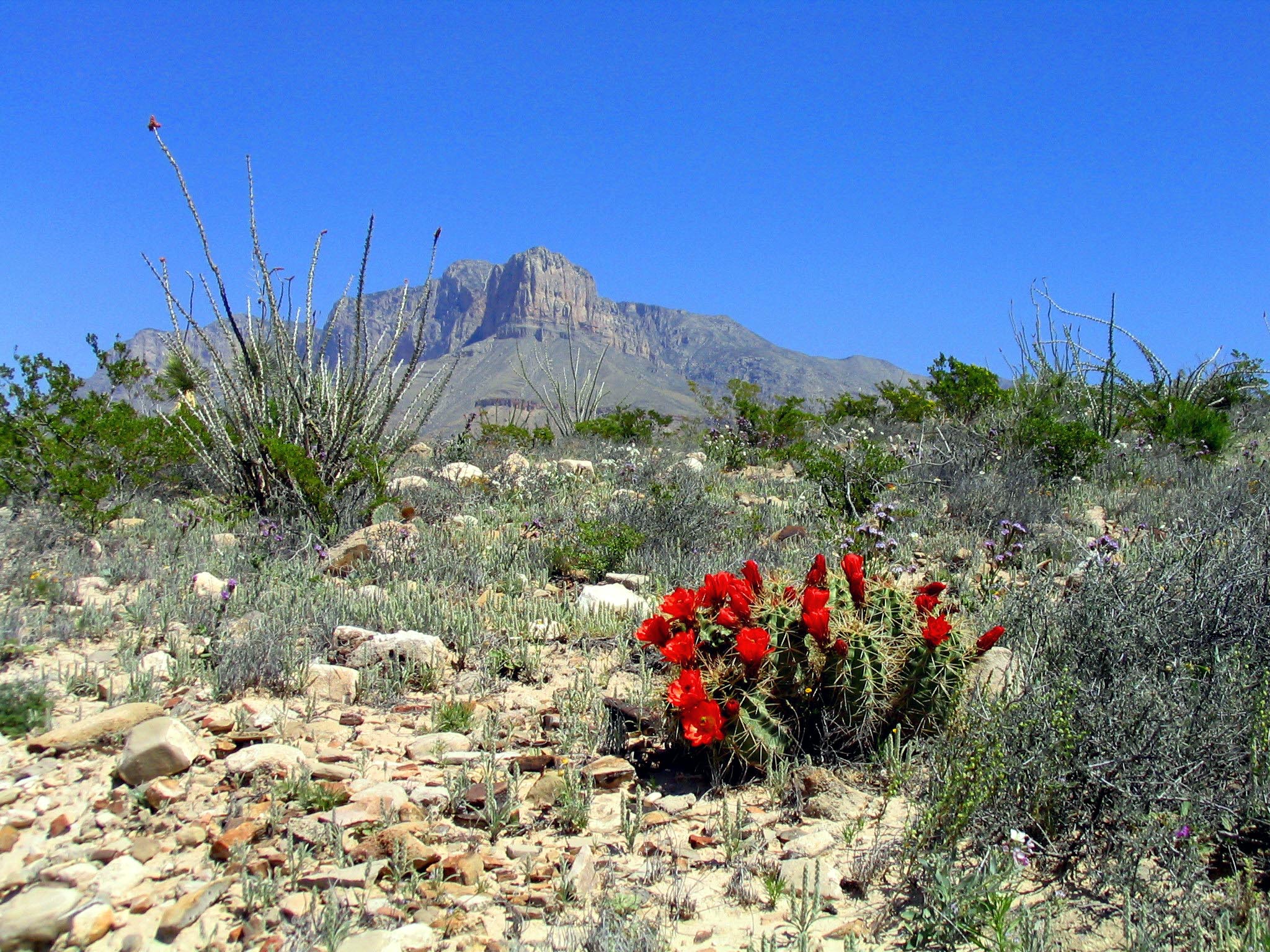
Guadalupe Mountains National Park Weather: Weather
Guadalupe Mountains National Park: weather guide guide updated 2026. Practical visitor information, reservations, and seasonal tips worth bookmarking before
Best Of
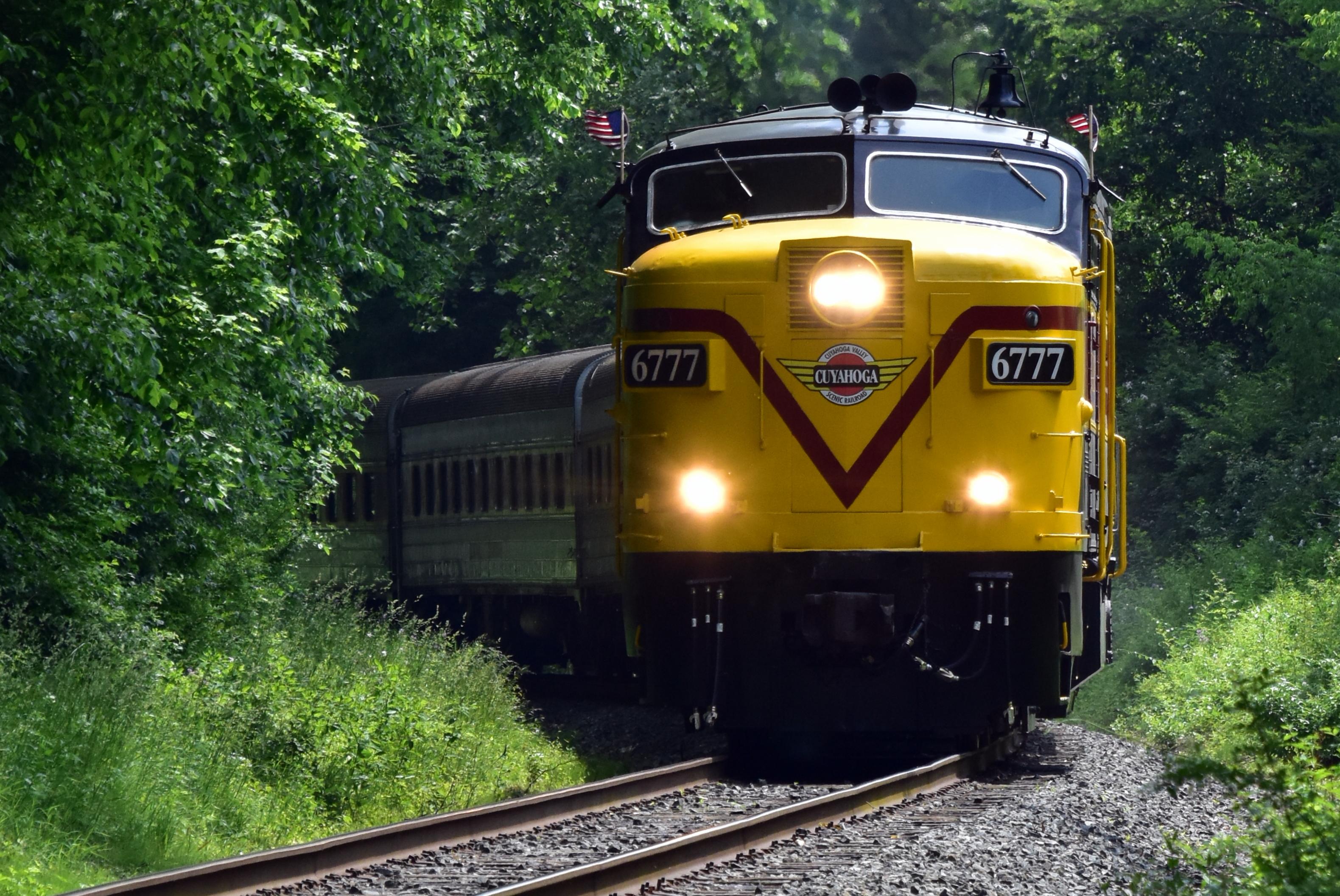
Best of Cuyahoga Valley National Park: Best Things to Do
Seeing a Cleveland Orchestra concert with the woods as your backdrop is a uniquely Cuyahoga Valley experience.
Sign in to join the conversation.
Sources & Attribution
Location data courtesy of the National Park Service (U.S. Department of the Interior). NPS data is public domain. Official NPS page.
Images: NPS.
Map data © OpenStreetMap contributors.
Park operations alerts: NPS.gov · Weather and weather hazards: National Weather Service · Live conditions.
Information may change. Always verify fees, hours, and conditions directly with the official source before visiting.
Did this guide help? Share it with a friend.