Most first-time visitors to Biscayne National Park assume camping here works like any other NPS site - drive in, set up, buy firewood from the camp store. Then they learn about Boca Chita, and the assumptions fall apart.
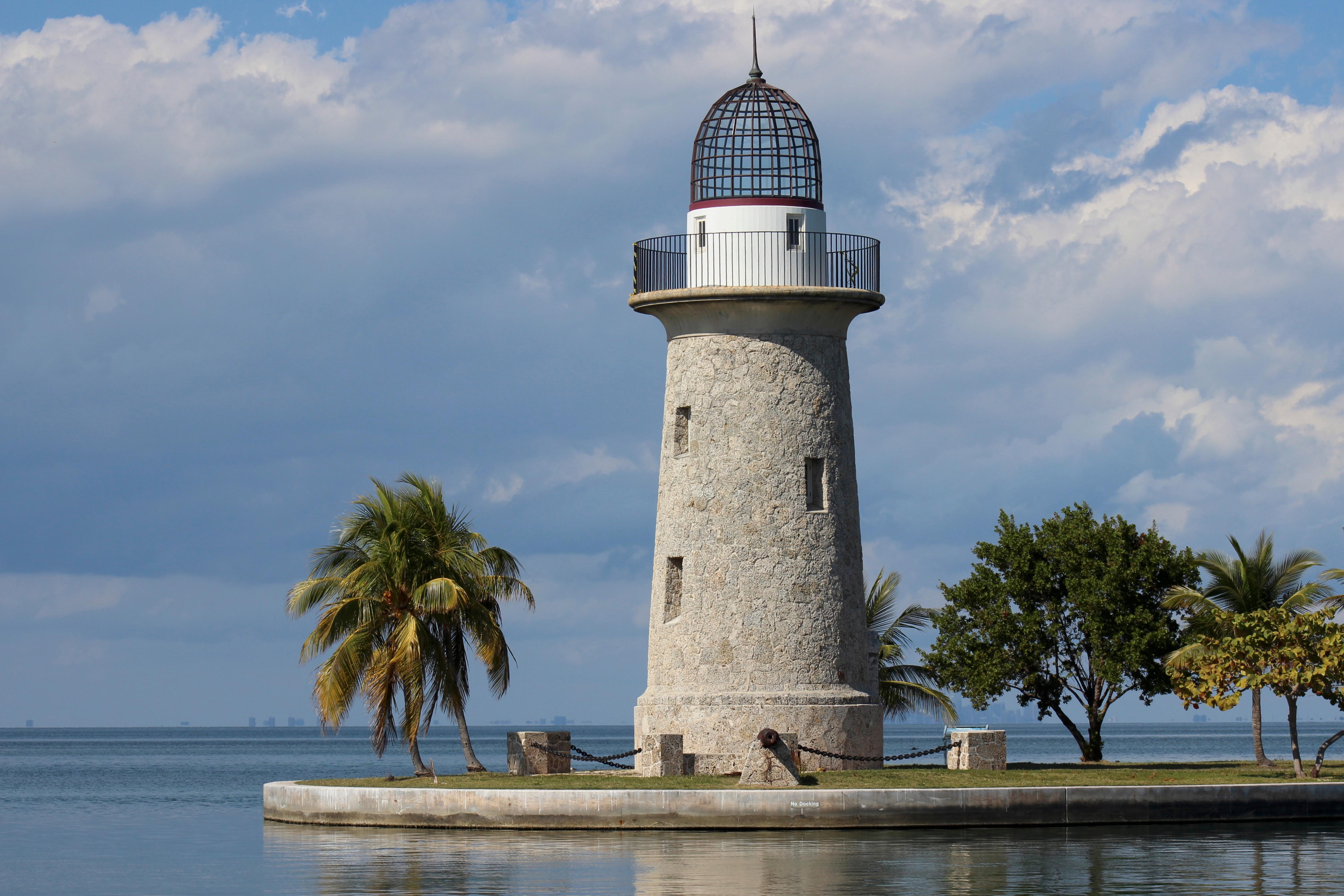
NPS via NPS.gov (Public Domain)
Boca Chita: Boat-In, Free
8 min read
Campsite Guide
Most first-time visitors to Biscayne National Park assume camping here works like any other NPS site - drive in, set up, buy firewood from the camp store.
Your plans
For more, see Campsites at Elliott Key Campground (2026 Guide).
For more, see complete visitor guide and Biscayne National Park Weather.
Boca Chita Campground sits on an island. The only way to reach it is by boat. There are no services, no drinking water, no showers, and no sinks. What it does have is a historic lighthouse, an open grassy camping area right on the water, and a level of solitude that car-campgrounds simply cannot match. For boaters willing to carry everything they need, it is one of the more unusual camping experiences in the national park system.
Before you load the cooler, understand exactly what you are signing up for.
Getting There - The Boat-Only Question
You cannot drive to Boca Chita Key. You cannot walk to it. You cannot take a shuttle, a water taxi, or a ferry that drops you off for the night.
The only access is your own boat or a friend's boat.
The harbor entrance at low tide runs approximately four feet deep. That matters if you are pulling a vessel with deeper draft. Plan your arrival around tides if your boat draws close to that number.
Convoy Point, the park's mainland visitor center, opens its grounds at 7 a.m. and closes at 5:30 p.m. If you are using a ride share service to get to the park, make sure you can get picked up before closing time. Once the gates lock, you are stuck.
Rangers will tell you to download the free Recreation.gov app before you leave home. Cell service on the water is unreliable, and you need that app to pay your fees on site. Payment is not accepted in cash or by card at the campground. It is app-only.
What You Actually Get for the Fee
Camping at Boca Chita costs $35 per night for tent camping plus boat docking. If you are tenting only and not docking a boat in the harbor overnight, the fee drops to $25 per night. Any vessel left in the harbor after 5 p.m. is considered an overnight stay, and the $35 rate applies.
Senior pass holders with a valid America the Beautiful Senior Pass receive a 50 percent discount.
Each tenting fee covers a maximum of six people and two tents.
The campground has roughly 60 tent-only sites scattered across a grassy, waterfront area. The surface is flat, open, and exposed. There is no tree canopy to speak of, no shade structures, and no designated tent pads. You stake directly into the grass.
Here is what the official website does not emphasize enough: you must carry every single drop of fresh water you plan to use. There is no drinking water on the island. Not a spigot, not a well, not a bottle-fill station. Figure a gallon per person per day minimum, more if you are cooking with dehydrated meals or the Florida heat is doing what Florida heat does in summer.
Toilets are available on the island. They are vault toilets. There are no sinks, no running water, and no showers.
Pack accordingly.
The Lighthouse and the Setting
The island's defining feature is the Boca Chita Lighthouse, an ornamental lighthouse built in the 1930s by Mark Honeywell. It was never intended as a working navigational aid - Honeywell built it as a decorative centerpiece for his island retreat. Today it is the most photographed structure in Biscayne National Park.
The camping area sits within sight of the lighthouse, on open grass with the water on one side and the historic structure on the other. Expect a breeze off the bay almost constantly. That helps with the bugs, but it also means tent stakes need to be solid. The ground is soft in places, and a wind gust can pull a loose stake before you realize it happened.
Sunrise from this campground is worth setting an alarm for. The light hits the lighthouse first, then spreads across the grass toward the water. Most campers are up early anyway - there is not much to do after dark except listen to the water and watch the stars.
Rules That Catch People Off Guard
Pets are not permitted on Boca Chita Key. Not on the island, not on boats tied up in the harbor. The restriction specifically includes all pets except service animals as defined by the ADA. This is enforced. Do not assume your dog can stay on the boat overnight; the regulation extends to vessels in the harbor as well.
No services means exactly that. There is no camp store, no firewood sales, no ice, no food, no emergency supplies. If you forget it, you do without it or you motor back to the mainland.
Pack extra for this stretch.
Grills are available at the campsites - the standard park-issue pedestal grills. Bring your own charcoal or wood. Do not gather driftwood or vegetation from the island for burning.
Boater Awareness - What to Watch For
The park issued a caution notice about navigational markers in the area. Some may be missing or shifted due to storms and currents. If you are navigating to Boca Chita in low light or unfamiliar conditions, go slow and keep a close watch on water depth.
The channel into the harbor is straightforward in good weather but requires attention. Approach markers that appear to be in the wrong spot may actually be in the wrong spot. Trust your depth sounder and your chart more than any single marker.
What Season to Choose
Florida's winter months - December through April - are the obvious pick for most boaters. Air temperatures run comfortable, humidity drops, and the mosquitoes are manageable. Summer brings heat indexes well over 100 degrees, afternoon thunderstorms that develop fast, and insect pressure that drives even experienced campers off the island by noon.
Early morning is your best bet for calm water crossings. By late morning in summer, the sea breeze kicks up and the chop on Biscayne Bay gets uncomfortable in smaller boats.
The park receives year-round visitation, but the majority of Boca Chita campers show up between November and April. If you want a site with less competition, consider weeknights in the shoulder months of October or May.
What to Bring (and What to Leave Behind)
Bring every piece of camping gear as if you were backpacking into a dry camp - because you are, just with a boat instead of a pack.
The essentials:
- Fresh water, minimum one gallon per person per day
- All food and cooking supplies
- Sun protection - hat, sunscreen, sunglasses. The grass offers zero shade.
- A wind-worthy tent with good stakes. Sand stakes help if the ground is dry.
- A way to charge electronics without depending on shore power
- Trash bags. Pack out everything you bring. There is no trash service.
- A first aid kit with extras for cuts and scrapes - coral and limestone are sharp
- Insect repellent. The good kind. The breeze helps, but when it dies, the mosquitoes find you.
Leave behind pets, glass containers, and anything that requires running water to function.
The Recreation.gov Payment Process
This part trips people up. You cannot pay at the campground. There is no ranger station, no fee tube, no one collecting cash. Payment is handled entirely through the Recreation.gov mobile app using the Scan and Pay feature.
Download the app before you lose cell signal. Take a screenshot of your confirmation. The park requires proof of payment if a ranger checks the campground.
Seniors with a Senior Pass get the 50 percent discount applied through the app. Make sure your pass information is loaded into your Recreation.gov account before you arrive.
Is It Worth It?
That depends on what you want from a camping trip.
If you want flush toilets, hot showers, a camp store, and the ability to drive to your site, this campground will frustrate you. The logistics are real, and the lack of water is a hard constraint.
If you want to camp on a quiet island within sight of a historic lighthouse, with nothing between you and the water except grass and a picnic table, and you have the boat to get there, it is hard to find anything comparable in the lower 48. The solitude factor is high. The number of people who will share that space with you is low.
The key is preparation. People who enjoy Boca Chita are people who brought everything they needed and left nothing behind. People who struggle here are people who assumed they could figure it out when they arrived.
You cannot figure out water when there is no water.
Practical Takeaways
- Reservations are required. Book through Recreation.gov before you go.
- Download the app before you leave the mainland. You will need it to pay on site.
- Bring all your water. One gallon per person per day minimum. No exceptions.
- No pets allowed. Not on the island, not on boats in the harbor. Service animals only.
- Check tides. The harbor entrance is roughly four feet deep at low tide.
- Watch for shifted markers. The park warns that some navigation buoys may be inaccurate.
- Pack out all trash. There are no dumpsters, no cans, no collection service.
Final Thoughts
Boca Chita Campground is not for everyone. It is a boat-in, carry-everything, bring-your-own-water campsite on an island with a lighthouse and no amenities. The people who love it tend to love it hard - because it offers something most campgrounds cannot: genuine separation from the mainland, a view that belongs entirely to the bay, and the satisfaction of having pulled it off.
If you are comfortable on the water, comfortable carrying your own resources, and comfortable with a quiet night under the Florida sky, this is a campsite worth pursuing.
If you are looking for a complete visitor guide to Biscayne National Park that covers both island campgrounds, check the complete visitor guide for the full picture. For a breakdown of every camping option in the park, including Elliott Key, see the all campgrounds page.
Bring enough water. Stake your tent well. Watch the tide. And give yourself a moment at sunset to appreciate that you are camping on an island with a lighthouse, and there is not a car in sight.
Sources
- Official source: NPS — Biscayne National Park nps.gov/bisc/index.htm
- Official source: National Park Service nps.gov/bisc/planyourvisit/bocachita.htm
More to Explore
Park Guide
Acadia National Park: Carriage Roads, Cadillac Mountain & 2026 Guide
Discover carriage roads, Cadillac Mountain, and rugged Maine coast. Complete 2026 guide to Acadia National Park — trails, fees, lodging, permits, and what rangers recommend.
Hiking Guide
Grand Canyon Hiking Trails: Day Hikes, Water Sources & Rim to Rim
Compare Grand Canyon hiking trails: Bright Angel, South Kaibab, Hermit, Grandview, and rim to rim, with distances, elevation, water stops, and trailhead access for each.
Best Of
Best of Glacier Bay National Park
The best of Glacier Bay is reached by boat: ranger-led day tours up the bay to the tidewater glaciers. What's worth it, how to book, and when to go (2026).
Campsite Guide
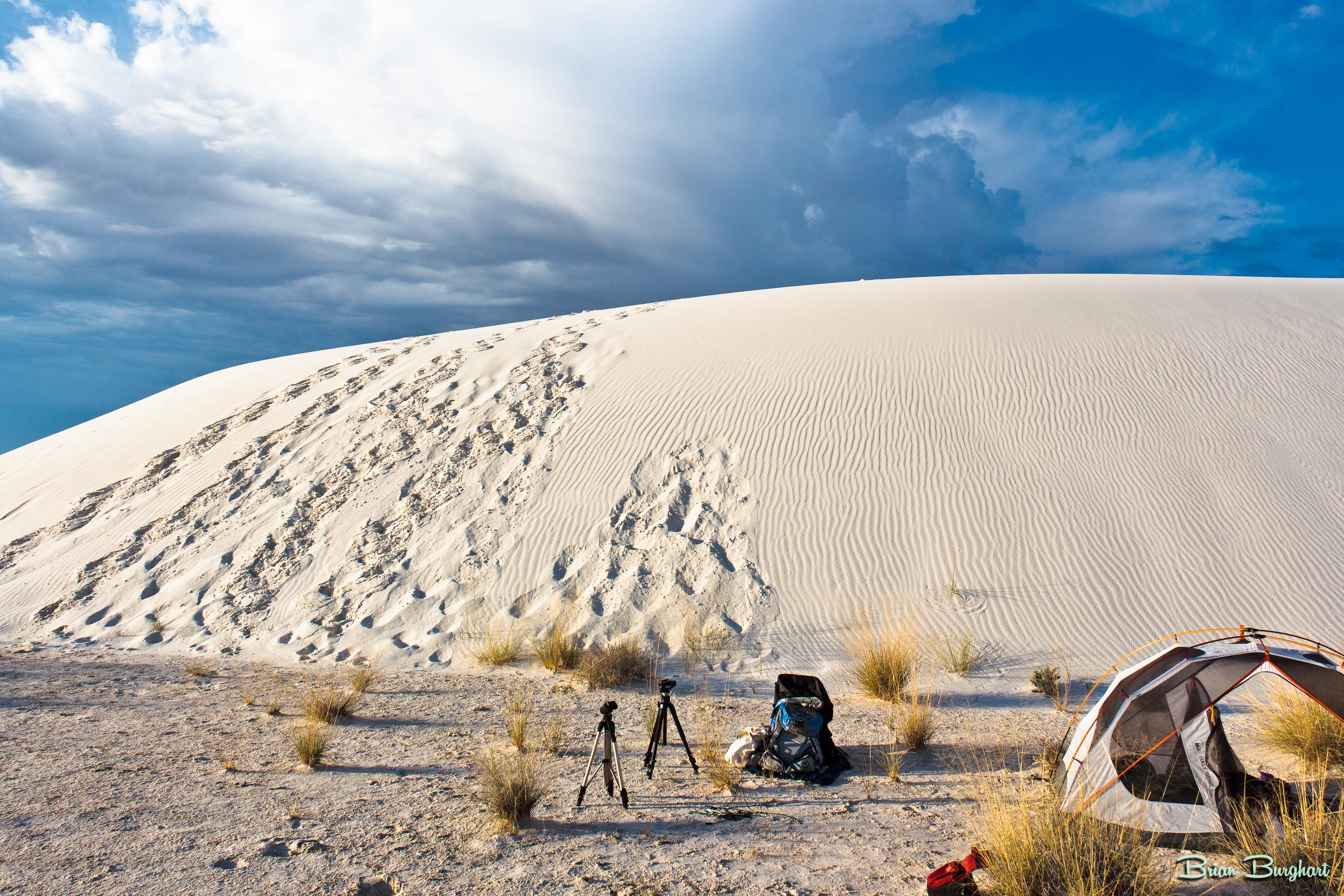
White Sands Backcountry Camping: Closed for 2026 — What to Know
As of 2026, backcountry camping at White Sands National Park is closed for site rehabilitation. What that means, and where to camp nearby instead.
Weather Guide
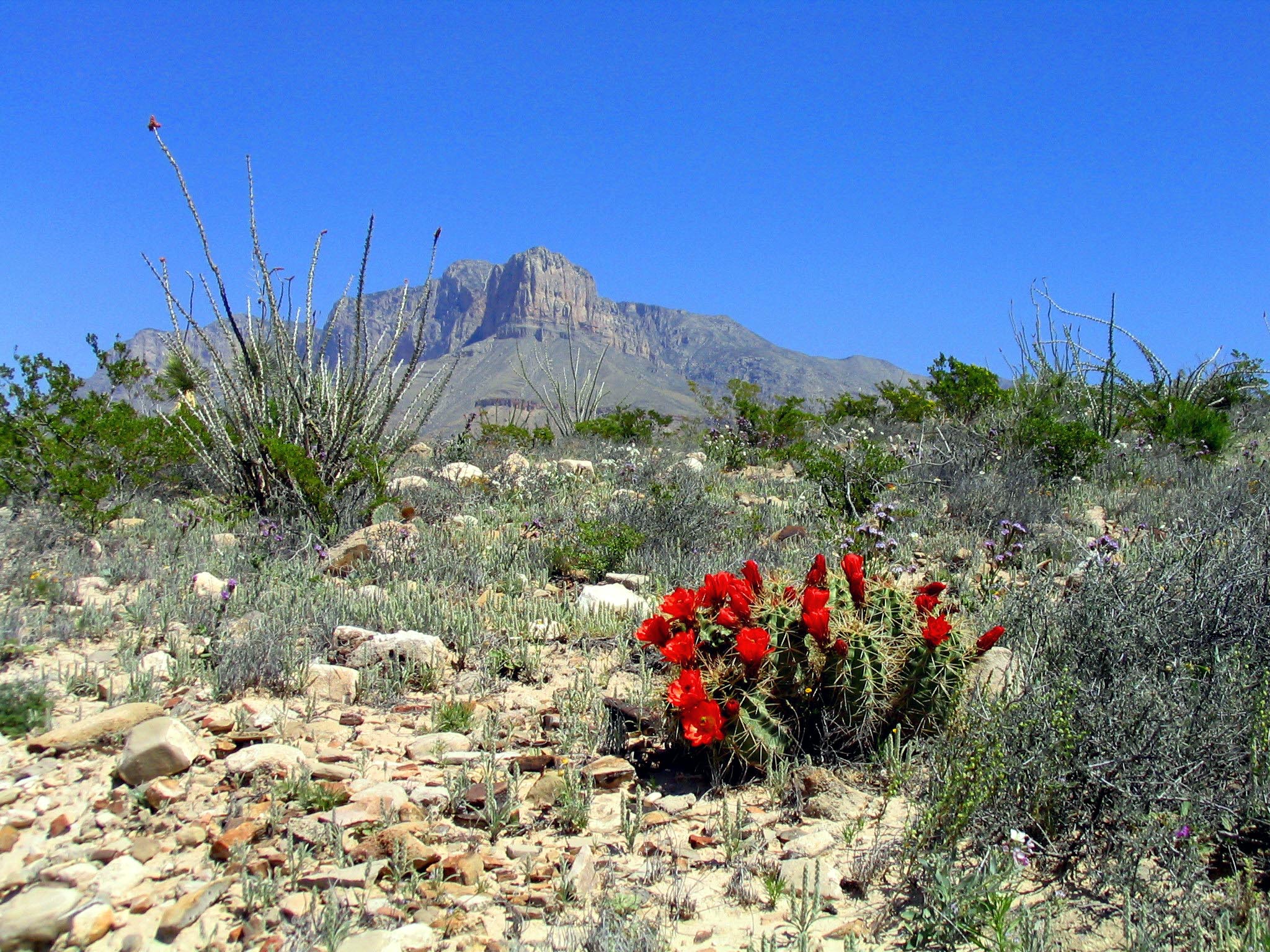
Guadalupe Mountains National Park Weather: Weather
Guadalupe Mountains National Park: weather guide guide updated 2026. Practical visitor information, reservations, and seasonal tips worth bookmarking before
Best Of
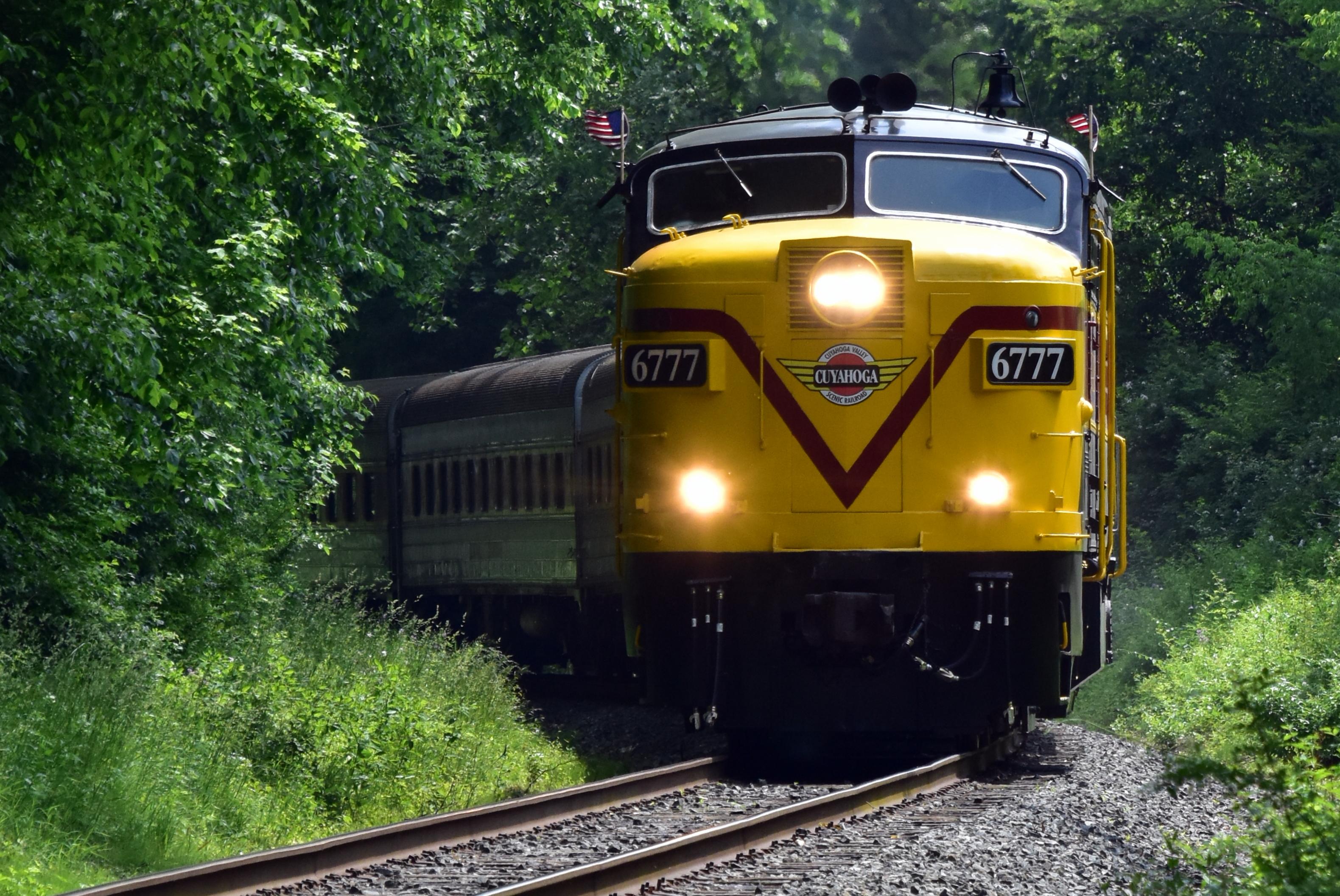
Best of Cuyahoga Valley National Park: Best Things to Do
Seeing a Cleveland Orchestra concert with the woods as your backdrop is a uniquely Cuyahoga Valley experience.
Sign in to join the conversation.
Sources & Attribution
Location data courtesy of the National Park Service (U.S. Department of the Interior). NPS data is public domain. Official NPS page.
Images: NPS.
Map data © OpenStreetMap contributors.
Park operations alerts: NPS.gov · Weather and weather hazards: National Weather Service · Live conditions.
Information may change. Always verify fees, hours, and conditions directly with the official source before visiting.
Did this guide help? Share it with a friend.