Arrive before 7 AM. From May through September, parking at Bryce Canyon typically fills by 9 AM. The morning light also casts better shadows across the hoodoos before the sun climbs overhead.
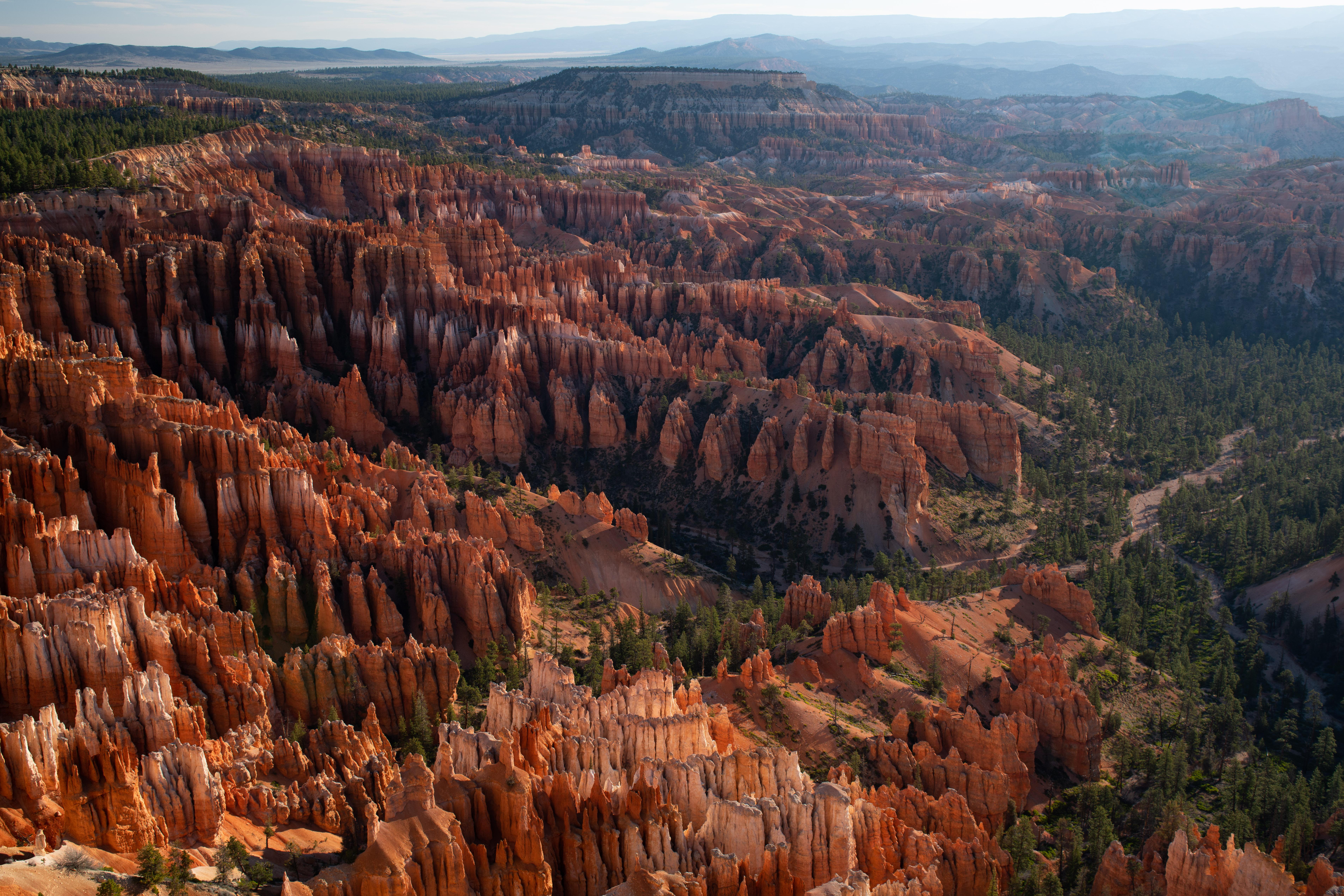
NPS via NPS.gov (Public Domain)
Best of Bryce Canyon National Park: Best Stargazing Bryce Canyon
9 min read
Best Of
From May through September, parking at Bryce Canyon typically fills by 9 AM. Updated for 2026 with 5 Bryce Canyon National Park best of guide insights.
This article contains affiliate links — we may earn a small commission at no extra cost to you.
You may also want complete visitor guide or best time to visit.
This list focuses on how to spend your time in the park. For detailed logistics and historical background, reference the official visitor guide.
If You Only Have One Day
Arrive at the park gate by 7:30 AM. Drive straight to Sunset Point. Walk the Rim Trail south to Sunrise Point - it's a flat, paved 0.5 mile that gives you the classic postcard view of the Bryce Amphitheater. From Sunrise Point, descend into the amphitheater on the Queens Garden Trail. The trail narrows here as it weaves between hoodoos. At the bottom, connect to the Navajo Loop Trail. Take the Wall Street side if it's open (it closes seasonally due to rockfall and ice); the switchbacks through the slot canyon are the park's most photographed feature. The combined loop is about 3 miles with 600 feet of climbing back out. You'll be done by late morning.
Have lunch at the General Store near Sunrise Point or back at your car. In the afternoon, drive the 18-mile scenic road to its end at Rainbow Point. Stop at the major pullouts on the way back - Natural Bridge, Farview Point, Bryce Point. Bryce Point offers the widest, most vertigo-inducing view into the amphitheater. The entire drive-and-stop takes about 2.5 hours.
Attempting another long hike after your morning trek is the most common mistake that compromises a one-day visit. At over 8,000 feet, the elevation will drain your energy. Preserve your stamina. Head back to your lodging for an early dinner, then return for the evening's highlight: the night sky. For optimal stargazing, position yourself at Sunset Point or Inspiration Point about half an hour after sunset. On a moonless night, the Milky Way appears as a broad, luminous band arching overhead. During summer, rangers frequently host astronomy programs at the visitor center amphitheater—consult the park's daily bulletin for schedules.

The Top Experiences, Ranked
#1 - Hiking the Navajo Loop and Queens Garden Combination: The essential Bryce Canyon experience.
- Why it makes this list: This loop puts you inside the fantasyland of hoodoos instead of just looking down on it. You get the iconic switchbacks of Wall Street, the quiet corridors of Queens Garden, and a solid workout.
- What it requires: 2-3 hours, moderate fitness (the climb out is sustained), and sturdy shoes. The trail is a mix of dirt, sand, and stone stairs.
- The single best tip: Do it clockwise, starting at Sunset Point, descending Queens Garden first, and climbing up Wall Street. You tackle the steepest part going up, which is easier on your knees, and you hit Wall Street in better morning light.
- What most visitors do wrong: They start too late. By 10 AM, the trail is a conga line and the temperature in the amphitheater can be 10-15 degrees warmer than the rim.
- Link: For a full breakdown of all hiking trails, including distances and difficulty ratings.
#2 - Stargazing from the Rim: Why Bryce is an International Dark Sky Park.
- Why it makes this list: The high elevation, clean air, and lack of light pollution create some of the darkest skies in the continental U.S. The sheer number of visible stars is humbling.
- What it requires: A moonless or crescent moon night, a red-light flashlight to preserve night vision, and warm layers - even summer nights can drop into the 40s.
- The single best tip: Let your eyes adjust for at least 20 minutes. Avoid looking at your phone's white screen. Rangers will tell you that the Milky Way core is most visible in the summer months, but winter offers brilliant views of Orion.
- What most visitors do wrong: They give up after five minutes because they "don't see anything." Your eyes need time. Also, using a bright flashlight ruins it for everyone else.
#3 - Driving the Scenic Road to Rainbow Point: Context for the scale.
- Why it makes this list: The Bryce Amphitheater is just the beginning. The 18-mile drive south shows the full geologic transition, from the dense hoodoo forests at the north end to the sprawling vistas from the park's highest points.
- What it requires: 1.5 to 3 hours depending on how many of the 13 viewpoints you stop at. A full tank of gas - there are no services south of the general store.
- The single best tip: Do the drive once all the way to the end, then stop at viewpoints on the return trip. This way, you're always pulling off on the right side of the road into designated parking.
- What most visitors do wrong: They skip it, thinking "a canyon's a canyon." The view from Yovimpa Point at the very end, looking over a thousand square miles of the Grand Staircase, is a completely different experience.
#4 - Attending a Ranger-led Night Sky Program: The experts explain what you're seeing.
- Why it makes this list: The rangers use high-powered laser pointers to identify constellations, planets, and deep-space objects. You'll learn why the sky looks different here than at home.
- What it requires: Checking the park program schedule (available at the visitor center or online). Programs are typically held at the visitor center amphitheater or sometimes at Sunset Point.
- The single best tip: Bring a camp chair or a thick blanket to sit on. The amphitheater benches are cold and hard after 20 minutes.
- What most visitors do wrong: They don't dress warmly enough. You'll be sitting still for an hour at 8,000+ feet. Wear a hat and gloves, even in July.
#5 - Sunrise at Sunrise Point (or Sunset at Sunset Point): The obvious one, for a reason.
- Why it makes this list: The low-angle light paints the hoodoos in intense oranges and pinks, creating long, dramatic shadows that define their shapes. It's a photographer's ritual.
- What it requires: An alarm clock. In summer, sunrise is around 6:15 AM. For sunset, arrive at least 45 minutes early to secure a spot along the rail.
- The single best tip: For sunrise, Sunset Point actually faces east and can be less crowded. For sunset, the light on the Amphitheater from Inspiration Point is arguably better than from Sunset Point.
- What most visitors do wrong: They take their photos and leave within 5 minutes. The light changes dramatically over a 30-minute period. Stay for the whole show.
#6 - The Rim Trail Between Sunrise and Sunset Points: The easiest big payoff.
- Why it makes this list: It's paved, mostly flat, and accessible to almost everyone. It provides continuous, views into the heart of the park without any strenuous descent.
- What it requires: As little as 30 minutes for a one-way stroll. The 0.5-mile segment between the two main points is the highlight.
- The single best tip: Walk it early or late to avoid the midday crowds and harsh light. This is also the best option if you're feeling the altitude.
- What most visitors do wrong: They treat it as just a connector between parking lots. Slow down. The different angles from every few feet reveal new formations.
#7 - Hiking the Fairyland Loop: For when you want to escape the crowds.
- Why it makes this list: At 8 miles, it's a commitment, but it sees about 10% of the traffic that the Navajo Loop sees. The hoodoos in Fairyland Canyon are more isolated and whimsical.
- What it requires: 4-5 hours, good stamina, and at least 2 liters of water per person. Start early.
- The single best tip: Hike it clockwise from the Fairyland Point trailhead. The toughest climb comes in the middle rather than at the exhausted end.
- What most visitors do wrong: They underestimate it because it's not "rated" as difficult as some other parks' trails. The combination of distance, elevation change, and altitude makes it a serious half-day trek.

What Most People Miss
Mossy Cave Trail: This short, 0.8-mile roundtrip hike is in the park's northern section, away from the main amphitheater. It leads to a small waterfall (in spring and early summer) and a cool, mossy grotto. It's a great leg-stretcher if you're driving in from the west.
The Bristlecone Loop at Rainbow Point: Everyone gets out of the car at Rainbow Point for the panoramic photo. Few walk the 1-mile Bristlecone Loop. It takes you through a forest of ancient bristlecone pines, some over 1,800 years old. The trees, gnarled and resilient, are a quiet contrast to the flashy geology.
Early Morning Wildlife on the Scenic Drive: Drive the scenic road at dawn and you'll likely see mule deer grazing in the meadows near Farview Point. Utah prairie dogs are active in the fields near the entrance station. Most visitors are hiking at dawn and miss this.
The Visitor Center's Night Sky Exhibit: Inside the visitor center, there's a dedicated dark sky exhibit that explains the science and importance of dark sky preservation. It's worth 10 minutes before you head out for an evening of stargazing.

What's Overrated (and Better Alternatives)
The Bryce Canyon Lodge Dining Room (for dinner). It's often booked solid, the prices are high for the quality, and the atmosphere can feel rushed. Better alternative: Have a hearty lunch at the Lodge instead - the same views, less pressure. For dinner, drive 15 minutes to Tropic or Cannonville for more variety and often better value.
Trying to see "everything" on the Scenic Drive in under two hours. This leads to viewpoint fatigue - they all start to blur together. Better alternative: Pick three: Rainbow Point (for the high elevation vista), Natural Bridge (a single, perfect arch), and Paria View (for a less crowded, more intimate canyon perspective). Quality over quantity.
Hiking the Navajo Loop at midday in peak season. The trail becomes a slow-moving line, the heat in the amphitheater is intense, and the experience loses its magic. Better alternative: If you can't hike it early, hike the Peekaboo Loop instead. It's longer (5.5 miles) and more strenuous, but it handles crowds better and offers even more dramatic, up-close hoodoo views. You'll need to be in good shape, though.

Practical Takeaways
- Altitude is real. You're between 8,000 and 9,100 feet. Headaches and shortness of breath are common. Drink twice as much water as you think you need, go slow, and avoid alcohol your first night.
- The parking situation is predictable. Main lots fill by 9 AM. Your best strategy is to arrive early, use the free shuttle that operates from April to October, or visit popular sites in the late afternoon.
- Layer your clothing. Daily temperature swings of 30+ degrees are standard. A summer day can be 75°F and sunny, dropping to 45°F after sunset. Wear pants and have a fleece and shell jacket readily available.
- For the best stargazing Bryce Canyon can deliver, plan around the moon. A full moon illuminates the hoodoos beautifully but washes out the stars. A new moon or crescent moon is ideal for deep-sky viewing. Check a lunar calendar.
- Camping fills months in advance. The two park campgrounds, North and Sunset, are often fully reserved for the entire summer season within minutes of becoming available. Have a backup plan. Look into Bryce Canyon camping outside the park if you're not booked yet.
- Your annual pass covers the entrance fee. The park entrance fee, as of 2026, is $35 per vehicle. If you have an America the Beautiful Annual Pass, hang it on your mirror and drive straight to the gate.
- Check conditions the day you arrive. Trail closures due to ice, mud, or rockfall are frequent, especially on the switchback-heavy sections of the Navajo Loop. Stop at the visitor center for the latest trail reports and a free park map.
Recommended Gear
What experienced visitors bring to Best of Bryce Canyon National Park: Best Stargazing Bryce Canyon
Links may earn us a commission at no extra cost to you. We only recommend gear we believe in.
Hiking Essentials
Hydration Pack (3L)
Hands-free water for long trail days
Trekking Poles (Pair)
Save your knees on steep descents
Hiking Boots (Ankle Support)
Sturdy footwear for rocky, uneven trails
Sun & Heat Protection
Wide-Brim Sun Hat
Full coverage UPF 50+ protection at altitude
Insulated Water Bottle (32oz)
Keeps water cold in desert heat all day
Winter Gear
Microspikes / Traction Devices
Essential for icy rim trails in winter months
Packable Down Jacket
Lightweight warmth that stuffs into a pocket
Sources
- Official source: NPS — Bryce Canyon National Park nps.gov/brca/index.htm
Photo Gallery
More to Explore
Park Guide
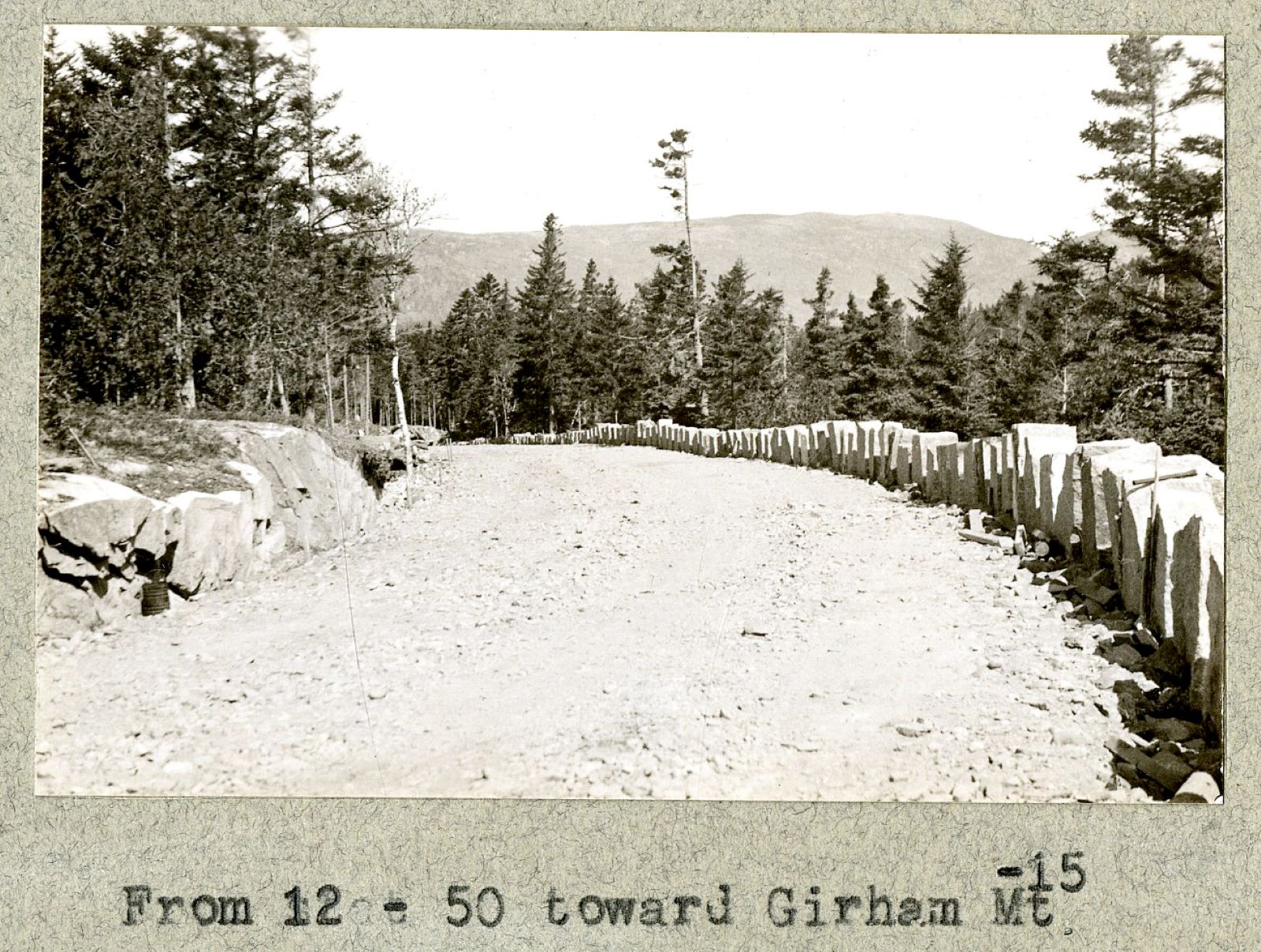
Acadia National Park: Carriage Roads, Cadillac Mountain & 2026 Guide
Discover carriage roads, Cadillac Mountain, and rugged Maine coast. Complete 2026 guide to Acadia National Park — trails, fees, lodging, permits, and what rangers recommend.
Hiking Guide
Grand Canyon Hiking Trails: Day Hikes, Water Sources & Rim to Rim
Compare Grand Canyon hiking trails: Bright Angel, South Kaibab, Hermit, Grandview, and rim to rim, with distances, elevation, water stops, and trailhead access for each.
Best Of
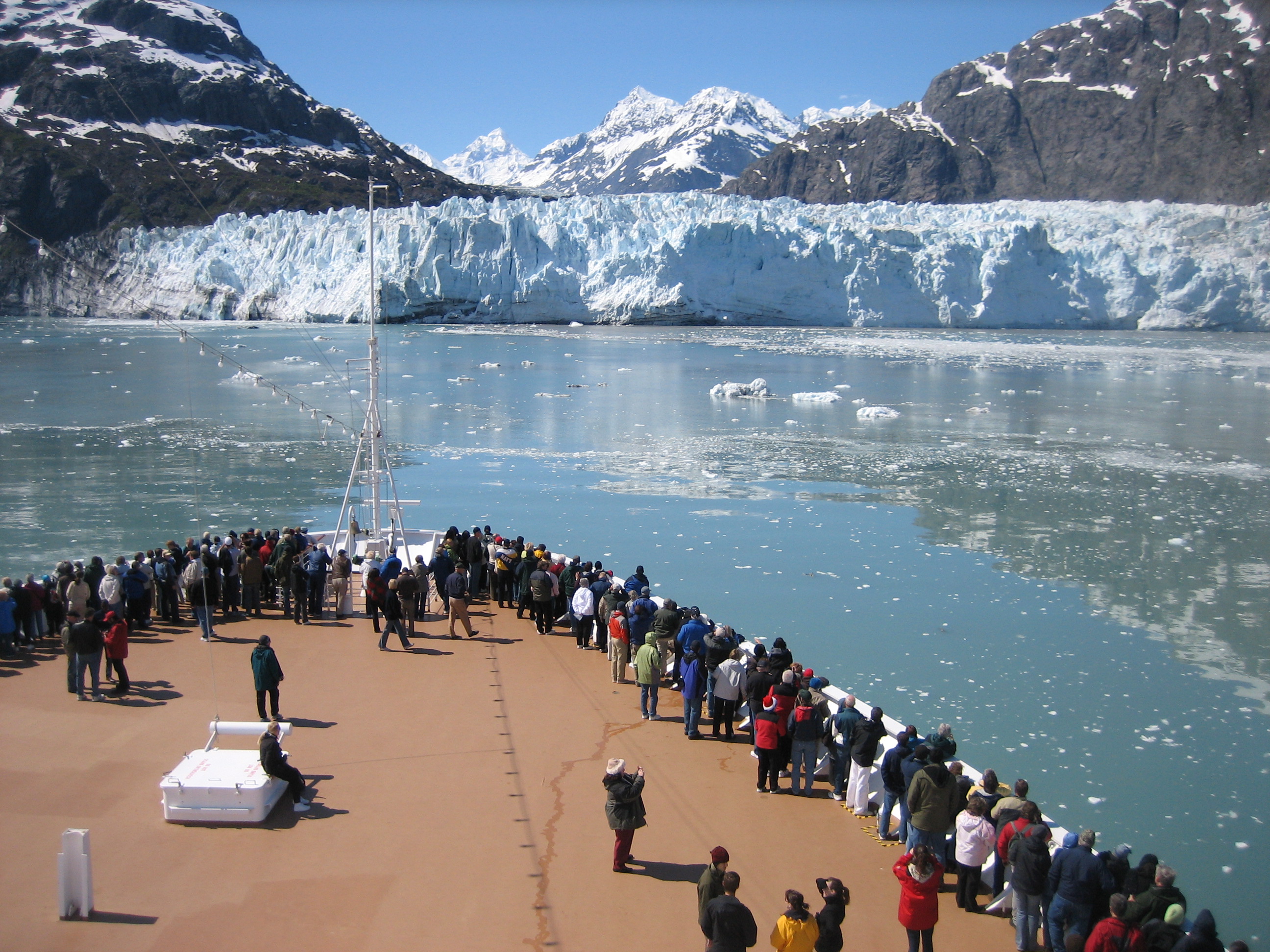
Best of Glacier Bay National Park
The best of Glacier Bay is reached by boat: ranger-led day tours up the bay to the tidewater glaciers. What's worth it, how to book, and when to go (2026).
Campsite Guide
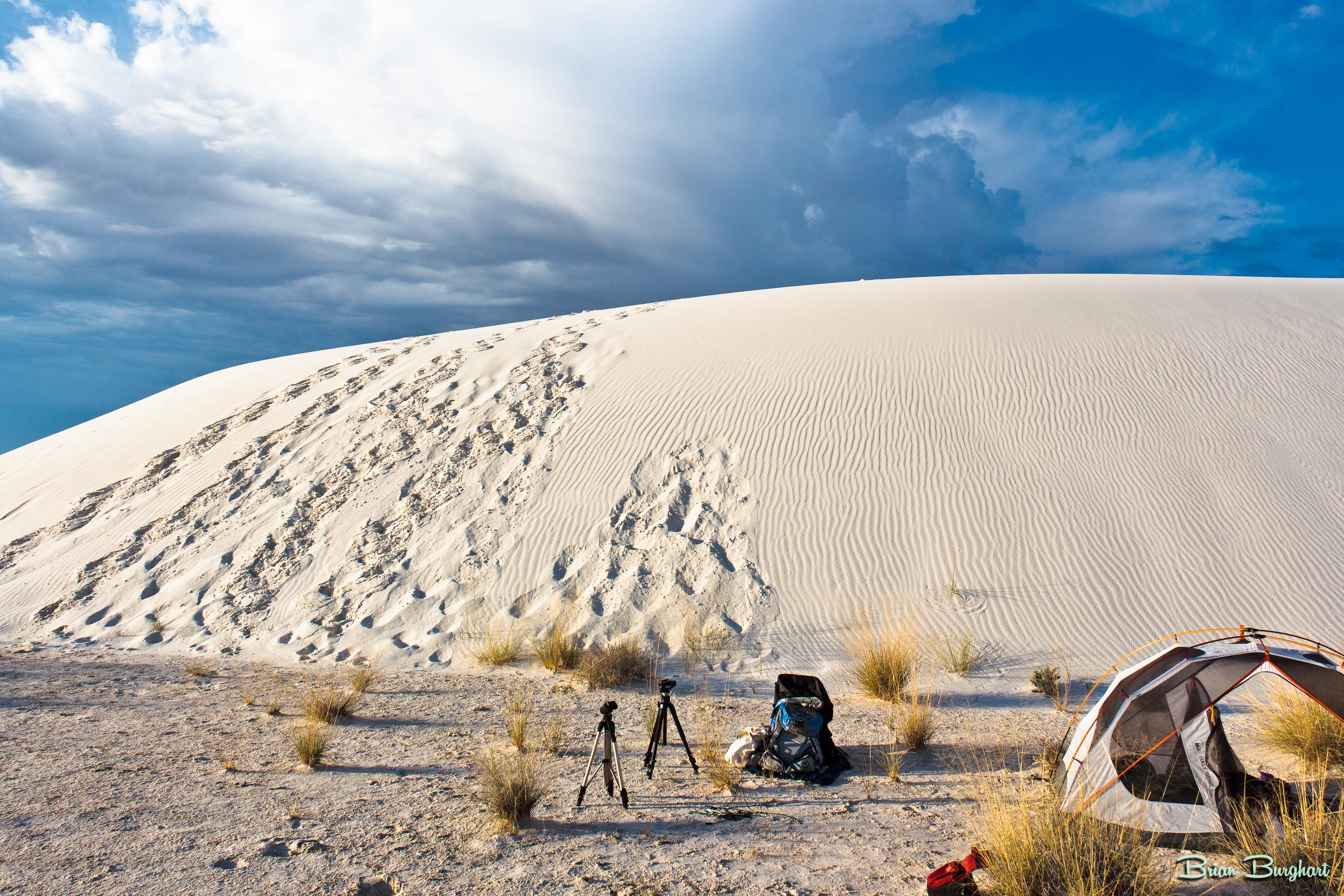
White Sands Backcountry Camping: Closed for 2026 — What to Know
As of 2026, backcountry camping at White Sands National Park is closed for site rehabilitation. What that means, and where to camp nearby instead.
Weather Guide
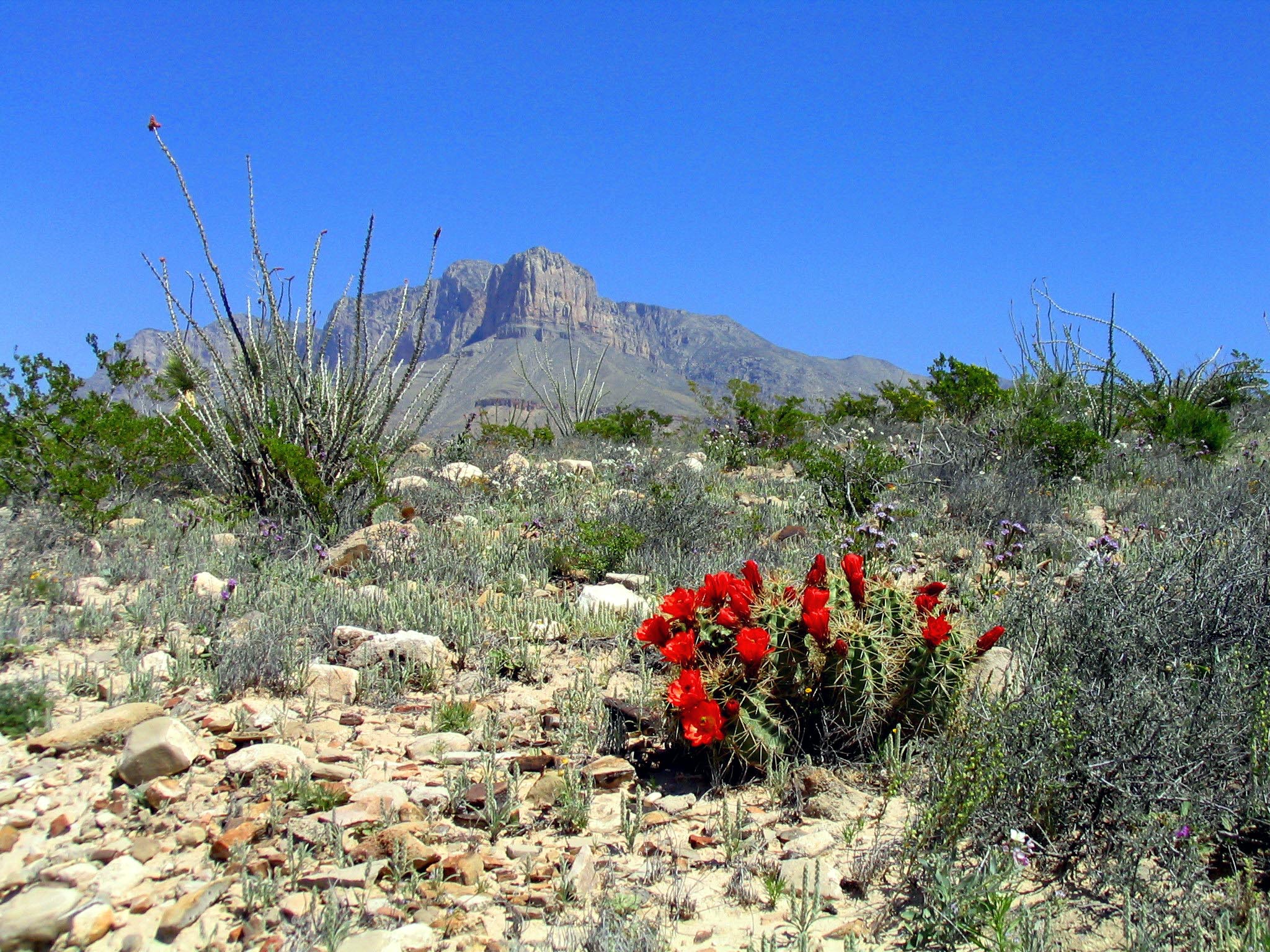
Guadalupe Mountains National Park Weather: Weather
Guadalupe Mountains National Park: weather guide guide updated 2026. Practical visitor information, reservations, and seasonal tips worth bookmarking before
Best Of
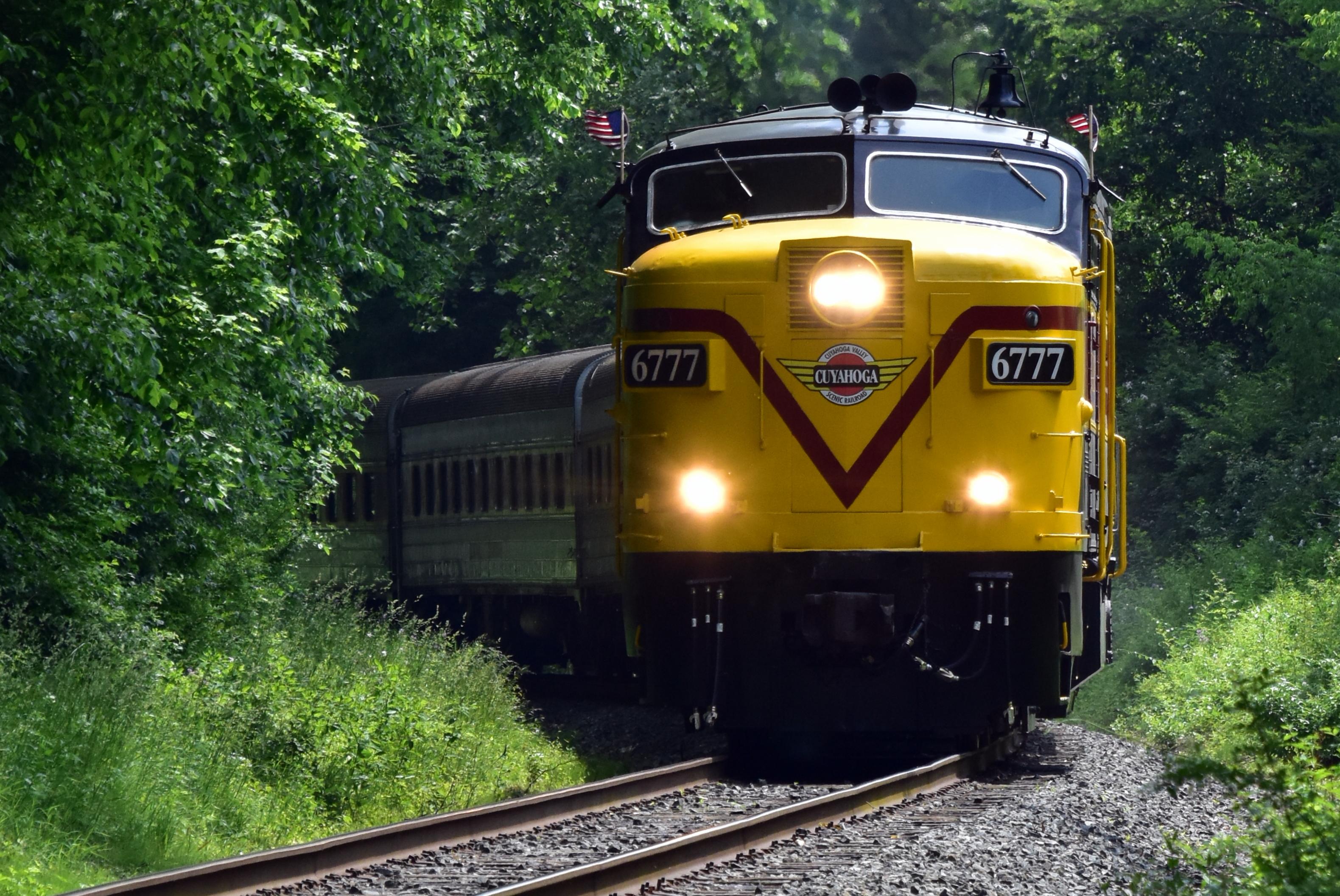
Best of Cuyahoga Valley National Park: Best Things to Do
Seeing a Cleveland Orchestra concert with the woods as your backdrop is a uniquely Cuyahoga Valley experience.
Sign in to join the conversation.
Sources & Attribution
Location data courtesy of the National Park Service (U.S. Department of the Interior). NPS data is public domain.
Images: NPS; NPS; NPS; NPS; NPS.
Map data © OpenStreetMap contributors.
Park operations alerts: NPS.gov · Weather and weather hazards: National Weather Service · Live conditions.
Information may change. Always verify fees, hours, and conditions directly with the official source before visiting.
Did this guide help? Share it with a friend.