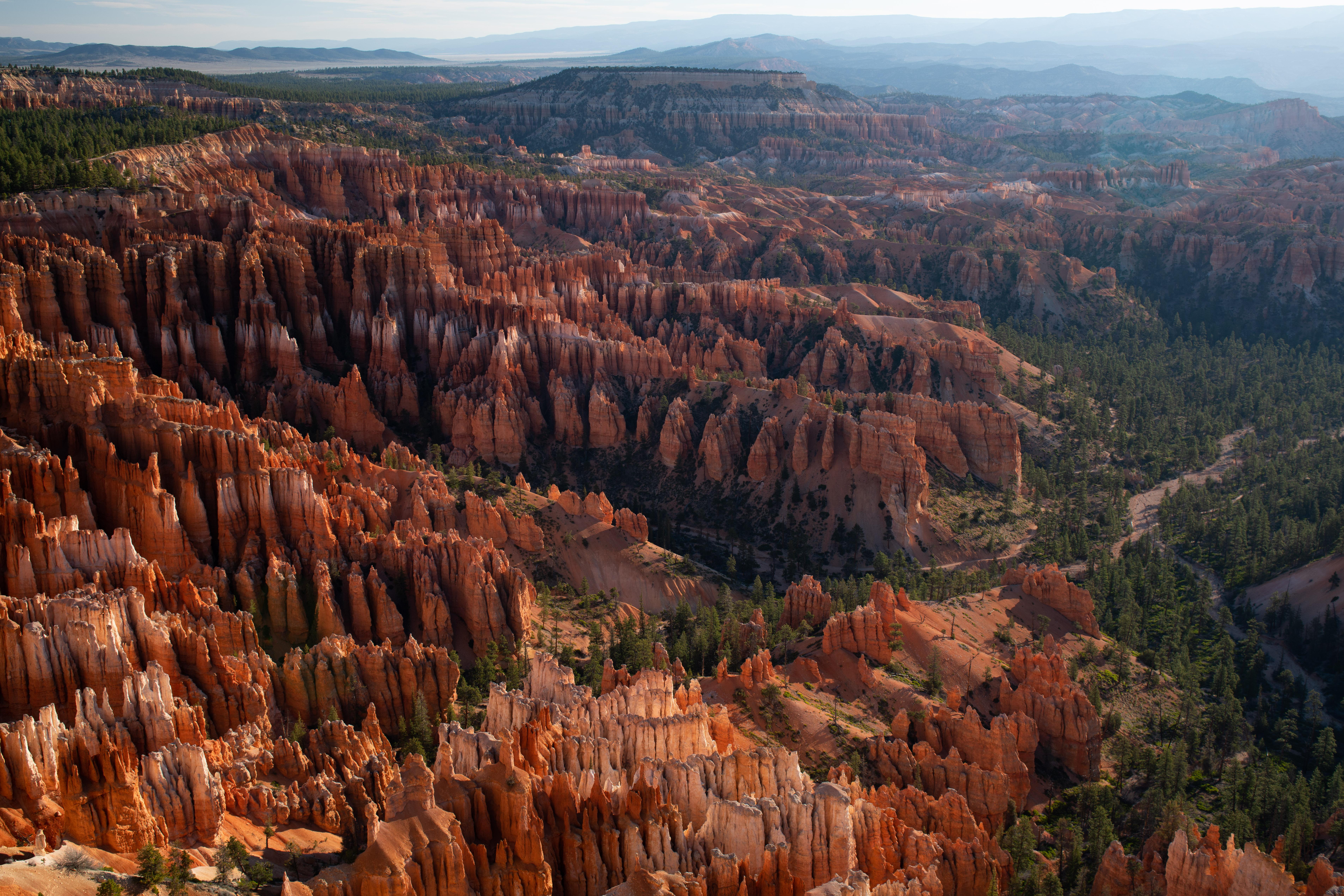
Forget what you know about desert canyons. Bryce Canyon sits on a high-altitude plateau over 8,000 feet at the rim. That elevation governs everything—the thin air that leaves you winded on level ground, the July thunderstorms that materialize without warning. Most newcomers anticipate southern Utah heat and are surprised when they need a fleece in August. The weather here operates in extremes; sunburn and hypothermia can strike on the same afternoon hike without proper preparation.
NPS via NPS.gov (Public Domain)
Bryce Canyon National Park Weather: Snow Hoodoos, Summer Storms
9 min read
Weather Guide
Forget what you know about desert canyons. Bryce Canyon sits on a high-altitude plateau over 8,000 feet at the rim. Updated for 2026 with 5 Bryce Canyon
Related reading: camping options.
The Weather Reality
Bryce Canyon sits on the eastern edge of the Paunsaugunt Plateau. This high tableland acts like a giant catcher's mitt for storms moving east from the Pacific. The result is a climate that is colder, wetter, and far more volatile than nearby Zion or Grand Canyon. Rangers will tell you the park receives over 100 inches of snow in an average winter. Summer highs are mild, rarely breaking 80°F, but the sun at 8,000 feet is intense enough to burn skin in under 20 minutes. The most critical pattern is the summer monsoon, which typically arrives in July and lasts through September. Moisture from the Gulf of California surges north, building towering cumulonimbus clouds by early afternoon. These storms deliver lightning, brief but heavy rain, and occasionally hail. The trail narrows here, both literally and metaphorically - your hiking window on summer days is effectively 7 AM to 1 PM if you want to avoid getting caught in a dangerous electrical storm.

Month by Month
December - February: The Deep Freeze
Temperatures range from highs in the 30s to lows well below zero. Wind chill is a constant factor. Snowfall is heavy and persistent, averaging 10-15 feet per season. The park is open, but many trails become snow-packed routes for snowshoes and cross-country skis. The Rim Trail is often groomed for skiing. Crowds are virtually nonexistent except for holiday weekends. This is the time for profound silence and seeing the hoodoos capped with brilliant white snow - a stark contrast to the red rock. What the park website doesn't mention is how quickly the light changes; the low winter sun creates long shadows that make the amphitheater look twice as deep by mid-afternoon. The challenge is the cold. Exposed skin can freeze in minutes, and road closures for plowing are common.
March - April: The Thaw (Mostly)
Expect highs in the 40s and 50s, with nights still dipping into the 20s. Snow melts slowly, creating muddy, slushy trail conditions. This is the shoulder season where you might get a sunny, 60-degree day followed by a spring snowstorm. Crowds begin to build around Easter. Trail access is limited; the Navajo Loop and Queens Garden trails often remain closed due to ice and mud until late April or early May. Wildlife becomes more active as marmots and ground squirrels emerge. It's worth considering for the solitude and lower lodging rates, but you must be flexible and prepared for every condition.
May - June: The Sweet Spot
May and June offer the most reliable combination of weather and trail access. Daytime temperatures reach the 60s and 70s, with nights staying cool and crisp. Afternoon thunderstorm risk remains lower than the summer peak. Most trails open by Memorial Day, and wildflowers start appearing along the rim meadows in June. Expect growing crowds—parking at Sunset Point and other popular trailheads often fills by 9 AM. The air is clear, hiking conditions are excellent, and with proper layering, you can spend the whole day outside. The catch: this is no secret. An early start is essential.
July - August: Monsoon Season
Highs average in the low 80s, but the real story is the daily pattern of building clouds and thunderstorms. Mornings are almost always clear and perfect for hiking. By noon, clouds gather. By 2 or 3 PM, thunderstorms are likely. These are not gentle rains; they are violent, lightning-filled events that can drop the temperature 30 degrees in minutes. Flash flooding is a real concern in the canyon bottoms. Crowds are at their peak. Rangers at the visitor center emphasize being off exposed ridges and out of the canyon by early afternoon. The advantage is long daylight hours and reliably warm mornings. The Bryce Canyon National Park weather in summer demands respect for the sky.
September - October: The Second Sweet Spot
September still carries monsoon moisture, but the frequency of storms decreases. October is glorious: daytime temps in the 50s and 60s, cold nights, and crystal-clear air. The aspen and oak brush on the plateau turn gold and red, offering a different kind of color spectacle. Crowds diminish significantly after Labor Day. This is prime time for hiking and photography. The challenge is unpredictability; an early season snowstorm can arrive in October, temporarily closing roads and trails. But for stable, pleasant conditions, it rivals May and June.
November: The Quiet Descent into Winter
Temperatures fall rapidly. Highs in the 40s are common, with frequent nighttime freezes. The first significant snows often arrive, dusting the hoodoos. Most facilities begin seasonal closures after Thanksgiving. Crowds are very light. It's a stark, quiet, and beautiful month, but transitional. You could have a dry, sunny week perfect for hiking, or you could be navigating icy roads. It's a month for the flexible and self-sufficient visitor.

Best Times for Specific Activities
Hiking the High Country
The best months for extensive hiking are May, June, September, and early October. During these windows, you have the highest probability of dry trails, manageable temperatures, and minimal lightning risk. The Under-the-Rim Trail, which traverses the backcountry, is particularly ideal in late September when water sources are still reliable but the heat has subsided.
Wildlife Viewing
Spring (May-June) and fall (September-October) are peak activity periods. Mule deer are commonly seen at dawn and dusk along the plateau meadows. Utah prairie dogs are active all day at the park's prairie dog towns. The best chance to see the park's elusive mountain lions or bobcats is virtually zero - they see you, you don't see them. Birders should come in late spring for migratory species.
Wildflower Peak
Aim for late June through mid-July. Look for lupine, Indian paintbrush, and sego lilies in the meadows near Rainbow Point and along the Rim Trail. The bloom is altitude-dependent and brief.
Fall Color
The quaking aspen and oak brush put on a show from late September through mid-October. The color is not in the canyon itself, but on the plateau rim, particularly around Rainbow and Yovimpa Points. Drive the scenic drive for the best vistas of gold against red rock.
Stargazing
Bryce Canyon is an International Dark Sky Park, and stargazing is superb year-round. The clearest, driest air for astronomy is typically in October. Winter offers incredible clarity, but you have to withstand the cold. The park's annual Astronomy Festival is usually held in June.
Winter Sports
The window for cross-country skiing and snowshoeing is reliably December through March. The park groses several miles of trail along the rim. You can rent equipment in the nearby town of Bryce.

What to Pack by Season
Winter (Dec-Feb): This is serious cold-weather packing. Insulated, waterproof boots with traction devices (like Microspikes) are non-negotiable for any walking. Layering is critical: a moisture-wicking base layer, a heavy fleece or puffy jacket, and a waterproof/windproof shell. Pack warm gloves, a hat that covers your ears, and a neck gaiter. Sunglasses are essential to combat snow glare. Keep an eye out for signs of frostbite on exposed skin.
Spring/Fall (Mar-May, Sep-Nov): Expect everything. Pack layers you can add or shed throughout the day: a lightweight base layer, a fleece, a windbreaker, and a light puffy jacket. Waterproof hiking boots are a must for muddy or slushy trails. Include a warm hat and gloves even in May or October - nights are cold. A compact umbrella can be more useful than a rain jacket in sporadic showers.
Summer (Jun-Aug): The packing list is deceptively simple but critical. Start early with a sun hat, sunglasses, and high-SPF sunscreen. Wear moisture-wicking clothing. You must carry a rain jacket or poncho and a warm layer (a light fleece) every single day for the afternoon storm cooldown. Trekking poles are helpful for descents into the canyon. Most visitors underestimate how much water they need at altitude; plan for at least one liter per hour of hiking. A headlamp is wise in case a storm delays your return.

What the Forecast Doesn't Tell You
- The Sun is a Weapon. At 8,000 feet, UV radiation is about 40% more intense than at sea level. You will burn faster than you ever have, even on cloudy days. Lip balm with SPF is not a suggestion.
- Lightning Likes the Rim. The plateau rim is the highest point for miles. During thunderstorms, it becomes a lightning rod. If you hear thunder, you are already in danger. The rule is: when thunder roars, go indoors. The only safe place is inside a vehicle or building.
- Microclimates in the Canyon. The temperature difference between the rim and the canyon floor can be 20°F or more. It can be a pleasant 75°F on the rim and a stifling 95°F at the bottom of Wall Street. Check the forecast for both elevations.
- Wind is a Constant. The plateau is almost always breezy. Wind chill is a factor even in summer, and it can turn a 50°F day at the overlook into a brutally cold experience. Always have a wind layer accessible.
- Road Closures Happen Fast. A snowstorm can close the main park road (Highway 63) between the entrance and Rainbow Point in under an hour. In winter, check road conditions before you leave your lodge, not just when you enter the park.
- Hydration is Everything. The dry air and altitude will dehydrate you quickly, accelerating fatigue and increasing susceptibility to altitude sickness. If you feel a headache coming on, drink water and eat a salty snack. It's usually not a migraine; it's your body begging for electrolytes.
- Afternoon Storms are a Reset. The post-storm hour is magic. The air smells of wet sage and petrichor, the dust is settled, and the light on the freshly washed hoodoos is unlike any other time of day. If you are safely in your car or at the lodge, enjoy the show.
Practical Takeaways
- Altitude is the Boss. Everything - your stamina, the temperature, the sun's intensity, your hydration needs - is governed by the 8,000+ foot elevation. Acclimate for a day with light activity if you're coming from low elevation.
- Summer Hiking is a Morning Activity. Plan to be back at your car or on the rim by 1 PM. Use afternoons for scenic drives, the visitor center, or the lodge. The parking situation here is that lots empty out after lunch as storms roll in.
- Pack for Three Seasons in One Day. From May through October, your daypack should contain sun protection, rain gear, and a warm layer. Every time.
- Winter is a Different Park. Come for the solitude and surreal beauty of snow on red rock, but come prepared for arctic conditions. Snow tires or chains are often required from November to April.
- Check the Ranger Forecast. The National Weather Service forecast for Bryce Canyon is more accurate and detailed than generic apps. Rangers post it daily at the visitor center. It will include rim and canyon floor temps.
- Your Best Weather Windows are late May to mid-June, and the entire month of September. These periods offer the most reliable combination of open trails, good weather, and manageable crowds for experiencing the Bryce Canyon National Park hiking trails.
- When in Doubt, Ask a Ranger. They live this weather. They can tell you which trails are icy, where the mud is worst, and if a storm is building faster than expected. It's the single most reliable source for Bryce Canyon National Park weather intelligence you will find.
For the full context on planning your trip, from navigating entrance stations to finding meals, consult our complete visitor guide. And once you've dialed in your season, our detailed guide to hiking trails will help you choose the right route for the conditions you'll face.
Related: bryce canyon national park guide
Sources
- Official source: NPS — Bryce Canyon National Park nps.gov/brca/index.htm
Photo Gallery
More to Explore
Park Guide
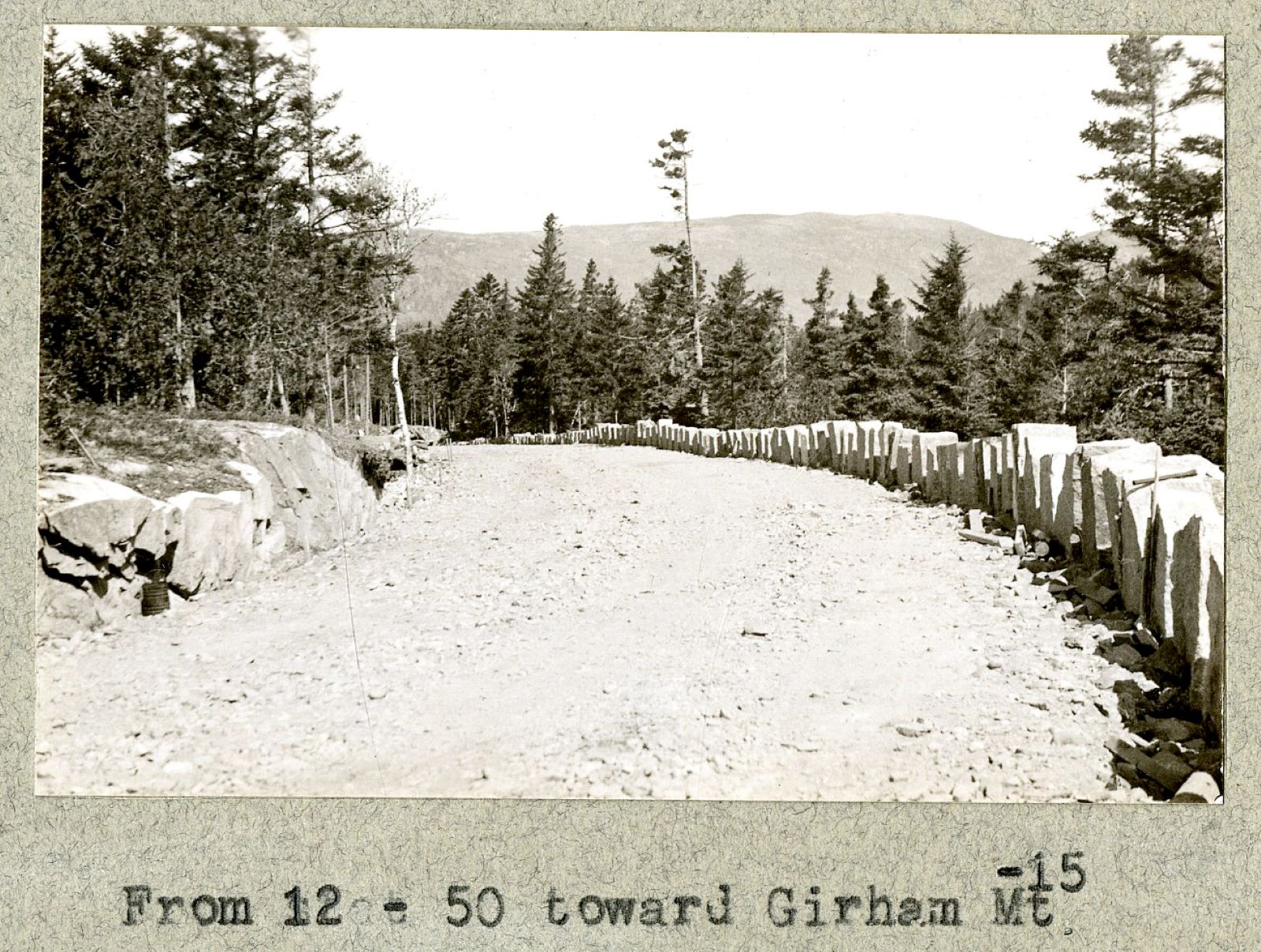
Acadia National Park: Carriage Roads, Cadillac Mountain & 2026 Guide
Discover carriage roads, Cadillac Mountain, and rugged Maine coast. Complete 2026 guide to Acadia National Park — trails, fees, lodging, permits, and what rangers recommend.
Hiking Guide
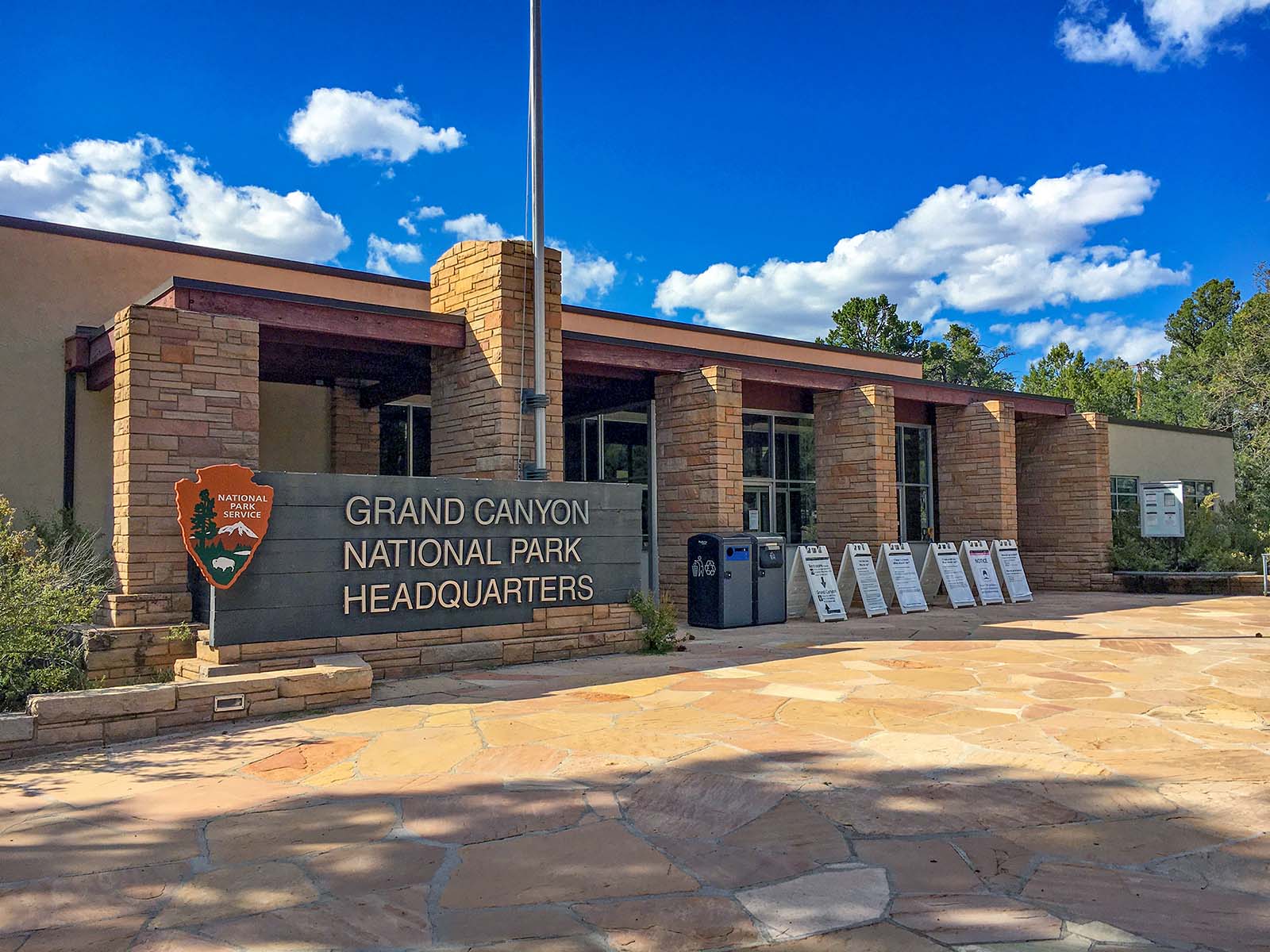
Grand Canyon Hiking Trails: Day Hikes, Water Sources & Rim to Rim
Compare Grand Canyon hiking trails: Bright Angel, South Kaibab, Hermit, Grandview, and rim to rim, with distances, elevation, water stops, and trailhead access for each.
Best Of
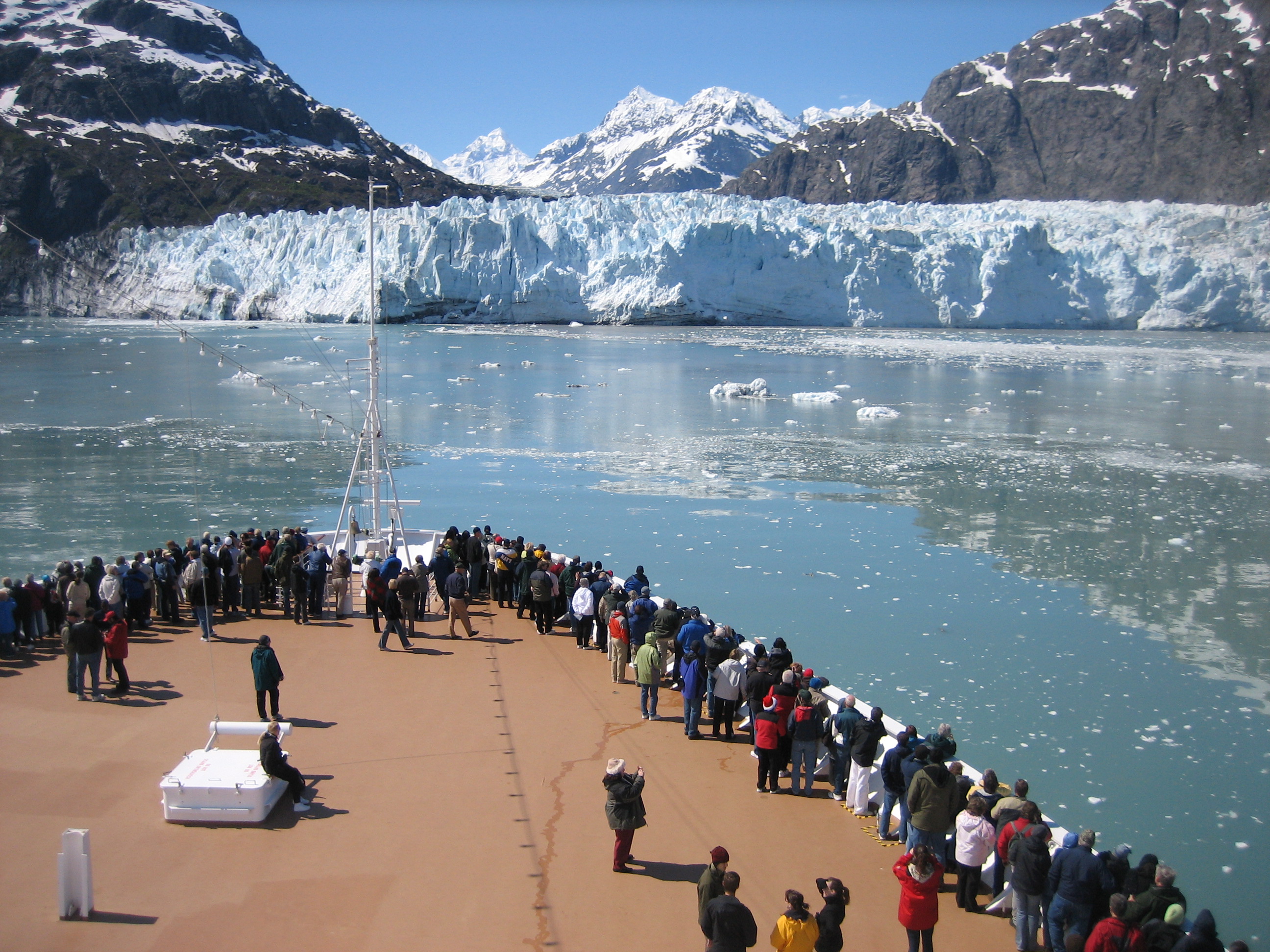
Best of Glacier Bay National Park
The best of Glacier Bay is reached by boat: ranger-led day tours up the bay to the tidewater glaciers. What's worth it, how to book, and when to go (2026).
Campsite Guide
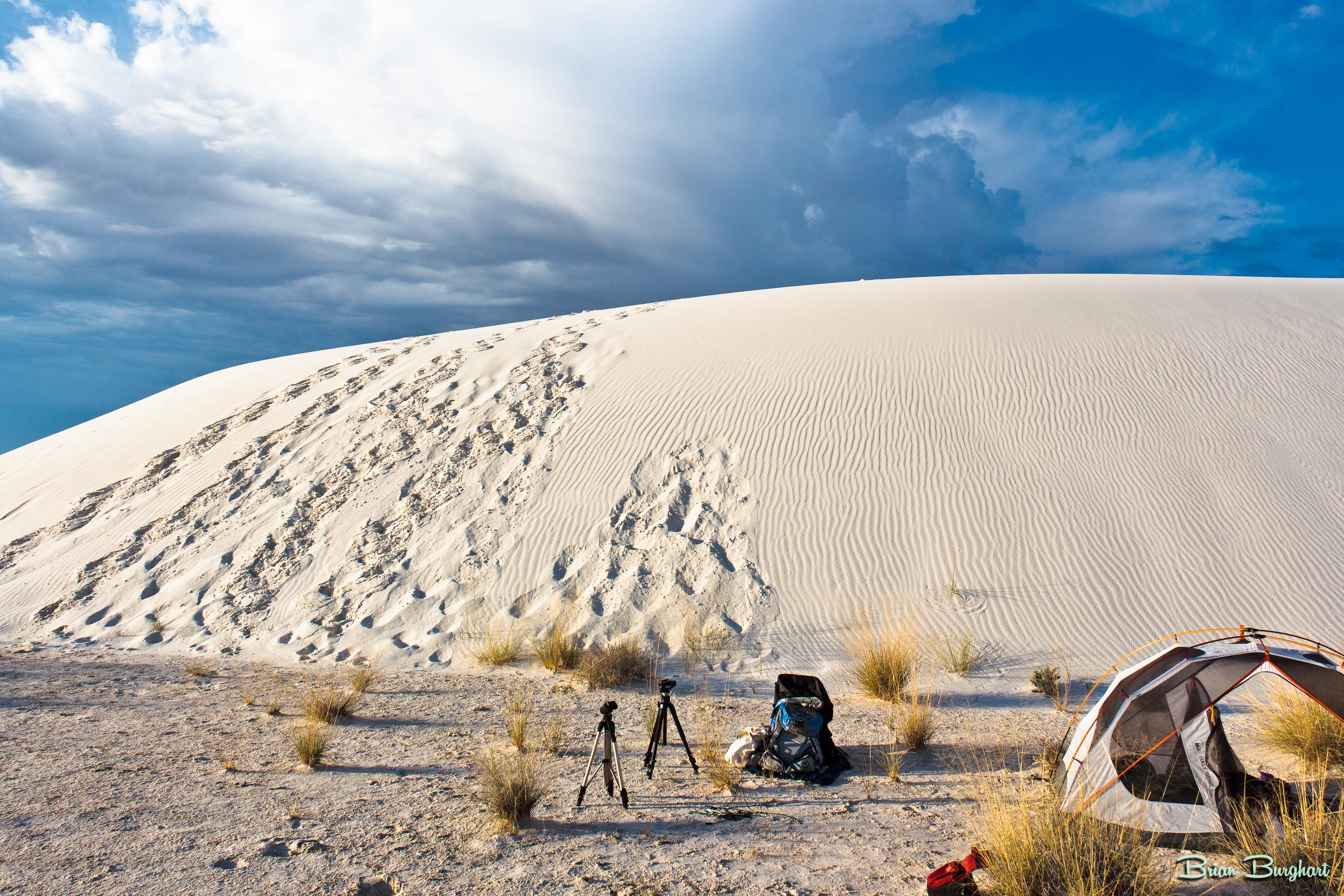
White Sands Backcountry Camping: Closed for 2026 — What to Know
As of 2026, backcountry camping at White Sands National Park is closed for site rehabilitation. What that means, and where to camp nearby instead.
Weather Guide
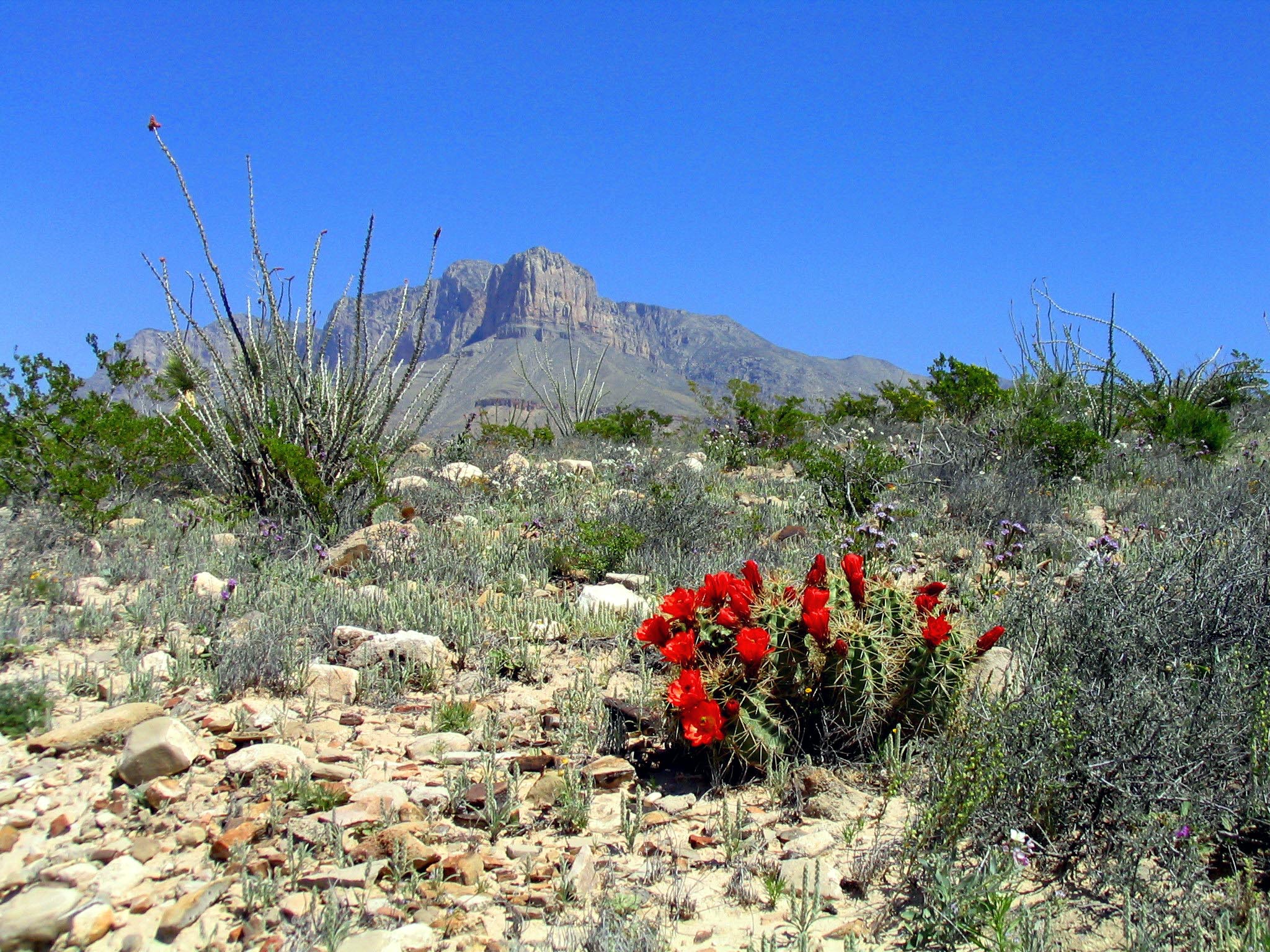
Guadalupe Mountains National Park Weather: Weather
Guadalupe Mountains National Park: weather guide guide updated 2026. Practical visitor information, reservations, and seasonal tips worth bookmarking before
Best Of
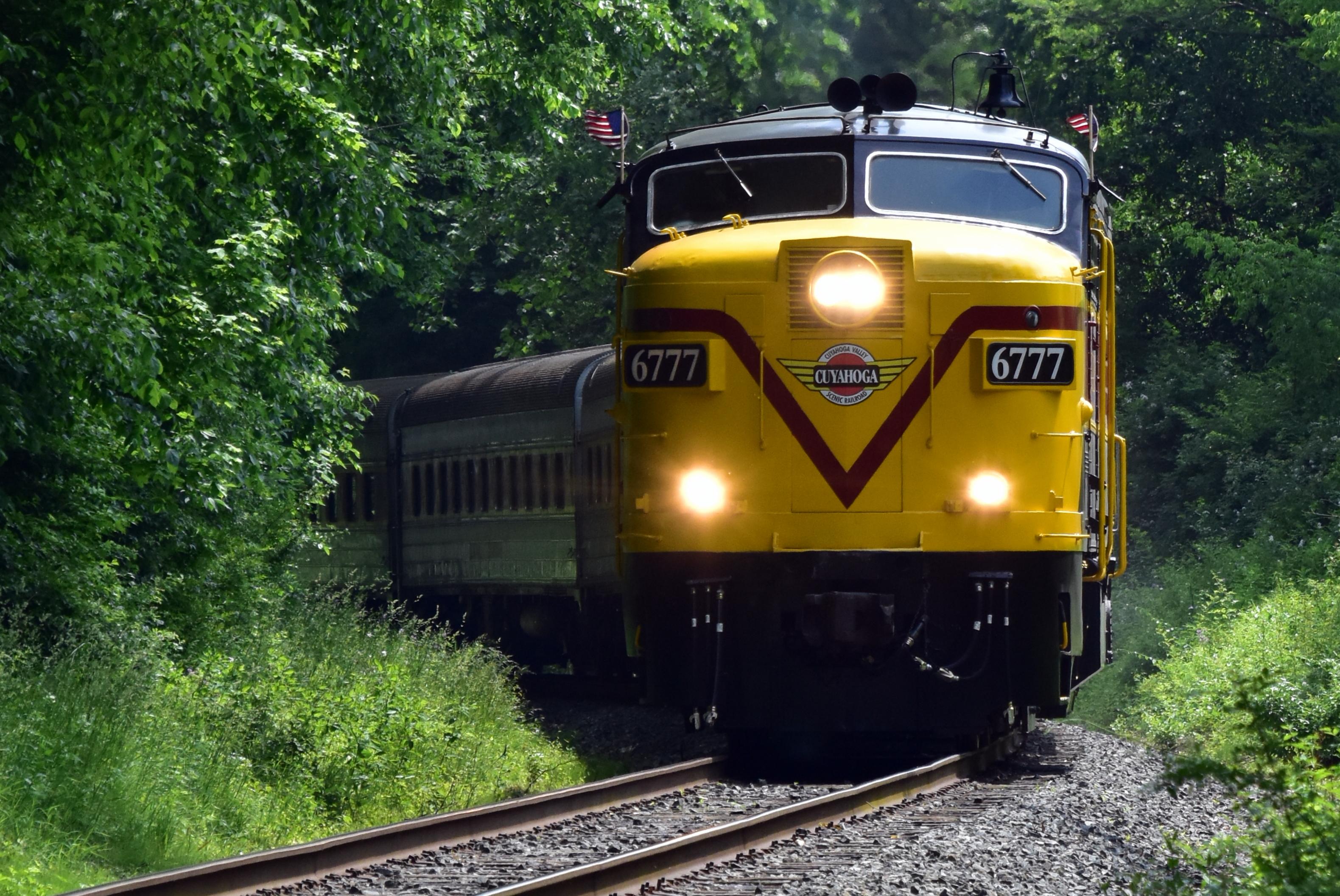
Best of Cuyahoga Valley National Park: Best Things to Do
Seeing a Cleveland Orchestra concert with the woods as your backdrop is a uniquely Cuyahoga Valley experience.
Sign in to join the conversation.
Sources & Attribution
Location data courtesy of the National Park Service (U.S. Department of the Interior). NPS data is public domain.
Images: NPS; NPS; NPS; NPS; NPS.
Map data © OpenStreetMap contributors.
Park operations alerts: NPS.gov · Weather and weather hazards: National Weather Service · Live conditions.
Information may change. Always verify fees, hours, and conditions directly with the official source before visiting.
Did this guide help? Share it with a friend.