The air on the North Rim is thinner, cooler, and smells of pine resin and dust. You'll notice it first, a sharp contrast to the desert heat of the canyon floor. The trail to Angels Window is a short, paved spur off the main Cape Royal path, ending at a set of railings bolted into the Kaibab limestone. From there, you look down through a natural arch - a window - framing a view straight to the Colorado River, some 5,000 feet below. It's a view that turns the canyon's immense scale into a single, startling composition. Most first-time visitors are caught off guard by the exposure. The railings are there for a reason.
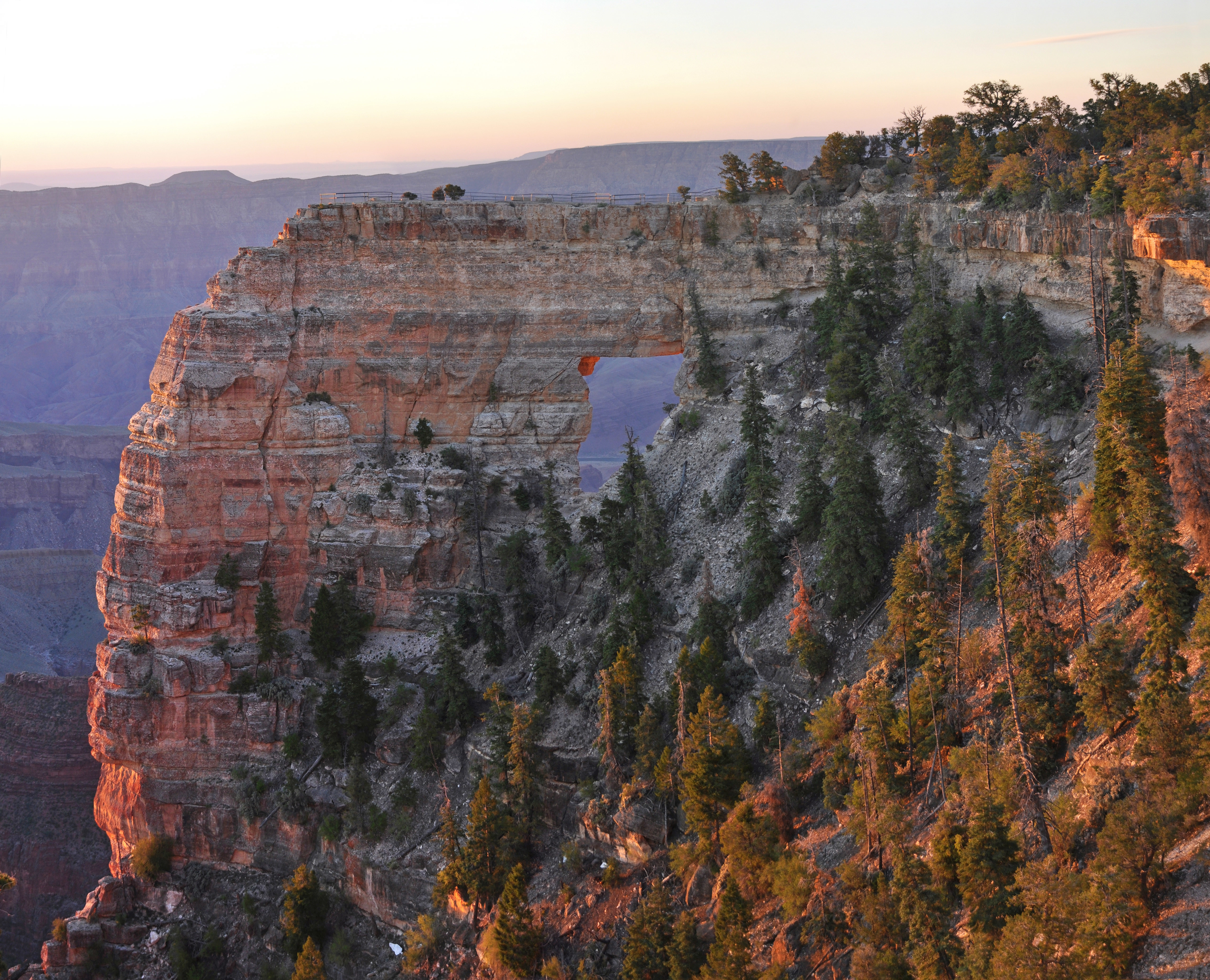
NPS via NPS.gov (Public Domain)
Angels Window: Complete 2026 Travel Guide & Visitor Information
9 min read
Places & Points of Interest
Plan your 2026 visit to Angels Window. Complete guide to trails, fees, lodging, best time to visit, and insider tips.
Your plans
Overview
Angels Window serves as a geological exclamation point on the North Rim. You don't trek miles to reach it; you take a short walk from the Cape Royal trail to a secured overlook above the arch. From there, you peer straight down through the opening to the canyon floor far below. The Park Service maintains it as both a photography vantage and an interpretive site, with displays explaining the local rock formations.
Nearly every visitor makes the same error: they hurry to the railings, take a picture, and depart. We rangers always advise pausing. The light changes significantly throughout the day. Midday sun washes out the details, while late afternoon casts deep shadows that accentuate the arch's structure and the sheer drop. Mornings often provide a brief period of solitude before crowds gather. Here, the whisper of wind in the pines contrasts with the profound quiet of the chasm.
Quick Information
- Entrance Fee: Access requires Grand Canyon National Park entrance. As of 2026, that's $35 per private vehicle, valid for 7 days. An annual America the Beautiful Pass ($80) covers this fee.
- Hours: The North Rim, including Cape Royal Road where Angels Window is located, is typically open from mid-May to mid-October. Exact dates vary by snowmelt. The road and all viewpoints are closed in winter.
- Best Time to Visit: Late May through early October for access. September offers cooler temperatures and thinner crowds.
- Location: North Rim, Grand Canyon National Park, Arizona. The trailhead is on Cape Royal Road, approximately 23 miles south of the North Rim Visitor Center.
- Accessibility: The spur trail to the Angels Window overlook is paved and relatively flat, suitable for wheelchairs and strollers with assistance. The main Cape Royal trail is also paved.
- Cell Service: Cell service drops out at the North Rim entrance station. Expect no signal at Angels Window.
- Restrooms: Vault toilets are available at the Cape Royal parking area, a short walk from the Angels Window spur.
- Parking: A paved lot at Cape Royal serves both the Cape Royal Trail and Angels Window. It fills by 10 AM on summer weekends. Parking along Cape Royal Road is not permitted.

Getting There
Angels Window is exclusively on the North Rim. This is critical. The drive from the South Rim Village is approximately 4.5 hours (220 miles) via Desert View and Highway 89. There is no direct road across the canyon.
From the North Rim Visitor Center, head south on the Cape Royal Road (also called the Cape Royal Scenic Drive). The road is paved but narrow, with tight curves. RVs over 22 feet long and vehicle-trailer combinations are prohibited. Drive the 23 miles to its terminus at the Cape Royal parking lot. The trail to Angels Window begins clearly signed on the left (east) side of the Cape Royal Trail, about a 0.2-mile walk from the lot. The entire Cape Royal Trail is a 0.6-mile round trip on a paved, flat path; the Angels Window spur adds only a few hundred feet.
What to Expect
You're at over 8,000 feet elevation here. The air is cool, even when the South Rim is baking. Summer highs average in the 70s (°F), but nights dip into the 40s. Afternoon thunderstorms are common from July through September - lightning is a real hazard on this exposed point.
The trail surface is smooth pavement, a legacy of accessibility efforts. The forest is a mix of ponderosa pine, fir, and aspen. The trail narrows here, just before the spur, with manzanita and cliffrose brushing your legs. Then, the trees open up abruptly.
What surprises first-time visitors is the perspective. You're not looking across the canyon; you're looking almost straight down through it. The arch frames a keyhole view of the river and the distant South Rim. The railings are sturdy, but the drop is sheer. If you have a significant fear of heights, walking above Angels Window may not be a good idea. The fencing is there, but the sense of exposure is genuine. The grit of the Kaibab limestone is rough under your hands if you lean on the rail.
From this overlook you can see the Colorado River as a dark, winding line, the tilted layers of the Supai Group forming red shelves, and on very clear days, the Desert View Watchtower on the far rim. The silence is often broken only by the croak of a raven riding the thermals below.

Top Attractions & Points of Interest
Angels Window Overlook
This is the main event. A paved spur leads to a secured platform built over the top of the natural arch. The railings allow you to safely peer down through the window to the canyon floor. It's the only place in the park where you get this specific "frame within a frame" view. Best light is late afternoon. Early morning is your best bet for having it to yourself, even in summer.
Cape Royal
The end of the road and the trail. A broad, paved peninsula offers what many consider the North Rim's most comprehensive panoramic view. You can see the Colorado River bending east at Unkar Delta, the Palisades of the Desert, and the South Rim's eastern reaches. A stone's throw from Angels Window, it's often less crowded because people stop at the window and turn back. Don't make that mistake.
Roosevelt Point
Located a few miles back up Cape Royal Road from Angels Window, this is a quieter, more intimate overlook. Short trails lead to different viewing angles. It's a good spot for sunset without the Cape Royal crowds. The parking area is small.
Walhalla Overlook
An often-missed pull-off on Cape Royal Road. It provides a view east toward the Navajo and Hopi reservations and has interpretive plaques about ancestral Puebloan presence in the area. A quick, five-minute stop that adds historical context.
Cliff Spring Trail
For those wanting to move beyond pavement. This one-mile (round trip) trail begins near Angels Window and descends slightly to a spring seeping from under the cliff. It's uneven, rocky, and involves some scrambling. Not for everyone, but it offers a tangible connection to how water shapes this landscape. Do not drink the spring water.
Activities
The primary activity here is scenic viewing and photography. The window creates a natural composition. A mid-range zoom lens (24-70mm or 70-200mm) works well to capture both the arch and the distant view. Tripods are manageable but can be awkward with other visitors on the small platform.
Hiking is limited to the paved Cape Royal Trail network. This is not a backcountry destination. It's a place for a leisurely, accessible walk with immense rewards. For serious hiking, you'd need to drive back to the North Rim's main trailheads like the North Kaibab.
Ranger Programs are sometimes offered in the Cape Royal area during peak season. Check the visitor center or park newspaper for times. The topics often focus on the geology you're seeing from the overlook.
For more extensive hiking trails across the region, planning is essential.

Seasonal Guide
Mid-May to June: The road typically opens. Cool days, cold nights. Afternoon storms begin. Wildflowers like lupine and Indian paintbrush bloom in the meadows. Crowds are moderate.
July to August: Peak season. Warm days, cool nights. Daily afternoon thunderstorms are virtually guaranteed - be off exposed points like Angels Window by early afternoon. The parking lot at Cape Royal is full by mid-morning. Mosquitoes can be bothersome near the forest edge.
September to mid-October: Ideal. Crowds diminish after Labor Day. Days are still pleasant, nights are crisp. Aspens begin turning gold in late September. The road closes with the first significant snow, usually by mid-October.
Mid-October to Mid-May: The entire Cape Royal Road and North Rim developed area are closed. No access to Angels Window whatsoever.
For a detailed breakdown of conditions, see our guide on the best time to visit.
Practical Information
Your park entrance fee covers access. No additional permit is needed to visit Angels Window. For camping options on the North Rim, the only in-park campground is the North Rim Campground, which requires reservations well in advance. It is typically open mid-May to mid-October.
Lodging on the North Rim is limited to the Grand Canyon Lodge. Reservations open a year in advance and sell out quickly. More lodging and accommodations can be found in Jacob Lake, Arizona, about 45 miles north.
There are no services - no water, food, or gas - on Cape Royal Road. The last gas is at the North Rim Country Store near the visitor center. Fill up and bring all the water and snacks you'll need. Pack extra water for this stretch of driving and walking.

Safety & Preparation
Altitude: You're above 8,000 feet. Take it easy, especially if arriving from lower elevations. Headaches and shortness of breath are common. Drink plenty of water.
Weather: Conditions change rapidly. A sunny morning can become a lightning storm by 2 PM. If you hear thunder, return to your vehicle immediately. The Angels Window platform is a lightning rod. Hypothermia is a risk in summer rains due to cool, wet conditions.
Heights: The railings are secure, but the drop is lethal. Keep children close and within arm's reach at all times. Do not climb on or over the barriers.
Wildlife: You might see Kaibab squirrels (they have tufted ears) or mule deer. Never approach or feed wildlife. Ravens are clever and will steal unattended food.
Emergency: Cell service is nonexistent. In an emergency, you must drive to the North Rim Visitor Center or flag down another visitor. Know that help is far away.
For specific tips on wildlife viewing and safety, plan ahead.
Insider Tips
- The Parking Trick: The Cape Royal lot is the only option. If it's full, do not park on the road. Drive back to the wider pull-off at Roosevelt Point, enjoy that view, and try again in 20-30 minutes. Circulation is constant.
- Skip the Midday Rush: The window is backlit and crowded between 11 AM and 3 PM. Visit early (before 9 AM) or late (after 4 PM). The afternoon side-light makes the arch's depth visible.
- Continue to Cape Royal: Almost everyone stops at Angels Window and turns back. Walk the extra five minutes to Cape Royal. The view is broader, and you'll leave 80% of the crowd behind.
- Layer Up: Even in August, bring a windbreaker or fleece. The exposed point is windy and much cooler than the forested trailhead.
- Check the Road Status: Cape Royal Road has strict vehicle length limits (nothing over 22 feet). Even if the North Rim is "open," late snow can delay this road's opening. Call the North Rim Visitor Center before your trip.
- Water is Non-Negotiable: There is none. The gift shop at the lodge sells water for $4 a bottle. Bring your own from Jacob Lake.
- The Quiet Alternative: If Angels Window is swarmed, the view from the main Cape Royal Trail just before the spur is nearly as good, with no railings blocking the photo. You see the window from the side, a different but still impressive perspective.
For structured itineraries, consider looking into available tours and guided experiences.
Links may earn us a commission at no extra cost to you. We only recommend gear we believe in. For this trip, a reliable, insulated water bottle and a mid-layer jacket are the two pieces of gear you'll use most.
For more information, see our complete Angels Window: angels window Guide.
Sources
- Official source: NPS — Grand Canyon National Park nps.gov/grca/index.htm
Photo Gallery
More to Explore
Park Guide
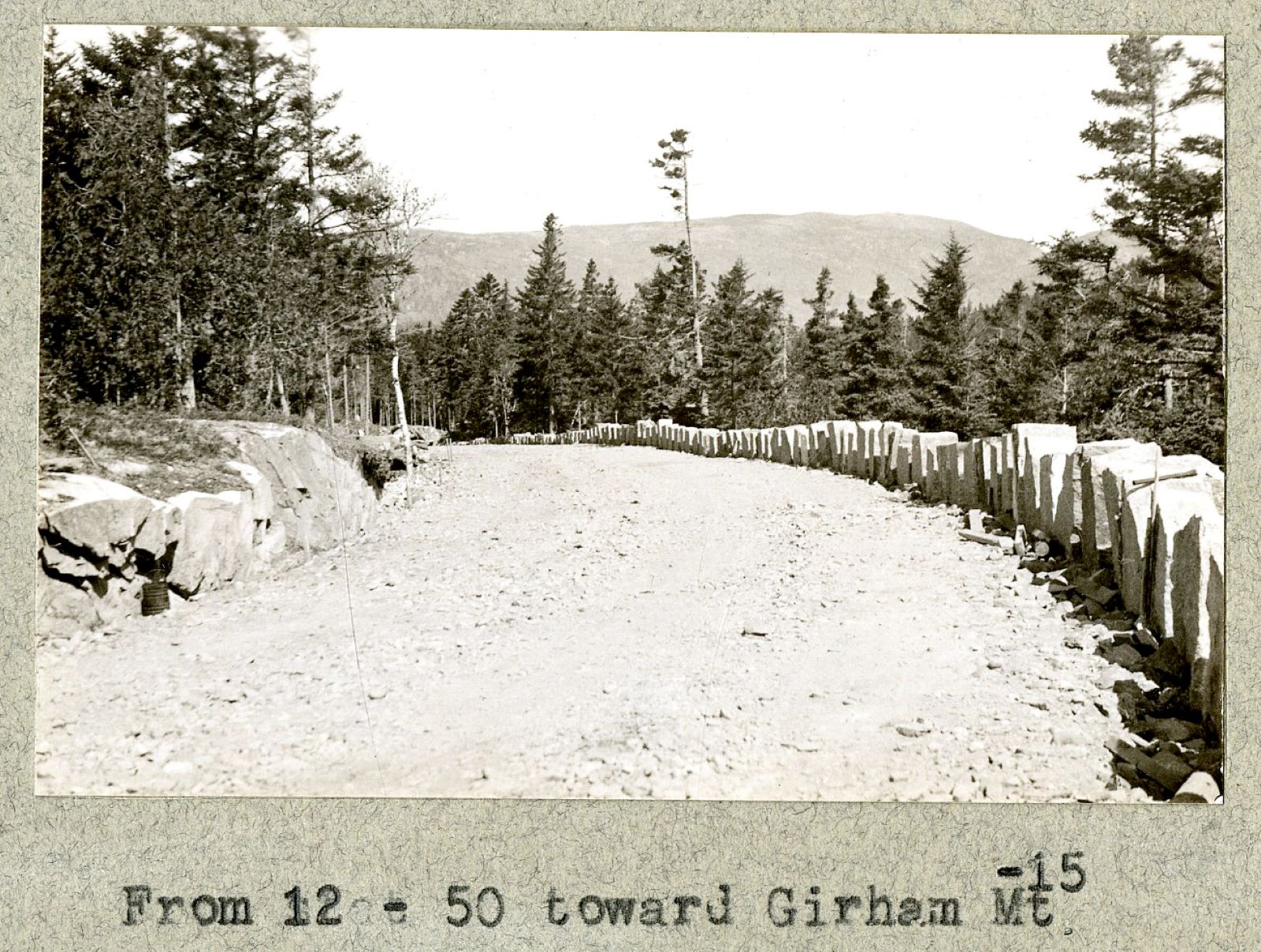
Acadia National Park: Carriage Roads, Cadillac Mountain & 2026 Guide
Discover carriage roads, Cadillac Mountain, and rugged Maine coast. Complete 2026 guide to Acadia National Park — trails, fees, lodging, permits, and what rangers recommend.
Hiking Guide
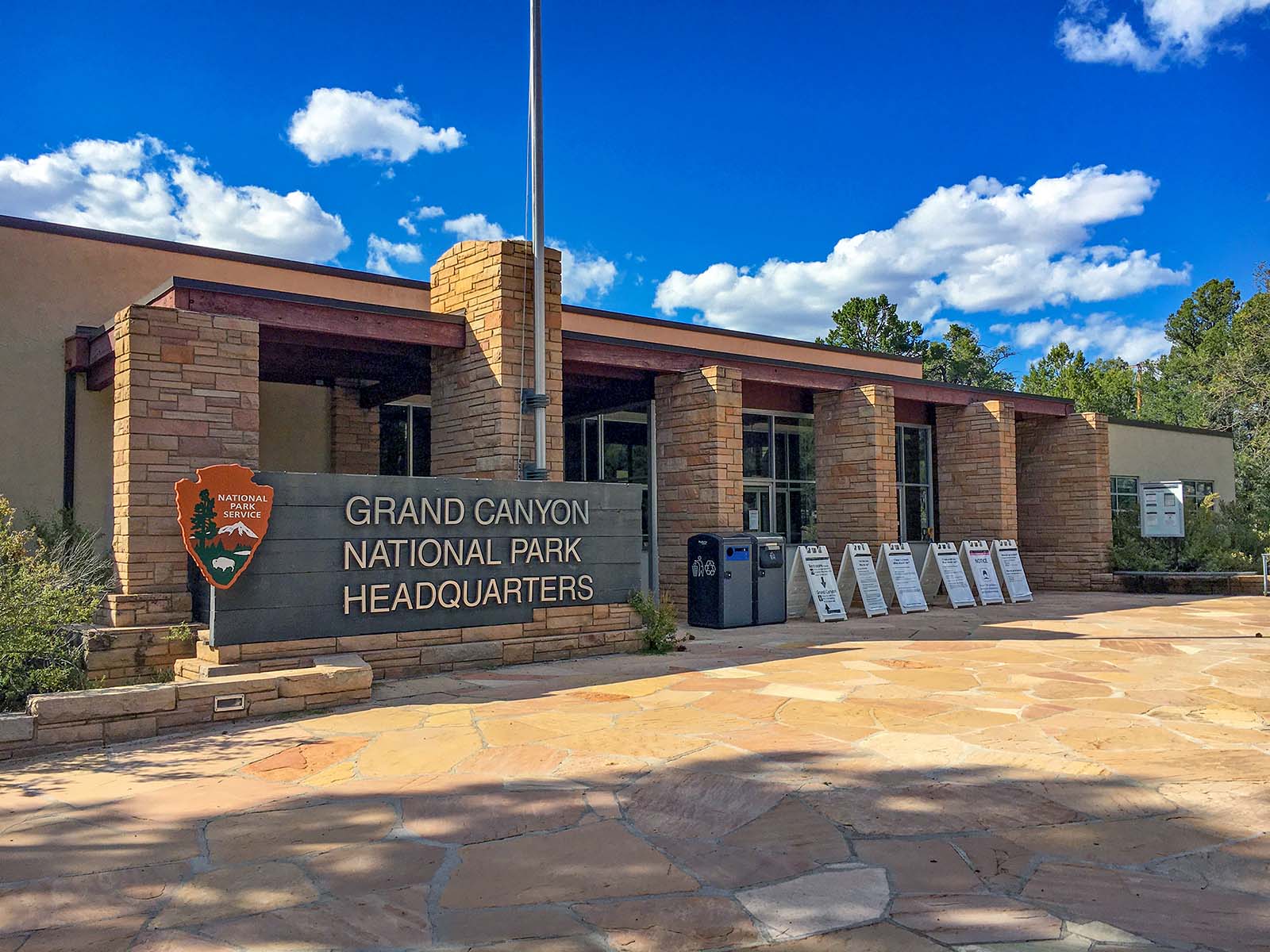
Grand Canyon Hiking Trails: Day Hikes, Water Sources & Rim to Rim
Compare Grand Canyon hiking trails: Bright Angel, South Kaibab, Hermit, Grandview, and rim to rim, with distances, elevation, water stops, and trailhead access for each.
Best Of
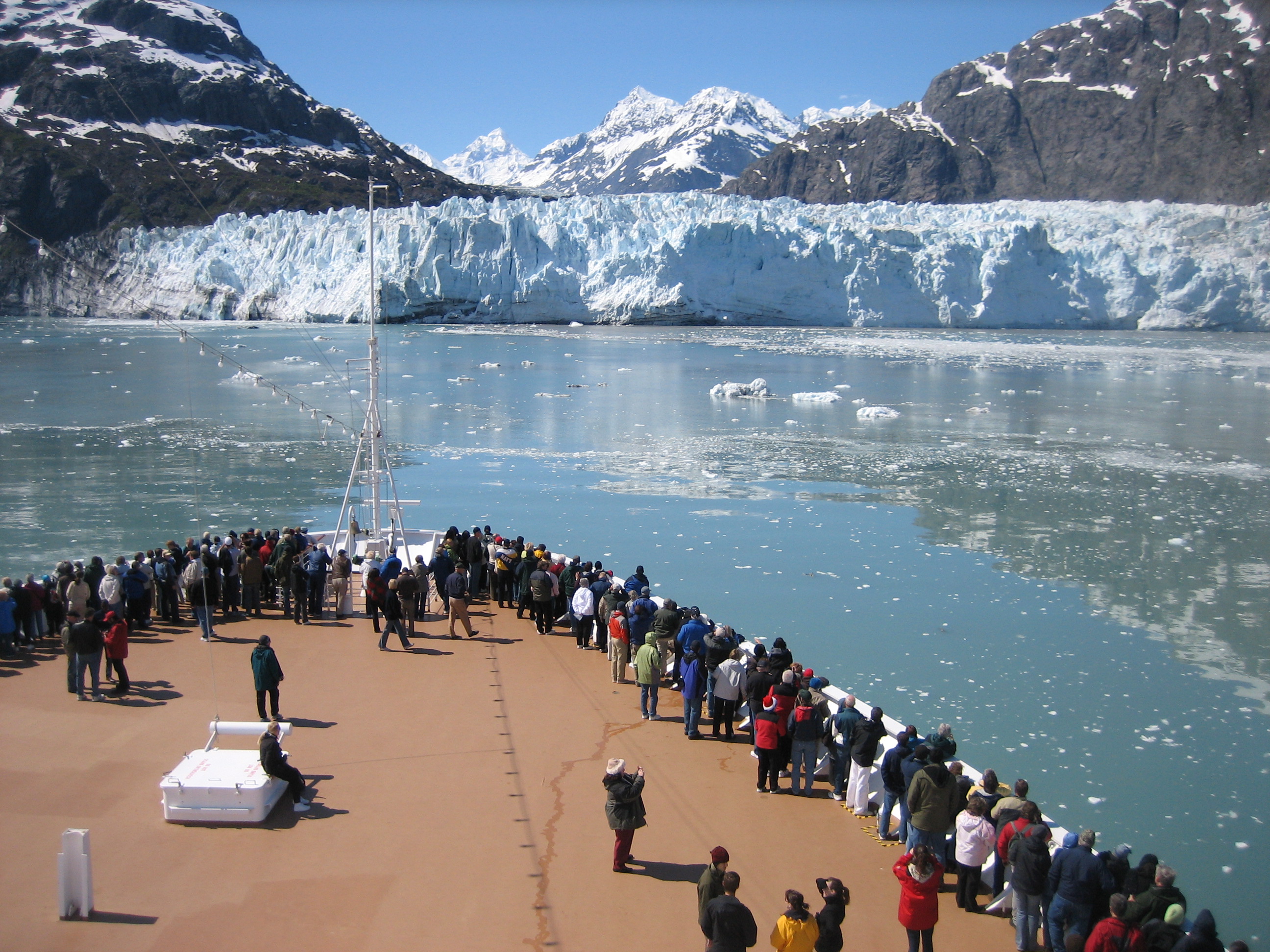
Best of Glacier Bay National Park
The best of Glacier Bay is reached by boat: ranger-led day tours up the bay to the tidewater glaciers. What's worth it, how to book, and when to go (2026).
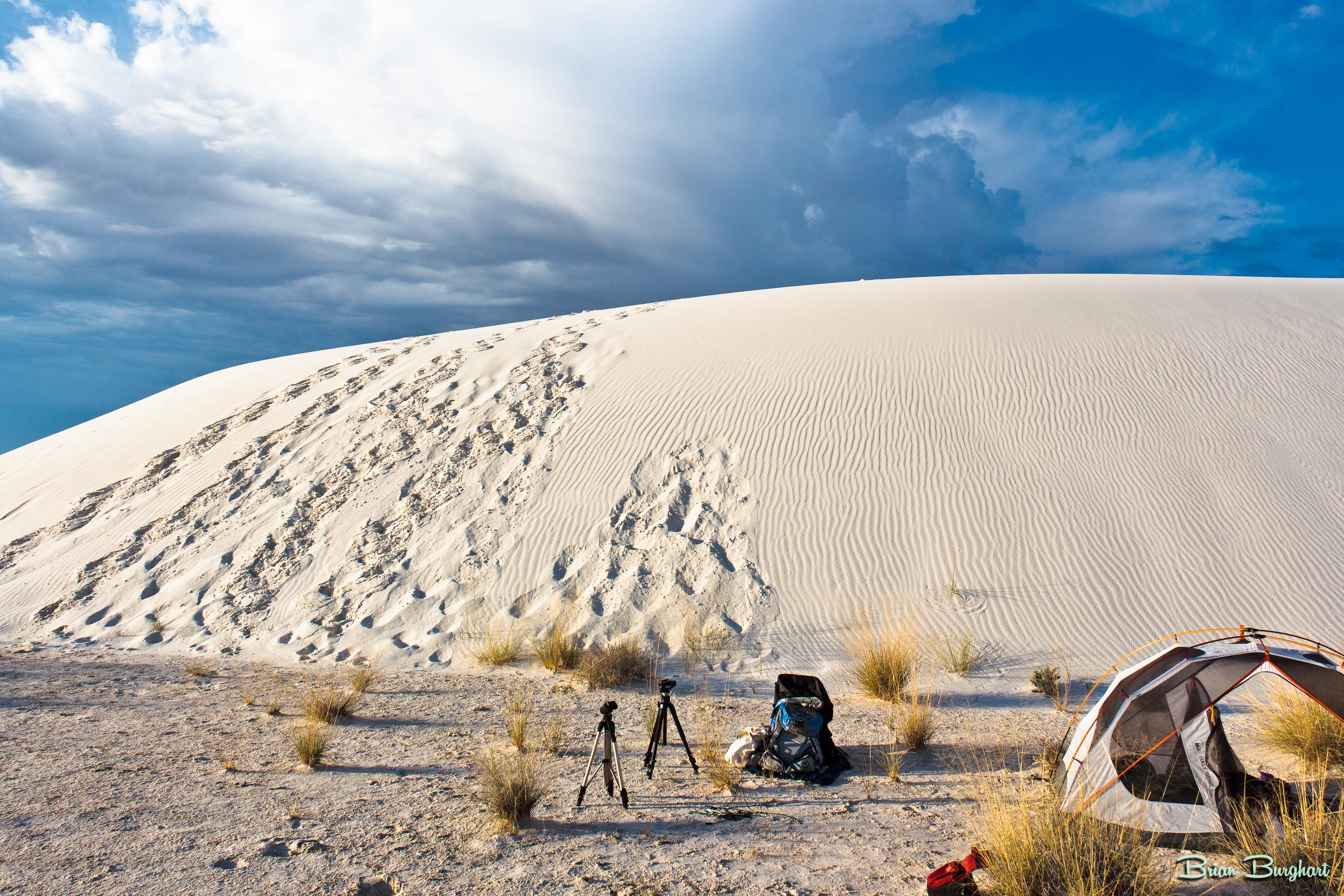
Campsite Guide
White Sands Backcountry Camping: Closed for 2026 — What to Know
As of 2026, backcountry camping at White Sands National Park is closed for site rehabilitation. What that means, and where to camp nearby instead.
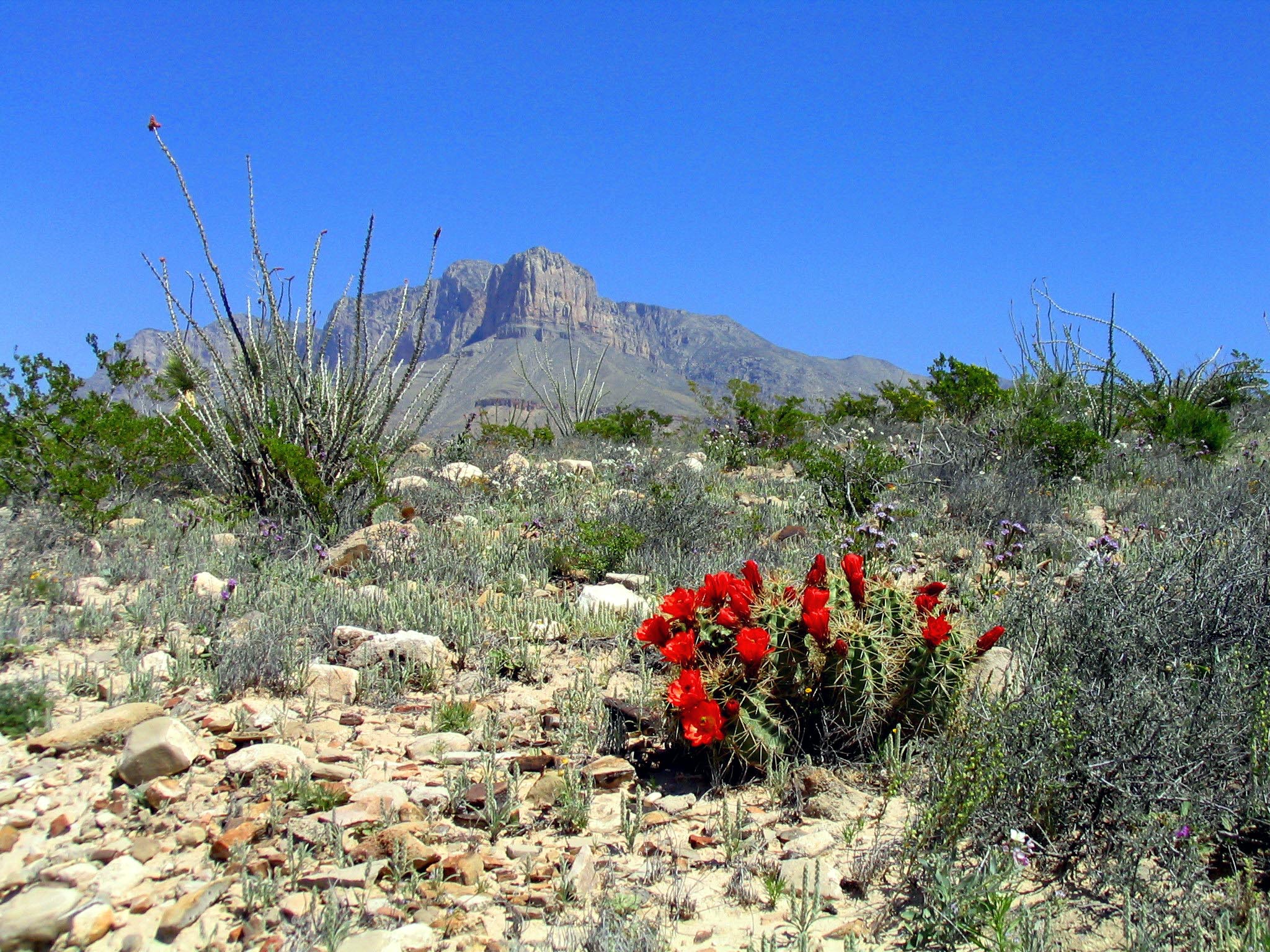
Weather Guide
Guadalupe Mountains National Park Weather: Weather
Guadalupe Mountains National Park: weather guide guide updated 2026. Practical visitor information, reservations, and seasonal tips worth bookmarking before
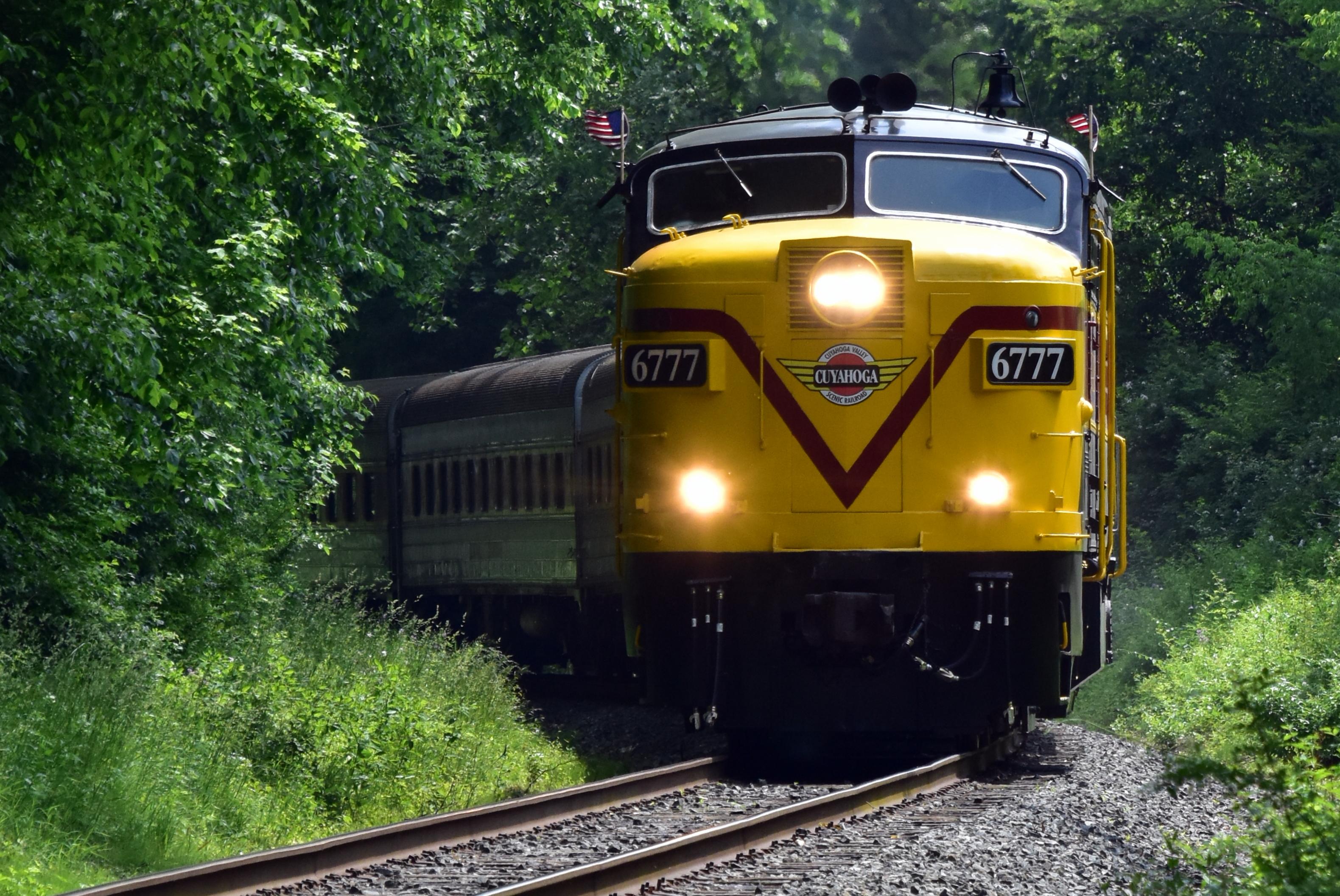
Best Of
Best of Cuyahoga Valley National Park: Best Things to Do
Seeing a Cleveland Orchestra concert with the woods as your backdrop is a uniquely Cuyahoga Valley experience.
Sign in to join the conversation.
Sources & Attribution
Location data courtesy of the National Park Service (U.S. Department of the Interior). NPS data is public domain.
Images: NPS; NPS; NPS; NPS; NPS.
Park operations alerts: NPS.gov · Weather and weather hazards: National Weather Service · Live conditions.
Information may change. Always verify fees, hours, and conditions directly with the official source before visiting.
Did this guide help? Share it with a friend.