The South Rim shuttle drops you at Mather Point around 9:15 AM most mornings. By 9:30, the overlook railing is three people deep and a dozen selfie sticks fight for the same angle. This is the moment most visitors realize they should have planned differently.
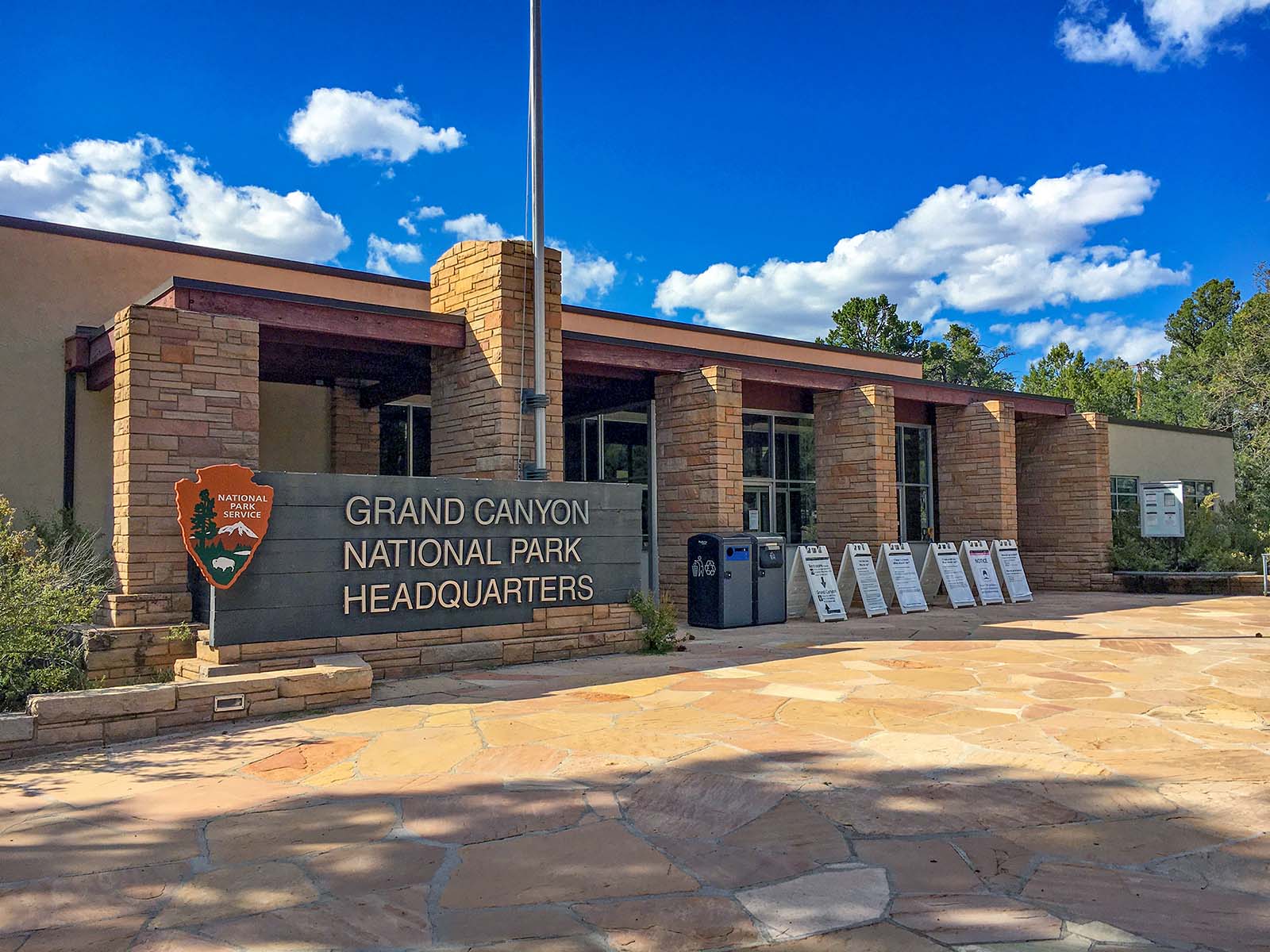
NPS via NPS.gov (Public Domain)
Grand Canyon National Park Tours: How to Tour Grand Canyon on Your Own (2026 Guide)
9 min read
Tours Guide
Learn how to tour Grand Canyon on your own, including the mule ride to Phantom Ranch that requires booking 13-15 months ahead. Get tips for the South Rim.
This article contains affiliate links — we may earn a small commission at no extra cost to you.
For more, see lodging and accommodations.
Touring the Grand Canyon on your own is entirely possible and often better than any package tour - but it requires understanding what the park actually offers versus what the brochure implies. The key is knowing which experiences need advance booking, which can be done on a whim, and where the guided options genuinely add value you cannot replicate solo.
Start with our complete visitor guide for the full picture of logistics and planning. This guide focuses specifically on the guided experiences worth your time and money.
The Best Guided Experience Here
The mule ride to the Colorado River is the single guided experience at Grand Canyon National Park that most justifies its cost and two-day commitment. Xanterra operates these trips out of the South Rim, descending roughly 4,800 feet to Phantom Ranch on the canyon floor.
What makes it worth booking: you access the inner canyon on a route that follows trails so narrow a mule has to turn its body sideways to clear the switchbacks. The park service limits self-guided hikers on certain sections of the Bright Angel Trail during summer heat - but mule riders continue through. Rangers will tell you the inner canyon heat kills more unprepared hikers than falls, and this tour spares you the worst of that risk while delivering the same view.
Cost and logistics: As of 2026, the overnight mule ride runs approximately $700-800 per person, including one night at Phantom Ranch, dinner, and breakfast. The day ride to Plateau Point costs less but still requires booking 13-15 months ahead. The waitlist is real.
The common mistake - and almost everyone makes it - is assuming you can book a mule ride a month before your trip. You cannot. The reservation window opens 13 months out, and the summer dates fill within days.
Free Ranger Programs
The National Park Service runs a solid slate of ranger-led programs across both rims, though the quality varies more than the park newspaper suggests.
South Rim Programs
The geology walk along the Rim Trail from the visitor center to Yavapai Point is the one ranger program worth adjusting your schedule for. Rangers lead groups along a 1.5-mile paved section, stopping at three overlooks to point out specific rock layers you would otherwise walk past. The schedule varies by season - typically two walks per day June through September, dropping to one per day October through May.
The evening programs at the Shrine of the Ages and Mather Amphitheater run April through October. These tend toward broad topics: "Condors of the Canyon" and "Geology in a Minute." The June astronomy programs draw the biggest crowds because the park's dark sky designation is genuine - you can see the Milky Way core clearly on moonless nights. Arrive 30 minutes early. The benches fill fast.
North Rim Programs
The North Rim has fewer programs but better ranger-to-visitor ratios. The "Forest Walk" near the Grand Canyon Lodge covers the Kaibab Plateau ecosystem - ponderosa pine ecology, squirrel behavior, fire history. It runs twice daily July through September, limited to 15 people. Sign up at the visitor center desk the morning of the program.
What the Park Does Not Tell You
Several ranger programs listed in the park newspaper involve a 20-minute talk followed by "time for questions" - effectively a staged conversation on a bench. The geology walk and the astronomy program are the only two where the ranger actually leads you somewhere and points out things you could not identify on your own. The rest are skippable if your time is limited.
Concessionaire Tours
Xanterra holds the primary concession contract for the South Rim. Their offerings range from worthwhile to overpriced, and the research data helps sort which is which.
Mule Rides (Xanterra)
Already covered above. The overnight ride is the gem. The one-hour mule ride on the Rim Trail - essentially walking a mule on pavement for a mile - is not worth the $50-60 fee. You see the same views from any overlook.
Guided Bus Tours (Xanterra)
The Hermits Rest Route tours run March through November. A guide narrates the 7-mile drive west along the Rim, stopping at seven viewpoints including Mohave Point and Hopi Point. Duration is about 3 hours. Cost runs $40-55 per adult.
Honest value assessment: worthwhile if you do not want to drive the shuttle yourself. The guide points out geological features visible from the road - the Vishnu Schist exposure at Pipe Creek, the angle of the Redwall Limestone cliff - that you miss without context. But the shuttle bus that runs the same route is free with park admission. You lose the narration but gain the ability to stop as long as you want at any overlook.
Desert View Bus Tour (Xanterra)
This runs the 25-mile route east from the visitor center to Desert View Watchtower. About 4 hours round trip with a 45-minute stop at the watchtower. Cost around $65-75 per adult.
Who this is for: travelers staying in Tusayan or the park who do not want to drive. The Desert View Drive is an excellent self-guided option if you have your own vehicle - the road is paved, well-signed, and the viewpoints (Yaki Point, Grandview Point, Moran Point) are clearly marked. The research data notes that Desert View Watchtower features an interior decorated by Hopi artist Fred Kabotie, which the bus tour allows time to examine. On your own, you could spend twice as long inside.
IMAX Theater (Tusayan)
Located just outside the South Rim entrance in Tusayan. The 34-minute film Grand Canyon: The Hidden Secrets screens hourly. Cost is approximately $13-15 per adult as of 2026.
What the official website does not mention: the film was produced in 1984 and last substantially updated in 2014. Some stock footage is visibly dated. That said, the aerial cinematography over the inner canyon shows sections you cannot legally access without a river permit. Worth doing on a rainy afternoon. Not worth skipping a sunset viewpoint for.
Specialized Experiences
Not guided categories that simply exist somewhere - these are the specific offerings available at Grand Canyon National Park as of 2026.
Colorado River Rafting
Guided raft trips through the inner canyon operate March through October. Several concessionaires hold permits: Arizona Raft Adventures, Grand Canyon Expeditions, Hatch River Expeditions, and others. Costs range from $300-500 per person for a one-day trip to $3,000-6,000 for a full 12-18 day expedition through the entire canyon.
The less-obvious truth: motorized raft trips cover more distance per day but expose you to engine noise for 7+ hours. Oar-powered trips are quieter, slower, and more expensive. First-time visitors often underestimate how cold the Colorado River water stays - mid-40s Fahrenheit even in July. You will be wet for hours. Pack a synthetic base layer and a dry bag.
Booking lead time: one-day trips can often be booked 3-6 months out. Multi-day trips require 12-18 months advance booking. The concessionaire permit system is separate from the private permit lottery (which has a waitlist measured in years).
Photography Workshops
The Grand Canyon Conservancy runs photography workshops April through October. These are not casual Facebook-session courses. The "Inner Canyon Photography" workshop involves a rim-to-river hike with a pro photographer who knows where the light hits at specific hours. Cost around $250-400 for a 2-day workshop including instruction but not lodging.
The winter photography workshops (December-February) are cheaper and less crowded. Snow on the rim is uncommon but dramatically changes the light reflection. The park averages about 50 inches of snow annually on the North Rim, less on the South Rim.
Night Sky Programs
The park holds an annual Star Party in June, hosted by the Grand Canyon Conservancy and the Tucson Amateur Astronomy Association. This is free with park admission. Telescopes are set up along the Rim Trail near the visitor center. The 2026 dates were not announced as of research data collection, but the event typically falls on a weekend near the summer solstice.
Condor Viewing Programs
The California condor reintroduction program operates in the canyon, and the park service runs periodic viewing stations at Yavapai Point and Hopi Point during summer weekends. Rangers set up spotting scopes and explain the identification markers (each bird has a numbered wing tag). The birds are massive - wingspan up to 9.5 feet. You can often see them circling the thermals above the South Rim without the program, but the scopes let you read the tags and track individual birds. Check the park newspaper for specific dates.
Booking and Logistics
How Far in Advance to Book
| Experience | Lead Time | Where to Book |
|---|---|---|
| Overnight mule ride | 13-15 months | Xanterra reservations |
| Day mule ride | 6-12 months | Xanterra reservations |
| Multi-day river trip | 12-18 months | Concessionaire directly |
| One-day river trip | 3-6 months | Concessionaire directly |
| Photography workshop | 3-6 months | Grand Canyon Conservancy |
| Ranger programs | Same day / walk-up | No reservation needed (arrive early) |
| Guided bus tour | 1-2 weeks | Xanterra or in-park kiosk |
| IMAX Theater | Walk-up | Ticket counter in Tusayan |
Cancellation Policies
Xanterra tours: full refund if canceled 48 hours ahead for day tours, 7 days ahead for overnight trips. Within those windows, you forfeit the full amount. The research data emphasizes this policy is strictly enforced - no exceptions for weather.
Rafting concessions: policies vary by operator. Most require 30-60 days notice for multi-day trips to receive any refund.
What Is Included vs. Extra
The mule ride price includes the animal, guide, safety gear, and (for overnight) meals and lodging at Phantom Ranch. It does not include park entrance fees, gratuities, or anything from the Phantom Ranch canteen (cash only).
Bus tour prices include the guide and vehicle. Tips are standard practices - the research data suggests $5-10 per person for a half-day tour.
Ranger programs are free with park admission. The entrance fee is $35 per private vehicle as of 2026, valid for 7 days. An America the Beautiful annual pass covers this.
Practical Takeaways
- Book mule rides 13 months out or skip the idea entirely. The waitlist is long and unreliable for summer dates. If you want a guided inner canyon experience and the mule ride is full, consider the river rafting day trip instead.
- The free ranger geology walk is the best no-cost option. It runs regularly, covers specific identifiable features, and avoids the generic "appreciate the view" approach of some other programs.
- Guided bus tours make sense only if you cannot or do not want to drive yourself. The same viewpoints are accessible via the free shuttle (Hermits Rest) or your own car (Desert View). The narration adds context but not access.
- Cell service drops out at the canyon rim. Download shuttle schedules, ranger program times, and any digital tickets before you arrive. The South Rim village has intermittent service on the major carriers, but the overlooks do not.
- The IMAX film is skippable if your time is tight. The aerial footage is unique, but the presentation quality shows its age. Rainy-day filler only.
- Night sky programs and condor viewing fill up early. The benches at Mather Amphitheater and the spotting scopes at Yavapai Point draw crowds starting 30-45 minutes before the listed start time. If you arrive at the posted time, you will stand in the back.
- Combine guided and self-guided strategically. Use the ranger geology walk to learn the visible rock layers, then spend the afternoon hiking the Rim Trail on your own applying what you heard. The park service recommends this approach in their orientation materials - it works.
For lodging and accommodations near the park to support your tour plans, check availability well ahead of your visit. And if you spot a condor circling above the South Rim, the rangers at the wildlife viewing stations can help you identify which individual it is by the wing tag.
For more information, see our complete Grand Canyon National Park Guide.
Related: grand canyon hiking guide
Recommended Gear
What experienced visitors bring to Grand Canyon National Park Tours: How to Tour Grand Canyon on Your Own (2026 Guide)
Links may earn us a commission at no extra cost to you. We only recommend gear we believe in.
Hiking Essentials
Hydration Pack (3L)
Hands-free water for long trail days
Trekking Poles (Pair)
Save your knees on steep descents
Hiking Boots (Ankle Support)
Sturdy footwear for rocky, uneven trails
Sun & Heat Protection
Wide-Brim Sun Hat
Full coverage UPF 50+ protection at altitude
Insulated Water Bottle (32oz)
Keeps water cold in desert heat all day
Winter Gear
Microspikes / Traction Devices
Essential for icy rim trails in winter months
Packable Down Jacket
Lightweight warmth that stuffs into a pocket
Sources
- Official source: NPS — Grand Canyon National Park nps.gov/grca/index.htm
More to Explore
Park Guide
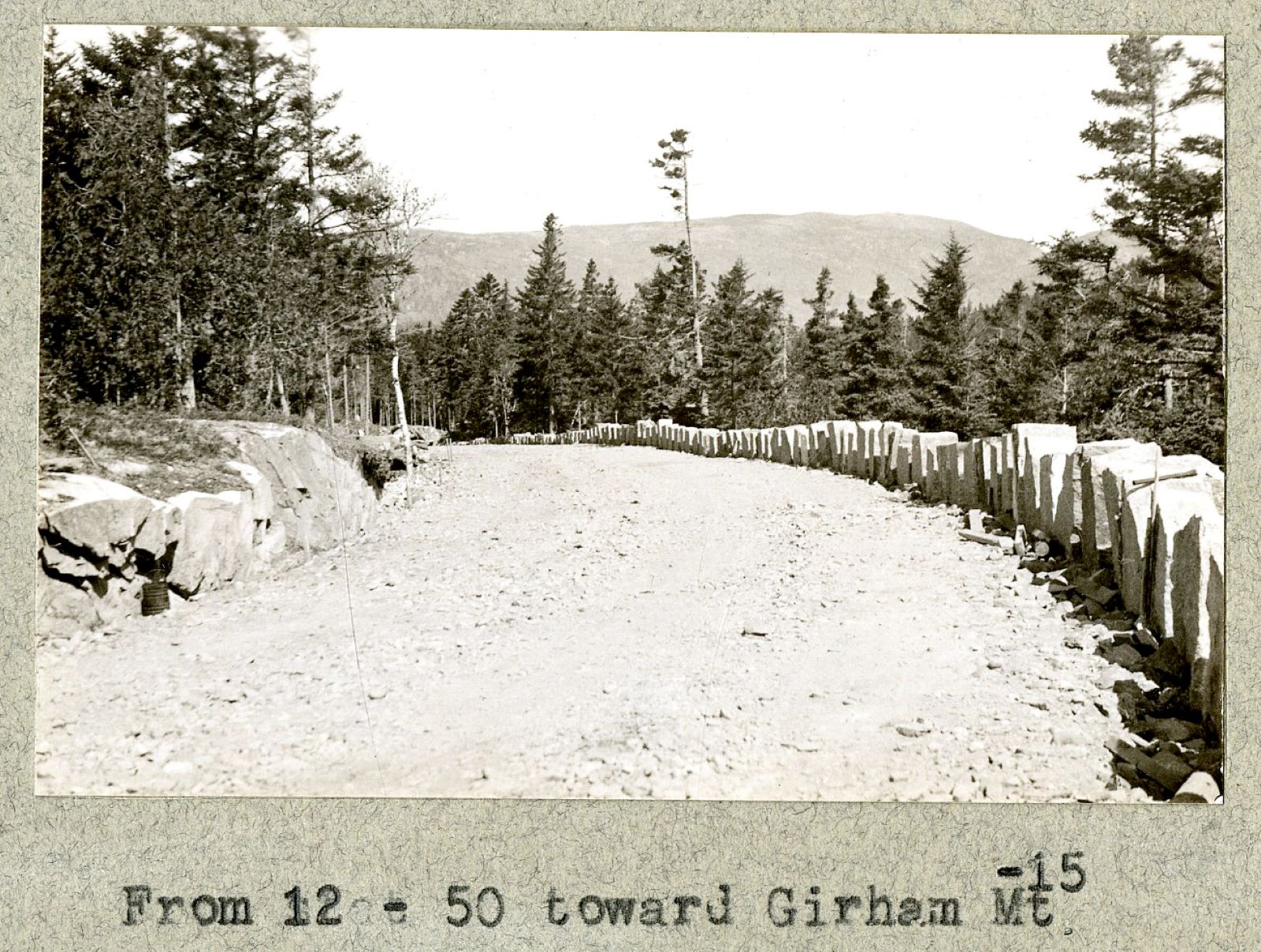
Acadia National Park: Carriage Roads, Cadillac Mountain & 2026 Guide
Discover carriage roads, Cadillac Mountain, and rugged Maine coast. Complete 2026 guide to Acadia National Park — trails, fees, lodging, permits, and what rangers recommend.
Hiking Guide
Grand Canyon Hiking Trails: Day Hikes, Water Sources & Rim to Rim
Compare Grand Canyon hiking trails: Bright Angel, South Kaibab, Hermit, Grandview, and rim to rim, with distances, elevation, water stops, and trailhead access for each.
Best Of
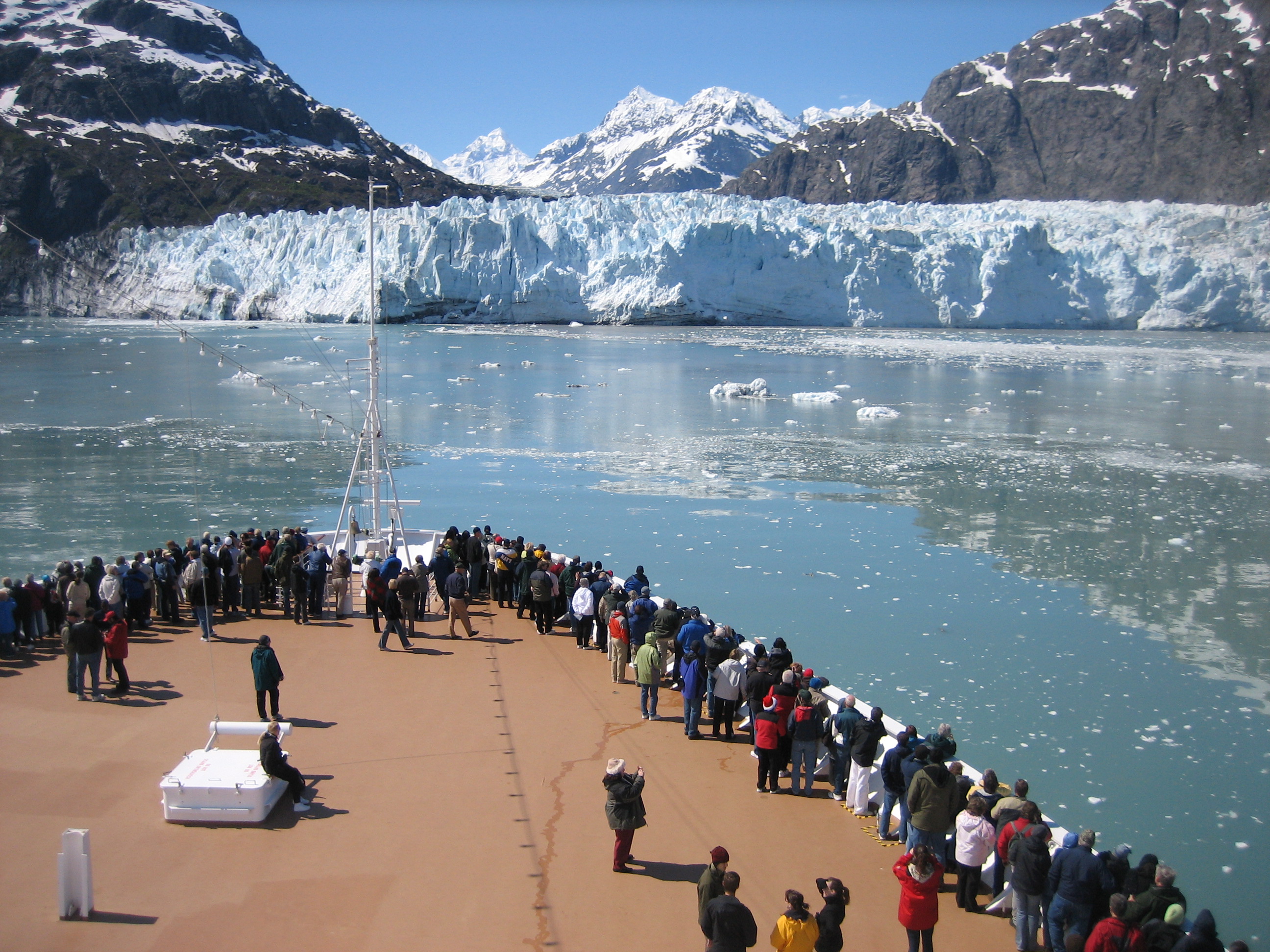
Best of Glacier Bay National Park
The best of Glacier Bay is reached by boat: ranger-led day tours up the bay to the tidewater glaciers. What's worth it, how to book, and when to go (2026).
Campsite Guide
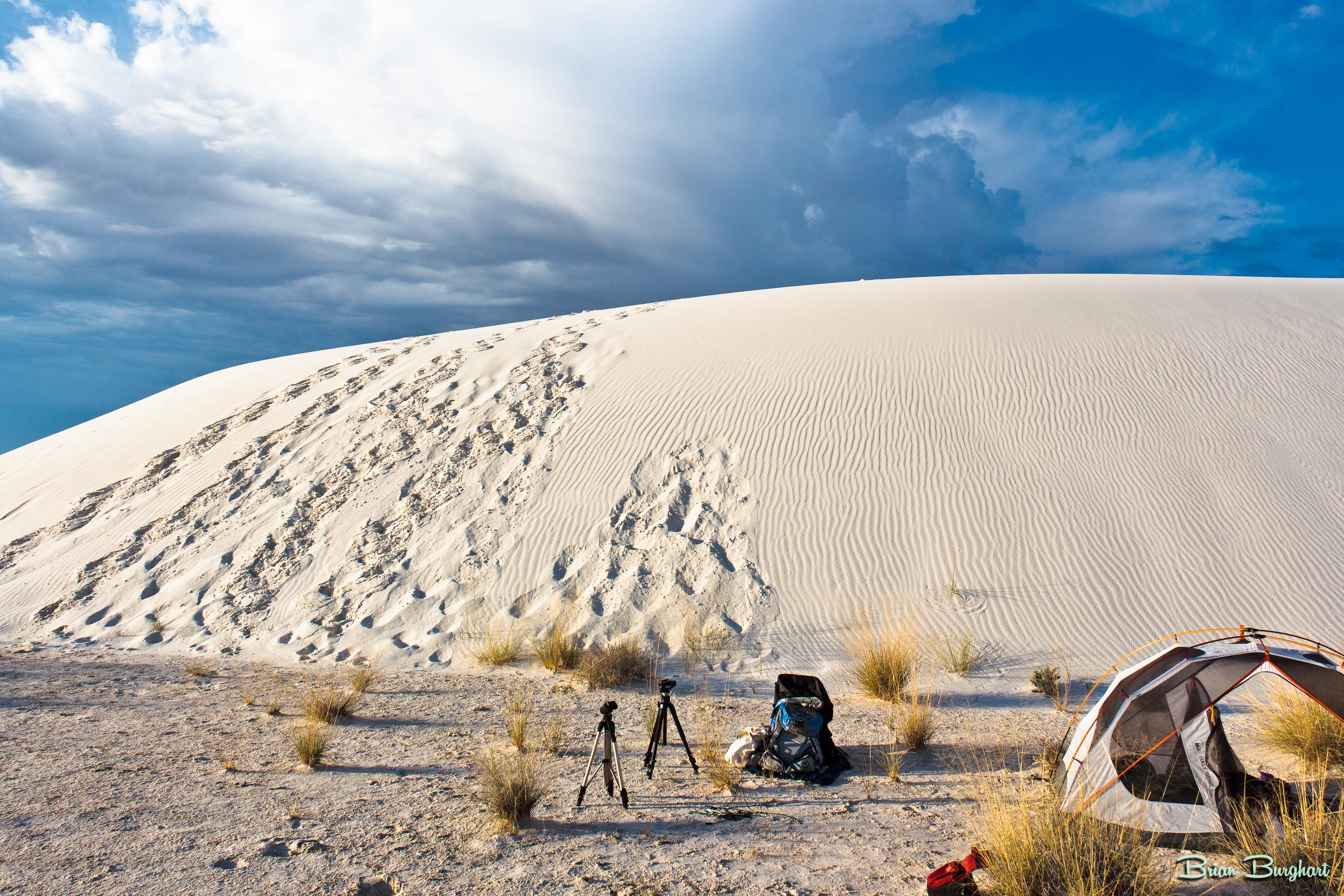
White Sands Backcountry Camping: Closed for 2026 — What to Know
As of 2026, backcountry camping at White Sands National Park is closed for site rehabilitation. What that means, and where to camp nearby instead.
Weather Guide
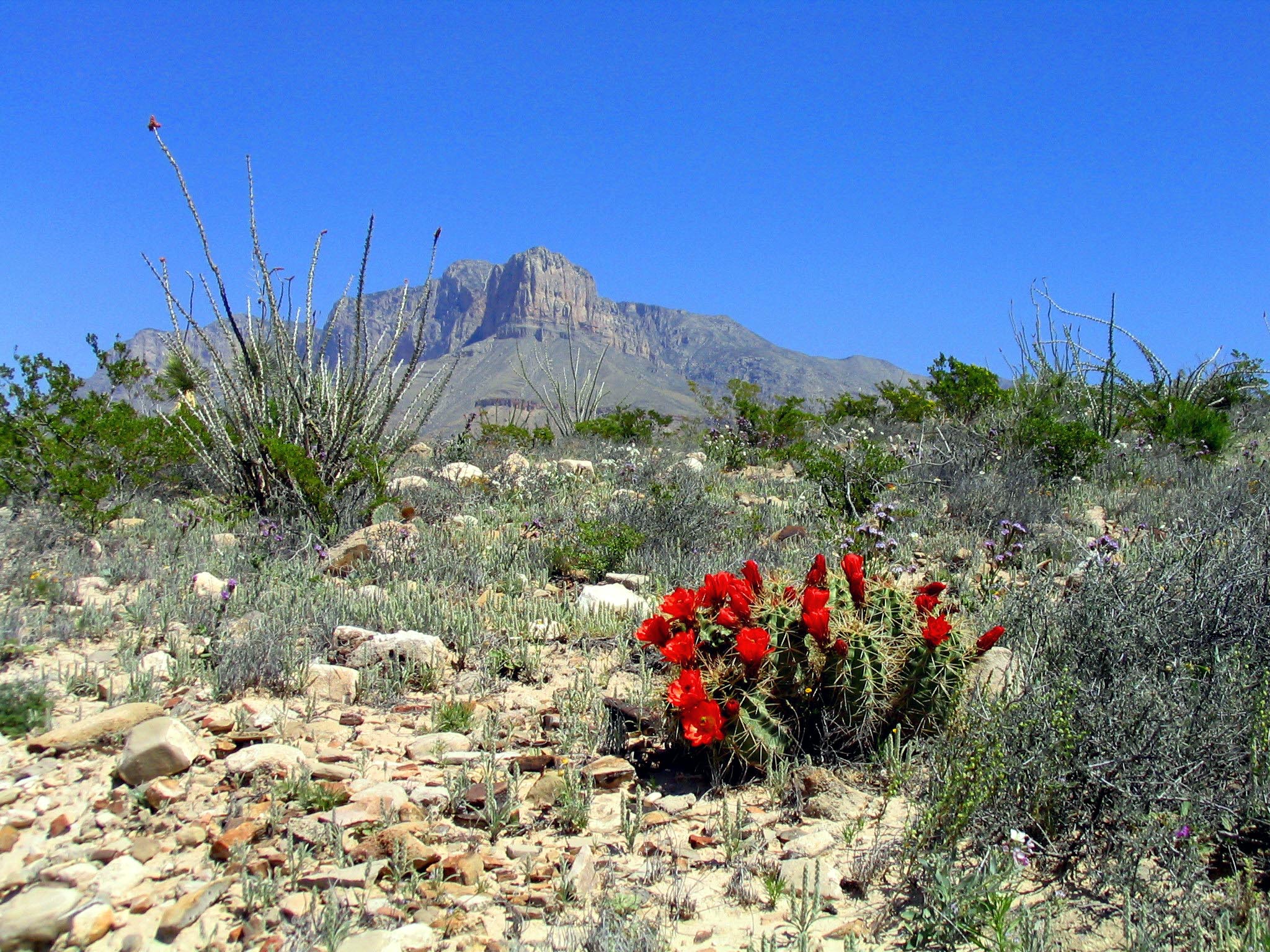
Guadalupe Mountains National Park Weather: Weather
Guadalupe Mountains National Park: weather guide guide updated 2026. Practical visitor information, reservations, and seasonal tips worth bookmarking before
Best Of
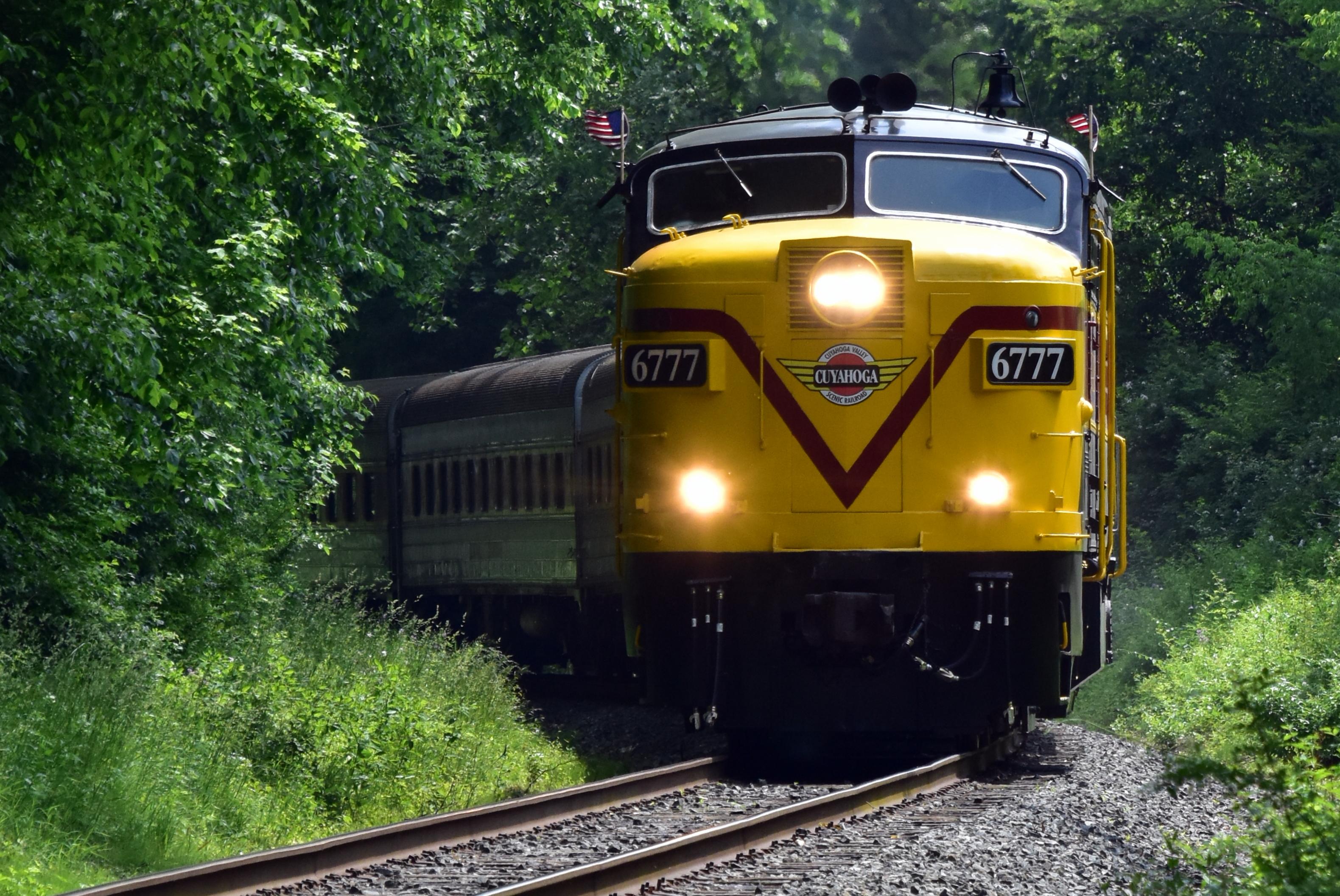
Best of Cuyahoga Valley National Park: Best Things to Do
Seeing a Cleveland Orchestra concert with the woods as your backdrop is a uniquely Cuyahoga Valley experience.
Sign in to join the conversation.
Sources & Attribution
Location data courtesy of the National Park Service (U.S. Department of the Interior). NPS data is public domain.
Images: NPS.
Map data © OpenStreetMap contributors.
Park operations alerts: NPS.gov · Weather and weather hazards: National Weather Service · Live conditions.
Information may change. Always verify fees, hours, and conditions directly with the official source before visiting.
Did this guide help? Share it with a friend.