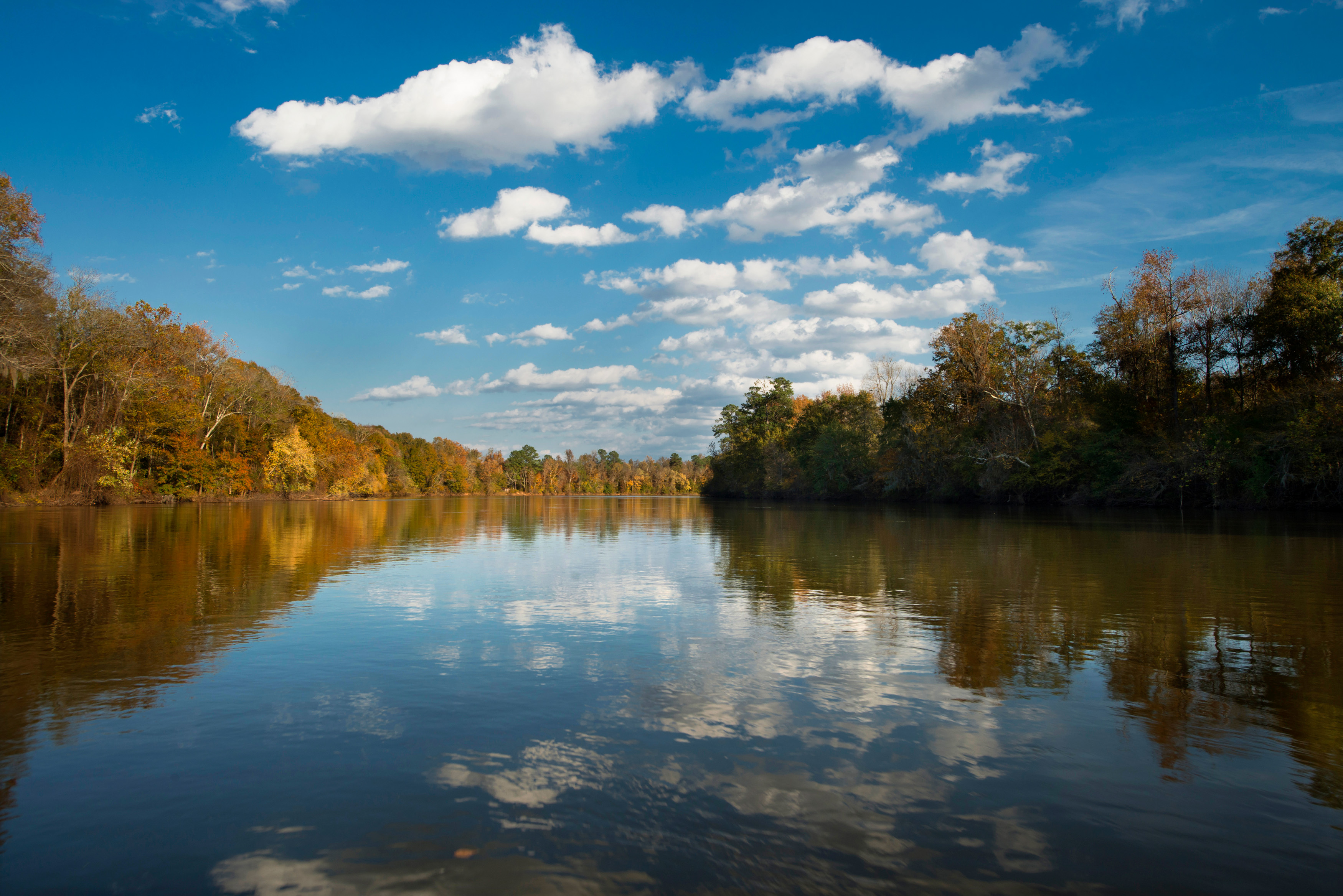
Book your site at Bluff Campground well in advance - there are only six spots, and they fill fast. This hike-in campground at Congaree National Park offers a middle ground between frontcountry convenience and backcountry seclusion. You carry your gear in, but you still get a firepit and picnic table at your site. For anyone who wants to sleep in the floodplain without carrying a tent five miles, this is the setup.
NPS via NPS.gov (Public Domain)
Campsites at Bluff Campground (2026 Guide) — Planning Tips
7 min read
Campsite Guide
Book your site at Bluff Campground well in advance - there are only six spots, and they fill fast. Updated for 2026 with 5 Bluff Campground: bluff campground
Your plans
Plan your visit with complete visitor guide, all campgrounds, and lodging and accommodations.
The Bluff Campground sits in the heart of Congaree's old-growth bottomland hardwood forest, a landscape that floods regularly and supports towering bald cypress and tupelo trees. This guide covers everything you need to know before you book, including fees, current alerts, what to pack, and what to expect when you arrive. If you're new to the area, start with the complete visitor guide for broader context on the park.
What Makes Bluff Campground Different
A hike-in site with amenities
Most backcountry campgrounds in national parks require a serious trek. Bluff Campground asks for a shorter walk - you park at the Harry Hampton Visitor Center, then hike roughly a mile to the sites along the Bluff Trail. The trail is flat and well-marked, crossing boardwalks in places. Expect to carry all your gear: this is a pack-it-in, pack-it-out operation. No trash bins, no water spigots, no vault toilets near the sites themselves.
The trade-off is worth it. Each of the six sites accommodates up to eight campers and three tents. Every site has a firepit and a picnic table. That's more than you get at most walk-in sites in the Southeast. You're still close enough to the visitor center to walk back for water or restrooms - the only flush toilets are at the visitor center or at Longleaf Campground, about a quarter-mile from the visitor center. The park service recommends filling your water bottles before you head to the site.
What the park website doesn't mention
The official pages list the basics, but here's what first-time visitors often miss: the mosquitoes in summer are relentless. Congaree is a floodplain, and standing water is everywhere from May through October. Bring DEET or a permethrin-treated shirt. Also, the sites are close enough together that you'll hear your neighbors. If you want total solitude, this isn't it. But for a group trip or a family looking to introduce kids to "real" camping without the full backcountry commitment, it's ideal.
Current Conditions and Alerts (as of May 2026)
The park has several active alerts that affect access and safety at Bluff Campground. Pay attention to these before you head out.
Park closes at 4:30 PM May 13-20
From May 13 through May 20, 2026, the entire park closes at 4:30 PM. All visitors must exit by that time. The park reopens each morning by 7:30 AM. If you're booked at Bluff Campground during this window, you'll need to arrive early and plan your hike in before the closure. Note that you cannot enter after 4:30 PM, so if you're arriving late, choose a different date. Normal 24-hour access resumes on May 21.
Boardwalk partially closed for construction
The lower section of the boardwalk loop is closed for construction. The Weston Lake Overlook is now open via an alternate route. This doesn't directly affect the hike to Bluff Campground (you use the Bluff Trail, not the boardwalk), but it limits some of your day-hiking options from the campground. Check the park newspaper or ask at the visitor center for the current detour map.
Kingsnake Trailhead closure
The Kingsnake Trailhead at South Cedar Creek Canoe Landing is closed for bridge replacement. You can still access Kingsnake Trail from the Harry Hampton Visitor Center entrance. This matters if you're planning longer loop hikes from Bluff Campground. The trailhead closure means you'll need to start from the visitor center side - add about 0.5 miles to your route.
Backcountry trail conditions
Rangers will tell you that GPS is necessary on Oakridge, Boggy Gut (formerly River), and Kingsnake trails. These trails can be difficult to follow. The Bluff Trail to the campground is well-maintained and easy to navigate, but if you plan to explore beyond the campground, download a map and bring a fully charged device. Cell service drops out at the campground and along most of the trails.
Paddling conditions on Cedar Creek
If you're combining a paddling trip with your campout, be aware that trees are down across Cedar Creek between Bannister's Bridge and South Cedar Creek. Significant portages may be required depending on water levels. Paddlers should carry the Ten Essentials, including a spare paddle and first-aid kit.
Fees and Reservations
Cost and booking
A Walk-up Individual Site at Bluff Campground costs $10.00 per night. This covers up to eight campers per site. Reservations are required - you cannot just show up and hope for a first-come site. Book through Recreation.gov at the official listing. All six sites are tent-only; no RVs or trailers can access the campground.
The park phone number is 803-776-4396, and the email address for general inquiries is cong_information@nps.gov. Call ahead if you have questions about accessibility or current conditions - the visitor center staff are knowledgeable and respond quickly.
Payment and passes
The $10 fee is per site, per night. There's no discount for annual passes at this campground (the America the Beautiful Pass covers entrance fees, not campground fees at Recreation.gov sites). However, if you're visiting the park for multiple days, an annual pass will save you the $10 per vehicle entrance fee.
What to Pack for Bluff Campground
Essentials beyond the standard gear list
Most visitors underestimate the humidity here. Even in spring and fall, expect dew points in the 60s or 70s. Pack synthetic or wool clothing - cotton will stay wet all night. Bring a rainfly for your tent, even if the forecast looks clear. Thunderstorms roll in fast over the floodplain.
You'll need to carry everything in and out. That includes all trash, food waste, and toilet paper. There are no trash cans at the campground or along the trail. The pack-in/pack-out rule is strictly enforced. Rangers will tell you that the most common citation is leaving food scraps in the firepit.
Water and restrooms
There is no water at Bluff Campground. Fill up at the visitor center before you hike in. The visitor center has potable water spigots and bottle-filling stations. Bring at least one gallon per person per day - more if the weather is hot. If you're staying multiple nights, you'll need to hike back to the visitor center to refill.
Restrooms are only at the visitor center or at Longleaf Campground. The Bluff Trail has no pit toilets. Plan accordingly. Many campers bring a portable camp toilet or use a wag bag system. Leave No Trace principles apply - bury human waste at least six inches deep and 200 feet from water and trails.
Firewood and fires
Each site has a firepit. Use only dead and downed wood collected from the surrounding area, or bring your own firewood from a local source to avoid spreading invasive insects. The park does not sell firewood. In dry conditions, burn bans may be in effect - check at the visitor center before you light a fire.
Getting to the Campground
Parking and trailhead
Park at the Harry Hampton Visitor Center parking lot. The lot fills up by 10 AM on weekends, especially in spring and fall. Arrive early to secure a spot. From the visitor center, follow the signs to the Bluff Trailhead. The hike is about one mile on a flat, sandy trail with occasional boardwalks. The trail narrows here and there, but it's wide enough for a loaded pack.
Transportation planning
Rangers will tell you that taxis and rideshares rarely come out to Congaree. The local bus may also be unavailable on certain days. If someone is dropping you off, make sure you have a return ride arranged ahead of time. You do not want to be stuck at the visitor center after dark with no cell service and no way out.
Practical Takeaways
- Reserve your site well in advance. Six sites go fast, especially on weekends and holidays. Book on Recreation.gov.
- Arrive early. The parking lot fills by 10 AM. If you're visiting during the May 13-20 closure window, you must exit the park by 4:30 PM, so plan your hike accordingly.
- Pack for the environment. Bring DEET bug spray, a rainfly, synthetic clothing, and at least one gallon of water per person per day. Treat or filter any water you collect from the park.
- Know the alerts. Check current closures and conditions before you go. The boardwalk partial closure and Kingsnake Trailhead replacement are ongoing as of 2026.
- Leave no trace. Pack out everything, including toilet paper and food scraps. Use the restrooms at the visitor center before you hike in.
- Have a backup plan for rides. If you're not driving, arrange a return ride in advance. Rideshare and taxi availability is unreliable.
For a complete overview of camping options in the park, check the all campgrounds page.
Final Thoughts
Bluff Campground delivers on its promise: a genuine camping experience without the multi-mile haul. The six sites sit in a mature floodplain forest that feels remote even though the visitor center is only a mile away. The quiet here is real - no generator noise, no car doors slamming, just the sound of wind through the tupelo canopy and the occasional barred owl calling after dusk.
But it's not for everyone. The mosquitoes, the humidity, the need to pack everything in and out - these are real considerations. If you're looking for a campsite where you can roll up with a cooler and a leaky tent, this isn't it. If you want to sleep under old-growth trees, wake up to mist rising off the floodplain, and have a firepit waiting for you, book a site. Just do it early.
For more information, see our complete Congaree National Park Guide.
Sources
- Official source: NPS — Congaree National Park nps.gov/cong/index.htm
- Official booking/facility record recreation.gov/camping/campgrounds/10191039
More to Explore
Park Guide
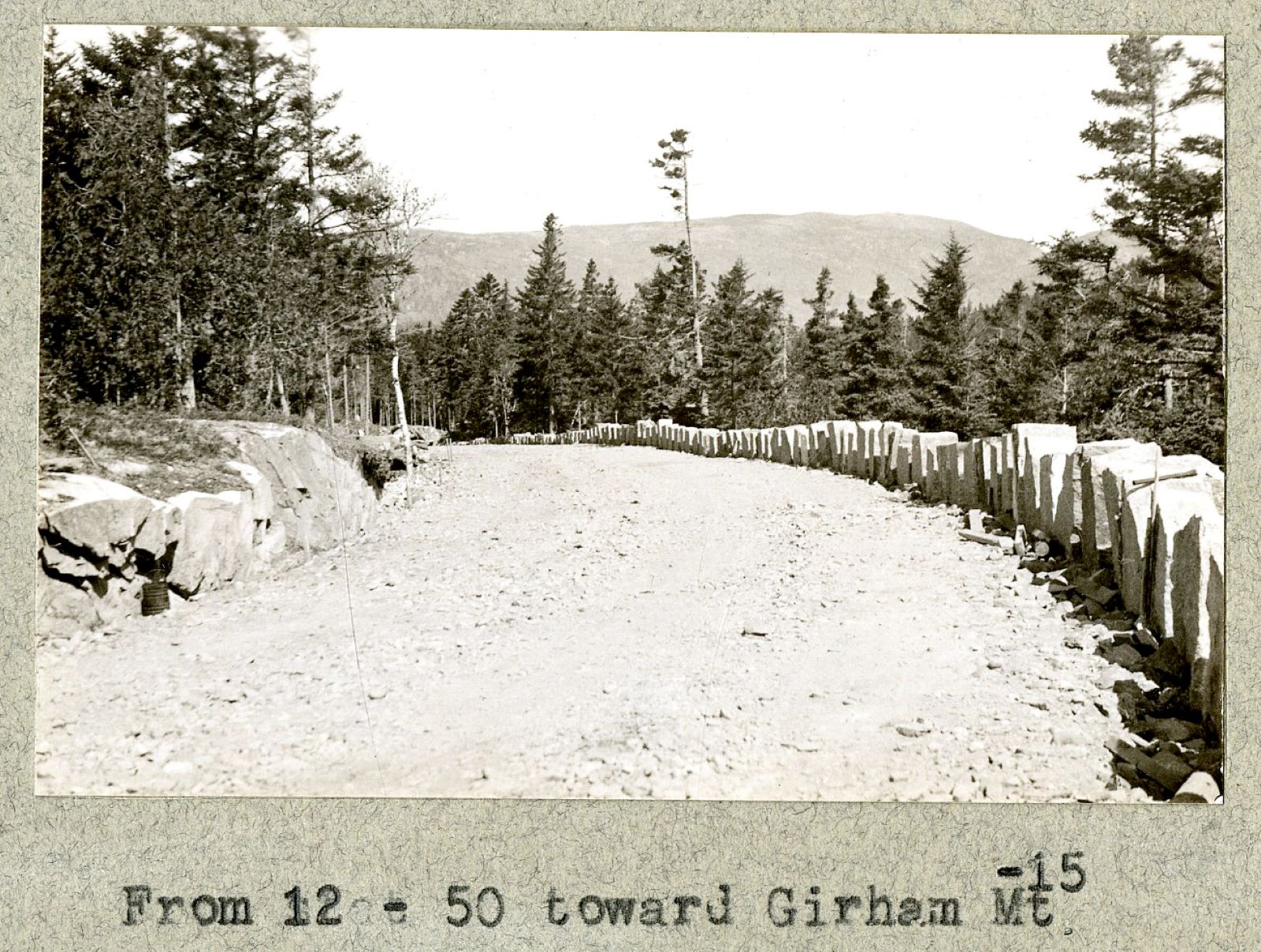
Acadia National Park: Carriage Roads, Cadillac Mountain & 2026 Guide
Discover carriage roads, Cadillac Mountain, and rugged Maine coast. Complete 2026 guide to Acadia National Park — trails, fees, lodging, permits, and what rangers recommend.
Hiking Guide
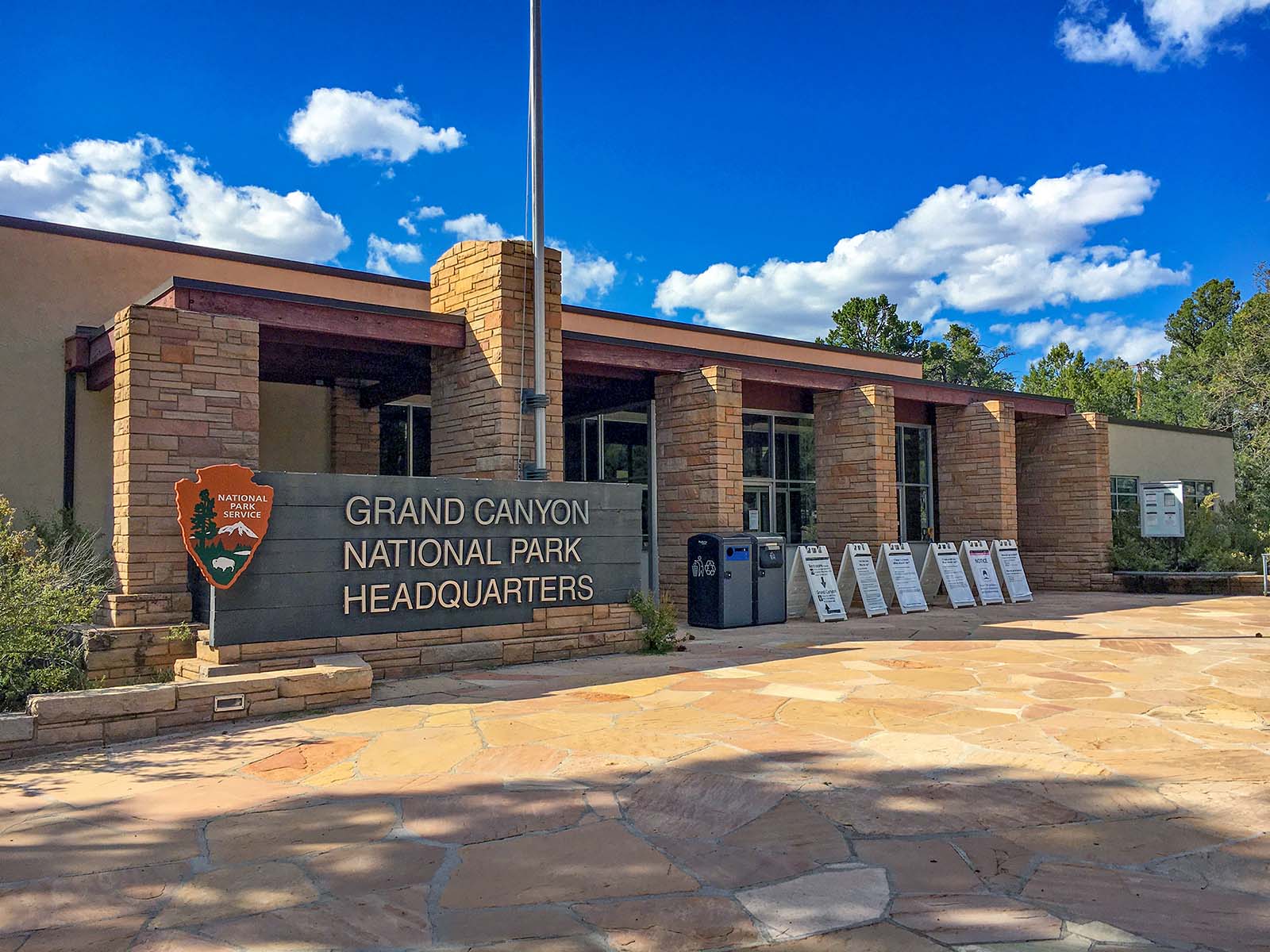
Grand Canyon Hiking Trails: Day Hikes, Water Sources & Rim to Rim
Compare Grand Canyon hiking trails: Bright Angel, South Kaibab, Hermit, Grandview, and rim to rim, with distances, elevation, water stops, and trailhead access for each.
Best Of
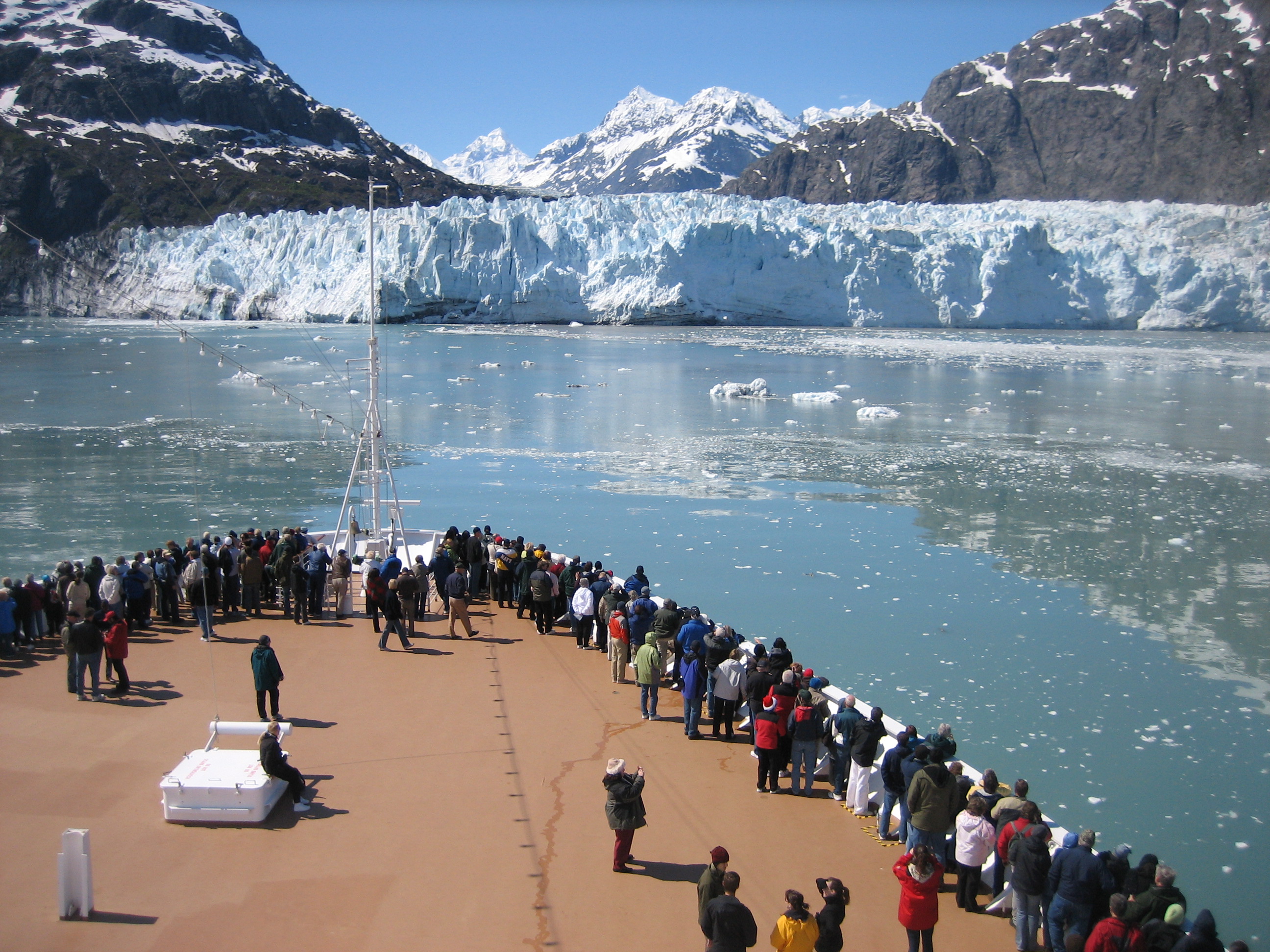
Best of Glacier Bay National Park
The best of Glacier Bay is reached by boat: ranger-led day tours up the bay to the tidewater glaciers. What's worth it, how to book, and when to go (2026).
Campsite Guide
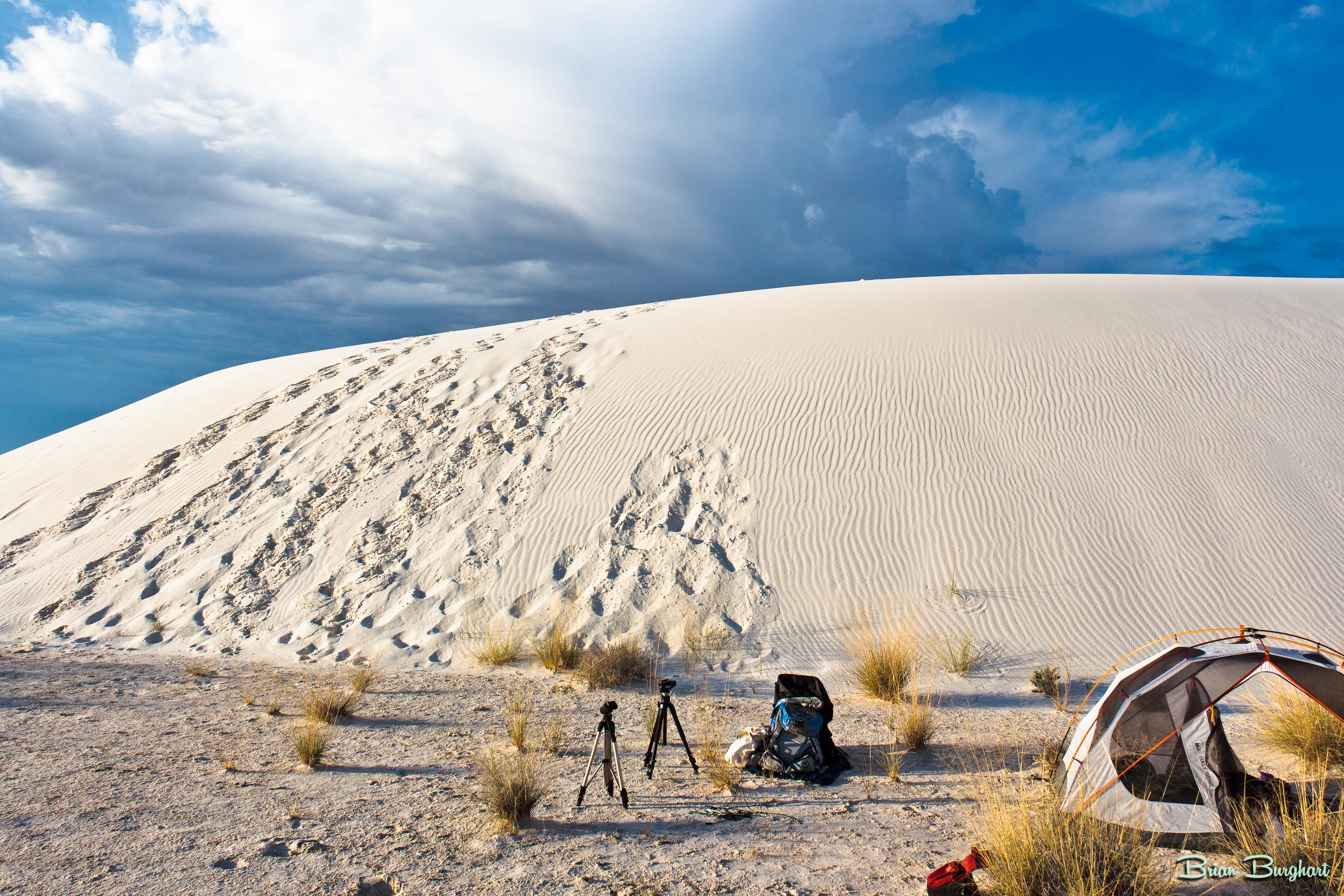
White Sands Backcountry Camping: Closed for 2026 — What to Know
As of 2026, backcountry camping at White Sands National Park is closed for site rehabilitation. What that means, and where to camp nearby instead.
Weather Guide
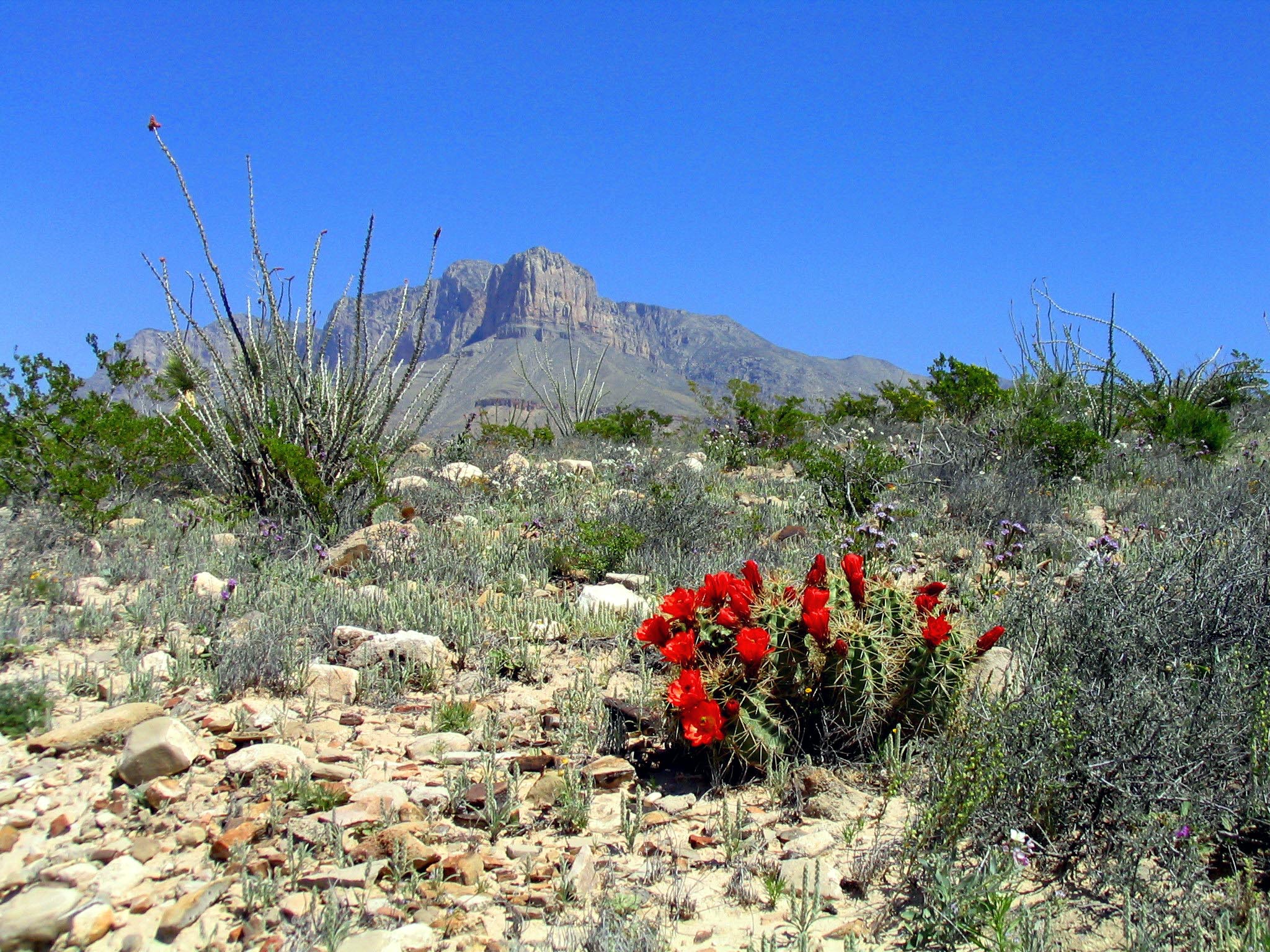
Guadalupe Mountains National Park Weather: Weather
Guadalupe Mountains National Park: weather guide guide updated 2026. Practical visitor information, reservations, and seasonal tips worth bookmarking before
Best Of
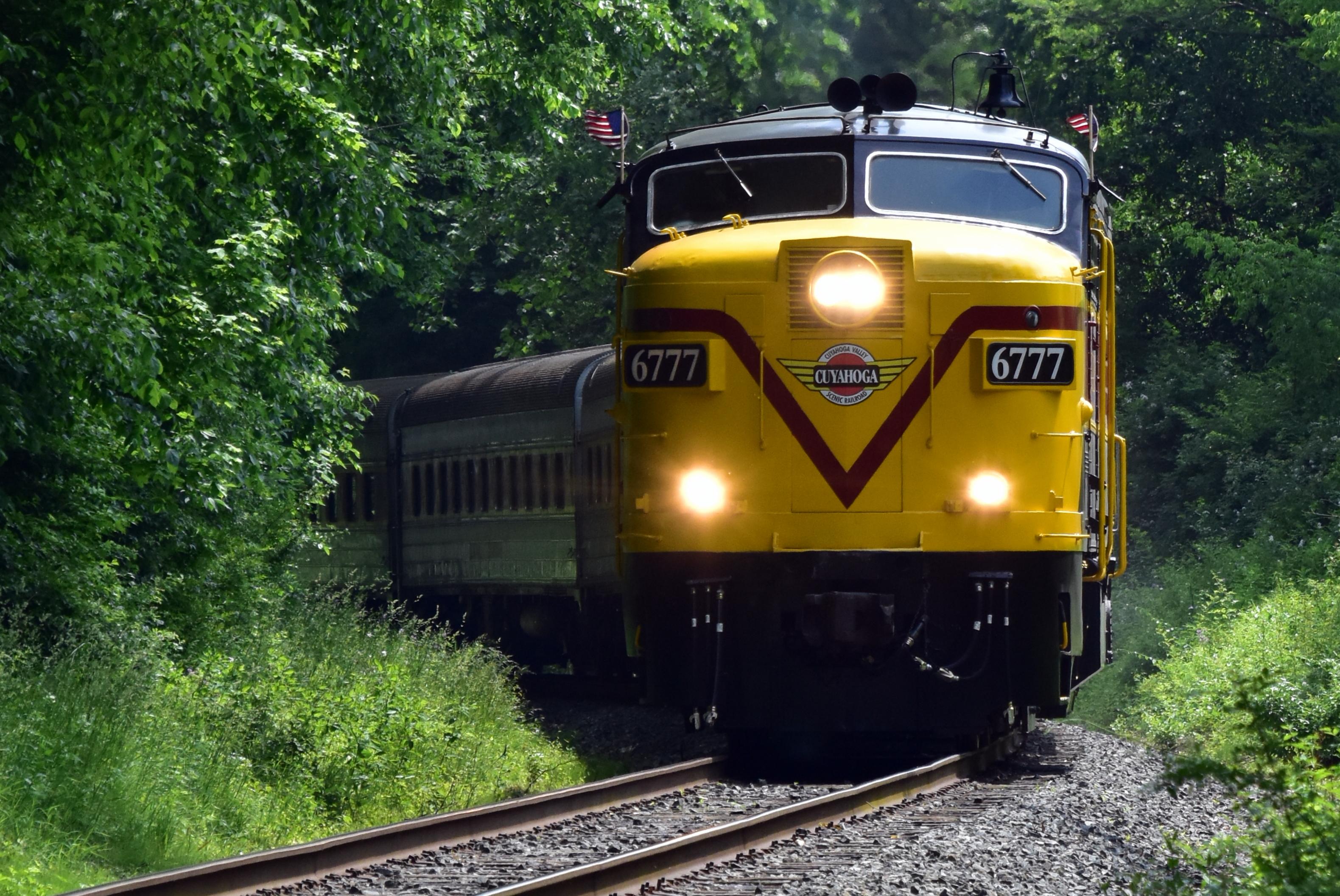
Best of Cuyahoga Valley National Park: Best Things to Do
Seeing a Cleveland Orchestra concert with the woods as your backdrop is a uniquely Cuyahoga Valley experience.
Sign in to join the conversation.
Sources & Attribution
Location data courtesy of the National Park Service (U.S. Department of the Interior). NPS data is public domain. Official NPS page.
Images: NPS.
Map data © OpenStreetMap contributors.
Park operations alerts: NPS.gov · Weather and weather hazards: National Weather Service · Live conditions.
Information may change. Always verify fees, hours, and conditions directly with the official source before visiting.
Did this guide help? Share it with a friend.