Cattlemans Bridge isn't a bridge anymore—it's a quiet pullout on the Moose-Wilson Road where you can see the Snake River crossing ranchers used for their herds. This is a five-minute stop, not a hike, and that's intentional. It shows how the park's history is written on the land: a working piece of valley ranching now just a simple viewpoint. The pullout is small, the view straightforward, and the story fits on one panel. No gift shop or ranger station here—just river sounds, sagebrush scent, and a clean look at the water that carved this valley.
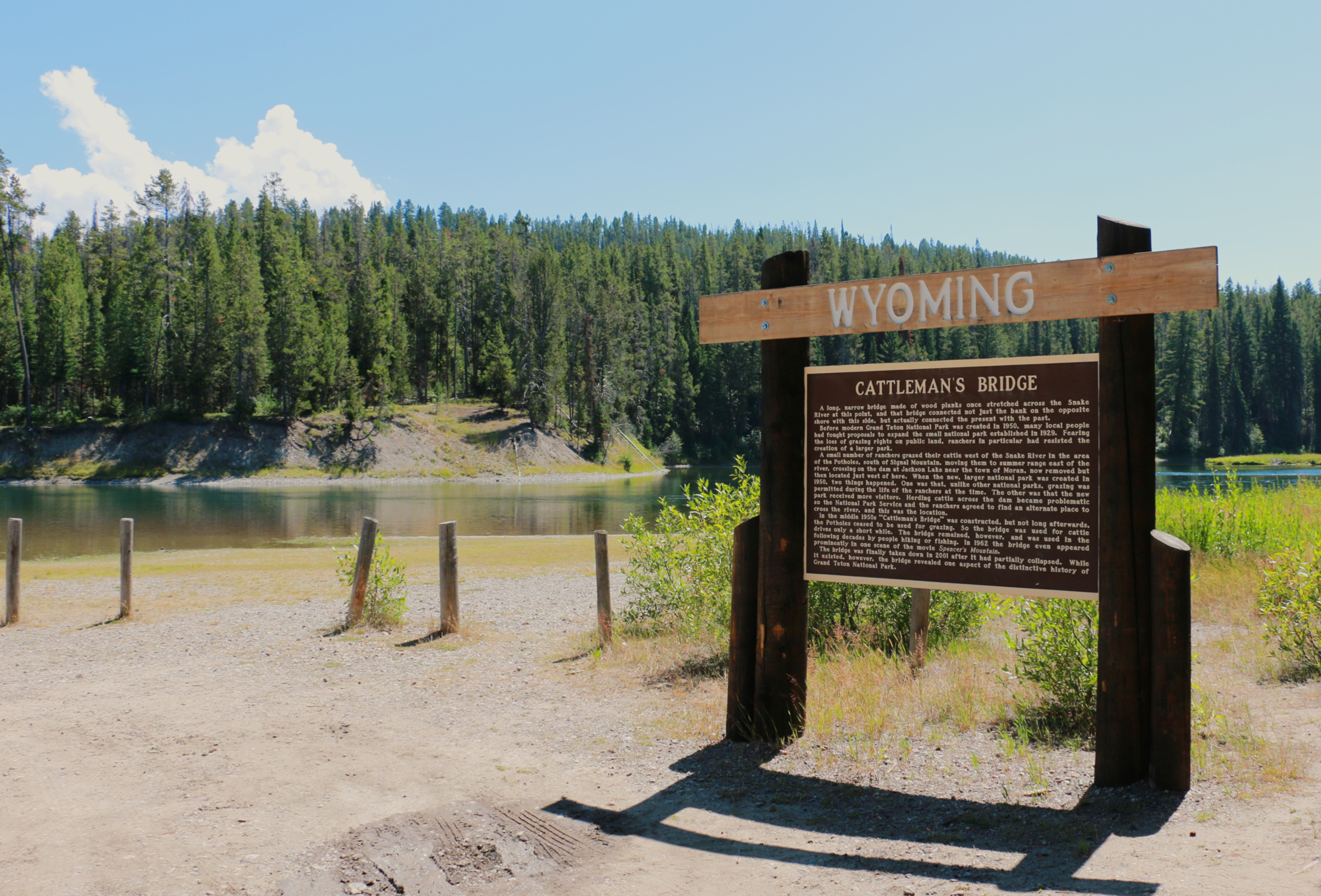
NPS via NPS.gov (Public Domain)
Cattlemans Bridge: The Essential 2026 Visitor Guide
8 min read
Places & Points of Interest
Plan your 2026 visit to Cattlemans Bridge. Complete guide to trails, fees, lodging, best time to visit, and insider tips.
Your plans
Quick Information
- Entrance Fee: Access to Cattlemans Bridge requires a Grand Teton National Park entrance pass. As of 2026, that's $35 per private vehicle for a 7-day pass. An annual Grand Teton pass is $70. America the Beautiful passes are accepted.
- Hours: The Moose-Wilson Road, where the pullout is located, is typically open from late May through October, weather permitting. The pullout itself is accessible 24/7 when the road is open, but visiting after dark offers little beyond stargazing.
- Best Time to Visit: Late morning to early afternoon, when the sun is high enough to illuminate the river corridor. Spring and fall see fewer crowds than mid-summer.
- Location: Grand Teton National Park, Wyoming. Nearest major services are in Moose (to the north) or Wilson (to the south). GPS coordinates are 43.856347, -110.553242.
- Accessibility: The pullout is paved and level, suitable for wheelchairs and strollers to access the viewpoint area. There is no developed trail from the pullout down to the river.
- Cell Service: Spotty at best along this stretch of the Moose-Wilson Road. Assume no reliable signal.
- Restrooms: None at the pullout. The nearest vault toilets are at the Death Canyon Trailhead, a short drive south.
- Parking: A single, small paved pullout on the east side of the road fits about 4-5 vehicles comfortably. It fills quickly during peak summer hours between 10 AM and 2 PM.
Getting There
Cattlemans Bridge is located roughly midway along the 8-mile Moose-Wilson Road, which connects the Moose Junction (near the Craig Thomas Discovery & Visitor Center) to the town of Wilson. From Jackson, take US-26/89/191 north to Moose Junction, turn onto the Moose-Wilson Road, and drive approximately 3.5 miles south. The pullout will be on your left (east) side. From Teton Village or Wilson, head north on the Moose-Wilson Road for about 4.5 miles; the pullout will be on your right. The road is narrow, winding, and partially unpaved - drive slowly, especially as it's a prime area for wildlife like moose and bear. There are no services or gas stations on the road itself. The entire drive from Jackson takes about 30 minutes, barring wildlife jams or road construction.

What to Expect
This is a functional, no-frills viewpoint. Pull off the gravel-dusted road onto a short pavement apron. Step out to a low metal fence. Below, the Snake River flows north, its surface shifting between olive green and slate gray with light and sediment. The far bank is a thick wall of willow and cottonwood. The air smells of cold minerals and dry, peppery sage from behind you. The sound is a constant, low rush of water—not a roar, just a steady presence.
The elevation here is about 6,800 feet. The view is intimate, not panoramic; you're looking at a river, not a mountain range. The Tetons are hidden by the forest and the curve of the valley. This is a riparian zone, a critical wildlife corridor. It's common to see swallows skimming the river surface or hear the croak of a raven from the treetops. The common mistake is expecting a grand overlook. This is a place for a brief pause, a historical note, and a close-up view of the park's aquatic artery. The trail register, so to speak, is the worn path in the gravel where thousands of visitors have stood for the same photo.
Top Attractions & Points of Interest
Cattlemans Bridge is a single point of interest, not a hub. Its value is as a quick stop on a journey along the Moose-Wilson Road, which is itself a major attraction. The road winds through dense forest, marsh, and sagebrush flats, offering some of the park's most reliable wildlife viewing outside of dawn and dusk at the larger meadows.
The Snake River Viewpoint
This is the attraction. A short, paved pullout leads to an interpretive sign and a fenced viewpoint looking directly down at the Snake River. The sign explains the bridge's history as a cattle crossing, giving context to the view. The best photos are taken in mid-day light when the sun penetrates the canyon. There is no safe or maintained access down to the riverbank from here.
Moose-Wilson Road Corridor
The road itself is the main event. This narrow, scenic byway is a destination for slow drives looking for moose browsing in the willows, black bears in the berry patches, or waterfowl in the ponds. Drive with your windows down partway; you'll often hear animals in the brush before you see them. The road is paved at the north and south ends but has a graded gravel section in the middle - fine for all vehicles in dry conditions, but expect dust.
Proximity to Major Trailheads
The Cattlemans Bridge pullout is strategically located between several key access points. A short drive north leads to the Death Canyon Trailhead, gateway to strenuous hikes like the Death Canyon - Static Peak Divide Junction. A short drive south leads toward the Granite Canyon area. It makes for a convenient pause before or after a hike.

Activities
This location is about viewing, not doing. The primary activity is scenic driving and wildlife spotting along the Moose-Wilson Road.
Wildlife Viewing
This is one of the park's renowned corridors for moose, especially in the early morning and evening. Pull completely off the roadway into designated turnouts when stopping. Use binoculars to scan the willow thickets along the river. Bears are also common here; know and practice proper bear safety, which includes carrying bear spray that is accessible, not buried in your pack.
Photography
The viewpoint offers a classic river-in-forested-canyon shot. A polarizing filter can help cut glare off the water and deepen the colors. The composition is straightforward - river, trees, canyon walls. It's not a sunset spot, as the canyon falls into shadow early.
Connecting to Hikes
Most visitors use this as a brief stop en route to or from a hike. The nearby Death Canyon Trailhead offers access to Phelps Lake Overlook (1-2 hours round trip) and more ambitious routes into the backcountry. The Granite Canyon Trailhead (check for seasonal closures due to Moose-Wilson Road construction) is the start for trips into the southern Tetons. Consider this your last chance for a quick, easy view before committing to a longer trail.
Seasonal Guide
The experience at Cattlemans Bridge is entirely dictated by the status of the Moose-Wilson Road.
Late May - October (Road Open): The standard visiting season. Summer (July-August) brings the most traffic and the highest chance of the small pullout being full. Early fall (September) is ideal, with fewer people and changing foliage along the river. Spring can be muddy with lingering run-off.
November - Late May (Road Closed): The Moose-Wilson Road is closed to vehicles from the Granite Canyon Trailhead southward. This means Cattlemans Bridge is inaccessible by car. It becomes part of the winter trail system for snowshoeing and cross-country skiing, but reaching it requires a significant journey from an open gate. Not recommended as a winter destination for casual visitors.
Parkwide construction is planned for 2026. While the alert suggests Colter Bay may be a good alternative base, always check the official Road Construction page for the latest on Moose-Wilson Road status before your trip.

Practical Information
Your entry fee is for Grand Teton National Park. No additional permit or fee is required to stop at Cattlemans Bridge. There are no trash cans, so pack out everything you bring in.
For camping options, the large Gros Ventre Campground (279 sites, $57 as of 2026) is the closest, about a 20-minute drive east. Jenny Lake Campground (61 sites, $56) is more central but fills within minutes of opening each morning. For lodging and accommodations, the towns of Jackson or Teton Village offer the nearest hotels and cabins. In-park lodging like Colter Bay Cabins books up nearly a year in advance for summer.
The nearest gas, food, and supplies are in Moose (north) or Wilson (south). Do not rely on finding anything along the Moose-Wilson Road itself.
Safety & Preparation
The main hazards here are traffic and wildlife. This is a narrow road with blind curves. Pull completely off the pavement into the pullout. Do not stop in the travel lane.
This is active bear and moose habitat. Moose are surprisingly aggressive, especially cows with calves in spring. Give all wildlife a wide berth - use your vehicle as a viewing blind when possible. Everyone in your group should have accessible bear spray and know how to use it. The river below is cold, fast-moving, and not accessible for swimming from this point.
There is no shade at the pullout. Summer sun at 6,800 feet is intense; wear a hat and sunscreen even for a short stop.

Insider Tips
- The Parking Situation: If the Cattlemans Bridge pullout is full, do not park on the road shoulder. Continue driving. There are other, unmarked pulloffs further along where you can safely stop and listen to the river, even without the historic sign.
- Timing is Everything: Hit this spot before 9:30 AM or after 3:30 PM in summer. You'll have a better chance at parking and you'll be on the road during better wildlife activity periods.
- The Better Audio Tour: Turn your car off and roll down the windows for a full minute. Listen to the river, the wind, and the birds. That's the real experience here.
- Combine Your Stop: Plan to stop here on your return from a hike at Death Canyon or a visit to the Chapel of the Transfiguration. It makes for a good concluding moment rather than a standalone trip.
- What the Sign Doesn't Say: The willows you see across the river are a moose cafeteria. If you don't see one, scan slowly with binoculars. Look for the dark, angular shape of a moose's back or the flick of a large ear among the vertical stems.
- Skip It If: You're pressed for time or the road is congested. The view is pleasant, but it's not worth causing a traffic backup or stressing over parking. The Snake River can be seen from many other, larger turnouts like Oxbow Bend.
- The Local's Saying: "The bridge is gone, the river remains." It's a reminder that the landscape outlasts our uses for it.
For more information, see our complete Grand Teton National Park Guide.
Sources
- Official source: NPS — Grand Teton National Park nps.gov/grte/index.htm
- Official source: National Park Service nps.gov/places/000/cattlemans-bridge.htm
Photo Gallery
More to Explore
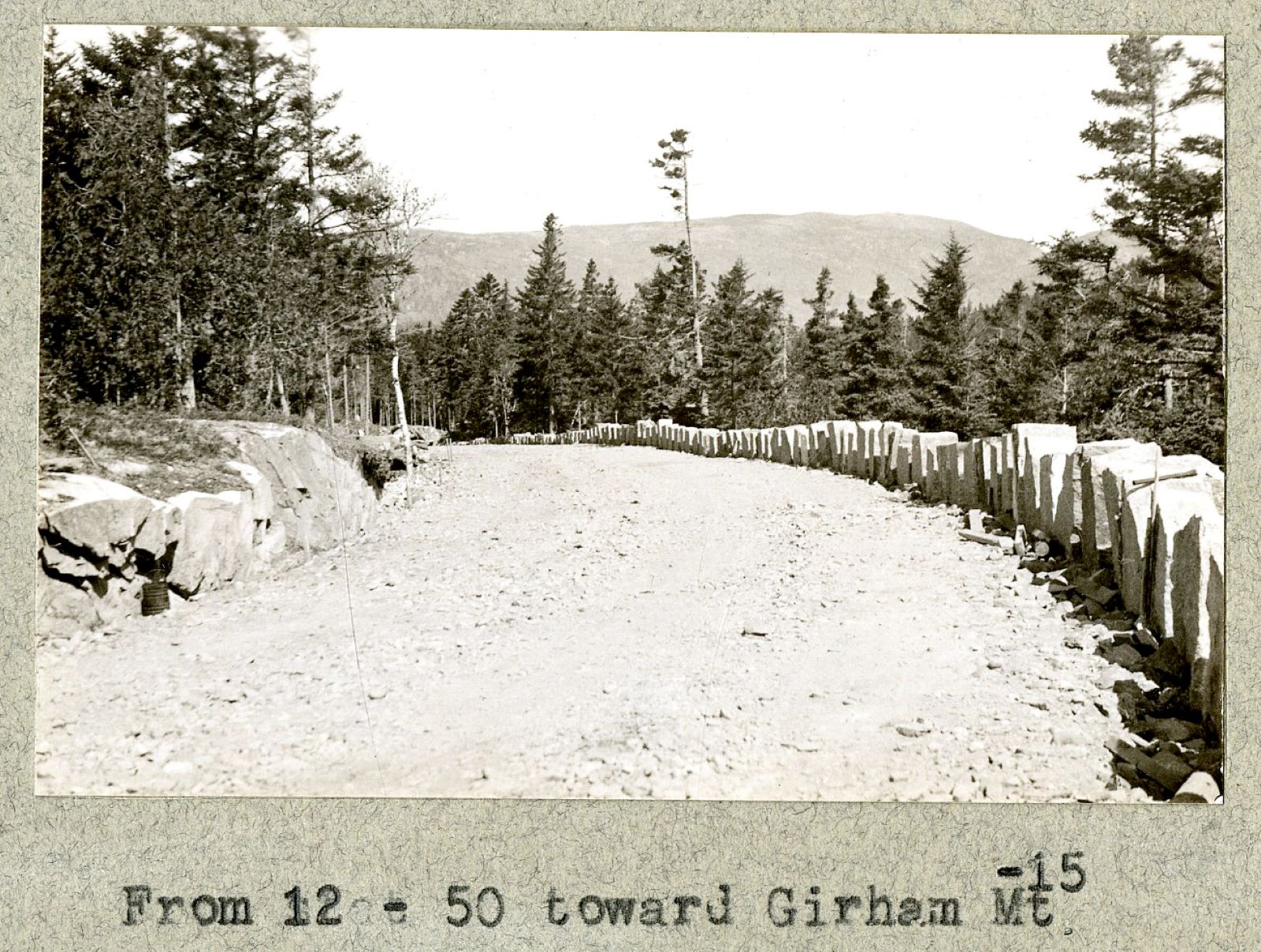
Park Guide
Acadia National Park: Carriage Roads, Cadillac Mountain & 2026 Guide
Discover carriage roads, Cadillac Mountain, and rugged Maine coast. Complete 2026 guide to Acadia National Park — trails, fees, lodging, permits, and what rangers recommend.
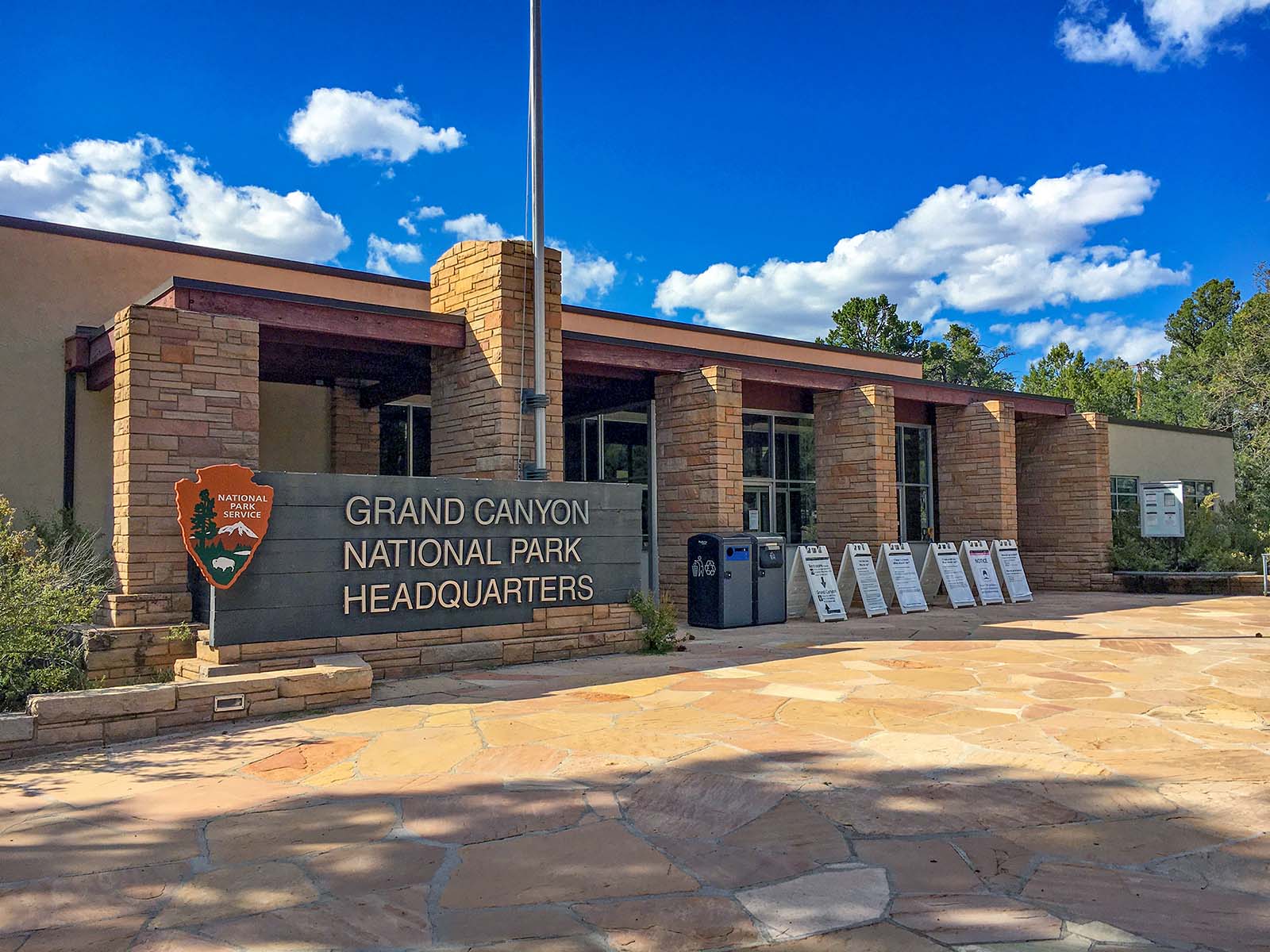
Hiking Guide
Grand Canyon Hiking Trails: Day Hikes, Water Sources & Rim to Rim
Compare Grand Canyon hiking trails: Bright Angel, South Kaibab, Hermit, Grandview, and rim to rim, with distances, elevation, water stops, and trailhead access for each.
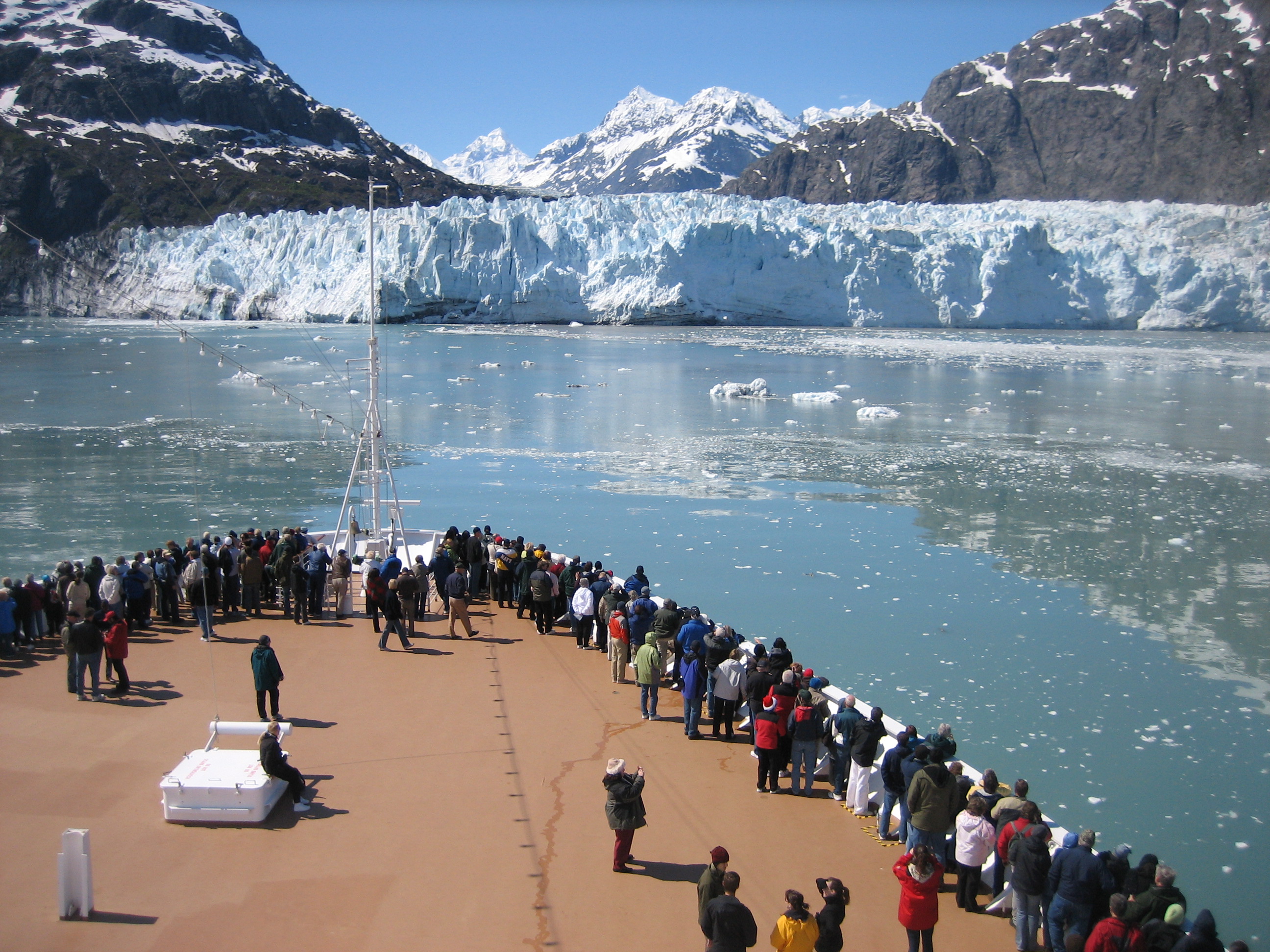
Best Of
Best of Glacier Bay National Park
The best of Glacier Bay is reached by boat: ranger-led day tours up the bay to the tidewater glaciers. What's worth it, how to book, and when to go (2026).
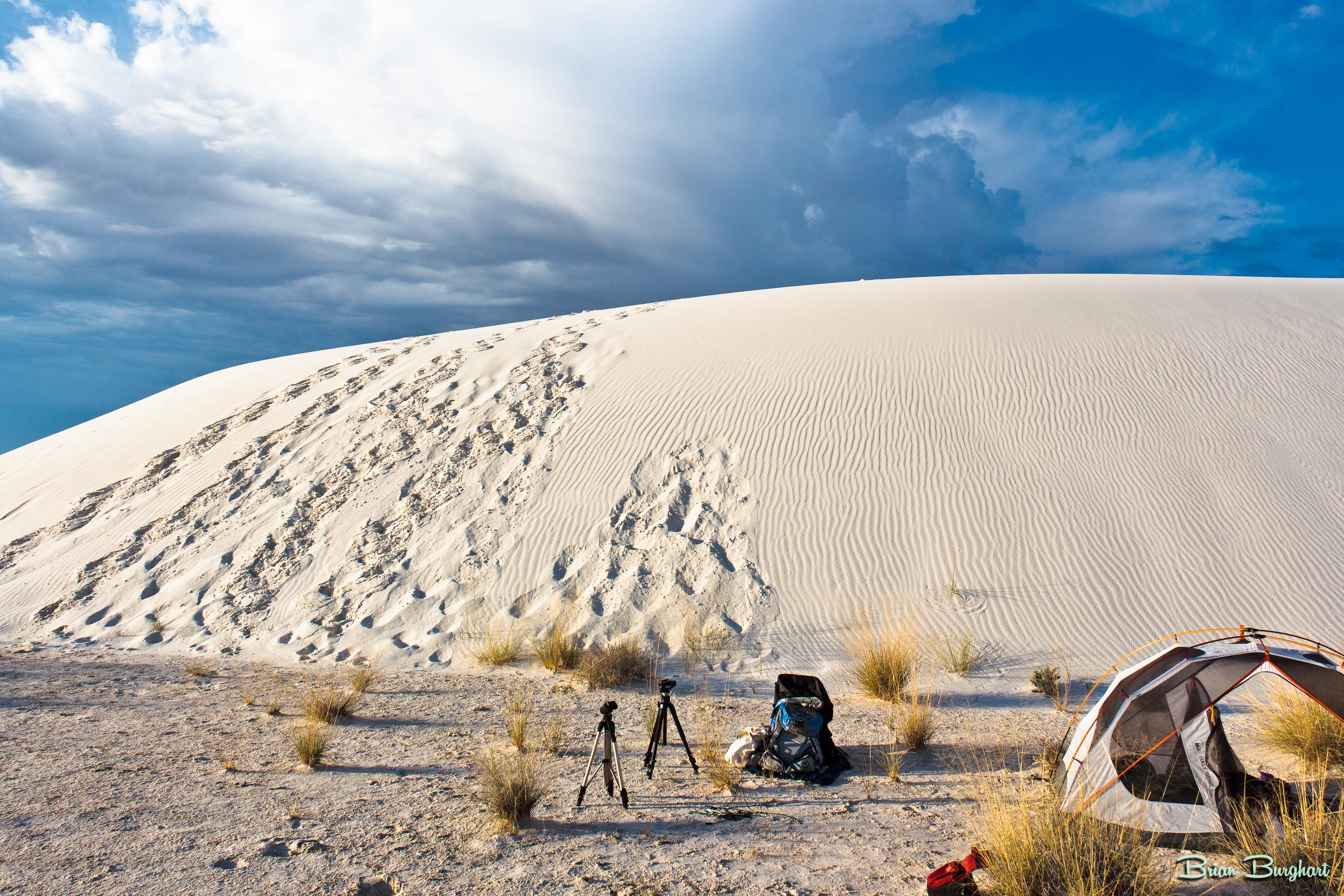
Campsite Guide
White Sands Backcountry Camping: Closed for 2026 — What to Know
As of 2026, backcountry camping at White Sands National Park is closed for site rehabilitation. What that means, and where to camp nearby instead.
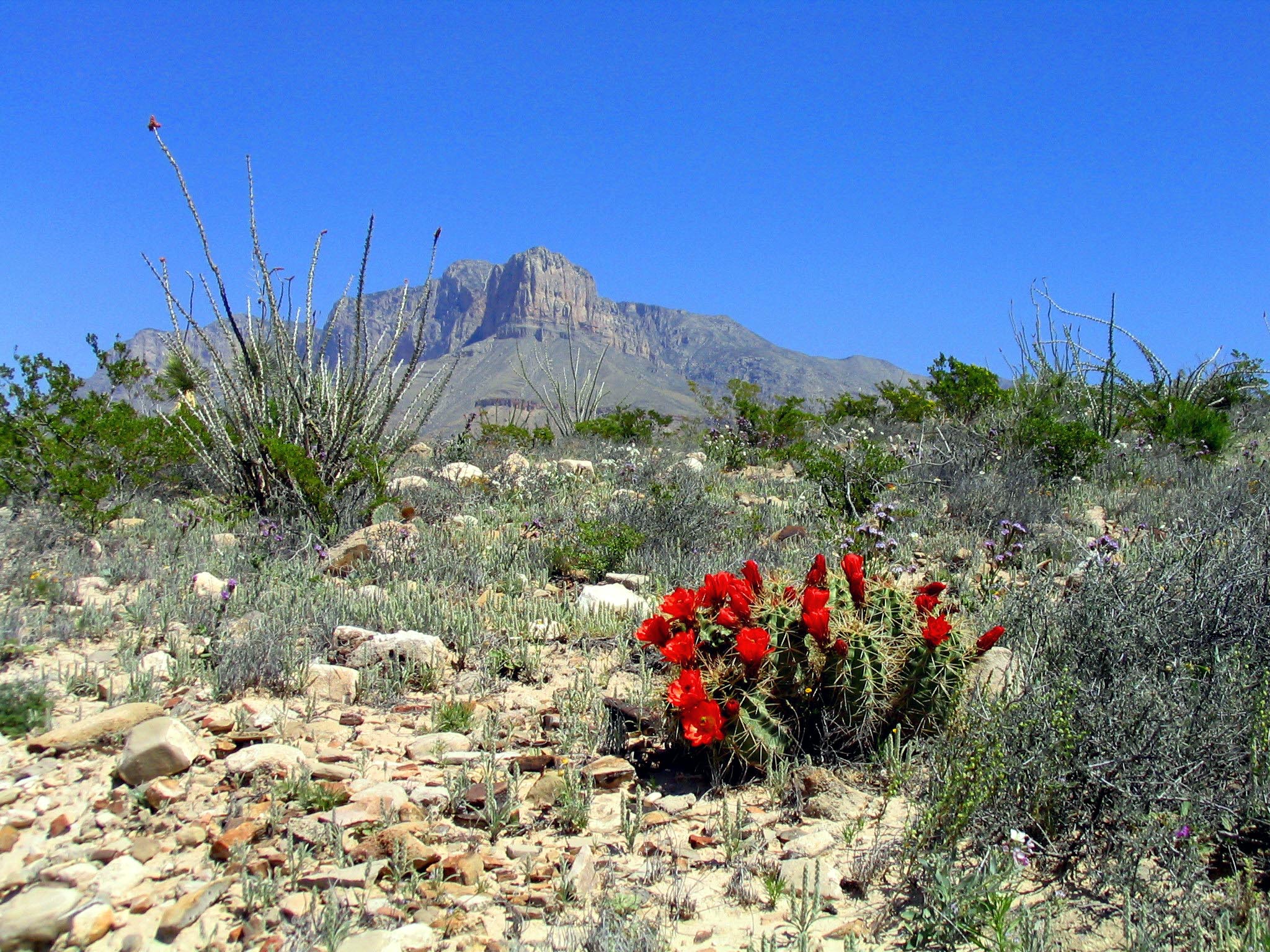
Weather Guide
Guadalupe Mountains National Park Weather: Weather
Guadalupe Mountains National Park: weather guide guide updated 2026. Practical visitor information, reservations, and seasonal tips worth bookmarking before
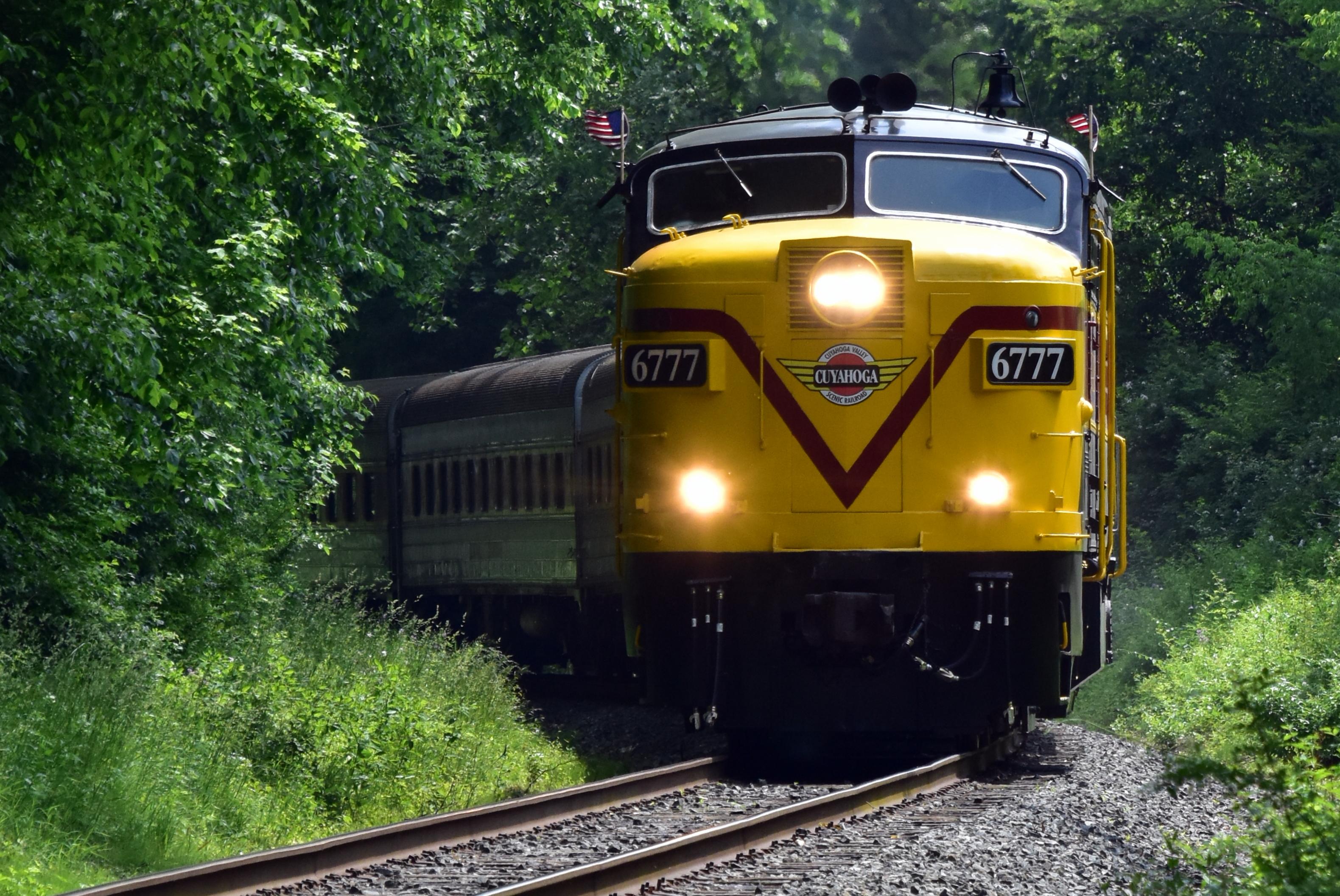
Best Of
Best of Cuyahoga Valley National Park: Best Things to Do
Seeing a Cleveland Orchestra concert with the woods as your backdrop is a uniquely Cuyahoga Valley experience.
Sign in to join the conversation.
Sources & Attribution
Location data courtesy of the National Park Service (U.S. Department of the Interior). NPS data is public domain. Official NPS page.
Images: NPS; NPS; NPS; NPS; NPS.
Map data © OpenStreetMap contributors.
Park operations alerts: NPS.gov · Weather and weather hazards: National Weather Service · Live conditions.
Information may change. Always verify fees, hours, and conditions directly with the official source before visiting.
Did this guide help? Share it with a friend.