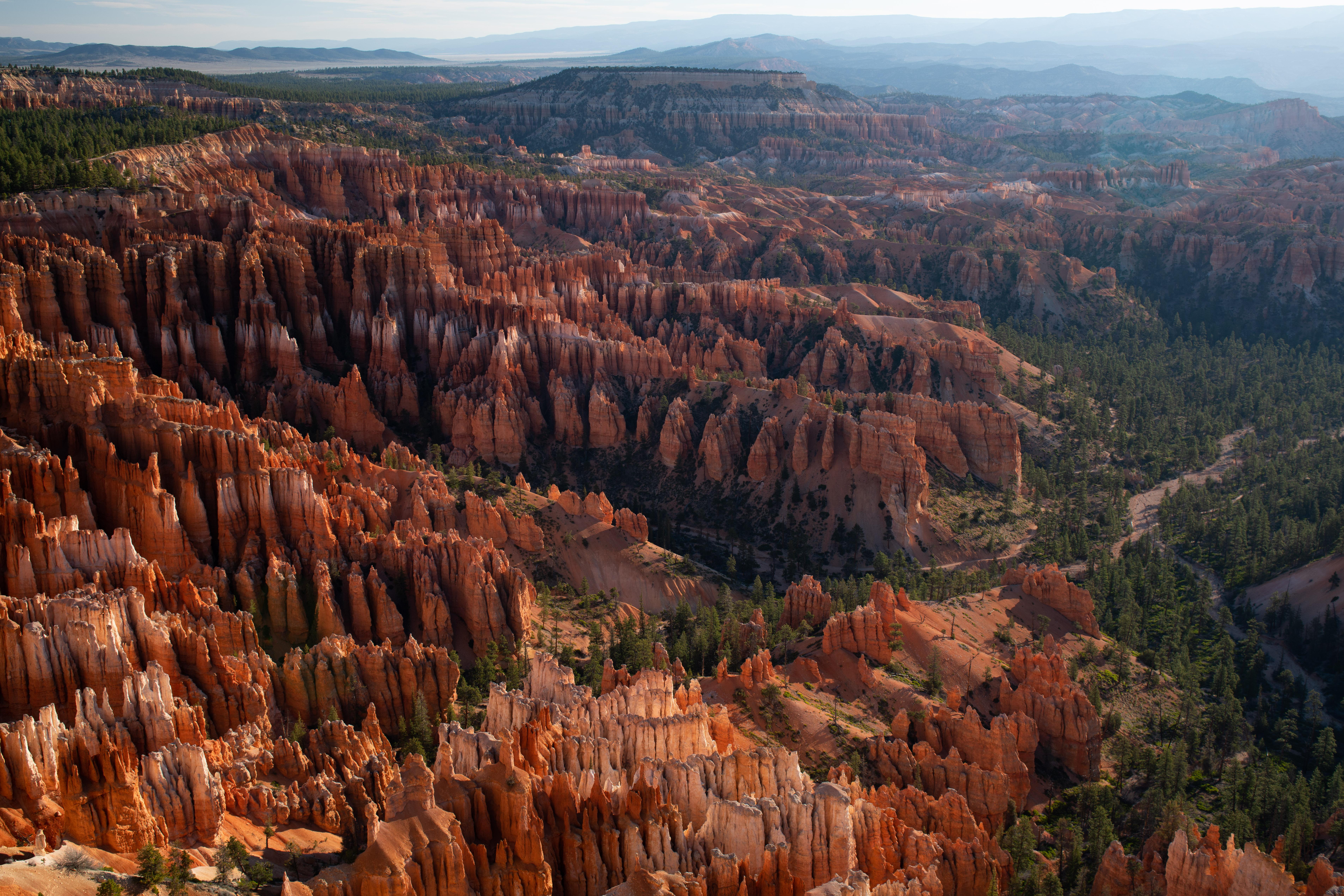
Most visitors fixate on the hoodoos, leaving with photos of orange rock. The common mistake is looking only at the ground. The wildlife here is just as sculpted by this harsh environment, and finding it requires looking up, down, and into the edges. The park's high plateau and forested amphitheaters support a community of animals adapted to extremes in temperature and elevation. Your best chance to see them starts before the first tour bus arrives.
NPS via NPS.gov (Public Domain)
Bryce Canyon National Park Wildlife: Wildlife Near Bryce Canyon
9 min read
Wildlife Guide
Bryce Canyon National Park: wildlife guide guide updated 2026. Practical visitor information, reservations, and seasonal tips worth bookmarking before your
This article contains affiliate links — we may earn a small commission at no extra cost to you.
The Signature Species
The Utah prairie dog is the park's most famous resident, and most visitors walk right past them. They're not just ground squirrels; they're a federally threatened species. Bryce Canyon hosts one of the largest protected colonies in the world. The most common mistake is expecting to see them from the scenic drive overlooks. You won't. They inhabit specific, open meadows at higher elevations. The best location is the Prairie Dog Town pullout between miles 2 and 3 on the main park road. Late morning to mid-afternoon in summer is prime viewing time, when they're most active above ground. You'll hear their sharp, chirping barks before you see the mounds. In winter, they hibernate, and the town appears as an empty, lumpy field.

Utah Prairie Dog: Complete Viewing Guide
Utah Prairie Dog
Where they concentrate: The named Prairie Dog Town is the reliable spot. They also inhabit the meadows near the visitor center and the open grasslands around Sunset Campground. They avoid the steep, rocky slopes of the main amphitheater.
Best time of day: Mid-morning through late afternoon. They retreat to their burrows during the hottest part of the day and are not active at night.
Best season and why: Late spring through early fall (May to September). This is their active season for foraging and social interaction. They enter hibernation around October and emerge in March or April.
What behavior to look for: Look for sentries standing upright on their hind legs. You'll see them grazing on grasses, "kissing" (a form of recognition), and giving sharp alarm calls that send the whole colony diving for cover.
How to distinguish from similar species: Larger and stockier than other ground squirrels, with a shorter tail and a more uniform tan-brown color. The key identifier is the location - if you're in a high-elevation meadow at Bryce, it's almost certainly a Utah prairie dog.
Safety distance and regulations: Stay on established paths or road pullouts. Do not approach burrows. Feeding any wildlife is strictly prohibited and harms their natural foraging behavior.
Mule Deer
Mule deer concentrate along the edges of meadows and forest lines. You'll often spot them at dawn and dusk along the road between the entrance station and Sunrise Point, in the meadows near the North Campground, and along the Fairyland Loop road.
Best time of day: Dawn and dusk. They bed down in the thicker forests during the day.
Best season and why: Fall. The rut (breeding season) runs from late October into November, and bucks are more visible and active. Winter also concentrates them at lower elevations near roads where snow is cleared.
What behavior to look for: Grazing quietly at the tree line. Listen for the rustle of underbrush. During the rut, you might hear bucks grunting or see sparring.
How to distinguish from similar species: Large ears that move independently like a mule's, and a black-tipped tail. White-tailed deer are not present in the park.
Safety distance and regulations: Use your vehicle as a blind. If on foot, give them at least 30 yards. Does with fawns (spring and early summer) are particularly protective.
Golden Eagle
Where they concentrate: They nest on the high, remote cliff faces of the plateau. The best viewing is from any open overlook facing the amphitheater, like Inspiration Point or Bryce Point, where they ride thermal updrafts.
Best time of day: Midday, when the sun has warmed the air and created the strongest thermal currents for soaring.
Best season and why: Year-round, but most visible in late winter and spring when they are establishing territories and nesting.
What behavior to look for: Soaring in wide, lazy circles with barely a wingbeat. They may dive suddenly if targeting prey like a prairie dog or rabbit.
How to distinguish from similar species: Much larger than hawks, with longer, broader wings. Adults have a golden wash on the back of the head and neck. They often soar with their wings held in a slight V, unlike a bald eagle's flat profile.
Safety distance and regulations: Observe from overlooks. Disturbing active nests is a serious violation.
Mountain Lion
Where they concentrate: They are present but secretive across the entire park, favoring the forested plateau and the rocky rim. Sightings are rare and almost always fleeting.
Best time of day: Dawn, dusk, and night. You will almost certainly not see one during daytime visitor hours.
Best season and why: No best season. Sightings are random and exceedingly uncommon.
What behavior to look for: You are far more likely to see tracks than the animal itself. Look for large, four-toed prints without claw marks in soft mud or snow, often along the Under-the-Rim Trail or other remote paths.
How to distinguish from similar species: A long, heavy tail (nearly as long as the body) is the key difference from a bobcat, which has a short, "bobbed" tail.
Safety distance and regulations: If you encounter one, do not run. Make yourself look large, maintain eye contact, and back away slowly. Report any sighting to a ranger.
Clark's Nutcracker
Where they concentrate: Anywhere there are pine trees, which means almost everywhere on the plateau. They are bold and common at picnic areas, campgrounds, and trailheads like Sunrise Point.
Best time of day: All day.
Best season and why: Year-round. They are a keystone species for the forest, caching thousands of pine seeds each fall that later grow into trees.
What behavior to look for: Loud, grating calls from the tops of limber pines. Watch them hammer open pine cones. They will readily approach picnic tables if given the opportunity (which you should not do).
How to distinguish from similar species: A loud, pale gray bird with black wings and tail and a white tail patch. Its flight is strong and direct, unlike the fluttery flight of a jay.
Safety distance and regulations: Do not feed them. It makes them aggressive and dependent on human food.
Pronghorn
Where they concentrate: They are not common within the park's tight boundaries but are frequently seen in the open grasslands just outside the park, particularly along Highway 12 to the east and in the Red Canyon area.
Best time of day: Dawn and dusk.
Best season and why: Spring and fall. They move across larger territories and are more visible along highway corridors during these seasons.
What behavior to look for: Grazing in open fields. They are incredibly fast and wary, often watching traffic from a distance.
How to distinguish from similar species: The only animal with both horns (not antlers) and a branched prong. Their white rump patch is conspicuous when they run.
Safety distance and regulations: Observe from your vehicle on highway pullouts. Do not attempt to approach.

Wildlife by Season
Spring (April-June): This is the most active overall season. Utah prairie dogs emerge from hibernation. Mule deer does give birth (late May-June); fawns are spotted but should be observed from a great distance. Migratory birds return, filling the forests with song. Reptiles like the Great Basin rattlesnake become active as temperatures warm.
Summer (July-August): Wildlife activity shifts to cooler parts of the day. Dawn and dusk are critical viewing times for mammals like mule deer and coyotes. Prairie dogs are active but may retreat during peak afternoon heat. Birds, including nutcrackers and swallows, are busy feeding young.
Fall (September-October): The mule deer rut begins, making bucks more visible and less cautious. Birds of prey are active as young learn to hunt. Prairie dogs begin to put on weight for hibernation. Large herds of elk may move through the higher plateaus surrounding the park, though they are less common within the park itself.
Winter (November-March): A quiet season. Many birds have migrated. Mule deer descend to lower elevations and are often seen near plowed roads. Utah prairie dogs are hibernating. Tracks in fresh snow tell the best stories - look for the bound patterns of foxes, the direct register of coyotes, and the occasional large, round track of a mountain lion. Golden eagles are still present and highly visible against the snow.

Where Wildlife Concentrates
Experienced visitors know to patrol the park road at dawn. The stretch between the entrance station and Sunrise Point often has mule deer grazing in the meadows. The Prairie Dog Town pullout is non-negotiable for that species. For birds, the forest edges around the North Campground and Sunset Campground are lively at first light.
The Fairyland Loop road (open seasonally) is a less-trafficked route where you're more likely to see deer, coyotes, and a greater variety of birds away from the crowds. The Bristlecone Loop trail at Rainbow Point isn't just for ancient trees; the high, quiet forest here is good for spotting nutcrackers, deer, and the occasional porcupine.
What the park map doesn't highlight are the water sources. In this arid climate, animals are drawn to seeps and springs. The small, spring-fed areas along the Peekaboo Loop or near the Navajo Loop switchbacks can attract birds and mammals, especially in the dry late summer. Sit quietly nearby and you might see more than just hikers.

Ethical Viewing and Safety
The park service recommends - and rangers enforce - a minimum distance of 30 yards from most wildlife, and 100 yards from predators like mountain lions and bears. For the threatened Utah prairie dog, staying on designated paths protects their fragile burrow systems.
A stressed animal will show it. Constant vigilance (looking directly at you), fleeing, or vocalizing are clear signs you're too close. If your presence changes an animal's behavior, you've overstepped. Use binoculars or a telephoto lens. Feeding any animal, including birds and chipmunks, is illegal. It leads to malnutrition, disease, and dangerous habituation.
This is rattlesnake country. The Great Basin rattlesnake is present, particularly in the lower, warmer sections of the park below the rim. Watch where you place your hands and feet when scrambling on rocks, especially on trails like the Navajo Loop. They want to avoid you. Give them space to retreat.
Practical Takeaways
- Time your visit. Dawn and dusk are not just for good light; they are for wildlife. The park is quietest then, and animals are most active.
- Look for edges. The transition zones between forest and meadow, between rim and canyon, are where animals feed and move.
- Stop at Prairie Dog Town. It's the guaranteed spot for the park's signature species. Pull over, turn off your engine, and watch for 10 minutes.
- Use your car as a blind. Many animals are accustomed to vehicles but will spook at a person stepping out. Roll down the window and observe from the driver's seat.
- Carry binoculars. A small pair is worth the weight. Identifying a golden eagle from a turkey vulture or watching a prairie dog sentry requires them.
- Know the rules. 30 yards minimum, 100 for predators. Feeding wildlife is a ticketable offense that harms the animals.
- Look for signs, not just animals. Tracks, scat, clipped vegetation, and alarm calls from birds can tell you what's around even if you don't see it.
For more context on navigating the park itself, our complete visitor guide covers the essentials. To plan your route to these viewing areas, explore our guide to the park's hiking trails. For structured outings, check current availability for tours and guided experiences that may focus on natural history. As of 2026, the wildlife patterns described here hold true, but always check at the visitor center for recent sightings and any seasonal advisories.
Sources
- Official source: NPS — Bryce Canyon National Park nps.gov/brca/index.htm
Photo Gallery
More to Explore
Park Guide
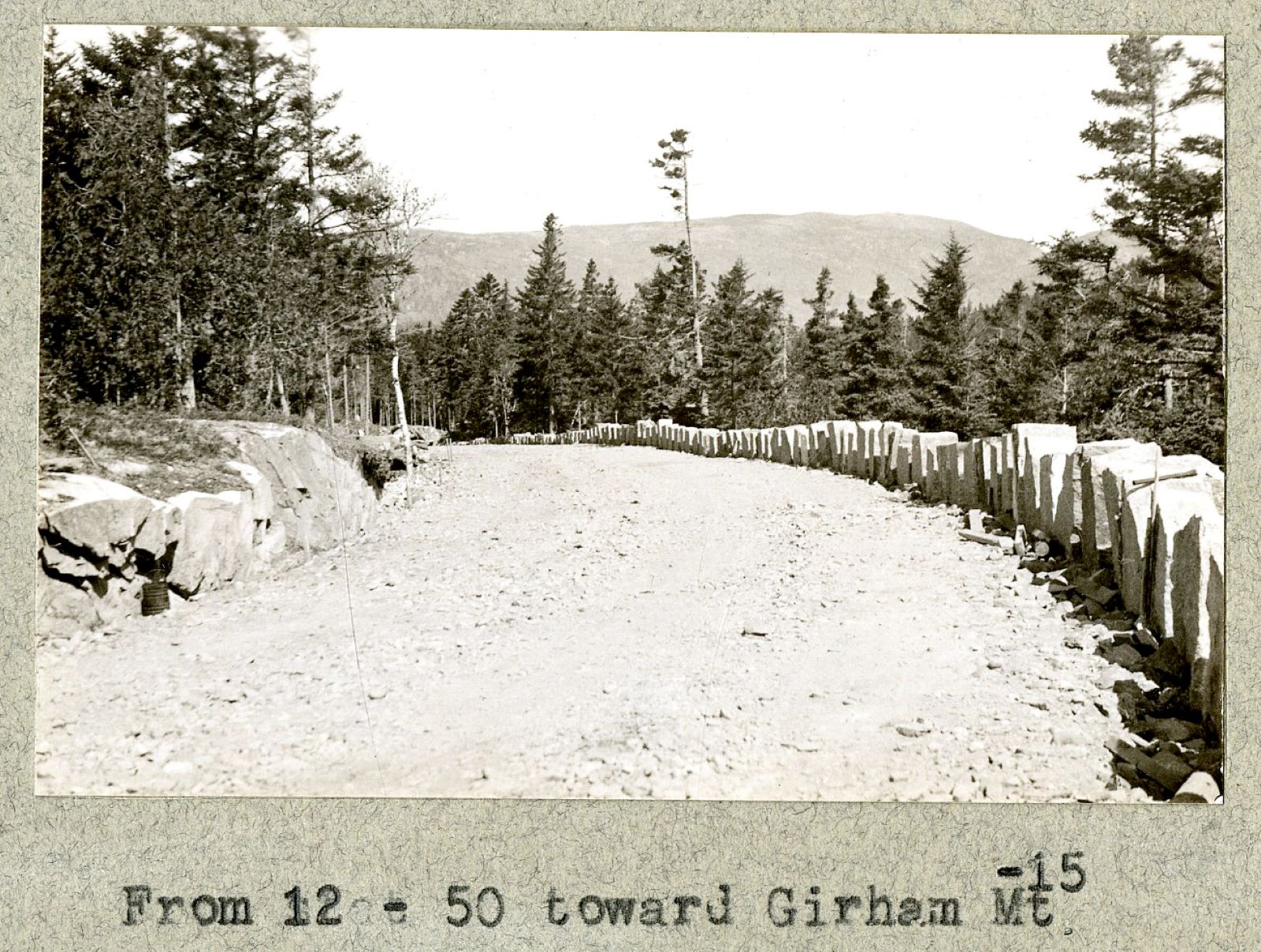
Acadia National Park: Carriage Roads, Cadillac Mountain & 2026 Guide
Discover carriage roads, Cadillac Mountain, and rugged Maine coast. Complete 2026 guide to Acadia National Park — trails, fees, lodging, permits, and what rangers recommend.
Hiking Guide
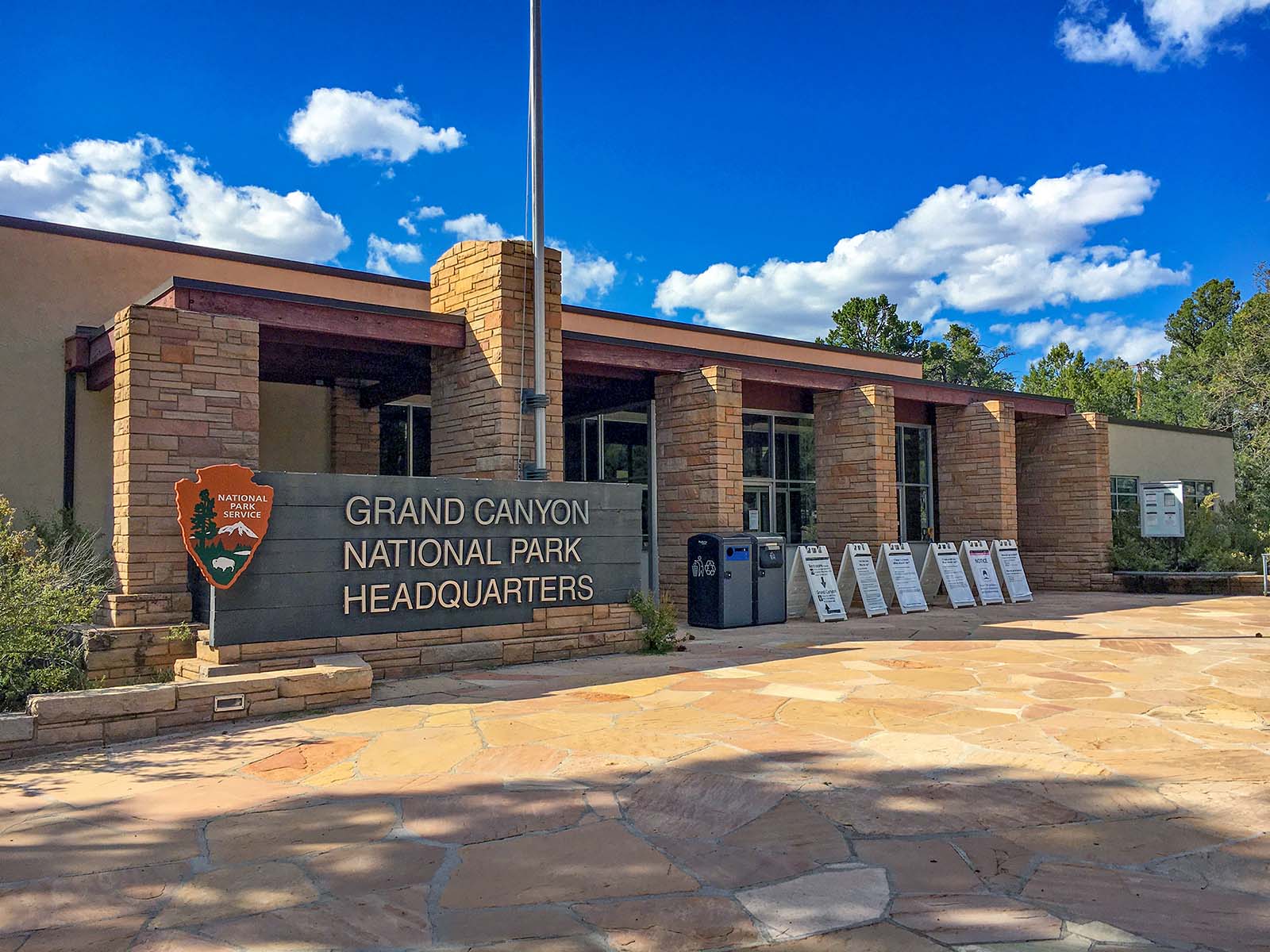
Grand Canyon Hiking Trails: Day Hikes, Water Sources & Rim to Rim
Compare Grand Canyon hiking trails: Bright Angel, South Kaibab, Hermit, Grandview, and rim to rim, with distances, elevation, water stops, and trailhead access for each.
Best Of
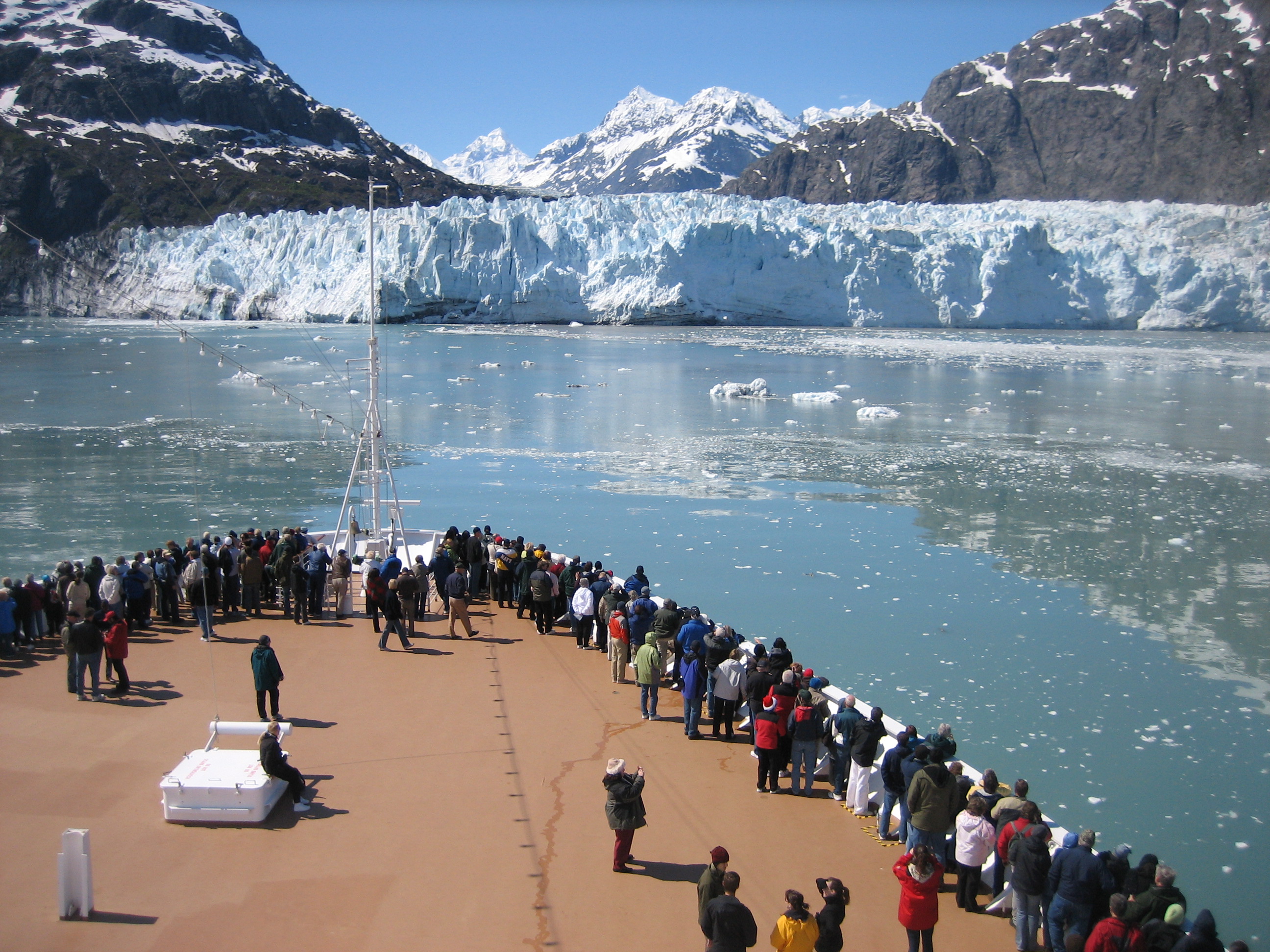
Best of Glacier Bay National Park
The best of Glacier Bay is reached by boat: ranger-led day tours up the bay to the tidewater glaciers. What's worth it, how to book, and when to go (2026).
Campsite Guide
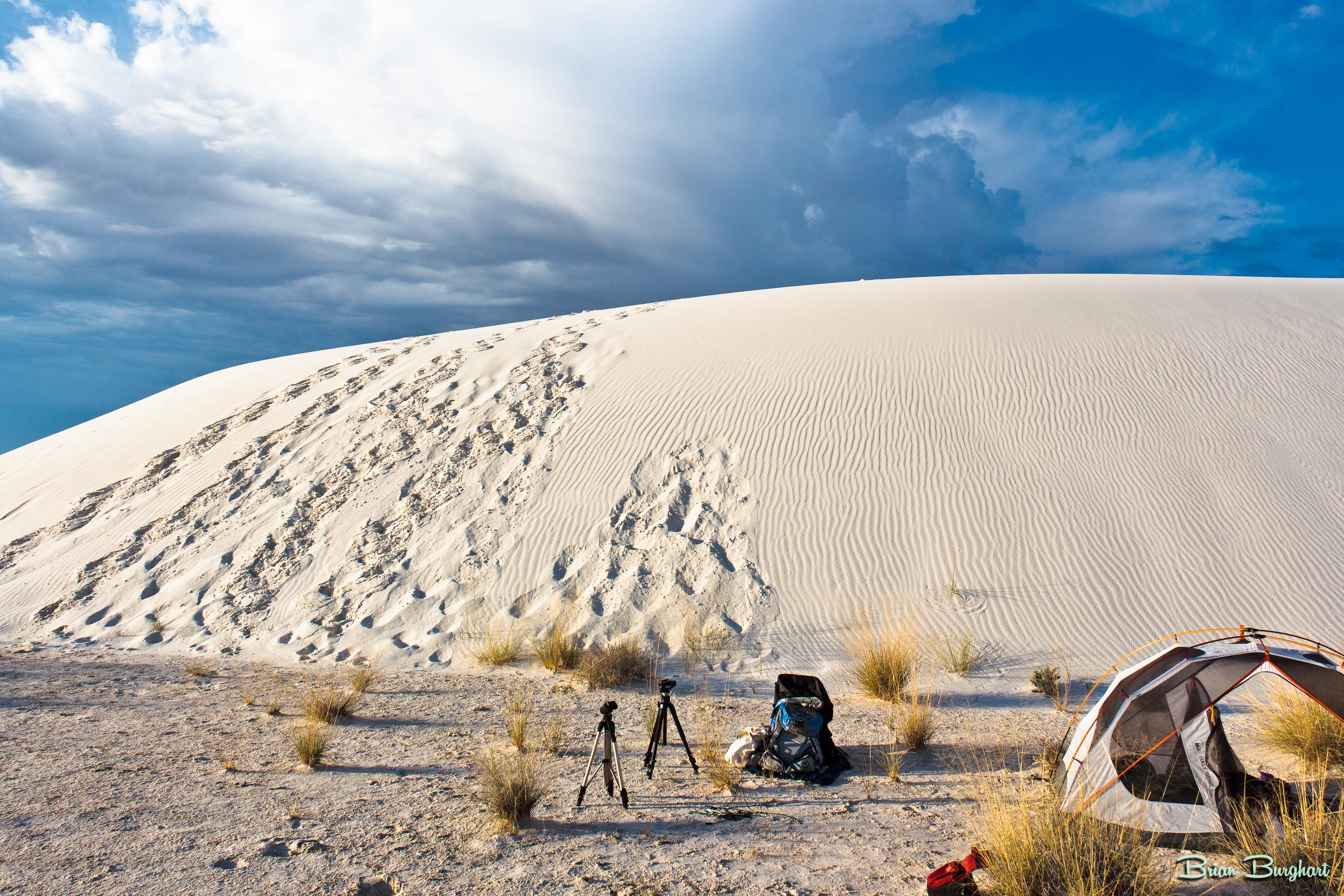
White Sands Backcountry Camping: Closed for 2026 — What to Know
As of 2026, backcountry camping at White Sands National Park is closed for site rehabilitation. What that means, and where to camp nearby instead.
Weather Guide
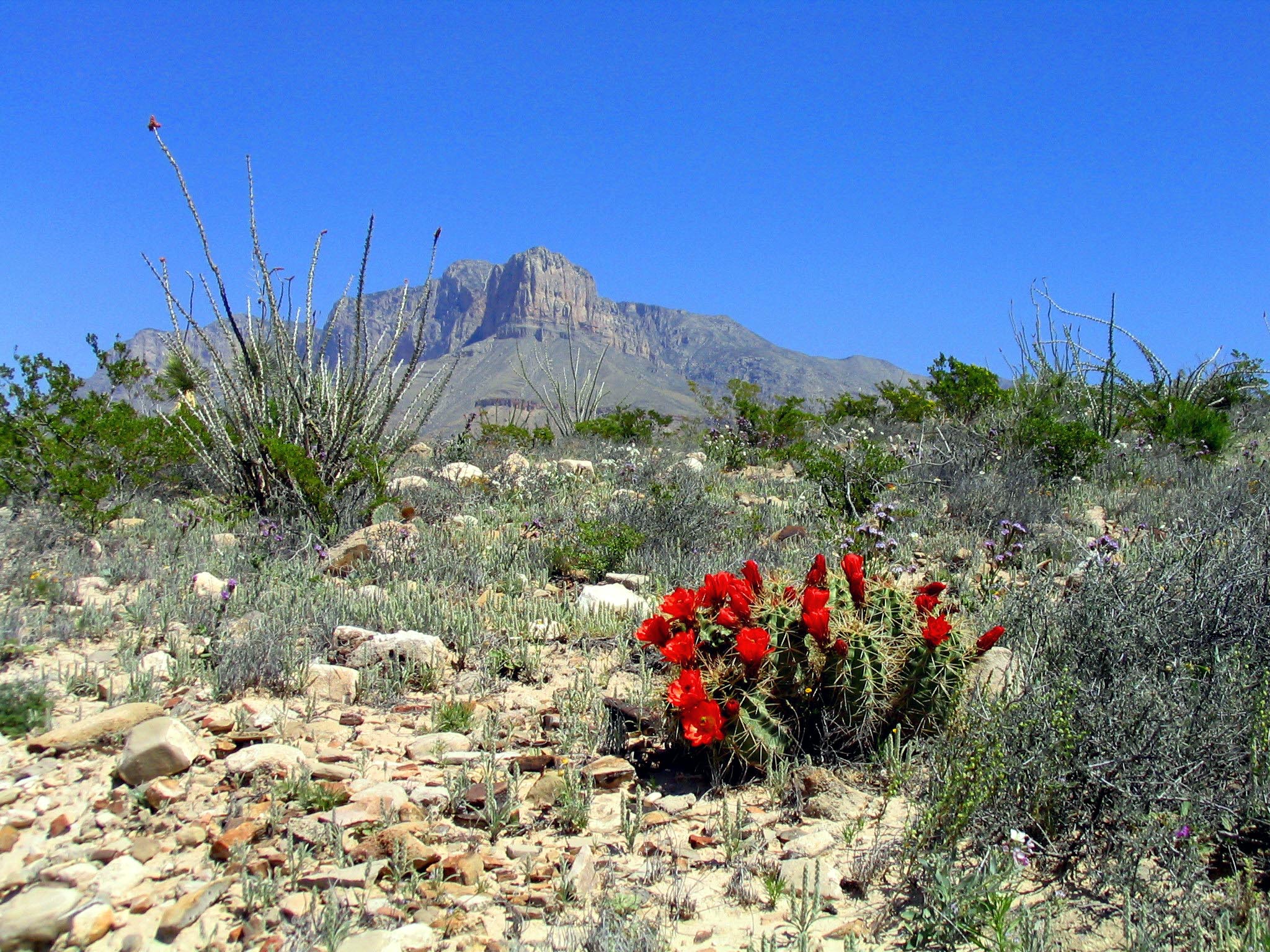
Guadalupe Mountains National Park Weather: Weather
Guadalupe Mountains National Park: weather guide guide updated 2026. Practical visitor information, reservations, and seasonal tips worth bookmarking before
Best Of
Best of Cuyahoga Valley National Park: Best Things to Do
Seeing a Cleveland Orchestra concert with the woods as your backdrop is a uniquely Cuyahoga Valley experience.
Sign in to join the conversation.
Sources & Attribution
Location data courtesy of the National Park Service (U.S. Department of the Interior). NPS data is public domain.
Images: NPS; NPS; NPS; NPS; NPS.
Map data © OpenStreetMap contributors.
Park operations alerts: NPS.gov · Weather and weather hazards: National Weather Service · Live conditions.
Information may change. Always verify fees, hours, and conditions directly with the official source before visiting.
Did this guide help? Share it with a friend.