Best of Virgin Islands National Park: Virgin Islands Best Beach (2026)
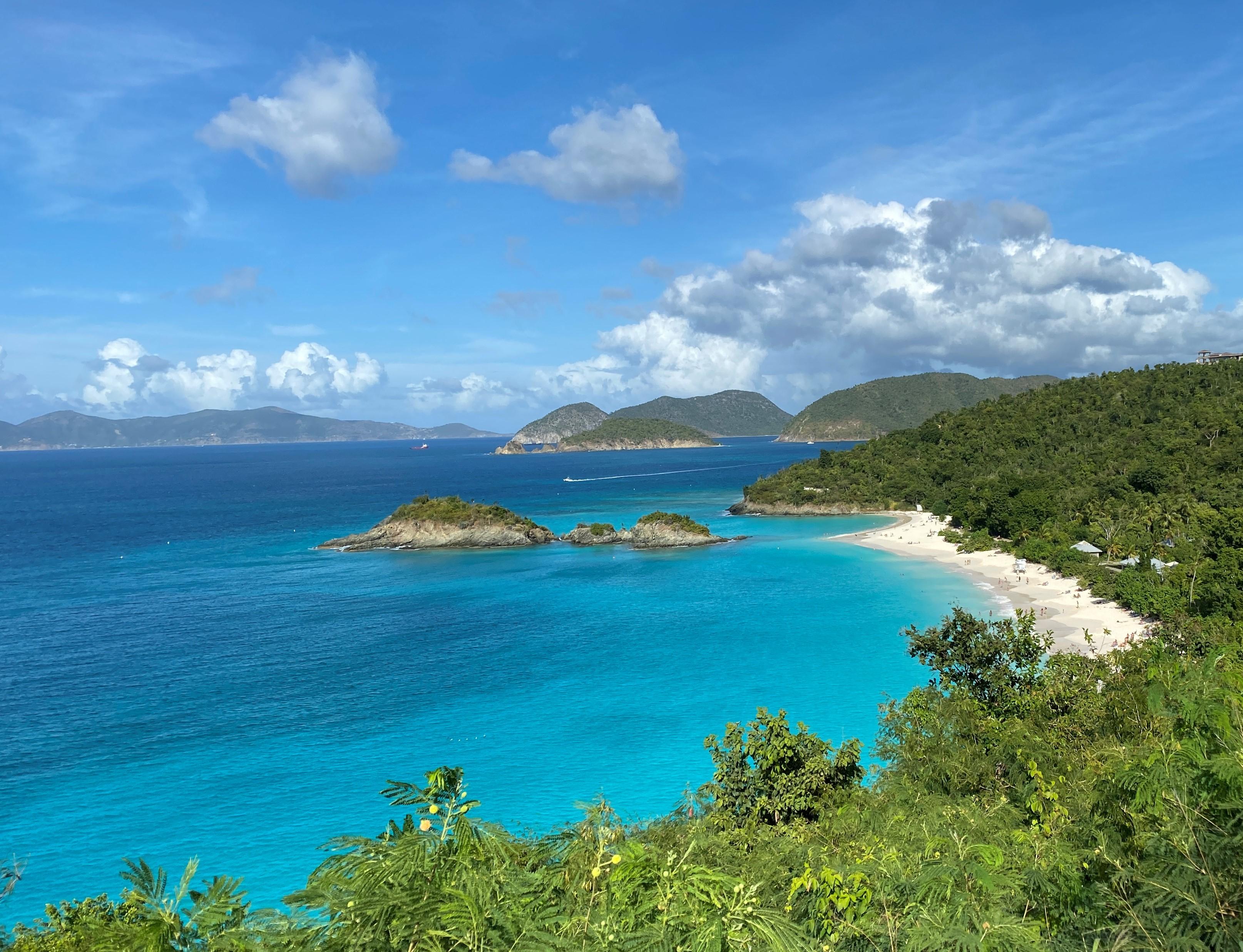
NPS via NPS.gov (Public Domain)
Virgin Islands Best Beach
11 min read
Best Of
Complete guide to virgin islands best beach. Everything you need to know, updated for 2026.
This article contains affiliate links — we may earn a small commission at no extra cost to you.
With two-thirds of St. John designated as national park, the search for the island's finest beach unfolds entirely within protected boundaries. Many visitors make the mistake of judging a beach by its sand and water alone. The truly exceptional ones offer a crescent of white sand paired with a healthy, accessible reef just offshore, adequate shade, and reasonable visitor numbers. In my experience, a perfect beach day here balances time on the sand with equal time exploring underwater with a mask.
If You Only Have One Day
An early ferry from St. Thomas typically arrives at Cruz Bay around 9:30 AM. From the dock, head directly to the Visitor Center—just a two-minute walk—to collect a park map. Don't delay. You'll want to be driving out by 9:45.
Head straight for the north shore road. The one decision that derails most one-day visits is trying to do both a major hike and a major beach stop. With limited time, you pick one. For a pure beach day, you're aiming for Trunk Bay first. Yes, it's the famous one. There's a reason. Get there before 10:30 AM and you'll beat the worst of the cruise ship excursion crowds and actually find parking. The $5 per person entrance fee (as of 2026) gets you access to the lifeguarded beach, restrooms, showers, and the 225-yard underwater snorkel trail. Do the snorkel trail first thing while the water is calm and visibility is best. It's a gentle introduction.
By 12:30 PM, the picnic tables under the sea grape trees will be full and the beach will feel busy. That's your cue to pack up. Drive five minutes east to Cinnamon Bay. It's wider, longer, and often has more space. The waves here can be a bit more vigorous, which is a nice change. Spend the afternoon here. The ruins of the old sugar plantation are right behind the beach - a five-minute walk that provides the necessary context that this isn't just a pretty place.
You need to be back in Cruz Bay to catch the 4:00 PM people ferry if you're not staying overnight. That means leaving Cinnamon Bay by 3:00 PM at the absolute latest to account for traffic and returning a rental jeep. If you miss that ferry, the next one is at 5:00 PM, but it's usually packed.

The Top Experiences, Ranked
#1 - Snorkeling the North Shore Reefs: The Park's Real Show
Verdict: The best thing here isn't on land.
- Why it makes this list: The terrestrial park is beautiful, but the marine park is alive. The reefs fringing the north shore beaches are protected, healthy, and absurdly close to shore. You'll see sea turtles, spotted eagle rays, and schools of blue tang in water so clear it feels like you're floating in air.
- What it requires: Basic swimming ability, your own mask and snorkel (rentals are available but bring your own for fit and hygiene), and about 2-3 hours. No boat needed.
- The single best tip: Apply reef-safe sunscreen before you put on your swimsuit, and wait at least 15 minutes before entering the water. The oil slicks from non-reef-safe lotions are visible on the surface and damage the coral you're there to see.
- What most visitors do wrong: They only snorkel directly in front of the beach. Swim 50-100 yards along the rocky points to either side. That's where the larger fish and turtles feed, away from the splashing crowds.
#2 - Hiking the Reef Bay Trail: A Vertical History Lesson
Verdict: The most comprehensive trail for understanding the island.
- Why it makes this list: This isn't just a hike; it's a walk through ecological zones and human history. You descend from dry forest to moist rainforest, past sugar plantation ruins, to ancient petroglyphs carved by the Taino people, and finally to a secluded beach. Rangers emphasize this as the signature hike for a reason.
- What it requires: A full morning (4-5 hours), a ride to the trailhead, and the stamina for the 1,000-foot climb back out. It's a downhill hike to the beach, which means an uphill return. Bring at least 2 liters of water per person.
- The single best tip: Check at the visitor center for the schedule of guided hikes that include a boat ride back from the beach. It costs extra but eliminates the grueling uphill return under the midday sun.
- What most visitors do wrong: Starting after 10 AM. The lower section of the trail gets hot and humid. You want to be heading down by 8:30 AM.
- Link: For a full breakdown of this and other routes, see our dedicated guide to the park's hiking trails.
#3 - Morning at Trunk Bay: The Postcard, Efficiently
Verdict: The iconic virgin islands best beach, best enjoyed with a strategy.
- Why it makes this list: The underwater snorkel trail with informational plaques is genuinely unique in the National Park System. The beach itself is geometrically perfect. It's the park's most accessible, facility-rich shoreline.
- What it requires: The $5 per person fee (as of 2026), tolerance for crowds after 11 AM, and about 3 hours.
- The single best tip: Go directly to the far left (west) end of the beach after you enter. Most people cluster near the lifeguard stand and snack bar. The far end is quieter, has better shade, and offers easier access to the offshore cay for snorkeling.
- What most visitors do wrong: They spend all their time on the sand. The snorkel trail is the main event. Follow the plaques. The coral formations around the small cay are where you'll see the most fish.
#4 - Exploring the Annaberg Plantation Ruins: The Necessary Context
Verdict: The essential counterpoint to the paradise narrative.
- Why it makes this list: The park isn't just beaches. It's a landscape shaped by the brutal sugar plantation economy and enslaved labor. Annaberg is the best-preserved set of ruins, with clear markers explaining the sugar-making process and the lives of the hundreds of enslaved people who worked here. It grounds the park's beauty in a challenging, real history.
- What it requires: About 45 minutes to an hour. It's a self-guided loop on a hillside with little shade. Combine it with a trip to nearby Leinster Bay for snorkeling.
- The single best tip: Go in the late afternoon. The lighting is better for photography, the cruise ship tours are gone, and the east end of the island is quieter.
- What most visitors do wrong: They rush through it or skip it entirely to get to the next beach. Take the time to read the plaques. It changes how you see the entire island.
#5 - Kayaking to Henley Cay: A Quick Offshore Adventure
Verdict: The easiest way to feel like you've discovered your own island.
- Why it makes this list: Just a 15-minute paddle from the shore at Cinnamon Bay or Maho Bay, Henley Cay is a tiny, rocky island surrounded by excellent snorkeling. It feels adventurous but is very achievable for beginners. You get a 360-degree view of St. John and the British Virgin Islands.
- What it requires: A kayak rental (available at Cinnamon Bay Campground) and about 2 hours total. Calm morning conditions.
- The single best tip: Tie your kayak securely on the leeward (sheltered) side of the cay. The current can be deceptively strong, and you don't want to watch your kayak drift toward Tortola.
- What most visitors do wrong: They paddle directly to the cay and back. Circle the cay slowly first - the snorkeling on the southern side is often better than right at the landing spot.
#6 - Sunset at Ram Head Trail: The Panoramic Payoff
Verdict: A short, sharp hike for the best views in the park.
- Why it makes this list: This 1.5-mile roundtrip hike from Salt Pond Bay takes you out to a windswept, grassy promontory that is the southernmost point of St. John. The 360-degree view encompasses the Caribbean Sea, the Atlantic Ocean, and multiple cays. It's the perfect end-of-day destination.
- What it requires: About 1.5 hours total, including time at the summit. The trail is exposed and rocky - sturdy shoes are a must. Bring water.
- The single best tip: Check the sunset time and start the hike from Salt Pond Bay about 75 minutes before. This gives you time to hike out, enjoy the view, and hike back with enough light to see the trail. A headlamp is a good safety precaution.
- What most visitors do wrong: Going in the middle of the day. The exposure is brutal under the midday sun, with no shade at all. This is strictly an early morning or late afternoon hike.
#7 - A Quiet Afternoon at Maho Bay: The Relaxed Alternative
Verdict: The best beach for when you're done with crowds.
- Why it makes this list: Maho has a gentle, sloping sandy bottom that makes for easy swimming and wading. It's a long, curved bay that rarely feels crowded because parking is limited and spread out. It's also one of the most reliable spots to see sea turtles grazing on seagrass just a few feet from shore.
- What it requires: A willingness to park along the roadside and walk a bit. No facilities beyond a few porta-potties.
- The single best tip: Bring a cheap foam pool noodle. The gentle water is perfect for floating and watching the turtles below. Just float; don't chase them.
- What most visitors do wrong: They expect services. There's no snack bar, no chair rentals. This is a bring-your-own-everything beach. That's why it's peaceful.

What Most People Miss
The Peace Hill Ruins: Everyone drives right past the small pull-off for Peace Hill (also called Sugar Mill Hill). A five-minute walk up a path leads to a solitary stone windmill and one of the most serene overlooks in the park, facing Francis Bay and the British Virgin Islands. It's rarely busy. Go for sunrise with a coffee.
Snorkeling at Waterlemon Cay: Not to be confused with Watermelon. It's a cay off Leinster Bay, near Annaberg. The snorkeling here is considered by many rangers to be the best in the park, with healthy elkhorn coral and abundant marine life. It requires about a 20-minute walk along a rocky shoreline to reach the best entry point, which filters out 80% of visitors. The current can be strong, so this is for confident swimmers only.
The Taino Petroglyphs on the Reef Bay Trail: Most hikers are so focused on getting to the beach that they blow past the side trail to the petroglyphs. It's a short detour to a pool at the base of a cliff face, where centuries-old carvings are visible in the rock. It's a quiet, almost spiritual spot that connects you to the island's earliest inhabitants. The trail is slick, so watch your footing.
The Park Store in Cruz Bay: It's not just for souvenirs. They carry a surprisingly good selection of field guides, history books, and topographical maps that are far more useful than the free brochure. The staff often includes retired rangers who can offer nuanced advice you won't get from the front desk.

What's Overrated (and Better Alternatives)
Driving to the East End for "Seclusion": The drive out to Coral Bay and beyond is twisty, slow, and hard on rental cars. The beaches out east (like Haulover Bay) are often rockier and have rougher surf. The payoff in solitude isn't that much greater than what you'll find at the quieter north shore beaches like Maho or Francis Bay in the mid-afternoon. Better Alternative: Stay on the north shore circuit. If you want a change, drive the 10 minutes to the south shore's Salt Pond Bay for a different vibe instead of the 45-minute trek to the east end.
The "Barefoot" Luxury Resorts on Park Land: Several high-end resorts operate on leased land within the park boundaries. The idea of a seamless nature-luxury blend is alluring. The reality is that you're paying a premium for a room that is functionally identical to one in Cruz Bay, but you're now dependent on their shuttle or a taxi to get anywhere else in the park. You feel removed. Better Alternative: Rent a villa in Cruz Bay or Coral Bay with a kitchen, or book a no-frills room at the Cinnamon Bay Campground. You'll have more freedom, more money for activities, and you'll actually engage with the park.
Chasing Every Beach on the Map: There are dozens of named beaches and coves. Trying to hit three or four in one day means you spend more time parking, unloading, and reloading the jeep than you do swimming. You end up with a checklist instead of an experience. Better Alternative: Pick one primary beach for the day. Get there early, secure a good spot, and settle in. Do a long snorkel, read a book, take a walk. Let the day unfold slowly. Depth beats breadth here every time.

Practical Takeaways
- You don't need a car on St. John, but you want one. Taxis are expensive and sporadic. The $50 ferry charge for a rental jeep is worth it for the freedom to explore on your own schedule. Book the rental and the car barge reservation well in advance.
- "Reef-safe" isn't a marketing term here. It's a requirement. Mineral-based sunscreens (zinc oxide, titanium dioxide) are the only ones that don't harm the coral. Rangers can tell which beaches get heavy use by the health of the nearby reef. Do your part.
- The trade winds are not a gentle breeze. They are a consistent, strong force out of the east. On the north shore beaches, this means the water is usually calm. On the south shore, it can mean choppy conditions. On a trail, it's a welcome cooling agent. Plan your beach day around the wind direction.
- Rain doesn't cancel anything. Showers are brief and often localized. If it's raining at Cruz Bay, it might be sunny at Salt Pond. The alerts about slick trails are serious, however - granite and sandstone get incredibly slippery when wet. Slow down.
- The Visitor Center has limited hours. It's closed on weekends and holidays. If you arrive on a Saturday, you'll need to rely on the park newspaper and maps available outside. Plan your questions for a weekday.
- For a broader planning context, our complete visitor guide covers logistics, while the best time to visit depends heavily on trade wind patterns.
- If you plan to stay overnight, the park's Virgin Islands camping are the most affordable and immersive way to do it. The sounds of the forest and the waves are your alarm clock.
Cell service drops out at most trailheads and is spotty along the north shore road. Download offline maps and your hiking guide information before you leave Cruz Bay. The gift shop sells water for $4 a bottle. Bring your own.
Recommended Gear
What experienced visitors bring to Virgin Islands Best Beach
Links may earn us a commission at no extra cost to you. We only recommend gear we believe in.
Hiking Essentials
Hydration Pack (3L)
Hands-free water for long trail days
Trekking Poles (Pair)
Save your knees on steep descents
Hiking Boots (Ankle Support)
Sturdy footwear for rocky, uneven trails
Sun & Heat Protection
Wide-Brim Sun Hat
Full coverage UPF 50+ protection at altitude
Insulated Water Bottle (32oz)
Keeps water cold in desert heat all day
Winter Gear
Microspikes / Traction Devices
Essential for icy rim trails in winter months
Sources
- Official source: NPS — Virgin Islands National Park nps.gov/viis/index.htm
Photo Gallery
More to Explore
Park Guide
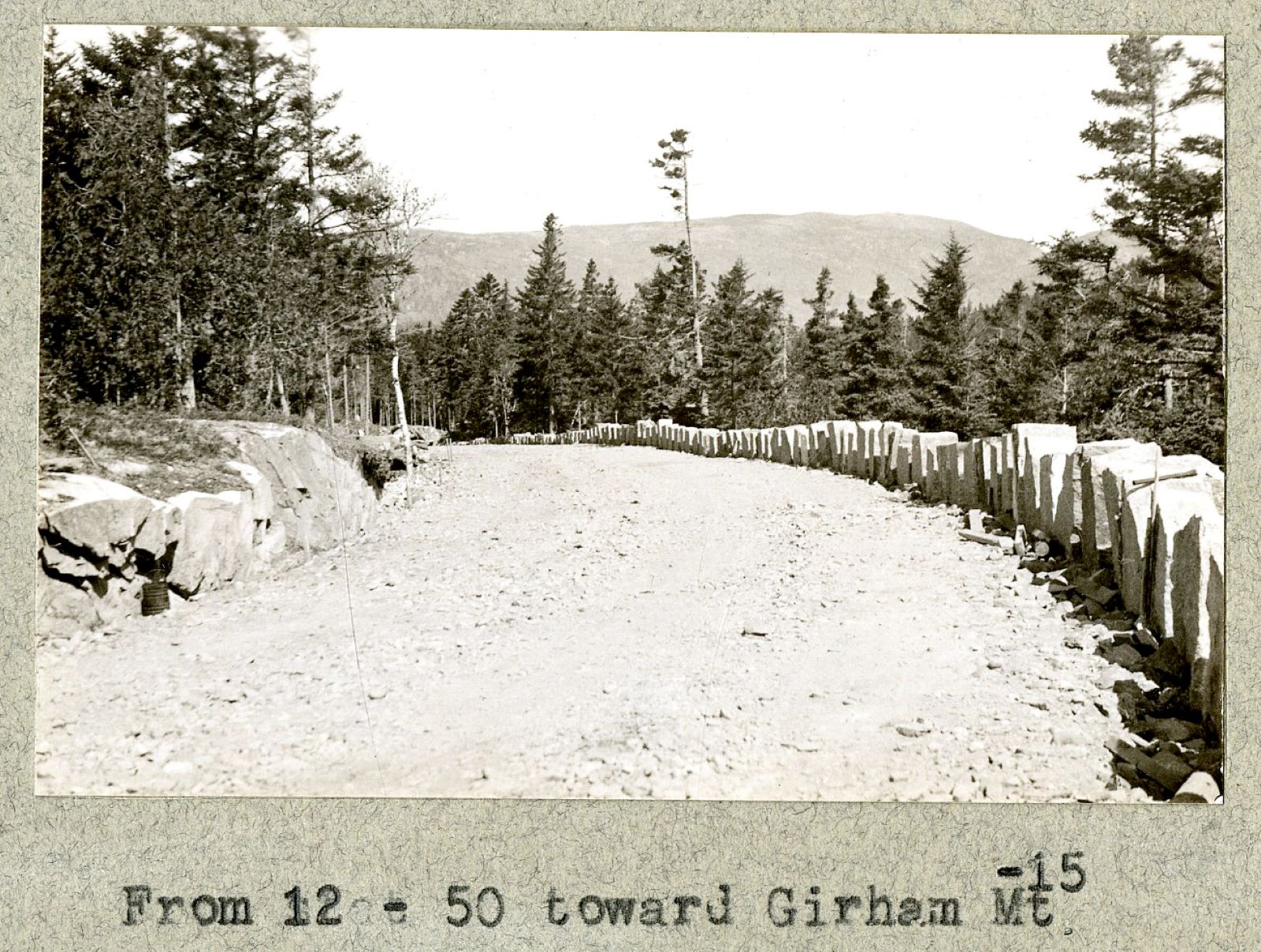
Acadia National Park: Carriage Roads, Cadillac Mountain & 2026 Guide
Discover carriage roads, Cadillac Mountain, and rugged Maine coast. Complete 2026 guide to Acadia National Park — trails, fees, lodging, permits, and what rangers recommend.

Hiking Guide
Grand Canyon Hiking Trails: Day Hikes, Water Sources & Rim to Rim
Compare Grand Canyon hiking trails: Bright Angel, South Kaibab, Hermit, Grandview, and rim to rim, with distances, elevation, water stops, and trailhead access for each.
Best Of
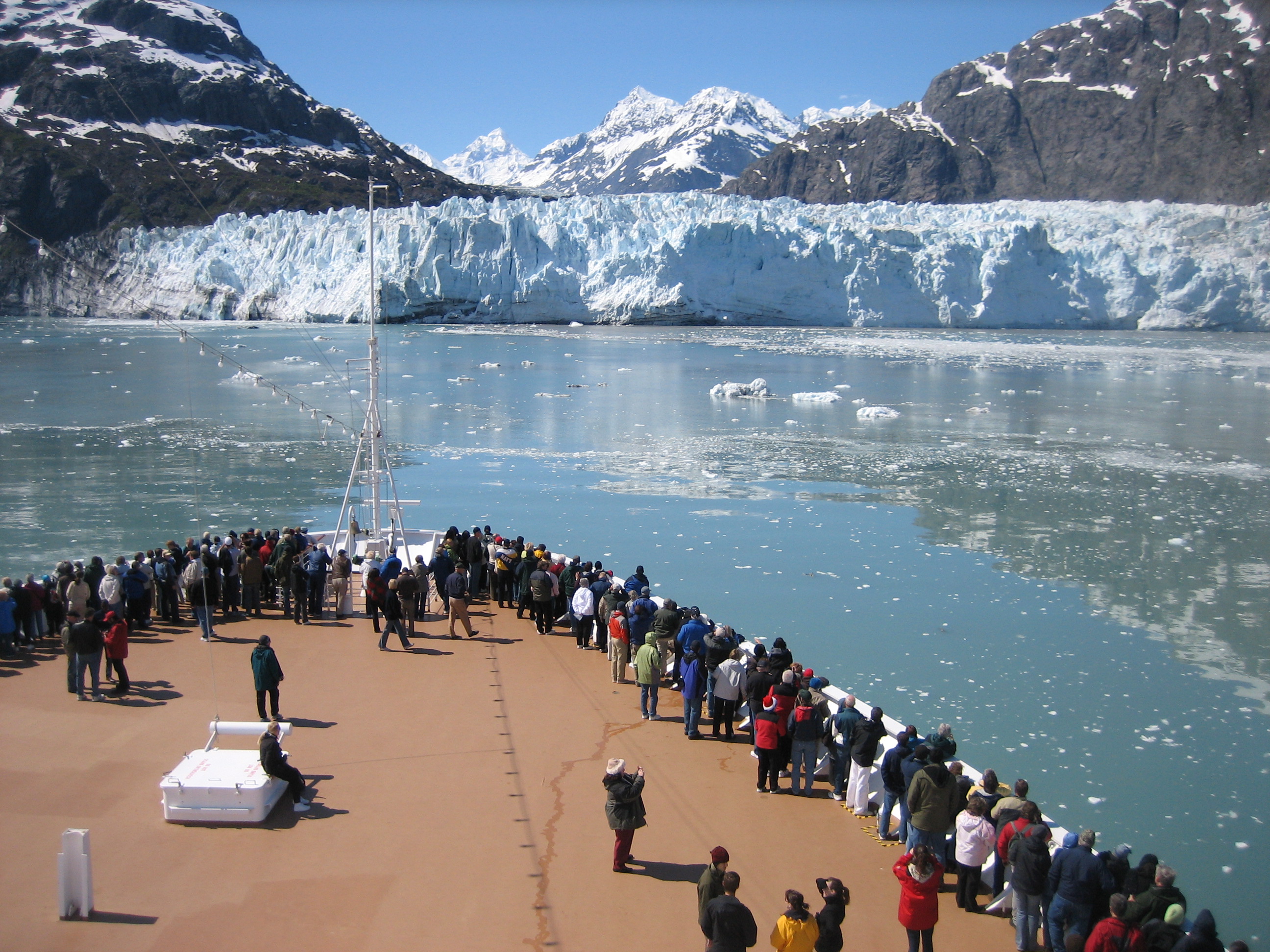
Best of Glacier Bay National Park
The best of Glacier Bay is reached by boat: ranger-led day tours up the bay to the tidewater glaciers. What's worth it, how to book, and when to go (2026).
Campsite Guide
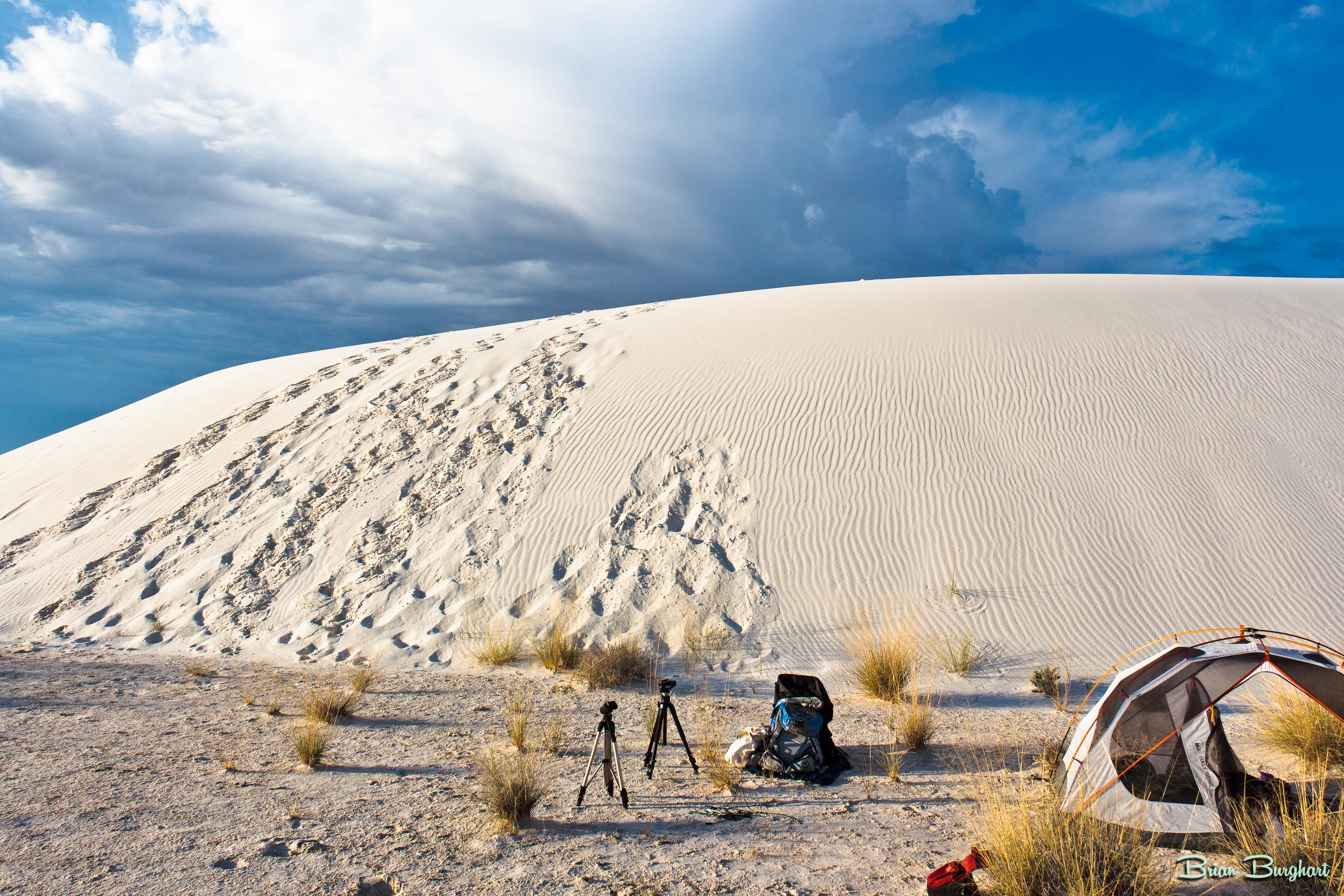
White Sands Backcountry Camping: Closed for 2026 — What to Know
As of 2026, backcountry camping at White Sands National Park is closed for site rehabilitation. What that means, and where to camp nearby instead.
Weather Guide
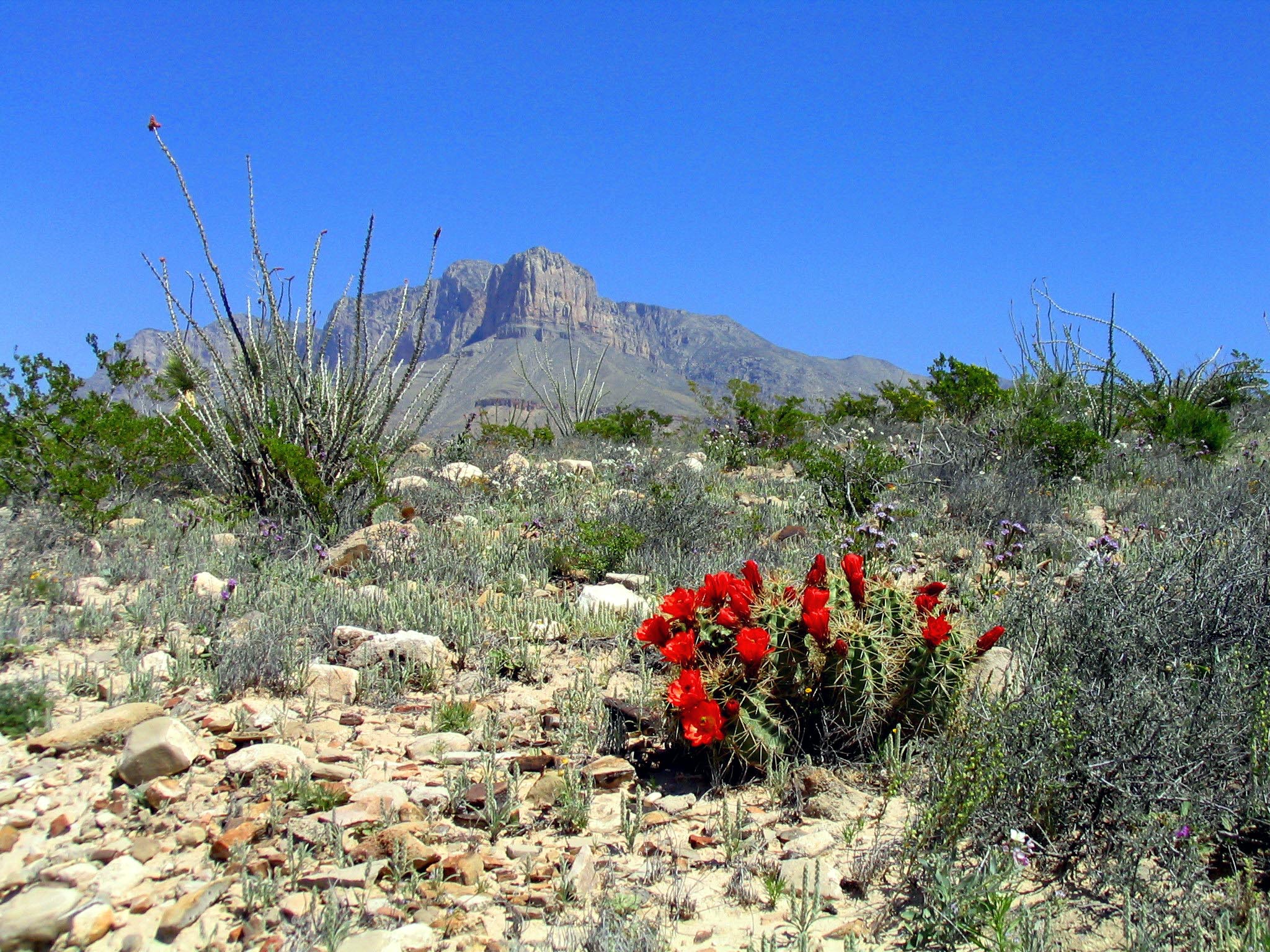
Guadalupe Mountains National Park Weather: Weather
Guadalupe Mountains National Park: weather guide guide updated 2026. Practical visitor information, reservations, and seasonal tips worth bookmarking before

Best Of
Best of Cuyahoga Valley National Park: Best Things to Do
Seeing a Cleveland Orchestra concert with the woods as your backdrop is a uniquely Cuyahoga Valley experience.
Sign in to join the conversation.
Sources & Attribution
Location data courtesy of the National Park Service (U.S. Department of the Interior). NPS data is public domain. Official NPS page.
Images: NPS; NPS; NPS; NPS; NPS.
Map data © OpenStreetMap contributors.
Park operations alerts: NPS.gov · Weather and weather hazards: National Weather Service · Live conditions.
Information may change. Always verify fees, hours, and conditions directly with the official source before visiting.
Did this guide help? Share it with a friend.