Virgin Islands National Park Weather: Weather (2026 Guide)
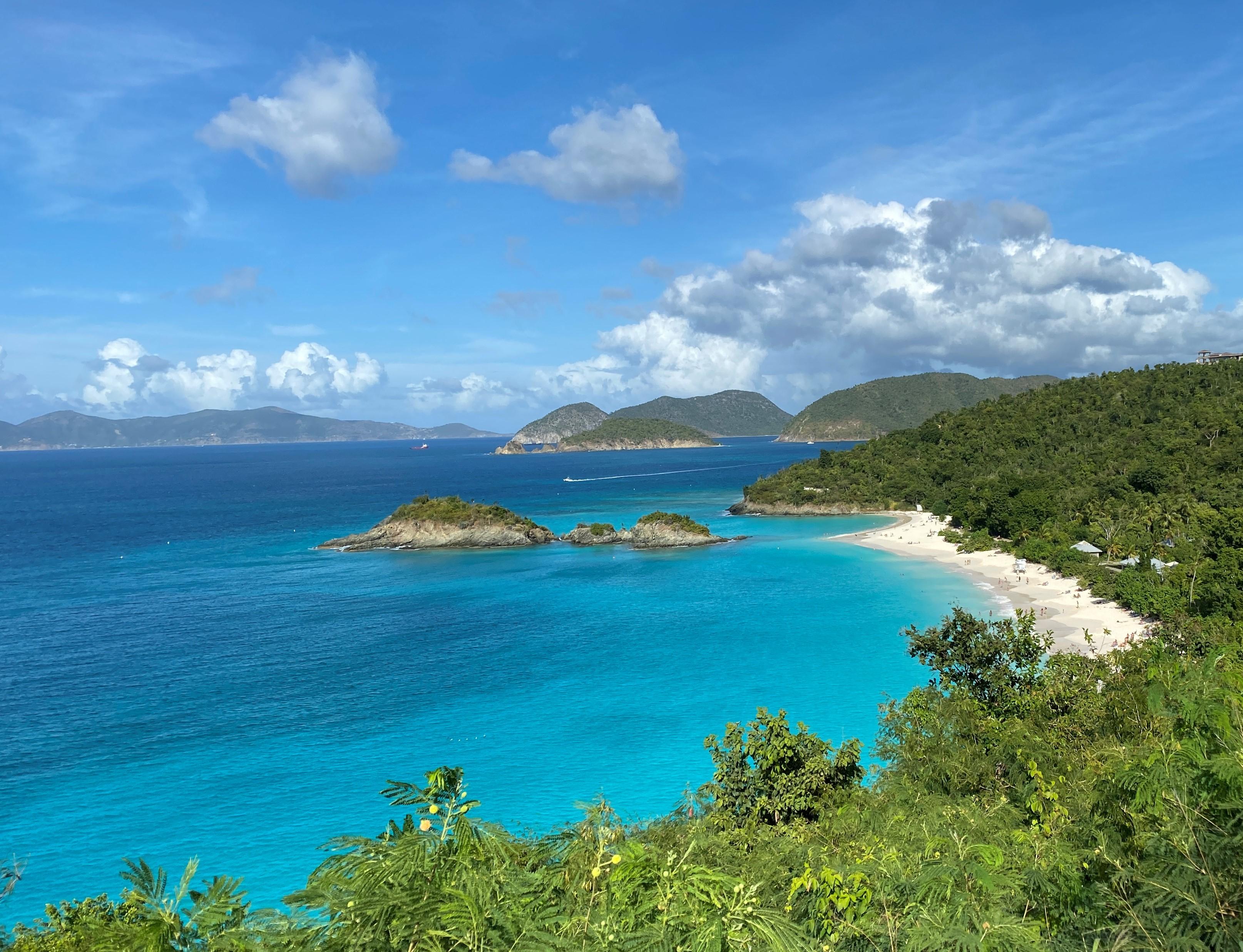
NPS via NPS.gov (Public Domain)
Virgin Islands National Park Weather
7 min read
Weather Guide
Plan your Virgin Islands trip around the trade winds, not just the forecast. Our 2026 guide explains the crucial winter vs. summer weather reality.
The most important thing to understand about Virgin Islands National Park weather is that it's a trade-off, not a guarantee. The forecast will say 85 degrees and sunny, but that misses the entire story. Your experience hinges entirely on the strength and direction of the trade winds, a detail most visitors overlook until they're on a leeward beach wondering why it's so still and hot, or on a windward trail getting sandblasted. The park's official description gets it right: the trade winds dominate everything. Planning your visit means planning around them.
The Weather Reality
Forget seasons as you know them. The park operates on a binary system: the winter trade wind season and the summer rain season. The winter, roughly December through April, brings the strongest and most consistent easterly winds. These keep the humidity down, the mosquitoes at bay, and the rain showers brief and sporadic. They also churn up the ocean, particularly on north-facing shores, which can reduce water clarity for snorkeling and make some beaches rough for swimming.
Summer, from May through November, sees lighter winds and higher humidity. The air feels thicker, and rain showers are more frequent and substantial, often arriving in the afternoon. This is also the Atlantic hurricane season, with peak activity from August to October. The payoff is that the ocean settles down, offering the calmest, clearest waters for snorkeling and diving. Most first-time visitors are caught off guard by how much the wind dictates daily activity - from which beach you choose to which trail you hike.

Month by Month
Rangers at the visitor center will tell you there's no bad month, only mismatched expectations. Here's what to actually expect.
December - February (High Season)
Temperatures range from the mid-70s at night to the low 80s during the day. Precipitation is at its lowest, but brief, intense showers still happen. This is the crowded, expensive, and windy period. All facilities and tours operate. The constant 15-25 knot trade winds make north shore beaches like Trunk Bay choppy; south shore beaches like Salt Pond Bay are more sheltered. Hiking the exposed, rocky trails like the Reef Bay Trail is pleasant, but the wind can be relentless on ridgelines. It's worth it for the reliable weather, but you'll share every vista.
March - April (Shoulder Season)
A sweet spot. Temperatures creep into the mid-80s. The strong winter winds begin to ease slightly, and rain remains infrequent. Crowds start to thin after Easter. Ocean conditions begin to stabilize, offering a better balance for water activities. This is arguably the best time for hiking the park's historic plantation trails, as the foliage is still green from winter rains and the heat isn't yet oppressive.
May - June (Early Summer)
You'll notice the shift. Daytime temperatures sit steadily in the upper 80s, with higher humidity. The trade winds become lighter and more variable. Afternoon rain showers become a regular feature, sometimes lasting an hour. Crowds are low. This is the start of prime snorkeling season - the water is flat and visibility can exceed 100 feet. The flip side is that the jungle interior trails become hotter, more humid, and potentially slick after rain. Mosquitoes become active, especially at dawn and dusk.
July - August (Deep Summer)
Hot, humid, and subject to tropical waves. Expect highs near 90°F with feels-like temperatures higher. Rain is frequent, often in heavy, convective afternoon storms that can flood trails temporarily. This is the quietest time for land-based tourism, but a busy time for boaters. The ocean is a bathtub - warm, calm, and clear. Wildlife viewing picks up; you're more likely to see sea turtles and stingrays in the shallows. Hiking requires an early start and acceptance of getting soaked, either by sweat or rain.
September - October (Hurricane Season Peak)
The most volatile and least crowded period. Humidity peaks. This is the core of the Atlantic hurricane season. While direct hits are rare, the park can experience enhanced rainfall, tropical storm-force winds, and rough seas from passing systems. Many charter boats relocate, and some tour operators may pause services. For the adventurous, it offers the park at its most solitary and lush. You must be flexible, monitor the National Hurricane Center daily, and have a contingency plan. Travel insurance is not a suggestion.
November (Transition)
The hurricane threat diminishes, and the trade winds begin to re-establish. Temperatures drop back into the mid-80s. Rain frequency decreases, but heavy showers can still occur. It's a month of transition, often with a mix of calm, clear days and brief, blustery squalls. Crowds remain light until Thanksgiving. It's a good compromise month for visitors seeking decent weather without the high-season price tag or crowds.

Best Times for Specific Activities
Your ideal month depends entirely on what you want to do.
For Snorkeling & Diving: Aim for May through July. The water is at its calmest and clearest. September and October can also offer phenomenal visibility if a storm hasn't recently passed, but it's a gamble.
For Hiking & Historic Sites: Choose February through April. The trade winds keep you cooler on exposed trails, rainfall is minimal, and the ruins and petroglyphs along trails like the Reef Bay Trail are easiest to access without muddy, overgrown paths.
For Wildlife Viewing:
* Sea Turtles: Most reliably seen year-round, but your best chance for calm, clear viewing in seagrass beds (like at Maho Bay) is in the summer months.
* Birdwatching: Migratory birds pass through in spring (April-May) and fall (September-October). Resident species like the bananaquit and hummingbirds are active year-round.
* Stargazing: Excellent year-round due to low light pollution. The clearest, driest skies are from December to April. The park occasionally offers night sky programs; check the schedule at the visitor center.
For Avoiding Crowds: September and October are your only bet for true solitude, but you accept significant weather risk. Late April, May, and early November offer lighter crowds with more reliable conditions.

What to Pack by Season
The standard Caribbean packing list fails here. You need to prepare for microclimates.
December - April (Windy Season):
* A windbreaker or light shell is essential. That breeze is cooler than you think, especially on a ferry or after snorkeling.
* Secure hat. A floppy brim won't last five minutes on a boat or a windward point.
* Rash guard or wetsuit top for snorkeling. The wind on wet skin gets cold.
* Hiking shoes with grip. Trails are dry but often covered in loose, wind-blown gravel and smooth rock.
May - November (Rainy/Hurricane Season):
* Quick-dry everything. You will be wet from either rain, sweat, or the ocean multiple times a day.
* Waterproof bag for your phone, wallet, and rental car keys.
* Sturdy, water-friendly sandals (like Keens) for hiking slippery, muddy trails and stream crossings.
* Insect repellent. The mosquitoes in the forested areas are no joke when the wind drops.
* A small, packable umbrella is more useful than a poncho in the humid heat.
Year-Round Non-Negotiables:
* Reef-safe sunscreen. The sun is intense, even on cloudy days.
* More water than you think. There are very few places to fill up on trail. Hydration is a constant effort.
* A printed map or downloaded offline map. Cell service is notoriously spotty across most of St. John.

What the Forecast Doesn't Tell You
- "Sunny" means UV index of 11+. The sun here is brutal. A 30-minute hike without sun protection will result in a burn, even in winter.
- Rain is rarely an all-day event. A forecast showing 60% chance of rain typically means a vigorous, 20-45 minute afternoon shower. Plan activities for morning, be prepared to wait it out, and then enjoy the refreshed, steamy landscape.
- Wind dictates water clarity. After 3-4 days of strong easterly winds, the north shore beaches will be churned up and cloudy. Check with a local dive shop or ranger for which bays are clear that day.
- Trail conditions change fast. As the current alert states, rain makes trails "slick and overgrown." A trail cleared last week can be a muddy, vine-covered slip-and-slide after a few downpours. That "moderate" hike can become challenging.
- The ferry ride is part of the weather. The stretch between Red Hook and Cruz Bay can be surprisingly rough in winter swells. If you're prone to seasickness, take medication before boarding.
- Microclimates are real. It can be windy and dry at Cinnamon Bay, and simultaneously still and raining at Reef Bay. Don't let weather in one zone dictate your entire day.
Practical Takeaways
- Chase the lee. If it's windy, seek south-shore beaches. If it's still and hot, the north-shore beaches will have a breeze.
- Start early, always. Beat the heat, beat the crowds, and beat the afternoon rain by being on trail or in the water by 8:30 AM.
- Hurricane season is a calculated risk. If you visit between August and October, book refundable lodging and flights, purchase travel insurance, and mentally prepare to spend a day or two indoors.
- Your feet will get wet. Whether from a stream crossing, a rain shower, or wading to a snorkel spot, waterproof your essentials and wear appropriate footwear.
- The visitor center is your first stop. Not just for maps, but for the latest on trail conditions, which reefs are clear, and any weather advisories. Their local knowledge is invaluable.
- Respect marine alerts. As of 2026, the buoys at Johnson's Reef are off-station. This is a specific hazard for boaters. Always check for current alerts before any marine activity.
- Adjust your expectations for the trade winds. They are the defining feature of Virgin Islands National Park weather. A calm day in summer feels different than a calm day in winter. Plan your activities around them, not in spite of them.
For more details on navigating the park beyond the forecast, see our complete visitor guide. To plan your land-based adventures, explore the hiking trails guide. And if you're considering an overnight stay under the stars, review the camping options available.
For more information, see our complete National Park Guide.
Related: virgin islands national park guide
Related: virgin islands national park lodges guide
Sources
- Official source: NPS — Virgin Islands National Park nps.gov/viis/index.htm
Photo Gallery
More to Explore
Park Guide
Acadia National Park: Carriage Roads, Cadillac Mountain & 2026 Guide
Discover carriage roads, Cadillac Mountain, and rugged Maine coast. Complete 2026 guide to Acadia National Park — trails, fees, lodging, permits, and what rangers recommend.
Hiking Guide
Grand Canyon Hiking Trails: Day Hikes, Water Sources & Rim to Rim
Compare Grand Canyon hiking trails: Bright Angel, South Kaibab, Hermit, Grandview, and rim to rim, with distances, elevation, water stops, and trailhead access for each.
Best Of
Best of Glacier Bay National Park
The best of Glacier Bay is reached by boat: ranger-led day tours up the bay to the tidewater glaciers. What's worth it, how to book, and when to go (2026).
Campsite Guide
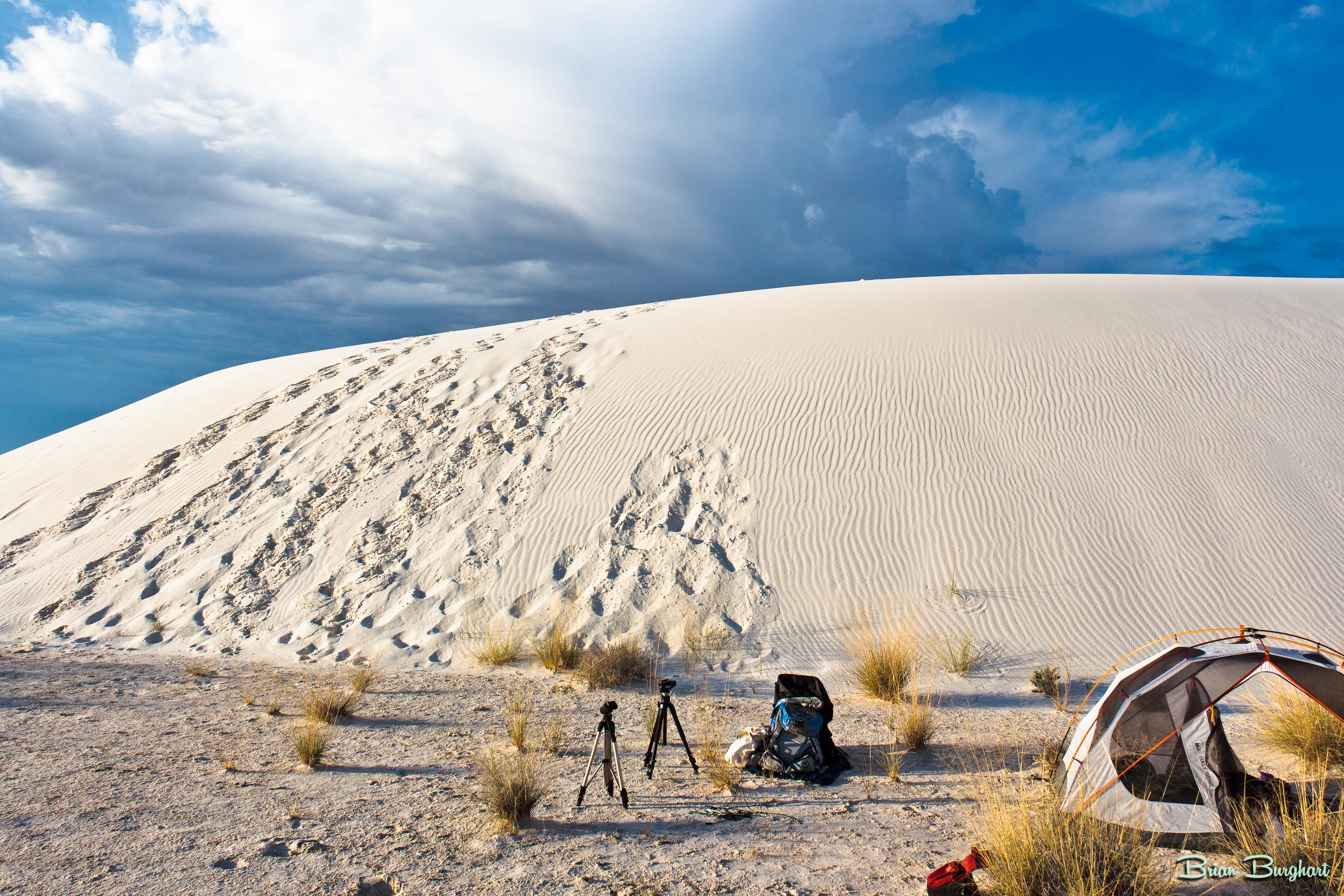
White Sands Backcountry Camping: Closed for 2026 — What to Know
As of 2026, backcountry camping at White Sands National Park is closed for site rehabilitation. What that means, and where to camp nearby instead.
Weather Guide
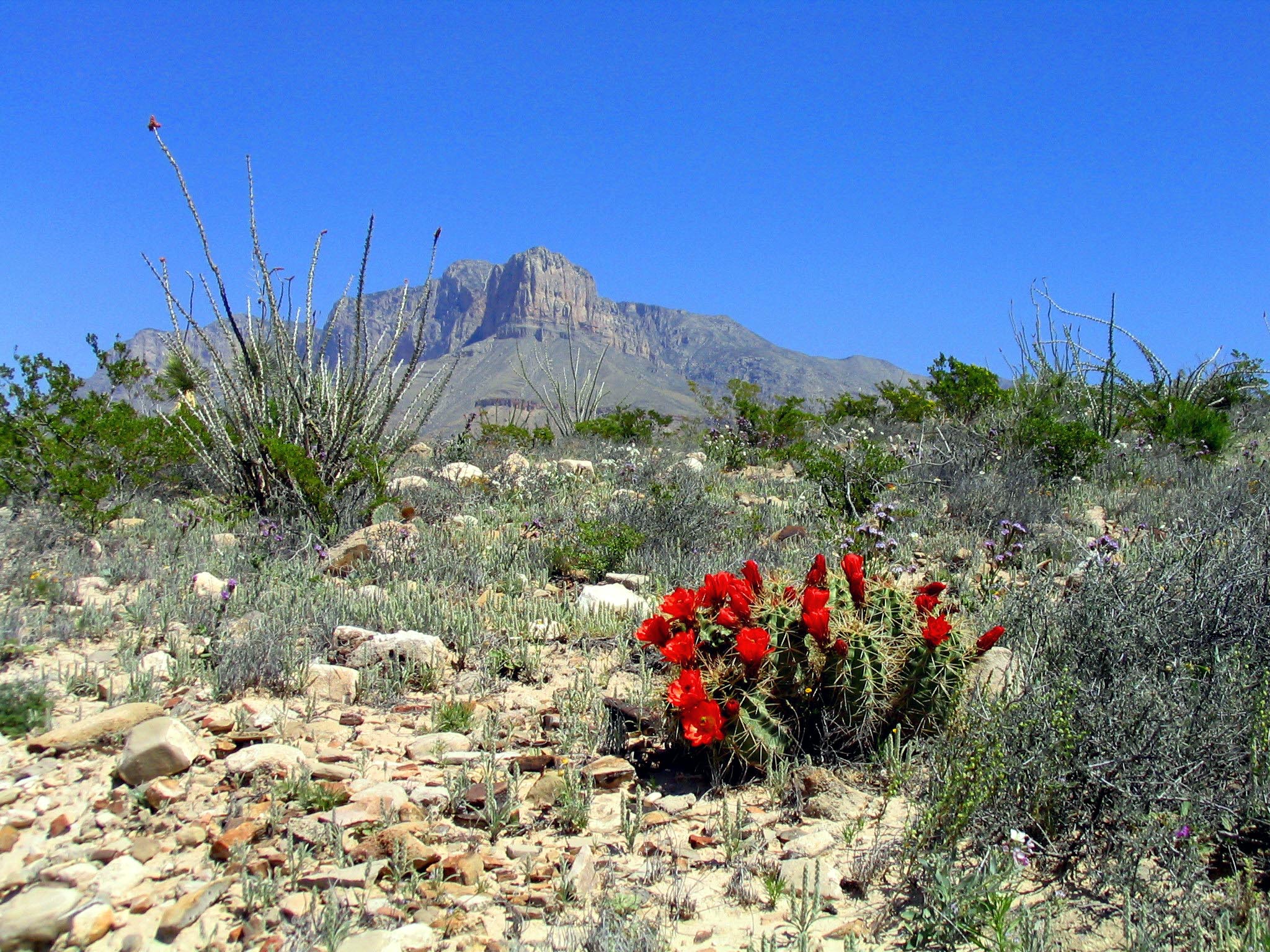
Guadalupe Mountains National Park Weather: Weather
Guadalupe Mountains National Park: weather guide guide updated 2026. Practical visitor information, reservations, and seasonal tips worth bookmarking before

Best Of
Best of Cuyahoga Valley National Park: Best Things to Do
Seeing a Cleveland Orchestra concert with the woods as your backdrop is a uniquely Cuyahoga Valley experience.
Sign in to join the conversation.
Sources & Attribution
Location data courtesy of the National Park Service (U.S. Department of the Interior). NPS data is public domain. Official NPS page.
Images: NPS; NPS; NPS; NPS; NPS.
Map data © OpenStreetMap contributors.
Park operations alerts: NPS.gov · Weather and weather hazards: National Weather Service · Live conditions.
Information may change. Always verify fees, hours, and conditions directly with the official source before visiting.
Did this guide help? Share it with a friend.