The single campground at Virgin Islands National Park - operated by a concessionaire under NPS permit - has a reservation window that opens 365 days in advance on Recreation.gov. During peak season (roughly December through April), sites are booked solid within hours of release. As of 2026, there are no first-come, first-served walk-in sites. If you want to camp here, you plan ahead or you don't camp. That's the reality.
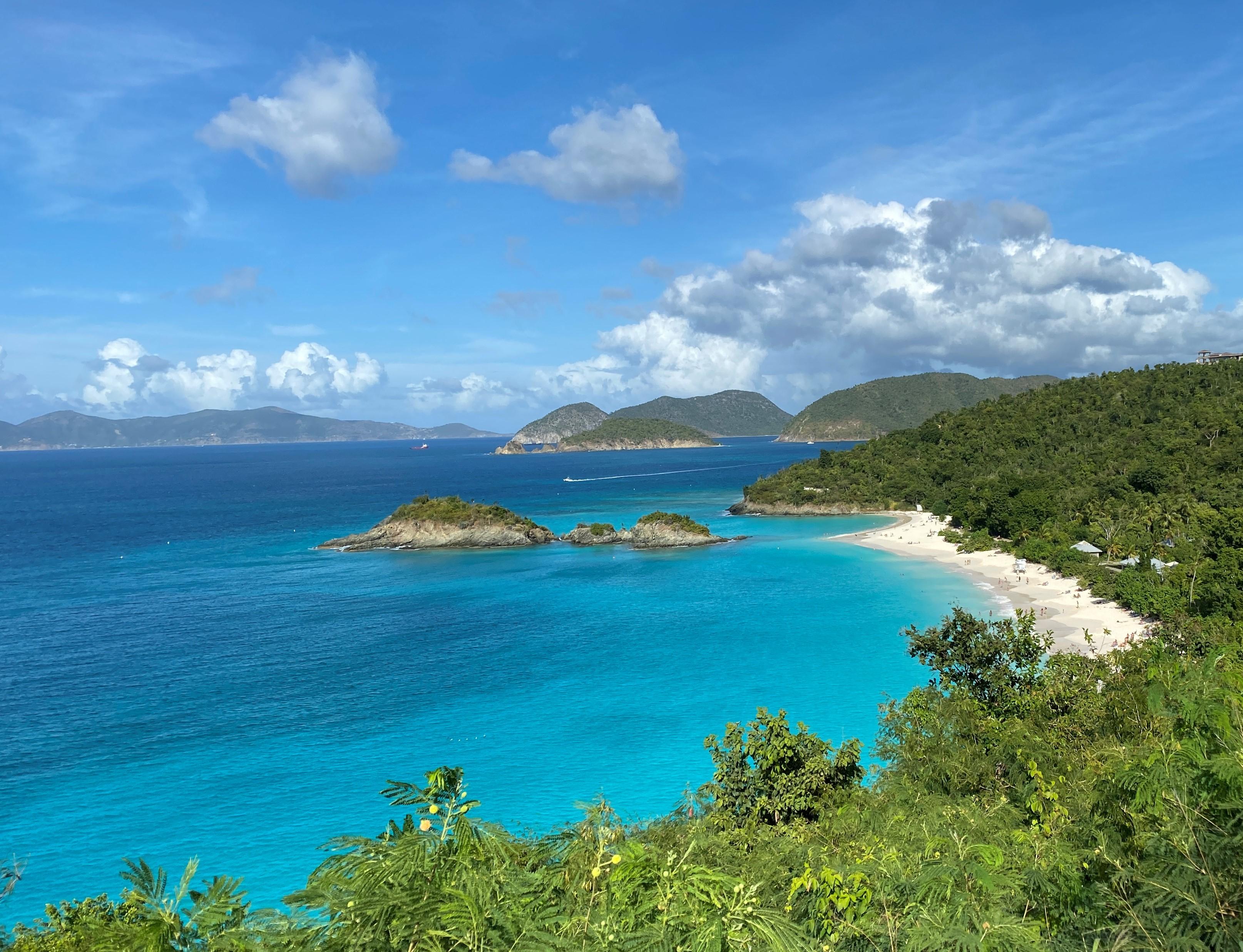
NPS via NPS.gov (Public Domain)
Virgin Islands National Park Camping: How to Virgin Islands
8 min read
Camping Guide
Book 365 days ahead on Recreation.gov: Cinnamon Bay is the only campground in Virgin Islands National Park, and peak-season sites sell out within hours of release.
Your plans
This article contains affiliate links — we may earn a small commission at no extra cost to you.
Understanding how to plan a how to virgin islands camping trip starts with accepting that this isn't a roll-up-and-hope park. Book first, then build the rest of the itinerary around that reservation.
The Booking Reality
Campsites at Virgin Islands National Park are limited to one developed campground: Cinnamon Bay. It sits along the north shore of St. John, roughly two miles east of Cruz Bay. The campground is run by a private concessionaire that has operated under NPS oversight for decades. All bookings go through Recreation.gov, not a separate vendor site.
Reservations open 365 days ahead at 8:00 AM Eastern Time. For a February stay, that means booking in February of the previous year. Sites for Christmas and spring break often sell out within the first 15 minutes. If you miss the initial release, cancellations do happen - check Recreation.gov daily in the 30-day window before your target dates. Yield-management cancellations (where people release larger blocks) tend to appear 3-4 weeks out.
The campground closes for part of the off-season annually for maintenance. Historically, the closure runs from mid-August through early October. Confirm exact dates on the NPS website before booking.
Cinnamon Bay has a mix of tent sites, platform tents (pre-set tents with cots and floor), and a few eco-tents. No RV hookups exist on St. John. RVs are not recommended - the narrow, winding roads and lack of dump stations make them impractical. This is a tent-and-cabin destination.

Campground at a Glance
| Feature | Detail |
|---|---|
| Campground name | Cinnamon Bay Campground |
| Total sites | Approximately 60 (tent, platform tent, eco-tent) |
| Reservation system | Recreation.gov, 365-day rolling window |
| Walk-in availability | None as of 2026 |
| Typical season | Year-round except maintenance closure (Aug-Oct) |
| Fees per night | Check Recreation.gov for current rates; vary by site type |
| Elevation | Sea level (beachfront) |
| Hookups | None (tent camping only) |
| Nearest services | Cruz Bay (groceries, restaurants, gear rentals) - 2 miles east |

Cinnamon Bay Campground: Complete Guide
Setting and Atmosphere
You camp on a narrow strip of land between a white-sand beach and a hillside of second-growth tropical forest. The sound is constant: surf breaking on the beach during the day, tree frogs and land crabs clicking after dark. There is no artificial light pollution - stars show well on moonless nights. The trade winds blow reliably from the east, keeping the air moving and the mosquitoes manageable.
The campground is divided into a front row (closest to the beach) and interior loops set back under the tree canopy. The front row sites are more exposed to wind and sun but have the best access to the water. Interior sites stay cooler and have more privacy from the beach traffic, though they can feel stuffy on still nights.
Loop by Loop Breakdown
Beachfront Loop (Sites 1-10): Direct sightline to the water. These sites are the first to book. They get full sun from mid-morning through sunset. Good for sunbathers and people who want to step onto the sand in 20 seconds. Not good for anyone who wants shade or quiet after dark - the beach attracts evening strollers.
Palmetto Loop (Sites 11-30): Set back 50-100 feet behind vegetation. Partial shade from sea grape and palm trees. Moderate privacy between sites. This is the best compromise between beach access and shade. Sites on the outer edge of the loop (17, 18, 19) have slightly more space between neighbors.
Interior Loop (Sites 31-60): Deep under the forest canopy. Dense shade, damp ground, and more bugs. These sites are the last to book. They offer the best solitude but require a 5-minute walk to the beach. Bring a flashlight - the loop gets pitch black by 7 PM. Sites 41-45 are the most private, tucked away from the main path.
Specific Site Recommendations
- Best for families with kids: Site 22. Flat, close to the bathhouse, and within easy view of the beach from the picnic table.
- Best for solitude: Site 44. End of the interior loop, backed by a small ridge of palmetto scrub. You won't see neighbors except when walking past.
- Best for wind and cool breezes: Site 7. Beachfront, fully open. The trade winds hit this site directly. On hot nights, it's noticeably cooler than the interior.
- Avoid: Sites 35-38. These are the closest to the bathhouse and suffer from foot traffic noise and bathhouse lights that stay on all night.
Facilities Detail
Restrooms: Flush toilets and cold-water showers in a central building near the Palmetto Loop. The showers are saltwater-pumped (not freshwater), but a rinse after swimming is all you need. Vault toilets exist at the interior loop - functional but less pleasant.
Potable water: Two spigots, one near the entrance station and one by the bathhouse. Fill your containers at these points. The water is safe to drink. There is no potable water at individual sites.
Kitchen shelters: None. Each site has a picnic table and a charcoal grill. You cook at your site. The grill grates are cleaned irregularly; bring your own grate or a camp stove.
Dump station: None. Pack out all trash. There is a dumpster at the entrance for bagged trash, but no gray water dump.
What the Booking Site Doesn't Show
- Noise levels: The beachfront loop gets chatter from day visitors until sunset. The interior loop is quiet but has tree frogs that call in waves all night. Light sleepers should bring earplugs.
- Road surface: The access road from North Shore Road is paved but narrow - single-lane with pullouts. The campground roads are packed sand and gravel, fine for passenger cars but not low-clearance sports cars.
- Mongoose activity: Mongooses roam the campground at night. Secure all food in the provided lockers (not in your tent). They can chew through soft-sided coolers.
- Generator hours: Generators are not permitted. The park is off-grid; Cinnamon Bay relies on solar and generator backup for the bathhouse only. No personal generators.

Reservation Strategy
The 365-day window opens at 8:00 AM Eastern. Set a calendar reminder. Be logged into Recreation.gov at least 10 minutes early, and have your payment method ready. For peak dates (Presidents Day week, spring break, Christmas), have a backup date range in mind.
Cancellation monitoring: People cancel 3-4 weeks out because weather forecasts solidify. Use Recreation.gov's "Notify Me" feature if they have it. Otherwise, check daily in the morning - cancellations often drop overnight.
Group sites: Cinnamon Bay offers one group tent area for up to 20 people. It books even faster than individual sites. To secure it, you typically need to call the concessionaire directly (number on the NPS website). The group area is on the interior loop, farthest from the beach.
Walk-in update: As of 2026, no walk-in sites exist. Park staff confirmed that all spaces are reservation-only. Do not assume you can show up and find a spot.

What to Know Before You Arrive
Food storage: Hard-sided lockers are provided at each site. Use them. Mongooses are clever and persistent. The park also has feral chickens and hermit crabs that will investigate unsecured food. Store all food, toiletries, and scented items in the locker.
Fire restrictions: Charcoal grills are allowed. Open wood fires are not permitted anywhere on the island due to wildfire risk. Bring a charcoal chimney starter - lighter fluid is available in Cruz Bay but pricey.
Quiet hours: Official quiet hours are 10 PM to 6 AM. Enforcement is relaxed on the interior loop but strict at beachfront sites. Rangers will remind loud groups once; a second complaint can result in being asked to leave.
Cell service: Cell service drops out at the campground. There is intermittent signal at the beach near the water's edge (a quirk of line-of-sight to towers on St. Thomas). Plan to be offline. The visitor center in Cruz Bay has Wi-Fi if you need to check in.
Water situation: Potable water is available at the two spigots. Do not drink from streams or the shore pump. Fill up each morning - the spigots can have long lines between 8 AM and 10 AM.
Checkout time: 10 AM sharp. The site needs turnover for incoming campers. Late checkout may incur a half-day fee. Pack up the night before if you plan an early hike.
Hurricane season: June through November. If a hurricane warning is issued for St. John, the park closes and all campers must evacuate. The concessionaire provides refunds for reserved nights lost to mandatory evacuation. Check the National Hurricane Center and NPS park alerts before departing.
What to pack that you might not expect:
- Flashlight or headlamp (no camp lights provided)
- Cash (Cruz Bay ATMs are unreliable)
- Reef-safe sunscreen (required by law in the Virgin Islands)
- Extra stakes (sand anchors if beachfront; standard stakes for interior)
- Dry bag for phone and keys (rain squalls are sudden even in dry season)
Practical Takeaways
- Reserve exactly 365 days ahead on Recreation.gov. Miss that window and you're gambling on cancellations.
- Cinnamon Bay is the only developed campground on St. John. There is no dispersed camping or backcountry camping in the park.
- The beachfront loop sells out first. Book interior if beachfront is unavailable - you'll be 5 minutes from the water and have more shade.
- Bring a camp stove or charcoal. No open fires. The grill grates are hit-or-miss.
- Store food in the provided locker every night. Mongooses will chew through anything else.
- Pack earplugs if you're a light sleeper. Tree frogs and surf create a constant soundscape.
- The park is always open, but the visitor center is closed weekends and holidays. If you have questions, call ahead.
- No alcohol is sold on the campground, but you can bring your own. Drink responsibly - rangers enforce quiet hours.
- For complete trip planning beyond camping, see our complete visitor guide. For day hikes from the campground, check our hiking trails guide.
- If camping isn't your style, look into lodging and accommodations on St. John - resort and villa options are available, but they book even earlier than the campground.
Camping at Virgin Islands National Park requires forethought, but the payoff is unmatched: you wake up on a beach in a national park with only the sound of the trade winds and the reef breaking offshore. Plan shrewdly, and you'll have a spot.
Recommended Gear
What experienced visitors bring to Virgin Islands National Park Camping: How to Virgin Islands
Links may earn us a commission at no extra cost to you. We only recommend gear we believe in.
Hiking Essentials
Hydration Pack (3L)
Hands-free water for long trail days
Trekking Poles (Pair)
Save your knees on steep descents
Hiking Boots (Ankle Support)
Sturdy footwear for rocky, uneven trails
Sun & Heat Protection
Wide-Brim Sun Hat
Full coverage UPF 50+ protection at altitude
Insulated Water Bottle (32oz)
Keeps water cold in desert heat all day
Winter Gear
Microspikes / Traction Devices
Essential for icy rim trails in winter months
Packable Down Jacket
Lightweight warmth that stuffs into a pocket
Sources
- Official source: NPS — Virgin Islands National Park nps.gov/viis/index.htm
Photo Gallery
More to Explore
Park Guide
Acadia National Park: Carriage Roads, Cadillac Mountain & 2026 Guide
Discover carriage roads, Cadillac Mountain, and rugged Maine coast. Complete 2026 guide to Acadia National Park — trails, fees, lodging, permits, and what rangers recommend.
Hiking Guide
Grand Canyon Hiking Trails: Day Hikes, Water Sources & Rim to Rim
Compare Grand Canyon hiking trails: Bright Angel, South Kaibab, Hermit, Grandview, and rim to rim, with distances, elevation, water stops, and trailhead access for each.
Best Of
Best of Glacier Bay National Park
The best of Glacier Bay is reached by boat: ranger-led day tours up the bay to the tidewater glaciers. What's worth it, how to book, and when to go (2026).
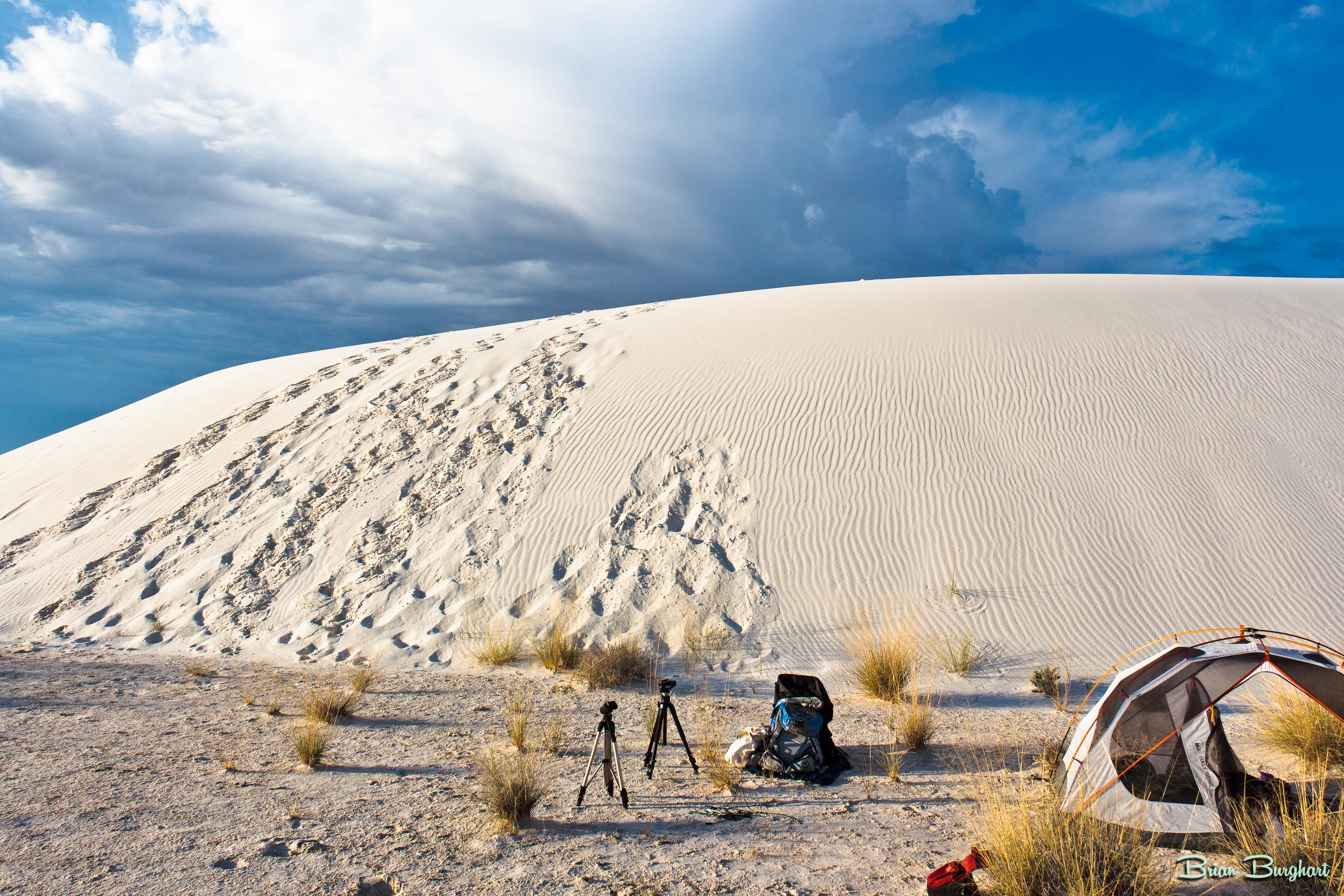
Campsite Guide
White Sands Backcountry Camping: Closed for 2026 — What to Know
As of 2026, backcountry camping at White Sands National Park is closed for site rehabilitation. What that means, and where to camp nearby instead.
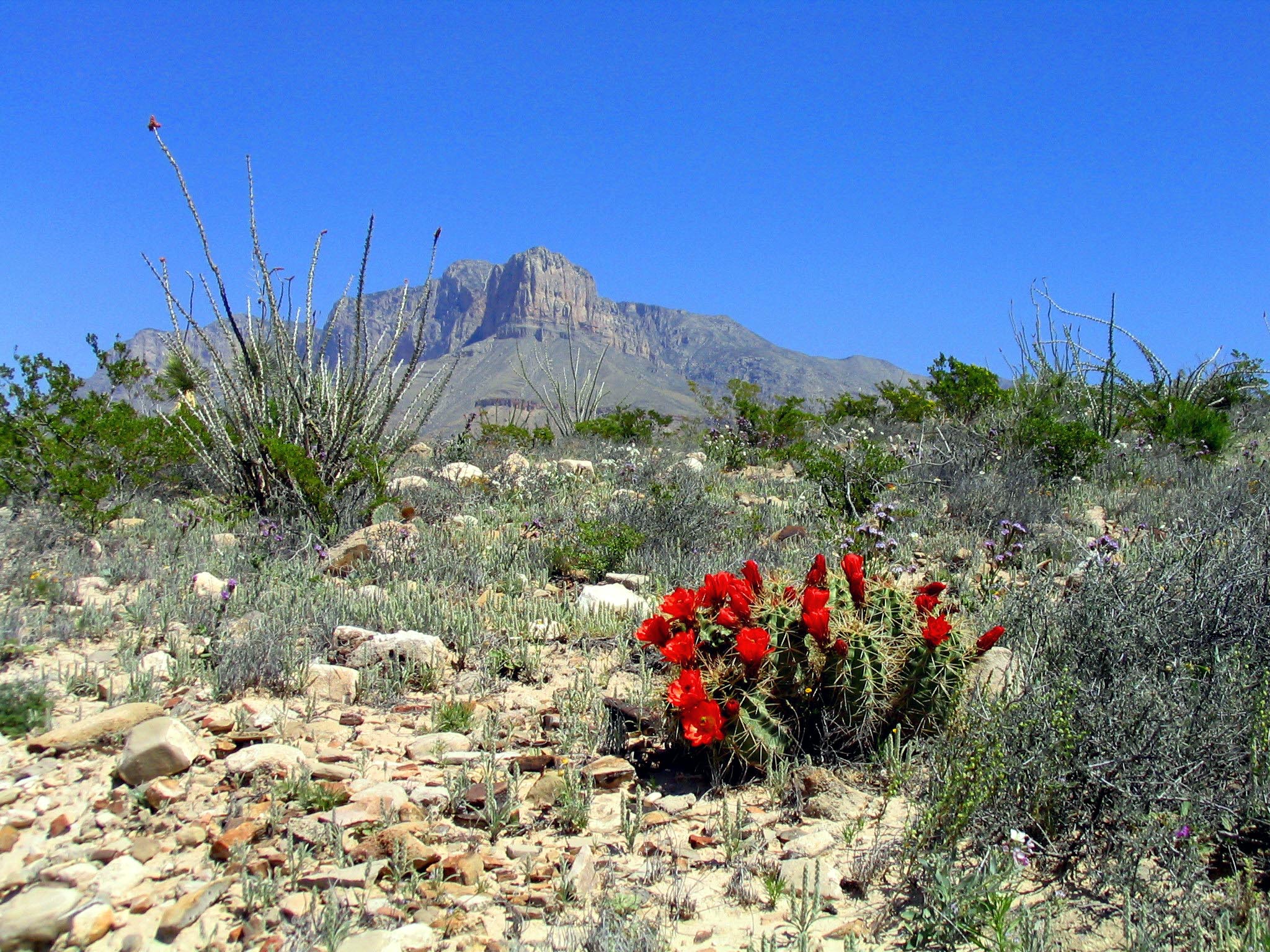
Weather Guide
Guadalupe Mountains National Park Weather: Weather
Guadalupe Mountains National Park: weather guide guide updated 2026. Practical visitor information, reservations, and seasonal tips worth bookmarking before
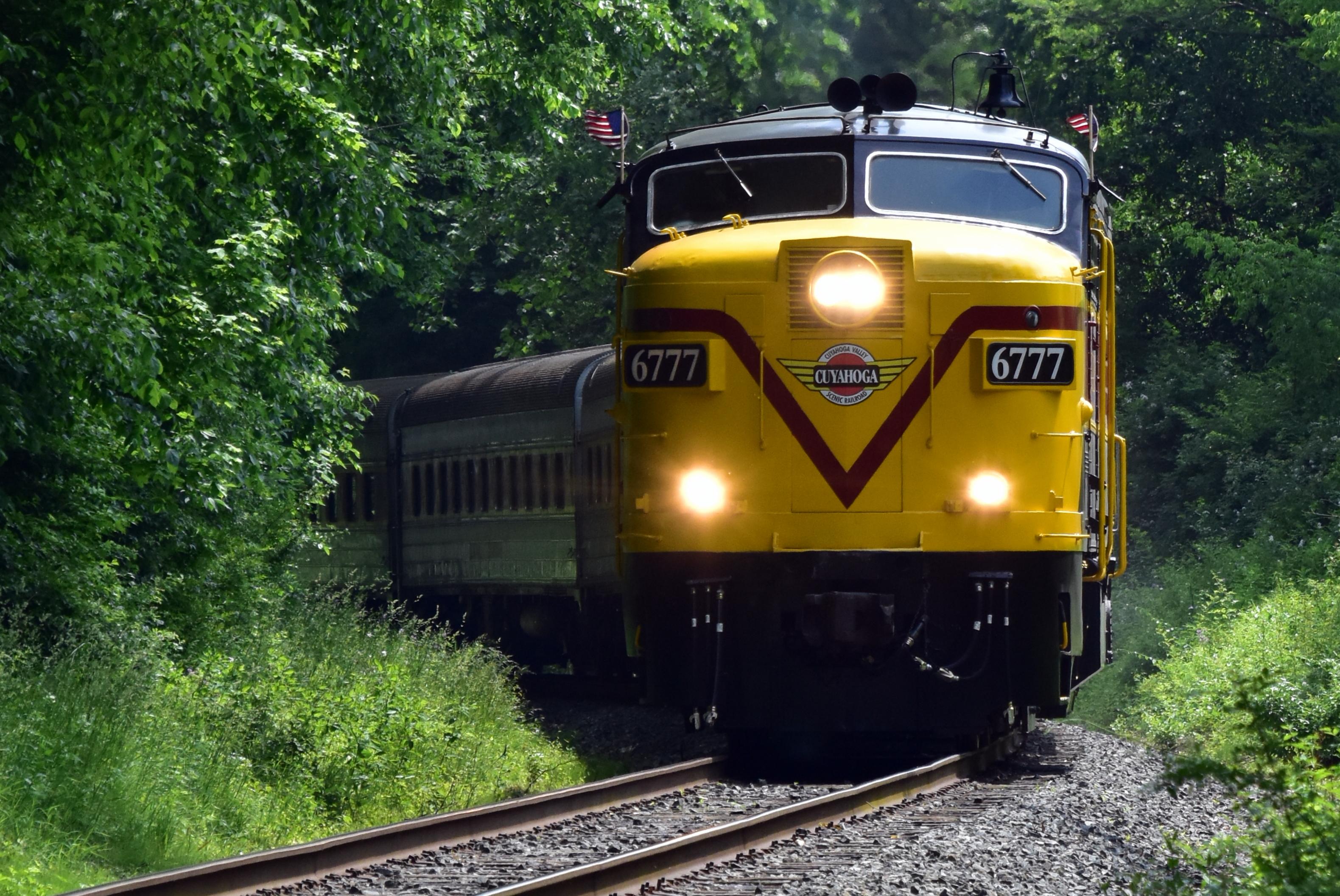
Best Of
Best of Cuyahoga Valley National Park: Best Things to Do
Seeing a Cleveland Orchestra concert with the woods as your backdrop is a uniquely Cuyahoga Valley experience.
Sign in to join the conversation.
Sources & Attribution
Location data courtesy of the National Park Service (U.S. Department of the Interior). NPS data is public domain. Official NPS page.
Images: NPS; NPS; NPS; NPS; NPS.
Map data © OpenStreetMap contributors.
Park operations alerts: NPS.gov · Weather and weather hazards: National Weather Service · Live conditions.
Information may change. Always verify fees, hours, and conditions directly with the official source before visiting.
Did this guide help? Share it with a friend.