The temperature drops about ten degrees as you climb Skyline Drive, and the last of the city's light pollution fades in your rearview mirror. By the time you pull into a parking lot, the only sounds are the wind in the pines and the crunch of gravel underfoot. You look up. The Milky Way isn't a faint smudge here - it's a dense, granular river of stars, sharp enough to make you catch your breath. This is the payoff for a 75-mile drive from Washington, D.C. Finding the best places to stargaze in Shenandoah National Park isn't about luck; it's about knowing where to go and when to be there.
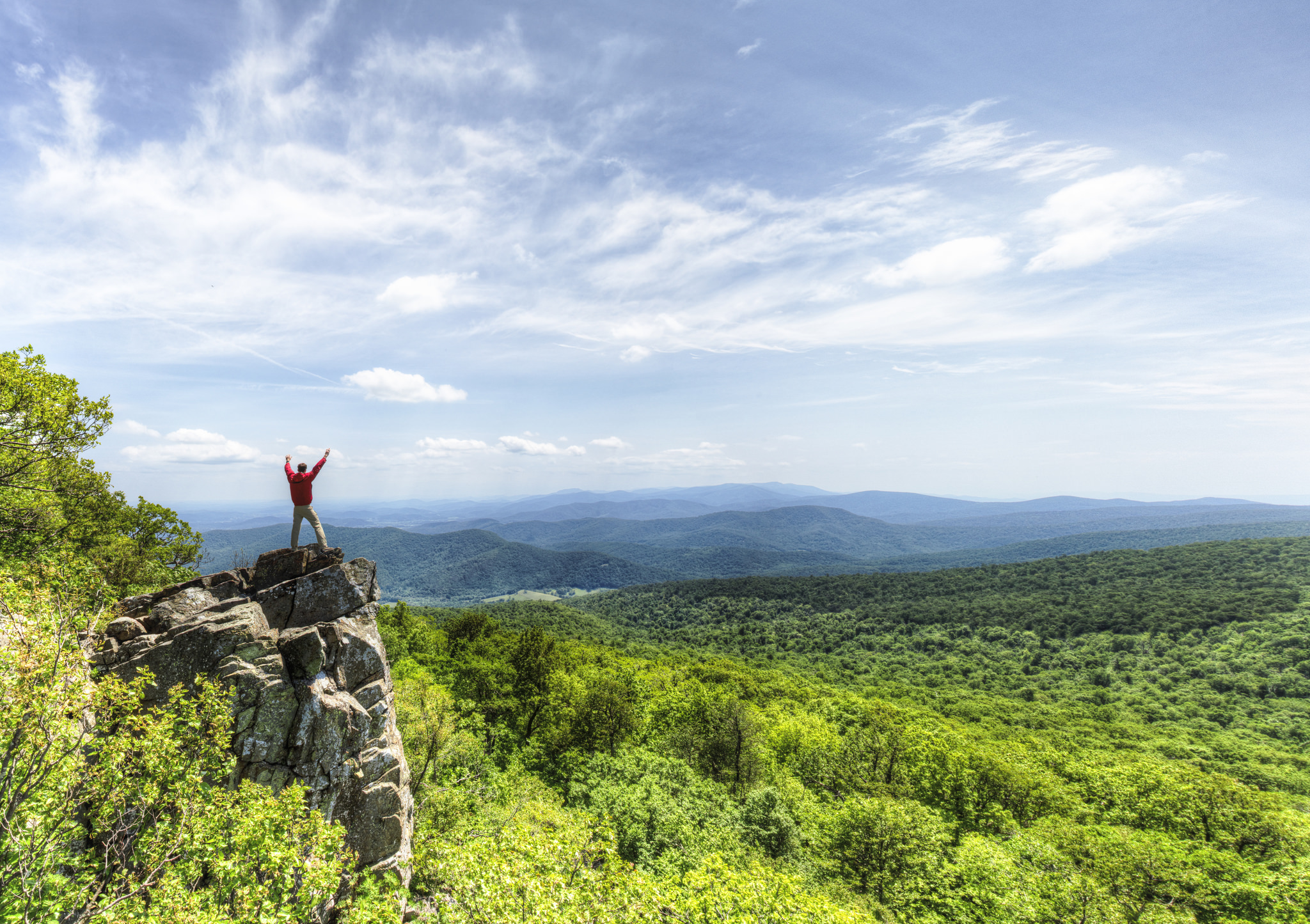
NPS via NPS.gov (Public Domain)
Best of Shenandoah: Skyline Drive, Dark Hollow Falls & Stargazing
9 min read
Best Of
Stargaze at Big Meadows (Skyline Drive mile 51) on a moonless weeknight. Arrive by 8:30 PM; about 75 miles from Washington, D.C.
This article contains affiliate links — we may earn a small commission at no extra cost to you.
This guide cuts through the noise. It's not a comprehensive park overview - you can find that in our complete visitor guide. This is a curated list of where to point your eyes skyward for maximum impact with minimal hassle. We'll rank the spots, tell you what most people get wrong, and give you the practical details rangers wish everyone knew.
If You Only Have One Night
Your single best bet is a clear, moonless weeknight. Aim to arrive at the Front Royal entrance (mile 0) by 8:30 PM in summer, earlier in fall. Drive south on Skyline Drive with your headlights on low beam. The one decision that derails most stargazing trips is stopping at the first overlook. Don't. The northern section has more tree cover and valley light interference.
Your target is the central district, between mile 40 and 65. Drive directly to the Big Meadows area (mile 51). Pull into the large meadow itself or the adjacent picnic grounds. Rangers often host evening astronomy programs at the Big Meadows amphitheater - check the posted schedules. Spread a blanket on the grass, let your eyes adjust for 20 minutes, and look toward the zenith. You'll see Cygnus and Lyra overhead, with the summer Milky Way arcing from southwest to northeast.
The mistake almost everyone makes is leaving too early. The deepest, darkest skies settle in around midnight, especially on nights with low humidity. Pack a thermos, a warm layer (it's always colder than you think), and a red-light headlamp to preserve your night vision. Be back at your car by 1 AM to make the drive out. Trying to combine a major hiking trails effort with a late-night star session on the same day is a recipe for exhaustion.

The Top Experiences, Ranked
Here's how to prioritize your time under Shenandoah's night sky, ranked by the quality of the view relative to the effort required to get it.
#1 - Big Meadows: The Guaranteed Grandstand
- Why it makes this list: It's the largest high-elevation meadow in the park, offering a massive, unobstructed 360-degree view of the horizon. You can see more constellations in one sweep here than anywhere else without hiking.
- What it requires: A vehicle and the ability to walk a few hundred feet on level ground. No fitness barrier. Planning means checking the moon phase and park alerts for program schedules.
- The single best tip: For astrophotography, set up at the southern edge of the meadow, using the silhouette of the distant trees as a foreground. The picnic grounds have flat, clear areas perfect for tripods.
- What most visitors do wrong: They stand right next to their car with its interior light on, blinding themselves and everyone nearby. Walk at least 50 yards into the meadow, turn off all white lights, and wait.
#2 - Hawksbill Summit (Post-Sunset): The Elevated Perch
- Why it makes this list: At 4,051 feet, it's the highest point in the park. Being above the surrounding tree line eliminates terrestrial light interference and puts you closer to the stars, with a dramatic panoramic platform.
- What it requires: A 1.7-mile round trip hike with about 520 feet of elevation gain. The Upper Hawksbill trail is the easiest route. You need a headlamp (with a red light setting) and the willingness to hike down in the dark.
- The single best tip: Time your hike to reach the summit 30 minutes after official sunset. You'll get the twilight glow on the valley, then watch the stars pop into view one by one. The hike down is straightforward on a wide trail if you go slow.
- What most visitors do wrong: Attempting this in daylight and leaving at sunset, missing the main event. They also underestimate the wind chill at the summit - bring a windbreaker even in summer.
#3 - Skyline Drive Overlooks (Central Section): The Drive-Up Gallery
- Why it makes this list: Dozens of paved pull-offs between Thornton Gap (mile 31.5) and Swift Run Gap (mile 65.7) face south or west, away from the major light domes of northern Virginia. You can sample different sightlines with zero effort.
- What it requires: A car and a park map. Spots like The Point Overlook (mile 55.5) or Crescent Rock Overlook (mile 44.4) have particularly clear southwestern views, ideal for spotting the center of our galaxy in summer.
- The single best tip: Use an app like SkyGuide to identify a target (Jupiter, a specific nebula), then drive until you find an overlook with that sector of sky clear of trees. You can be observing in under two minutes from your car.
- What most visitors do wrong: Picking an overlook facing east toward Charlottesville or north toward Front Royal. The light pollution from those directions washes out the fainter stars. Always face south or west.
#4 - Loft Mountain Area: The Southern Sanctuary
- Why it makes this list: It's the most remote developed area in the park, farthest from major cities. The Loft Mountain Campground (mile 79.5) and the Frazier Discovery Trail parking lot offer dark skies with minimal light intrusion.
- What it requires: A commitment to drive to the park's southern end. The payoff is a darker sky background, making faint star clusters and the Andromeda Galaxy more visible to the naked eye.
- The single best tip: The best views aren't from the campground loops, but from the Loft Mountain Wayside parking area after it closes. The large, open asphalt pad provides a stable, flat surface for telescopes or camera gear.
- What most visitors do wrong: Assuming the campground is automatically the darkest spot. Campfire light from sites can be a nuisance. Walk to the edge of the picnic area or down the Frazier Discovery Trail a few hundred yards for true darkness.
#5 - Stony Man Summit (Night Hike): The Quiet Achievement
- Why it makes this list: The second-highest peak in the park, with a famous westward daytime view that transforms into a stellar bowl at night. It's less crowded than Hawksbill after dark and offers a profound sense of solitude.
- What it requires: A 1.5-mile round trip night hike on a rocky but well-defined trail. Moderate fitness and sure footing are needed. Pets are not allowed on this trail.
- The single best tip: Hike up while there's still a sliver of twilight to learn the trail. On the summit, sit on the rocks facing away from the valley lights. Listen - you'll hear owls and the wind through the cliffs below the stars.
- What most visitors do wrong: Being noisy. Sound carries incredibly far across the valley at night. Whisper, and you'll hear the park's nocturnal life waking up around you.

What Most People Miss
The "New Moon Window." Everyone knows to avoid a full moon, but experienced stargazers plan trips for the three days before and after a new moon. This offers the absolute darkest skies. The park's online calendar doesn't highlight this, but your astronomy app will.
Meteor Shower Logistics. For the Perseids (August) or Geminids (December), the common mistake is going to the most famous overlook. Rangers will tell you the secret is to find a east-facing overlook for the pre-dawn peak, as the radiant rises in the east. Spots like Baldface Mountain Overlook (mile 62.8) are perfect for this.
Winter Stargazing. Most visitors come in summer, but the air is clearest and driest in winter (December-February). The winter constellations - Orion, Taurus, Gemini - are brilliantly sharp. The catch is that Skyline Drive may be closed for ice, so you must check road status via the SHENALERTS text system. When it's open, you'll have the skies almost to yourself.
Using the Picnic Grounds. Formal overlooks are for viewing out. Picnic grounds, like South River or Big Meadows, are large, flat, and cleared, allowing you to look up without craning your neck over a wall. They're also officially closed at dusk, but the parking areas remain accessible for night sky viewing.

What's Overrated (and Better Alternatives)
The Dickey Ridge Area (Mile 4.6) for Stargazing. It's the first major stop from the north entrance, so it gets crowded at dusk. The problem is its northern exposure, which puts the glow of Front Royal and I-66 directly in your sightline, washing out the northern sky. Better alternative: Drive just 15 more minutes south to the Hogback Overlook (mile 20.8). It's one of the longest overlooks in the park and faces predominantly west, away from the light pollution.
Trying to Stargaze from a Lodge Deck. Big Meadows Lodge and Skyland have beautiful decks, but they are perpetually lit for safety and ambiance. Your night vision is destroyed before it starts. Better alternative: Walk 5-10 minutes down any of the trails leading away from the lodges. The Story of the Forest Trail behind Big Meadows Lodge, for instance, has a small clearing a quarter-mile in that is pitch black and perfect.
"Any Overlook Will Do." This mindset leads to frustration. An overlook choked by tall hemlocks on three sides is useless. Better alternative: Scout your overlooks in daylight. If you can't see at least 120 degrees of open sky from horizon to horizon, keep driving. The park service designs overlooks for valley views, not necessarily optimal stargazing sightlines.

Practical Takeaways
- Check the Alerts First. As of 2026, the park is cashless. A parkwide fire ban may be in effect, meaning no campfires - only gas stoves. This affects the ambiance at campgrounds but improves the darkness. Text SHENALERTS to 888777 for real-time road closures.
- The Moon is Your Enemy. A full moon turns the night sky into a bright, blue-gray canvas where only the brightest stars are visible. Plan your trip around the new moon. If you must go during a bright moon, focus on observing the moon itself and the planets.
- Pack for the Cold. The mountain is routinely 10°F cooler than the valley. Sitting still for an hour at 2 AM in August can be bitterly cold. Bring a winter hat, gloves, and a warm blanket or sleeping bag to lie on. Hand warmers are not overkill.
- Light Discipline is Critical. Use a red-light headlamp only. Cover your car's interior dome light with tape or disable it. When another stargazer is set up nearby, avoid turning on any white light, including your phone screen. It takes the human eye 30 minutes to fully readjust to darkness after a flash of white light.
- Have a Backup Plan. Shenandoah's weather is fickle. Clouds can roll over the ridge in minutes. If the sky closes up, your backup is to drive to an overlook above the cloud layer (if possible) or simply enjoy the profound, silent darkness. Sometimes the absence of stars is its own experience.
- Leave No Trace, Day or Night. This includes light trace. When you leave, ensure no personal lights are left on that could disrupt wildlife or other visitors. Pack out everything you brought in.
- Lodge Your Tripod Legs. If using a camera, place a small cloth or foam pad under each tripod leg on rocky overlooks. The soft click of metal on stone is incredibly loud in the night quiet and echoes down the hollows.
Your best places to stargaze in Shenandoah National Park are a short walk from your car, but a world away from the daily grind. The key isn't fancy equipment - it's patience, preparation, and the willingness to sit quietly in the dark. The stars will do the rest. For planning the rest of your visit, including Shenandoah camping and the best time to visit for other activities, use our dedicated guides.
Recommended Gear
What experienced visitors bring to Best of Shenandoah: Skyline Drive, Dark Hollow Falls & Stargazing
Links may earn us a commission at no extra cost to you. We only recommend gear we believe in.
Hiking Essentials
Hydration Pack (3L)
Hands-free water for long trail days
Trekking Poles (Pair)
Save your knees on steep descents
Hiking Boots (Ankle Support)
Sturdy footwear for rocky, uneven trails
Sun & Heat Protection
Wide-Brim Sun Hat
Full coverage UPF 50+ protection at altitude
Winter Gear
Microspikes / Traction Devices
Essential for icy rim trails in winter months
Packable Down Jacket
Lightweight warmth that stuffs into a pocket
Sources
- Official source: NPS — Shenandoah National Park nps.gov/shen/index.htm
Photo Gallery
More to Explore
Park Guide
Acadia National Park: Carriage Roads, Cadillac Mountain & 2026 Guide
Discover carriage roads, Cadillac Mountain, and rugged Maine coast. Complete 2026 guide to Acadia National Park — trails, fees, lodging, permits, and what rangers recommend.
Hiking Guide
Grand Canyon Hiking Trails: Day Hikes, Water Sources & Rim to Rim
Compare Grand Canyon hiking trails: Bright Angel, South Kaibab, Hermit, Grandview, and rim to rim, with distances, elevation, water stops, and trailhead access for each.
Best Of
Best of Glacier Bay National Park
The best of Glacier Bay is reached by boat: ranger-led day tours up the bay to the tidewater glaciers. What's worth it, how to book, and when to go (2026).
Campsite Guide
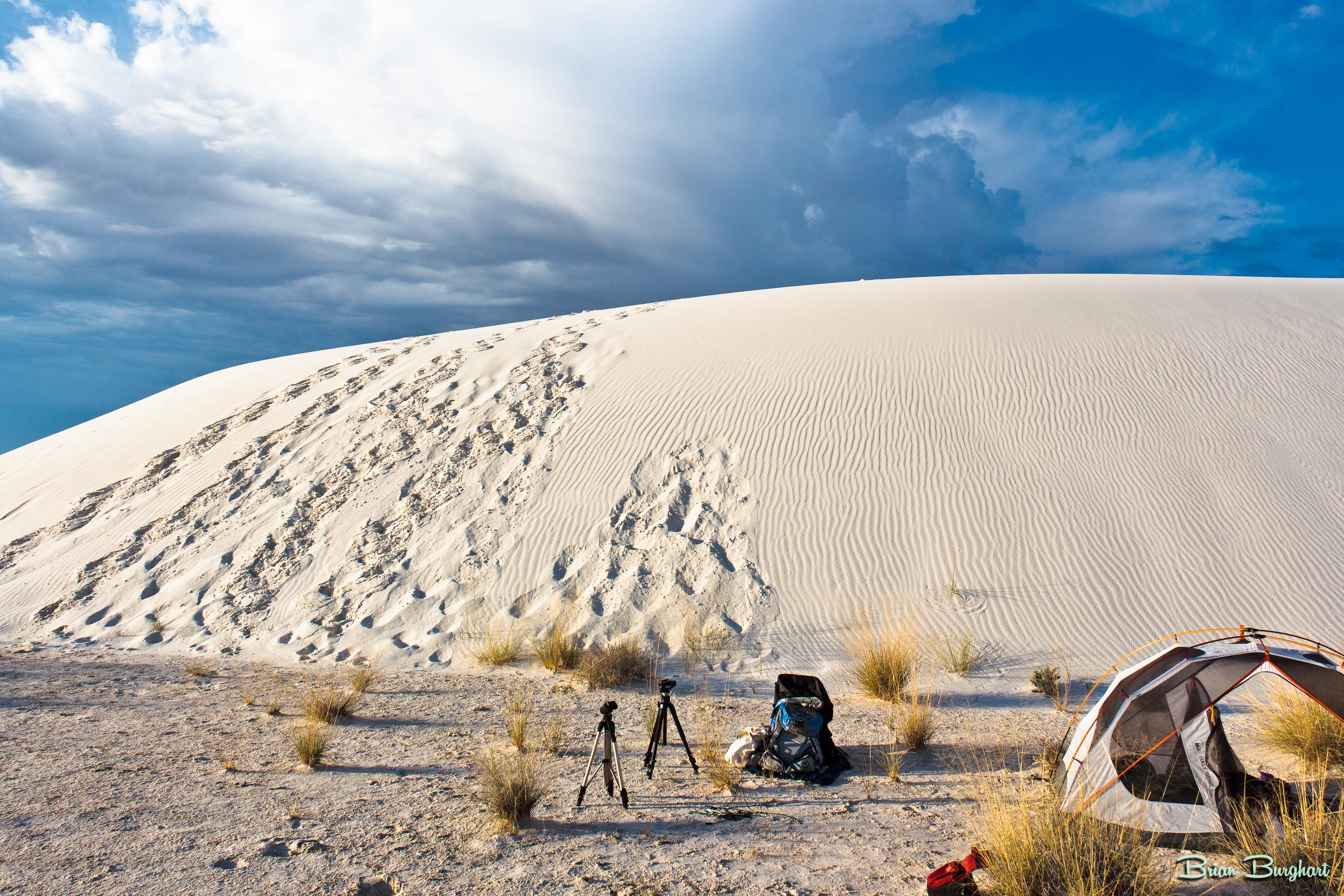
White Sands Backcountry Camping: Closed for 2026 — What to Know
As of 2026, backcountry camping at White Sands National Park is closed for site rehabilitation. What that means, and where to camp nearby instead.
Weather Guide
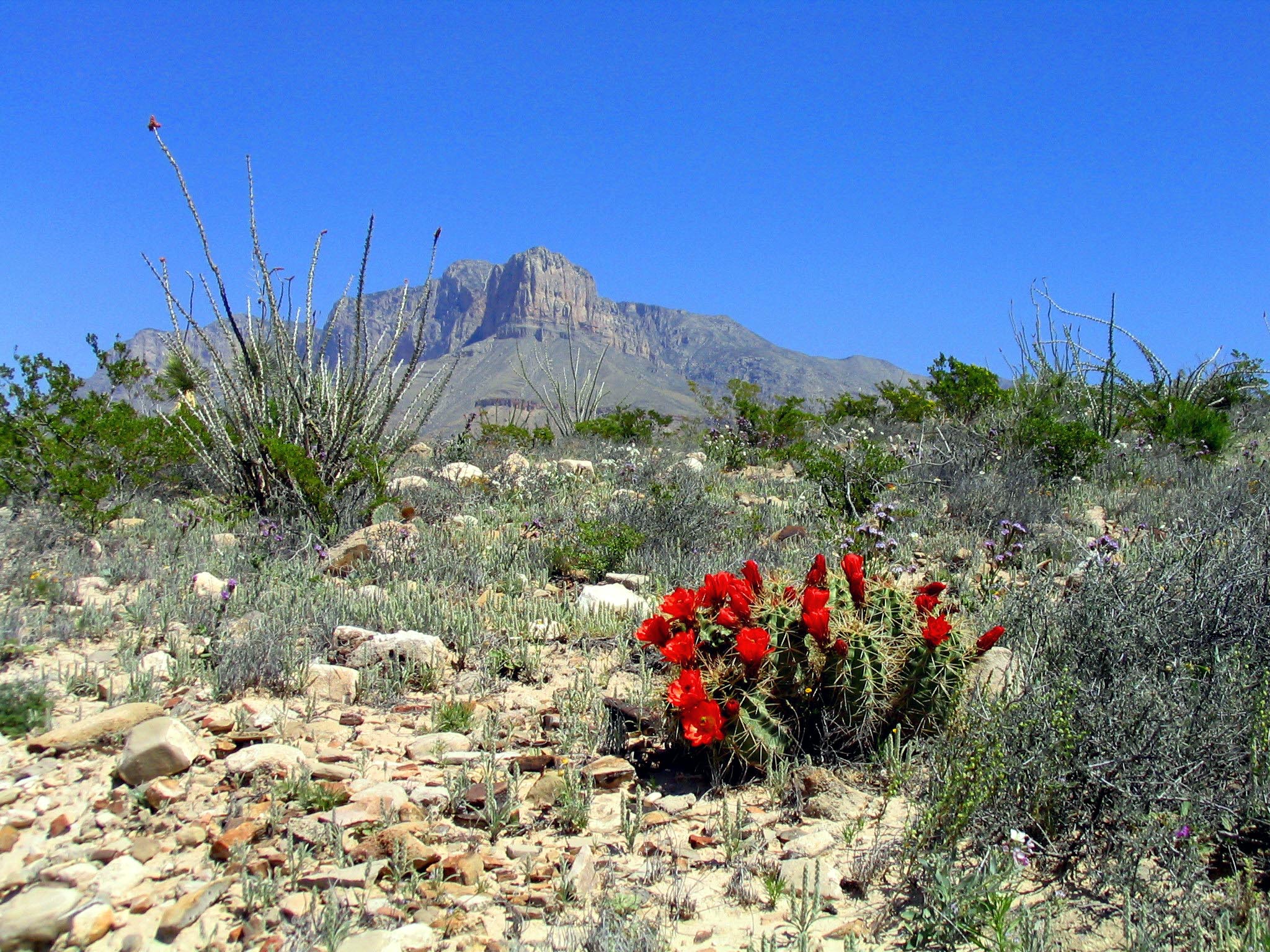
Guadalupe Mountains National Park Weather: Weather
Guadalupe Mountains National Park: weather guide guide updated 2026. Practical visitor information, reservations, and seasonal tips worth bookmarking before
Best Of
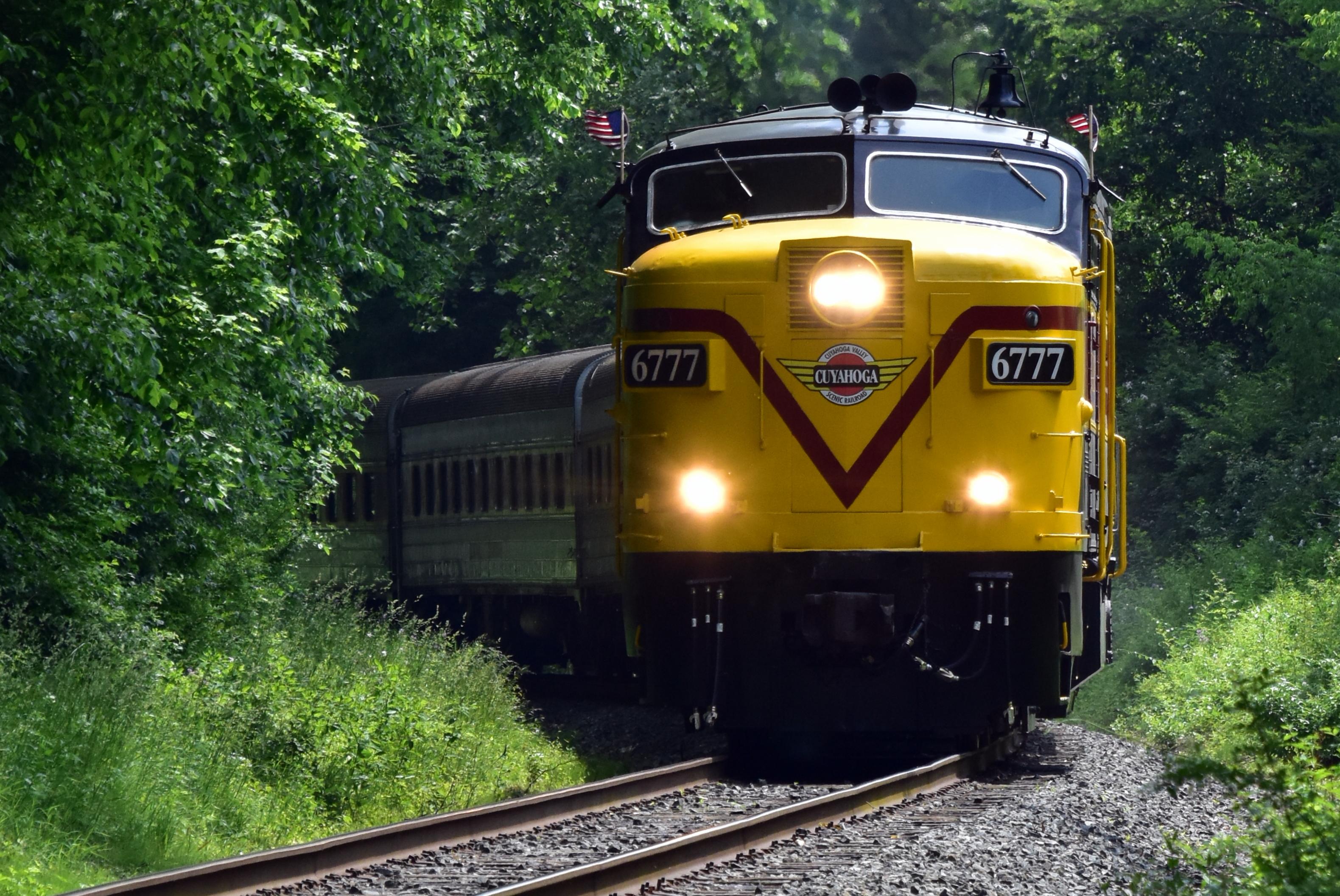
Best of Cuyahoga Valley National Park: Best Things to Do
Seeing a Cleveland Orchestra concert with the woods as your backdrop is a uniquely Cuyahoga Valley experience.
Sign in to join the conversation.
Sources & Attribution
Location data courtesy of the National Park Service (U.S. Department of the Interior). NPS data is public domain. Official NPS page.
Images: NPS; NPS; NPS; NPS; NPS.
Map data © OpenStreetMap contributors.
Park operations alerts: NPS.gov · Weather and weather hazards: National Weather Service · Live conditions.
Information may change. Always verify fees, hours, and conditions directly with the official source before visiting.
Did this guide help? Share it with a friend.