Shenandoah National Park Weather: Fall Foliage, Spring Blooms & Drive Conditions (2026 Guide)
NPS via NPS.gov (Public Domain)
Shenandoah National Park Weather
9 min read
Weather Guide
Shenandoah National Park weather runs 10F cooler on the ridge than the valley below; plan for fog and sudden summer thunderstorms.
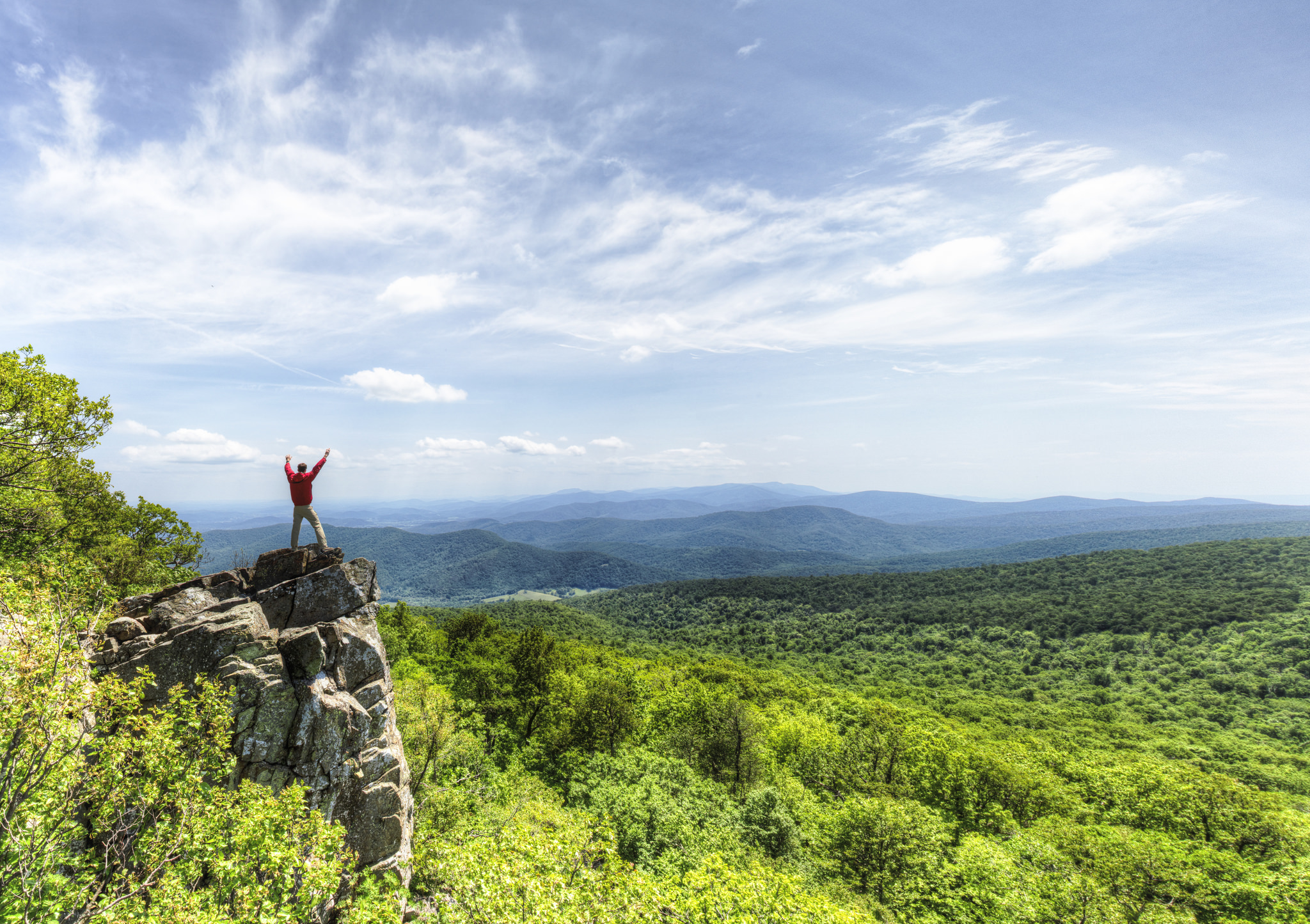
The single most important thing to know about Shenandoah National Park weather is that you are visiting two different places at once. The park is a 100-mile-long mountain ridge, and the conditions up top have almost nothing to do with the valley towns you drive through to get there. The mountain is consistently 10°F cooler than the valley floor below. You can leave your hotel in Luray in shorts and a t-shirt under a clear blue sky and find yourself shivering in a dense, damp fog at an overlook 3,000 feet higher 20 minutes later. This vertical climate shift dictates everything from what you pack to whether you'll see a view. Planning around Shenandoah National Park weather means planning for two forecasts.
The Weather Reality
Shenandoah doesn't have a single climate; it has layers. The park's elongated shape along the Blue Ridge crest creates a rain shadow effect and traps moisture. The result is a weather system that operates on its own schedule, independent of the Virginia Piedmont to the east or the Shenandoah Valley to the west.
The official forecast for "Luray, VA" is often useless. Rangers will tell you to check conditions at specific park weather stations, like the one at Big Meadows. The mountain generates its own weather, particularly in summer, when warm, humid air from the valleys gets pushed up the slopes, condenses, and delivers afternoon thunderstorms with little warning. These aren't just passing showers; they can be sudden, drenching downpours that turn trails slick and drop visibility on Skyline Drive to near zero.
Fog is not an occasional nuisance; it's a fundamental feature. It can cloak the park for days, especially in spring and fall, rendering those famous vistas a wall of white. Some visitors see only fog. Experienced visitors know it creates a quiet, dripping world of its own, perfect for hearing the plink of water from hemlock branches and the scratch of a towhee in the leaf litter.

Month by Month
Your experience is entirely dictated by the calendar. Here's what to expect.
January & February
Temperatures range from highs in the 30s to lows in the teens. Wind chill is a real factor on exposed overlooks.
Snow and ice are common. Skyline Drive is the priority for plows, but sections close during and after significant storms. Check the SHENALERTS text system before you go.
What's open: The park is open, but most facilities (lodges, campgrounds, waysides) are closed for the season. Restrooms at major overlooks may be locked.
Crowd level: Very low. You'll have the trails to yourself, save for a few hardy regulars.
Wildlife: Deer are concentrated at lower elevations. You might see turkey tracks in fresh snow. Bird activity is minimal.
Trail conditions: Icy. Microspikes or traction devices are not a suggestion; they are essential equipment for any hike. Stream crossings can be treacherous with ice.
Worth considering: Profound silence and stark, beautiful landscapes. No permits required for Old Rag.
Challenging: Short days, cold temperatures, and the constant potential for road closures.
March & April
A volatile transition. Highs can hit 60°F, and lows can dip back into the 20s. The "10-degree rule" is critical here - it may be 65 and sunny in Front Royal and 55 with a cold rain at Skyland.
Precipitation is frequent, often as a cold rain or wet snow at higher elevations in March.
What's open: Facilities begin a staggered reopening, typically starting in April. Always verify current status.
Crowd level: Low to moderate, increasing with each warm weekend.
Wildlife: Bears emerge from dens. Spring wildflowers like trillium and bloodroot bloom in the lower, sun-dappled forests first. Migratory birds return.
Trail conditions: Mud. Expect thick, shoe-sucking mud, especially on north-facing slopes and popular trails. Waterproof boots are a must.
Worth considering: The slow, green awakening of the forest without summer crowds.
Challenging: Unpredictable conditions. Hypothermia risk is real if you get wet and the temperature drops.
May & June
Spring arrives on the mountain. Highs in the 60s and 70s, lows in the 50s. Humidity begins to climb in June.
Late spring rains fuel the waterfalls and green-up. Mornings are often clear, with clouds building by afternoon.
What's open: All major facilities, campgrounds, and lodges are operational.
Crowd level: High, especially on weekends. Parking at popular trailheads like Dark Hollow Falls fills by mid-morning.
Wildlife: Peak birding season. Fawns appear in late May/early June. Black bears are active.
Trail conditions: Generally good. Streams are high. Bugs, including ticks, become active.
Worth considering: Ideal hiking temperatures and peak waterfall flow.
Challenging: Crowds, increasing humidity, and the start of the thunderstorm cycle.
July & August
Summer in the humid east. Highs in the 70s to low 80s on the ridge, but with high humidity making it feel warmer. The valleys below are often 90°F+.
Afternoon thunderstorms are a near-daily event. They roll in quickly, with dramatic lightning. The park averages over 40 inches of rain annually, and a good portion falls in these brief, intense storms.
What's open: Everything.
Crowd level: Very high. Expect full campgrounds and slow-moving traffic on Skyline Drive, especially around bear jams.
Wildlife: Bears foraging on berries. Butterflies and pollinators abound in the meadows.
Trail conditions: Hot and humid in the sun, cooler in deep forest. Thunderstorm danger is a real trail hazard.
Worth considering: Lush, green forests and long days.
Challenging: Heat, humidity, storms, and the highest visitor numbers of the year.
September & October
The premier season. September days are warm (60s-70s), with cool, crisp nights. October sees temperatures drop into the 50s and 40s, with freezing nights possible by month's end.
Typically drier than summer, but fall storms can happen.
What's open: Facilities begin closing in late October. Check schedules for lodges and waysides.
Crowd level: Extremely high during fall foliage peak, which varies but is typically mid-October. Weekdays are only marginally better.
Wildlife: Bears in hyperphagia, eating aggressively to fatten up. Elk rutting season can sometimes be heard (though not commonly seen) in the southern districts.
Trail conditions: Excellent. Cool, dry air makes for perfect hiking.
Worth considering: The obvious: fall color. Also, clearer air for long views.
Challenging: Overwhelming crowds, traffic jams on Skyline Drive, and fully booked accommodations years in advance.
November & December
A quiet descent into winter. Highs in the 40s, lows below freezing. The first significant snows can arrive in November.
Weather shifts rapidly from pleasant, sunny days to icy gloom.
What's open: Most visitor services close after Thanksgiving.
Crowd level: Low, except for the Thanksgiving weekend.
Wildlife: Animals are moving to winter ranges. A good time for quiet wildlife observation.
Trail conditions: Variable - could be dry leaf cover or icy patches. Daylight is short.
Worth considering: Solitude and the chance to see the park's skeleton - the shape of the land without leaves.
Challenging: Short days and the increasing likelihood of winter weather affecting travel plans.

Best Times for Specific Activities
Hiking the High Country
Aim for late May through early June, and September through mid-October. You avoid the deepest mud of spring, the peak humidity and storm frequency of summer, and the ice of winter. Early morning starts are always recommended to beat crowds and afternoon weather.
Wildlife Viewing
Spring (April-May) for bear sightings and newborn deer. Fall (September-October) for bears foraging and the elk rut. Dawn and dusk are your best bets, always. Remember to keep a safe distance - this is non-negotiable.
Wildflower Peaks
It's a rolling bloom. Lower elevation slopes and south-facing areas peak in April. The high meadows, like Big Meadows, hit their stride with lupine and black-eyed Susans in June and July.
Fall Color
Timing is everything and is notoriously fickle. Generally, color starts at the higher elevations in the north (around Front Royal) in early October and sweeps south and downslope through the month. Peak is often mid-October. For a quieter experience, target the week after peak when many leaves are down but the crowds have vanished.
Stargazing
Fall and winter offer the clearest, driest air and the longest nights. The park's distance from major city lights makes it excellent for stargazing. The new moon phase is ideal. Check the park's calendar for ranger-led astronomy programs.

What to Pack by Season
The universal rule: layers. Cotton kills here, especially in the cooler, wetter months. A moisture-wicking base layer, an insulating mid-layer (fleece or puffy), and a waterproof/windproof outer shell are the holy trinity.
Spring/Fall: The waterproof shell is your most important item. Pack rain pants if you plan to hike in sustained rain. A warm hat and gloves are essential - you'll use them on chilly mornings and at overlooks. Waterproof hiking boots with good tread for mud.
Summer: Lightweight, quick-dry clothing. A rain jacket still, for those daily thunderstorms. Wide-brimmed hat for sun protection on exposed sections of trail like Bearfence Mountain. More water than you think you need - the humidity is dehydrating. Trekking poles for stability on wet rocks.
Winter: Insulated, waterproof boots. Thermal base layers. A heavy insulated jacket. Neck gaiter or balaclava. Microspikes or YakTraks for your boots - do not attempt icy trails without them. Hand and foot warmers are a nice luxury.
Year-round essentials: A detailed map (cell service is unreliable), a headlamp, a first-aid kit, and plenty of water and snacks. The gift shops sell water for $4 a bottle. Bring your own.

What the Forecast Doesn't Tell You
- The Fog Has a Floor. Often, the fog caps the ridge but the valleys are clear. You might drive up into a cloud, but a hike down from Skyline Drive can descend below the fog layer into sunshine. Check the trail register for recent notes.
- Thunderstorm Safety is Trail-Specific. If you're on a ridge-top trail like the Appalachian Trail section near Mary's Rock when a storm hits, you are the highest point. Get off the ridge immediately. A forested hollow is safer.
- Wind Amplifies the Cold. A 40°F day with a 20 mph wind on an exposed overlook like Hawksbill feels below freezing. That puffy jacket you thought was overkill won't be.
- Road Closures are Not Park Closures. If Skyline Drive is closed for ice, you can still enter the park on foot from boundary trailheads to hike. You'll need to park legally - towing is enforced.
- Microclimates in Canyons. Deep, north-facing hollows like the Rose River area can hold ice and snow weeks after the surrounding trails have cleared. They also stay significantly cooler in summer.
- Your Car is Part of Your Gear. In winter, keep a blanket, extra water, and snacks in your vehicle in case you get stuck behind a snowplow or a closure. Gas up before entering the park; there are no stations on Skyline Drive.
Practical Takeaways
- Always Pack for the Mountain, Not the Valley. That 10°F difference is a minimum. Add wind, rain, or fog, and the gap feels much wider.
- Your Best Weather Window is Morning. Regardless of season, conditions are typically most stable and crowds thinnest before 11 AM. Aim to be at your trailhead by 9.
- Check SHENALERTS. Text 'SHENALERTS' to 888777 for official road closure and reopening notices. This is more reliable than GPS or general weather apps.
- Fall Foliage Requires a Strategy. If you must visit during peak color, go on a weekday, arrive at your chosen trailhead by 8 AM, and have a backup plan for when the parking lot is full.
- Respect the Mud. In spring, stay on the trail even if it's muddy. Walking around it widens the path and damages plant roots.
- Water is Non-Negotiable. There are very few reliable water sources on trails that don't require treatment. Carry at least 2 liters per person for a half-day hike.
- Have a "Weather-Proof" Plan. If the fog rolls in or a storm cancels your hike, have a backup: visit the Byrd Visitor Center to learn about the park's history, or drive the length of Skyline Drive to experience the changing forest types.
Understanding Shenandoah National Park weather is the key to moving from a frustrated visitor to a prepared one. The mountain does what it wants. Your job is to be ready for it. For more detailed planning on trails and facilities, consult the park's complete visitor guide and specific pages on hiking trails and camping options.
Sources
- Official source: NPS — Shenandoah National Park nps.gov/shen/index.htm
Photo Gallery
More to Explore
Park Guide
Acadia National Park: Carriage Roads, Cadillac Mountain & 2026 Guide
Discover carriage roads, Cadillac Mountain, and rugged Maine coast. Complete 2026 guide to Acadia National Park — trails, fees, lodging, permits, and what rangers recommend.
Hiking Guide
Grand Canyon Hiking Trails: Day Hikes, Water Sources & Rim to Rim
Compare Grand Canyon hiking trails: Bright Angel, South Kaibab, Hermit, Grandview, and rim to rim, with distances, elevation, water stops, and trailhead access for each.
Best Of
Best of Glacier Bay National Park
The best of Glacier Bay is reached by boat: ranger-led day tours up the bay to the tidewater glaciers. What's worth it, how to book, and when to go (2026).
Campsite Guide
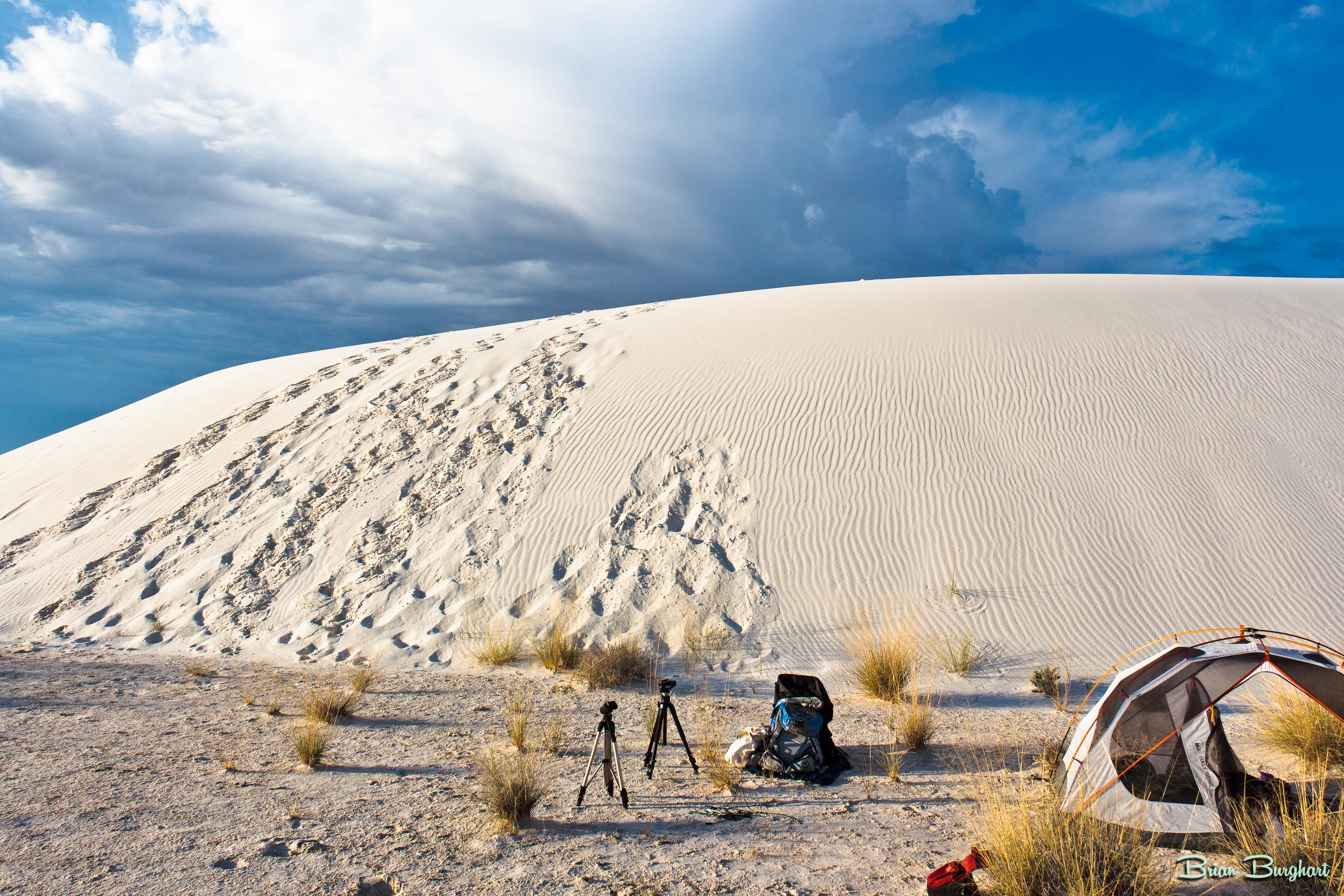
White Sands Backcountry Camping: Closed for 2026 — What to Know
As of 2026, backcountry camping at White Sands National Park is closed for site rehabilitation. What that means, and where to camp nearby instead.
Weather Guide
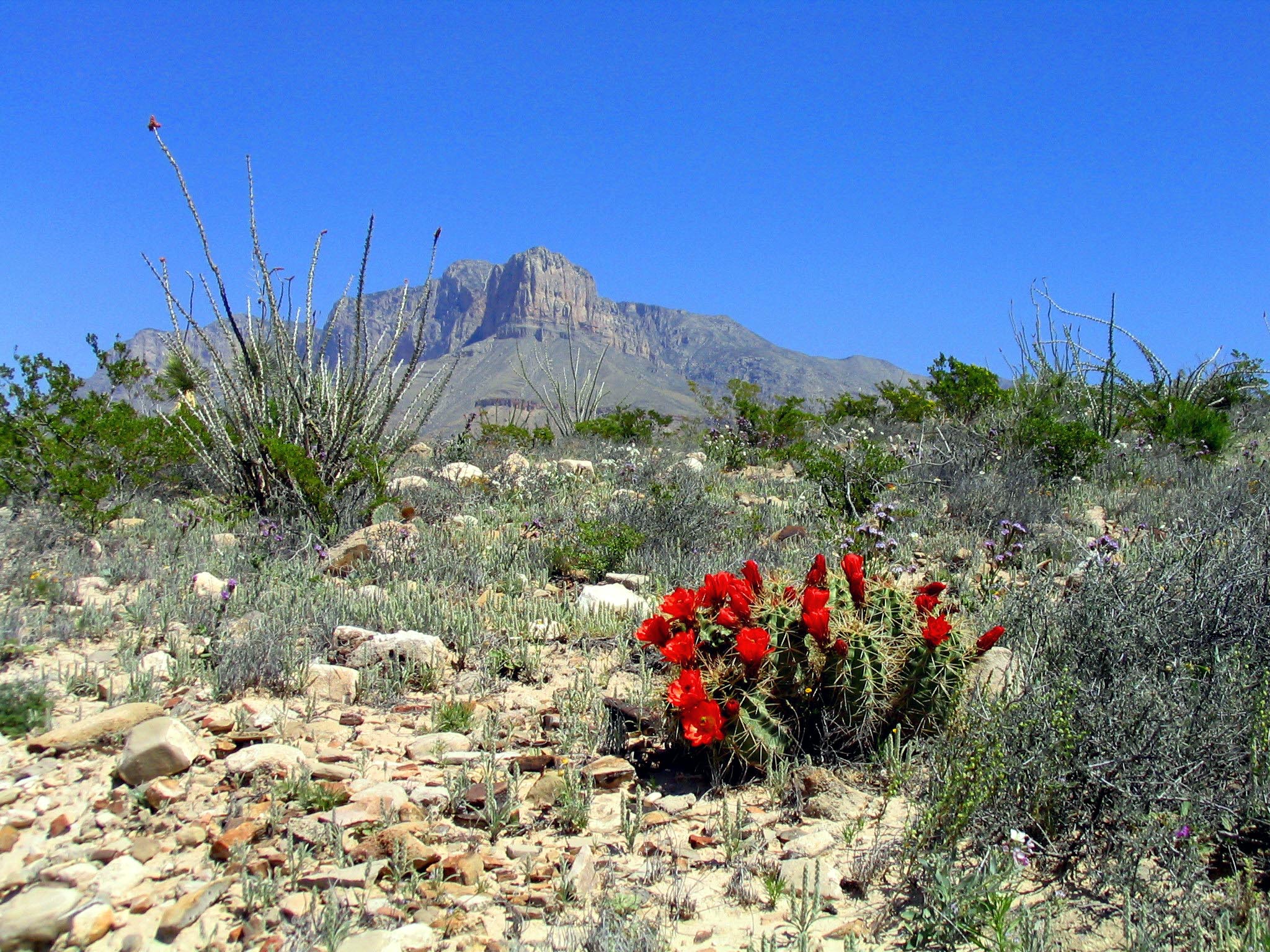
Guadalupe Mountains National Park Weather: Weather
Guadalupe Mountains National Park: weather guide guide updated 2026. Practical visitor information, reservations, and seasonal tips worth bookmarking before
Best Of
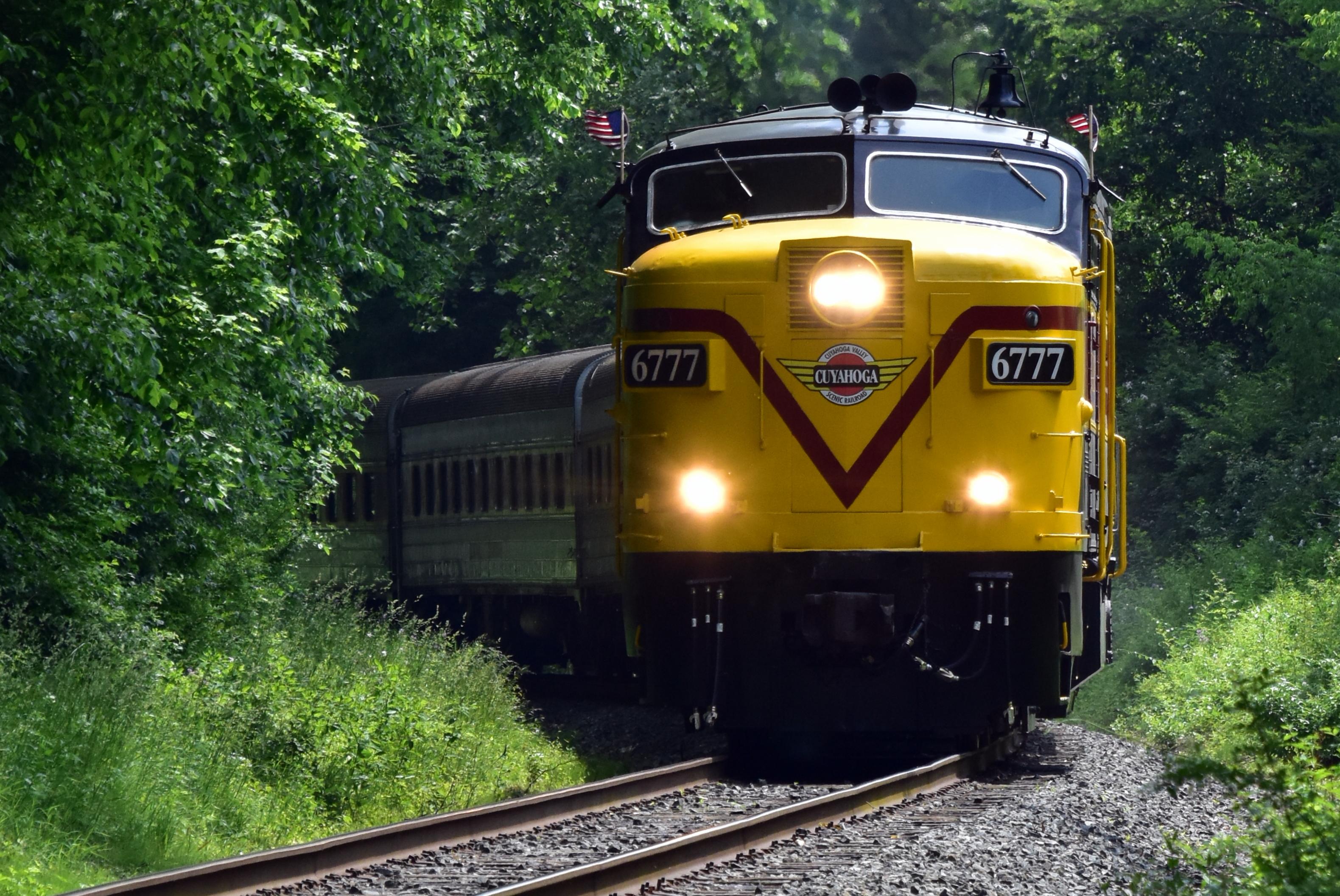
Best of Cuyahoga Valley National Park: Best Things to Do
Seeing a Cleveland Orchestra concert with the woods as your backdrop is a uniquely Cuyahoga Valley experience.
Sign in to join the conversation.
Sources & Attribution
Location data courtesy of the National Park Service (U.S. Department of the Interior). NPS data is public domain. Official NPS page.
Images: NPS; NPS; NPS; NPS; NPS.
Map data © OpenStreetMap contributors.
Park operations alerts: NPS.gov · Weather and weather hazards: National Weather Service · Live conditions.
Information may change. Always verify fees, hours, and conditions directly with the official source before visiting.
Did this guide help? Share it with a friend.