Securing a prime campsite in Shenandoah National Park requires understanding one critical fact: summer weekend reservations vanish within minutes of release. The park's four frontcountry campgrounds use a six-month rolling reservation system via Recreation.gov. If you're not logged in at 10:00 AM Eastern on your exact booking date, you'll be relying on cancellation alerts. This is the reservation landscape for a park located just 75 miles from Washington, D.C.
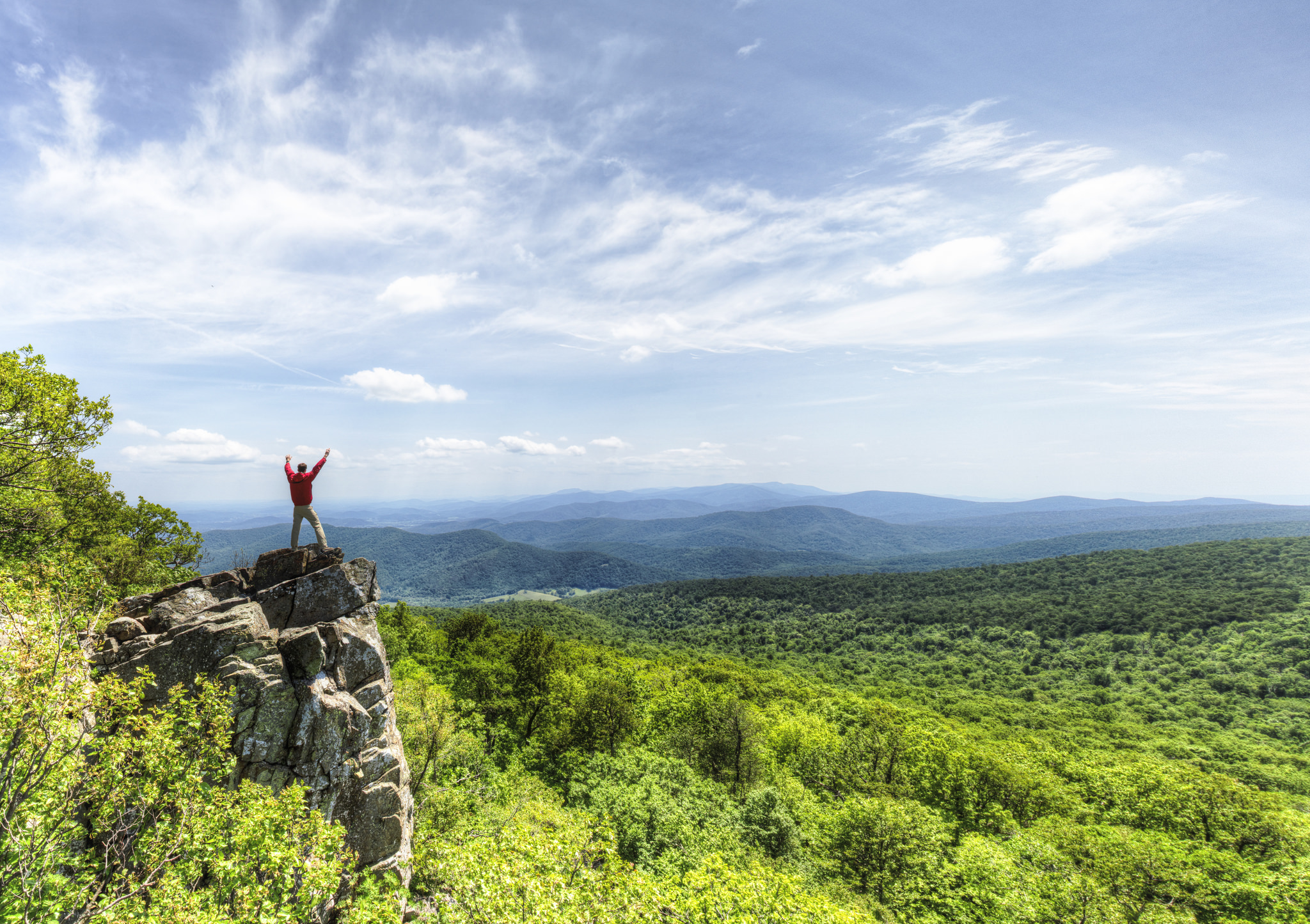
NPS via NPS.gov (Public Domain)
Best Camping Shenandoah National Park
9 min read
Camping Guide
Complete 2026 camping guide for Shenandoah National Park. Campground locations, reservation tips, site selection, and what to know before you arrive.
Your plans
This article contains affiliate links — we may earn a small commission at no extra cost to you.
The Booking Reality
Reservations for all four campgrounds - Big Meadows, Lewis Mountain, Loft Mountain, and Mathews Arm - open at 10:00 AM Eastern Time, six months in advance, on a rolling daily basis. For a site on July 4th, you need to be on Recreation.gov on January 4th at 10:00 AM sharp. Popular loops at Big Meadows and the entire Lewis Mountain Campground typically sell out in under five minutes for peak summer weekends and fall foliage season (late September through October). Weekdays and shoulder seasons (late March-April, November) offer more flexibility.
Walk-in availability is a genuine gamble. Rangers will tell you that same-day sites are almost non-existent from Memorial Day through October, except occasionally on Sunday nights. Your best chance is to arrive at the campground entrance station right at the 12:00 PM checkout time and ask. Have a backup plan, like one of the many private campgrounds near Shenandoah National Park.
Campground at a Glance
| Campground | Total Sites | Site Types | Reservation? | 2025 Season Opens | Fee/Night (2026) | Elevation | Hookups? | Nearest Services |
|---|---|---|---|---|---|---|---|---|
| Big Meadows | 221 | Tent, RV (<35') | Yes | March 26 | $75 | 3,500 ft | No | Campstore, Lodge, Restaurant (Mile 51) |
| Lewis Mountain | 30 | Tent, RV (<25') | No - First-Come | March 26 | $30 | 3,400 ft | No | Small Campstore (Mile 57.5) |
| Loft Mountain | 165 | Tent, RV (<35') | Yes | April 30 | $30 | 3,200 ft | No | Campstore, Gas (Mile 79.5) |
| Mathews Arm | 165 | Tent, RV (<35') | Yes | April 30 | $30 | 2,800 ft | No | None (Elkwallow Wayside, Mile 24) |

Big Meadows Campground: Complete Guide
Big Meadows serves as the park's central camping hub with 221 sites. Don't expect wilderness solitude here—this campground prioritizes accessibility. You'll hear Skyline Drive traffic in the distance, neighboring campers, and wildlife moving through the oak-spruce forest. Sites feature packed dirt and gravel surfaces with good canopy cover. While you won't find panoramic views from your campsite, you're within walking distance of the Big Meadows field and several major trailheads.
Loop Breakdown and Site Selection
The campground is divided into three main loops: A, B, and C. Loop A, closest to the campstore and Byrd Visitor Center, is the noisiest and most open, with smaller sites suited for small RVs or pop-ups. Loops B and C are more wooded and tent-friendly.
For families, sites in the B loop, particularly the 100-series sites (B101-B120), offer a good balance of proximity to the flush toilets and showers while being set back from the main road. For more solitude, target the outer edges of the C loop, like sites C174-C190. These are deeper in the woods, farther from the bathroom traffic. Avoid any site directly adjacent to the dump station or the campstore parking lot.
Facilities and The Unadvertised Details
Big Meadows is the only campground in the park with hot showers and a coin-operated laundry. The comfort stations with flush toilets are centrally located in each loop. Potable water spigots are scattered throughout. The on-site campstore is well-stocked but charges premium prices - that $4 bottle of water adds up.
What the booking site doesn't show: The fog here is legendary and can roll in thick and cold any night of the summer, even when it's clear just a few miles north or south. Generator hours are strictly enforced (8:00 AM to 8:00 PM). Bear activity is constant; rangers patrol regularly to ensure food is stored in the provided metal lockers. Cell service (Verizon works best) is spotty but occasionally usable near the meadow's edge.
Lewis Mountain Campground: Complete Guide
Lewis Mountain is the park's smallest and only first-come, first-served campground. It appeals to those who want a quieter, more rustic experience without venturing into the backcountry. The 30 sites are tucked into a mature hardwood forest on a hillside, offering more privacy than you'll find anywhere else in the frontcountry. The vibe is classic, old-school National Parks: simple, quiet, and self-sufficient.
The First-Come Gamble and Site Quality
There are no reservations. The campground typically fills by 10:00 AM daily from May through October. The strategy is to arrive mid-week, or better yet, on a Sunday morning. Sites are a mix of pull-ins and back-ins, with a handful of walk-in tent sites. The best sites for privacy are the ones along the outer perimeter, like sites 11-15 and 25-30, which have more vegetation between them. Sites 1-10 are closer together and nearer the entrance.
Basic Amenities
Facilities are basic: a modern comfort station with flush toilets and cold-water sinks, but no showers. Potable water is available at several spigots. There's a small campstore for firewood, ice, and basic snacks, but don't rely on it for groceries. You'll need to drive to Big Meadows or Loft Mountain for a full selection.
The unspoken rule here is quiet. The small size and lack of reservable sites create a community of travelers who are there for the peace. Generator use is frowned upon and, in practice, rarely heard. You're more likely to hear the chatter of red squirrels and the wind. Cell service drops out almost completely.

Loft Mountain Campground: Complete Guide
Perched atop Big Flat Mountain at the park's southern end, Loft Mountain feels more remote. The atmosphere is open and airy compared to the denser woods of northern campgrounds. Sites are scattered across two plateaus, with some offering legitimate, unobstructed views of the Shenandoah Valley to the west. You get more sky here, which is why it's a favorite for stargazers.
Choosing Your Plateau
The campground is split into the Upper Loop and the Lower Loop. The Upper Loop has the better views. Sites in the 200-300 range on the western edge (like 245, 260, 275) are highly coveted for their sunset vistas. The trade-off is less tree cover and more exposure to wind. The Lower Loop is more forested and sheltered, better for tents and families wanting shade. Its facilities are also newer.
Facilities and Considerations
Loft Mountain has two modern comfort stations with flush toilets and free, cold-water showers (bring flip-flops). A large campstore with a gas station is adjacent to the campground - a major advantage. A dump station is available.
The booking site won't tell you about the weather shift. Being further south and at a slightly lower elevation, it can be noticeably warmer and drier than Big Meadows. It's also the preferred basecamp for hikers tackling the southern district trails. The parking situation at the trailhead for the popular Blackrock Summit hike, accessible from the campground, fills early.
Mathews Arm Campground: Complete Guide
Mathews Arm is the northernmost campground, ideal for those entering from Front Royal. Its 165 sites are set in a recovering forest area (from past gypsy moth infestations), meaning the tree cover is younger and less dense than elsewhere. The atmosphere is bright and sunny, with a more open understory. It's generally the last campground to fill.
Site Selection for Shade and Privacy
Because the forest is less mature, privacy between sites varies widely. The best sites for tent campers seeking shade are in the D and E loops, where the tree growth is thickest. RV users tend to favor the A and B loops for easier maneuvering. For solitude, look for the single-site pull-offs along the campground entrance road before you reach the main loops.
No-Frills Basecamp
This is a no-frills operation. Facilities include flush toilets and potable water spigots, but no showers. The nearest services are at the Elkwallow Wayside (mile 24), which has a small snack bar and campstore, about a two-mile drive south.
The practical detail most miss: This area has reliable black bear activity. The food storage lockers are newer and bear-resistant, but you must use them - rangers here are particularly vigilant. The open forest also means you'll hear more road noise from Skyline Drive drifting up from the valley below.

Reservation Strategy
Your strategy depends on the campground. For Big Meadows or Loft Mountain, you must be ready at 10:00 AM ET, six months out. Have a Recreation.gov account set up, with payment info saved. Know your desired loop and have 2-3 specific site numbers as backups. The site map on Recreation.gov is reasonably accurate for judging spacing.
If you miss the window, use the "Notify Me" function on Recreation.gov for your desired dates and campground. Cancellations do happen, often 2-4 weeks before the date as plans solidify. For Lewis Mountain, the strategy is arrival time. Aim for a Tuesday or Wednesday morning before 9:00 AM. Never assume a weekend spot is possible.
Group sites are available at Big Meadows and Loft Mountain and require separate reservation procedures detailed on the park website.
What to Know Before You Arrive
* Bear Storage is Non-Negotiable: Every site has a metal food storage locker. All food, trash, toiletries, and coolers must be stored inside it when not in immediate use. This includes at night and when you leave your site. A cooler left on a picnic table is a bear attractant and will earn you a warning or fine.
* Fire Bans are Common: As of April 2026, a parkwide fire ban is in effect due to dry conditions. This can happen any season. Always check the official park alerts page before you go. During a ban, only gas or propane stoves are permitted.
* Quiet Hours (10:00 PM - 6:00 AM) are Enforced: Generator hours are typically 8:00 AM to 8:00 PM. Rangers do drive-throughs.
* Cell Service is Unreliable: Service is patchy parkwide. Verizon has the best coverage, mainly at overlooks. Assume you will be offline at your campsite.
* Water is Potable: All water from campground spigots is safe to drink. Do not treat water from streams without a proper filter - giardia is present.
* Checkout is at 12:00 PM: Arriving guests can claim a site starting at noon. Late checkout can impede the next camper.

Practical Takeaways
- For the best camping in Shenandoah National Park during peak season, you must book exactly six months in advance at 10:00 AM ET on Recreation.gov.
- Big Meadows ($75/night) is for convenience and full amenities; the other three ($30/night) are for budget and a more rustic feel.
- Lewis Mountain is first-come, first-served - a high-risk, high-reward option for last-minute trips mid-week.
- Use the metal bear locker for everything with a scent. Every time.
- Check for active fire bans before you plan to cook over an open flame.
- Big Meadows and Loft Mountain have campstores; for Mathews Arm or Lewis Mountain, stock up before you arrive.
- Bring warm layers and a rain jacket regardless of the forecast - mountain weather shifts fast, and fog is common.
- If your chosen campground is full, explore the many private campgrounds near Shenandoah National park as a backup.
- For more trip-planning context, consult the park's complete visitor guide.
- Your campsite is a basecamp. The real experience is on the park's famed hiking trails.
For more information, see our complete National Park Guide.
Related: shenandoah hiking trails guide
Recommended Gear
What experienced visitors bring to Best Camping Shenandoah National Park
Links may earn us a commission at no extra cost to you. We only recommend gear we believe in.
Hiking Essentials
Hydration Pack (3L)
Hands-free water for long trail days
Trekking Poles (Pair)
Save your knees on steep descents
Hiking Boots (Ankle Support)
Sturdy footwear for rocky, uneven trails
Sun & Heat Protection
Wide-Brim Sun Hat
Full coverage UPF 50+ protection at altitude
Insulated Water Bottle (32oz)
Keeps water cold in desert heat all day
Winter Gear
Microspikes / Traction Devices
Essential for icy rim trails in winter months
Packable Down Jacket
Lightweight warmth that stuffs into a pocket
Sources
- Official source: NPS — Shenandoah National Park nps.gov/shen/index.htm
Photo Gallery
More to Explore
Park Guide
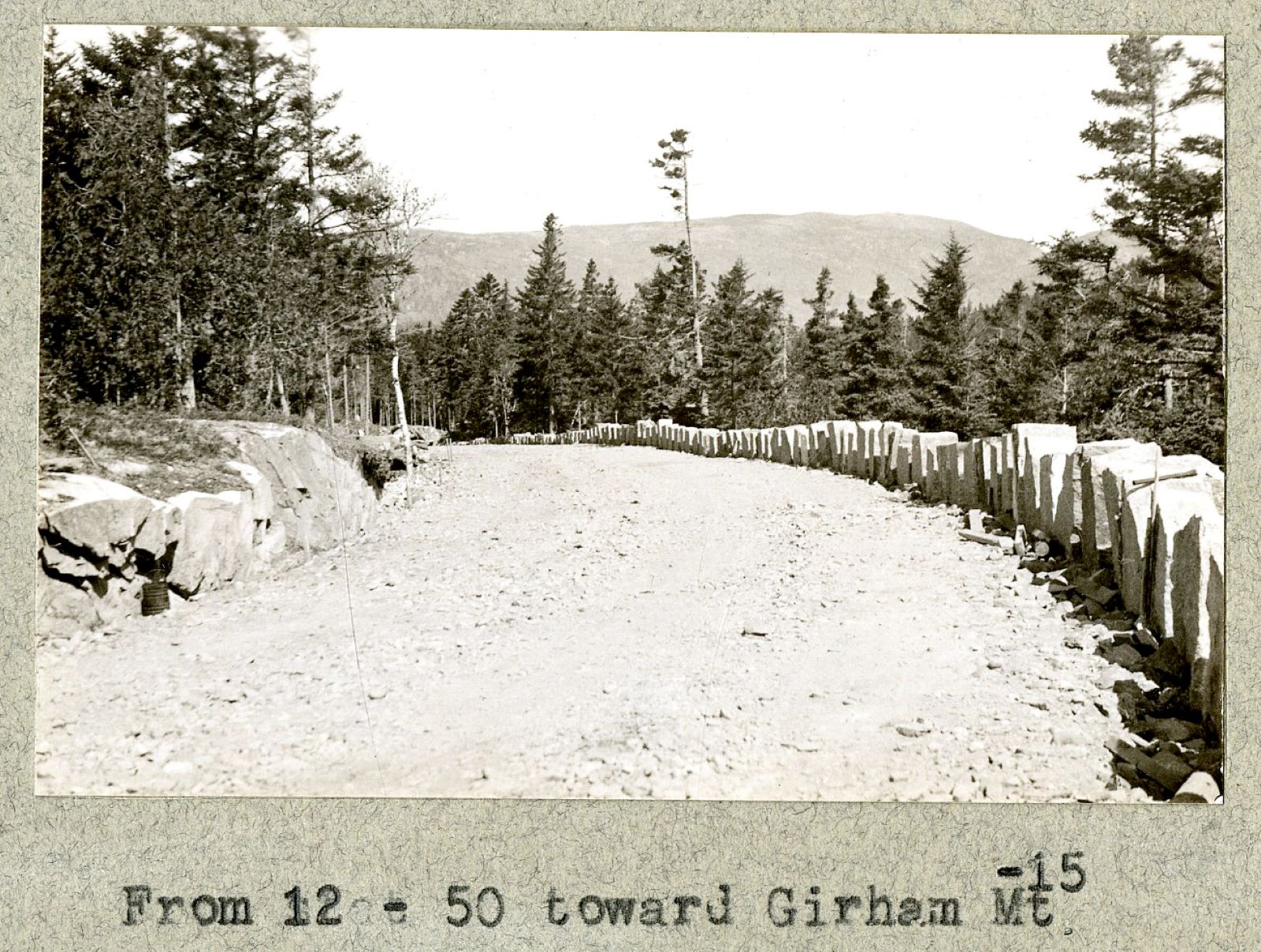
Acadia National Park: Carriage Roads, Cadillac Mountain & 2026 Guide
Discover carriage roads, Cadillac Mountain, and rugged Maine coast. Complete 2026 guide to Acadia National Park — trails, fees, lodging, permits, and what rangers recommend.
Hiking Guide
Grand Canyon Hiking Trails: Day Hikes, Water Sources & Rim to Rim
Compare Grand Canyon hiking trails: Bright Angel, South Kaibab, Hermit, Grandview, and rim to rim, with distances, elevation, water stops, and trailhead access for each.
Best Of
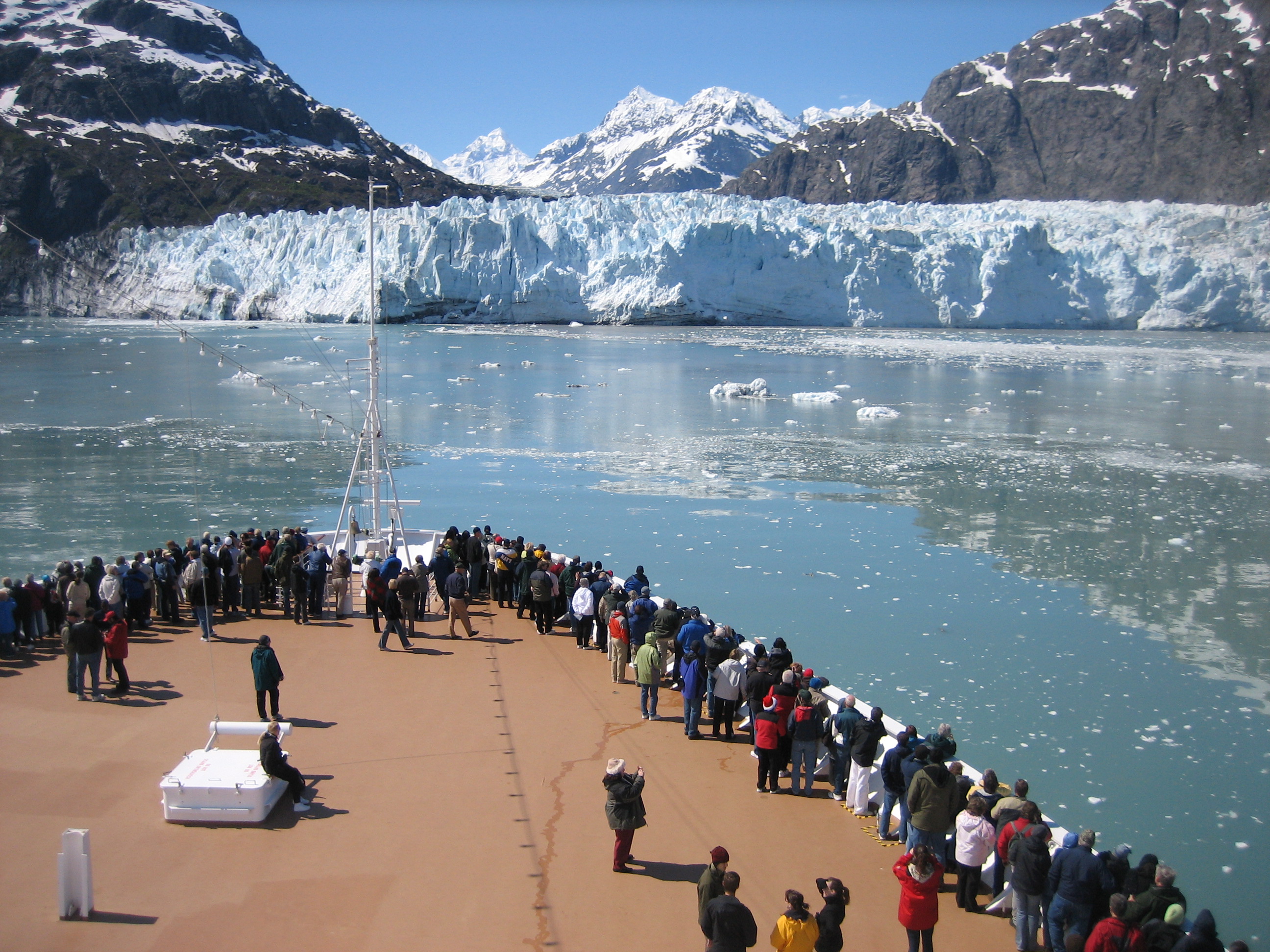
Best of Glacier Bay National Park
The best of Glacier Bay is reached by boat: ranger-led day tours up the bay to the tidewater glaciers. What's worth it, how to book, and when to go (2026).
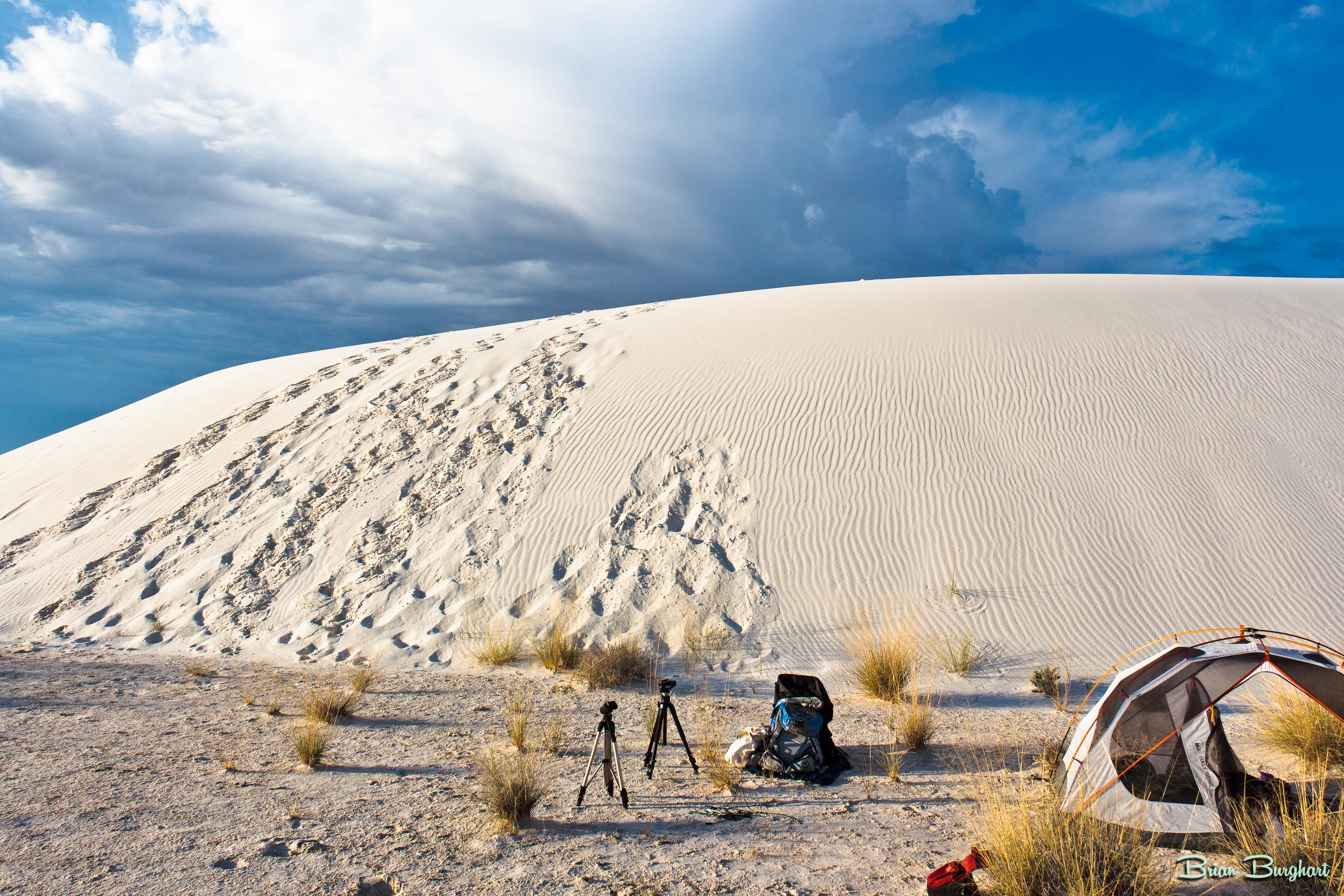
Campsite Guide
White Sands Backcountry Camping: Closed for 2026 — What to Know
As of 2026, backcountry camping at White Sands National Park is closed for site rehabilitation. What that means, and where to camp nearby instead.
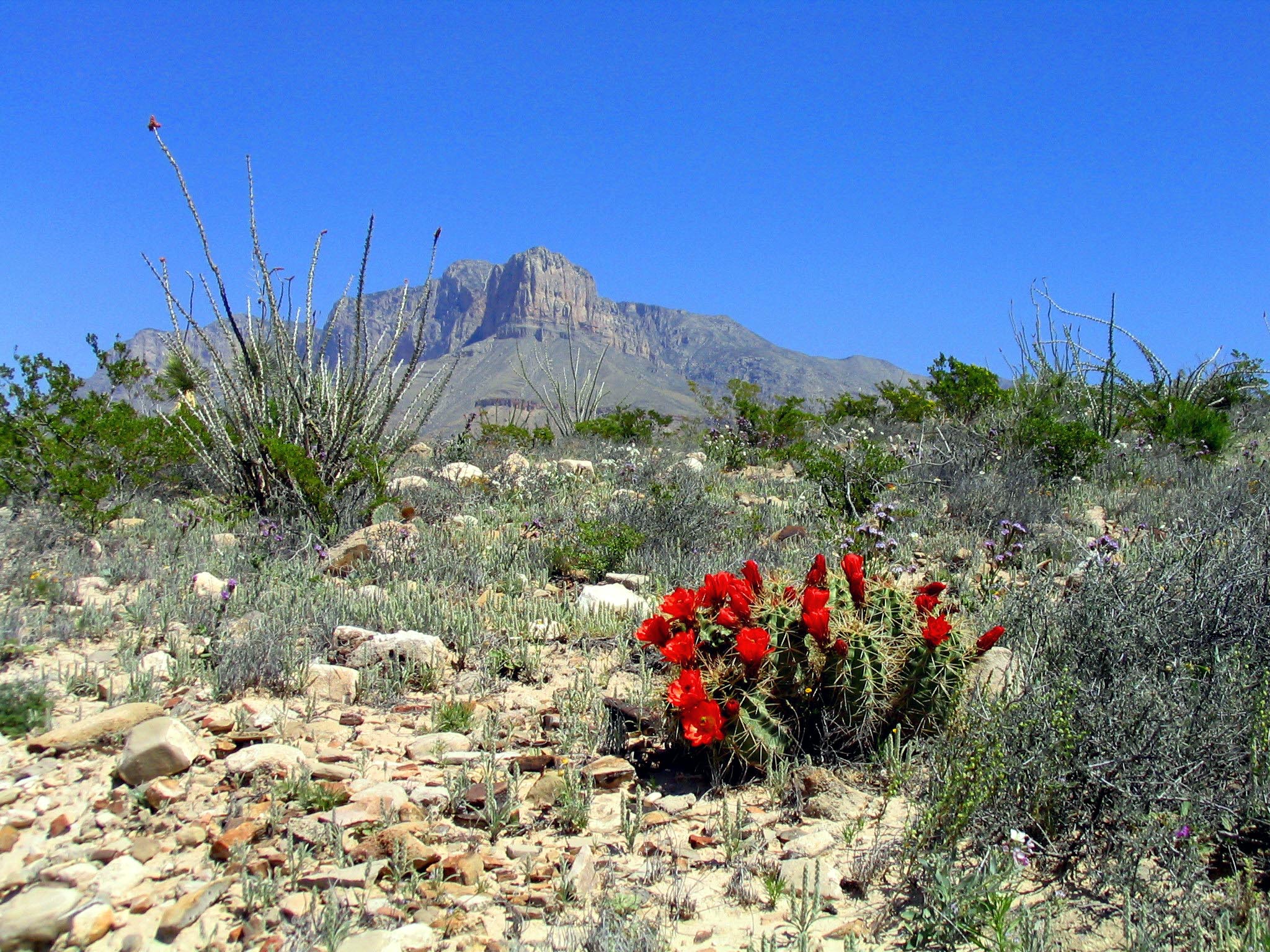
Weather Guide
Guadalupe Mountains National Park Weather: Weather
Guadalupe Mountains National Park: weather guide guide updated 2026. Practical visitor information, reservations, and seasonal tips worth bookmarking before
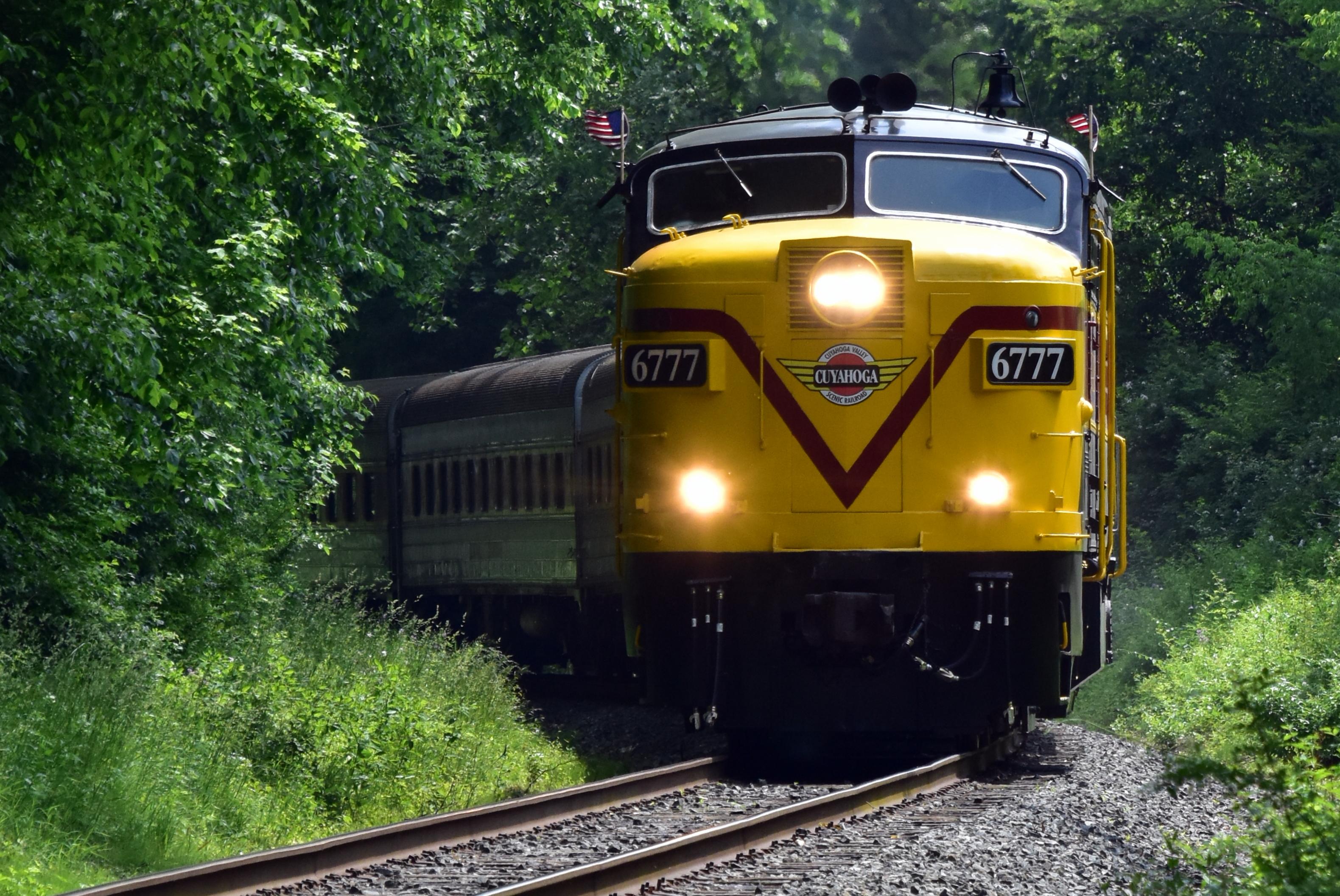
Best Of
Best of Cuyahoga Valley National Park: Best Things to Do
Seeing a Cleveland Orchestra concert with the woods as your backdrop is a uniquely Cuyahoga Valley experience.
Sign in to join the conversation.
Sources & Attribution
Location data courtesy of the National Park Service (U.S. Department of the Interior). NPS data is public domain. Official NPS page.
Images: NPS; NPS; NPS; NPS; NPS.
Map data © OpenStreetMap contributors.
Park operations alerts: NPS.gov · Weather and weather hazards: National Weather Service · Live conditions.
Information may change. Always verify fees, hours, and conditions directly with the official source before visiting.
Did this guide help? Share it with a friend.