For more, see hiking trails, camping options, lodging and accommodations, best time to visit, and wildlife viewing.
NPS via NPS.gov (Public Domain)
Beach 4 - Trailhead and Parking Area: Everything You Need to Know - 2026 Guide
10 min read
Places & Points of Interest
The parking lot at the Beach 4 - trailhead and parking area holds 20 vehicles, and on a summer weekend, it's full by 10 AM.
Your plans
The parking lot at the Beach 4 - trailhead and parking area holds 20 vehicles, and on a summer weekend, it's full by 10 AM. That's the single most important fact to know. This isn't a sprawling beachfront lot; it's a compact pull-off on the shoulder of Highway 101, serving one of the most popular tidepooling spots on the Olympic Coast. The trail down is short, but the word "steep" in the official description isn't a suggestion - it's a warning about the root-laced, sometimes slick, 0.2-mile descent. Rangers will tell you that more visitors underestimate this trail's difficulty than any other coastal access point in the park.
Overview
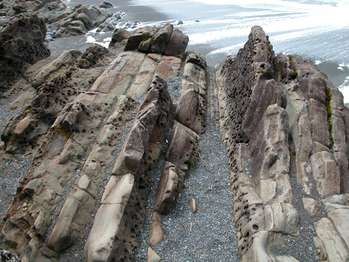
Beach 4 defines itself by its intertidal zone, not its sand. The trail from the parking area is a brief but demanding descent through coastal forest to a driftwood bridge and the cobble shore. This isn't a place for beach towels; it's for observation. Your footing will be on smooth, shifting stones that give way to bedrock shelves where marine life gathers in tidal pools. Listen closely: beyond the waves, you'll hear the persistent trickle of water through rock channels, the calls of gulls, and often the croak of a raven in the spruce above.
The site's value lies in its dense, reachable tidepools. During a low tide of -1.0 feet or less, you can traverse hundreds of yards of bedrock platforms crowded with green anemones, purple urchins, hermit crabs, and ochre stars. Our surveys confirm this as a top-tier viewing area. It condenses the Pacific Northwest coast into a potent, brief encounter—often, the careful descent takes more time than the walk to the water's edge.
Quick Information
* Entrance Fee: As of 2026, entering Olympic National Park requires a pass. The Olympic National Park pass is $30 for a private vehicle (good for 7 days). The America the Beautiful Annual Pass ($80) is also accepted and covers the fee.
* Hours: The Beach 4 - trailhead and parking area and trail are accessible 24/7, year-round. Access is entirely dependent on ocean conditions and tides - never turn your back on the surf.
* Best Time to Visit: Summer, specifically June through September, for the most reliably low tides and drier trail conditions. For specific tidepooling, you need a low tide of 0.0 feet or lower, ideally negative.
* Location: On the Olympic Peninsula in Washington. The nearest services are in Kalaloch, about 6 miles south. The trailhead is directly off Highway 101 at milepost 160.2, roughly 2.5 hours west of Seattle.
* Accessibility: The trail is not wheelchair or stroller accessible. The path is a natural surface with roots, rocks, and a consistent, sometimes severe, grade. The Beach 4 Overlook, a pull-off just south, offers a view from the bluff for those unable to navigate the trail.
* Cell Service: Cell service drops out at the trailhead. Expect no signal on the beach or in the surrounding forest. Tell someone your plans.
* Restrooms: There are no restrooms at the trailhead. The nearest vault toilets are at the Kalaloch Campground, a 10-minute drive south.
* Parking: One paved lot for approximately 20 vehicles. No parking fee beyond the park entrance fee. Overflow parking is not permitted on the highway shoulders. If the lot is full, your best bet is to try Beach 6 or the Kalaloch beaches to the south.

Getting There
From Seattle, take the Bainbridge Island or Edmonds-Kingston ferry to the Olympic Peninsula. Follow Highway 101 north past Lake Crescent and Forks. The Beach 4 - trailhead and parking area is on the ocean (west) side of Highway 101, clearly signed, at milepost 160.2, about 40 minutes south of Forks and 15 minutes north of the Kalaloch Lodge.
If you're coming from the south (like Olympia), take Highway 101 north. You'll pass the Kalaloch area first; the Beach 4 turnoff will be on your left about 6 miles north of Kalaloch Campground. The drive from Olympia is about 2.5 hours.
There is only one entrance - the parking lot. Do not rely on GPS for final navigation; watch for the brown NPS signs. The parking situation here is first-come, first-served. On a sunny Saturday in July with a morning low tide, the lot will be full by 9:30 AM. Your alternative is to visit in the afternoon after the tidepooling crowd has left, or on a weekday.
What to Expect
You pull into a lot surrounded by tall, wind-sculpted Sitka spruce. The air smells of salt and damp earth. The trailhead is obvious at the north end of the lot. The surface changes from pavement to a dirt path bordered by salal and ferns within ten steps.
The descent is 0.2 miles but feels longer. The trail is a series of switchbacks and steps carved into the hillside, with exposed roots acting as natural handrails and tripping hazards. The dirt can be slick with coastal mist even on a dry day elsewhere. You'll hear the ocean long before you see it. The trail narrows here, so step aside for people coming back up - they'll be breathing harder than you are on the way down.
You cross a sturdy driftwood footbridge over a small creek. Then you're on the beach. It's not sand. It's an apron of smooth, gray stones that clatter and roll. To your right (north) and left (south), dark bedrock shelves extend into the surf. This is the tidepooling zone. On a high tide, waves crash directly against the base of the bluff. On a low tide, you can walk out perhaps 200 yards, but always keep an eye on the water. A sneaker wave can appear even on a calm day.
The temperature is often 10-15 degrees cooler than inland, with a persistent wind. The common mistake - and almost everyone makes it - is not bringing a warm layer. That coastal wind cuts through fleece.

Top Attractions & Points of Interest
The Main Tidepooling Shelves
The broad, relatively flat bedrock platforms directly accessible from the trail are the main event. They are divided by deep channels that fill with surging water. At low tide, these platforms become islands of marine life. The best pools are often in the lower, wetter zones farther out, but only explore these if you are confident in your ability to watch the ocean and retreat quickly. The green surf anemones here are the size of drink coasters.
The Northern Sea Stack
From the beach, looking north, you'll see a large sea stack separated from the mainland. At a very low tide, you can sometimes walk around to its base, but this is for experienced coastal travelers only. The area around it often has deeper, richer pools, but also gets hit by stronger surf. It's a good subject for photography from the safety of the main beach.
Beach 4 Overlook
Just south of the main parking area is a small pull-off signed as the Beach 4 Overlook. If the hike down is beyond your ability, or if you just want a sense of the scale, stop here. You get a panoramic view south down the coast and can watch the waves crash against the rocks below. It's a five-minute stop, max, but worth it.
The Coastal Forest Trail
The trail itself is an attraction - a quick immersion into the dense, mossy world of the coastal forest. Look for the burls on the spruce trees, the thick carpets of moss, and the sound of the wind moving through the canopy high above. On your return hike, pause on one of the switchbacks and just listen. You'll hear the forest and the ocean simultaneously.
Activities
Tidepooling
This is the primary activity. You need a tide chart - not an app suggestion, but a printed chart or a screenshot, as you'll have no service. Aim for a tide of 0.0 feet or lower. The window for safe exploration begins about an hour before the posted low tide and ends an hour after. Wear shoes with aggressive tread that can get wet and grip slippery rock (no flip-flops). Move slowly, step on bare rock when possible, and never pull anything off the rocks. Rangers emphasize: look with your eyes, not your hands.
Photography
The combination of dramatic surf, intricate tidepools, textured bedrock, and driftwood creates endless compositions. Early morning light, even on a high tide, can be spectacular. A polarizing filter helps cut the glare off the wet rocks. For wildlife viewing and photography, a medium zoom lens (70-200mm) is perfect for capturing sea stars and birds without disturbing them.
Beachcombing and Observation
This isn't a swimming or sunbathing beach. It's for walking, looking, and listening. You can find agates and jasper among the stones, and the driftwood logs are perfect perches for watching the ocean. Scan the horizon for whale spouts (gray whales migrate spring and fall) and watch the bald eagles that often patrol this stretch of coast. For more dedicated wildlife viewing, the park offers many other opportunities.

Seasonal Guide
* Winter (Dec-Feb): Storm season. The trail can be exceptionally muddy and slick. High tides and surf often completely cover the tidepool shelves. The beach is dramatic and empty, but not safe for exploring the intertidal zone. Check for camping options that are open, as some coastal campgrounds like South Beach are closed.
* Spring (Mar-May): A transition period. Lower tides return by late spring. The trail is still wet. This is when the first migratory birds return and gray whales pass by on their northward journey. Crowds are manageable on weekdays.
* Summer (June-Aug): Peak season. The Beach 4 - trailhead and parking area is busiest. Low tides are frequent and often negative in the mornings. Weather is most predictable, though fog and wind are still common. All facilities in Kalaloch are open. This is the easiest time to visit, but requires the most planning to beat the crowds.
* Fall (Sept-Nov): An excellent time to visit. The summer crowds diminish, but the weather often remains stable into October. Low tides shift to midday. Fall storms begin rolling in by late October. It's a good time to combine a beach visit with forest hikes, as the rainforests are lush from the returning rains. For a detailed breakdown, see our guide on the best time to visit.
Practical Information
Your park entrance fee is your permit for day use. No additional permit is required to visit Beach 4.
For lodging and accommodations, the closest option is the Kalaloch Lodge, which has cabins and a hotel room block. Other lodging is in Forks (40 min north) or Lake Quinault (1 hour south). There are no restaurants, gas stations, or stores at the trailhead. The Kalaloch Mercantile (6 mi south) has limited groceries, snacks, and fuel. Fill your tank in Forks or Aberdeen.
Nearby camping options include the massive Kalaloch Campground (170 sites, reservations recommended) and the more rustic South Beach Campground (55 sites, first-come, first-served, closed winter). Both are operated by the park.

Safety & Preparation
- Tides & Waves: This is the paramount danger. Never turn your back on the ocean. Sneaker waves can surge dozens of feet farther up the beach than previous waves. Consult a tide table and plan your visit around a low, receding tide. If you see waves starting to reach your area, retreat immediately.
- Slippery Rocks & Trail: The bedrock is covered in slippery algae. The trail is steep and rooted. Wear sturdy, closed-toe shoes with good traction. Trekking poles are highly recommended for the ascent back to the parking lot.
- Hypothermia: The combination of wind, damp air, and cool temperatures can lead to hypothermia even in summer. Always pack a windproof/waterproof jacket, a warm hat, and dry layers.
- Logs & Debris: Never climb on driftwood logs, especially the "Tree of Life" at nearby Kalaloch. They can shift suddenly with a wave or under your weight. Storm surges can move even the largest logs.
- Emergency Info: Cell service is nonexistent. In an emergency, you must drive to find service or flag down another visitor. The nearest ranger station is at the Kalaloch Information Station (seasonal) or the Olympic National Park Visitor Center in Port Angeles.
Insider Tips
* The Parking Tell: If you arrive and the lot is full, don't circle. Drive south 2 minutes to the Beach 4 Overlook pull-off. Sometimes a spot opens there, and you can walk along the highway shoulder (carefully) back to the main trailhead. It's not ideal, but it beats waiting.
* The Best Pools Aren't the Closest: Most visitors stop at the first pools they see. Walk south (left from the trail) along the beach for about 5-10 minutes. The shelves there are less picked over and often have more diverse life, including more ochre stars.
* Footwear Secret: Old sneakers or water shoes with wool socks are better than expensive hiking boots for tidepooling. Your feet will get wet, and wool keeps you warm even when soaked. Bring dry shoes and socks for the drive back.
* Afternoon Alternative: Everyone targets morning low tides. If you visit in the late afternoon (after 3 PM), the parking lot often empties out. You won't be able to tidepool on a high tide, but you'll have the beach to yourself for a dramatic sunset walk amidst the crashing surf.
* Check the Surf Forecast: Before you go, look at the NOAA surf forecast for the Washington coast. If they predict swells over 10 feet, even a low tide can be dangerous at Beach 4 due to the way the waves wrap around the points.
* Combine Your Trip: Beach 4 is a 1-2 hour stop, max. Pair it with a visit to the Hoh Rain Forest (90 min drive) or a stroll on the flat, sandy beach access trail from Kalaloch Campground for a full coastal day. For structured exploration, look into tours and guided experiences offered in the region.
* What the Website Doesn't Mention: The driftwood footbridge at the bottom of the trail has a small, often-missed bench carved into a log on the inland side. It's a perfect, dry spot to put on or take off your tidepooling shoes.
For more information, see our complete Olympic National Park Guide.
Sources
- Official source: NPS — Olympic National Park nps.gov/olym/index.htm
- Official source: National Park Service nps.gov/places/000/beach-4.htm
Photo Gallery
More to Explore
Park Guide
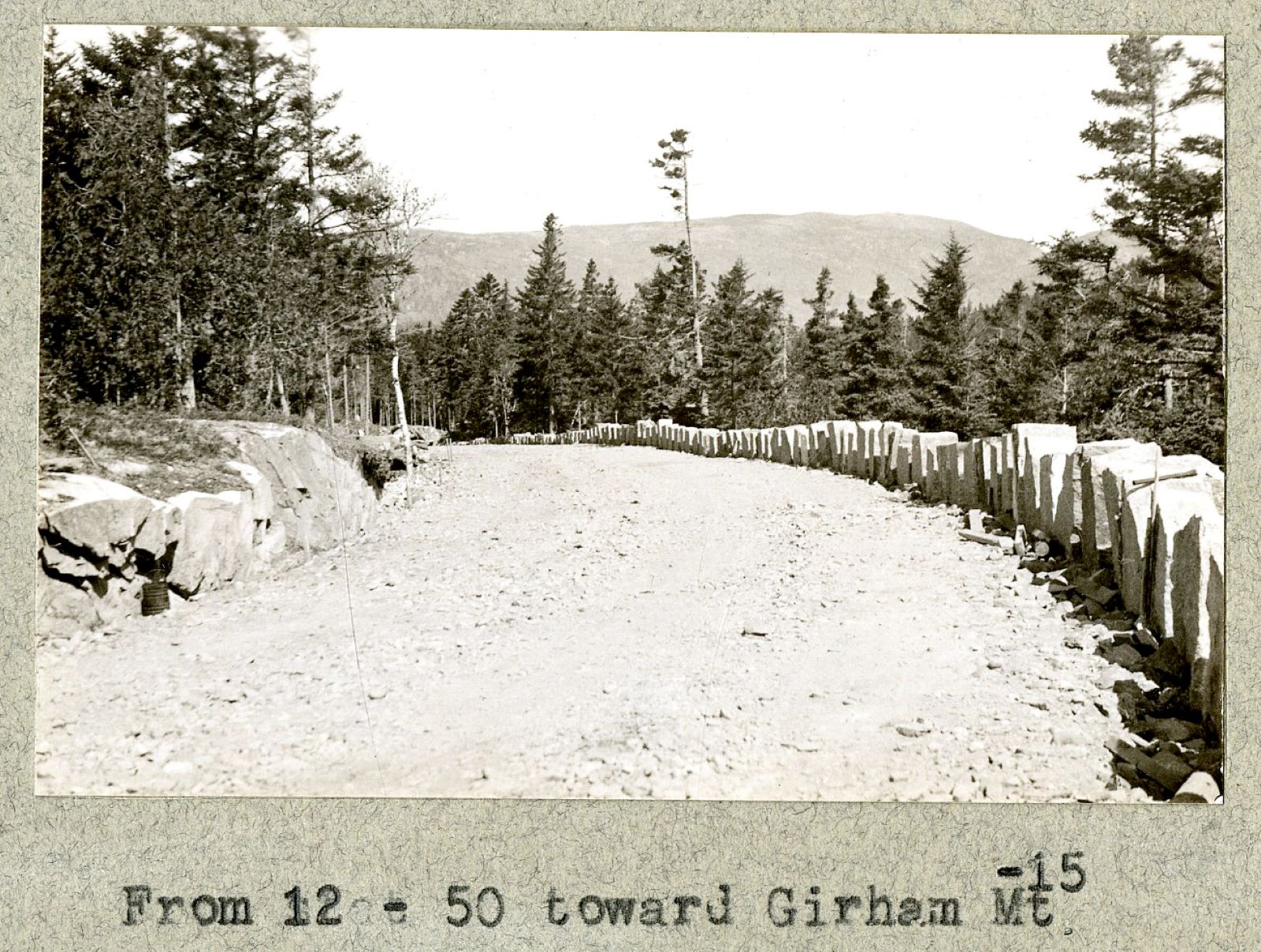
Acadia National Park: Carriage Roads, Cadillac Mountain & 2026 Guide
Discover carriage roads, Cadillac Mountain, and rugged Maine coast. Complete 2026 guide to Acadia National Park — trails, fees, lodging, permits, and what rangers recommend.
Hiking Guide
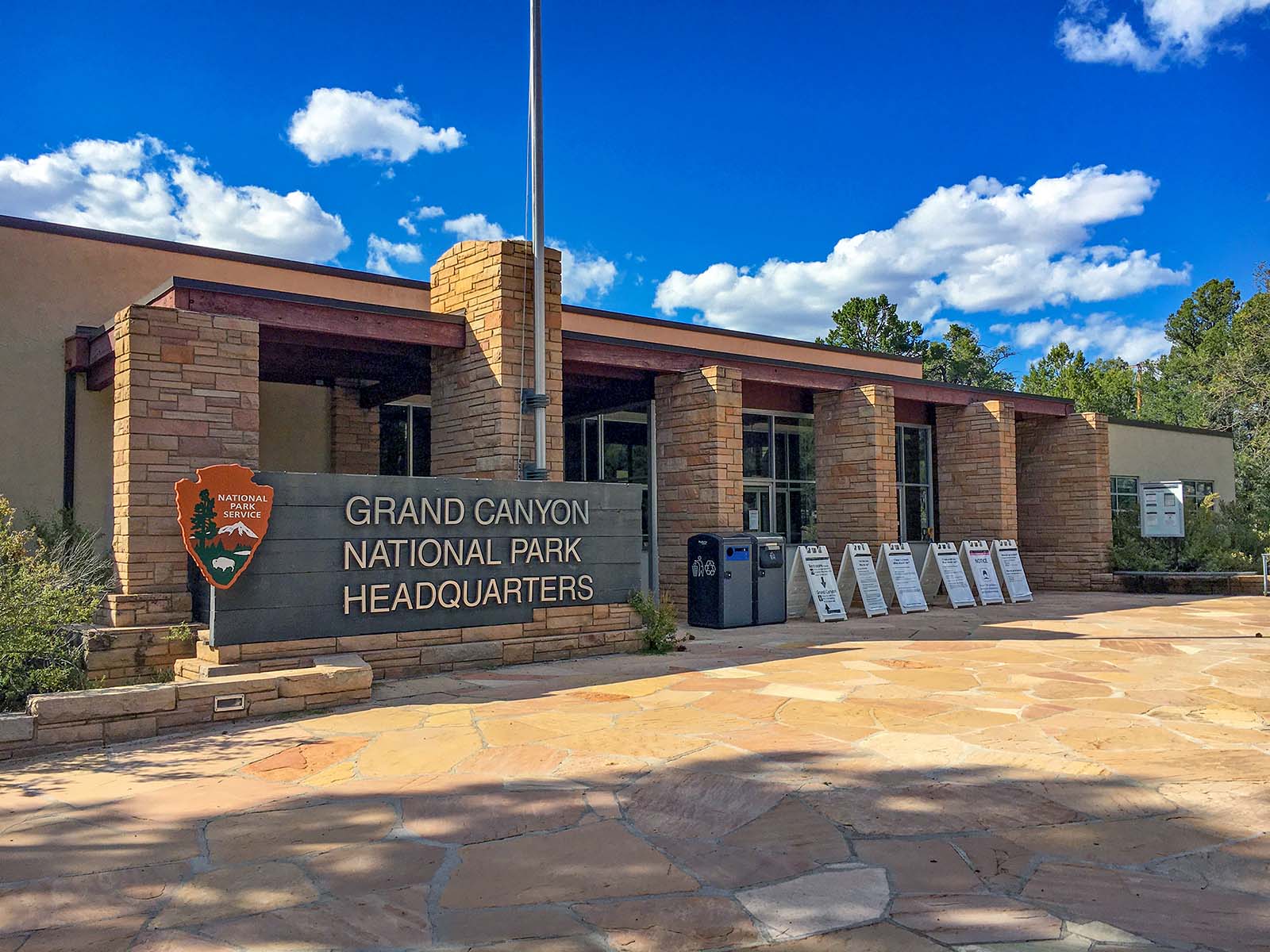
Grand Canyon Hiking Trails: Day Hikes, Water Sources & Rim to Rim
Compare Grand Canyon hiking trails: Bright Angel, South Kaibab, Hermit, Grandview, and rim to rim, with distances, elevation, water stops, and trailhead access for each.
Best Of
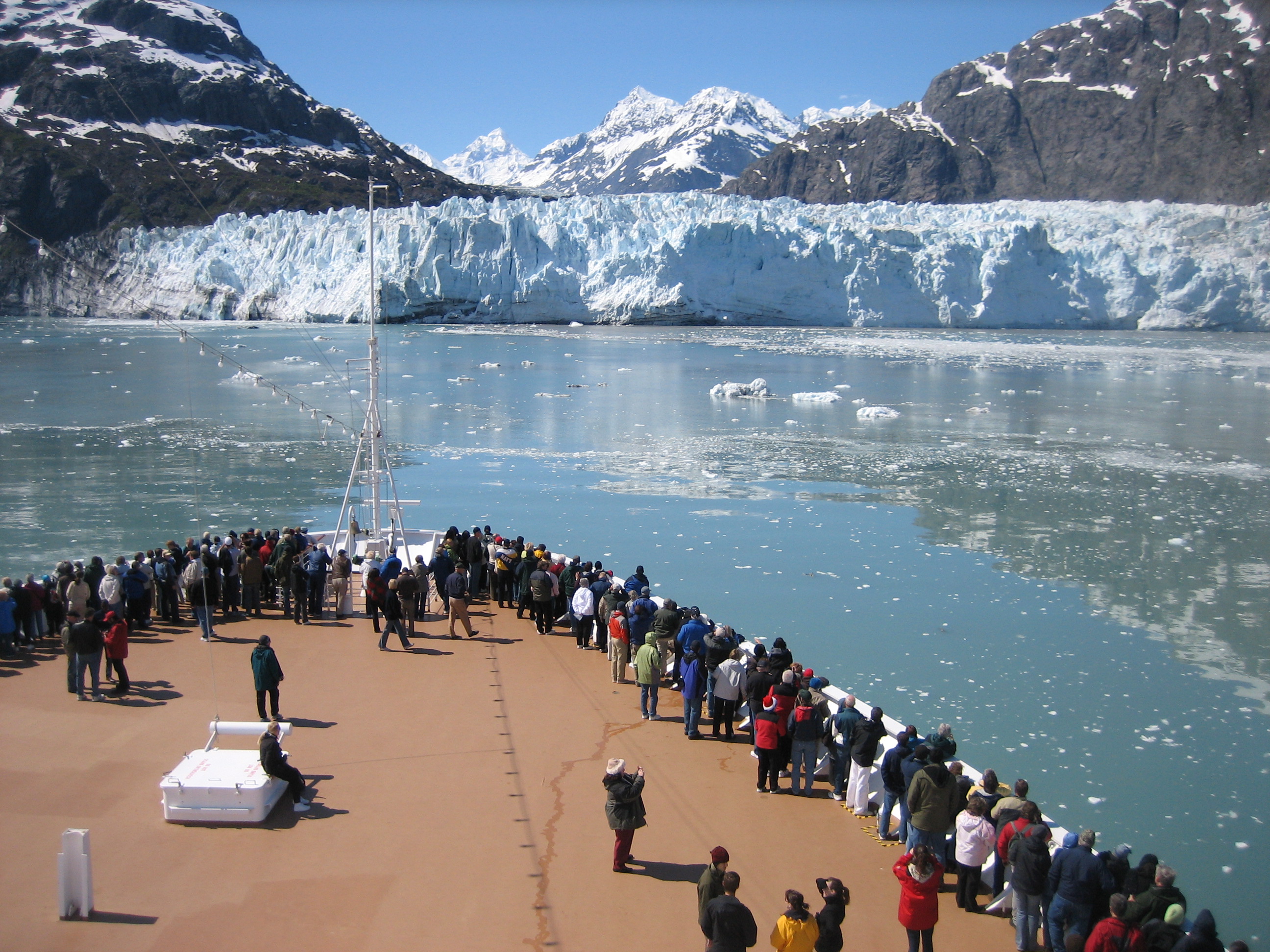
Best of Glacier Bay National Park
The best of Glacier Bay is reached by boat: ranger-led day tours up the bay to the tidewater glaciers. What's worth it, how to book, and when to go (2026).
Campsite Guide
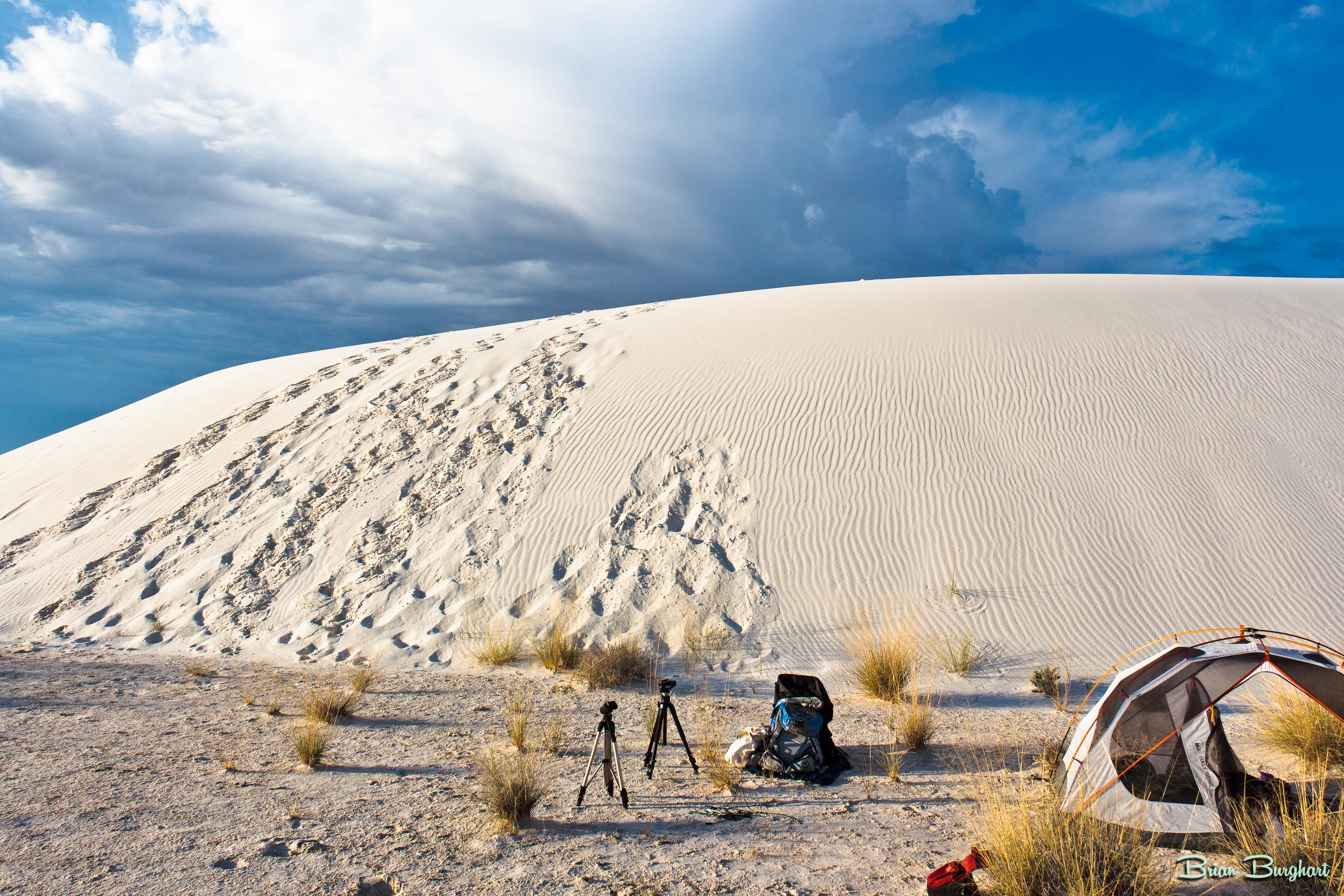
White Sands Backcountry Camping: Closed for 2026 — What to Know
As of 2026, backcountry camping at White Sands National Park is closed for site rehabilitation. What that means, and where to camp nearby instead.
Weather Guide
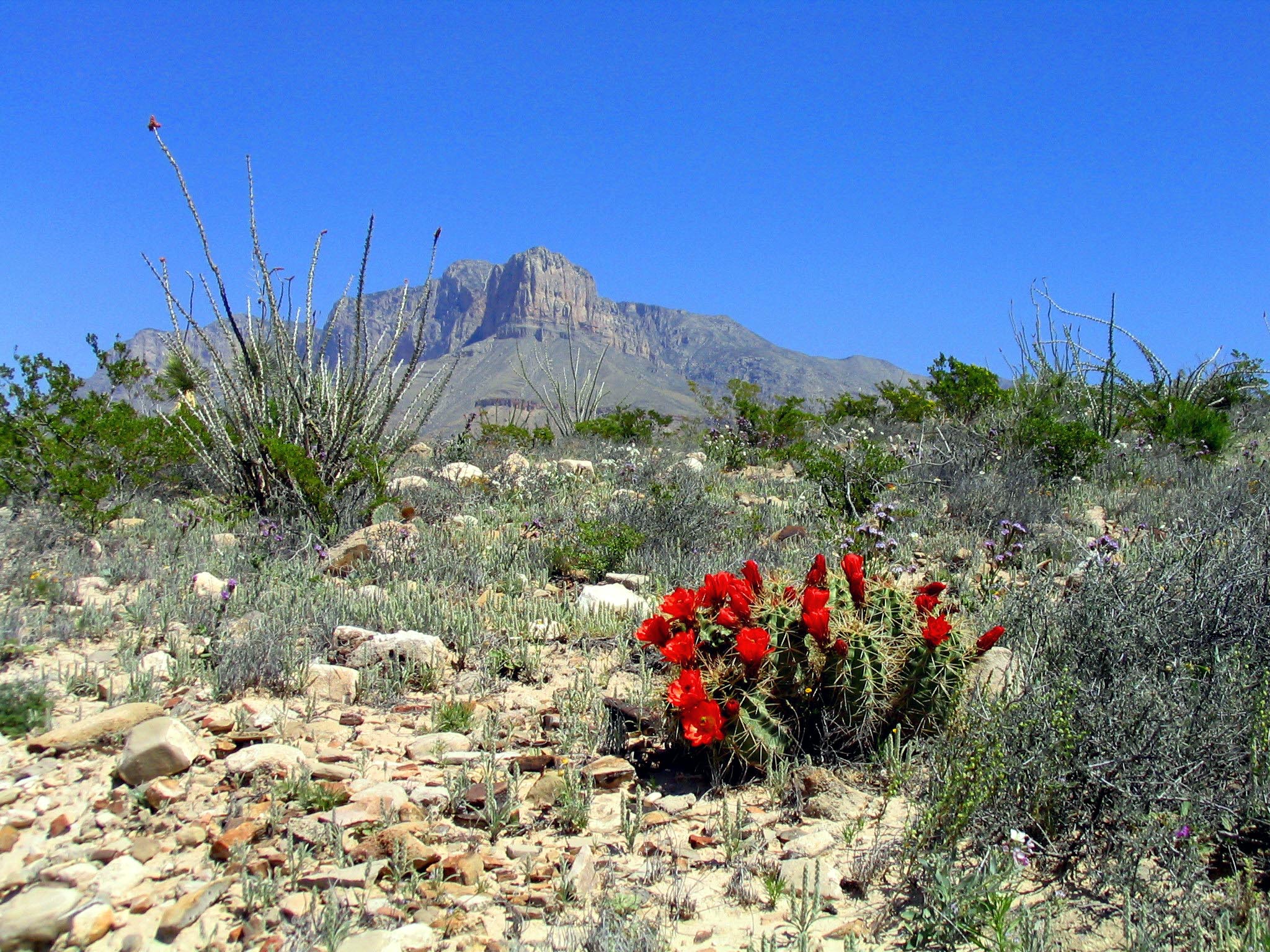
Guadalupe Mountains National Park Weather: Weather
Guadalupe Mountains National Park: weather guide guide updated 2026. Practical visitor information, reservations, and seasonal tips worth bookmarking before
Best Of
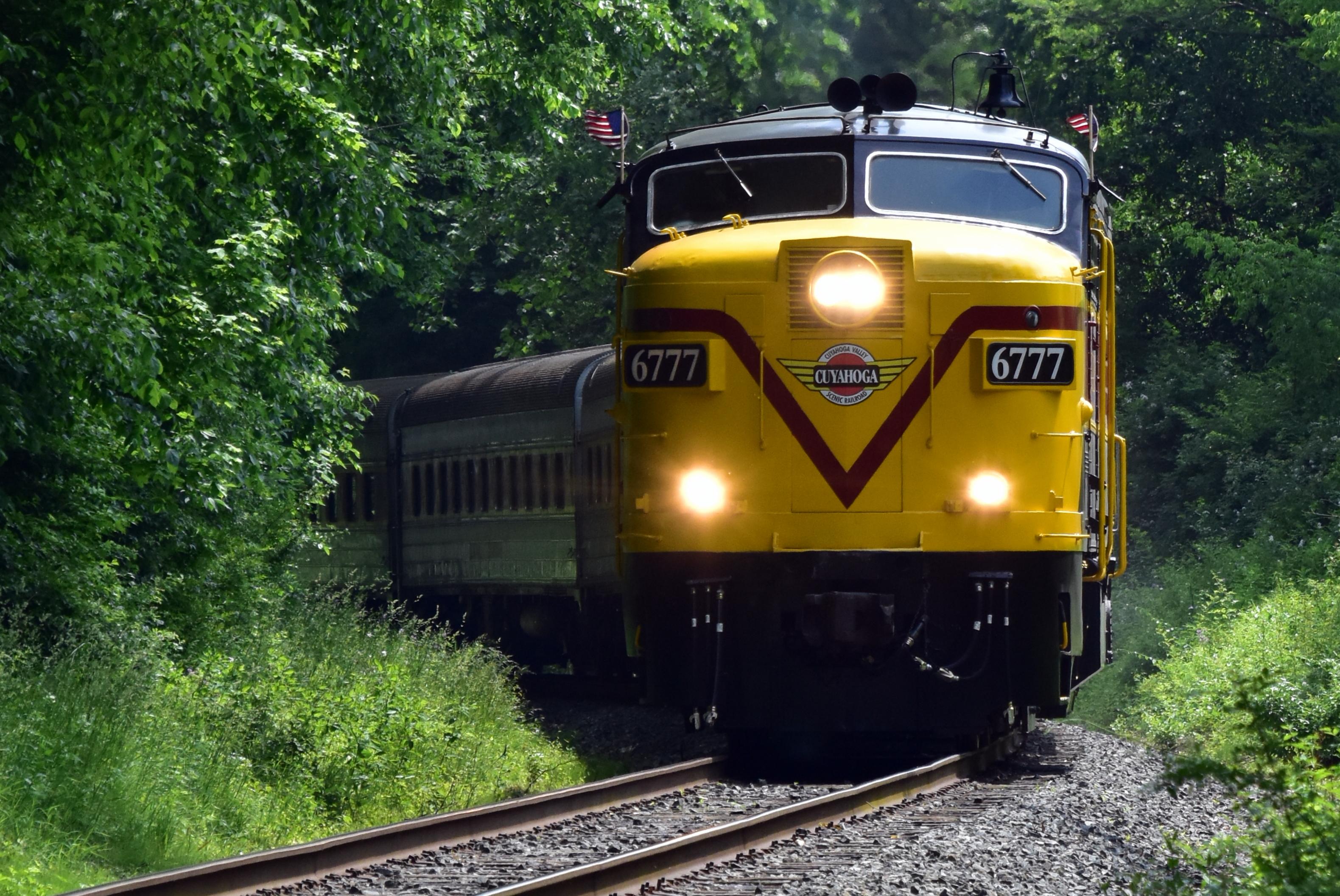
Best of Cuyahoga Valley National Park: Best Things to Do
Seeing a Cleveland Orchestra concert with the woods as your backdrop is a uniquely Cuyahoga Valley experience.
Sign in to join the conversation.
Sources & Attribution
Location data courtesy of the National Park Service (U.S. Department of the Interior). NPS data is public domain. Official NPS page.
Images: NPS; NPS; NPS; NPS; NPS.
Map data © OpenStreetMap contributors.
Park operations alerts: NPS.gov · Weather and weather hazards: National Weather Service · Live conditions.
Information may change. Always verify fees, hours, and conditions directly with the official source before visiting.
Did this guide help? Share it with a friend.