The first thing you notice at 10 AM in July is the silence. The cicadas have given up. The birds are in hiding. The only sound is the faint hum of your own car's air conditioner, which you will be reluctant to turn off. The air outside the vehicle feels solid, a wall of heat radiating from the pale dirt and the dark green of the saguaros. This is the foundational truth of planning a trip to Saguaro National Park: the difference between a good visit and a miserable one is measured in degrees and minutes. Your experience hinges entirely on when you come. For the definitive guide on navigating the park, our complete visitor guide covers logistics beyond the weather.
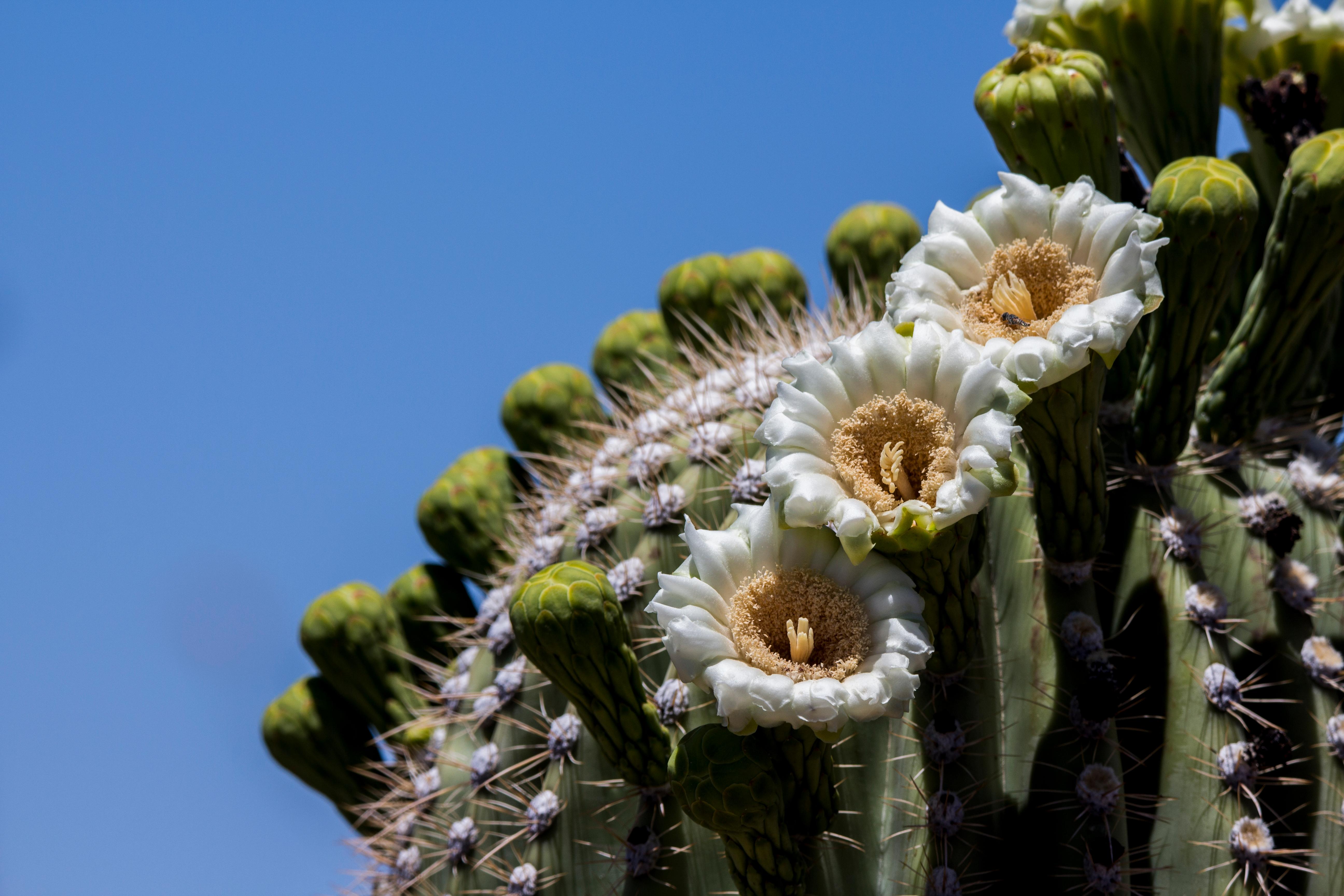
NPS via NPS.gov (Public Domain)
Saguaro National Park Best Month to Visit
8 min read
Weather Guide
Summer heat at Saguaro is a wall by 10 AM - plan hikes for dawn. Month-by-month desert conditions, monsoon timing, and packing tips (2026).
The Weather Reality
The park's climate isn't just hot; it operates on a binary system defined by the North American Monsoon. For most of the year, it's a classic Sonoran Desert - bone-dry, with relentless sun and vast temperature swings between day and night. Then, typically starting in early July, the monsoon pattern establishes itself. This isn't just afternoon rain. It's a daily atmospheric drama: humidity builds, towering cumulonimbus clouds form over the Rincons, and by mid-afternoon, the sky can violent downpours, lightning, and sudden, dangerous flash floods in washes and canyons. The monsoon lasts through September, bringing higher humidity but also breaking the heat and sparking a second wave of desert life. First-time visitors are often caught off guard by the sheer intensity of both the pre-monsoon dry heat and the ferocity of a monsoon storm. The official forecast for "Tucson" misses the microclimates - the Rincon Mountain District (East) is several hundred feet higher and often 5-10 degrees cooler than the Tucson Mountain District (West). Planning your saguaro national park best month to visit means choosing which side of this climatic divide you want to experience.

Month by Month
Forget generic seasons. Here's what you'll actually find on the ground.
December - February (Winter)
Temperatures: 50s to low 70s for highs. Lows can dip into the 30s, with occasional frost.
Conditions: This is the park's busy season for a reason. Days are sunny and mild, nights are cold. Rain is possible but not frequent. Snow dusts the peaks of the Rincon Mountains but almost never reaches the desert floor.
What's Open: Everything. Both visitor centers operate on winter hours (9am-5pm). All scenic drives and trails are accessible.
Crowds: High, especially around holidays. Parking lots at popular trailheads like Signal Hill or the Cactus Forest Loop fill by mid-morning.
The Upside: Perfect hiking weather all day. Comfortable for biking the loop drives. Excellent birding as winter migrants are present.
The Challenge: You need layers - a warm jacket for early morning starts is non-negotiable. Holiday weekends feel crowded.
March - May (Spring)
Temperatures: A rapid climb. March highs in the 70s-80s, April in the 80s-90s, May can hit 100.
Conditions: Dry, windy, and increasingly hot. This is the primary wildflower season, peaking in March and early April depending on winter rains.
What's Open: All facilities, but interpretive programs become intermittent after May.
Crowds: Extremely high in March and April for wildflowers. Tapers off in May as heat increases.
The Upside: The desert is in peak bloom. Ocotillos flame red, poppies and lupines color the bajadas. Mornings are glorious.
The Challenge: By late April, midday heat makes longer hikes inadvisable. You must start at dawn. Crowds at the east district's wildflower hotspots can be overwhelming.
June - September (Summer & Monsoon)
Temperatures: The furnace. Highs from 100-110+ in June, before the monsoon. "Low" temperatures at night might stay in the 80s. Monsoon rains in July-Sept moderate the peak heat slightly, but add stifling humidity.
Conditions: Pre-monsoon June is the hottest, driest, most dangerous period for hiking. The monsoon (July-Sept) brings daily storm risk, flash floods, and dramatic lightning after 2 PM.
What's Open: Visitor centers switch to summer hours (8am-4pm). Many interpretive programs are suspended. Trails are open but carry extreme risk.
Crowds: Very low. You'll have the place to yourself, for a reason.
The Upside: Spectacular lightning shows, dramatic skies, and the rebirth of desert greenery after rains. The summer is the saguaro national park best month to visit* for solitude and powerful desert storms - if you respect the danger.
The Challenge:* Heatstroke is a real and present danger. Hiking is only possible from 5 AM to 9 AM at the latest. Monsoon storms can strand you with flooded roads. Always check the forecast for flash flood warnings.
October - November (Fall)
Temperatures: A gradual cooling. October highs in the 80s-90s, November in the 70s. Nights become crisp.
Conditions: The monsoon tapers off in October, leaving clear, dry air. It's the calm after the storm.
What's Open: Visitor centers return to winter hours in November. All facilities operational.
Crowds: Moderate in October, picking up in November. A sweet spot between heat and winter crowds.
The Upside:* Ideal hiking returns. Pleasant temperatures, fewer people than spring, and brilliant sunsets. A second, minor wildflower bloom can occur if monsoon rains were good.
The Challenge:* It can still be quite warm in early October. Not much else - this is arguably the most balanced time to visit.

Best Times for Specific Activities
Hiking
The window for comfortable, all-day hiking is narrow: November through March. Outside of that, your start time is everything. For the park's best high-country trails in the Rincon Mountain District, aim for October or April to avoid deep winter snow at higher elevations and summer heat at the lower trailheads. Our dedicated guide to the hiking trails breaks down the best options for each season.
Wildlife Viewing
Different seasons bring different actors onto the stage.
- Winter (Dec-Feb): Best for birding. Hawks, migratory songbirds, and waterfowl at seasonal ponds.
- Spring (Mar-May): Peak activity for reptiles and mammals at dawn and dusk. You'll see more lizards, snakes, and jackrabbits.
- Summer Monsoon (Jul-Sep): The desert comes alive after rains. Tarantulas emerge, red-spotted toads appear in puddles, and nighthawks feast on insects. It's the best time for amphibian and insect observation.
- Fall (Oct-Nov): Desert tortoises are active, and bird migration happens again.
Wildflowers
There are two distinct blooms.
- Spring Bloom: Peak is mid-March to early April. This is the famous show of poppies, lupine, and owl clover triggered by winter rains.
- Monsoon Bloom: A less predictable, lusher green bloom of summer annuals like devil's claw occurs in September, following consistent monsoon rains.
Stargazing
October through April offers the clearest, driest, and most stable skies. The park's proximity to Tucson creates light pollution, but on moonless nights in the winter, the Milky Way is visible. Summer monsoon clouds often obscure the sky by nightfall.

What to Pack by Season
Throw out the generic list. Pack for the specific desert threat of the month.
Winter (Dec-Feb):
- A warm, wind-resistant jacket and beanie for 7 AM trailheads.
- Lightweight long pants and short-sleeve shirts for daytime layers.
- The sun is still strong - sunscreen and a hat are daily essentials.
- Insulated water bottle (water in your pack can get cold).
Spring (Mar-May):
- Sun protection is your religion: wide-brimmed hat, UV-blocking shirt, sunglasses, and high-SPF sunscreen.
- All your water, plus electrolyte tabs. A 3-liter reservoir is a minimum for any hike.
- Windbreaker (spring winds are fierce).
- Start your hike in the dark? Bring a headlamp.
Summer/Monsoon (Jun-Sep):
- This is survival gear. A 2+ gallon water supply per person for any car outing, even with no hiking planned.
- Electrolyte replacement is mandatory, not optional.
- Lightweight, moisture-wicking clothing that covers your skin.
- Rain jacket and waterproof bags for electronics (monsoon storms are sudden).
- Never hike without a detailed map and compass. GPS can fail, and getting lost in this heat is fatal.
Fall (Oct-Nov):
- Similar to spring: layers for cool mornings, sun protection for warm afternoons.
- Plenty of water - the dry air dehydrates you quickly even in 80-degree weather.

What the Forecast Doesn't Tell You
- The Ground Radiates Heat. An air temperature of 105°F means the soil and rock surface can be 150°F or more. This cooks you from below, overheating your body faster than the air alone would suggest.
- Monsoon Storms Are Hyper-Local. It can be pouring at the east district visitor center while the west district is under clear blue sky. Never assume a storm will miss you.
- "Dry" Doesn't Mean Hydrated. The low humidity in spring and fall tricks you into not sweating visibly, but you're losing moisture with every breath. You need to drink water on a schedule, not when you feel thirsty.
- Flash Floods Happen Miles Away. A wash can be bone-dry where you are, but a storm 10 miles upstream can send a wall of water and debris down it with zero warning. Never camp in or hike in a wash if storms are forecast anywhere in the region.
- Your Car is a Liability. The alerts are not exaggerating. Vehicle break-ins at trailheads are a persistent issue. Leave absolutely nothing in view. Take your wallet, phone, and charger with you. An empty car is a safe car.
- Rideshare is a One-Way Ticket. Especially on the west side. Drivers will drop you off, but getting a pickup is nearly impossible. You will be stranded.
Practical Takeaways
- For classic, comfortable desert hiking, target November or February. You avoid the spring crowds and the extreme temperatures on either side.
- If you come for wildflowers in March or April, be at your chosen trailhead by sunrise. You'll get the light, the blooms, and a parking spot.
- Summer visits (June-Sept) are only for the prepared and weather-aware. Your activity window is 5:00 AM to 10:00 AM. Plan to be indoors or in your vehicle by afternoon.
- Regardless of season, your packing list starts with water, sun protection, and a map. Everything else is secondary.
- Always check the official park website for current alerts on flash floods, road conditions, and facility closures. The monsoon can change things hourly.
- Decide which district fits your weather tolerance. The Rincon Mountain District (East) is generally a few degrees cooler and receives more monsoon rain. The Tucson Mountain District (West) is lower, hotter, and often drier.
- If you plan to stay overnight, research your camping options well in advance, as winter and spring sites book quickly.
Sources
- Official source: NPS — Saguaro National Park nps.gov/sagu/index.htm
Photo Gallery
More to Explore
Park Guide
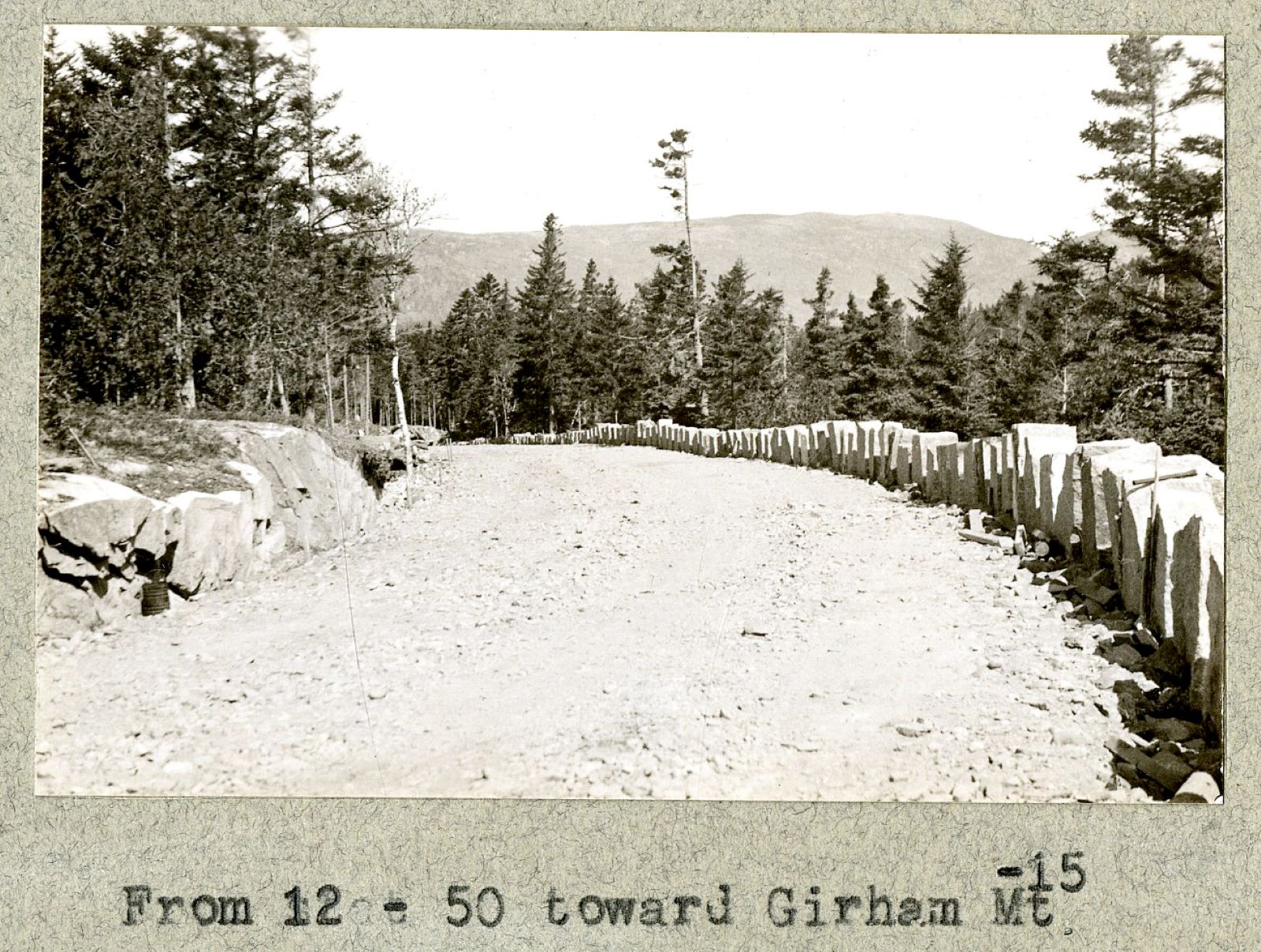
Acadia National Park: Carriage Roads, Cadillac Mountain & 2026 Guide
Discover carriage roads, Cadillac Mountain, and rugged Maine coast. Complete 2026 guide to Acadia National Park — trails, fees, lodging, permits, and what rangers recommend.
Hiking Guide
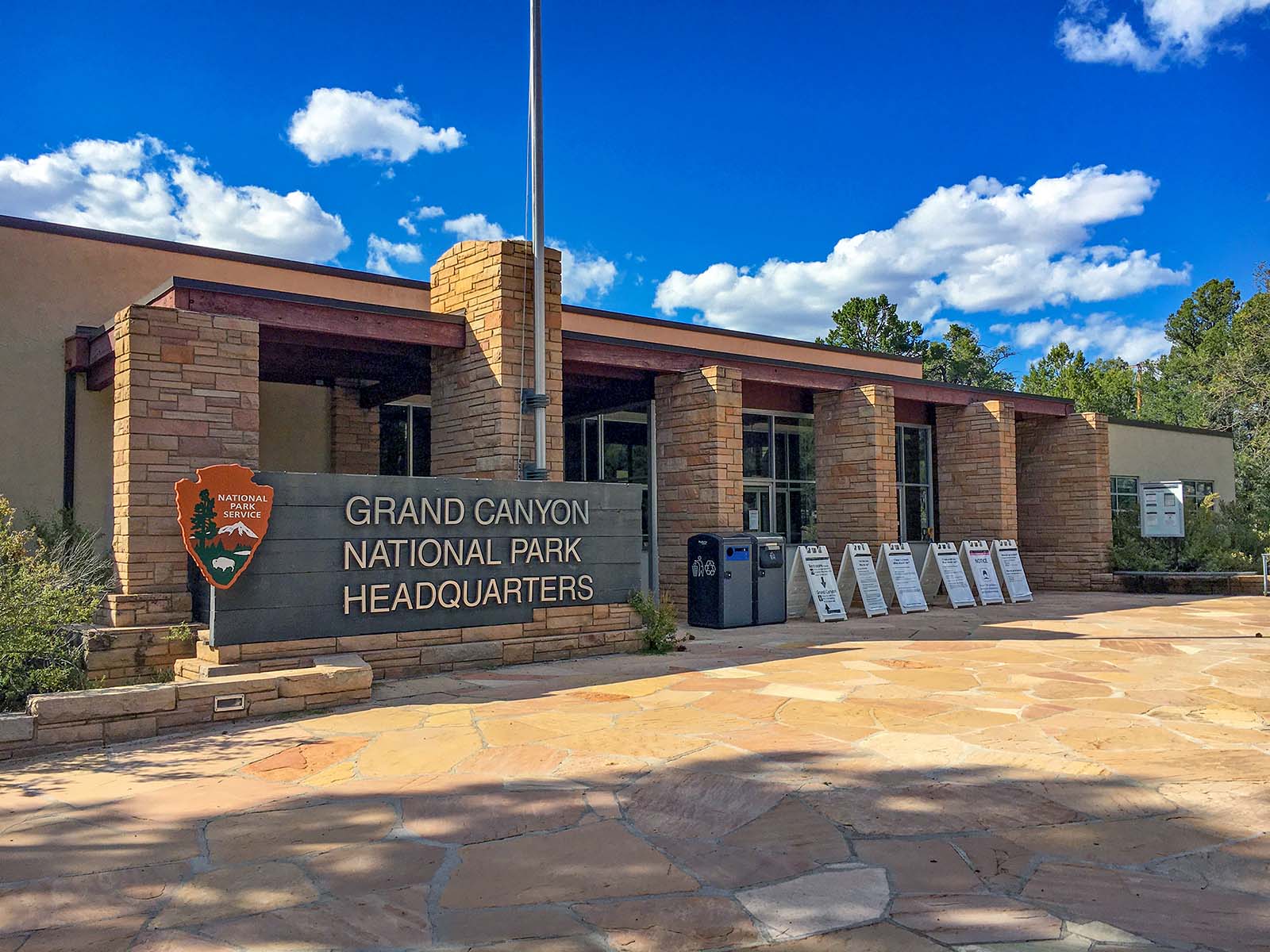
Grand Canyon Hiking Trails: Day Hikes, Water Sources & Rim to Rim
Compare Grand Canyon hiking trails: Bright Angel, South Kaibab, Hermit, Grandview, and rim to rim, with distances, elevation, water stops, and trailhead access for each.
Best Of
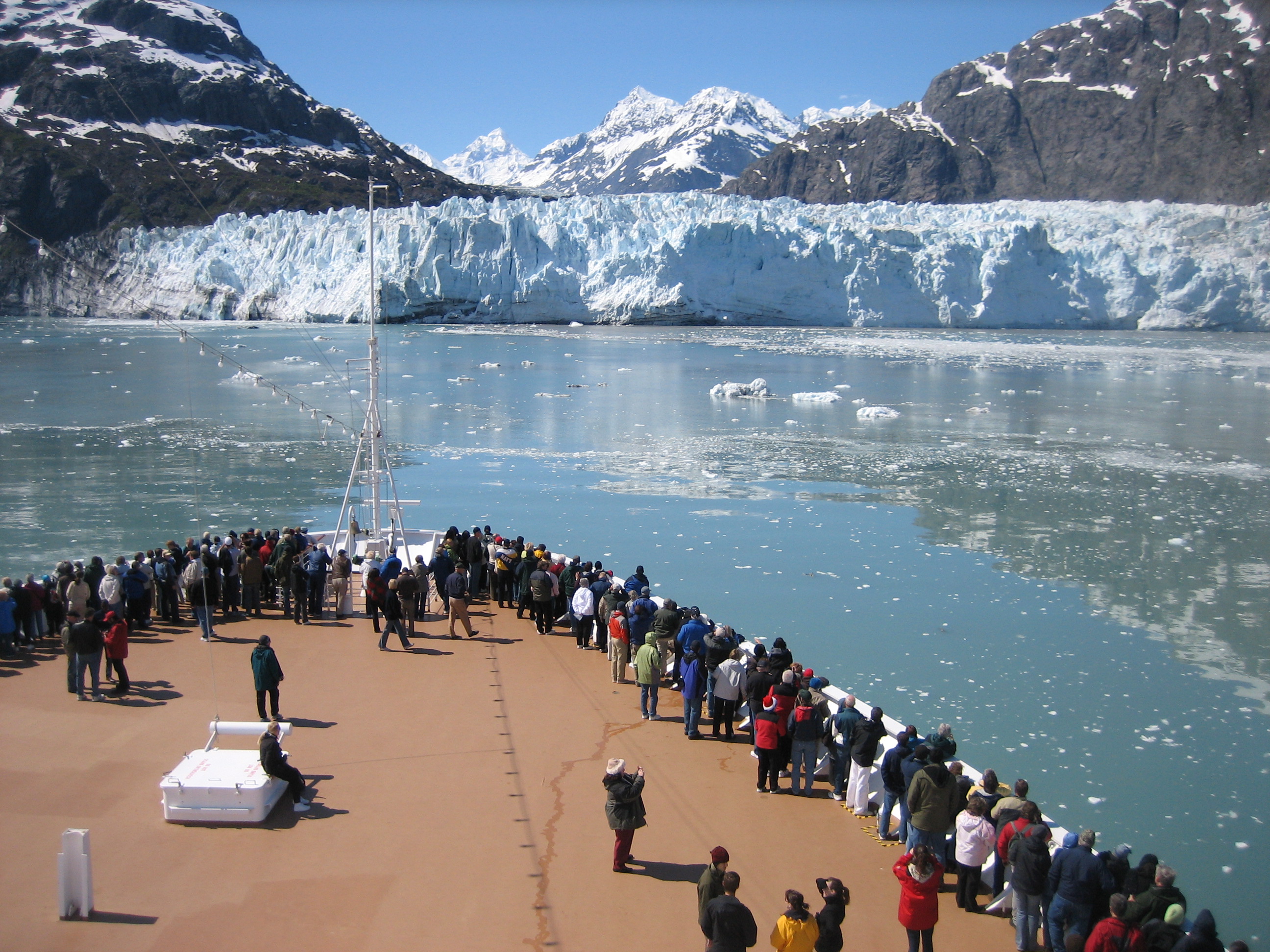
Best of Glacier Bay National Park
The best of Glacier Bay is reached by boat: ranger-led day tours up the bay to the tidewater glaciers. What's worth it, how to book, and when to go (2026).
Campsite Guide
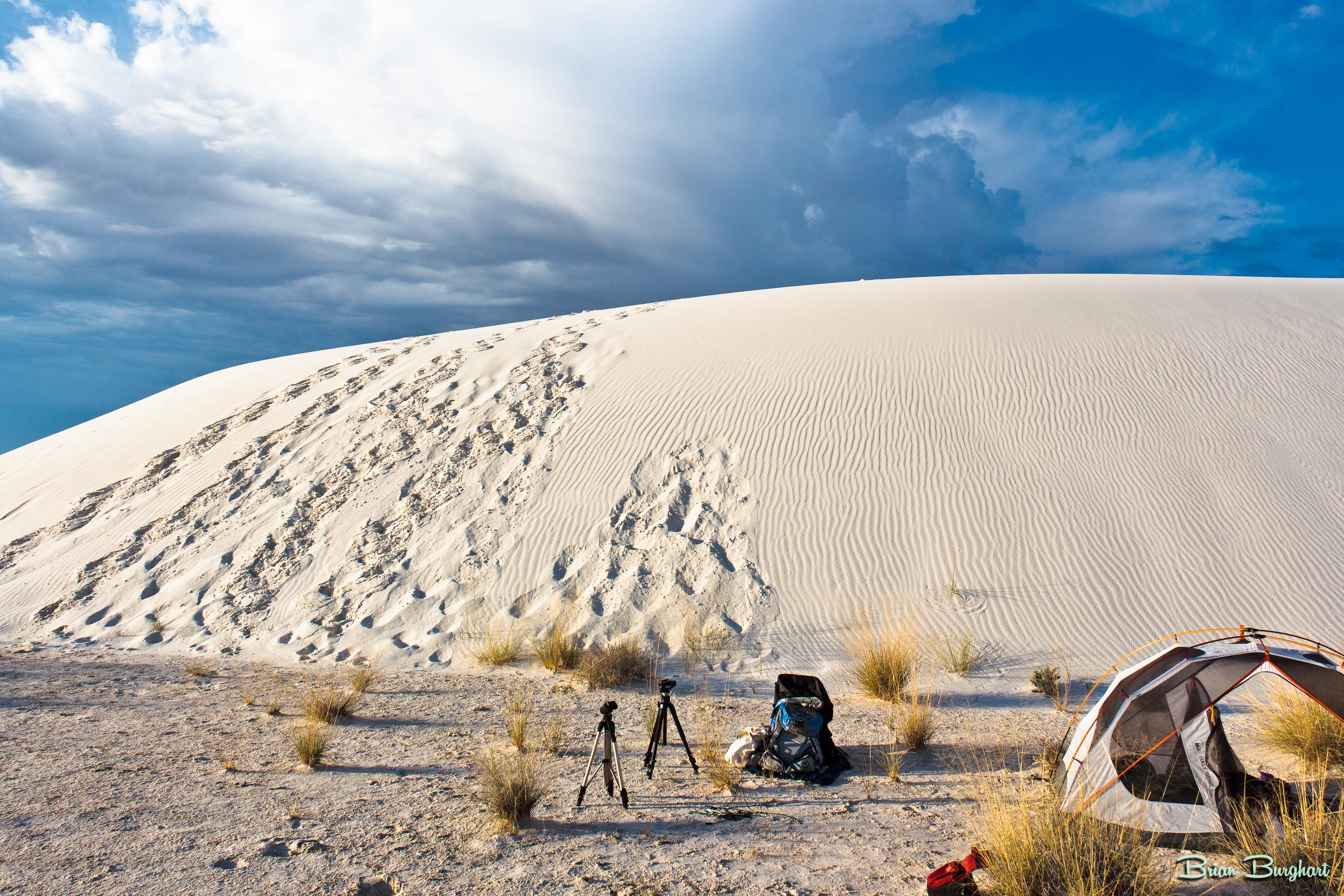
White Sands Backcountry Camping: Closed for 2026 — What to Know
As of 2026, backcountry camping at White Sands National Park is closed for site rehabilitation. What that means, and where to camp nearby instead.
Weather Guide
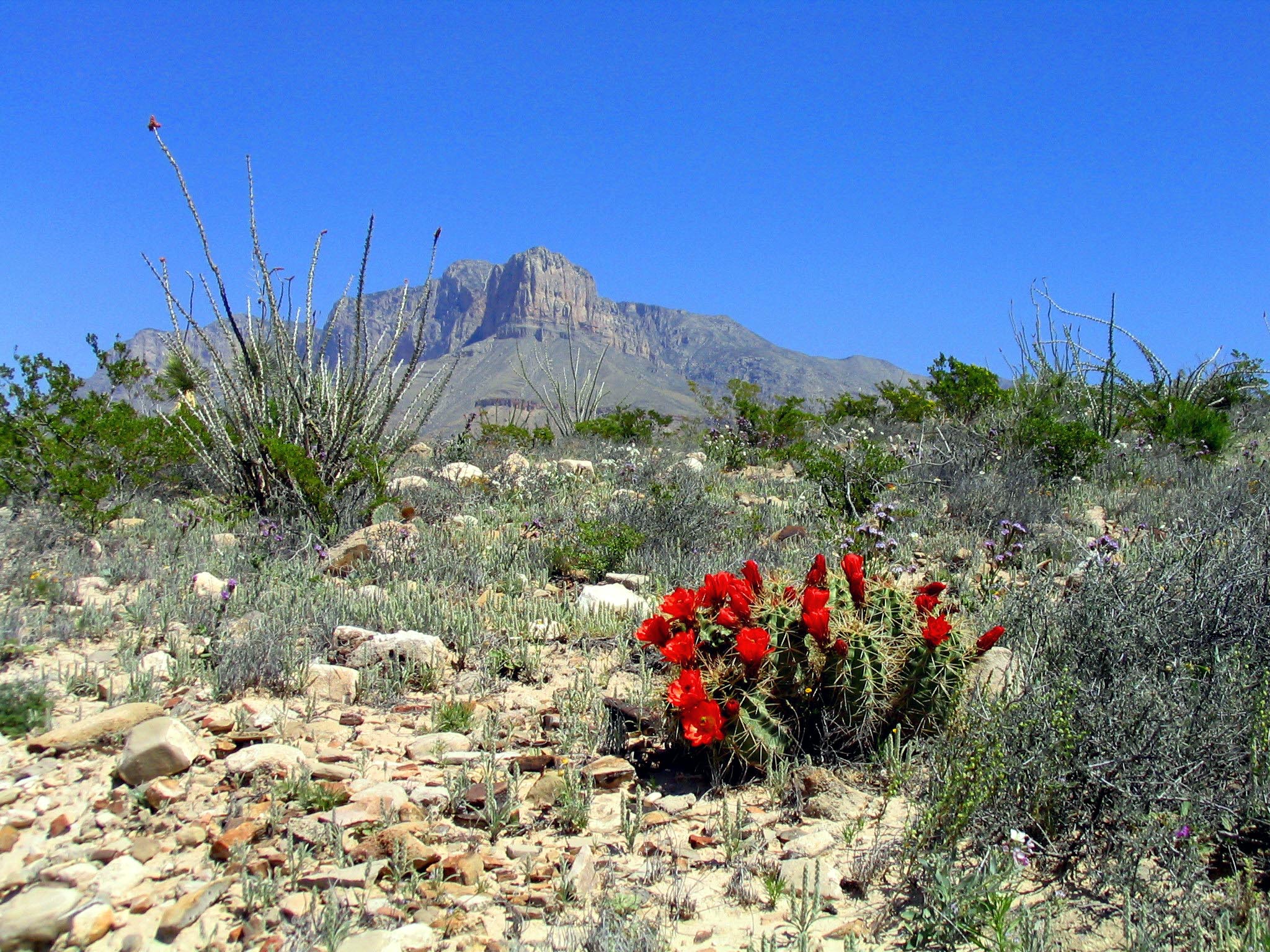
Guadalupe Mountains National Park Weather: Weather
Guadalupe Mountains National Park: weather guide guide updated 2026. Practical visitor information, reservations, and seasonal tips worth bookmarking before
Best Of
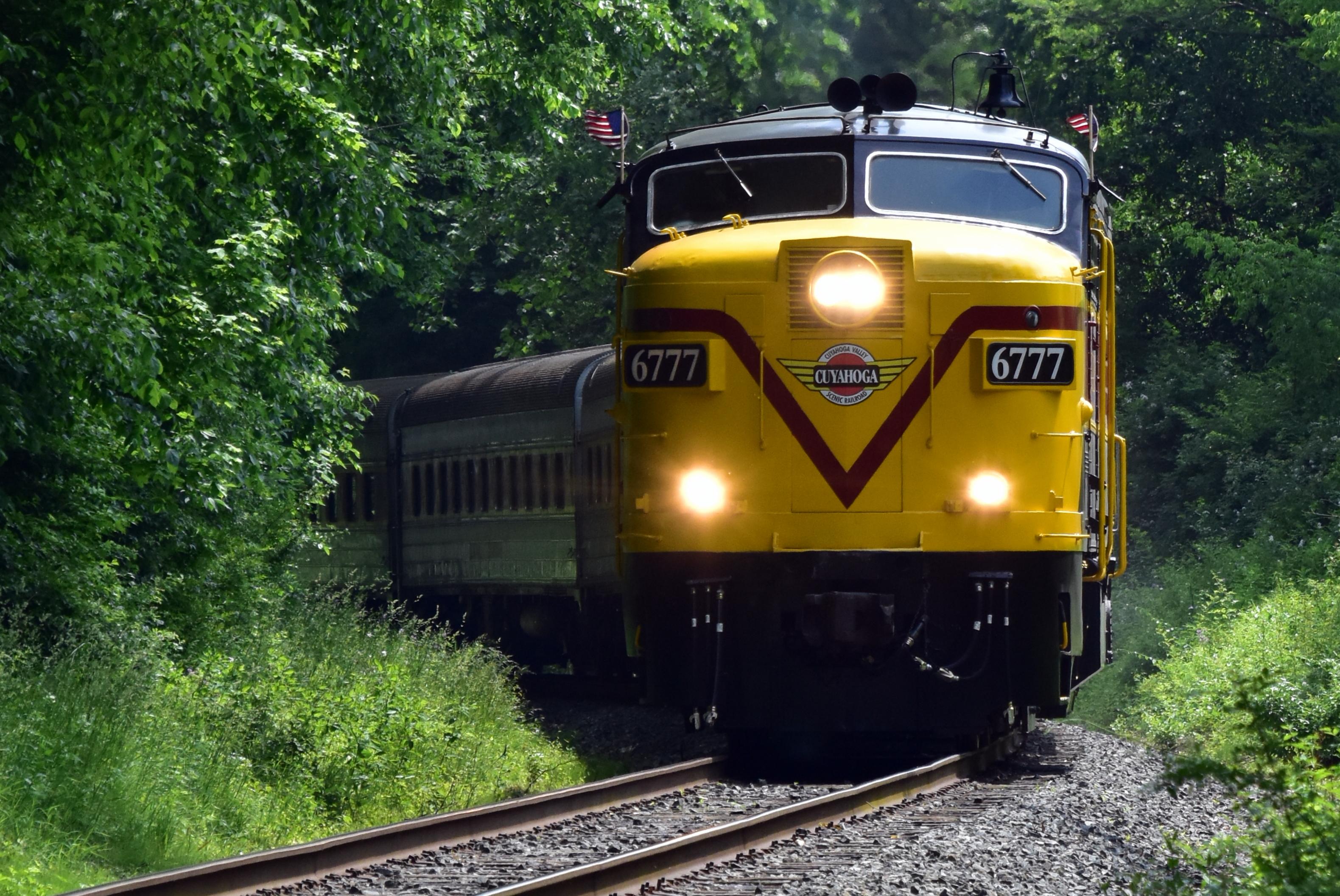
Best of Cuyahoga Valley National Park: Best Things to Do
Seeing a Cleveland Orchestra concert with the woods as your backdrop is a uniquely Cuyahoga Valley experience.
Sign in to join the conversation.
Sources & Attribution
Location data courtesy of the National Park Service (U.S. Department of the Interior). NPS data is public domain. Official NPS page.
Images: NPS; NPS; NPS; NPS; NPS.
Map data © OpenStreetMap contributors.
Park operations alerts: NPS.gov · Weather and weather hazards: National Weather Service · Live conditions.
Information may change. Always verify fees, hours, and conditions directly with the official source before visiting.
Did this guide help? Share it with a friend.