Saguaro National Park Camping: Best Camping (2026 Guide)
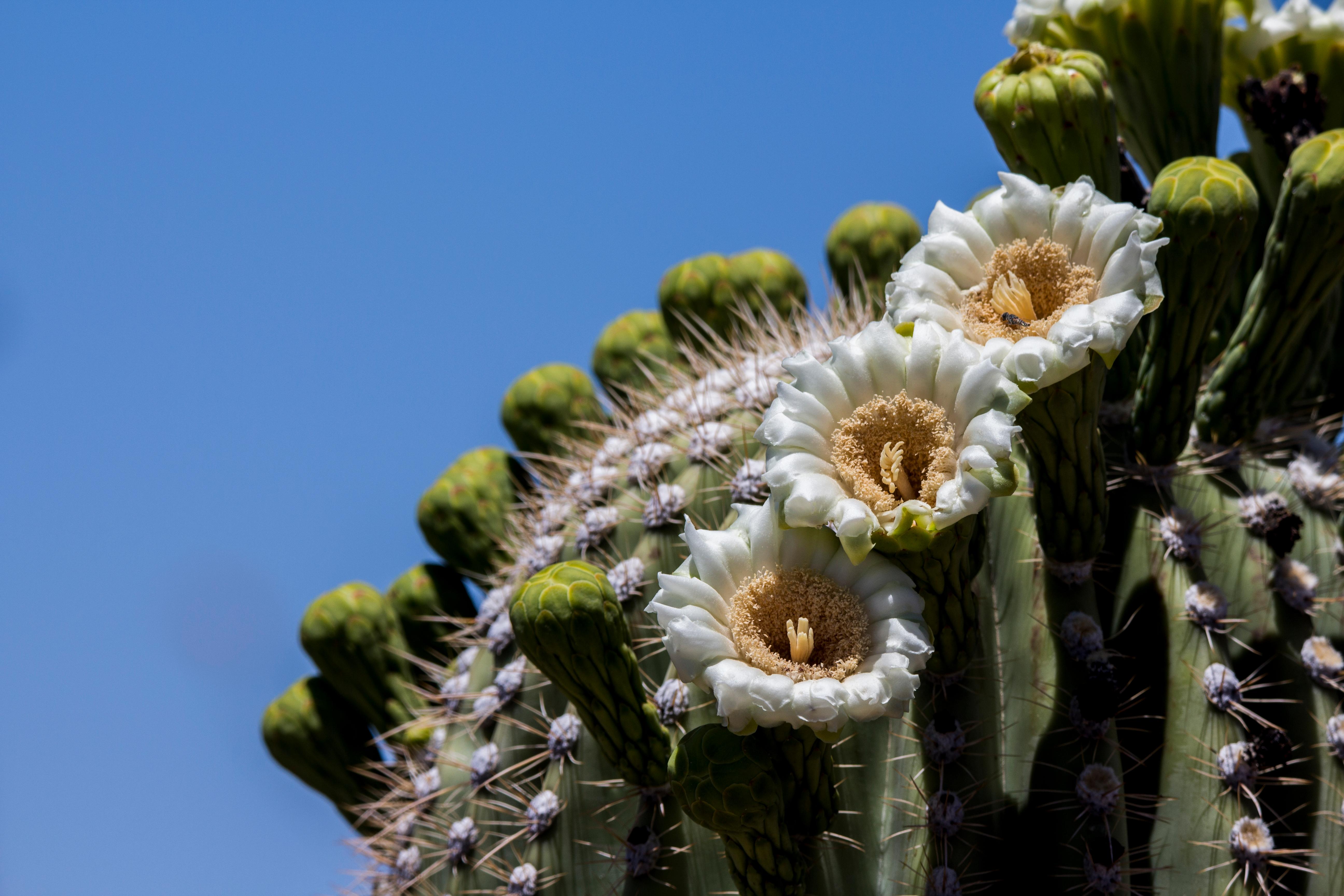
NPS via NPS.gov (Public Domain)
Best Camping Saguaro National Park
10 min read
Camping Guide
Complete 2026 camping guide for Saguaro National Park. Campground locations, reservation tips, site selection, and what to know before you arrive.
Your plans
This article contains affiliate links — we may earn a small commission at no extra cost to you.
Camping in Saguaro National Park demands preparation and respect for its wilderness character. You won't find drive-up sites here. The park's six backcountry campgrounds are all hike-in only, with approaches ranging from 3.9 to over 12 miles one-way. Securing a spot means obtaining a backcountry permit for one of just 21 sites across the Rincon Mountain wilderness. Many visitors find suitable accommodations at private campgrounds in Tucson, but for those committed to true desert immersion, the park's backcountry offers an experience that can't be replicated elsewhere. This guide outlines the permit process and what to expect on the trail.
The Booking Reality
Reservations for Saguaro's backcountry campgrounds are not handled on Recreation.gov. You book directly through the National Park Service via a permit system. As of 2026, you can reserve a permit up to three months in advance of your trip start date. Permits are required year-round.
The competition isn't about a 60-second sellout like at more popular parks, but about very limited inventory. With only 21 sites total across six campgrounds, prime seasons (October through April) can book up, especially for weekends. Manning Camp, with its year-round water and six sites, is often the first to fill. The three-site campgrounds like Grass Shack or Douglas Spring can feel surprisingly social if all sites are occupied, given their small size.
Walk-in permits are available, but they require flexibility and timing. You'll need to visit either the Rincon Mountain District (East) or Tucson Mountain District (West) Visitor Center in person, where rangers can only issue permits for that same day. During peak season, arriving by noon often means finding all sites already reserved. For the best chance at a walk-in permit, plan to be at the visitor center when it opens and maintain flexibility about your destination campground.
Campground at a Glance
Since all campgrounds are primitive and hike-in, a quick comparison is useful. All sites have a maximum of 6 people and cost $8 per site per night as of 2026. None have hookups, showers, or vehicle access.
| Campground | Sites | Elevation | Key Feature | Hike Difficulty & Approx. Mileage* |
|---|---|---|---|---|
| Happy Valley Saddle | 3 | Not specified | Shortest hike in | Strenuous; 3.9 mi, 2000+ ft gain |
| Douglas Spring | 3 | 4,800 ft | Views of Tucson | Strenuous; 6.2 mi one-way |
| Grass Shack | 3 | 5,300 ft | Reliable shade | Moderate/Strenuous; 5.8 mi one-way |
| Juniper Basin | 3 | 6,000 ft | High desert pines | Strenuous; ~7.5 mi one-way |
| Manning Camp | 6 | 8,000 ft | Year-round water | Very Strenuous; ~12.3 mi one-way |
| Spud Rock Spring | 3 | Not specified | Most isolated | Very Strenuous; remote access |
*Mileage and gain are estimates to the campground; always confirm with a ranger and a current map.

Happy Valley Saddle: Complete Guide
Happy Valley Saddle serves as an introduction to Saguaro's backcountry for many first-timers. Don't let the 'shortest hike' designation mislead you—3.9 miles with over 2000 feet of elevation gain presents a substantial challenge under a full pack. The trail offers little shade, with sun exposure that demands proper preparation.
Setting and Atmosphere
You're camping on a saddle, which means wind is a factor. The sound is constant up here, a low rush through the manzanita and scrub oak. Views are expansive but not the classic saguaro forest; you're looking down into the Tanque Verde Valley and up toward the higher peaks. It feels remote quickly, though you may hear the distant hum of Tucson on a clear, quiet night. Shade is minimal.
Site Layout and Selection
The three sites are spread along the saddle. There's no "best" site for privacy as they're all within sight of each other in this open terrain. The common mistake is underestimating how exposed you are to the elements. If storms are forecast, this is not where you want to be. The sites are rocky; a free-standing tent is mandatory as staking can be difficult.
The Booking Site Doesn't Show
The trail register here often has comments about the relentless climb. The wind can make cooking a challenge. And while it's the shortest hike, the vertical gain means your knees will have strong opinions on the descent.
Douglas Spring: Complete Guide
At 4,800 feet, Douglas Spring offers a transition from the lower desert into oak woodlands. The hike up Tanque Verde Ridge is relentless but delivers those "beautiful views down toward Tanque Verde" the park describes.
Setting and Atmosphere
This campground sits near a (often seasonal) spring, surrounded by larger trees than the lower elevations. The air is noticeably cooler. You'll hear the rustle of leaf litter and the calls of acorn woodpeckers in the oaks. It feels more sheltered and forested than the arid trail you ascended. The three sites are tucked into separate groves, offering decent visual separation.
Site Layout and Selection
Sites are designated by numbered posts. They vary in flatness and proximity to the common bear box and "toilet" (a backcountry privy). Ask the issuing ranger for a current condition report - they often know which site has the most level tent pad or which has the most afternoon shade. All sites require walking a short distance from the central food preparation area.
The Booking Site Doesn't Show
Water from Douglas Spring must be treated, and in dry years it can slow to a trickle or stop. Always check current water status with a ranger. The privy here is a classic backcountry vault - bring your own hand sanitizer.

Grass Shack: Complete Guide
The name is accurate. At 5,300 feet, this area is lush compared to the desert floor, with tall grasses and dense stands of oak and sycamore along Madrona Creek. It's a popular choice for good reason.
Setting and Atmosphere
Shade is the headline feature. The canopy is thick, casting the sites in dappled light. The sound of water (again, seasonal and must be treated) over rocks is often present. It feels like a hidden oasis. Temperatures can be 15-20 degrees cooler than the trailhead. The trade-off is humidity and insects can be higher in the summer months.
Site Layout and Selection
The three sites are spaced along the creek, with Site 1 often being the first you reach. Site 3 tends to be the most private, set slightly farther back. All sites have good tree cover. The ground can be damp, so a ground cloth is advised. The bear box and privy are centrally located.
The Booking Site Doesn't Show
This is a corridor campground for through-hikers on the Tanque Verde Ridge Trail. You might share the space with folks heading to or from Manning Camp. The creek water is often silty; a pre-filter for your water treatment system is a smart addition to your pack.
Juniper Basin: Complete Guide
Reaching 6,000 feet, Juniper Basin marks a clear shift into high desert and pine forest. The park calls the hike up Tanque Verde Ridge "tough," and they aren't exaggerating. This is a full-day effort with a pack.
Setting and Atmosphere
The air is thin and dry, scented with pine and juniper. The basin is more open than Grass Shack, with clusters of juniper and pinyon pine defining the sites. Night skies here are exceptionally dark, and the temperature drop after sunset is significant. It's quiet in a profound way, broken only by wind in the pines.
Site Layout and Selection
Sites are spread around the perimeter of the broad basin. They offer the most privacy of any of the three-site campgrounds. You'll have a longer walk to the common bear box and privy. Choose a site based on wind protection - the ranger issuing your permit can advise on the most sheltered spots based on current weather.
The Booking Site Doesn't Show
There is no reliable water source at Juniper Basin. You must carry all the water you need for your stay, plus enough for the hike out. This dramatically increases your pack weight. Most visitors underestimate this logistical hurdle.

Manning Camp: Complete Guide
The crown jewel of the park's backcountry system. At 8,000 feet, it's a world apart from the saguaro forests below. The historic stone cabin (ranger residence, not for camper use) and year-round spring have made this a destination for decades.
Setting and Atmosphere
You're in a mixed conifer forest. Aspens quake in the fall. It can snow here in winter. The "water available year-round" is a massive advantage, but it still requires treatment. The camp has a designated, centralized cooking area with multiple bear boxes and a maintained privy. With six sites, it has the most social atmosphere - you will see other campers.
Site Layout and Selection
Sites 1-6 are scattered in the trees around the main meadow and cabin area. Sites 5 and 6 are often considered the most private, set farther from the central activity. Site 1 is closest to the water source and privy. Families or groups sometimes book multiple adjacent sites. The ground is generally soft with pine duff.
The Booking Site Doesn't Show
The hike in is a major undertaking, often done as an overnight itself. Mule trains supply the ranger station periodically; you may encounter them on the trail. Because of the reliable water and high capacity, this camp can feel the most "developed," which is either a pro or a con depending on your desire for solitude.
Spud Rock Spring: Complete Guide
The park notes Spud Rock is "the most isolated." That's the defining characteristic. Access is via long, committing trails from either the east or west.
Setting and Atmosphere
Solitude is virtually guaranteed. You're camping in a remote drainage. The spring is seasonal and unreliable. This is for experienced backpackers who want to be alone and are prepared to be self-sufficient. The silence is absolute.
Site Layout and Selection
There are three designated sites, but conditions are the most primitive. You may be relying on natural features for windbreaks. The bear box is a standard metal locker, and the "toilet" is a backcountry cathole system. You must know how to properly store food and manage waste.
The Booking Site Doesn't Show
Getting here is a navigation challenge beyond just endurance. Trail signage is minimal in this area. You need excellent map-and-compass or GPS skills. Rangers will quiz you on your route knowledge before issuing a permit for Spud Rock.

Reservation Strategy
- Mark Your Calendar: Permits become available three months in advance at 8:00 AM Mountain Time. For a popular October weekend, reservations open in early July.
- Call Early: Phone lines open when the visitor centers open (9 AM in winter, 8 AM in summer). Have your dates, group size, and alternate campground choices ready. The phone number is 520-733-5153.
- Be Flexible: If your first-choice campground is booked, have a second and third choice ready. Midweek stays have much higher availability.
- Monitor for Cancellations: People do cancel. Calling a week or even a few days before your desired date can sometimes yield a surprise opening.
- Walk-in Protocol: Be at the Rincon Mountain District Visitor Center when it opens. Know your limits - don't request a 12-mile hike to Manning Camp if you've never backpacked before. Rangers can and will suggest alternatives for safety.
What to Know Before You Arrive
Bear Storage is Non-Negotiable. All food, trash, toiletries, and anything with a scent must be stored in the provided metal bear boxes at the campground. Never keep these items in your tent. This is strictly enforced to protect both you and the bears.
Fire Restrictions are Almost Always in Effect. Wood and charcoal fires are prohibited in the Saguaro National Park backcountry year-round. You may use a portable camp stove with a shut-off valve. Check at the visitor center for any extreme fire bans that might prohibit stoves.
There is No Cell Service at any of the campgrounds and it drops out on most trails within a mile of the trailhead. Do not rely on your phone for navigation or communication. Tell someone your itinerary and expected return time.
Water Strategy is Critical. Only Manning Camp has year-round water. All other sources (springs, creeks) are seasonal and must be treated. For Juniper Basin and Spud Rock, assume you are carrying all your water. Plan for at least one gallon per person per day, more in summer.
Quiet Hours are from 8:00 PM to 6:00 AM. Sound carries incredibly well in the desert and mountains. Be considerate.
Checkout Time is 11:00 AM on your departure day. Pack out all trash - there are no garbage services in the backcountry.
Practical Takeaways
- Saguaro has zero drive-in campgrounds. All camping requires a backcountry permit and a hike of 3.9 miles or more.
- Book your permit exactly three months in advance by phone (520-733-5153) for the best chance at your chosen site.
- For your first trip, target Happy Valley Saddle, Douglas Spring, or Grass Shack. Manning Camp is a major trek, and Juniper Basin/Spud Rock require expert planning.
- Assume you must carry all water unless you are staying at Manning Camp. Even then, treat all water.
- A portable camp stove is your only cooking option - ground fires are never allowed.
- Use the bear box. Every time. For everything scented.
- Your vehicle at the trailhead is a target. The park has active alerts for break-ins. Leave absolutely nothing of value in sight. Take your wallet and keys with you.
- The temperature difference between Tucson and Manning Camp can be 30+ degrees. Pack layers for cold nights at high elevations.
- For traditional RV or car camping, you will need to look at private campgrounds in Tucson. The park itself offers only backcountry sites.
- Before you go, review the complete visitor guide for general park info, and study the hiking trails that provide access to these campgrounds. For other options, research lodging and accommodations in the Tucson area.
Recommended Gear
What experienced visitors bring to Best Camping Saguaro National Park
Links may earn us a commission at no extra cost to you. We only recommend gear we believe in.
Hiking Essentials
Hydration Pack (3L)
Hands-free water for long trail days
Trekking Poles (Pair)
Save your knees on steep descents
Hiking Boots (Ankle Support)
Sturdy footwear for rocky, uneven trails
Sun & Heat Protection
Wide-Brim Sun Hat
Full coverage UPF 50+ protection at altitude
Insulated Water Bottle (32oz)
Keeps water cold in desert heat all day
Winter Gear
Microspikes / Traction Devices
Essential for icy rim trails in winter months
Packable Down Jacket
Lightweight warmth that stuffs into a pocket
Sources
- Official source: NPS — Saguaro National Park nps.gov/sagu/index.htm
Photo Gallery
More to Explore
Park Guide
Acadia National Park: Carriage Roads, Cadillac Mountain & 2026 Guide
Discover carriage roads, Cadillac Mountain, and rugged Maine coast. Complete 2026 guide to Acadia National Park — trails, fees, lodging, permits, and what rangers recommend.
Hiking Guide
Grand Canyon Hiking Trails: Day Hikes, Water Sources & Rim to Rim
Compare Grand Canyon hiking trails: Bright Angel, South Kaibab, Hermit, Grandview, and rim to rim, with distances, elevation, water stops, and trailhead access for each.
Best Of
Best of Glacier Bay National Park
The best of Glacier Bay is reached by boat: ranger-led day tours up the bay to the tidewater glaciers. What's worth it, how to book, and when to go (2026).
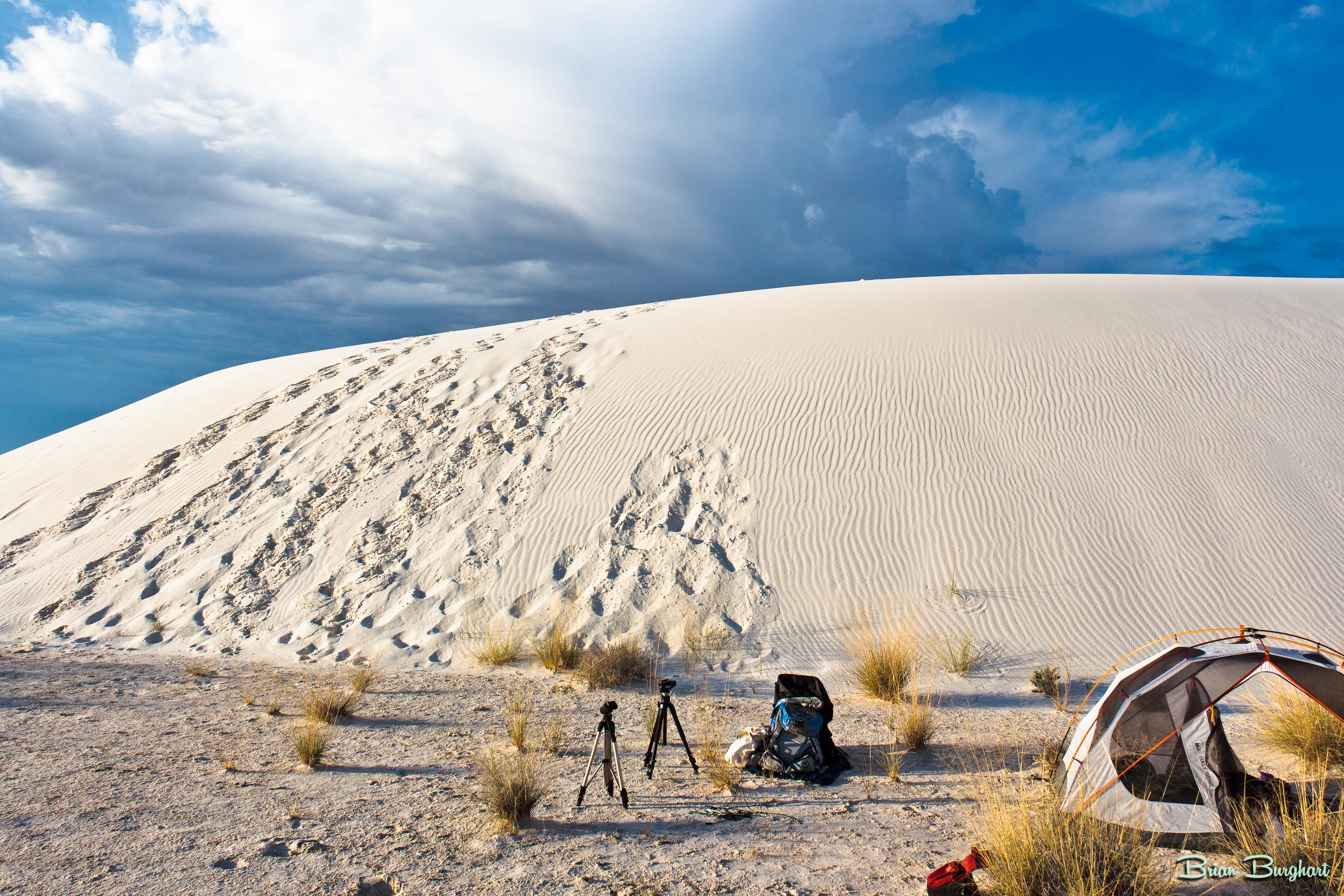
Campsite Guide
White Sands Backcountry Camping: Closed for 2026 — What to Know
As of 2026, backcountry camping at White Sands National Park is closed for site rehabilitation. What that means, and where to camp nearby instead.
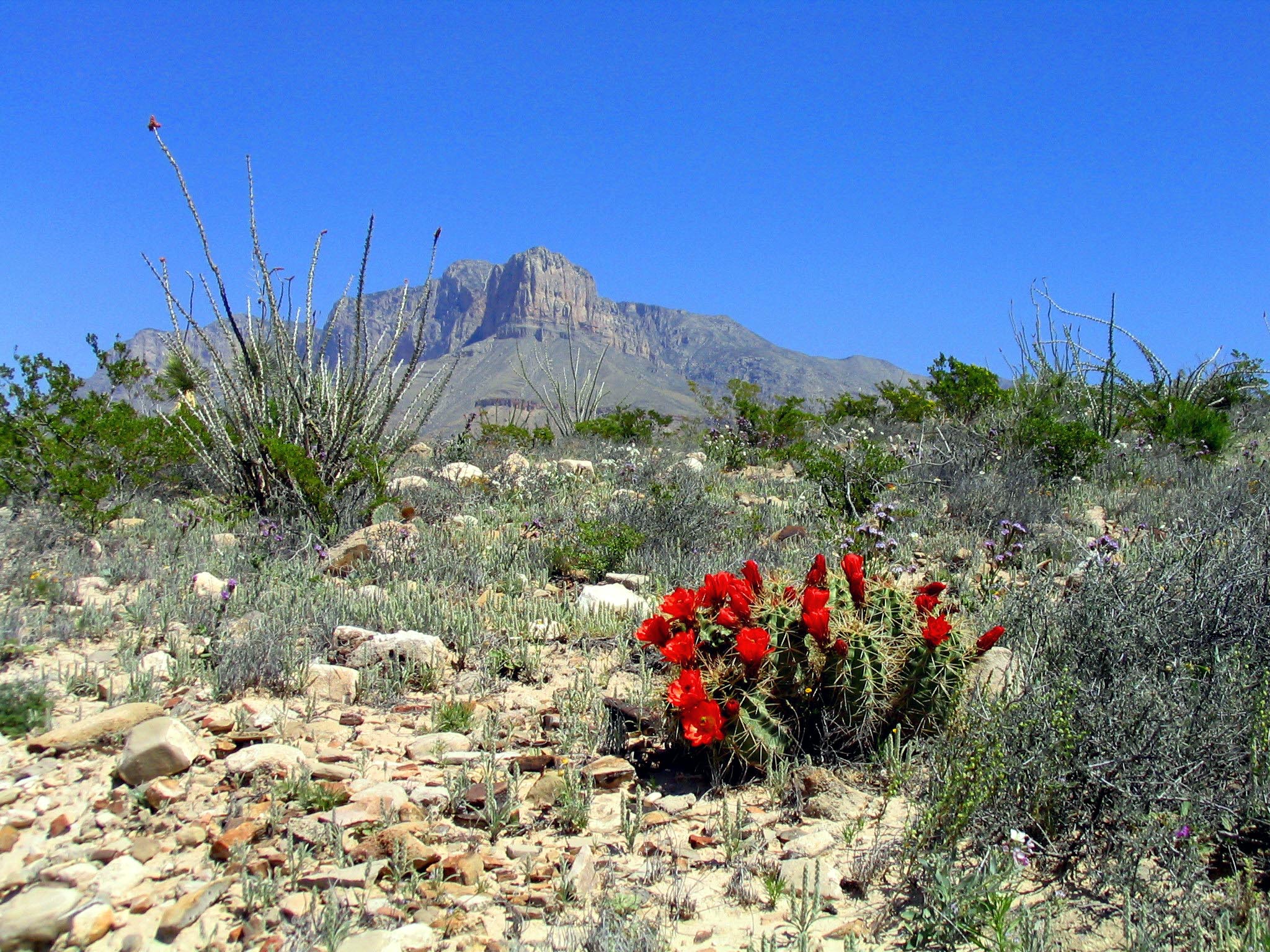
Weather Guide
Guadalupe Mountains National Park Weather: Weather
Guadalupe Mountains National Park: weather guide guide updated 2026. Practical visitor information, reservations, and seasonal tips worth bookmarking before
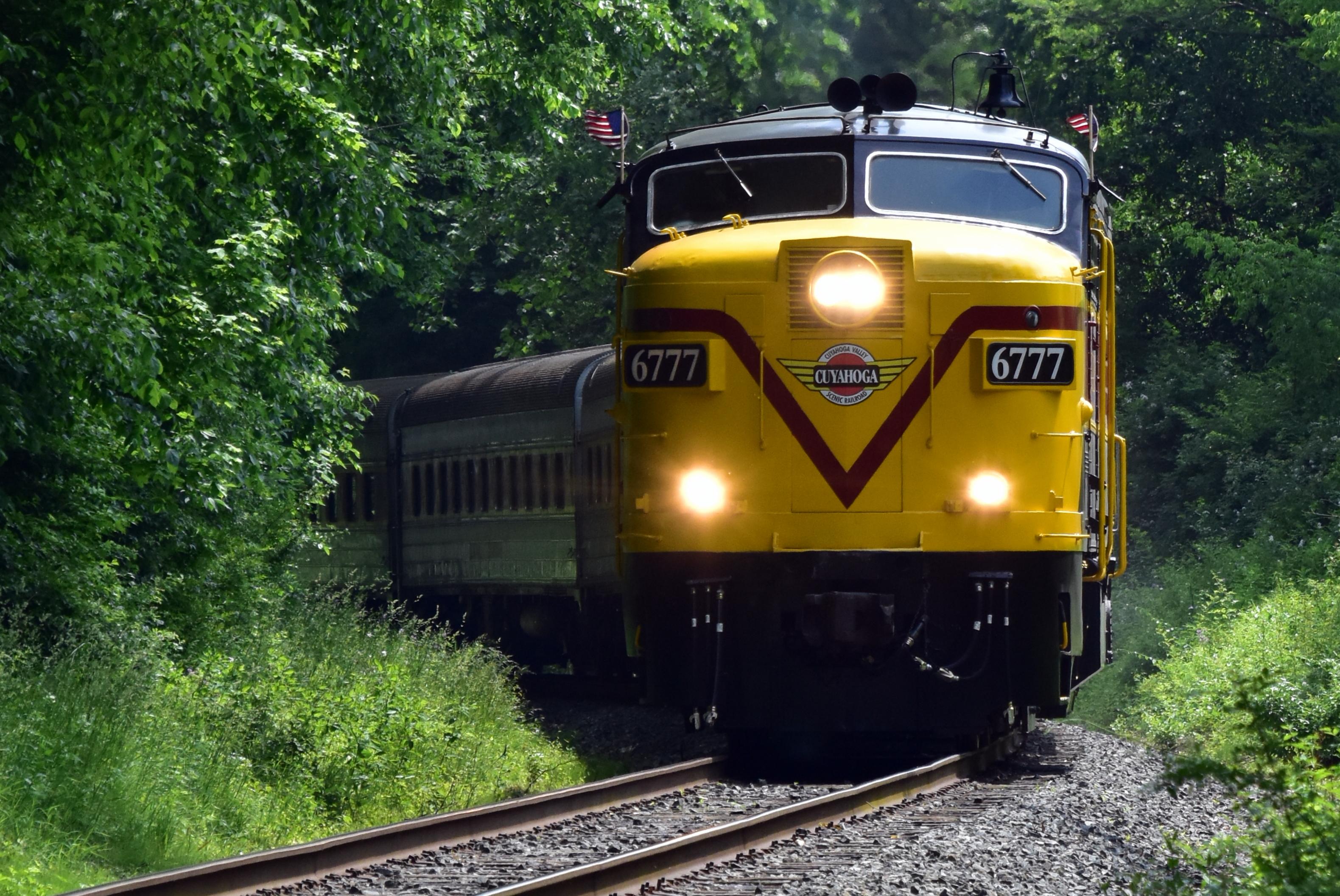
Best Of
Best of Cuyahoga Valley National Park: Best Things to Do
Seeing a Cleveland Orchestra concert with the woods as your backdrop is a uniquely Cuyahoga Valley experience.
Sign in to join the conversation.
Sources & Attribution
Location data courtesy of the National Park Service (U.S. Department of the Interior). NPS data is public domain. Official NPS page.
Images: NPS; NPS; NPS; NPS; NPS.
Map data © OpenStreetMap contributors.
Park operations alerts: NPS.gov · Weather and weather hazards: National Weather Service · Live conditions.
Information may change. Always verify fees, hours, and conditions directly with the official source before visiting.
Did this guide help? Share it with a friend.