Three campsites. Six people max per site. That is the entirety of the camping at Douglas Spring - which means if you do not plan ahead, you are driving back to Tucson. Located at 4,800 feet in the Rincon Mountain District of Saguaro National Park, this primitive campground draws hikers who want something the rest of the park cannot offer: a backcountry experience you can reach on a long day hike rather than an overnight expedition. The spring itself runs seasonally, and the sites sit in a saddle with views that reward the climb.
Campsites at Douglas Spring (2026 Guide)
6 min read
Campsite Guide
Complete guide to douglas spring. Everything you need to know, updated for 2026.
Your plans
For more, see complete visitor guide, all campgrounds, hiking trails, and lodging and accommodations.
This guide covers what to expect at the Douglas Spring campsites, how to book them, what to pack, and why three sites are harder to get than you might think. For a broader overview of the park, check the complete visitor guide. For other camping options, see all campgrounds.
What You Are Actually Booking
Three Sites, Hard Limits
Douglas Spring Campground consists of exactly three designated sites. Each one allows a maximum of six people. That means the entire campground holds eighteen people at capacity. In a park that sees over a million visitors a year, those numbers explain why booking can be competitive.
The campsites are primitive. Do not expect picnic tables, fire rings, or piped water. You pack in everything you need and pack out everything you bring. The National Park Service maintains the sites as minimal-impact camping areas, which means the only infrastructure is a cleared flat spot and, in some cases, a basic tent pad.
Elevation and Terrain
At 4,800 feet, Douglas Spring sits roughly 2,000 feet above the desert floor where the park's visitor center sits. That elevation matters for two reasons. First, temperatures here run cooler than the low desert - expect a 10-15 degree difference from Tucson on summer afternoons, and nighttime lows that can drop into the 40s even in May. Second, the climb to get here is real. Most visitors underestimate the effort of gaining 2,000 feet on trail, especially if they are not acclimated to altitude.
Rangers will tell you the trail to Douglas Spring gains elevation steadily. It is not a technical route, but your legs will notice the grade on the way up. Early morning is your best bet for making this hike before the afternoon heat sets in, particularly between April and October.
How to Get There
Trail Access
The Douglas Spring Trailhead sits at the end of Speedway Boulevard, east of Tucson. From the trailhead, the campground is approximately 6 miles one way. That 12-mile round trip makes this a legitimate day hike if you are going in and out, though most people who book these sites intend to stay overnight.
The trail surface changes from packed desert dirt to rocky sections as you climb. The vegetation shifts too - saguaro and palo verde give way to juniper and oak as you gain elevation. Pack extra water for this stretch. There is no water available between the trailhead and the spring, and the spring itself runs intermittently depending on rainfall.
Parking Situation
The trailhead lot fills early on weekends between November and April. By 8 AM on a Saturday in March, expect to park along the road. Weekdays are a different story - you will likely have the lot mostly to yourself. The parking situation here is manageable if you arrive early, but it is worth factoring into your timeline.
Cell service drops out at roughly the 2-mile mark on the trail and does not return until you are back at the trailhead. Download maps and directions before you go.
What to Expect at Camp
Water and the Spring
The campground takes its name from Douglas Spring, a seasonal water source located near the campsites. Do not count on it. The spring's flow varies dramatically by season and year - wet winters mean reliable water into spring, while dry years can leave the spring reduced to a seep or dry entirely. Rangers will tell you to treat any water you find here. Giardia is present in the park, and no one wants to deal with that on the trail.
The common mistake - and almost everyone makes it at least once - is assuming the spring will have water in late May. By May most seasonal sources in the Rincons have dropped significantly. If you are booking a summer trip, plan to carry all the water you need for cooking, drinking, and the hike out.
Wildlife You Will Actually See
White-tailed deer move through this area regularly, particularly around sunrise. You will also hear - and possibly see - the park's herd of javelina. They travel in groups and root through the underbrush with a distinctive snuffling sound. Keep an eye out for coatimundi, a long-nosed relative of the raccoon that travels in troops and is surprisingly common at this elevation.
The ravens here are bold. They have learned that campers leave food unattended. The trail register is full of comments from campers who lost a granola bar to a raven while they turned their back for thirty seconds. Use a bear canister or hang your food properly.
When to Go
October through April is the comfortable window. Daytime highs range from 55-75°F, and nights are cool but not freezing. May and June are hot - expect daytime temperatures above 90°F on the trail, even at 4,800 feet. July through September brings the monsoon, with afternoon thunderstorms that can roll in fast. Lightning on exposed ridge lines is a genuine risk during monsoon afternoons.
Booking and Permits
How to Secure a Site
Douglas Spring requires a backcountry permit. You cannot just show up and camp. Permits are available through the NPS website or at the Rincon Mountain Visitor Center. As of 2026, you can book up to six months in advance. For spring weekends - particularly March and April - booking the day the window opens is your best strategy.
Walk-up permits exist but are not guaranteed. On a typical Friday afternoon in spring, rangers at the visitor center usually have a handful of cancellations to offer, but you are competing with everyone else who did not plan ahead.
What the Park Website Does Not Mention
The official information tells you about the permit requirement. What it does not mention is that the three sites vary in quality. Site 1 sits closest to the trail and gets the most pass-through traffic from hikers continuing to Mica Mountain. Site 3, farthest from the main trail, offers more privacy and better views to the south. Return visitors tend to aim for Site 3 first.
Practical Takeaways
- Book your permit as early as possible. Six months out for spring dates. Three months for fall.
- Carry all your water below the spring. Do not rely on Douglas Spring being active - check recent reports at the visitor center before your trip.
- Pack for temperatures 15 degrees cooler than Tucson. A 40°F night at 4,800 feet feels cold after a day hiking in shorts.
- Bring a bear canister. The ravens will open anything soft, and javelina will root through unsecured packs.
- Download trail maps before you go. Cell service drops out at the 2-mile mark.
- Aim for Site 3 if privacy matters. Site 1 if you want the shortest walk from the trail.
Final Thoughts
Three sites. Eighteen people max. Six miles in. That combination makes Douglas Spring one of the quieter camping options in Saguaro National Park. The elevation gain is worth it - from the saddle near the spring you can see the Tucson Basin spread out to the west, and on clear mornings the light hits the saguaro-studded slopes below in a way that makes the climb up feel like a reasonable trade. Just book ahead, pack your water, and do not trust the ravens.
Sources
- Official source: NPS — Saguaro National Park nps.gov/sagu/index.htm
More to Explore
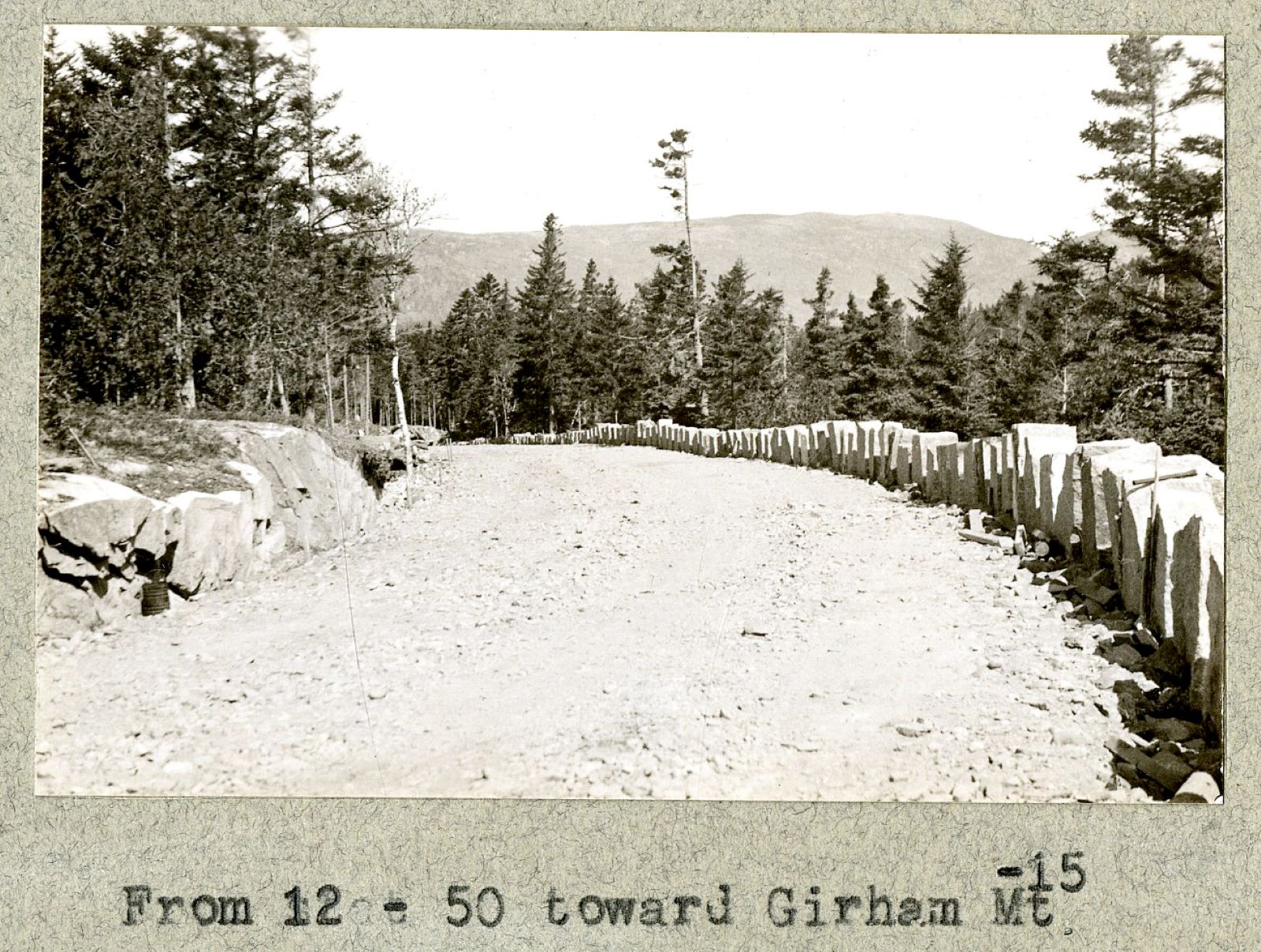
Park Guide
Acadia National Park: Carriage Roads, Cadillac Mountain & 2026 Guide
Discover carriage roads, Cadillac Mountain, and rugged Maine coast. Complete 2026 guide to Acadia National Park — trails, fees, lodging, permits, and what rangers recommend.
Hiking Guide
Grand Canyon Hiking Trails: Day Hikes, Water Sources & Rim to Rim
Compare Grand Canyon hiking trails: Bright Angel, South Kaibab, Hermit, Grandview, and rim to rim, with distances, elevation, water stops, and trailhead access for each.
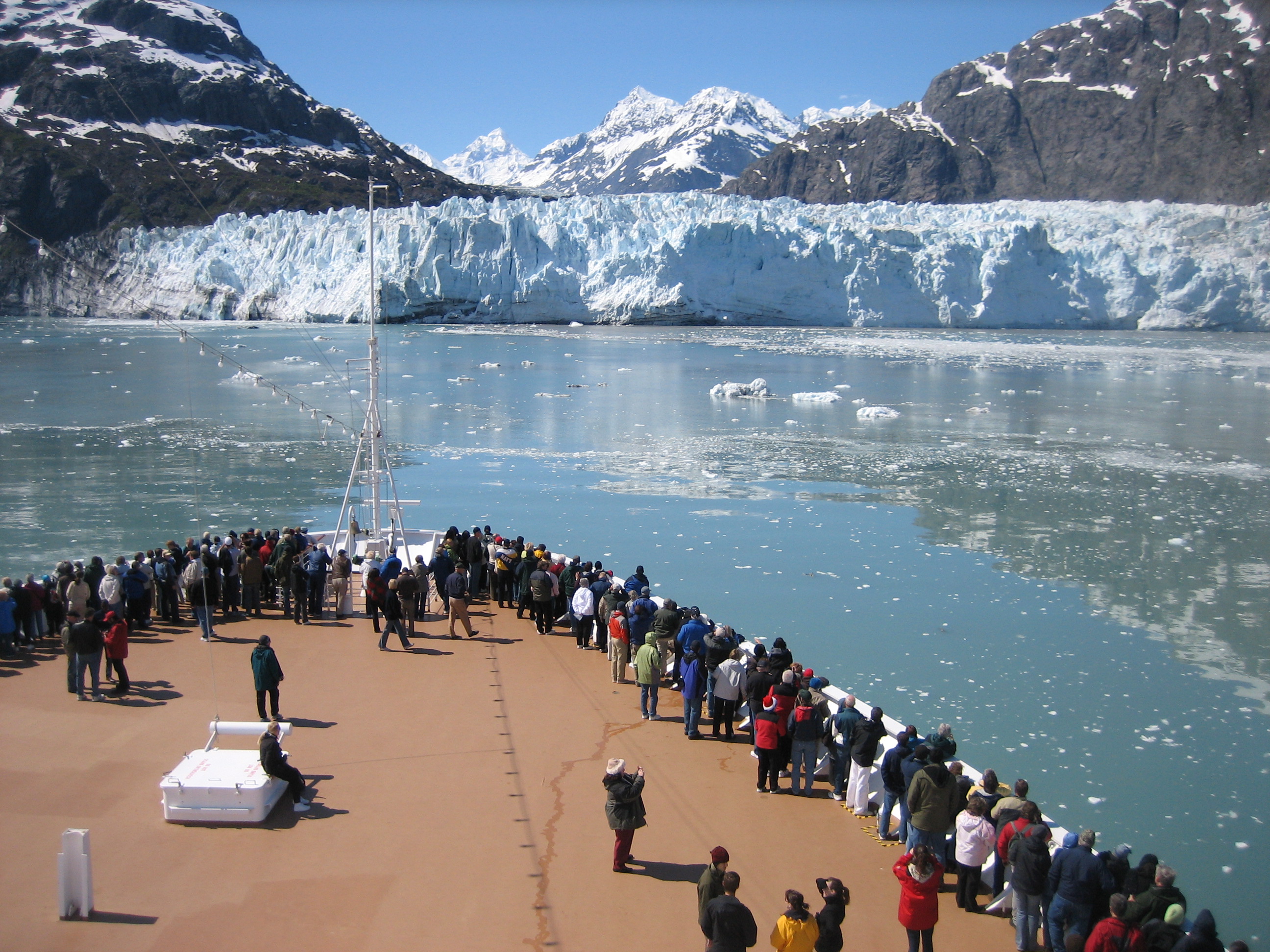
Best Of
Best of Glacier Bay National Park
The best of Glacier Bay is reached by boat: ranger-led day tours up the bay to the tidewater glaciers. What's worth it, how to book, and when to go (2026).
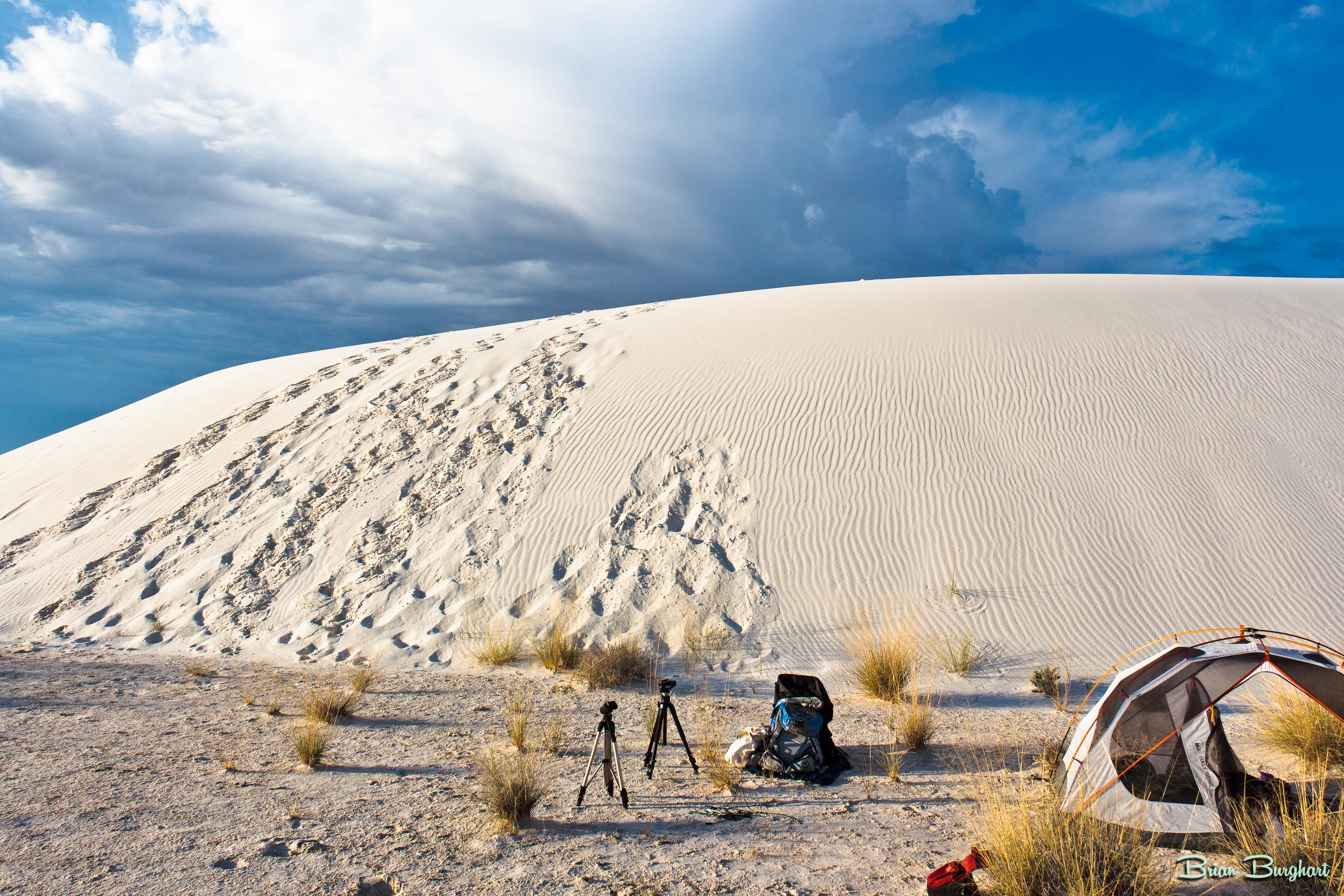
Campsite Guide
White Sands Backcountry Camping: Closed for 2026 — What to Know
As of 2026, backcountry camping at White Sands National Park is closed for site rehabilitation. What that means, and where to camp nearby instead.
Weather Guide
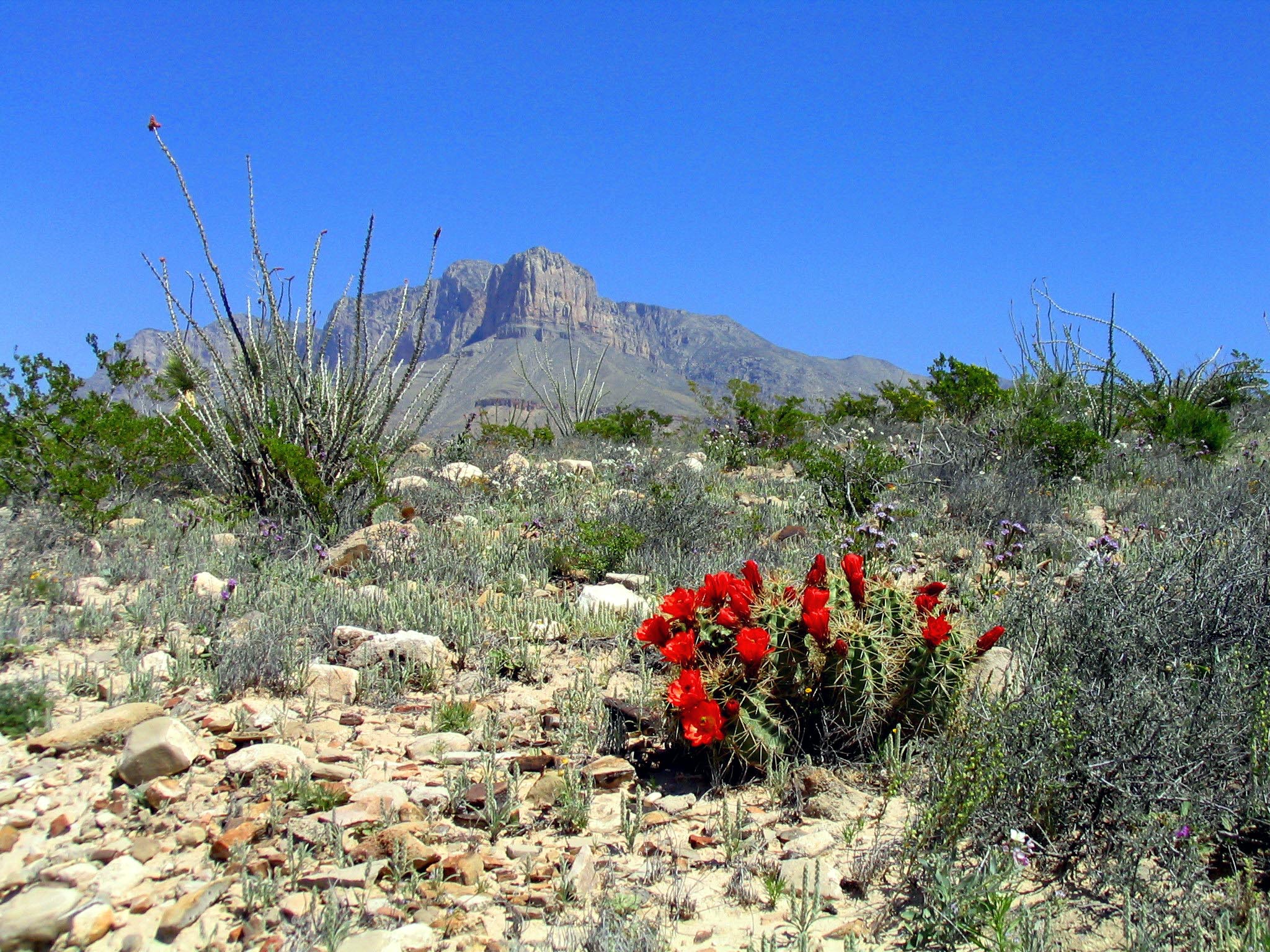
Guadalupe Mountains National Park Weather: Weather
Guadalupe Mountains National Park: weather guide guide updated 2026. Practical visitor information, reservations, and seasonal tips worth bookmarking before
Best Of
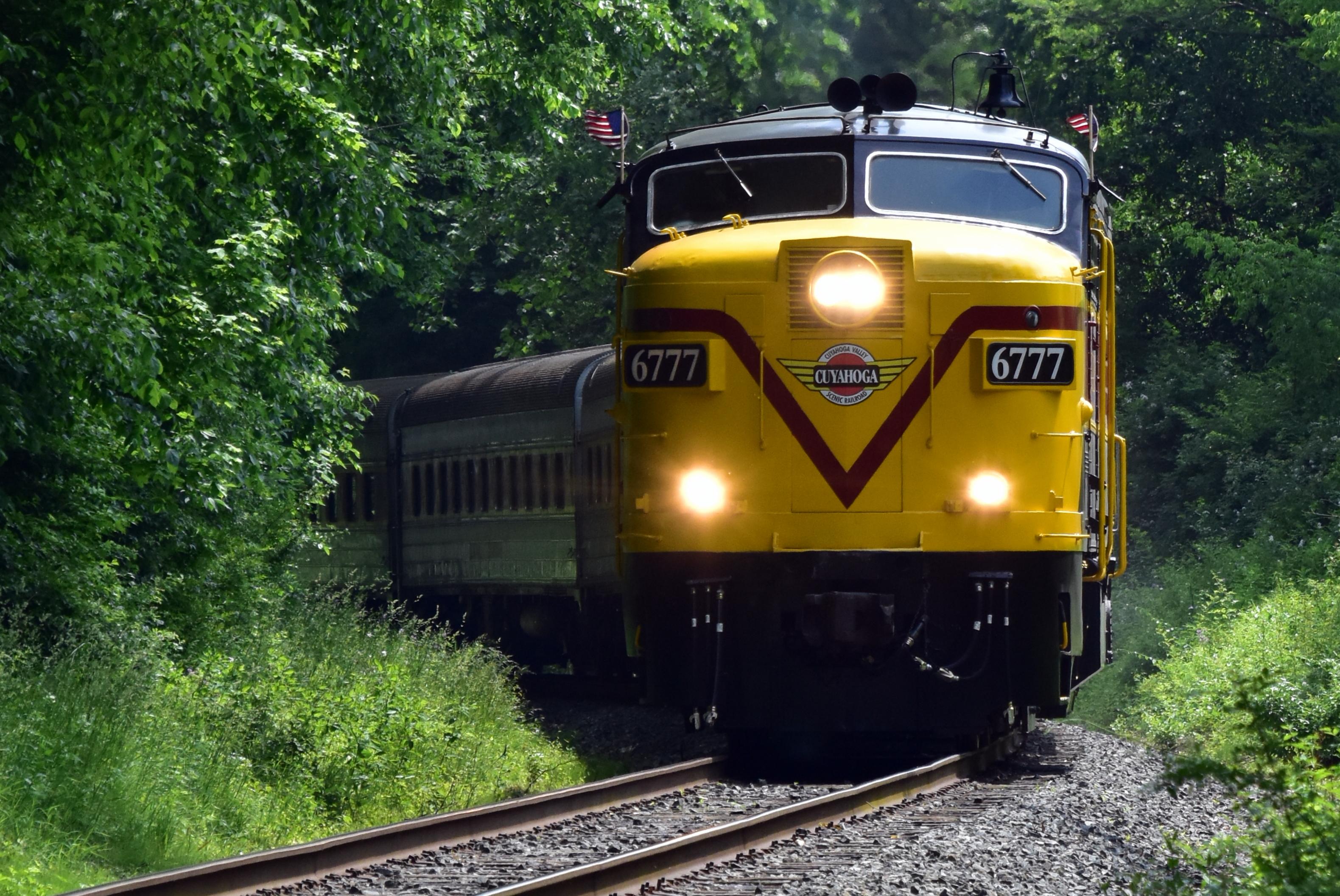
Best of Cuyahoga Valley National Park: Best Things to Do
Seeing a Cleveland Orchestra concert with the woods as your backdrop is a uniquely Cuyahoga Valley experience.
Sign in to join the conversation.
Sources & Attribution
Location data courtesy of the National Park Service (U.S. Department of the Interior). NPS data is public domain.
Map data © OpenStreetMap contributors.
Park operations alerts: NPS.gov · Weather and weather hazards: National Weather Service · Live conditions.
Information may change. Always verify fees, hours, and conditions directly with the official source before visiting.
Did this guide help? Share it with a friend.