New River Gorge National Park Weather: What Is The Climate In New River Gorge (2026 Guide)
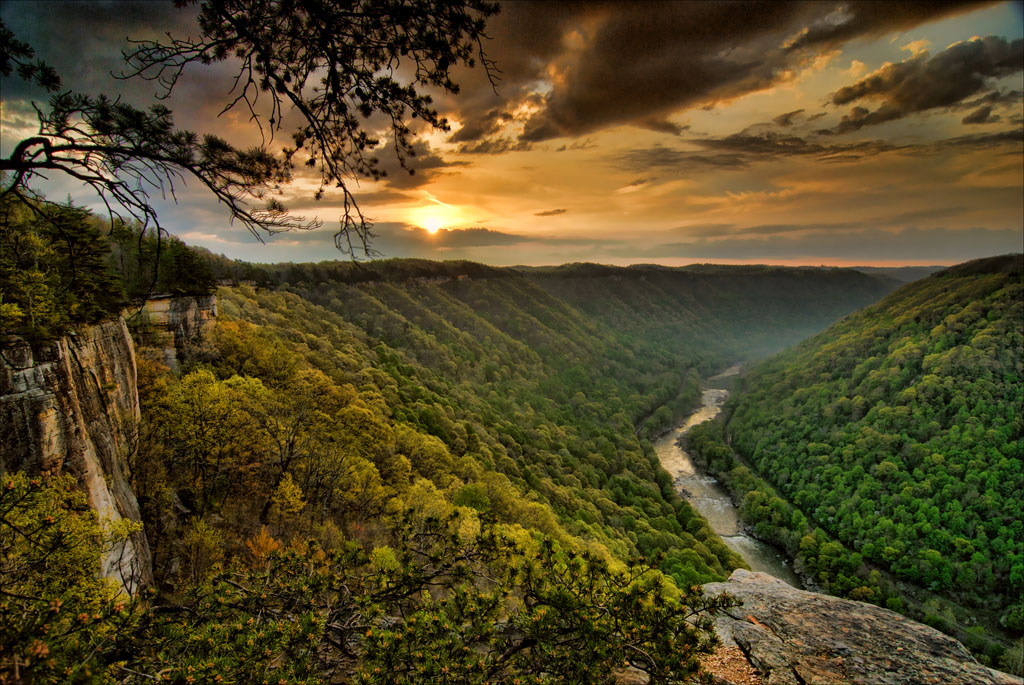
NPS via NPS.gov (Public Domain)
What Is the Climate in New River Gorge
8 min read
Weather Guide
New River Gorge is not one climate: rim and river can differ by 15F. Month-by-month conditions for hiking, climbing, and rafting (2026).
After twenty years of watching visitors arrive unprepared, I can tell you the single most important thing about New River Gorge's climate: it's not one climate. The temperature difference between canyon rim and river can reach 15 degrees Fahrenheit. You might start a hike in a light jacket and finish in a t-shirt without ever leaving park boundaries. Most first-timers are caught off guard by this vertical weather system.
The Weather Reality
Appalachian weather is famously changeable, but here it operates in three dimensions. The gorge functions as its own microclimate engine: warm air rises from the river, cool air sinks from rim forests, and moisture gets trapped in the deep canyon. This means forecasts for "Glen Jean" or "Beckley" often miss the mark when you're on a cliff face 800 feet down. We rangers have a saying: if you don't like the weather, change your elevation. Official forecasts can't predict the localized fog that shrouds Endless Wall at dawn while the river runs clear below, or the sudden gusts funneling through canyon gaps. What sets this park apart is that you're not just planning for a season—you're packing for an altitude.

Month by Month
January - February
Temperatures range from highs in the 30s to lows in the teens. Precipitation falls as snow and ice, averaging a few inches per month. The park is open 24/7, but the Canyon Rim and Sandstone visitor centers operate on winter hours (9 AM to 5 PM, closed major holidays). The Thurmond and Grandview seasonal centers are closed. Crowds are virtually nonexistent except on rare sunny weekends. Wildlife is quiet; you might see deer moving through bare hardwood forests. Trails are icy, especially on north-facing slopes and metal staircases like the one at Canyon Rim. The challenging part is the black ice on overlooks and the bone-chilling damp that comes off the river. The worth-it part is having the vast, silent gorge views entirely to yourself, with the skeletal trees framing the landscape.
March - April
A volatile transition. Highs can hit 65°F, lows can dip back to 25°F. Rain is frequent, and late snow is possible. Everything is muddy. The main visitor centers are open daily. Crowds begin a slow increase, mostly on weekends. This is when migratory birds return - warblers fill the emerging canopy. Trail conditions are notoriously poor; the famous red-clay soils turn to slick, boot-sucking mud. Early wildflowers like trillium and bloodroot appear in sheltered coves. It's worth considering for the dramatic sense of seasonal change, but challenging for any serious mileage. Most visitors underestimate how cold a 50-degree day feels with a steady drizzle in the gorge.
May
A sweet spot, if you avoid the rain. Highs in the 70s, lows in the 50s. Precipitation is still significant but shifting to afternoon thunderstorms. All facilities, including the main visitor centers, are open. The seasonal centers at Thurmond and Grandview typically open Memorial Day weekend. Crowds are moderate. The forest is fully leafed-out and vibrant green, providing shade on trails. Rhododendron and mountain laurel begin to bloom in late May. Trail conditions improve as things dry out, but river levels can be high and fast from spring melt, affecting activities like rafting. The parking situation at popular trailheads like Endless Wall starts to fill by mid-morning on weekends.
June - August
This is peak season for a reason, and a challenge for the same reason. July is the warmest month, with highs in the low 80s and humid nights in the 60s. It is also the wettest, with maximum average precipitation. Afternoon thunderstorms are a near-daily ritual from 2 PM to 4 PM. All visitor centers are open. Crowds are high, especially around the New River Gorge Bridge and major swimming holes. Wildlife is active at dawn and dusk; you'll hear cicadas constantly. Trail conditions are generally good, but humidity makes exertion feel harder. The river is warm enough for comfortable swimming. The challenge is the combination of heat, humidity, and sudden storms. The worth-it part is long days, full access, and the electric green of the forest. Pack extra water for any hike.
September - October
The park's other premier season. September highs are in the 70s, cooling to the 60s and 50s by late October. Nights get crisp, dipping into the 40s. Rainfall decreases. The seasonal visitor centers close after Labor Day, but the main centers remain open. Crowds surge in October for fall colors, rivaling summer numbers. This is prime time for wildlife viewing as animals forage before winter; wild turkeys are common. Trail conditions are excellent - firm and dry. Fall color peaks mid-to-late October, starting at the higher elevations and moving down into the gorge. It's worth it for the comfortable temperatures and spectacular scenery. The challenge is securing last-minute camping near New River Gorge National Park and navigating weekend traffic.
November - December
A return to quiet. Highs drop from the 50s to the 40s, with lows at or below freezing. Early snow is possible, mostly as dustings. The main visitor centers are open (closed Thanksgiving, Christmas, New Year's). Crowds disappear. Deer are in rut and more visible. Trails are clear but can be slick with fallen leaves hiding rocks and roots. Early November can still offer lingering color. It's worth considering for solitude and stark, beautiful vistas of the gorge through leafless trees. The challenge is the short, often gray days and the early sunset that catches hikers off guard.

Best Times for Specific Activities
Hiking
The best windows for hiking in New River Gorge are May and late September through October. May offers mild temperatures and full water in the streams and waterfalls. Fall provides dry trails, no bugs, and manageable temperatures. Summer hiking is best done early - hit the trail by 7 AM to be back before the afternoon heat and thunderstorms. Winter hikes are possible but require traction devices for ice.
Whitewater Rafting & Paddling
River levels are dictated by dam releases and rainfall. Spring (April-May) offers the highest, coldest flows from snowmelt. Summer provides warmer water and more consistent, family-friendly levels. Fall can be low but beautiful. Always check with licensed outfitters for current release schedules from the upstream dam.
Wildlife Viewing
Spring (April-May) for migratory birds. Early morning and late evening in summer for deer and black bear. Fall (October) for increased mammal activity and bird migration. Winter offers the best visibility into the forest for spotting birds like pileated woodpeckers.
Fall Colors
Peak is typically the third and fourth week of October. For the classic view, head to the Canyon Rim overlook or hike the Endless Wall Trail. Colors appear earlier on the rim and later down in the gorge itself - you can sometimes follow the color down over a two-week period.
Stargazing
Clear, cold nights from November through March offer the darkest skies, with the Milky Way visible. The lack of humidity improves visibility. Summer haze and humidity can obscure finer details, though the park is still far darker than surrounding areas.

What to Pack by Season
This isn't about a generic list. It's about layers that account for the vertical climate.
Spring/Fall: A moisture-wicking base layer, an insulating mid-layer (fleece or puffy), and a waterproof/windproof shell. The shell is non-negotiable. Trail conditions demand waterproof hiking boots with good tread, not shoes. Pack gloves and a hat - you'll use them at the rim at dawn.
Summer: Light, quick-dry clothing. A wide-brimmed hat for sun on exposed cliffs. A lightweight rain jacket for the daily thunderstorm. Twice as much water as you think you need. Electrolyte tablets. The sun is intense on the rim, but the gorge can be humid and still.
Winter: Insulated, waterproof boots. Microspikes or traction devices for your shoes - they are worth their weight in gold on icy stairs and trails. A warm hat that covers your ears, insulated gloves, and a windproof outer layer. Hand warmers are a nice luxury for overlooks.
Year-Round: A detailed map (cell service drops out at most trailheads). A headlamp, even for day hikes. More food than you plan to eat. The Appalachian Mountains are cooler and wetter than surrounding areas, so always pack one layer more than the forecast suggests.

What the Forecast Doesn't Tell You
- The River is a Refrigerator in Spring. Air temperature might be 70°F, but the New River can still be in the 40s from snowmelt. A fall into the water becomes a hypothermia risk instantly.
- Fog Follows the River. Clear skies at your campground don't mean clear views in the gorge. Morning fog often fills the canyon until mid-morning, especially after a rain. Plan photography for later in the day.
- Thunderstorms are Directional. Storms often track along the gorge corridor. If you hear thunder, you cannot outrun it along the rim. Descend into the trees or find a low point.
- The Sun Angle is Deceptive. In summer, the sun is directly overhead at noon, offering little shade on the rim. In winter, the sun stays low in the southern sky, leaving north-facing trails and staircases in perpetual shade and ice.
- Leaves are a Slip Hazard. Fall's beautiful blanket of leaves hides rocks, roots, and mud. It turns steep sections of trail, like those on the Kaymoor Miners Trail, into slippery slides.
- Wind Amplifies Cold. A 10 mph wind on the rim can make a 40°F day feel like 30°F. The wind chill is real, especially on exposed overlooks like Grandview.
- Your Car is a Weather Station. If your windshield is wet with dew at dawn, the trails will be wet with dew. If your car door handle is icy, the metal staircases into the gorge are sheets of black ice.
Practical Takeaways
- You are visiting two parks: the sunny, windy rim and the cool, damp river corridor. Pack for both.
- The best overall weather for hiking and exploring occurs in May and October. Target these months if your schedule allows.
- Always check the river level and weather the morning of your activity. Conditions change fast.
- Regardless of the season, pack a rain layer and extra water. The maximum average precipitation occurs in July, but wet weather is possible year-round.
- For camping near New River Gorge National Park, book months in advance for October weekends and summer holidays. Consider mid-week trips for better availability.
- Start early. You beat the crowds, the heat, and the afternoon thunderstorms. Parking lots at popular trailheads are often full by 9 AM in peak seasons.
- When in doubt, ask at the Canyon Rim Visitor Center. Rangers have the hyper-local knowledge about which trails are muddy, where the ice is, or if fog is expected to burn off.
Understanding what the climate in New River Gorge truly means - a stack of weather zones in one deep cut of Appalachian rock - is the first step to a successful visit. Plan for the vertical, and you'll be prepared for anything. For more detailed planning, consult the park's complete visitor guide or their guide to hiking trails and camping options.
Sources
- Official source: NPS — New River Gorge National Park nps.gov/neri/index.htm
Photo Gallery
More to Explore
Park Guide
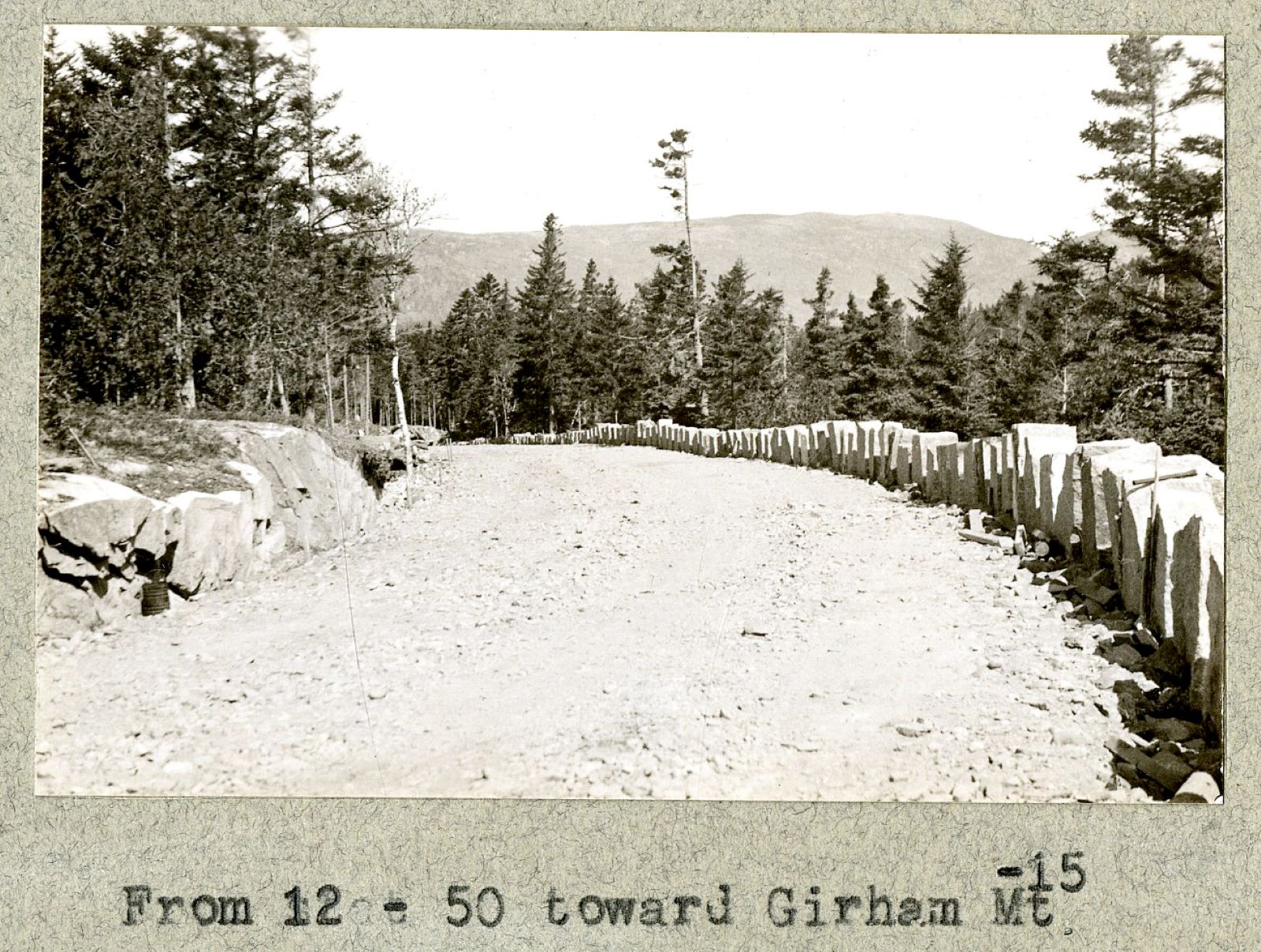
Acadia National Park: Carriage Roads, Cadillac Mountain & 2026 Guide
Discover carriage roads, Cadillac Mountain, and rugged Maine coast. Complete 2026 guide to Acadia National Park — trails, fees, lodging, permits, and what rangers recommend.
Hiking Guide
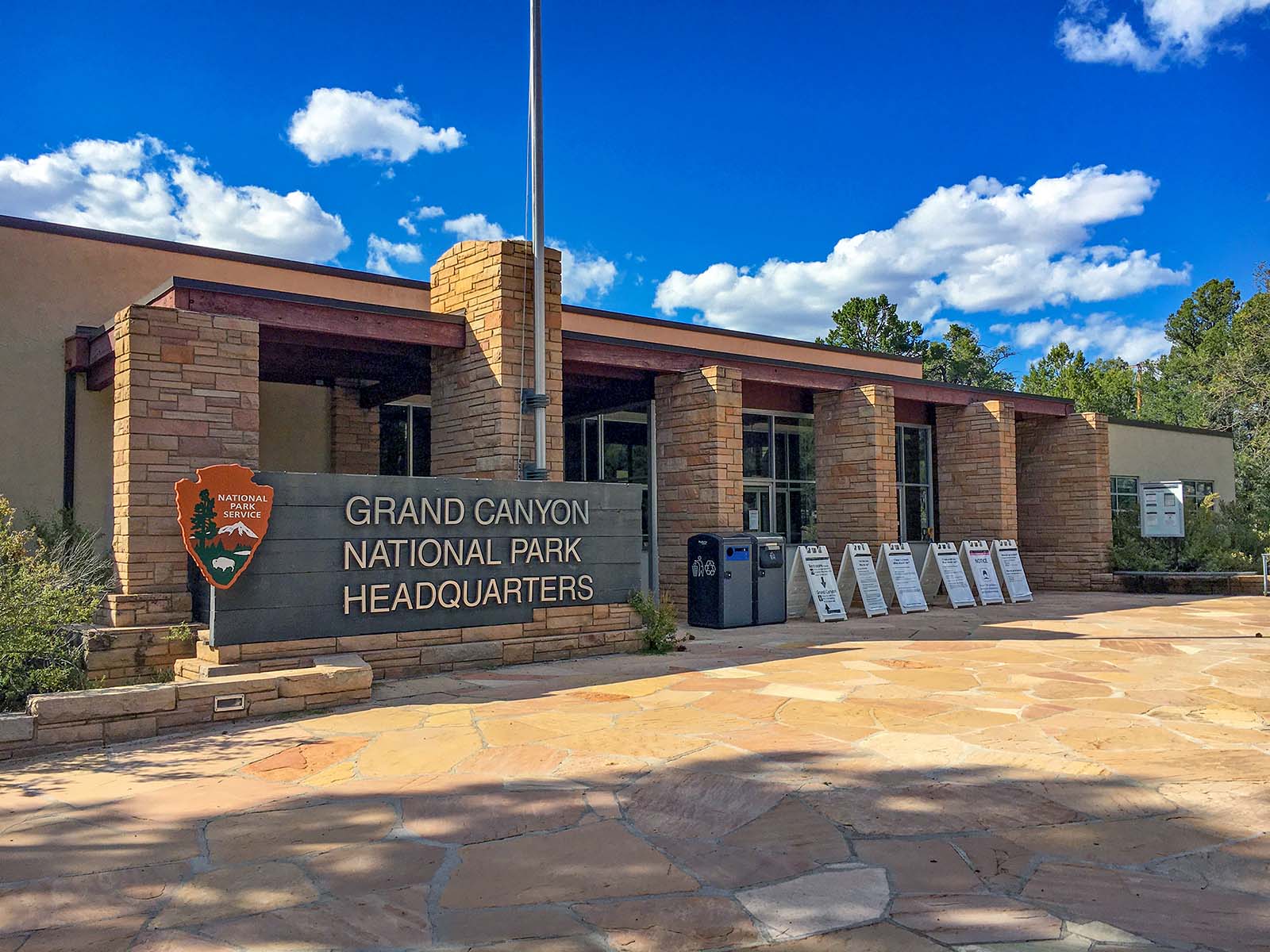
Grand Canyon Hiking Trails: Day Hikes, Water Sources & Rim to Rim
Compare Grand Canyon hiking trails: Bright Angel, South Kaibab, Hermit, Grandview, and rim to rim, with distances, elevation, water stops, and trailhead access for each.
Best Of
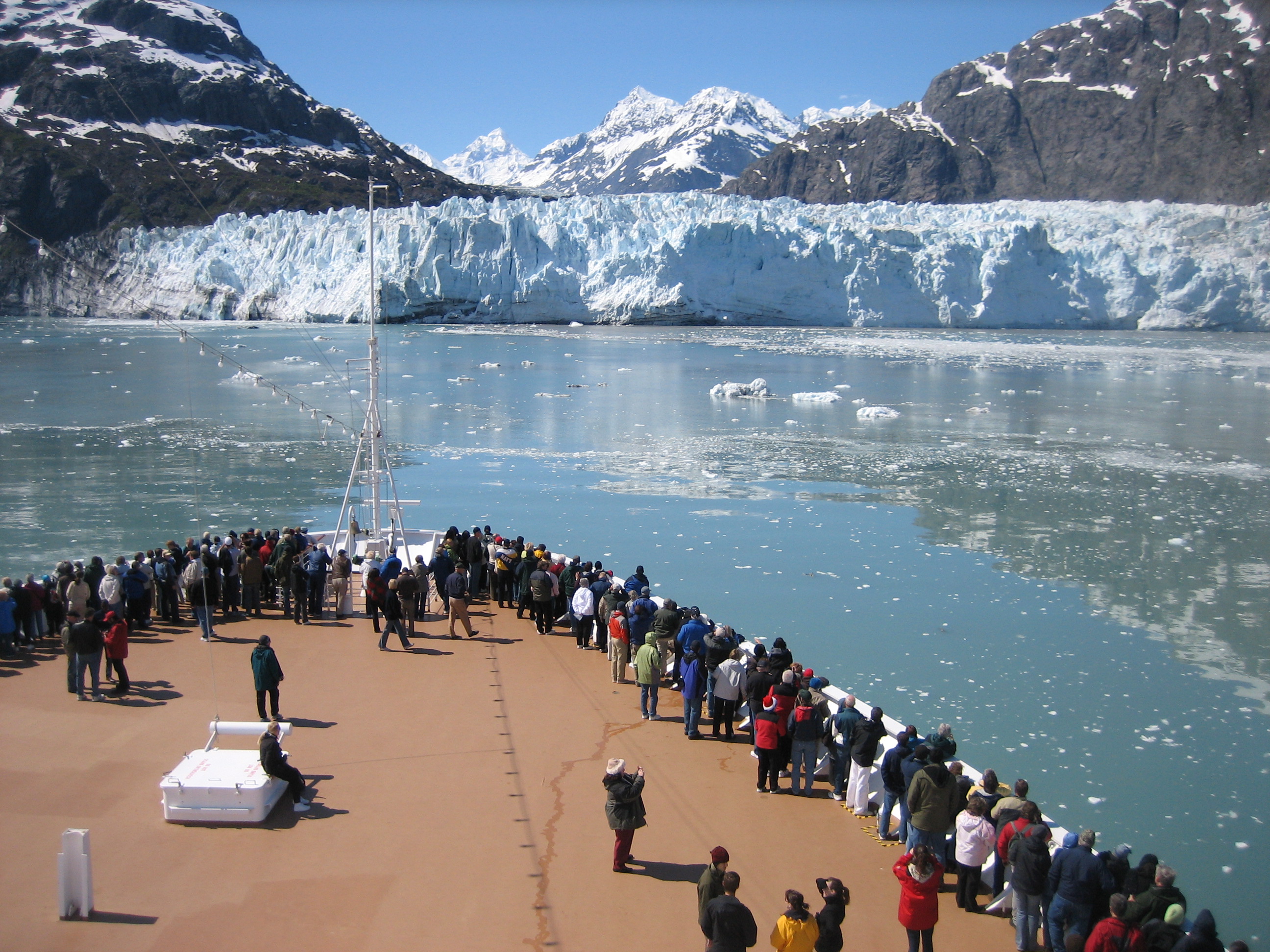
Best of Glacier Bay National Park
The best of Glacier Bay is reached by boat: ranger-led day tours up the bay to the tidewater glaciers. What's worth it, how to book, and when to go (2026).
Campsite Guide
White Sands Backcountry Camping: Closed for 2026 — What to Know
As of 2026, backcountry camping at White Sands National Park is closed for site rehabilitation. What that means, and where to camp nearby instead.
Weather Guide
Guadalupe Mountains National Park Weather: Weather
Guadalupe Mountains National Park: weather guide guide updated 2026. Practical visitor information, reservations, and seasonal tips worth bookmarking before
Best Of
Best of Cuyahoga Valley National Park: Best Things to Do
Seeing a Cleveland Orchestra concert with the woods as your backdrop is a uniquely Cuyahoga Valley experience.
Sign in to join the conversation.
Sources & Attribution
Location data courtesy of the National Park Service (U.S. Department of the Interior). NPS data is public domain. Official NPS page.
Images: NPS; NPS; NPS; NPS; NPS.
Map data © OpenStreetMap contributors.
Park operations alerts: NPS.gov · Weather and weather hazards: National Weather Service · Live conditions.
Information may change. Always verify fees, hours, and conditions directly with the official source before visiting.
Did this guide help? Share it with a friend.