Cut Bank Campground sits on the east side of Glacier National Park, at the end of a 5-mile dirt road that filters out most of the casual traffic. With 14 sites and a $20 nightly fee as of 2026, it is one of the smallest and quietest frontcountry camping options in the park - and one that requires a bit more effort to reach. The campground opens late May and closes mid-September, though those dates shift with snow conditions each spring and fall. If you are looking for a place where the sounds of generators and RV air conditioners are replaced by wind through pine needles and the occasional rustle of something moving through the underbrush at dusk, this is likely your spot.

NPS via NPS.gov (Public Domain)
Campsites at Cut Bank (2026 Guide)
8 min read
Campsite Guide
Allow 20 to 30 minutes from the highway to the campground entrance. The park service recommends against bringing RVs down this road, and they mean it.
Your plans
For more, see Campsites at Apgar Campground (2026 Guide), Campsites at Bowman Lake (2026 Guide), and Campsites at Fish Creek (2026 Guide).
Before you head out, read the complete visitor guide for Cut Bank to understand what you are signing up for. This campground rewards preparation and punishes assumptions.
Location and Access
The Dirt Road Reality
The access road off Highway 89 is the first thing most visitors underestimate. It is five miles of gravel and dirt, washboarded in sections, and slow-going in a sedan. Allow 20 to 30 minutes from the highway to the campground entrance. The park service recommends against bringing RVs down this road, and they mean it. Pop-up campers, truck campers, and vans with moderate clearance can make it if driven carefully. Full-size motorhomes and travel trailers should stay on paved roads and choose a different campground. The turning radius and clearance issues are real, and there is no cell service to call for help if you get stuck.
Rangers at the visitor center will tell you the same thing: Cut Bank is for tent campers. Plan accordingly.
What You Will Find When You Arrive
The campground is primitive all season. That means no water spigots, no electric hookups, no dump station, and no flush toilets. Vault toilets are available and, as of 2026, maintained regularly during the operating season. You must bring all the drinking water you need for your stay. Most visitors who know the area bring at least one gallon per person per day, plus extra for cooking and cleaning.
Sites are first-come, first-served in the traditional sense, but starting in 2025 the park switched to a Scan & Pay system through the Recreation.gov mobile app. You will need to download the free app before you arrive - cell signal is weak to nonexistent once you turn off the highway. The app handles payment and site registration, so familiarize yourself with it ahead of time. The park service recommends setting up your account and payment method before you leave home.
Each site accommodates up to eight people and two vehicles, with a maximum of two tents per site. The 14 sites are spaced far enough apart that you are not sleeping on top of your neighbors, which is part of the appeal.

What Makes Cut Bank Different
The Quiet Factor
Glacier's larger campgrounds - Apgar with 194 sites, Fish Creek with 178, Many Glacier with 109 - are bustling hubs with generators, camp stores, and steady foot traffic. Cut Bank is the opposite. You will hear the creek before you see the campground. The road dead-ends here, so there is no through traffic. Most visitors are repeat campers who value the solitude and are willing to trade convenience for it.
The common mistake - and almost everyone makes it - is arriving late in the day without a reservation or payment method ready. The Scan & Pay system requires an active internet connection to process payment. If you show up after 6 PM without having registered through the app, you may find yourself driving back to St. Mary or Browning to get a signal. Plan your arrival for early afternoon so you have time to sort out any technical issues before the ranger station closes.
Wildlife Activity
The area around Cut Bank is open sagebrush steppe transitioning into pine forest, which means you have a decent chance of seeing deer, elk, and bighorn sheep grazing in the meadows near the campground. Early morning is your best bet for watching animals move through the drainage before the sun hits the valley floor. Keep an eye out for coyotes working the edges of the meadow at dawn, and listen for elk bugling in September during the rut.
Bears are present in the area. Grizzly and black bears both use the Cut Bank drainage, particularly in late summer when berries ripen along the creek. Food storage regulations are strictly enforced. All food, trash, and scented items must be stored in bear-proof containers or hung properly. The campground has bear-proof food storage boxes at each site - use them. Rangers take compliance seriously, and fines are substantial.
Wolverines have been documented in the higher elevations above the campground, though spotting one requires more luck than most visitors have. Mountain goats are more likely to be seen if you hike up toward the Continental Divide from the trailhead.

Activities and Things to Do
Hiking from Cut Bank
The Cut Bank Creek Trail starts at the campground and follows the creek upstream toward the Continental Divide. It gains elevation steadily but is not a punishing climb for the first few miles. The trail narrows here and there where alder and willow crowd the path, but the footing is generally good. Pack extra water for this stretch - the creek is reliable for filtration, but do not drink untreated water without a proper filter or purification system.
Most visitors underestimate how far the trail goes. You can hike 3 to 4 miles in and still be in forest, with the lake basin another 5 to 6 miles beyond that. If you are day hiking, turn around when you have half your daylight remaining. The return trip takes longer than you expect, especially if you stop to watch wildlife or photograph the creek.
From this overlook you can see the basin open up into alpine terrain, with views of the jagged peaks along the divide. The elevation gain is worth it - the upper basin holds Cut Bank Lake, a cold, deep lake ringed by talus slopes where pikas whistle from the rocks.
Nearby Attractions
The east side of Glacier offers several points of interest within a reasonable drive. The Going-to-the-Sun Road is accessible via St. Mary, about 30 minutes north on Highway 89. Two Medicine Valley is roughly 45 minutes south, with its own trail network and lake tours. The town of East Glacier Park has basic supplies, a grocery store, and seasonal dining options.
If you are coming from the south, the drive from East Glacier to the Cut Bank turnoff takes about 25 minutes. From St. Mary, plan on 20 minutes south on Highway 89 before you hit the dirt road.
Birding Opportunities
The transition zone between grassland and forest around Cut Bank attracts a variety of species. Clark's nutcrackers are common in the pine stands, recognizable by their gray bodies, black-and-white wings, and loud, raspy calls. American dippers work the creek edges, bobbing on rocks and diving for aquatic insects. Harlequin ducks have been documented on Cut Bank Creek in spring and early summer - one of the park's more colorful and less common species.
The red fox is present in this area and is often seen hunting voles and mice in the meadows at sunrise and sunset. Keep your distance. Foxes in Glacier are wild animals, not park pets, and they carry diseases including rabies and distemper.

What to Bring
Given the primitive nature of the campground, packing smart matters more than packing extensively. Bring your own water in collapsible containers or jugs - one gallon per person per day minimum. A camp stove with fuel is essential since campfires are often restricted during fire season, which runs from late June through September in most years.
A bear-proof food storage container or bag is not optional. The campground provides storage boxes at each site, but some visitors prefer the added security of their own certified bear canister for items kept in their tent at night. That said, the park service advises against keeping any food or scented items in tents under any circumstances.
A paper map of the area is smart to carry. Cell service drops out at the highway turnoff and does not return until you are back on Highway 89 heading north or south. Download maps and the Recreation.gov app before you leave cell range.
If you are tent camping, bring stakes that can handle hard-packed gravel. Some sites have soft soil, but others are compacted enough that standard plastic stakes will bend. Metal stakes or screw-style anchors work better.

Practical Takeaways
Here is what you need to know before you go:
- Reservations and payment: Download the Recreation.gov app before you arrive. Set up your payment method. The Scan & Pay system is required starting in 2025, and you will not have cell service at the campground to process payment.
- Water: There is no potable water at Cut Bank. Bring all the water you will drink, cook with, and clean with. Plan for at least one gallon per person per day.
- Road conditions: The 5-mile dirt road is rough and slow. Sedans can make it, but RVs should not attempt the drive. Allow 20 to 30 minutes from the highway.
- Season: The campground opens late May and closes mid-September. Snow can close the road earlier or later depending on the year.
- Sites: 14 sites, max 8 people and 2 vehicles per site, 2 tents maximum. $20 per night as of 2026.
- Wildlife: Bears are active in the area. Use food storage boxes at each site. Carry bear spray and know how to use it.
- No services: No water, no electricity, no dump station. Vault toilets only. This is a primitive campground.
- Check for alerts: Road conditions, fire restrictions, and wildlife closures change frequently. Check the official website for current conditions before you leave.
Final Thoughts
Cut Bank is not the right campground for everyone. If you want showers, hookups, and a camp store within walking distance, stay at Apgar or Fish Creek on the west side. If you want to hear the creek at night and wake up to frost on your tent fly in late August, this is where you should be. The 14 sites fill slowly compared to the park's larger campgrounds, but they do fill on summer weekends. Arrive early Thursday or Friday to claim a spot, or plan a midweek stay for the best chance at solitude.
The park's east side gets less rain than the west side, but it also gets more wind. Afternoon thunderstorm development is common in July and August, and lightning strikes the ridges with enough frequency that you do not want to be above treeline after 1 PM. Plan your alpine hikes for early morning starts and be back down by early afternoon.
Glacier National Park has over a dozen campgrounds to choose from. If you are comparing your options, look at the all campgrounds page to see which one fits your trip style. Cut Bank is a specific choice - it takes more effort to reach and offers less convenience than the bigger campgrounds. For the kind of visitor who values quiet over amenities, that trade-off is worth making.
For more information, see our complete Glacier National Park Guide.
Sources
- Official source: NPS — Glacier National Park nps.gov/glac/index.htm
Photo Gallery
More to Explore
Park Guide
Acadia National Park: Carriage Roads, Cadillac Mountain & 2026 Guide
Discover carriage roads, Cadillac Mountain, and rugged Maine coast. Complete 2026 guide to Acadia National Park — trails, fees, lodging, permits, and what rangers recommend.
Hiking Guide
Grand Canyon Hiking Trails: Day Hikes, Water Sources & Rim to Rim
Compare Grand Canyon hiking trails: Bright Angel, South Kaibab, Hermit, Grandview, and rim to rim, with distances, elevation, water stops, and trailhead access for each.
Best Of
Best of Glacier Bay National Park
The best of Glacier Bay is reached by boat: ranger-led day tours up the bay to the tidewater glaciers. What's worth it, how to book, and when to go (2026).
Campsite Guide
White Sands Backcountry Camping: Closed for 2026 — What to Know
As of 2026, backcountry camping at White Sands National Park is closed for site rehabilitation. What that means, and where to camp nearby instead.
Weather Guide
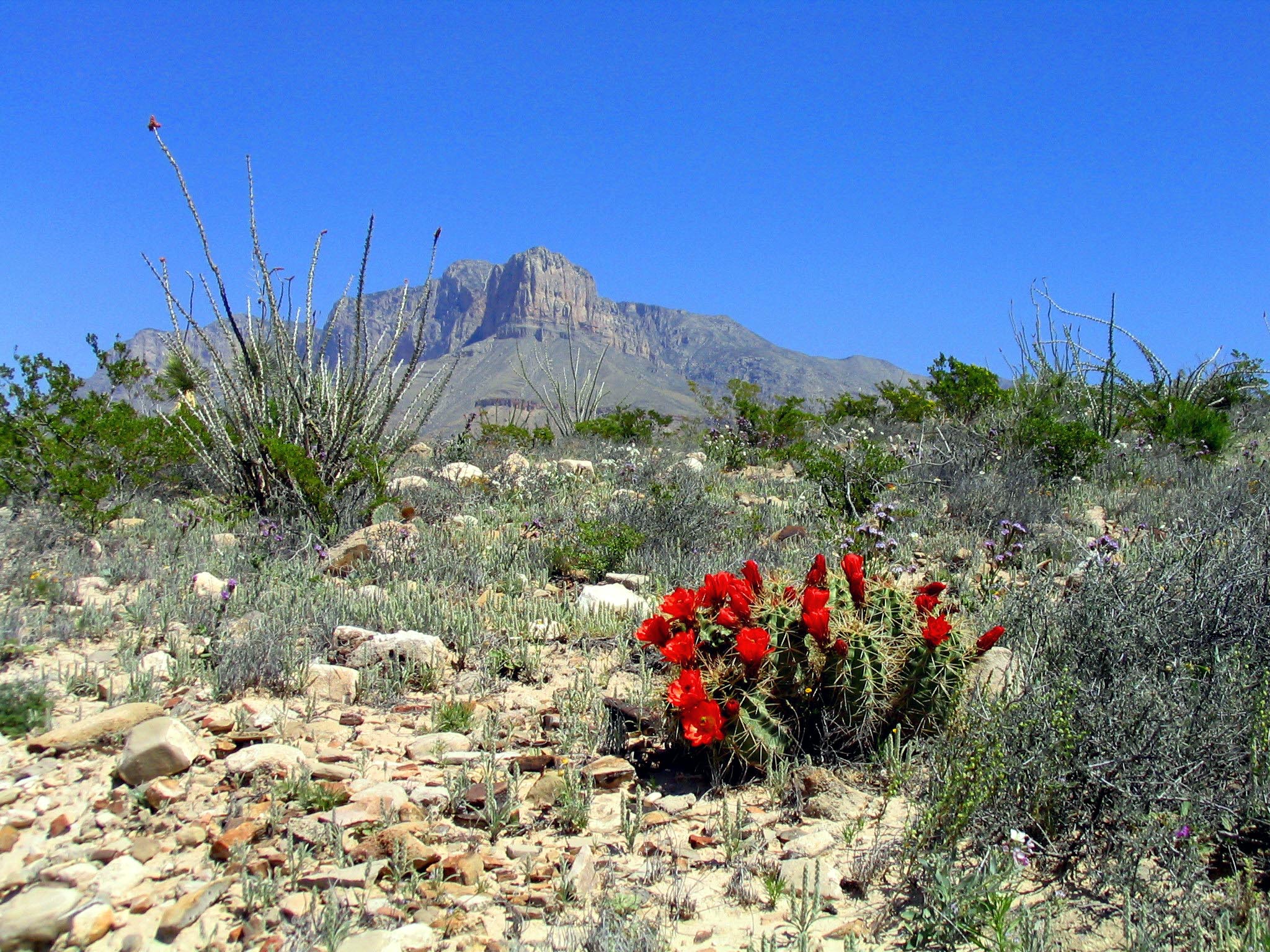
Guadalupe Mountains National Park Weather: Weather
Guadalupe Mountains National Park: weather guide guide updated 2026. Practical visitor information, reservations, and seasonal tips worth bookmarking before
Best Of
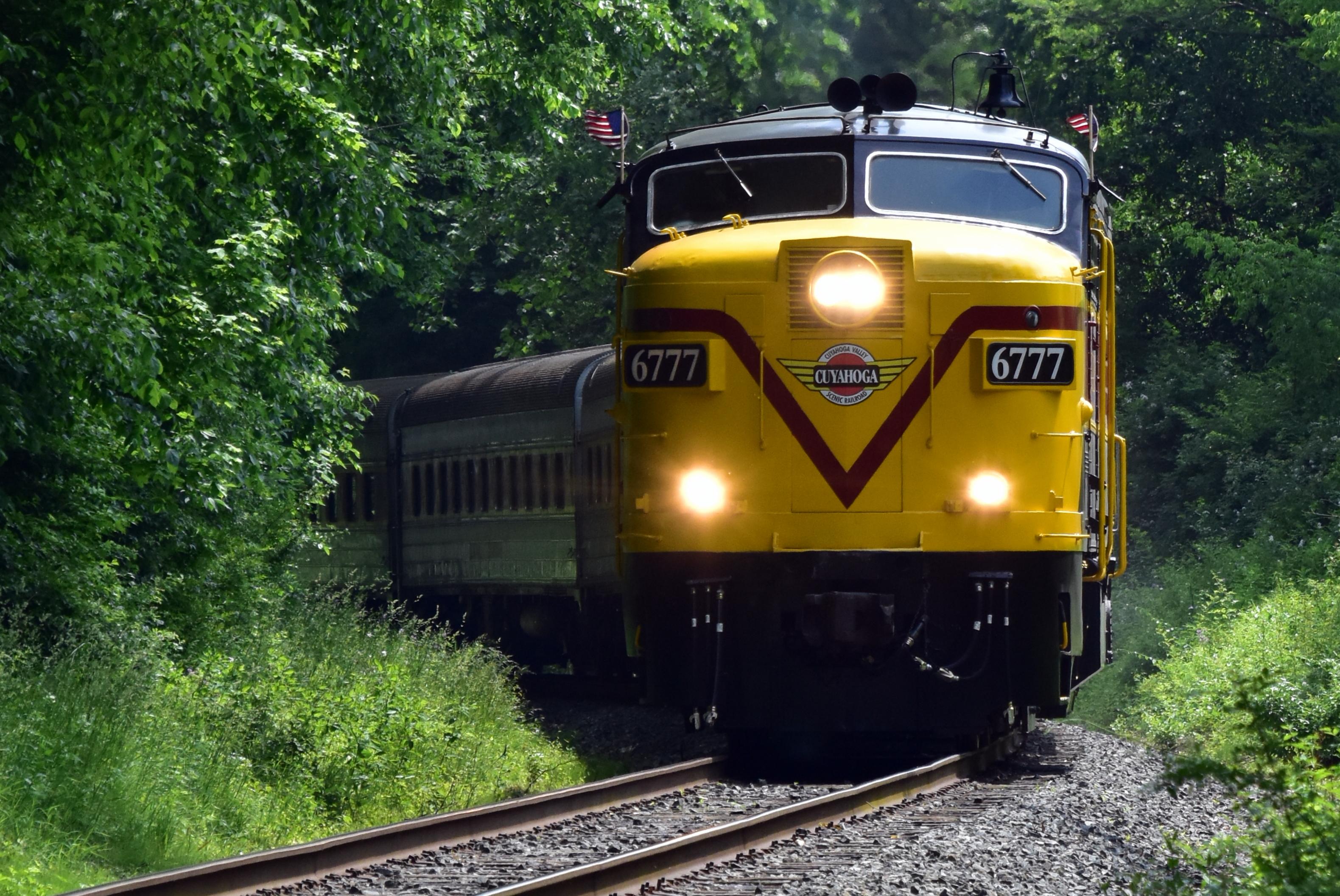
Best of Cuyahoga Valley National Park: Best Things to Do
Seeing a Cleveland Orchestra concert with the woods as your backdrop is a uniquely Cuyahoga Valley experience.
Sign in to join the conversation.
Sources & Attribution
Location data courtesy of the National Park Service (U.S. Department of the Interior). NPS data is public domain. Official NPS page.
Images: NPS; NPS; NPS; NPS; NPS.
Map data © OpenStreetMap contributors.
Park operations alerts: NPS.gov · Weather and weather hazards: National Weather Service · Live conditions.
Information may change. Always verify fees, hours, and conditions directly with the official source before visiting.
Did this guide help? Share it with a friend.