Glacier National Park Weather: Road Opening Season & Alpine Conditions (2026 Guide)
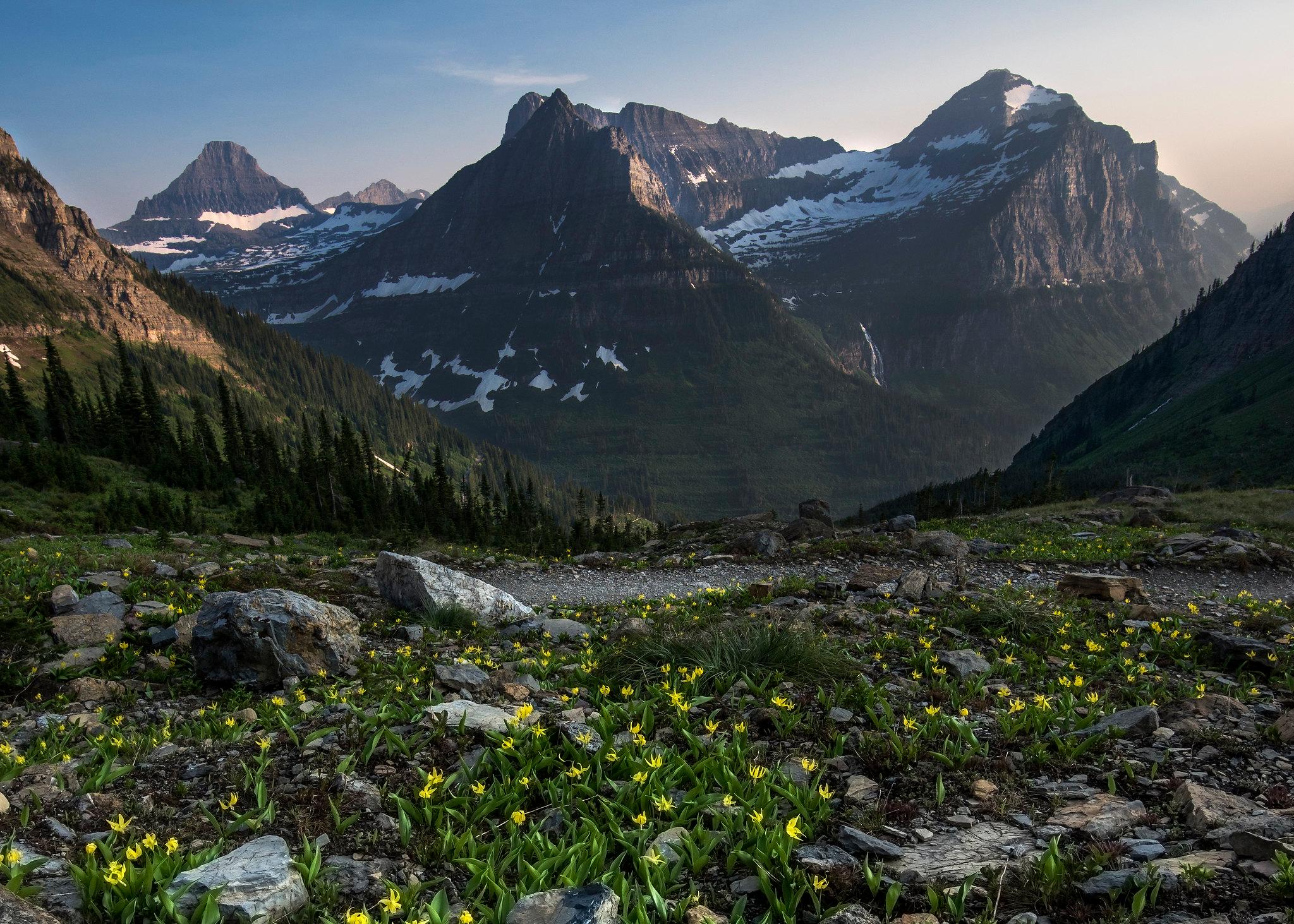
NPS via NPS.gov (Public Domain)
Glacier National Park Weather
10 min read
Weather Guide
Plan your 2026 trip around Glacier's weather battle. The Continental Divide creates rapid shifts from sun to snow, dictating road openings and alpine safety.
What is the single most important factor shaping your Glacier National Park visit? It's not your choice of trail or your hotel reservation. It's the weather, and the park's geography ensures it's rarely what you expect. The Continental Divide doesn't just separate watersheds here; it forces a collision between two different worlds of air. Warm, wet Pacific air pushes in from the west, while cold, dry Arctic air sweeps down from the northeast. They meet right over the park's spine, creating conditions that can shift from a sunny 70-degree afternoon to a snow squall in under an hour. This isn't just variable weather; it's a daily atmospheric battle that dictates everything from road access to trail safety. Understanding this is the first step in planning a successful trip.
The Weather Reality
Glacier's weather is extreme and operates on its own schedule. The official forecast for West Glacier might call for sun, but Logan Pass, just 32 miles away and 3,500 feet higher, could be shrouded in fog with freezing rain. Rangers will tell you the park has its own microclimates, and a forecast from Kalispell is about as useful as one from Seattle. The reality is that altitude and aspect change everything. A south-facing slope on a clear day can feel like summer, while a north-facing cirque just across the valley holds snowpack into August. Most first-time visitors are caught off guard by the sheer speed of change. You can start a hike in a t-shirt and finish it in a down jacket, your fingers numb from a sudden wind-driven chill. The park's famous Going-to-the-Sun Road is the ultimate barometer of this reality - its plowing schedule is a months-long gamble against spring snowstorms, and its closure each fall is a hard deadline set by weather, not the calendar. This isn't a place where you check the weather once. You check it for the specific valley you're in, for the specific time of day you'll be on the trail, and then you pack for the opposite.

Month by Month
Glacier's seasons are less about calendar dates and more about elevation-based transitions. What's happening at Lake McDonald is not what's happening at Grinnell Glacier.
January - March: Deep Winter
Temperatures range from highs in the 20s to lows well below zero, especially on the east side. Snowfall is measured in feet, not inches. The park receives considerable snow.
What's open: The park is open, but access is extremely limited. The Going-to-the-Sun Road is closed beyond Lake McDonald Lodge on the west and Rising Sun on the east. You can drive to these points for winter recreation. Most visitor centers are closed. The Apgar Visitor Center may have weekend hours.
Crowd level: Minimal. You'll share the park with a handful of cross-country skiers and snowshoers.
Wildlife activity: This is a quiet, stressful time for animals. You might see elk in low-elevation valleys and the tracks of predators like mountain lions in the snow.
Trail conditions: Trails are snow-covered routes for skis and snowshoes. Avalanche risk is real in the mountains and requires training to assess.
Worth considering: Profound silence and solitude. The frozen lakes and snow-draped cedars are a stark, beautiful contrast to the summer scene.
Challenging aspects: Extreme cold, short days, and significant travel limitations. Services are virtually nonexistent.
April - May: The Thaw & The Mud
Unpredictable. Days can hit 60°F in the valleys, followed by a foot of wet spring snow. Nighttime lows are still at or below freezing.
What's open: Lower elevation roads like the Camas Road and parts of Many Glacier Road may open, depending on plowing. The full Going-to-the-Sun Road remains closed. Visitor centers begin seasonal openings.
Crowd level: Low but growing. Locals come for early season fishing and hiking in the lower valleys.
Wildlife activity: Bears emerge from dens. Migratory birds return. Moose are often seen in marshy areas.
Trail conditions: A mess. Lower trails are a mix of snow, ice, and deep mud known locally as "Glacier gumbo." Higher trails are completely snowbound.
Worth considering: Watching the park wake up. Waterfalls are at their most powerful with snowmelt.
Challenging aspects: "Shoulder season" here means mud season. Many popular destinations are inaccessible, and trail damage from hiking on saturated ground is a real concern.
June: The Opening Act
Valley highs reach 65-70°F, but nights are cold (40s). Snow lingers above 6,000 feet. Afternoon rain showers are common.
What's open: This is the month of the big reveal. Crews work to clear the Going-to-the-Sun Road, with a target opening date that varies yearly but often falls in late June or early July. Check the park's website for plowing updates. Many Glacier and Two Medicine valleys typically open.
Crowd level: Moderate, but spikes dramatically the day the Sun Road opens fully.
Wildlife activity: Newborn elk and mountain goat kids appear. Wildflowers begin in the sun-drenched meadows.
Trail conditions: A tale of two elevations. Valley trails are mostly clear and dry. Any trail that gains significant elevation will hit snowfields, which can be steep and slippery. Ice axes and traction devices are often necessary for high passes.
Worth considering: Experiencing the park with fewer people than July and August, if you time it before the road fully opens.
Challenging aspects: Mosquitoes hatch in biblical numbers in wet areas. High country travel is for experienced, prepared hikers only.
July - August: Peak Summer & Fire Season
Warmest months, with valley highs in the 70s and 80s. Logan Pass highs are in the 60s. Afternoon thunderstorms are a near-daily occurrence in the mountains. Nights are cool.
What's open: Everything, barring unexpected snow or fire closures. All roads, campgrounds, visitor centers, and lodges are operational.
Crowd level: Maximum. Parking lots at popular trailheads like Logan Pass, Avalanche, and Many Glacier fill by 7:30 AM.
Wildlife activity: Bears are active in berry patches. Mountain goats and bighorn sheep are commonly seen near Logan Pass and Hidden Lake.
Trail conditions: Most trails are snow-free by late July, though some permanent snowfields remain. Trails are dry and dusty.
Worth considering: Reliable access to the entire park, including the alpine zone. Long days and stable weather windows.
Challenging aspects: Crowds, smoke from wildfires (which can obscure views for weeks), and the relentless threat of lightning on exposed ridges. You must be off high points by early afternoon.
September - October: The Golden Shift
September days are crisp (60s-70s) with cold nights (30s). October brings the first serious snowstorms to the high country, with valley highs in the 50s.
What's open: The Going-to-the-Sun Road usually remains open through late September or early October, weather permitting. Facilities begin closing after Labor Day. Some campgrounds switch to first-come, first-served.
Crowd level: Drops precipitously after Labor Day. September is a local favorite for good reason.
Wildlife activity: The elk rut (mating season) begins in September, with bugling echoing through the valleys. Bears enter hyperphagia, eating constantly before denning.
Trail conditions: Excellent in September - dry trails, fewer bugs, stable weather. By October, snow becomes likely at any elevation.
Worth considering: The best combination of accessibility, fewer people, and dynamic scenery with fall colors (larch trees turn gold in late September).
Challenging aspects: Rapidly shortening days and the constant possibility of an early winter storm shutting down travel plans overnight.
November - December: The Shutdown
Temperatures fall well below freezing. Snow accumulates at all elevations. This is the quiet, dormant period.
What's open: Limited winter access patterns are established. The west side of the Going-to-the-Sun Road closes at Lake McDonald Lodge; the east side at Rising Sun.
Crowd level: Very low.
Trail conditions: Transitioning to winter travel. Early season snow can be unstable.
Worth considering: A stark, peaceful winter landscape before the deep snows of January.
Challenging aspects: Few services, hazardous driving conditions, and the knowledge that the high country is now completely off-limits for months.

Best Times for Specific Activities
Your ideal month depends entirely on what you want to do.
High Country Hiking
The window is short. For snow-free access to trails like the Highline, Grinnell Glacier, or Pitamakan Pass, aim for early August through mid-September. Even then, carry microspikes for early morning ice on shaded trails. Rangers will tell you that trail conditions reports are your best friend in July as the snow melts out.
Wildlife Viewing
Different seasons offer different sightings. For bears, spring (May-June) along valley bottoms and fall (September) in berry patches. For mountain goats and bighorn sheep, summer around Logan Pass and the Garden Wall. For the dramatic elk rut, visit the Many Glacier or Two Medicine valleys in September at dawn or dusk. Moose are year-round residents of marshy areas like Fishercap Lake.
Wildflowers
Peak bloom follows the melting snowline. Late June brings explosions of bear grass, lupine, and Indian paintbrush to lower meadows like the Hanging Gardens. Mid-July sees the alpine zones come alive with tiny, hardy flowers near Logan Pass.
Fall Colors
Glacier's signature fall display comes from the subalpine larch, a conifer that turns brilliant gold and drops its needles. The show happens from late September to early October, and the best displays are along the Highline Trail, in the Two Medicine valley, and on the slopes above Iceberg Lake.
Stargazing
Clear, dry air and minimal light pollution make for excellent stargazing year-round. The best conditions are during the new moon phases in August and September, when the Milky Way is most visible and nighttime temperatures are still tolerable. The winter sky is spectacular but requires serious cold-weather gear to enjoy.

What to Pack by Season
Forget generic lists. Pack for Glacier's specific brand of chaos.
Summer (June-August): This is all about layers and rapid change. A moisture-wicking base layer, a fleece or insulated jacket, and a waterproof, breathable rain shell are non-negotiable. Hiking pants that dry quickly are better than jeans, which become cold and heavy when wet. Sturdy, broken-in hiking boots with good ankle support for rocky trails. A wide-brimmed hat for sun (UV intensity is high at altitude) and a warm beanie. Sunglasses. Multiple pairs of wool or synthetic socks. A daypack large enough to carry all these layers, plus 3-4 liters of water per person, high-energy snacks, a basic first-aid kit, bear spray (and know how to use it), a headlamp, and a physical trail map. The gift shop sells water for $4 a bottle. Bring your own.
Spring/Fall (May, September-October): All of the above, but lean heavier on insulation. A down or synthetic puffy jacket becomes essential. Add gloves, a neck gaiter, and thermal base layers. Traction devices like microspikes are highly recommended for icy trails in the morning or after a storm. Waterproof boots are more important as you'll encounter more snow and mud.
Winter (November-April): Expedition-level preparation. Heavy insulated parka, snow pants, insulated waterproof boots, thick gloves, balaclava, and goggles for wind-driven snow. Traction devices are mandatory. Carry avalanche safety gear (beacon, probe, shovel) and the training to use it if traveling in avalanche terrain. A thermos with a hot drink is a safety item, not a luxury.

What the Forecast Doesn't Tell You
- The Wind Chill on the Pass: The temperature at Logan Pass can be 15-20 degrees colder than at the Saint Mary Visitor Center, with a wind that never seems to stop. That 55°F forecast feels like 35°F in a Matter of minutes.
- Afternoon Thunderstorm Timing: They build like clockwork. Clear skies at 10 AM mean nothing. Plan to be below tree line and off exposed ridges by 1-2 PM. Lightning strikes are common and deadly.
- The Microclimate Effect: It can be pouring rain at The Loop on the Going-to-the-Sun Road while it's sunny at Logan Pass. Don't let weather in one valley cancel plans for another - check webcams on the park's website.
- Sunburn at 7,000 Feet: The thin atmosphere offers little protection. You can get a severe burn on a cloudy day in under an hour. Wear sunscreen on all exposed skin, including ears and the back of your neck.
- Rapid Hypothermia Risk: A soaking rain at 50°F with wind can lead to hypothermia in under an hour if you're not dressed for it. Cotton kills; wear synthetics or wool.
- The "Gumbo" Factor: Spring and fall trails aren't just muddy. The clay-based soil turns into a slick, sticky paste that clings to boots and makes steep sections treacherous.
- Road Closure Speed: A single autumn storm can close the Going-to-the-Sun Road for the season overnight. Have flexible plans and a backup itinerary for the east or west side in fall.
Practical Takeaways
- Your trip is dictated by the Going-to-the-Sun Road. If seeing the alpine heart of the park is your goal, plan for July through September. Check the park's official road status page for the latest plowing updates in spring.
- Pack for every season, every day. Regardless of the forecast, your daypack must contain rain gear, warm layers, sun protection, and extra food and water.
- Start early. Not just to beat crowds, but to beat weather. Aim to be at the trailhead by sunrise in summer. This gives you a full weather window to complete your hike safely.
- September is the secret season. If you can visit after Labor Day, you'll find fewer people, stable weather, fall colors, and active wildlife. It's the best overall balance.
- Respect closures. A closed trail or road isn't a suggestion; it's due to snow, ice, bears, or damage. Going around a closure puts you and rangers at risk.
- Check multiple sources. Look at the park's website for road status, trail condition reports, and webcams. Call a visitor center for the latest on-the-ground info.
- Your vehicle is part of your gear. In spring and fall, carry tire chains, a shovel, and a full tank of gas. Services are far apart, and weather changes fast.
Glacier doesn't cater to your plans. You adapt to its conditions. That adaptation starts with understanding its weather - not as a footnote, but as the central character in your visit. For more on navigating the park beyond the forecast, see our complete visitor guide. And when you're ready to hit the trails, our guide to Glacier's hiking trails will help you match your ambition to the conditions on the ground.
For more information, see our complete National Park Guide.
Related: glacier national park guide
Related: glacier national park lodges guide
Sources
- Official source: NPS — Glacier National Park nps.gov/glac/index.htm
Photo Gallery
More to Explore
Park Guide
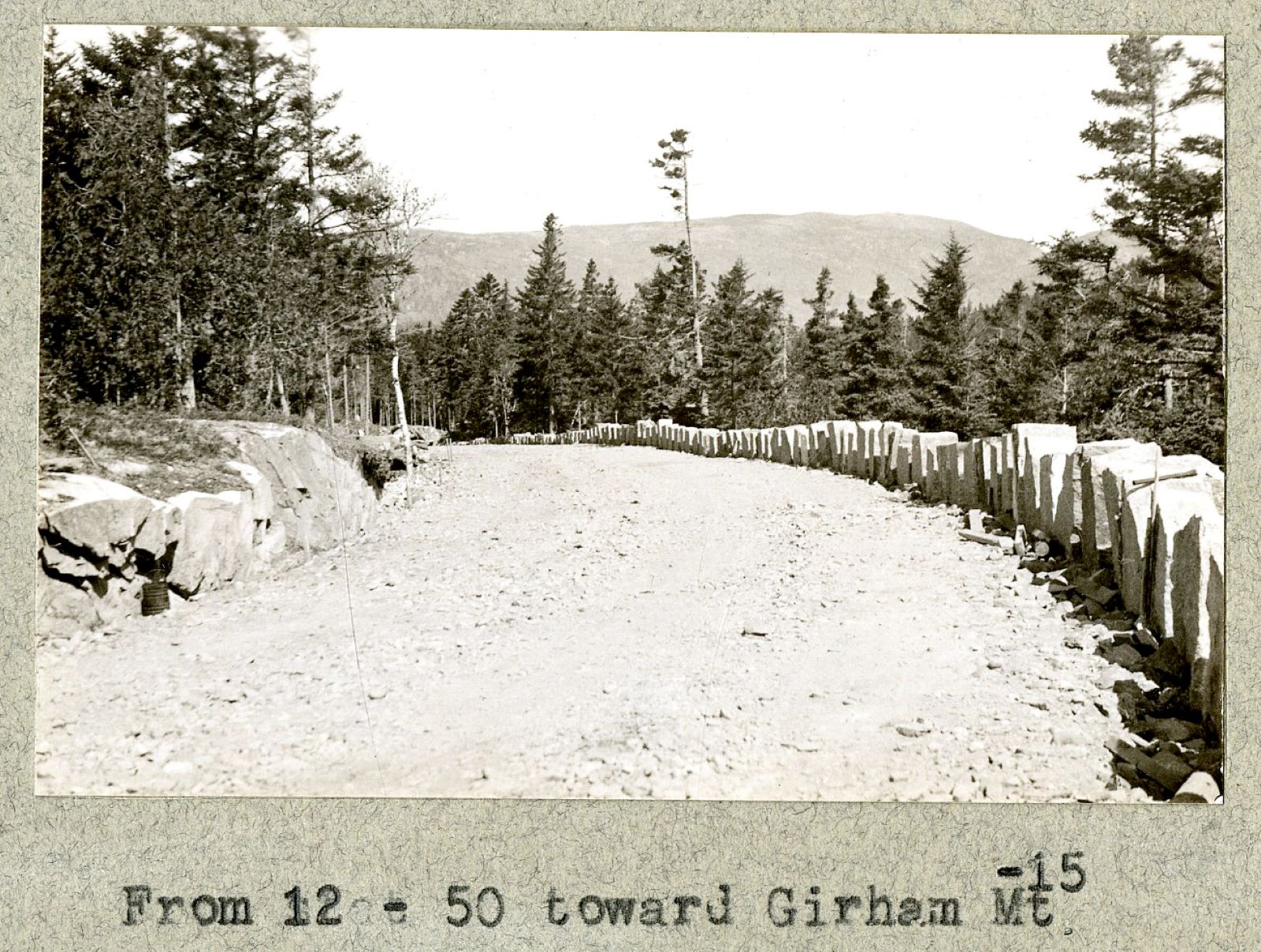
Acadia National Park: Carriage Roads, Cadillac Mountain & 2026 Guide
Discover carriage roads, Cadillac Mountain, and rugged Maine coast. Complete 2026 guide to Acadia National Park — trails, fees, lodging, permits, and what rangers recommend.
Hiking Guide
Grand Canyon Hiking Trails: Day Hikes, Water Sources & Rim to Rim
Compare Grand Canyon hiking trails: Bright Angel, South Kaibab, Hermit, Grandview, and rim to rim, with distances, elevation, water stops, and trailhead access for each.
Best Of
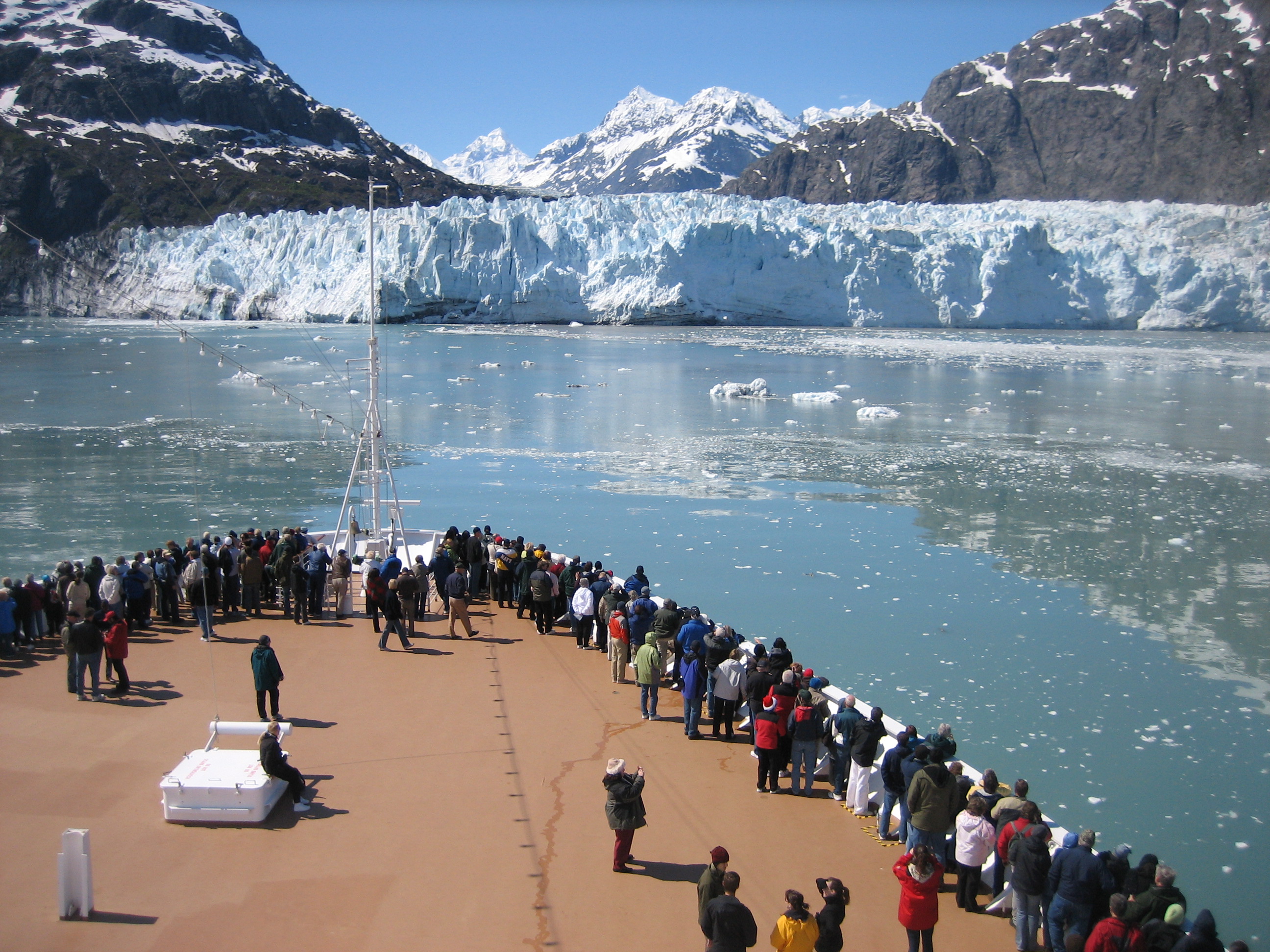
Best of Glacier Bay National Park
The best of Glacier Bay is reached by boat: ranger-led day tours up the bay to the tidewater glaciers. What's worth it, how to book, and when to go (2026).
Campsite Guide
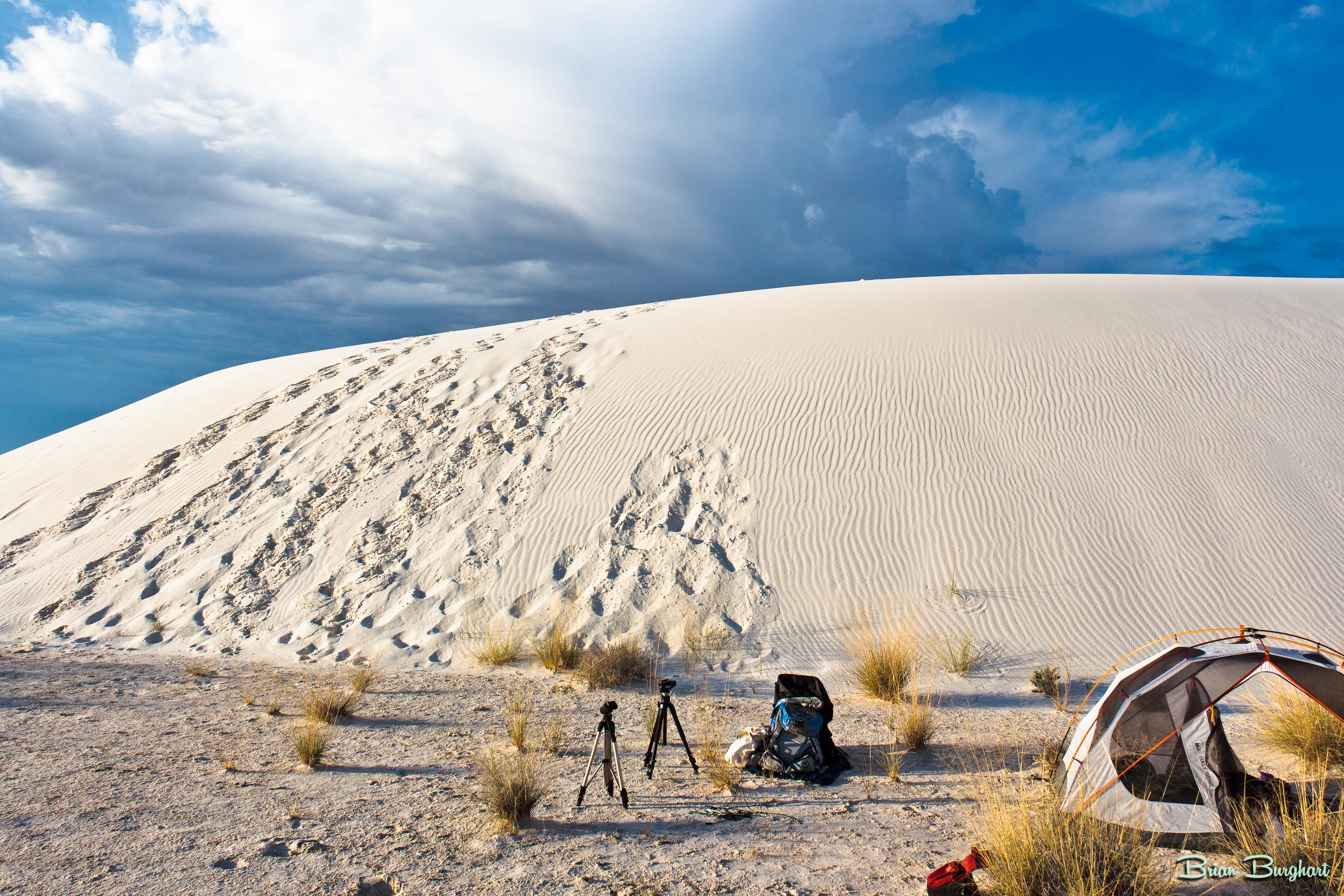
White Sands Backcountry Camping: Closed for 2026 — What to Know
As of 2026, backcountry camping at White Sands National Park is closed for site rehabilitation. What that means, and where to camp nearby instead.
Weather Guide
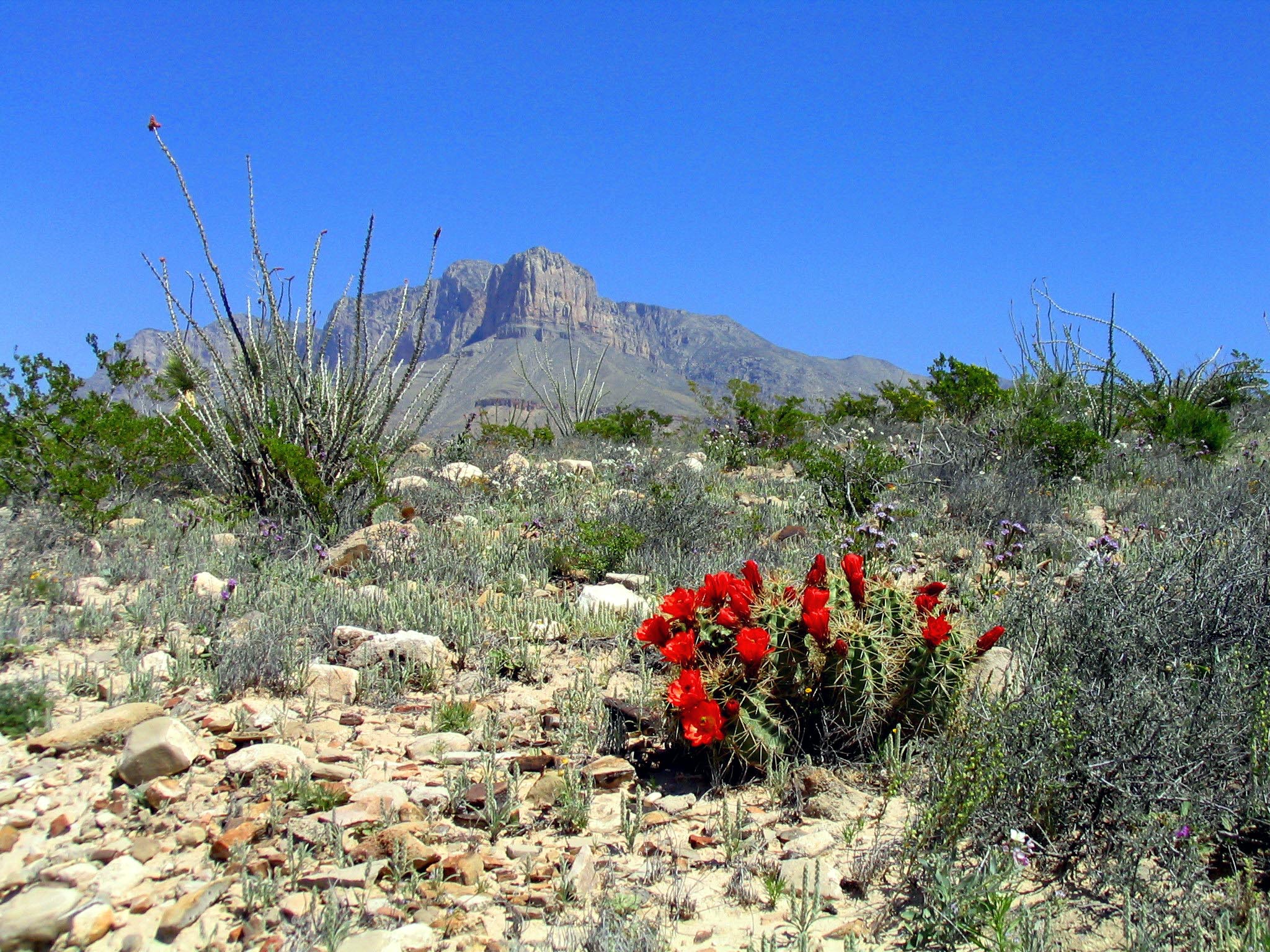
Guadalupe Mountains National Park Weather: Weather
Guadalupe Mountains National Park: weather guide guide updated 2026. Practical visitor information, reservations, and seasonal tips worth bookmarking before
Best Of
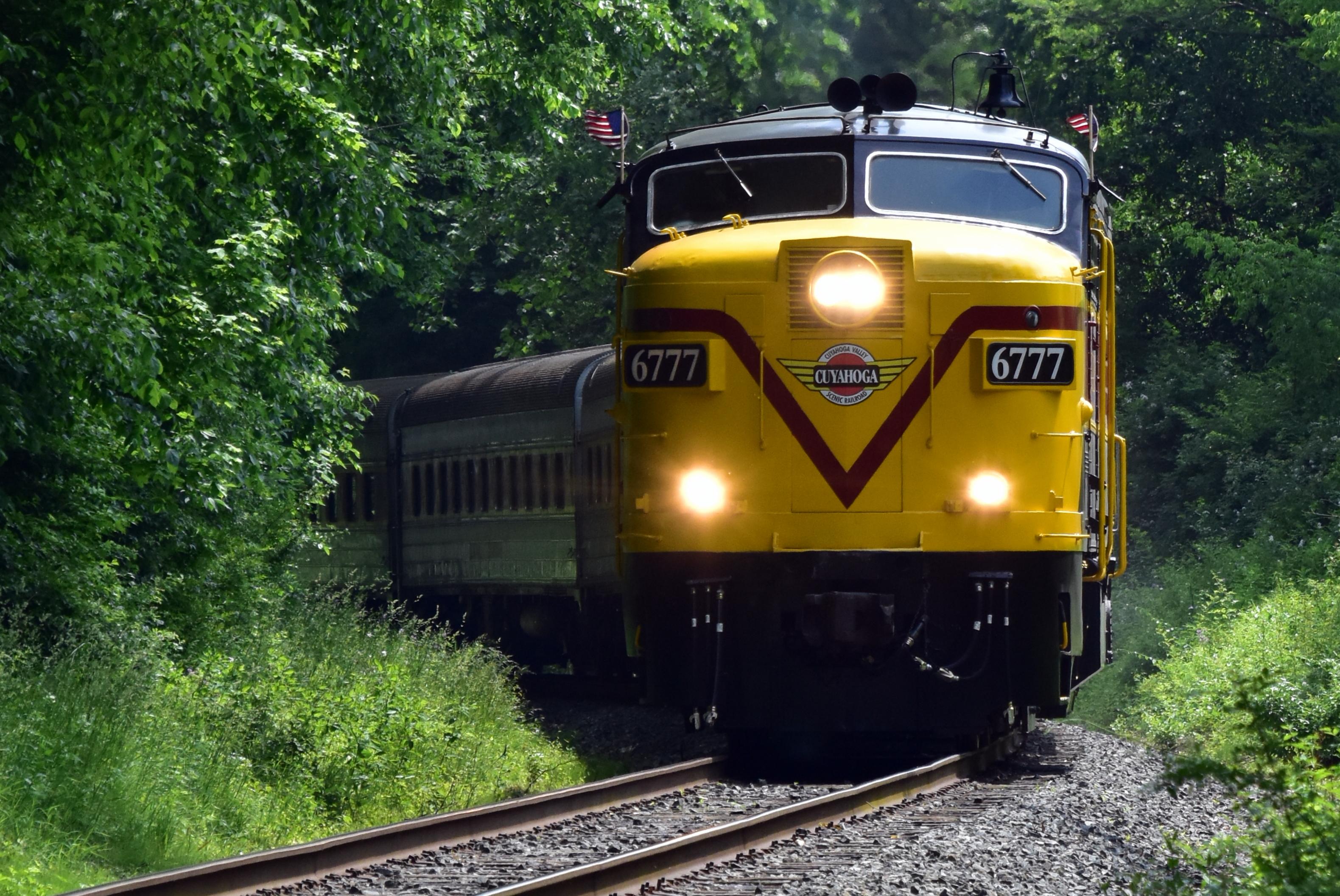
Best of Cuyahoga Valley National Park: Best Things to Do
Seeing a Cleveland Orchestra concert with the woods as your backdrop is a uniquely Cuyahoga Valley experience.
Sign in to join the conversation.
Sources & Attribution
Location data courtesy of the National Park Service (U.S. Department of the Interior). NPS data is public domain. Official NPS page.
Images: NPS; NPS; NPS; NPS; NPS.
Map data © OpenStreetMap contributors.
Park operations alerts: NPS.gov · Weather and weather hazards: National Weather Service · Live conditions.
Information may change. Always verify fees, hours, and conditions directly with the official source before visiting.
Did this guide help? Share it with a friend.