Bowman Lake Campground sits in the North Fork area of Glacier National Park, roughly 32.5 miles from the west entrance and 30 miles south of the Canadian border. The dirt road leading in is slow, dusty, and bumpy - no trailers permitted, and the drive takes a solid hour or more from West Glacier even in good conditions. That remoteness is exactly the point. With 48 first-come, first-served sites set close to the lakeshore among shade-giving trees, this is a campground for people who want quiet and solitude, not convenience. As of 2026, the typical summer season runs from mid-May through early September, with a primitive fall window that can extend into late October if weather cooperates. This guide covers everything you need to know to plan a trip to Bowman Lake, from fees and road conditions to what you'll find once you arrive.
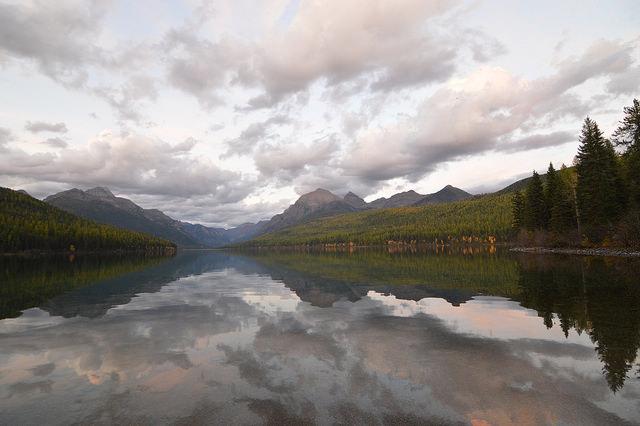
Campsites at Bowman Lake (2026 Guide)
5 min read
The approach to Bowman Lake is part of the experience. From the west entrance, take the Inside North Fork Road north past Polebridge.
For more, see Campsites at Cut Bank (2026 Guide) and Campsites at Fish Creek (2026 Guide).
Getting There and Navigating the Season
The approach to Bowman Lake is part of the experience. From the west entrance, take the Inside North Fork Road north past Polebridge. The last stretch is unpaved, dusty, and rutted - plan for an average speed of 15-20 mph. Most visitors underestimate how long this segment takes. Rangers will tell you to budget at least 1.5 hours from the west entrance turnoff. No RVs or trailers of any kind are allowed on this road, so leave the big rig at Apgar or Fish Creek if you're towing. Cell service drops out well before you hit the dirt, so download maps and directions ahead of time.
Seasonal Windows and Fees
The campround operates on a split schedule:
- Summer season (mid-May to early September): $25 per night, full services (potable water, vault toilets). Sites are open 24 hours.
- Primitive fall season (approximately September 7 to November 1, weather dependent): $15 per night. No potable water or dump station. You must bring your own water and pack out all waste.
- Winter closure: The campground is closed from early November to mid-May.
All sites are first-come, first-served. No reservations accepted. As of 2026, the entrance fee to Glacier National Park applies separately (per vehicle or per person, depending on your pass). An America the Beautiful pass covers that fee.

The Campground Experience
Bowman Lake has a different feel than the busier campgrounds on Going-to-the-Sun Road. The sites are tucked into a forest of lodgepole pine and spruce, with enough tree cover to offer real shade and a degree of privacy between neighbors. Most sites have a tent pad and a fire ring with a grill grate. The lake itself is a short walk from nearly every site - you'll hear the water lapping at night.
What You'll Find (and Won't)
- Sites: 48 total. Maximum eight people, two vehicles, and two tents per site.
- Amenities: Vault toilets, picnic tables, fire pits. No showers, no electrical hookups, no dump station. During primitive season, no running water.
- Quiet hours: Enforced from 10 PM to 6 AM. This is not a party campground. People come here for the peace.
- Wildlife: Keep an eye out for deer, elk, and the occasional black bear. The area is also home to mountain goats and red foxes. Rangers will tell you to store all food in a hard-sided vehicle or bear-proof canister - no exceptions.
Most visitors underestimate how dark it gets here. With no ambient light from towns, the night sky is vivid. Bring a red-light headlamp if you plan to move around after dark.

Activities and Wildlife Around Bowman Lake
Bowman Lake is a basecamp for exploring the North Fork, not a destination with a long list of developed attractions. The appeal is the solitude and the chance to see wildlife in a relatively untouched setting.
On the Water and Shore
The lake itself is good for canoeing, kayaking, and paddleboarding. No motorboats are allowed (this is a non-motorized lake, per park rules). Fishing for native cutthroat trout and lake trout is decent from shore or a small boat. Early morning is your best bet for both fishing and spotting loons or harlequin ducks on the water.
Hiking Trails
A few trails start from or near the campground. The most notable is the Bowman Lake Trail, which follows the shoreline for a few miles before climbing toward the Continental Divide. (Exact distances vary; check the trailhead board for current conditions.) The trail narrows here and there, with roots and rocks underfoot - wear sturdy boots. A more strenuous option is the Numa Ridge Lookout trail, which gains about 2,300 feet over 5 miles to a fire lookout with views of the lake and surrounding peaks. Most visitors underestimate the difficulty of this hike in the afternoon heat; pack extra water for this stretch.
Wildlife Watching
The North Fork corridor is one of the best areas in Glacier for spotting grizzly bears, wolves, and wolverines - though wolverines are rarely seen. More common are deer, elk, and the occasional mountain lion (keep an eye out for tracks near water sources). Birding is excellent: common loons, harlequin ducks, Clark's nutcrackers, and varied thrushes all breed in the area. The park's podcast, Headwaters, has episodes on many of these species and is worth a listen before you go.

Practical Takeaways
- Arrive early. Sites fill by early afternoon in July and August. The campground is first-come, first-served, and there are no overflow areas nearby. If you show up at 6 PM on a Friday in August, expect to drive back out.
- Bring water. Even during summer, treat or filter lake water if you run out. In primitive season, you must haul all your own water.
- Check road conditions. The dirt road can be impassable after heavy rain. Call the park at (406) 888-7800 or check the NPS alerts page before heading out.
- Pack a dust mask. On dry days, the road is a cloud of fine silt. A bandana over your face helps, especially on the way out when you're following another car.
- Store all food properly. Bear activity is common. Use the metal food lockers provided at each site or keep everything in your vehicle.
- Leave no trace. Pack out all trash. The primitive fall season has no trash pickup.

Final Thoughts
Bowman Lake isn't for everyone. The rough access, lack of amenities, and first-come policy mean you need to plan carefully and be flexible. But for those willing to make the drive, the payoff is genuine quiet - the kind you can't find at the park's larger campgrounds. You'll trade a smooth ride for dark skies, good fishing, and the chance to see wildlife without crowds. If that sounds like your kind of camping, put Bowman Lake on your list for 2026. For a deeper look at Glacier's camping options, check out the complete visitor guide or browse all campgrounds in the park.
Sources
- Official source: NPS — Glacier National Park nps.gov/glac/index.htm
Photo Gallery
More to Explore
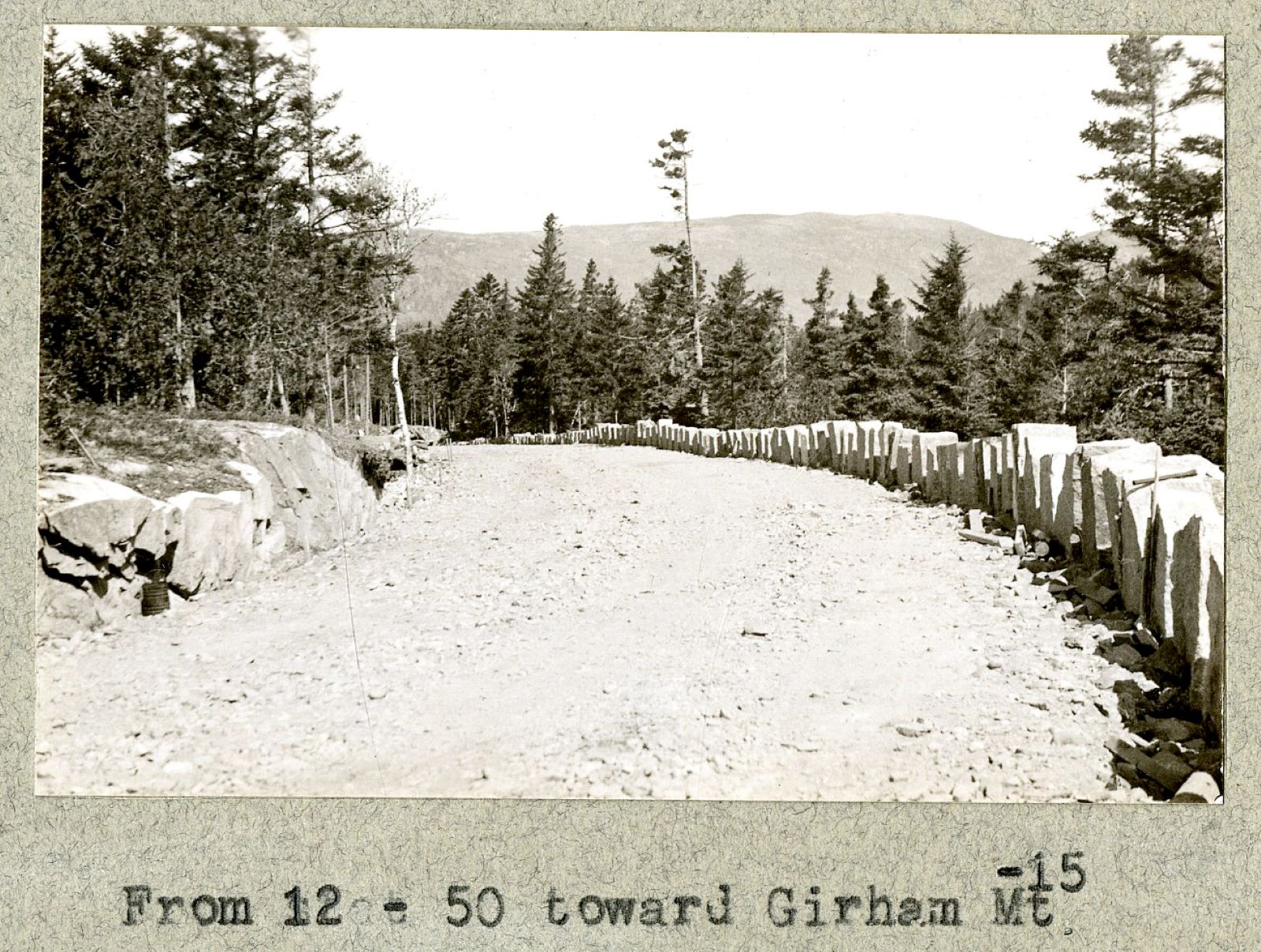
Acadia National Park: Carriage Roads, Cadillac Mountain & 2026 Guide
Discover carriage roads, Cadillac Mountain, and rugged Maine coast. Complete 2026 guide to Acadia National Park — trails, fees, lodging, permits, and what rangers recommend.
Grand Canyon Hiking Trails: Day Hikes, Water Sources & Rim to Rim
Compare Grand Canyon hiking trails: Bright Angel, South Kaibab, Hermit, Grandview, and rim to rim, with distances, elevation, water stops, and trailhead access for each.
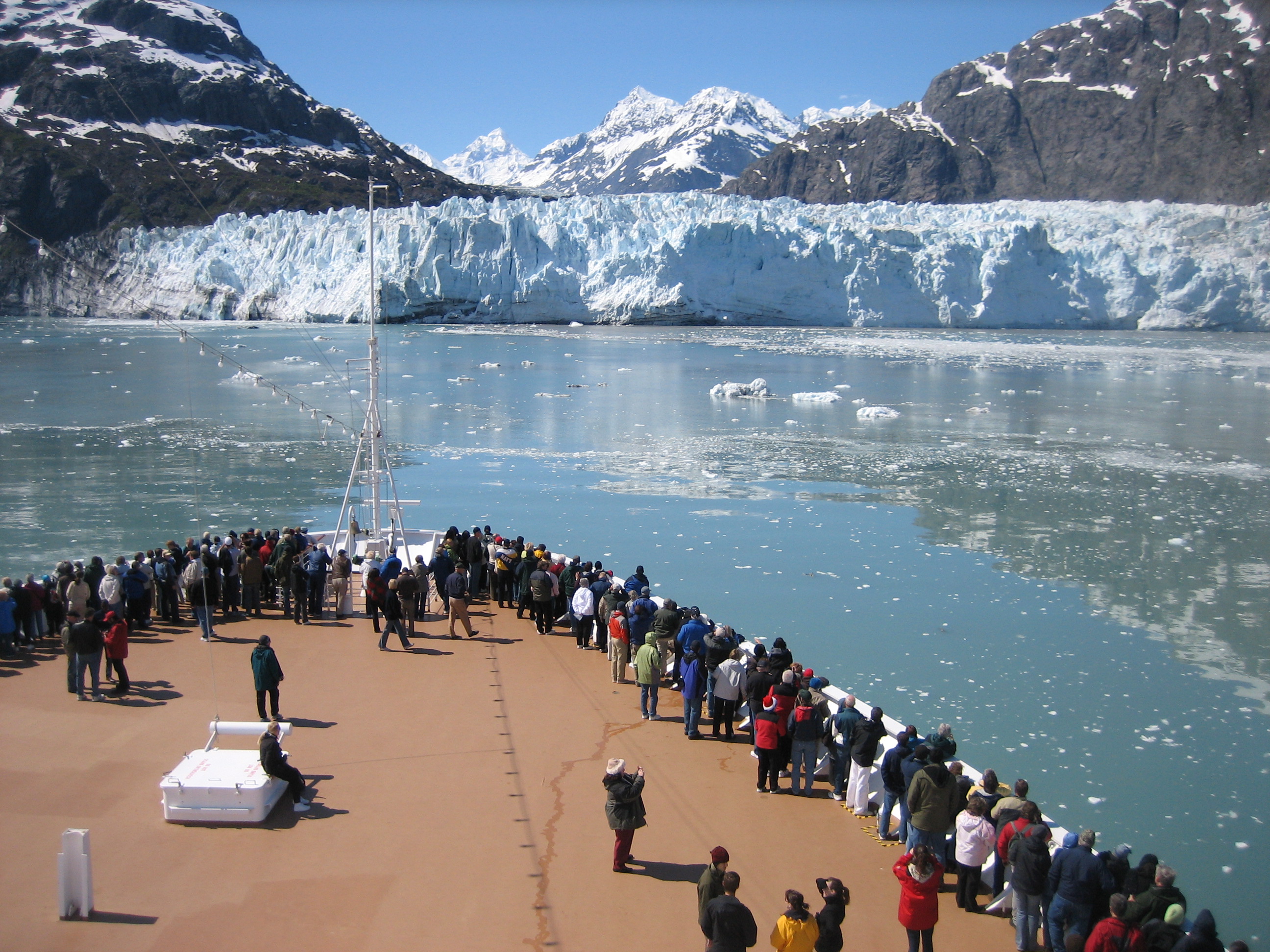
Best of Glacier Bay National Park
The best of Glacier Bay is reached by boat: ranger-led day tours up the bay to the tidewater glaciers. What's worth it, how to book, and when to go (2026).
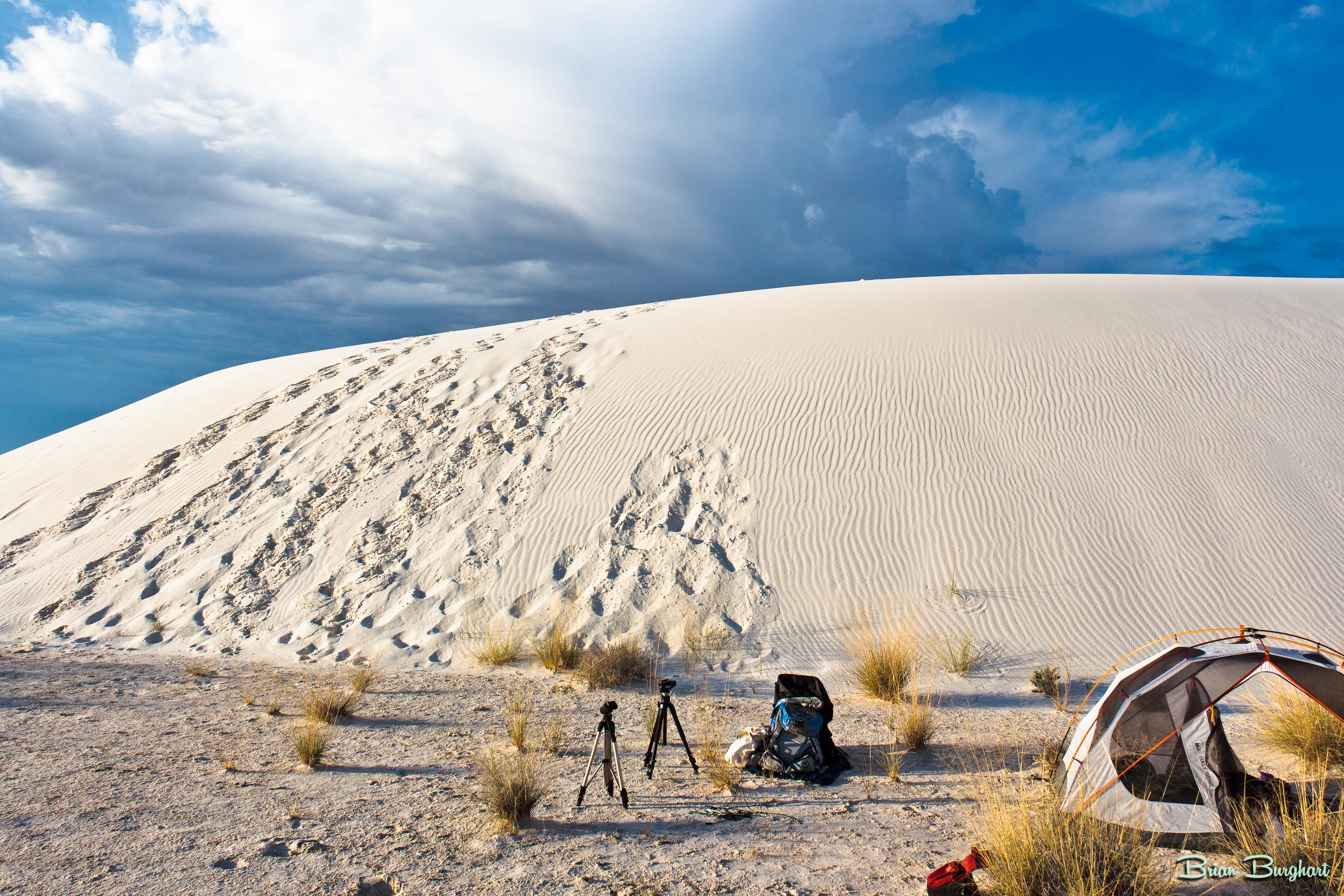
White Sands Backcountry Camping: Closed for 2026 — What to Know
As of 2026, backcountry camping at White Sands National Park is closed for site rehabilitation. What that means, and where to camp nearby instead.
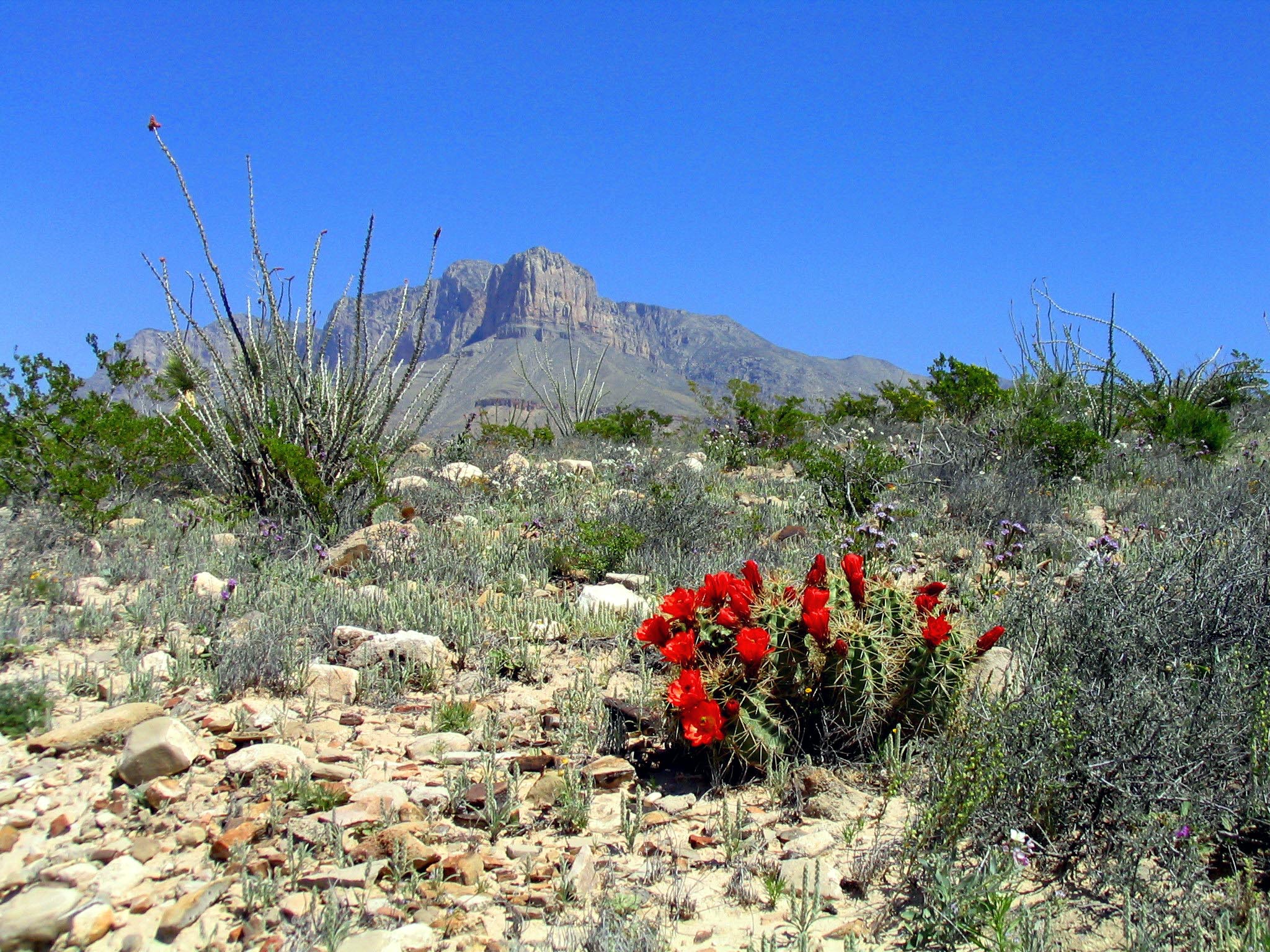
Guadalupe Mountains National Park Weather: Weather
Guadalupe Mountains National Park: weather guide guide updated 2026. Practical visitor information, reservations, and seasonal tips worth bookmarking before
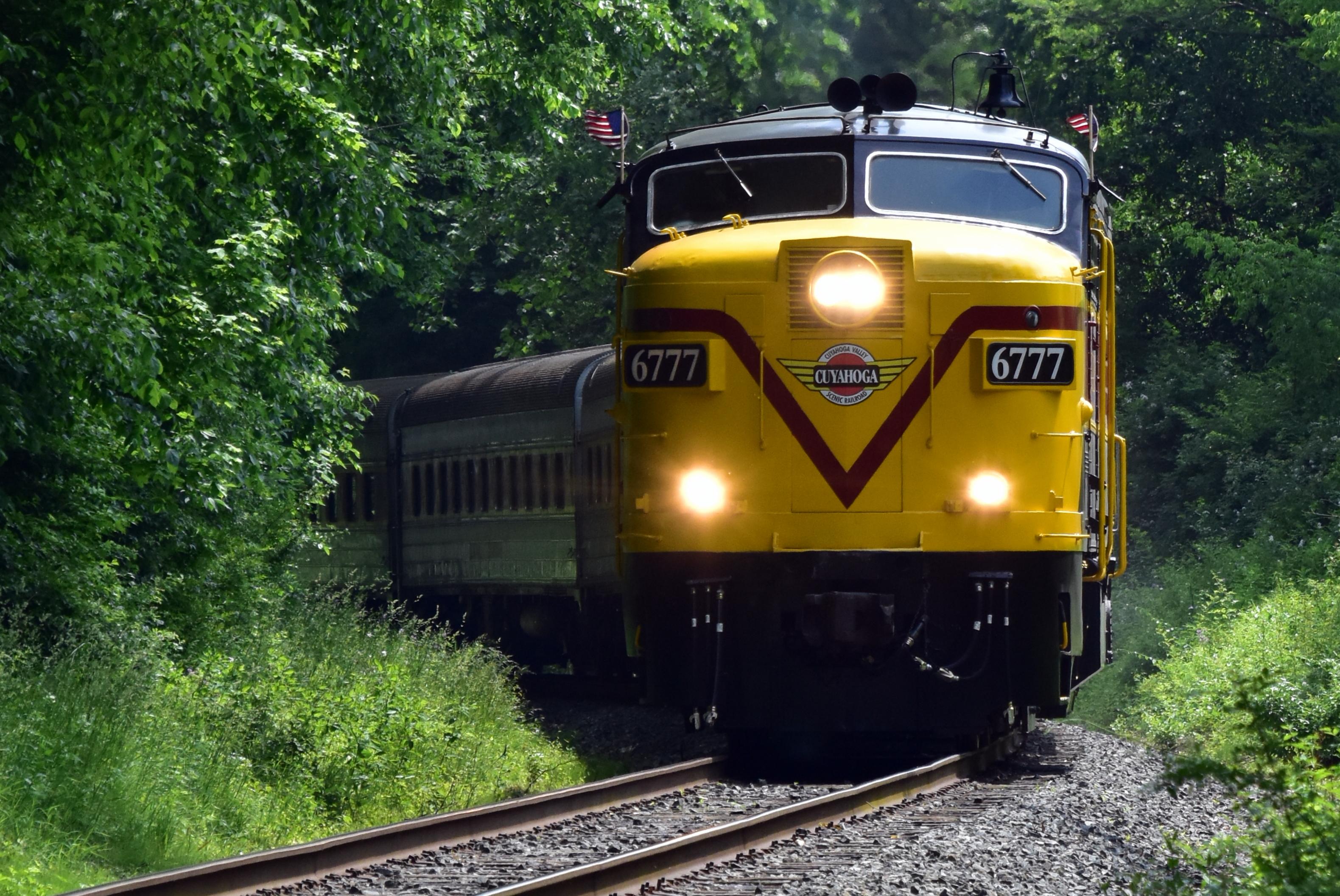
Best of Cuyahoga Valley National Park: Best Things to Do
Seeing a Cleveland Orchestra concert with the woods as your backdrop is a uniquely Cuyahoga Valley experience.
Sign in to join the conversation.
Sources & Attribution
Location data courtesy of the National Park Service (U.S. Department of the Interior). NPS data is public domain.
Images: NPS; NPS; NPS; NPS; NPS.
Map data © OpenStreetMap contributors.
Park operations alerts: NPS.gov · Weather and weather hazards: National Weather Service · Live conditions.
Information may change. Always verify fees, hours, and conditions directly with the official source before visiting.
Did this guide help? Share it with a friend.