Best of Gates of the Arctic National Park: Best Time To Visit Gates Of The Arctic (2026)
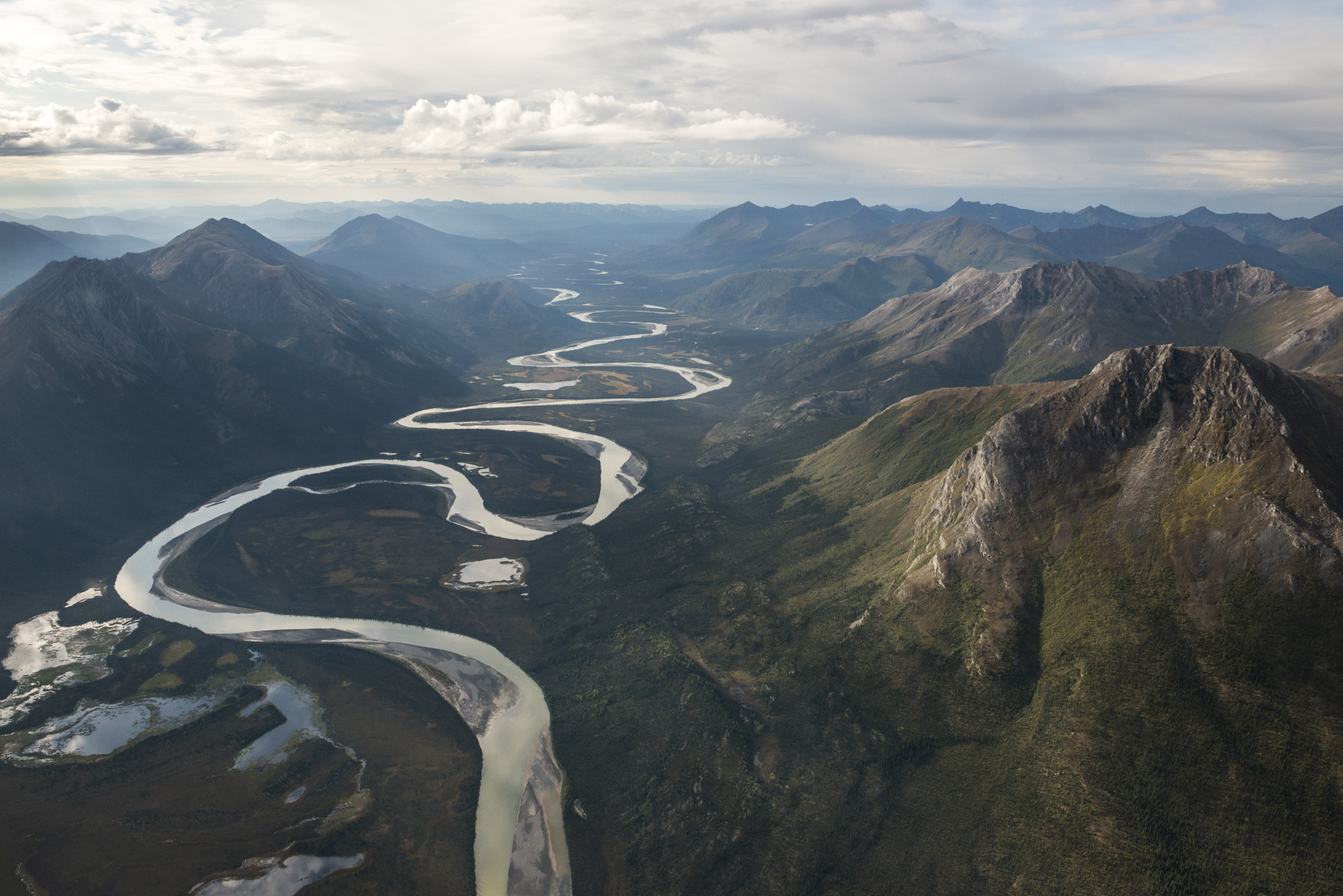
NPS via NPS.gov (Public Domain)
Best of Gates of the Arctic: Brooks Range, Wild Rivers
8 min read
Best Of
Discover Gates of the Arctic National Park's top experiences, from flightseeing the Gates to backpacking the Brooks Range.
This article contains affiliate links — we may earn a small commission at no extra cost to you.
The park was established in 1980, but the Brooks Range it protects is far older, a place where the concept of a trail is something you make yourself. The best time to visit Gates of the Arctic is a short, specific window dictated by light and temperature, not by a park service calendar. You're planning for a wilderness, not a destination with a gift shop. This guide cuts through the expedition-level planning to focus on the experiences that deliver the highest return for your considerable effort. For a broader context, start with our complete visitor guide.
For more, see best time to visit.
If You Only Have One Day
Forget it. There is no one-day visit to Gates of the Arctic. The single decision that derails most attempts is underestimating the access logistics. This isn't a park you drive to. Your "day" starts with a flight from Fairbanks to a gateway community like Bettles or Coldfoot, which alone can take half a day and cost several hundred dollars. From there, you need to charter an air taxi to drop you into the park itself.
If you are determined to maximize a very short trip, your only realistic option is a flightseeing tour. Book a charter out of Bettles that will fly you through the iconic passage of Frigid Crags and Boreal Mountain - the actual Gates - and perhaps circle the Arrigetch Peaks. You'll get the scale from above, about an hour of engine noise, and a deep understanding of why you need a week on the ground. Rangers will tell you that treating this as a day-trip park misses the point entirely. The minimum viable visit is three to five days, and that's for a single, focused objective.

The Top Experiences, Ranked
#1 - Backpack the Brooks Range's Arctic Wilderness: The Definitive Experience
This is the reason you come. It's not a specific trail; it's the act of choosing a drainage, a ridge, or a pass and moving through a landscape unchanged by human design. The return on effort is total immersion in a true wilderness.
It requires significant time, fitness, and the most thorough planning of any trip you'll likely ever take. You need solid off-trail navigation skills, gear for rapidly changing arctic weather, and the willingness to ford cold, swift rivers. Plan for at least 5-7 days to get beyond the flight noise and into the rhythm of the place.
The single best tip is to hire a guide for your first trip. A qualified guide service handles air charters, provides bear-safe gear, knows reliable river crossings, and can teach you tundra travel efficiently. What most visitors do wrong is attempting a route that's too ambitious for their first true off-trail experience, leading to exhaustion or getting cliffed out. Start with a known corridor like the North Fork of the Koyukuk River near the Gates themselves. For specific route ideas, our guide to hiking trails outlines potential areas and considerations.
#2 - Float a Wild & Scenic River: Let the Landscape Come to You
From wide glacial valleys to rolling tundra, a river journey is the most efficient way to see vast stretches of the park with a heavy load. You trade the physical grind of backpacking for the technical and logistical challenges of wilderness paddling.
It requires prior cold-water paddling experience, typically 7-10 days, and arranging a vehicle shuttle or second air charter for a take-out. The rivers here are remote, cold, and often braided, with Class I-III rapids depending on water levels.
The best tip is to choose your river and season based on your goals. For solitude and fall colors, aim for September. For milder weather and more reliable water levels, July is safer. Most visitors underestimate the wind, which can blow you upstream on flat water for days. The Alatna River is a classic first choice, offering manageable water and scenery through the Arrigetch region. A guided trip is highly recommended unless your whitewater resume is extensive.
#3 - Basecamp Near the Arrigetch Peaks: For Granite Spires and Exploration
The Arrigetch Peaks, whose name means 'fingers of the hand extended,' are the park's most dramatic geological feature. A basecamp here allows for day hikes and scrambles without breaking camp daily.
This requires an air taxi drop into the Arrigetch valley, solid camping skills, and the fitness for rugged day travel over talus and through brush. Plan a minimum of 4 days to justify the flight cost.
The key tip is to establish camp well away from the landing zone used by other parties to preserve the sense of solitude. Most visitors cluster their tents too close to the convenient flat spots near the creek. Hike another mile upvalley. The payoff is waking up to those sheer granite walls and having time to explore different cirques each day.
#4 - Visit Anaktuvuk Pass: A Cultural Anchor in the Wilderness
Situated inside the park's boundaries atop a 2,000-foot pass, this Nunamiut Iñupiat village is a living connection to the land. It's a different kind of wilderness experience, centered on human history and resilience.
It requires a commercial flight from Fairbanks and respect for a living community. You can use it as a starting point for backpacking trips, but dedicate at least half a day to visit the Simon Paneak Memorial Museum to understand the deep history of caribou hunting and survival in this landscape.
The best thing to do is talk to local guides if you see them at the air terminal or store. They can offer context you won't get from any book. Most visitors treat it only as a transit hub and miss the cultural insight that frames the entire surrounding wilderness.
#5 - Trek to Walker Lake: A Self-Contained Objective
Walker Lake is a striking example of a mountain lake at the northern limit of tree growth. It offers a more defined goal for a shorter backpacking trip, often accessible via a hike-in from the Dalton Highway near Coldfoot.
This requires a river crossing (the Middle Fork of the Koyukuk) right at the start, which can be treacherous with high water. Fitness for boggy tundra travel is a must. It's a 3-4 day out-and-back for most parties.
The tip here is to monitor the river level before you go. The park service in Coldfoot can often provide recent conditions. Most visitors attempt the crossing in late afternoon when glacial melt has swollen the river; cross early in the morning when levels are lowest. The view of the lake with the Brooks Range behind it is the classic photo op that makes the wet feet worthwhile.

What Most People Miss
The Light in Late August. Everyone aims for July for the "warmest" weather. By late August, the bugs are mostly gone, the tundra is turning crimson and gold, and the low-angle light paints the mountains in deep gold for hours. The temperatures are still manageable, and you'll see far fewer parties.
Ridgewalking Over Valley Travel. Most novice backpackers stick to drainages because they're intuitive. Experienced visitors know that the tussock-filled valleys are exhausting. The better travel is often along the dry, firm gravel benches and ridges above, offering constant views and easier footing. It requires more confident navigation but pays off in miles saved.
The Dalton Highway Hike-In. The idea of flying in is daunting and expensive. A less-known option is hiking in from the Dalton Highway at Atigun Pass or further north. It's a serious multi-day approach with significant river crossings, but it eliminates the air charter cost and gives you a profound sense of entering the wilderness step by step. It's for the purist with extra time.
The Sound of Silence. After the air taxi leaves, the first thing you notice isn't the view - it's the quiet. It's a dense, complete quiet broken only by wind, a distant river, or a raven. Most trip reports don't mention it, but it's the most memorable sensory detail for many.

What's Overrated (and Better Alternatives)
Overrated: A Quick Flightseeing Tour as a "Visit." Circling the park in a plane for an hour gives you photos and a sense of scale, but it's the wilderness equivalent of looking at a menu. You haven't tasted the food. The engine noise ruins the silence, and you don't feel the tundra under your boots.
Better Alternative: If time is that limited, spend two days. Fly into a lake like Takahula or Circle for a single overnight. It doubles your cost but gives you that first night alone in the Arctic, the midnight sun, and the reality of the place. That one night is more memorable than ten flightseeing tours.
Overrated: Chasing the "Gates" for a Iconic Photo. Frigid Crags and Boreal Mountain are the named features, but from the ground, the perspective is less dramatic than you imagine. Hiking for days just to stand between them can feel anticlimactic.
Better Alternative: Target a valley that frames the Gates from a distance, like the North Fork of the Koyukuk. You get the iconic view as part of a larger journey of ridges, rivers, and caribou trails. The context makes the landmark more meaningful.

Practical Takeaways
- Season is Everything. The best time to visit Gates of the Arctic is late June through early September. July offers the most stable weather; September offers no bugs and incredible colors but shorter, colder days. Winter is for experts only.
- Access is an Expedition. You must fly (commercial to a gateway, then air charter) or undertake a multi-day hike from the Dalton Highway. There are no roads, no trailheads. Budget for this first.
- Guide Up. For your first visit, a guided trip is not a luxury; it's a force multiplier for safety, learning, and logistics. It's the single best way to ensure a successful trip.
- Skills Trump Gear. Your most important pieces of equipment are your map/compass/GPS skills, river crossing knowledge, and bear safety protocols. Practice them before you go.
- Embrace the Wet. You will cross rivers. Your feet will be wet. Bring appropriate footwear (often trail runners, not waterproof boots) and wool socks. Fighting it is futile.
- Check Conditions. Before finalizing your route, contact the park's Fairbanks office or the seasonal ranger in Coldfoot/Bettles. Ask about recent bear activity, river levels, and weather patterns.
- Leave a Detailed Plan. File a voluntary backcountry trip plan with the park and leave a copy with someone reliable. Cell service does not exist here. Your safety net is your plan and your satellite communication device.
Your trip here will be defined by what you don't find: trails, crowds, cell signals. The preparation is arduous, but the reward is a version of wilderness that has all but vanished elsewhere. Plan thoroughly, then be ready to change those plans when the weather speaks. That's the real Gates of the Arctic experience.
Related: gates of the arctic maps guide
Recommended Gear
What experienced visitors bring to Best of Gates of the Arctic: Brooks Range, Wild Rivers
Links may earn us a commission at no extra cost to you. We only recommend gear we believe in.
Hiking Essentials
Hydration Pack (3L)
Hands-free water for long trail days
Trekking Poles (Pair)
Save your knees on steep descents
Hiking Boots (Ankle Support)
Sturdy footwear for rocky, uneven trails
Sun & Heat Protection
Wide-Brim Sun Hat
Full coverage UPF 50+ protection at altitude
Insulated Water Bottle (32oz)
Keeps water cold in desert heat all day
Winter Gear
Microspikes / Traction Devices
Essential for icy rim trails in winter months
Packable Down Jacket
Lightweight warmth that stuffs into a pocket
Sources
- Official source: NPS — Gates of the Arctic National Park nps.gov/gaar/index.htm
Photo Gallery
More to Explore
Park Guide
Acadia National Park: Carriage Roads, Cadillac Mountain & 2026 Guide
Discover carriage roads, Cadillac Mountain, and rugged Maine coast. Complete 2026 guide to Acadia National Park — trails, fees, lodging, permits, and what rangers recommend.
Hiking Guide
Grand Canyon Hiking Trails: Day Hikes, Water Sources & Rim to Rim
Compare Grand Canyon hiking trails: Bright Angel, South Kaibab, Hermit, Grandview, and rim to rim, with distances, elevation, water stops, and trailhead access for each.
Best Of
Best of Glacier Bay National Park
The best of Glacier Bay is reached by boat: ranger-led day tours up the bay to the tidewater glaciers. What's worth it, how to book, and when to go (2026).
Campsite Guide
White Sands Backcountry Camping: Closed for 2026 — What to Know
As of 2026, backcountry camping at White Sands National Park is closed for site rehabilitation. What that means, and where to camp nearby instead.
Weather Guide
Guadalupe Mountains National Park Weather: Weather
Guadalupe Mountains National Park: weather guide guide updated 2026. Practical visitor information, reservations, and seasonal tips worth bookmarking before
Best Of
Best of Cuyahoga Valley National Park: Best Things to Do
Seeing a Cleveland Orchestra concert with the woods as your backdrop is a uniquely Cuyahoga Valley experience.
Sign in to join the conversation.
Sources & Attribution
Location data courtesy of the National Park Service (U.S. Department of the Interior). NPS data is public domain. Official NPS page.
Images: NPS; NPS; NPS; NPS; NPS.
Map data © OpenStreetMap contributors.
Park operations alerts: NPS.gov · Weather and weather hazards: National Weather Service · Live conditions.
Information may change. Always verify fees, hours, and conditions directly with the official source before visiting.
Did this guide help? Share it with a friend.