Gates of the Arctic National Park Weather: Weather (2026 Guide)
NPS via NPS.gov (Public Domain)
Gates of the Arctic National Park Weather
7 min read
Weather Guide
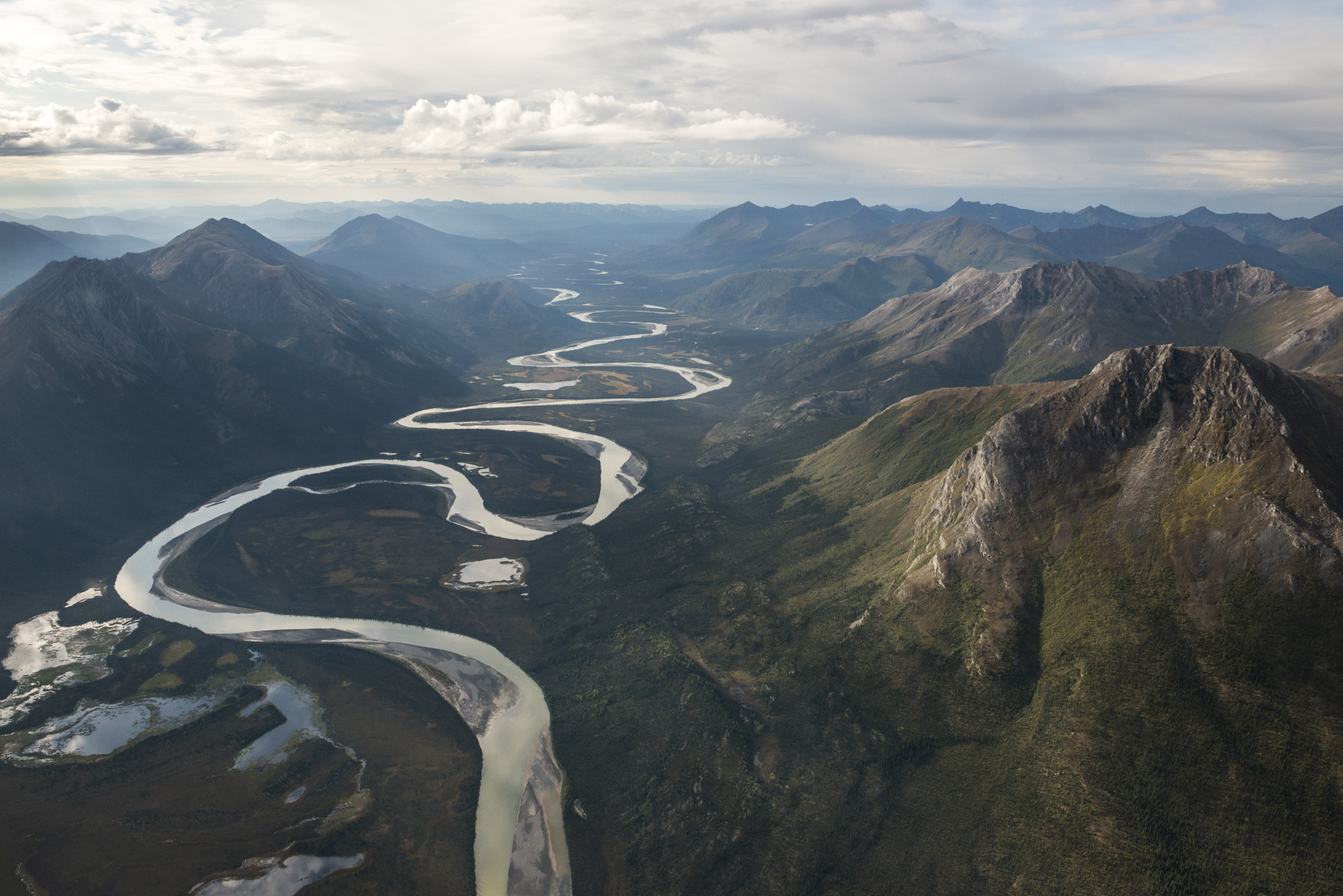
Gates of the Arctic National Park Weather is notoriously volatile, with sunny mornings turning into hypothermic gales within an hour, so pack for all seasons daily.
What is the single most important thing to know about Gates of the Arctic National Park weather? It's not the cold. It's the speed. The climate here is classified as arctic and sub-arctic, but that label doesn't capture how a sunny, mild morning can transform into a hypothermic gale in under an hour. The weather is influenced by many different systems, and can change rapidly. Planning a trip here means planning for at least three seasons in a single day, every day. Your safety and enjoyment hinge on understanding this volatility, not just the average temperatures on a chart.
The Weather Reality
The official climate classification - arctic and sub-arctic with exceptionally cold winters, relatively mild summers, low annual precipitation, and generally high winds - is accurate but incomplete. What it misses is the ground truth. "Relatively mild summers" means daytime highs might reach 70°F in the sun, but the wind chill along a ridgeline can cut that in half. "Low annual precipitation" doesn't mean it won't rain on you for three days straight; it means the storms are less frequent but can be intense when they arrive. The wind is the constant. It sculpts the tundra, drives the chill deep, and dictates travel on rivers and lakes. Rangers will tell you that your itinerary here is not a schedule, but a list of options subject to approval by the weather. This isn't a park where you check a morning forecast and head out. This is a park where you pack for every contingency and make decisions mile by mile.

Month by Month
Forget traditional seasons. Think in terms of access windows and light.
May - Early June: The Thaw & The Bugs
* Temperatures: Highly variable. Daytime highs 40-55°F. Lows regularly dip below freezing, often into the 20s.
* Precipitation: Snowmelt saturates the ground. Late snowstorms are possible. Rivers run high, cold, and fast from meltwater.
* Conditions: This is breakup season. The tundra is a soggy, spongy mattress of melting snow and ice. Mosquitoes hatch in biblical numbers as standing water appears. Most visitors avoid this period.
* The Upside: Solitude is absolute. The landscape feels raw and awakening.
* The Challenge: Travel is extremely difficult. River crossings are dangerous. The insect hatch is legendary. It's more of an expedition than a visit.
Late June - August: The Summer Window
* Temperatures: The "warm" period. Daytime highs 55-70°F in the valleys. Lows 40-50°F. At higher elevations, expect temperatures 10-15 degrees cooler.
* Precipitation: The wettest period, though still low by lower-48 standards. Expect sporadic rain showers, which can last hours or days.
* Conditions: The tundra firms up (mostly). This is the primary access window for hiking, backpacking, and paddling. 24-hour daylight fades to a few hours of twilight by August.
* Wildlife: Caribou herds are moving. Grizzlies are active. Birdlife is abundant. Wildflowers carpet the tundra in July.
* The Upside: The most reliable weather for backcountry travel. Endless light for long days.
* The Challenge: Mosquitoes and flies peak in July. Weather changes remain rapid. Crowds are relative - you might see a few other parties at a popular put-in or drop-off point.
September - Early October: The Shoulder & The Light
* Temperatures: A sharp cooling trend. Early September highs in the 50s, dropping to the 30s by October. First hard freezes occur. Lows in the 20s and teens.
* Precipitation: Shifts from rain to snow. Early snow dustings are common.
* Conditions: Arguably the best time for experienced travelers. Bugs are gone. Tundra vegetation turns brilliant red and gold. Air is crisp and clear. Daylight returns to a normal rhythm.
* The Upside: fall colors, no insects, stable weather patterns between systems.
* The Challenge: Shorter days. Significantly colder nights. The window for safe travel closes quickly as winter approaches.
November - April: The Arctic Winter
* Temperatures: Exceptionally cold. Highs may not break 0°F for weeks. Lows of -30°F to -50°F are standard. Wind chill can make it feel far colder.
* Precipitation: Very dry. What snow falls tends to be a fine, wind-driven powder.
* Conditions: Access is for experts with extreme cold-weather gear and survival skills. Darkness dominates, with the sun barely cresting the horizon in December. The northern lights are frequent.
* The Upside: A profound, silent wilderness experience. Incredible aurora viewing.
* The Challenge: Travel is by ski, snowshoe, or dog sled. Risk of frostbite is immediate. This is not a casual winter destination.

Best Times for Specific Activities
Your ideal month depends entirely on what you want to do. For a broader context on trip planning, see our complete visitor guide.
* For Backpacking & Off-Trail Hiking: Late July through early September. The tundra is driest, river levels are lower (but still cold), and daylight is ample. Early July is feasible but boggy and buggy.
* For Paddling (Canoeing/Kayaking): August. River levels from snowmelt have typically dropped to safer, more manageable flows. Water temperatures are still lethally cold, but the hydrology is more predictable.
* For Wildlife Viewing: June for migratory birds and the start of caribou movements. Late August and September for the fall caribou migration and grizzlies in hyperphagia (feeding frenzy before denning).
* For Fall Colors: First two weeks of September. The tundra erupts in a brief, fiery display of reds and golds before the plants die back.
* For Solitude & Challenge: Early June (if you can handle the wet and bugs) or late September (if you can handle the cold). You will have the land to yourself.
* For Winter Wilderness Travel: March. The coldest extremes moderate slightly, daylight returns in meaningful amounts, and the snowpack is stable for ski expeditions.

What to Pack by Season
Throw out your standard packing list. This place demands a systems-based approach.
For Summer (June-August):
* Layering System: Non-negotiable. A moisture-wicking base layer, a warm insulating mid-layer (fleece or puffy), and a waterproof/windproof shell. Pack all three, every day.
* Footwear: Waterproof, ankle-supporting boots. The tundra is uneven, wet, and hummocky. Gaiters are essential to keep debris and water out.
* Bug Defense: A head net, permethrin-treated clothing, and a reliable repellent with DEET or picaridin. The mosquitoes are relentless and can drive you to madness.
* Sun Protection: Sunglasses and strong sunscreen. The sun angles are low and intense, reflecting off water and snow. You can burn quickly.
* Insulation for Camp: A sleeping bag rated at least 10°F colder than the expected low. Inflatable sleeping pads with high R-values. The ground is cold.
For Fall (September-October):
* Everything from the Summer list, plus:
* Heavier Insulation: A down or synthetic parka rated for below-freezing temperatures. Heavyweight base layers.
* Winter Hat & Gloves: Not just liners. Insulated gloves and a warm hat are mandatory.
* Additional Fuel: You'll be melting snow for water sooner than you think. Pack extra stove fuel.
For Winter (November-April):
* Specialist, Expedition-Grade Gear: This is not the place for day-hike equipment. You need a full suite of mountaineering or polar-grade clothing, a four-season tent, an expedition sleeping bag (-20°F or lower), and extensive knowledge of cold-weather survival.

What the Forecast Doesn't Tell You
- River Crossings Are a Weather Event. A sunny day 50 miles away can mean a foot of rising, ice-cold water in your path by afternoon from snowmelt. You scout crossings in the morning, but you decide to cross based on the sky upstream.
- The Wind Has a Schedule. Calm dawns are common. By mid-afternoon, winds often pick up significantly, especially along valleys and passes. Plan your exposed ridge walks for the morning.
- "Waterproof" is a Relative Term. Constant brushing against wet tundra vegetation, known as "tundra shower," will eventually wet out any fabric. Pack a dry set of base layers in a sealed bag, no matter what.
- Cold is a Constant, Even in Summer. You will never be warm in a river. A spilled boat means immediate hypothermia risk. Your stove fuel performs poorly. Every piece of metal is cold to the touch.
- Clouds Are Your Friend. The endless summer sun is exhausting. A day of overcast weather can be a welcome relief, cutting the bug pressure and giving you a real night's sleep.
- Your Electronics Will Hate It. Cold drains batteries alarmingly fast. Keep phones, GPS, and camera batteries inside your jacket, close to your body.
- The Ground is Part of the Weather. The permafrost layer means the ground is permanently cold a few inches down. That cold radiates up into your tent and sleeping pad all night long.
Practical Takeaways
- Your Trip is Weather-Dependent. Flight schedules, river travel, and even daily hiking routes are dictated by conditions. Build in buffer days. As of 2026, air taxis are used to most drop-offs, and they won't fly in poor weather.
- Pack for the Worst Day, Not the Best. If you pack for sunny and 65°F, you will be miserable and unsafe. Your kit must handle wind-driven rain at 40°F.
- July is for Bugs, September is for Cold. Choose your hardship. Most experienced visitors lean toward September for the stable air and light, accepting the colder nights.
- Test Your Gear in Wet & Cold First. Do not arrive with new, untested boots, tent, or rain jacket. A leaky seam in Fairbanks is an inconvenience. North of the Brooks Range, it's a crisis.
- Wind Protection is as Important as Rain Protection. A sturdy, windproof layer is your most-used piece of clothing. It cuts the chill and preserves your body heat.
- Water is Everywhere, But It's Not Always Accessible. Streams can be silty from glacial melt or dry up later in summer. Carry capacity for at least a day's supply and know how to find clear water sources.
- Your Mental Preparation is Gear. The Gates of the Arctic National Park weather will change your plans. Flexibility, patience, and a conservative decision-making mindset are your most important survival tools. For specifics on navigating the terrain when you do go out, research the available hiking trails and camping options.
Sources
- Official source: NPS — Gates of the Arctic National Park nps.gov/gaar/index.htm
Photo Gallery
More to Explore
Park Guide
Acadia National Park: Carriage Roads, Cadillac Mountain & 2026 Guide
Discover carriage roads, Cadillac Mountain, and rugged Maine coast. Complete 2026 guide to Acadia National Park — trails, fees, lodging, permits, and what rangers recommend.
Hiking Guide
Grand Canyon Hiking Trails: Day Hikes, Water Sources & Rim to Rim
Compare Grand Canyon hiking trails: Bright Angel, South Kaibab, Hermit, Grandview, and rim to rim, with distances, elevation, water stops, and trailhead access for each.
Best Of
Best of Glacier Bay National Park
The best of Glacier Bay is reached by boat: ranger-led day tours up the bay to the tidewater glaciers. What's worth it, how to book, and when to go (2026).
Campsite Guide
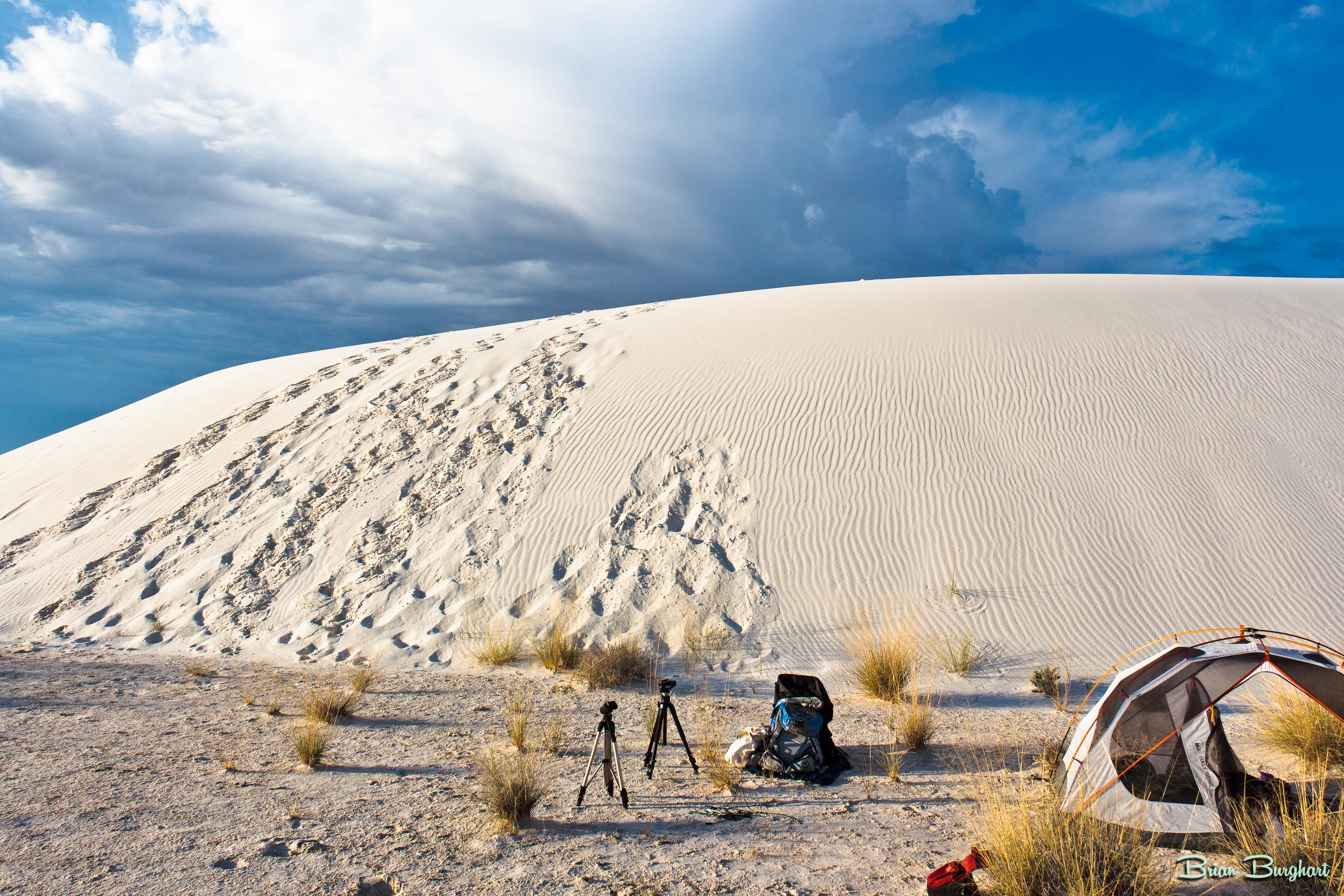
White Sands Backcountry Camping: Closed for 2026 — What to Know
As of 2026, backcountry camping at White Sands National Park is closed for site rehabilitation. What that means, and where to camp nearby instead.
Weather Guide
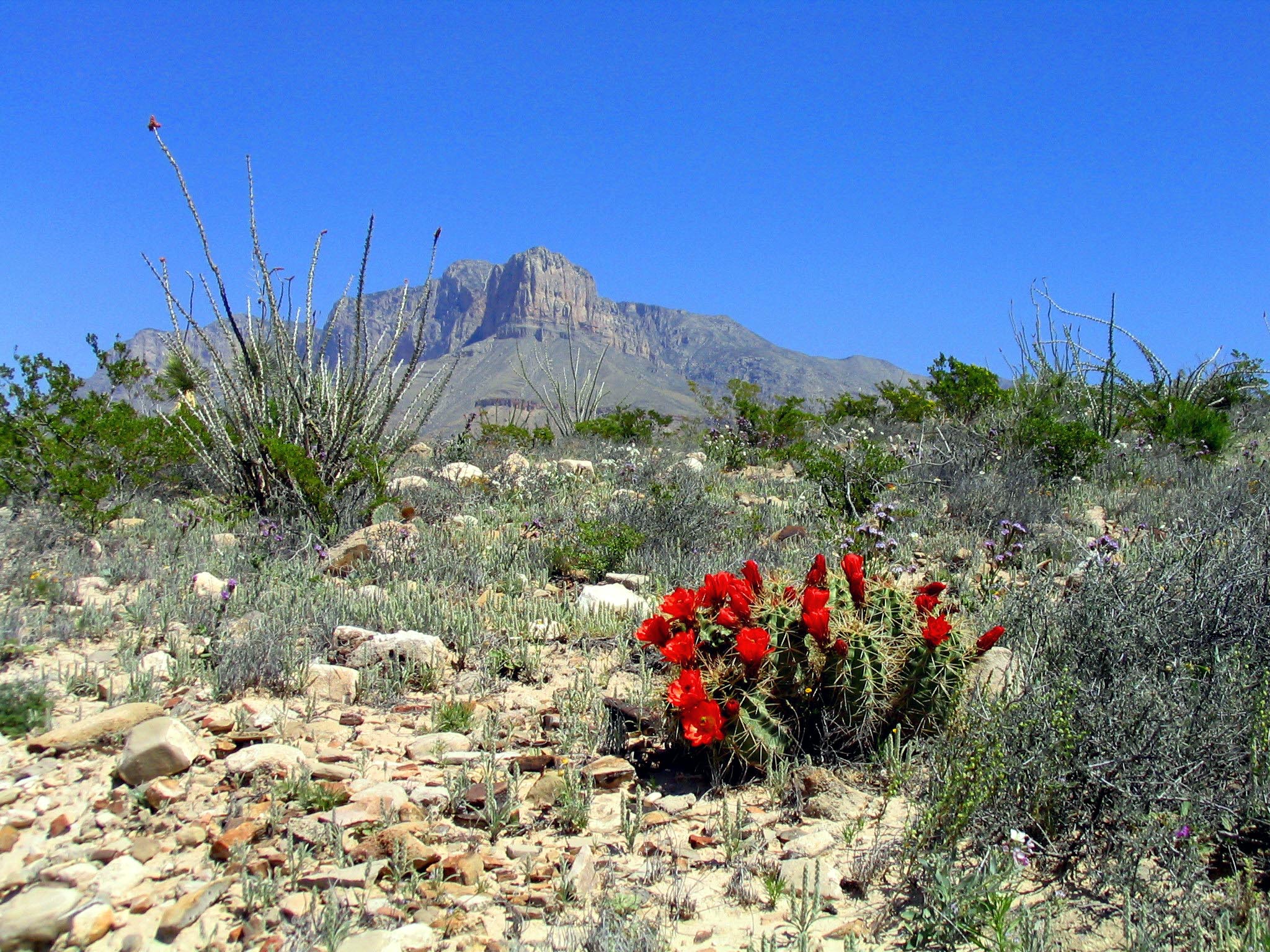
Guadalupe Mountains National Park Weather: Weather
Guadalupe Mountains National Park: weather guide guide updated 2026. Practical visitor information, reservations, and seasonal tips worth bookmarking before
Best Of
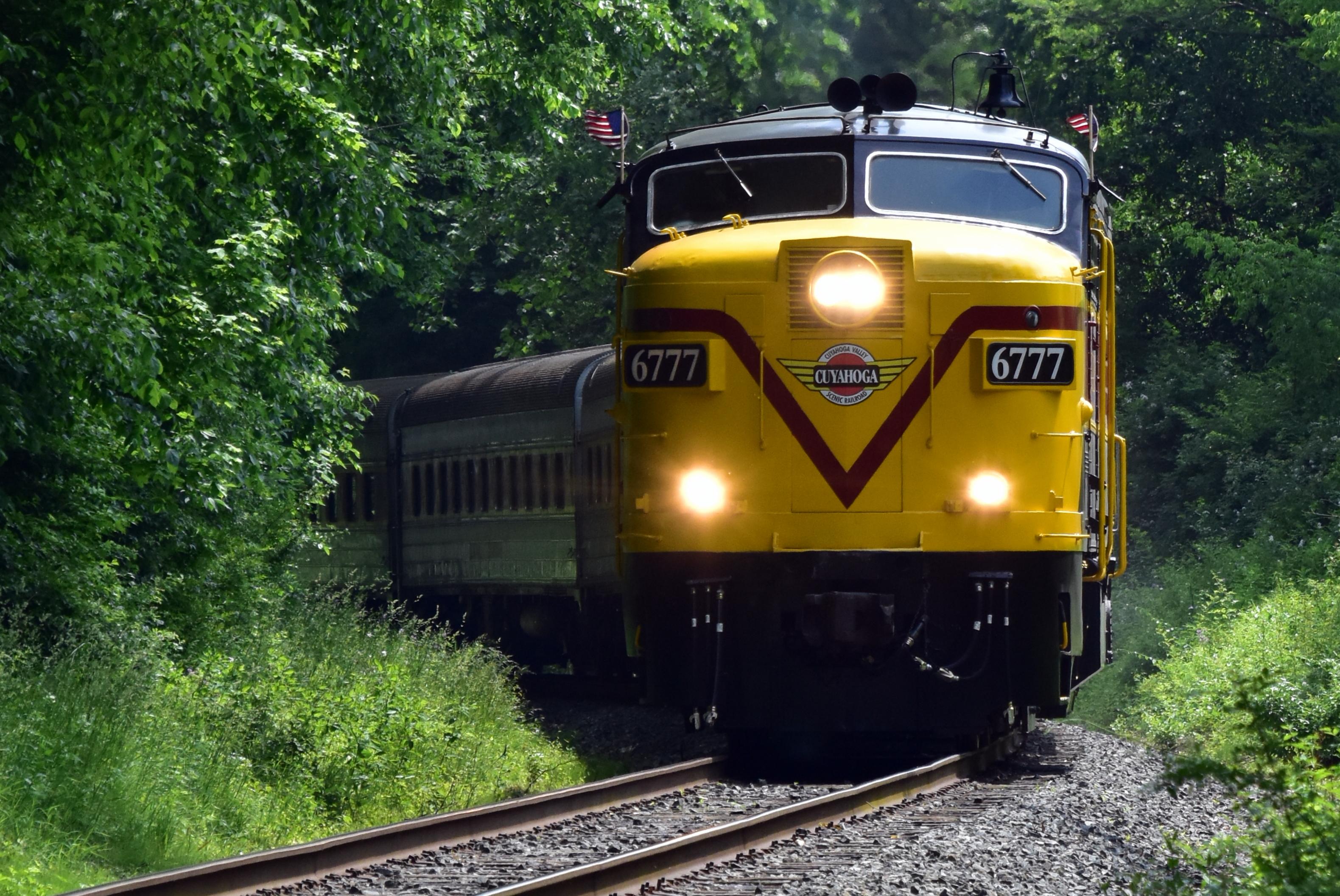
Best of Cuyahoga Valley National Park: Best Things to Do
Seeing a Cleveland Orchestra concert with the woods as your backdrop is a uniquely Cuyahoga Valley experience.
Sign in to join the conversation.
Sources & Attribution
Location data courtesy of the National Park Service (U.S. Department of the Interior). NPS data is public domain. Official NPS page.
Images: NPS; NPS; NPS; NPS; NPS.
Map data © OpenStreetMap contributors.
Park operations alerts: NPS.gov · Weather and weather hazards: National Weather Service · Live conditions.
Information may change. Always verify fees, hours, and conditions directly with the official source before visiting.
Did this guide help? Share it with a friend.