The Delicate Arch trailhead parking lot is quiet at 5:30 AM. The only sounds are the crunch of gravel underfoot and the distant croak of a raven. Your headlamp beam cuts a small circle in the vast dark, and the air is cool enough to make you glad for the jacket you'll shed in an hour. This is the moment that defines the best time to visit Arches National Park—not just a season, but a specific time of day. The park's magic isn't in checking off a list of 2,000 arches; it's in experiencing a few of them without 200 other people in your frame. Your success here depends entirely on timing. For a complete visitor guide on logistics and history, you can start with our complete visitor guide, but this is about prioritization. If you have limited time, this is how to spend it.
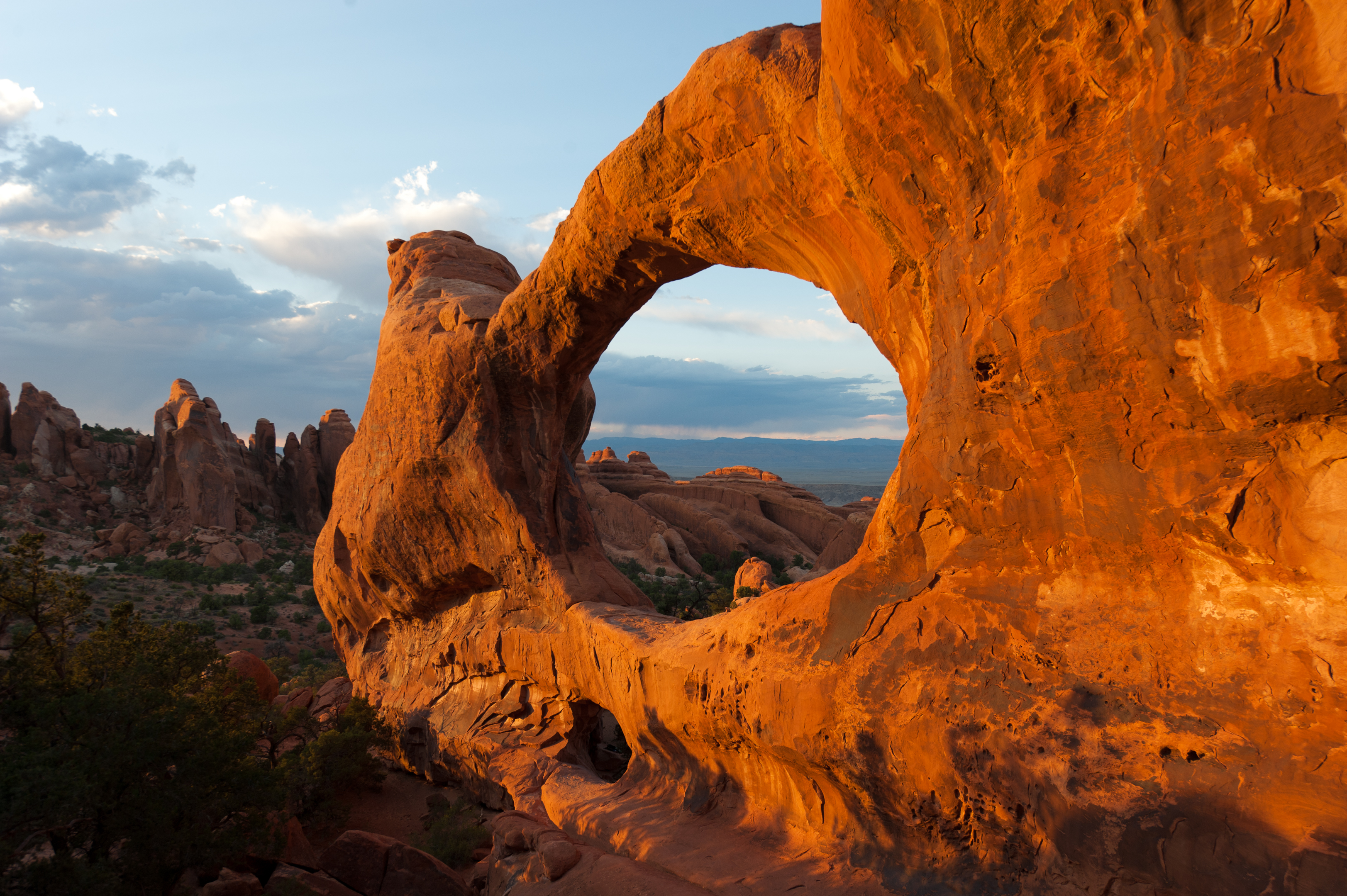
Best Time to Visit Arches National Park
10 min read
Experience Arches National Park at 5:30 AM for quiet trails and empty photo frames. Our 2026 guide prioritizes the best times to beat crowds.
This article contains affiliate links — we may earn a small commission at no extra cost to you.
If You Only Have One Day
Arrive at the entrance gate no later than 6:45 AM. The line starts forming by 7:00, and by 8:30 the rangers are often implementing the timed entry system or temporary closures. As of 2026, the $30 per vehicle fee applies. Drive straight to the Windows Section, 12 miles in. Park at the main lot. Do the one-mile loop to North and South Windows and Turret Arch. You'll have soft morning light and maybe the place to yourself. This is your warm-up.
By 8:30 AM, drive to the Delicate Arch Viewpoint parking area. Don't do the main hike yet - that's for later. Take the short, flat trail to the lower viewpoint. From here, you can see the arch across the canyon, a tiny horseshoe framed by red rock. It gives you the scale. Most visitors skip this and regret not having this perspective later.
Now, head back towards the park entrance, but stop at the Sand Dune Arch parking lot. Walk the 0.3-mile sandy trail into the fins. It's a shaded, cool slot even at midday, perfect for a 20-minute break. Kids love it; adults appreciate the reprieve.
Your main event starts after 3:00 PM. Drive back to the Wolfe Ranch parking lot for the Delicate Arch hike. The afternoon sun is at your back, and the crowds from the morning rush are leaving. The hike is 3 miles roundtrip with 480 feet of elevation gain on exposed slickrock. Your calves will have strong opinions on the final climb. Bring two liters of water per person. No exceptions.
Reach the arch by 4:30 PM. You'll share the cove with others, but not the sardine-pack of midday. The light turns the sandstone to fire. Stay for an hour. The hike back is downhill, and you'll exit the park as the late sun hits the Courthouse Towers, a row of monoliths that most people speed past on their way in.
The one decision that derails this plan? Trying to do Delicate Arch in the middle of the day. In summer, that's dangerous. In any season, it's miserable and crowded.

The Top Experiences, Ranked
Here's how to prioritize your time, ranked by the return you get for the effort you put in.
#1 - Delicate Arch at Sunset: The Postcard, Earned
This is the arch on the license plate. The hike is non-negotiable if you're able.
- Why it makes this list: It's the only major arch you can walk right up to and stand beneath. The setting - a massive sandstone bowl with the La Sal Mountains in the distance - is more impressive than any photo suggests.
- What it requires: 2.5 to 3.5 hours total, including time at the top. Moderate fitness. The trail has no shade, follows a rock ledge, and involves walking up a sloping slickrock face.
- The single best tip: Start the hike 2.5 hours before sunset. This gives you time to ascend without rushing, secure a spot to sit, and experience the changing light without hiking out in full dark (though a headlamp is wise to pack).
- What most visitors do wrong: They attempt this at noon. They bring one 12-ounce water bottle. They wear flip-flops. Rangers at the visitor center have a collection of stories that all start this way.
#2 - The Windows Loop at Dawn: Efficiency and Grandeur
A massive payoff for minimal effort.
- Why it makes this list: In one easy, one-mile loop, you see three massive arches (North Window, South Window, Turret Arch) and the iconic view through one arch to another. The morning light illuminates them perfectly.
- What it requires: 45 minutes to 1.5 hours, depending on how long you linger. Suitable for almost all fitness levels. The trail is packed dirt and stone steps.
- The single best tip: Go clockwise. Head to Turret Arch first, then through the South Window. You'll get the famous "window through a window" shot with the North Window framed inside the South Window.
- What most visitors do wrong: They come here at 10 AM when the parking lot is a competitive sport and the light is flat. They also miss the short side trail to the backside of the Windows, which offers a quieter, more dramatic perspective.
#3 - Fiery Furnace Viewpoint: Geology Unfolding
No permit or guide required for this.
- Why it makes this list: From this pullout, you look directly into a maze of narrow sandstone canyons. It's a masterclass in erosion - seeing rock fins that will one day become arches. The view is especially intense in the late afternoon when the rock truly looks fiery.
- What it requires: 10 minutes. A pullout on the main road.
- The single best tip: Use binoculars. Scan the fins and you'll spot tiny holes forming, the early stages of future arches. It gives context to every other rock formation you see.
- What most visitors do wrong: They drive right past it. It's just a viewpoint, not a trailhead, so people skip it. Big mistake.
#4 - Park Avenue Trail: The Canyon Walk
A one-way hike that feels like walking through a skyscraper canyon.
- Why it makes this list: It's the best introduction to the park's scale. The trail descends into a canyon flanked by massive rock walls like the Courthouse Towers and Three Gossips. It's less about arches and more about monumental walls.
- What it requires: 1 to 1.5 hours for the one-mile point-to-point hike. You'll need a shuttle vehicle or be willing to hike back (making it 2 miles total). Easy downhill from the north trailhead.
- The single best tip: Start at the north trailhead (the first major stop after the visitor center) and hike down to the Courthouse Towers viewpoint. Arrange a pickup or walk the road back if traffic is light. Hiking it uphill from the south is a much tougher start to the day.
- What most visitors do wrong: They stop at the overlook, snap a photo, and leave. You don't feel the immensity until you're down in it.
#5 - Sand Dune & Broken Arch Loop: A Shady Respite
Two arches with completely different personalities, connected by a pleasant trail.
- Why it makes this list: Sand Dune Arch is a hidden, child-friendly playground of cool sand between fins. A 0.6-mile trail from there leads to the much larger Broken Arch, which isn't actually broken - the crack is natural.
- What it requires: About 1 hour for the full 1.4-mile loop. Very easy walking on sand and packed dirt.
- The single best tip: Do this in the middle of the day when every other trail is baking in the sun. The fins provide constant shade at Sand Dune Arch.
- What most visitors do wrong: They only go to Sand Dune Arch and turn around, missing the open, expansive view at Broken Arch and the gentle walk through a sagebrush meadow.
#6 - Double Arch: The Quick Spectacle
The tallest arch in the park, and it takes almost no work to see it.
- Why it makes this list: A five-minute walk from the Windows parking lot delivers you to the base of two massive arches that share a common stone leg. It feels cavernous and grand.
- What it requires: 20-30 minutes. A flat, wheelchair-accessible trail leads to the base.
- The single best tip: Look for the pile of rock debris directly underneath the main span. That's recent erosion - geology in real time.
- What most visitors do wrong: They treat it as a quick photo stop after the Windows. Give it a few minutes. Walk around the base. The scale doesn't register until you see people as tiny specks underneath it.
#7 - Balanced Rock at Dusk: The Silent Sentinel
It's a roadside attraction that deserves more than a drive-by.
- Why it makes this list: The 0.3-mile loop trail lets you walk 360 degrees around this improbable formation. At dusk, the last light hits the top boulder while the base falls into shadow, making it look even more precarious.
- What it requires: 20 minutes. An easy, paved loop.
- The single best tip: This is your perfect last stop on the way out of the park. The parking lot is rarely full, and the evening light is spectacular.
- What most visitors do wrong: They snap a photo from the car and keep driving. Circling it on foot is a different, slower experience.

What Most People Miss
The Tower of Babel: Not a trail, but a massive monolith next to the Windows. Park at the Windows lot and look east. Climbers are often on it. Watching them from the picnic area with a morning coffee is a quiet show of human scale against the rock.
The Garden of Eden Viewpoint: Just past Balanced Rock, a small pullout on the right. It offers an unobstructed view of the entire Windows Section and the La Sal Mountains from a distance. It's the best place to grasp the park's layout. Most are focused on getting to the next trailhead.
The Petrified Dunes: A vast area of rolling, wave-like slickrock just past the Courthouse Towers. There's no formal trail, but you can park and walk out onto the rock. Early morning or late afternoon, the shadows in the dunes are deep and dramatic. It feels more like a different planet than a park.
The Moab Fault: A marked viewpoint along the main road. It's a geology lesson in a glance: you can see where the earth dropped one side of the landscape 2,600 feet relative to the other. The sign explains it well. People skip it because it's "just a sign." They miss understanding why the park's rock layers are so exposed.

What's Overrated (and Better Alternatives)
The Devil's Garden Trail (beyond Landscape Arch) is overrated for a one-day visitor. The full primitive loop is a 7.2-mile commitment with difficult route-finding and scrambling. The payoff - several smaller arches - is excellent for a dedicated hiker with all day, but the return-on-effort for someone with limited time is low. The trail is also mostly exposed and becomes a furnace by mid-morning.
Better Alternative: Hike just the first mile to Landscape Arch, one of the world's longest stone spans. It's a flat, easy walk with a huge reward. View it, then take the very short side trails to Pine Tree and Tunnel Arches on your way back. You'll see three distinct arches with about 90 minutes of easy effort.
Chasing every arch in the Windows Section. The urge to also see Double O Arch (a different one, not in Windows) or climb through every window is strong. It leads to rushed, checklist tourism.
Better Alternative: Pick Turret Arch and one Window. Sit down. Watch the light change for 15 minutes. You'll remember that more than you'll remember sprinting to the next spot.

Practical Takeaways
- Time is everything. The best time to visit Arches National Park is either before 8 AM or after 3 PM. The light is better, the crowds are thinner, and your patience will last longer. In summer, this is a safety rule, not a suggestion.
- Water is non-negotiable. Carry at least one gallon (4 liters) per person per day if hiking. The dry air dehydrates you faster than you feel. There is no water available along any trail.
- Parking is a strategy. Trailhead lots fill by 9 AM. Have a backup plan. If Delicate Arch is full, go to the Windows. If that's full, try Sand Dune Arch. Circling a lot is a waste of fuel and time.
- Footwear matters. The rock is abrasive and often sloping. Hiking shoes or boots with good traction are essential. Sandals are for the campground, not the slickrock.
- Don't underestimate the sun. A wide-brimmed hat, sunglasses, and mineral-based sunscreen are part of your required gear. There is no shade on 90% of the trails.
- Look at the map. Cell service drops out at the entrance station. Download the official NPS map or pick up the paper one. Knowing the 18-mile main road layout prevents missed turn-offs.
- Respect the rock. Stay on established trails. The cryptobiotic soil - the black, crusty ground - is alive and takes decades to recover from a single footprint.
Your goal isn't to see all 2,000 arches. It's to stand quietly beneath one or two and understand how the wind and water carved it. That requires picking the right ones and showing up at the right time. For detailed planning on specific hiking trails or Arches camping, we have dedicated guides. To understand the seasonal shifts, our guide on the best time to visit dives deeper into weather patterns. Now, go set that alarm clock.
Recommended Gear
What experienced visitors bring to Best Time to Visit Arches National Park
Links may earn us a commission at no extra cost to you. We only recommend gear we believe in.
Hiking Essentials
Hydration Pack (3L)
Hands-free water for long trail days
Trekking Poles (Pair)
Save your knees on steep descents
Hiking Boots (Ankle Support)
Sturdy footwear for rocky, uneven trails
Sun & Heat Protection
Wide-Brim Sun Hat
Full coverage UPF 50+ protection at altitude
Insulated Water Bottle (32oz)
Keeps water cold in desert heat all day
Electrolyte Mix Packets
Replace what water alone cannot during intense heat
Winter Gear
Microspikes / Traction Devices
Essential for icy rim trails in winter months
Packable Down Jacket
Lightweight warmth that stuffs into a pocket
Sources
- Official source: NPS — Arches National Park nps.gov/arch/index.htm
Photo Gallery
More to Explore
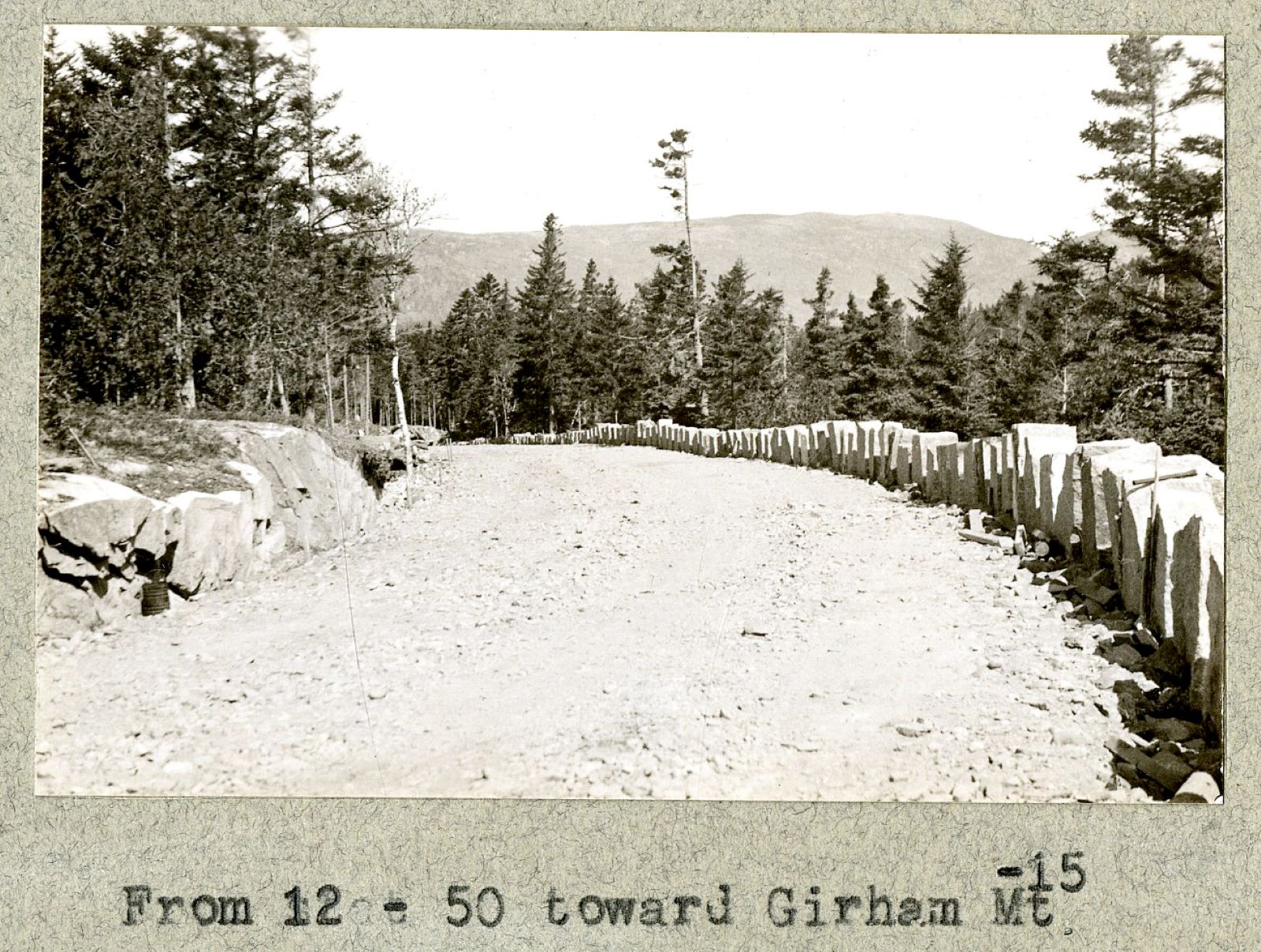
Acadia National Park: Carriage Roads, Cadillac Mountain & 2026 Guide
Discover carriage roads, Cadillac Mountain, and rugged Maine coast. Complete 2026 guide to Acadia National Park — trails, fees, lodging, permits, and what rangers recommend.
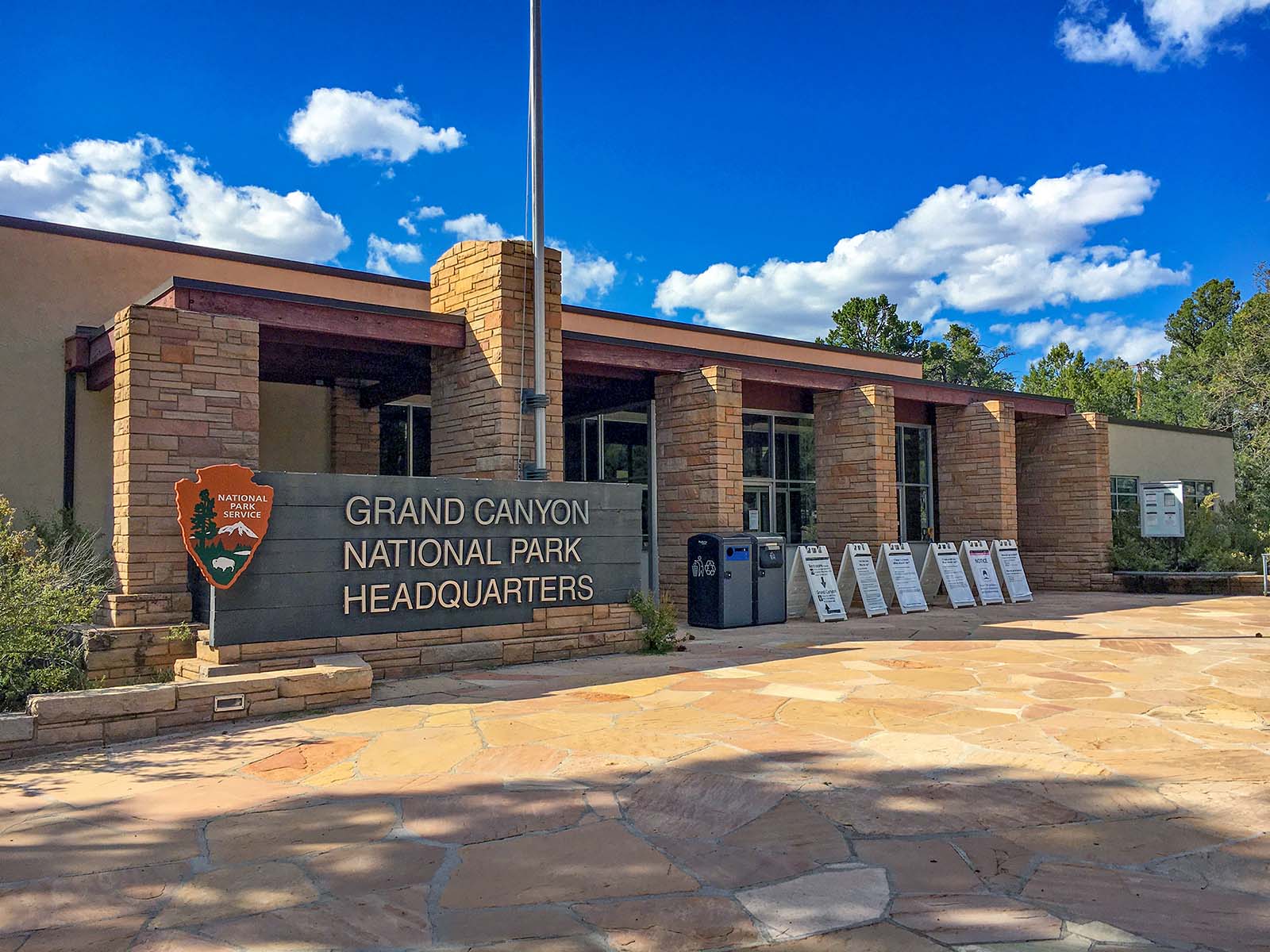
Grand Canyon Hiking Trails: Day Hikes, Water Sources & Rim to Rim
Compare Grand Canyon hiking trails: Bright Angel, South Kaibab, Hermit, Grandview, and rim to rim, with distances, elevation, water stops, and trailhead access for each.
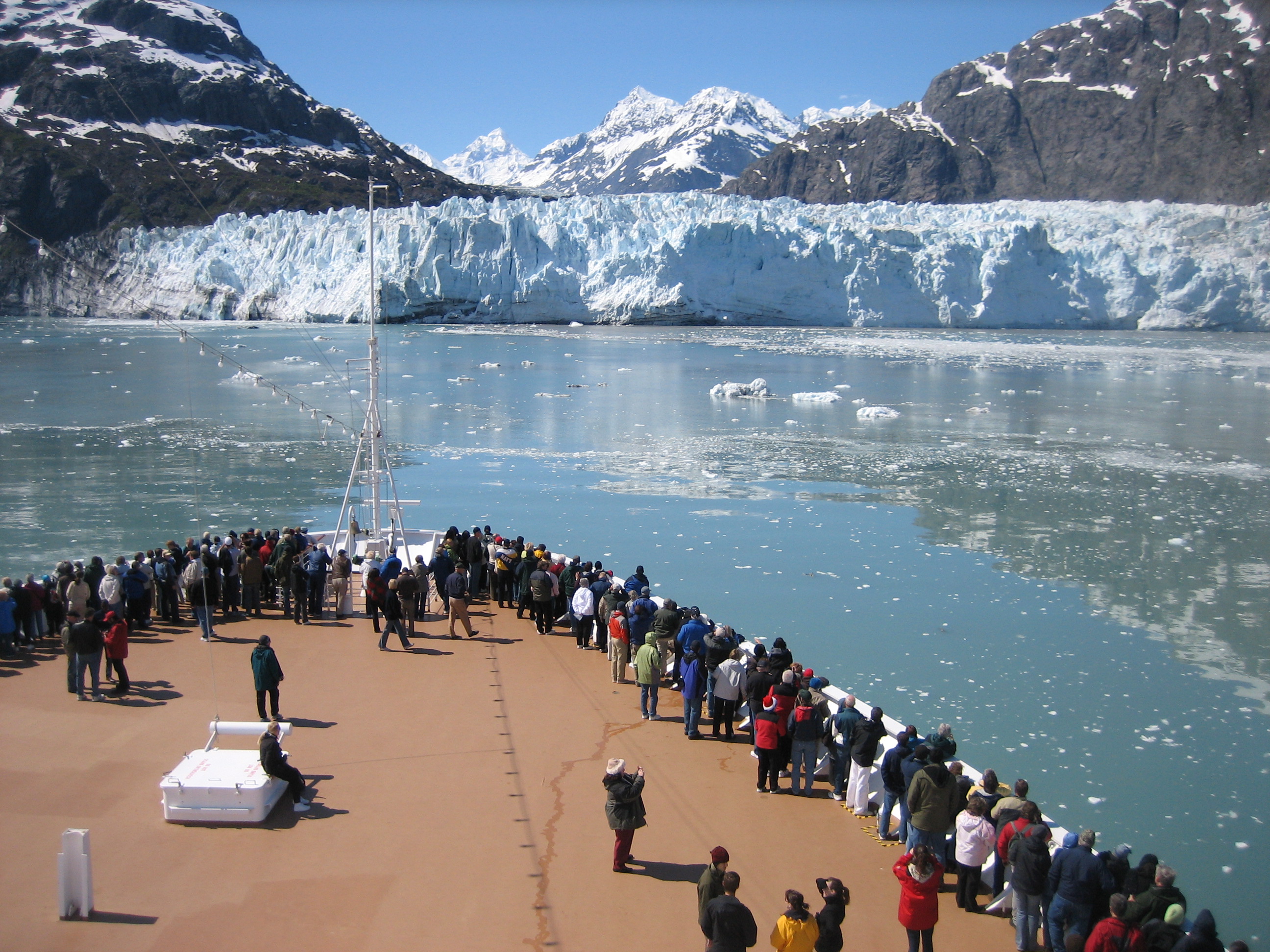
Best of Glacier Bay National Park
The best of Glacier Bay is reached by boat: ranger-led day tours up the bay to the tidewater glaciers. What's worth it, how to book, and when to go (2026).
White Sands Backcountry Camping: Closed for 2026 — What to Know
As of 2026, backcountry camping at White Sands National Park is closed for site rehabilitation. What that means, and where to camp nearby instead.
Guadalupe Mountains National Park Weather: Weather
Guadalupe Mountains National Park: weather guide guide updated 2026. Practical visitor information, reservations, and seasonal tips worth bookmarking before

Best of Cuyahoga Valley National Park: Best Things to Do
Seeing a Cleveland Orchestra concert with the woods as your backdrop is a uniquely Cuyahoga Valley experience.
Sign in to join the conversation.
Sources & Attribution
Location data courtesy of the National Park Service (U.S. Department of the Interior). NPS data is public domain. Official NPS page.
Images: NPS; NPS; NPS; NPS; NPS.
Map data © OpenStreetMap contributors.
Park operations alerts: NPS.gov · Weather and weather hazards: National Weather Service · Live conditions.
Information may change. Always verify fees, hours, and conditions directly with the official source before visiting.
Did this guide help? Share it with a friend.