Start before 5 AM. That's not dramatic advice - it's the difference between parking at the summit of Cadillac Mountain to watch sunrise over the Atlantic and being turned away at the gate because the lot is full. Acadia National Park receives over 4 million visitors annually, and the vast majority of them arrive between 9 AM and 2 PM. You don't want to be one of them.
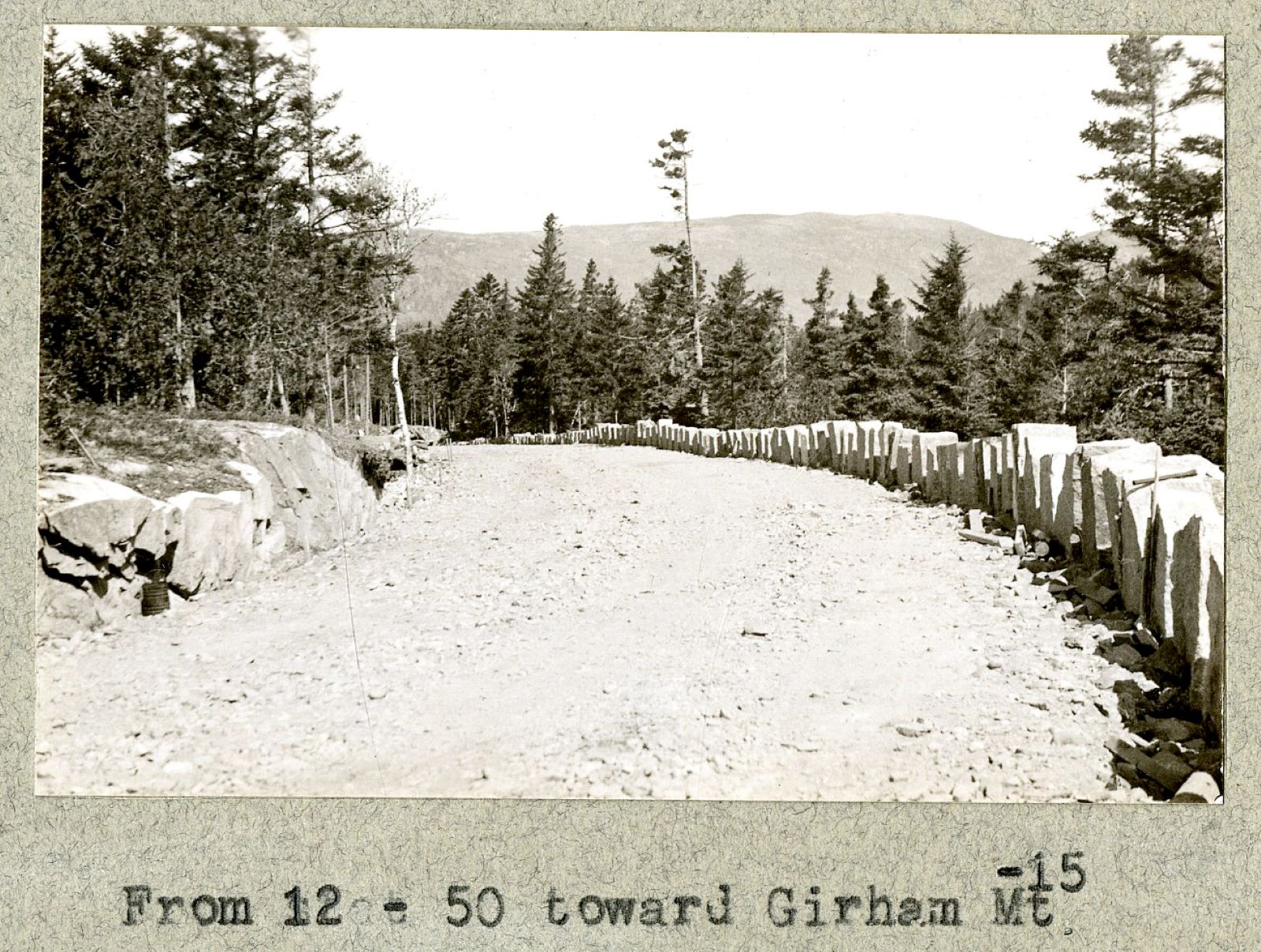
NPS via NPS.gov (Public Domain)
Best of Acadia National Park: Best Time (2026)
13 min read
Best Of
Start before 5 AM or miss Cadillac Mountain sunrise. 2026 guide to Acadia National Park best time for fall foliage, fewer crowds, and parking that's still open.
This article contains affiliate links — we may earn a small commission at no extra cost to you.
Determining the acadia national park best time to visit depends entirely on what you're after. Summer offers full access and warm swimming at Echo Lake Beach. Fall delivers foliage that makes even locals stop their cars. May and June have fewer crowds but more rain. October is spectacular but parking lots fill by 7 AM. For most first-time visitors, the optimum window runs from mid-September through mid-October - the weather is stable, the humidity drops, the crowds thin after Labor Day, and the colors peak in early October.
For a complete overview of everything this park offers, check our complete visitor guide.
If You Only Have One Day
Arrive at the Hulls Cove Visitor Center by 6:30 AM. Buy your pass and get the park newspaper - it has current trail conditions and the sunrise time for that day. Drive straight to the Sand Beach entrance station and park in the Sand Beach lot before 7 AM. It fills by 7:30 in peak season.
Your first stop: Ocean Path. Walk the 2.2-mile stretch from Sand Beach to Otter Point. The morning light hits the granite cliffs at this hour, and the crowds won't arrive for another two hours. The trail is flat, wide, and requires almost no navigation. From this overlook you can see the waves hitting the cliffs below, and on calm days you'll hear nothing but the water and the wind.
By 9 AM, you'll be at the Jordan Pond House. Get in line before the popover crowd arrives. The popovers are famous for a reason - butter, strawberry jam, and a pastry that's been on the menu since the 1890s. Sit on the lawn facing the Bubbles. The view is the point.
From 10:30 AM to 1 PM, hike the Jordan Pond Path. It's 3.5 miles around the pond on mostly level terrain. The trail alternates between boardwalk over the water and forest path through birch and spruce. The Bubbles - two rounded granite peaks - frame every photograph you'll take.
Afternoon: drive the Park Loop Road one-way section. Stop at Thunder Hole between 11 AM and 1 PM for the best wave action. The geological slot creates a boom when waves compress air inside. It's not subtle. Then continue to Cadillac Mountain. As of 2026, the summit road is open again after construction closures - check the park newspaper for the exact opening date.
If you have energy left, the Gorham Mountain Loop (3.5 miles) is your best afternoon hike. It's less crowded than the Precipice or Beehive, offers 360-degree views of the coastline, and takes about two hours.
Most one-day visitors make one critical mistake: they try to do too much. They drive to Cadillac at sunrise, rush to Jordan Pond, hit Sand Beach, and attempt the Beehive Trail all in one day. They end up exhausted and disappointed. Pick two experiences and do them well. The park will still be here.

The Top Experiences, Ranked
#1 - Cadillac Mountain Sunrise: The Essential Acadia Experience
- Why it makes this list: Cadillac Mountain is the first place in the United States to see sunrise for most of the year (October through early March). Standing at 1,530 feet above Frenchman Bay as the sun crests the Atlantic horizon is the single most iconic thing you can do here.
- What it requires: A vehicle reservation from late May through October (the park service requires them for the summit road). Arrival at the summit by 4:30 AM in summer, 5:30 AM in fall. A jacket - even in August, summit temperatures can be in the 40s with wind.
- The single best tip: Check the weather forecast for "Cadillac Mountain summit" specifically, not Bar Harbor. The summit is often cloudy when the coast is clear. If clouds are forecast below 1,500 feet, skip sunrise and go on a clear morning instead.
- What most visitors do wrong: They arrive five minutes before sunrise, fight for parking, and miss the pre-dawn color show that starts 30 minutes before the sun appears. The alpenglow on the islands is better than the actual sunrise.
- Alternative if reservations are full: Hike the South Ridge Trail (4.4 miles each way) to the summit. It's a longer day but requires no reservation and offers different views on the way up.
For trail details, see our guide to hiking trails.
#2 - The Precipice Trail: Acadia's Most Famous Climb
- Why it makes this list: This is not a hike - it's a route that involves iron rungs, exposed cliff edges, and sections where you're climbing granite walls with 300-foot drops below you. It's the closest thing to via ferrata you'll find in a US national park.
- What it requires: Steady nerves, sure footing, and no fear of heights. The trail climbs 1,000 feet in less than a mile. It's closed during peregrine falcon nesting season (typically March through August) and after heavy rain when the rock is slick.
- The single best tip: Go early - the trail is one-way in sections, and bottlenecks form at the iron rungs. Start by 7 AM or expect to wait. The parking lot for Precipice is small and fills by 8 AM.
- What most visitors do wrong: They attempt it in wet conditions. The granite becomes dangerously slick when damp. If it rained the night before, pick a different trail.
#3 - Beehive Trail: The Precipice Alternative
- Why it makes this list: Similar exposed climbing to Precipice but shorter (1.5 miles) and slightly less intimidating. The iron rungs and rock ledges are still real, but the exposure is less sustained. It's the best option for hikers who want the thrill without the full commitment.
- What it requires: The same scrambling skills as Precipice. The trail starts from the Sand Beach parking lot, which fills early.
- The single best tip: Hike the Beehive early, then connect to the Bowl Trail and down to Jordan Pond for a full morning loop. You'll summit by 8 AM and have the rest of the day free.
- What most visitors do wrong: They wear sandals or shoes with poor grip. The iron rungs are fine, but the granite slabs between them require solid traction. Hiking boots or trail runners with good rubber are essential.
#4 - Jordan Pond House Popovers: The Ritual
- Why it makes this list: It's not a hike or a view - it's an institution. The Jordan Pond House has served popovers with strawberry jam since the 1890s. Sitting on the lawn with the Bubbles in the background is as close to a required activity as Acadia has.
- What it requires: Patience. The line for the restaurant builds by 10 AM and can stretch 45 minutes in July and August. You can order popovers to go from the carry-out window if you don't want to wait.
- The single best tip: Go on a weekday for the shortest wait. The popovers are served with butter and house-made jam. Order at least two per person - they're smaller than they look.
- What most visitors do wrong: They skip the walk around the pond afterward. The Jordan Pond Path connects directly to the restaurant lawn. Do both in the same visit.
#5 - Ocean Path: The Coastline Walk
- Why it makes this list: This 2.2-mile trail from Sand Beach to Otter Point requires almost no elevation gain and delivers the most dramatic coastal scenery in the park. The granite cliffs drop straight into the Atlantic. The waves crash against the rocks. The views of the Cranberry Isles are constant.
- What it requires: Less than an hour of walking. No special gear. The trail is wide and well-maintained.
- The single best tip: Walk it south to north (Otter Point to Sand Beach) in the afternoon for the best light on the cliffs. The morning sun is behind you if you go the other direction.
- What most visitors do wrong: They skip Otter Point. The trail continues past the main overlook to a quieter section with fewer people and better tidepools at low tide.
#6 - Cadillac Mountain South Ridge Trail: The Summit Without the Crowds
- Why it makes this list: This is the best way to reach the summit of Cadillac Mountain if you want to earn it. The 4.4-mile trail climbs gradually through forest and open granite slabs, passing through a unique subalpine meadow near the top. The summit crowds don't diminish the sense of accomplishment.
- What it requires: 4-5 hours round trip. Moderate fitness. The trail gains 1,500 feet but does it gradually.
- The single best tip: Take the Island Explorer shuttle from the visitor center to the trailhead and hike back to town. No parking worries, no car shuttle needed.
- What most visitors do wrong: They drive to the summit and miss the trail entirely. The South Ridge is the scenic route, not the shortcut.
#7 - The Carriage Roads: Biking and Walking
- Why it makes this list: John D. Rockefeller Jr. built 45 miles of carriage roads between 1913 and 1940 specifically for horse-drawn carriages. They're wide, well-graded, and closed to cars. Biking them is one of the most peaceful experiences in the park.
- What it requires: A bike rental from Bar Harbor (multiple shops rent hybrids and e-bikes) or your own. The roads are crushed gravel and suitable for any bike with tires wider than a road bike's.
- The single best tip: The Day Mountain loop is the easiest and most scenic beginner route. The Hadlock Brook loop is longer and includes a stone bridge and waterfall. Both are marked on the park map.
- What most visitors do wrong: They underestimate how much the carriage roads climb. The grades are gentle but sustained. E-bikes are allowed and widely available.
#8 - Schoodic Peninsula: The Quiet Side
- Why it makes this list: Most visitors never leave Mount Desert Island. The Schoodic Peninsula - a 45-minute drive from Bar Harbor - offers the same granite coastline, the same pine forests, and roughly 5% of the crowds. The one-way Schoodic Drive follows six miles of coastline with pullouts at every viewpoint.
- What it requires: A car. There's no shuttle to Schoodic. The drive is easy and the roads are paved.
- The single best tip: The Schoodic Head Trail (3.5 miles) summits the peninsula's highest point and offers views of Mount Desert Island across the water. The trailhead is at the Blueberry Hill parking area.
- What most visitors do wrong: They skip it because it's "far." Forty-five minutes from Bar Harbor is not far. The lack of crowds makes it worth the drive.
#9 - Bass Harbor Head Light: The Photograph
- Why it makes this list: The lighthouse at Bass Harbor is the most photographed spot in Acadia for a reason. Perched on a granite cliff at the southern tip of Mount Desert Island, it's perfectly situated for sunset photographs. The light itself is still active.
- What it requires: A short walk from the parking lot. The best photo angle is from the rocks below the lighthouse, which requires scrambling down a steep granite slope. Use caution when the rocks are wet.
- The single best tip: Arrive two hours before sunset to claim a spot. The parking lot holds maybe 15 cars. The overflow parks along the road, which adds a quarter-mile walk.
- What most visitors do wrong: They photograph the lighthouse from the overlook instead of scrambling down to the rocks. The iconic angle is from below, looking up at the light against the sky.
#10 - Stargazing on Cadillac Mountain
- Why it makes this list: Acadia was designated an International Dark Sky Park in 2021. Cadillac Mountain's summit - 1,530 feet above the surrounding waters - offers unobstructed views of the night sky with minimal light pollution from Bar Harbor.
- What it requires: A vehicle reservation for the summit road after dark. The park service limits access to protect the dark sky experience. Bring blankets, chairs, and warm clothing - the summit is significantly colder than town.
- The single best tip: Go on a moonless night for the best Milky Way visibility. Check the lunar calendar before planning.
- What most visitors do wrong: They go during a full moon and wonder why they can't see stars. The moonlight washes out the sky. New moon weeks are the best.

What Most People Miss
The Wild Gardens of Acadia. Located behind the Sieur de Monts Nature Center, this one-acre collection of native plants is organized by habitat type - bog, forest, shoreline, meadow. It's free, takes 20 minutes to walk, and you'll learn to identify more species in that time than from any trailside sign. Most visitors drive right past it.
Compensation over the Precipice. The Gorham Mountain Loop (3.5 miles) offers similar views of the coastline and the same granite scrambling without the exposed iron rungs. It's less crowded, safer in wet conditions, and connects to the Ocean Path for a longer day. Experienced hikers know this.
The third shift at Jordan Pond House. The restaurant serves dinner until 8 PM in summer. The popovers are available all day, and the sunset over the Bubbles from the lawn is quieter than the lunch rush. You can walk the Jordan Pond Path at twilight with almost no one else on the trail.
The Island Explorer shuttle. It's free, runs from late June through mid-October, and connects Bar Harbor to all major trailheads and park destinations. You can hike from Sieur de Monts to Sand Beach, take the shuttle back to your car, and never fight for parking. Most visitors don't realize it exists until their second day.
Tidepooling at Wonderland. The Wonderland Trail on the west side of Mount Desert Island is a flat one-mile loop through spruce forest to a rocky shoreline. At low tide, the tidepools are full of green crabs, periwinkles, and starfish. The trailhead is on Route 102A near Seawall Campground. Check the tide tables before you go.
For planning your overnight stay, see our guide to camping options.

What's Overrated (and Better Alternatives)
Thunder Hole at peak hours. The geological slot that creates the signature "boom" is genuinely impressive when the waves are running high. But by 11 AM in July, you're standing shoulder-to-shoulder with 200 other people on a wooden platform, and the "thunder" is competing with conversation and cell phones. Go at 6 AM or on a stormy day when the surf is up. The sound is better without the crowd.
The Precipice Trail in August. It's closed during peregrine falcon nesting season anyway (typically March through August), but even if it opens early, August crowds turn the trail into a conga line of nervous hikers on iron rungs. The Beehive Trail offers a similar experience with shorter waits and less exposure. Or wait until September, when the peregrine closures lift and the crowds thin.
Cadillac Mountain at noon. The summit is beautiful at any hour, but midday in summer brings tour buses, limited parking, and a constant stream of people at the summit sign. Sunrise is the experience. Afternoon is a parking lot with a view. If you can't make sunrise, try sunset instead - the light is better, and the crowds are smaller.
The Park Loop Road as a driving tour. The 27-mile loop is scenic, but driving the whole thing without stopping to walk anywhere is like watching a highlight reel of the park without experiencing any of it. Pick two or three stops - Sand Beach, Jordan Pond, Cadillac - and get out of the car. The road is a connector, not the attraction.

Practical Takeaways
- Start before 7 AM every day. Parking lots at Sand Beach, Jordan Pond, and Cadillac Mountain fill by 8:30 AM in summer and 7:30 AM in fall. The early morning light is better for photography, the air is cooler for hiking, and you'll have the trails to yourself for at least two hours.
- The acadia national park best time to visit is mid-September through mid-October. The weather is stable (60s to 70s during the day, 40s at night), the crowds are half of July's numbers, the foliage peaks in early October, and the peregrine closures lift. You sacrifice swimming weather at Echo Lake, but you gain solitude.
- Make vehicle reservations for Cadillac Mountain in advance. From late May through October, you need a reservation to drive to the summit. They're available on Recreation.gov and often sell out within hours for sunrise slots. Book as soon as your trip dates are confirmed.
- Buy an annual pass at the entrance station. The park entrance fee is $35 per vehicle for seven days. The America the Beautiful pass ($80) covers all federal lands for a year. If you're visiting more than two national parks in a year, the annual pass pays for itself.
- Check trail closures before you go. Peregrine falcon nesting closes several cliff trails from March through August. The Cadillac Summit Road was closed for construction through April 2026. The Park Loop Road has a detour from April through June. The park newspaper at the visitor center has current conditions.
- Pack for four seasons in one day. A morning on Cadillac Mountain can be 40°F with wind. An afternoon at Echo Lake can be 80°F. Layers, a rain jacket, and a hat are not optional - they're survival gear. Rangers will tell you that hypothermia is a real risk even in July if you're wet and exposed.
- Use the Island Explorer shuttle. Free, runs June through October, covers all major destinations on Mount Desert Island. You can leave your car at the hotel and never worry about parking. The system carried over 500,000 passengers in 2024. It works.
For more on when to plan your trip, read our guide to the best time to visit.
Recommended Gear
What experienced visitors bring to Best of Acadia National Park: Best Time (2026)
Links may earn us a commission at no extra cost to you. We only recommend gear we believe in.
Hiking Essentials
Hydration Pack (3L)
Hands-free water for long trail days
Trekking Poles (Pair)
Save your knees on steep descents
Hiking Boots (Ankle Support)
Sturdy footwear for rocky, uneven trails
Sun & Heat Protection
Wide-Brim Sun Hat
Full coverage UPF 50+ protection at altitude
Insulated Water Bottle (32oz)
Keeps water cold in desert heat all day
Winter Gear
Microspikes / Traction Devices
Essential for icy rim trails in winter months
Packable Down Jacket
Lightweight warmth that stuffs into a pocket
Sources
- Official source: NPS — Acadia National Park nps.gov/acad/index.htm
- Official source: National Park Service nps.gov/places/acadia-national-park.htm
Photo Gallery
More to Explore
Park Guide
Acadia National Park: Carriage Roads, Cadillac Mountain & 2026 Guide
Discover carriage roads, Cadillac Mountain, and rugged Maine coast. Complete 2026 guide to Acadia National Park — trails, fees, lodging, permits, and what rangers recommend.
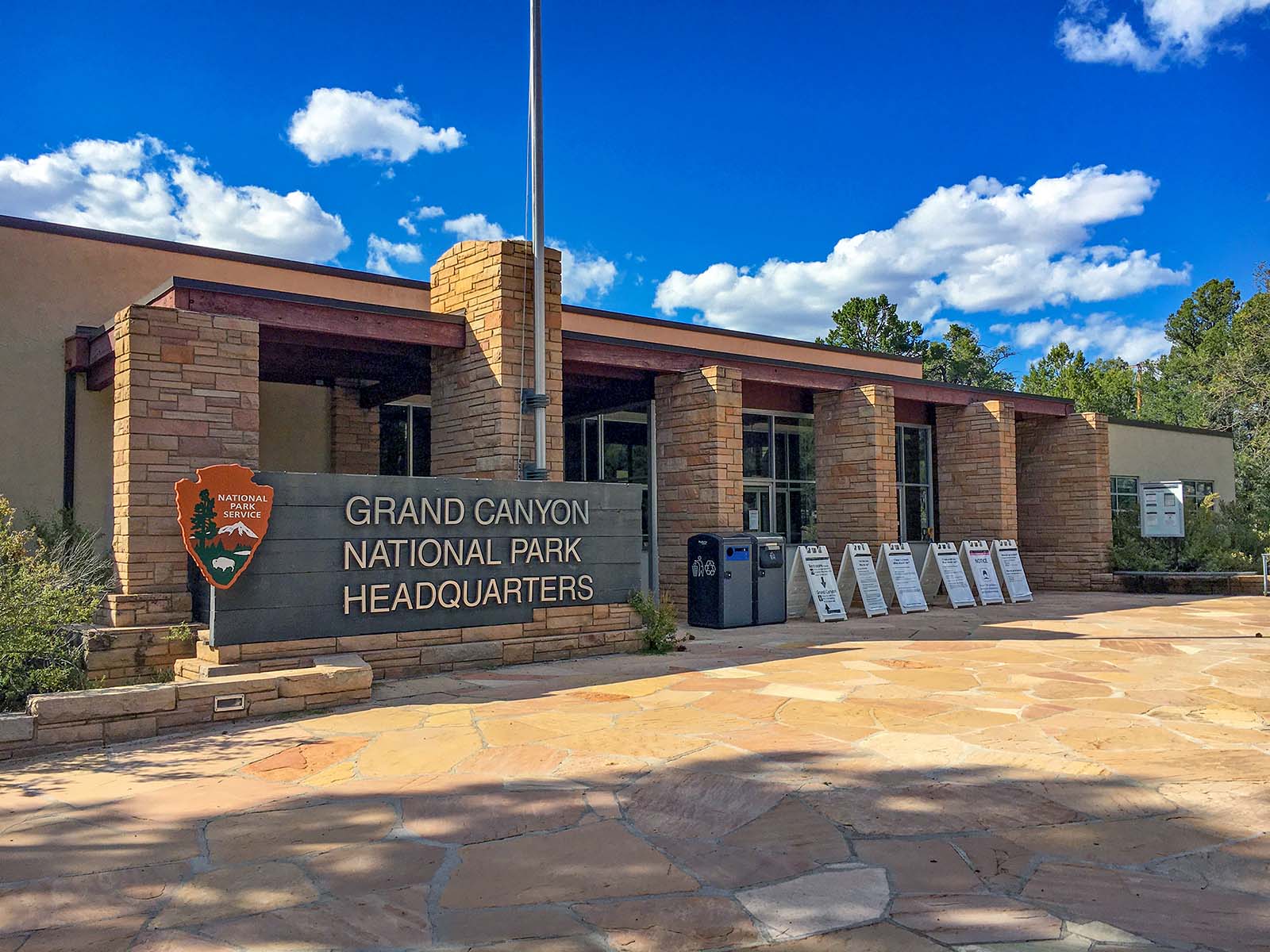
Hiking Guide
Grand Canyon Hiking Trails: Day Hikes, Water Sources & Rim to Rim
Compare Grand Canyon hiking trails: Bright Angel, South Kaibab, Hermit, Grandview, and rim to rim, with distances, elevation, water stops, and trailhead access for each.
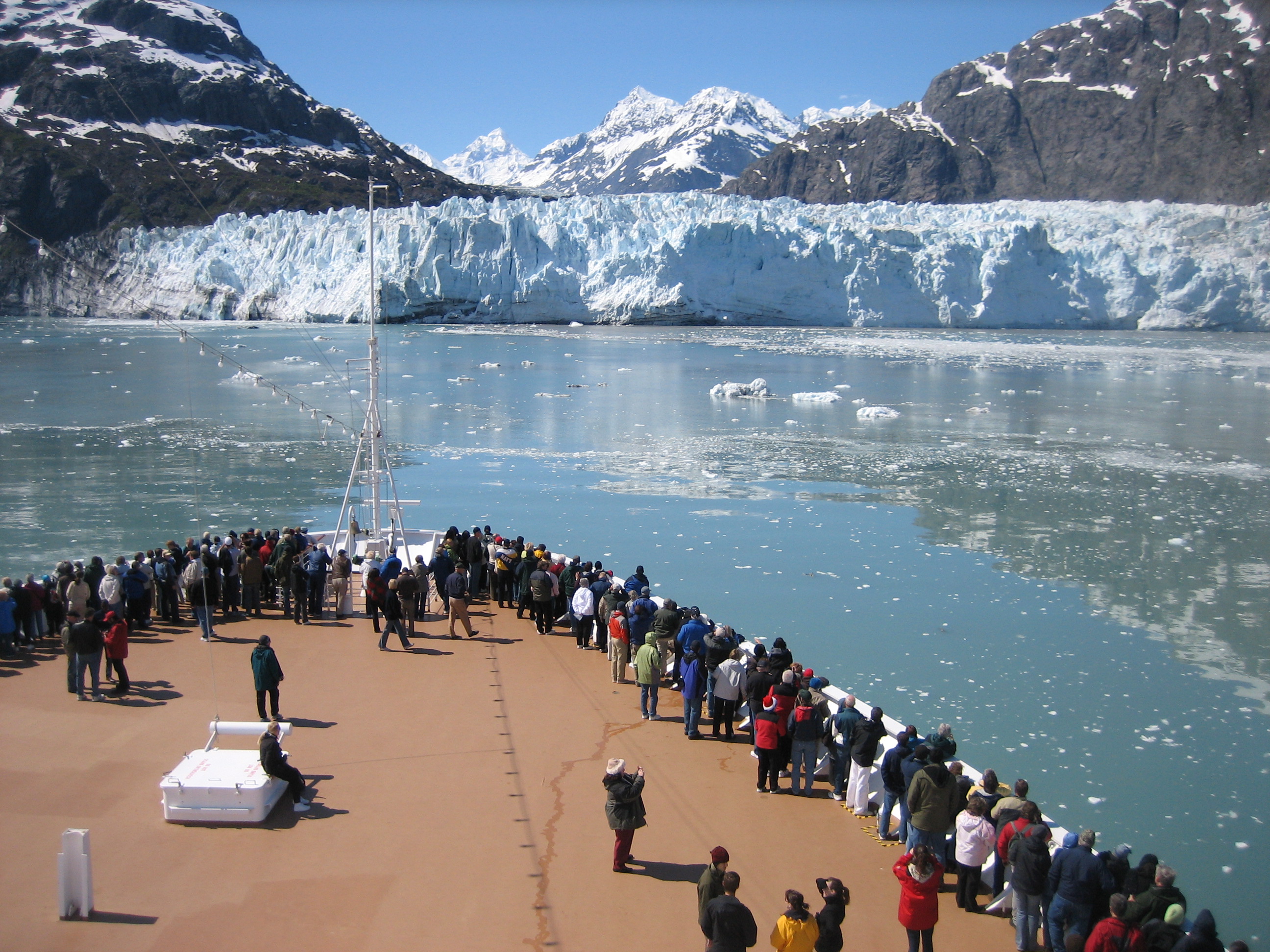
Best Of
Best of Glacier Bay National Park
The best of Glacier Bay is reached by boat: ranger-led day tours up the bay to the tidewater glaciers. What's worth it, how to book, and when to go (2026).
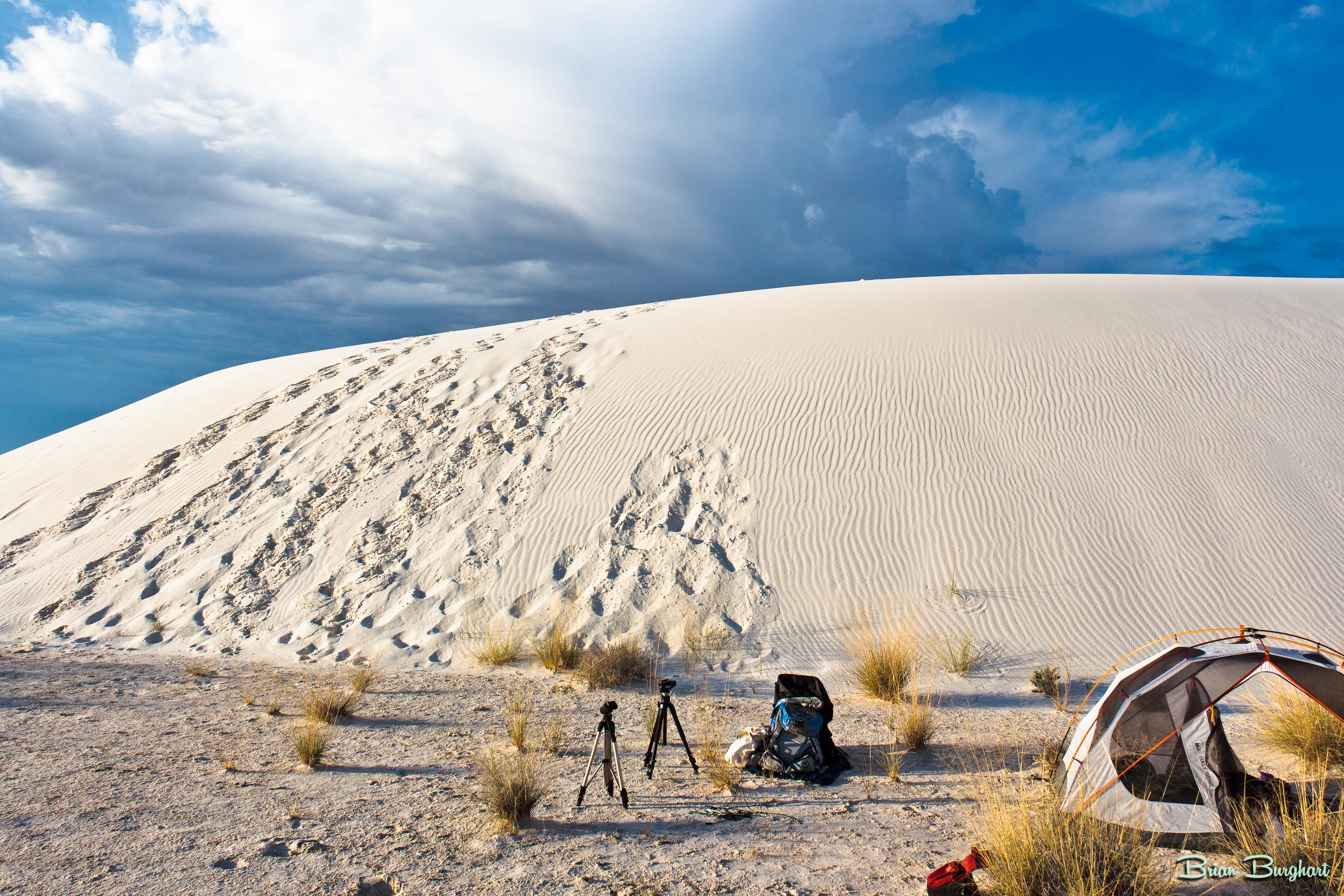
Campsite Guide
White Sands Backcountry Camping: Closed for 2026 — What to Know
As of 2026, backcountry camping at White Sands National Park is closed for site rehabilitation. What that means, and where to camp nearby instead.
Weather Guide
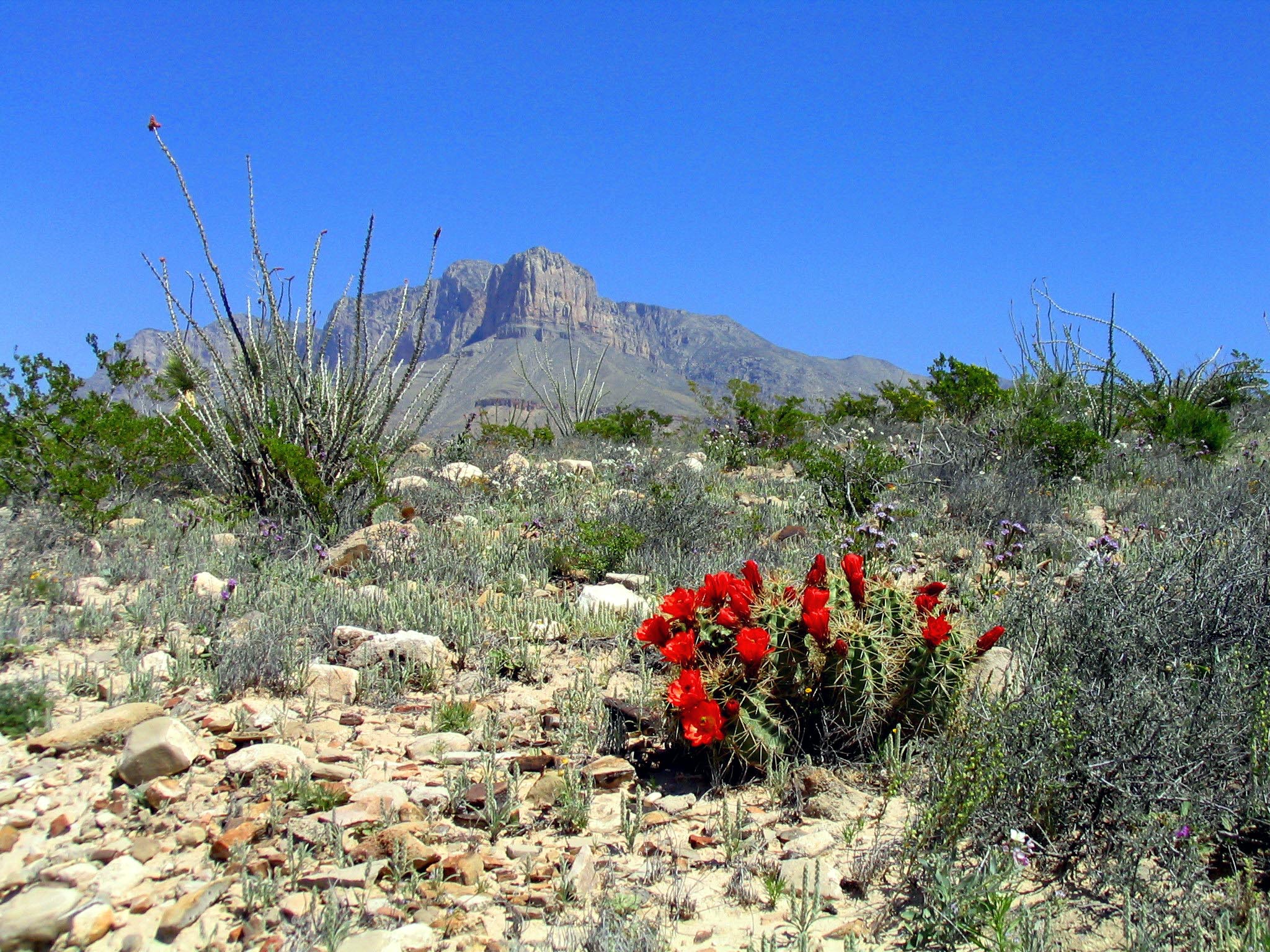
Guadalupe Mountains National Park Weather: Weather
Guadalupe Mountains National Park: weather guide guide updated 2026. Practical visitor information, reservations, and seasonal tips worth bookmarking before
Best Of
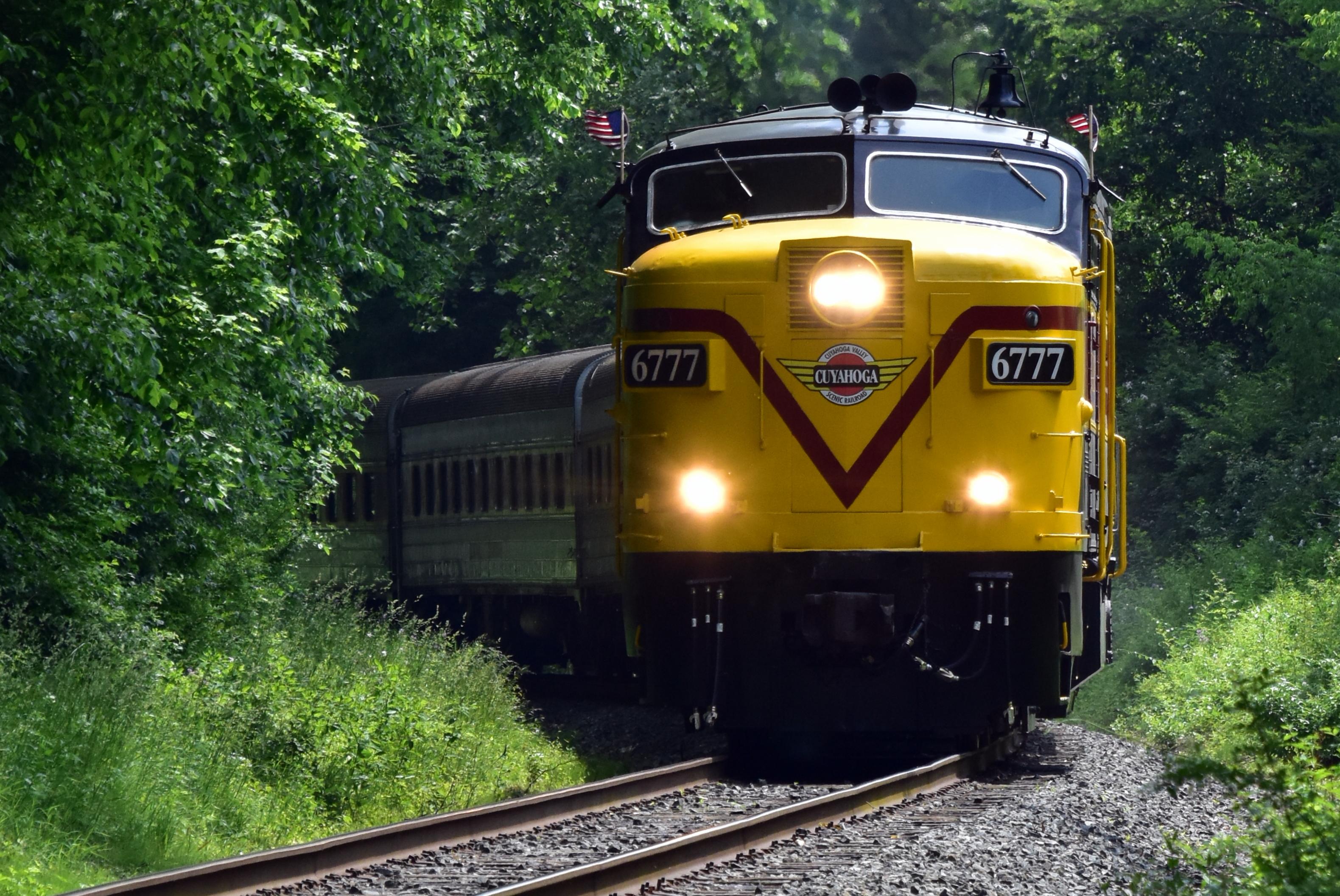
Best of Cuyahoga Valley National Park: Best Things to Do
Seeing a Cleveland Orchestra concert with the woods as your backdrop is a uniquely Cuyahoga Valley experience.
Sign in to join the conversation.
Sources & Attribution
Location data courtesy of the National Park Service (U.S. Department of the Interior). NPS data is public domain. Official NPS page.
Images: NPS; NPS; NPS; NPS; NPS.
Map data © OpenStreetMap contributors.
Park operations alerts: NPS.gov · Weather and weather hazards: National Weather Service · Live conditions.
Information may change. Always verify fees, hours, and conditions directly with the official source before visiting.
Did this guide help? Share it with a friend.