Secure your in-park lodging precisely 366 days before arrival at 7 AM Pacific Time. That's the critical window for Yosemite's summer season—rooms vanish within minutes. Missing it means relying on gateway towns with their own compromises. This guide details the trade-offs between staying inside the park versus outside, with specific booking tactics for 2026. For comprehensive park logistics, our visitor guide covers permits, road closures, and seasonal considerations.
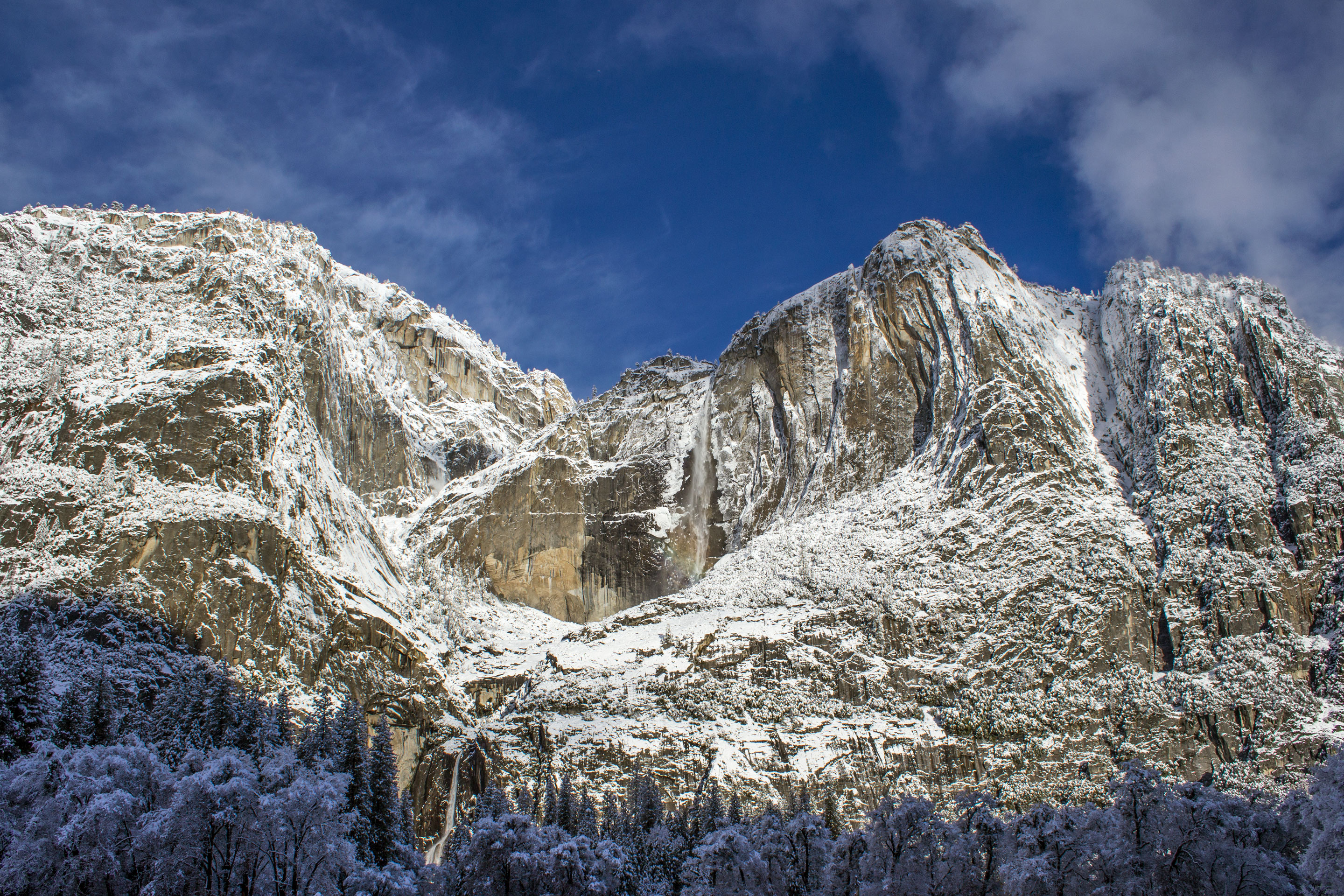
NPS via NPS.gov (Public Domain)
Yosemite Lodging: 366-Day Booking Window (2026 Guide)
6 min read
Lodging Guide
Highway 120 (Big Oak Flat Entrance) serves Groveland. Add 45-90 minutes each way to your daily itinerary for parking, entrance lines, and valley traffic.
This article contains affiliate links — we may earn a small commission at no extra cost to you.
For more, see complete visitor guide.
Inside the Park: Worth It?
Staying inside Yosemite offers two clear advantages: reclaimed time and authentic atmosphere. You avoid 60-90 minutes of daily commuting from gateway towns, time better spent on an early trail or observing sunset on Half Dome. After day visitors depart, the valley settles into a profound quiet. The trade-offs are higher cost, limited availability, and often dated accommodations—these are historic structures, not modern resorts. The booking protocol is fixed: all in-park lodges, cabins, and tent cabins release reservations exactly one year ahead at 7 AM PT via the Aramark/Yosemite Hospitality site. Summer dates disappear within minutes. Seasoned visitors prepare their accounts in advance.

The Ahwahnee
The Ahwahnee: Complete Guide
Built in the 1920s, The Ahwahnee stands as Yosemite's historic flagship hotel. Its common spaces—the Great Lounge with its massive stone fireplace and the dining hall with stained-glass windows—embody the classic National Park Lodge grandeur. Guest rooms, however, tell a different tale: they're comfortable yet modest, with furnishings that reflect a timeless, functional character rather than luxury. You're investing in location and legacy, not contemporary amenities.
As of 2026, expect standard room rates to start around $600 per night in peak season, before taxes and the mandatory $35 daily resort fee. The booking window is that critical 366-day mark. Cancellation policies are strict: more than 30 days out for a full refund, 15-30 days for a 50% refund, and inside 15 days you forfeit the entire cost. Dining on-site includes the formal Ahwahnee Dining Room (jackets requested for dinner, reservations essential) and the more casual Bar. The premium for a "view" room is rarely worth it; you're better off spending your time on the hotel's expansive veranda.

Yosemite Valley Lodge
Yosemite Valley Lodge: Complete Guide
Formerly known as Yosemite Lodge at the Falls, this is the practical choice. The rooms are motel-style: clean, updated, and functional. The big draw is location - it's a flat, ten-minute walk to the base of Yosemite Falls, and the shuttle stop is right outside. This is where many rangers recommend families stay.
Rates here start around $300 per night in summer. They adhere to the same brutal 366-day booking schedule. The cancellation policy mirrors The Ahwahnee's. Dining options are the most varied in the valley: a food court, a mountain room restaurant, a bar, and a Starbucks. The pool is a major perk after a day of hiking in Yosemite valley. Request a room away from the main road if you're a light sleeper; delivery trucks start early.

Curry Village
Curry Village: Complete Guide
This is not a village, and it's not named for food. It's a sprawling collection of several hundred tent cabins and a smaller number of hard-sided cabins and hotel rooms. The tent cabins are canvas walls on a wood platform, with a lockable storage locker, beds, and a small wood stove. Bathrooms are shared and a short walk away. It's summer camp for all ages. The hard-sided cabins with private baths are the gems here, booking even faster than the tents.
Tent cabin rates begin around $150 per night. The hard-sided cabins cost more, but for the private bathroom alone, they're worth the premium if you can snag one. The same one-year booking rule applies. Heated tent cabins are available in winter. Dining is at the Curry Village Pavilion (cafeteria style) or the Pizza Deck. The major, unadvertised con: an active bear population. Rangers will tell you the storage lockers are not suggestions; they are mandatory. You will hear the clang of bear lockers all evening.

Gateway Town Options
When the inside-park inventory is gone, you look west. Your choice is dictated by which entrance you'll use and your tolerance for driving. Highway 140 (Arch Rock Entrance) is generally the least steep and most reliable year-round. Highway 41 (South Entrance) serves Fish Camp and Oakhurst. Highway 120 (Big Oak Flat Entrance) serves Groveland. Add 45-90 minutes each way to your daily itinerary for parking, entrance lines, and valley traffic.
Budget Options (under $200/night)
In Oakhurst (about an hour from the valley), look at chains like the Best Western or Sierra Sky Ranch. You'll get a predictable, clean room, free breakfast, and a pool. The trade-off is the drive - it's a winding mountain road after a long day. Near the Big Oak Flat Entrance, Groveland has a few older motels like the Yosemite Westgate Lodge. They're basic but put you closer. The parking situation here is simple: you'll have a guaranteed spot, which is more than you can say in Yosemite Valley after 9 AM.
Mid-Range ($200-$400/night)
This tier includes most vacation rentals and nicer hotels in Fish Camp (just outside the South Entrance). The Narrow Gauge Inn in Fish Camp is a frequent recommendation for its cabins and restaurant. In El Portal, on Highway 140, the Yosemite View Lodge offers rooms with balconies overlooking the Merced River. These places often have pools and hot tubs, a major advantage over most in-park lodging. Cell service drops out at various points on all these approach highways, so download your maps and lodging details offline.
Premium (over $400/night)
For a splurge outside the park, Tenaya Lodge in Fish Camp is the full resort experience: multiple restaurants, a spa, and guided tours and guided experiences. Near the park's west boundary, Rush Creek Lodge at Highway 120 offers a similar upscale, family-friendly vibe with a large pool and game room. These properties effectively become destinations themselves, which can be a pro or a con depending on how much time you want to spend in the park proper.
Booking Strategy
Your strategy depends entirely on your trip date. For summer (June through August), set a calendar reminder for 366 days out at 7 AM PT. Have your account created, payment info saved, and be ready to click the moment reservations open. If you miss it, check back consistently; cancellations do happen, especially 30 and 15 days out when penalty fees kick in.
For spring and fall, the pressure eases slightly, but weekends still book months ahead. Winter is the wild card: roads can close due to snow (Tioga and Glacier Point Roads are closed as of 2026's winter season), but if you're prepared for valley travel, last-minute deals at The Ahwahnee or Yosemite Valley Lodge sometimes appear. Always, always book directly through the official Yosemite Hospitality site or the specific hotel's site. Third-party bookings get canceled first when overbookings occur.
If you're considering camping options, those reservations follow a similar 6-month advance calendar on Recreation.gov and are a whole different competitive sport.
Practical Takeaways
- The 366-Day Rule is Law: For summer stays inside Yosemite, you must book exactly one year in advance at 7 AM PT. There is no workaround.
- Location Dictates Drive: Choosing a gateway town means committing to 1.5-3 hours of daily driving. Factor that into your park time.
- Manage Room Expectations: In-park lodging trades modern luxury for historic character and proximity. Read room descriptions carefully - "tent cabin" means shared bathrooms.
- Cancellation Policies are Strict: Most in-park rooms require cancellation 30 days out for a full refund. Purchase travel insurance for expensive bookings.
- Book Directly: Use the official Yosemite Hospitality website. Third-party reservations are risky and often not honored during overbookings.
- Winter is a Different Game: Roads close, but lodging is more available and often cheaper. Verify current road conditions (209/372-0200) before booking a winter trip.
- Have a Backup Plan: Before the booking window opens, identify your preferred gateway town and a hotel there as a fallback option.
Recommended Gear
What experienced visitors bring to Yosemite Lodging: 366-Day Booking Window (2026 Guide)
Links may earn us a commission at no extra cost to you. We only recommend gear we believe in.
Hiking Essentials
Hydration Pack (3L)
Hands-free water for long trail days
Trekking Poles (Pair)
Save your knees on steep descents
Hiking Boots (Ankle Support)
Sturdy footwear for rocky, uneven trails
Sun & Heat Protection
Wide-Brim Sun Hat
Full coverage UPF 50+ protection at altitude
Winter Gear
Microspikes / Traction Devices
Essential for icy rim trails in winter months
Packable Down Jacket
Lightweight warmth that stuffs into a pocket
Sources
- Official source: NPS — Yosemite National Park nps.gov/yose/index.htm
Photo Gallery
More to Explore
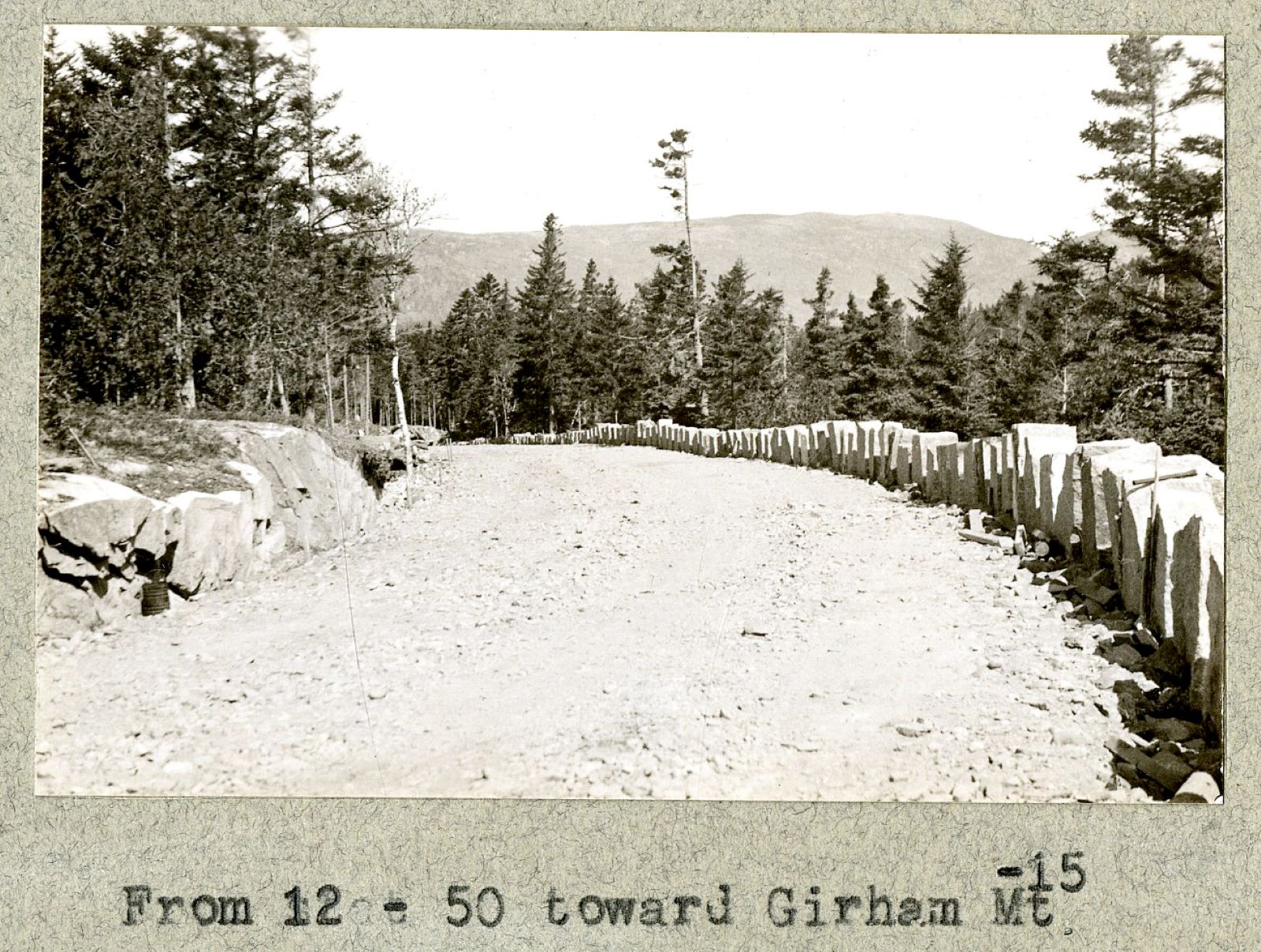
Park Guide
Acadia National Park: Carriage Roads, Cadillac Mountain & 2026 Guide
Discover carriage roads, Cadillac Mountain, and rugged Maine coast. Complete 2026 guide to Acadia National Park — trails, fees, lodging, permits, and what rangers recommend.
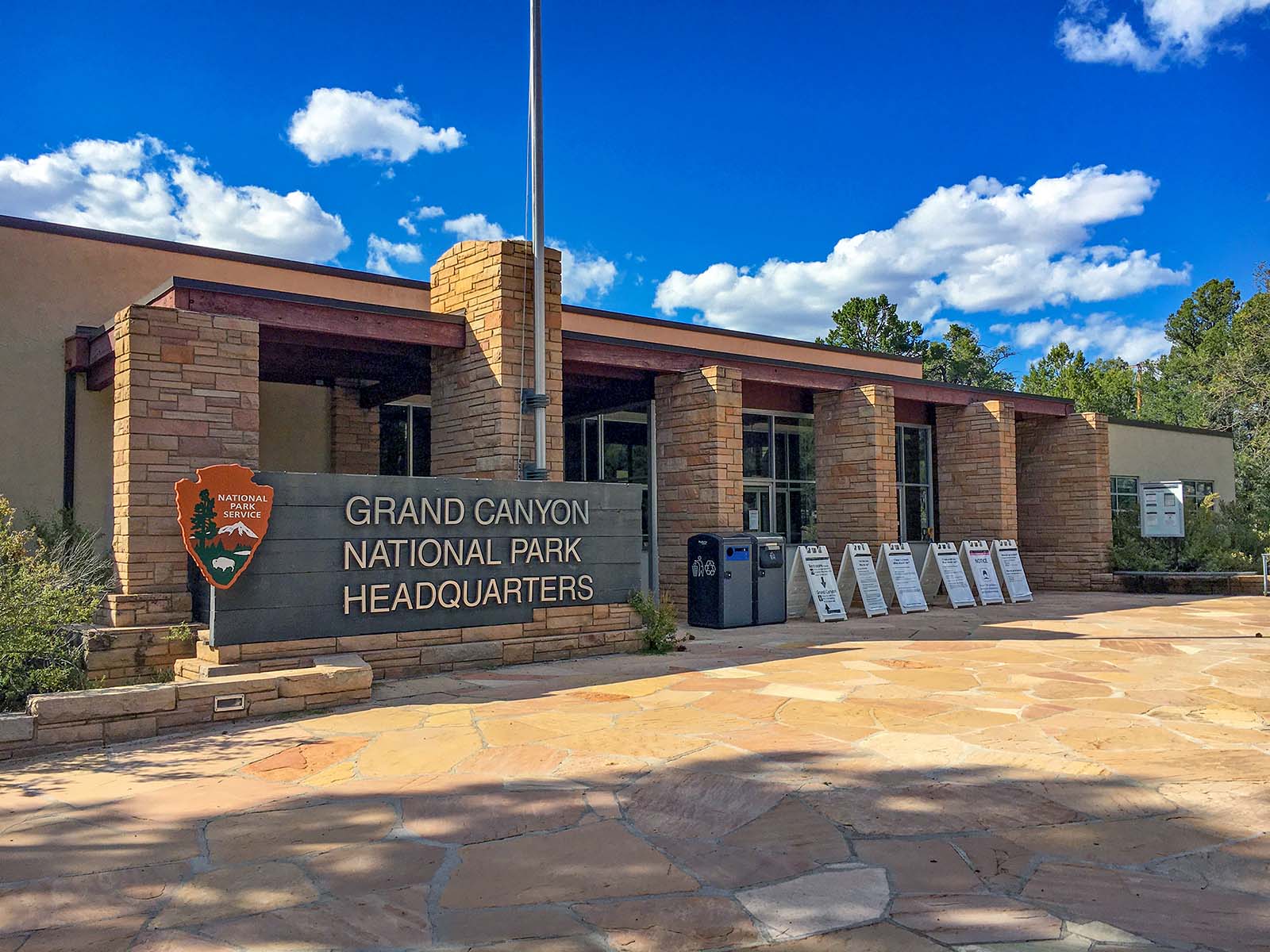
Hiking Guide
Grand Canyon Hiking Trails: Day Hikes, Water Sources & Rim to Rim
Compare Grand Canyon hiking trails: Bright Angel, South Kaibab, Hermit, Grandview, and rim to rim, with distances, elevation, water stops, and trailhead access for each.
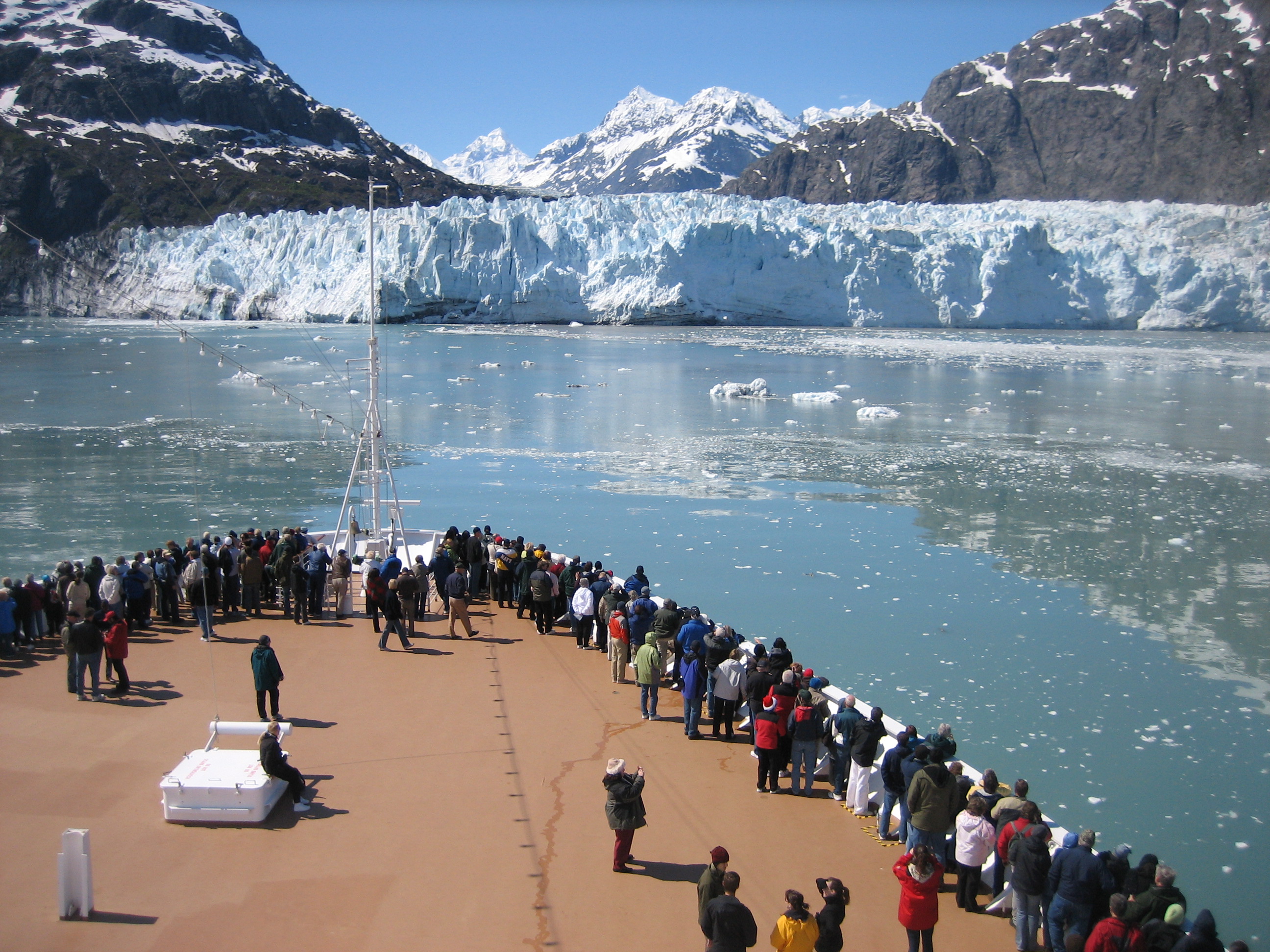
Best Of
Best of Glacier Bay National Park
The best of Glacier Bay is reached by boat: ranger-led day tours up the bay to the tidewater glaciers. What's worth it, how to book, and when to go (2026).
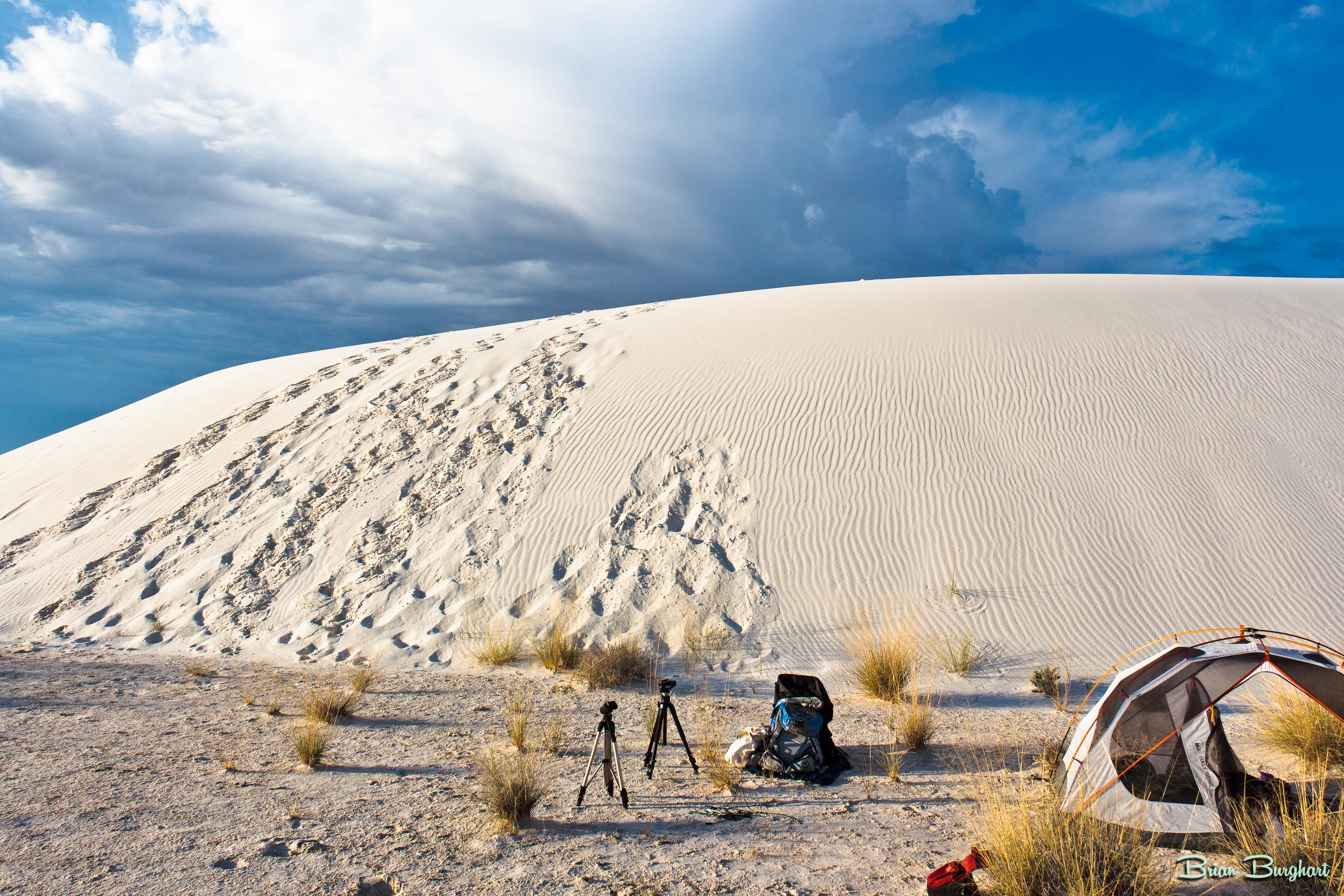
Campsite Guide
White Sands Backcountry Camping: Closed for 2026 — What to Know
As of 2026, backcountry camping at White Sands National Park is closed for site rehabilitation. What that means, and where to camp nearby instead.
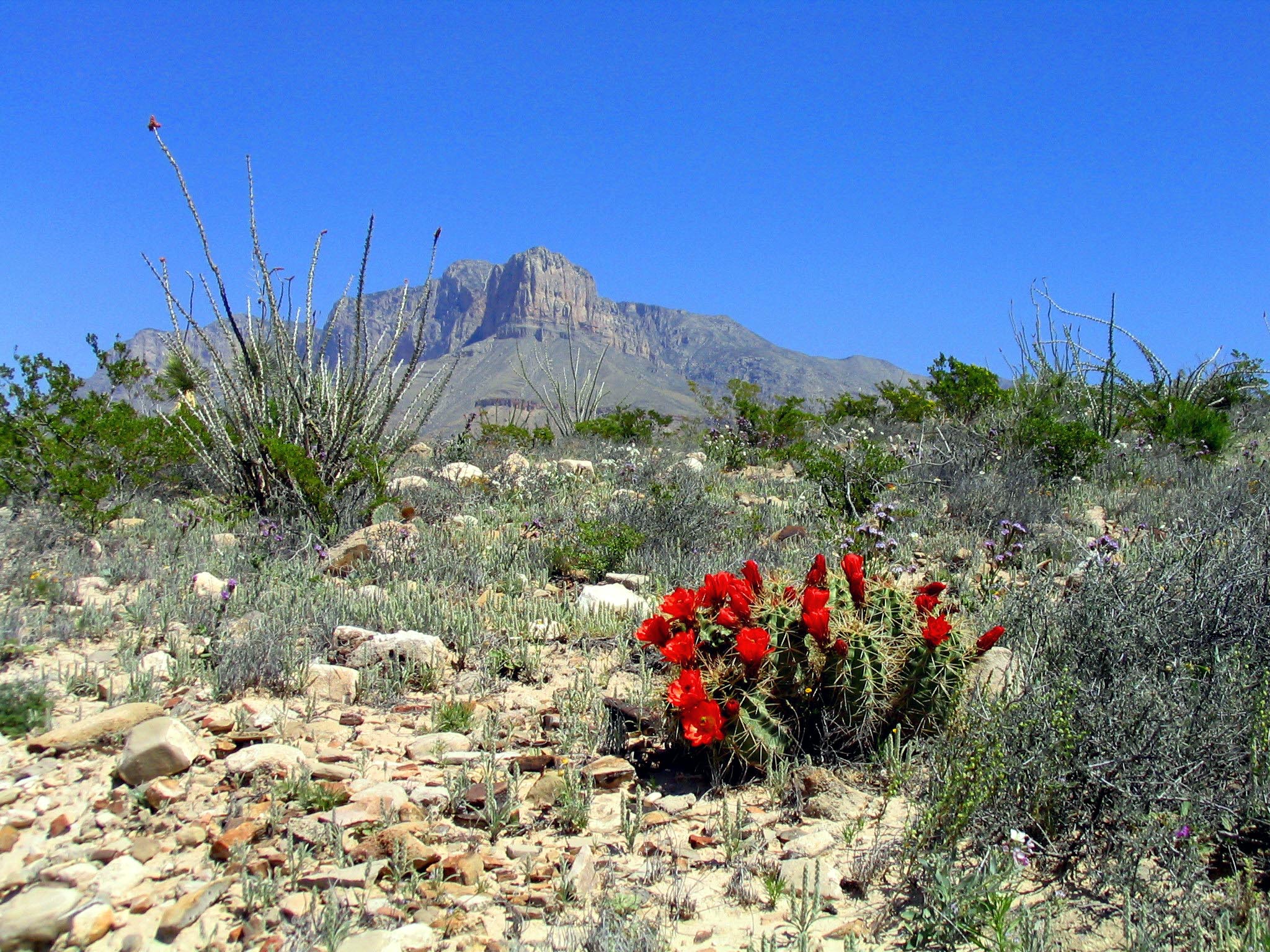
Weather Guide
Guadalupe Mountains National Park Weather: Weather
Guadalupe Mountains National Park: weather guide guide updated 2026. Practical visitor information, reservations, and seasonal tips worth bookmarking before
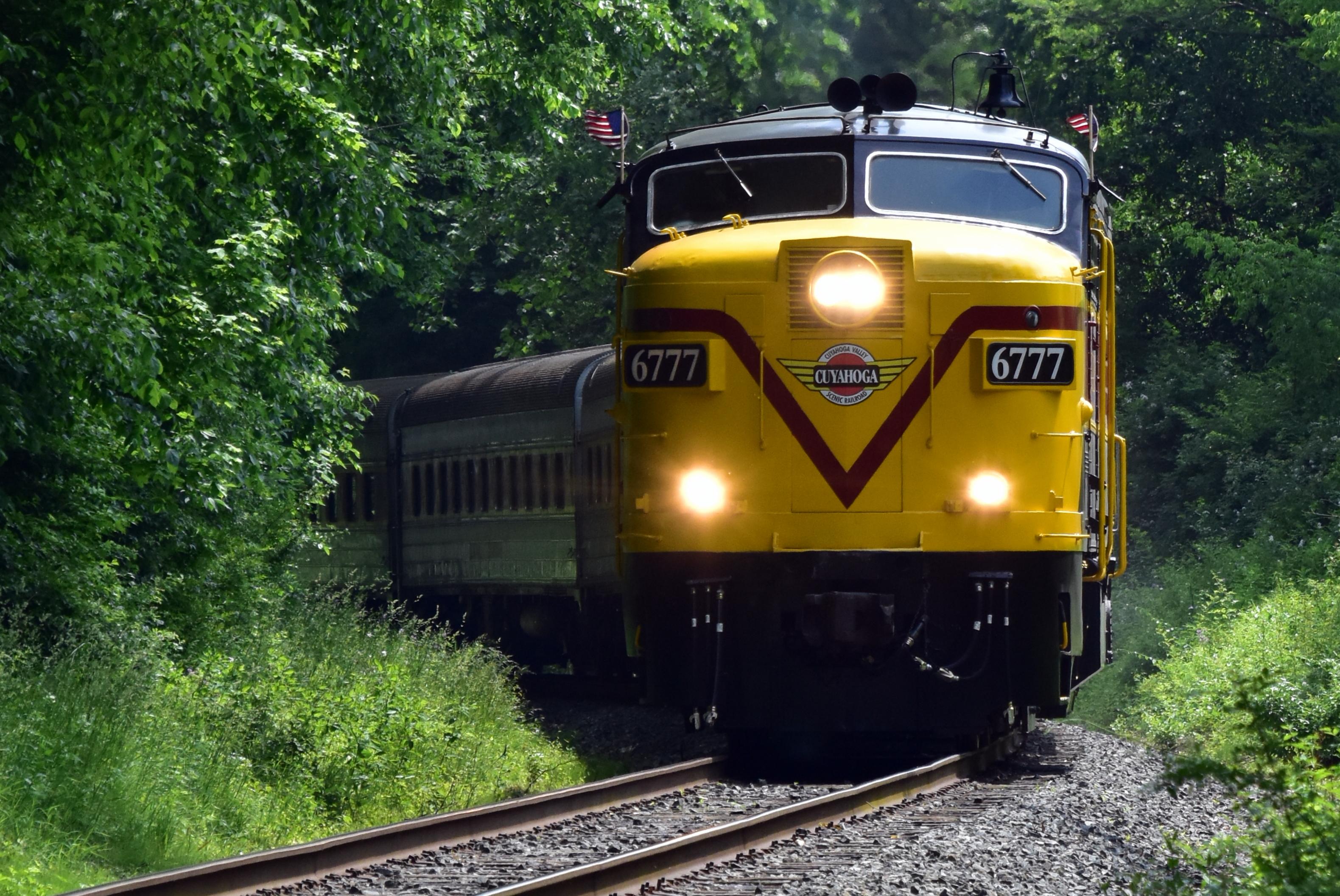
Best Of
Best of Cuyahoga Valley National Park: Best Things to Do
Seeing a Cleveland Orchestra concert with the woods as your backdrop is a uniquely Cuyahoga Valley experience.
Sign in to join the conversation.
Sources & Attribution
Location data courtesy of the National Park Service (U.S. Department of the Interior). NPS data is public domain. Official NPS page.
Images: NPS; NPS; NPS; NPS; NPS.
Map data © OpenStreetMap contributors.
Park operations alerts: NPS.gov · Weather and weather hazards: National Weather Service · Live conditions.
Information may change. Always verify fees, hours, and conditions directly with the official source before visiting.
Did this guide help? Share it with a friend.